

The United States faces a growing crisis as rapid urban development threatens its vital waterways. From the mighty Mississippi to small local streams, water systems nationwide are under unprecedented stress from expanding cities and suburbs. As concrete replaces natural landscapes, the delicate balance that has sustained America’s rivers, lakes, and aquifers for millennia is being disrupted. This article explores how urban growth impacts U.S. waterways, examining the multi-faceted challenges and potential solutions to this pressing environmental issue that affects not just ecosystems, but also the future of American water security.
The Expanding Urban Footprint

Urban areas in the United States are expanding at an alarming rate. According to the U.S. Census Bureau, more than 80% of Americans now live in urban areas, a dramatic increase from about 64% in 1950. This urban growth translates to approximately 175 acres of land being developed every hour in the U.S. Each new subdivision, shopping center, and industrial park fundamentally alters the landscape, replacing absorbent soil and vegetation with impervious surfaces like concrete and asphalt. The National Oceanic and Atmospheric Administration (NOAA) estimates that in some rapidly growing metropolitan areas, impervious surface coverage has increased by more than 1,000% since 1950, dramatically changing how water moves through the environment and putting unprecedented pressure on natural waterways.
The Impervious Surface Problem

Impervious surfaces represent one of the most significant threats to water quality and quantity in urban areas. Roads, parking lots, sidewalks, and rooftops prevent rainfall from naturally infiltrating into the ground. Instead, water runs rapidly off these surfaces, collecting pollutants along the way before surging into local waterways. Research from the Environmental Protection Agency (EPA) indicates that a one-acre parking lot produces about 16 times more runoff than a one-acre meadow. This dramatic increase in runoff volume not only causes flooding but also delivers concentrated pulses of contaminants to streams and rivers. Studies show that when impervious surfaces cover more than 10% of a watershed, stream ecosystems begin to degrade, and when coverage exceeds 25%, severe biological degradation often occurs.
Stormwater Runoff: Urban Waterways’ Greatest Threat
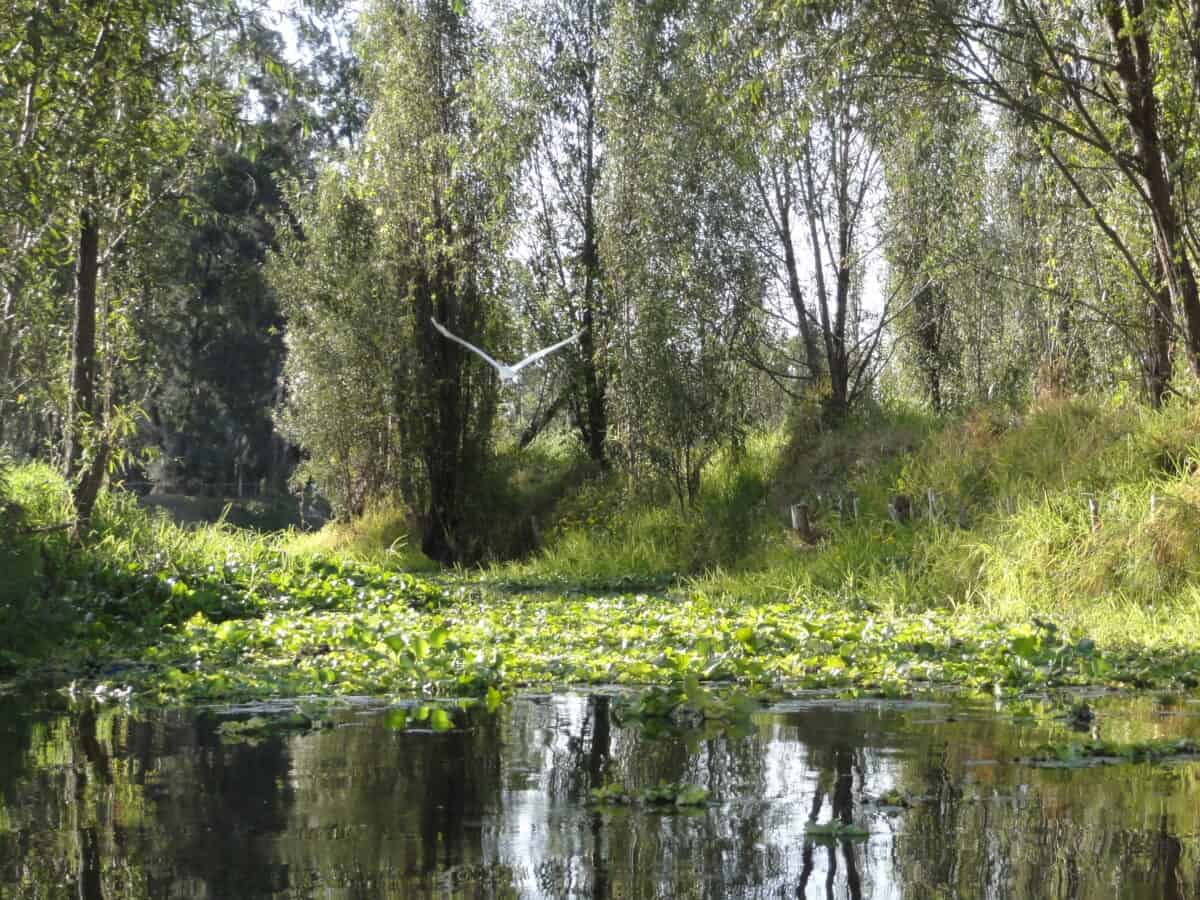
Stormwater runoff in urban areas carries a toxic soup of pollutants into waterways. Oil, grease, and heavy metals from vehicles; fertilizers and pesticides from lawns; bacteria from pet waste; and trash all wash into streams during rainstorms. The EPA estimates that urban stormwater runoff is the leading source of water quality impairments for nearly 13% of all rivers, 18% of all lakes, and 32% of all estuaries in the United States—significant portions of America’s vital water resources. Unlike the steady flow of treated wastewater from pipes, stormwater pollution arrives in concentrated surges during rainfall events, making it particularly damaging to aquatic ecosystems. These “first flush” events can deliver up to 90% of pollutants from a storm in just the first 30 minutes of rainfall, overwhelming natural systems’ ability to process contaminants.
Groundwater Depletion and Urban Growth

As cities expand, their thirst for water grows exponentially. Many urban areas rely heavily on groundwater for municipal supplies, leading to alarming rates of aquifer depletion. The U.S. Geological Survey reports that groundwater levels in major aquifers across the country have declined significantly, with some areas experiencing drops of over 100 feet since development began. In parts of California’s Central Valley, excessive groundwater pumping has caused the land to sink more than 30 feet in some areas, permanently reducing aquifer capacity. The problem extends to major metropolitan areas like Phoenix, Las Vegas, and Atlanta, where rapidly growing populations strain limited groundwater resources. When combined with decreased recharge from impervious surfaces, this creates a dangerous imbalance—more water being extracted while less water returns to replenish underground reservoirs.
Urban Stream Syndrome
Scientists have identified a condition known as “urban stream syndrome” that affects waterways in developed areas. This syndrome is characterized by flashier hydrographs (rapid rises and falls in water levels), elevated concentrations of pollutants, altered channel morphology, reduced biodiversity, and dominance by pollution-tolerant species. Research published in the Journal of the American Water Resources Association found that streams in highly urbanized watersheds often contain less than half the species diversity of comparable streams in undeveloped areas. Physical changes are equally dramatic—urban streams typically have wider, shallower channels with less stable banks, reduced riparian vegetation, and simplified habitat structure. These degraded streams provide fewer ecosystem services and are more susceptible to flooding, erosion, and further water quality deterioration.
The Heat Island Effect on Waterways

Urban areas create heat islands that raise ambient temperatures, which in turn affects nearby waterways. Studies by the U.S. Geological Survey have documented temperature increases of 5-10°F in urban streams compared to their rural counterparts. This thermal pollution stems from multiple sources: warm water running off heated impervious surfaces, reduced streamside shade from lost vegetation, and heated industrial discharges. Elevated water temperatures reduce dissolved oxygen levels, stress or kill temperature-sensitive species like trout and stoneflies, and can trigger harmful algal blooms. Research from the University of Maryland found that urban streams in the Washington D.C. area regularly exceed temperature thresholds considered lethal for many native aquatic species, effectively eliminating these organisms from urban ecosystems and reducing the biological integrity of these waterways.
Sewage Infrastructure: Struggling to Keep Pace

America’s aging sewage infrastructure struggles to accommodate urban growth. Many cities, particularly in the Northeast and Midwest, still operate combined sewer systems that collect both stormwater and sewage in the same pipes. During heavy rainfall, these systems often overflow, discharging untreated sewage directly into waterways. According to the EPA, approximately 860 billion gallons of untreated sewage and stormwater are released through combined sewer overflows annually. Even in cities with separate sewer systems, rapid development often outpaces infrastructure expansion. Leaking sewer lines, inadequate treatment capacity, and illicit connections all contribute to contamination of urban waterways. The American Society of Civil Engineers gives America’s wastewater infrastructure a grade of D+, estimating that over $271 billion in investments will be needed over the next 20 years just to maintain current service levels—a figure that grows substantially when accounting for urban expansion.
The Freshwater Ecosystem Collapse

The cumulative impact of urban growth on waterways extends far beyond individual pollution incidents or local habitat destruction—it threatens entire freshwater ecosystems. The Nature Conservancy reports that freshwater species are disappearing at rates five times faster than terrestrial species, with urban development playing a significant role in this decline. Native fish, amphibians, mussels, and aquatic insects that evolved over millions of years to thrive in specific water conditions find themselves unable to adapt to the rapid changes brought by urbanization. The U.S. Fish and Wildlife Service lists urban development as a primary threat for more than 275 endangered or threatened aquatic species. This loss of biodiversity reduces ecosystem resilience and undermines the ecological services that healthy waterways provide, including natural filtration, flood control, and carbon sequestration.
Environmental Justice and Urban Waterways

The degradation of urban waterways disproportionately affects lower-income communities and communities of color. Historical patterns of development have often concentrated industrial facilities, waste disposal sites, and other pollution sources near disadvantaged neighborhoods. A 2021 study by the University of California, Berkeley found that predominantly Black and Hispanic neighborhoods are 35% more likely to be adjacent to polluted urban waterways than predominantly white neighborhoods of similar economic status. These communities also typically have less access to clean waterways for recreation and fewer resources to advocate for environmental remediation. The EPA’s environmental justice initiatives increasingly recognize that protecting urban waterways is not just an ecological imperative but also a matter of social equity, as access to clean water and healthy environments should be available to all Americans regardless of race, income, or zip code.
Green Infrastructure Solutions
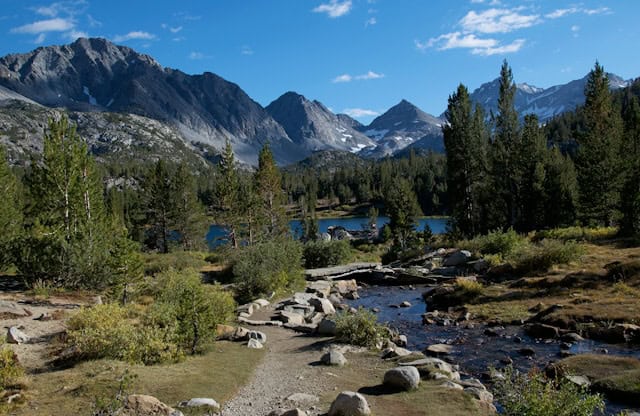
Cities across the U.S. are increasingly turning to green infrastructure as a sustainable approach to managing urban water. Unlike traditional “gray” infrastructure that channels stormwater away through pipes and culverts, green infrastructure mimics natural processes to capture and filter water where it falls. Rain gardens, bioswales, permeable pavements, green roofs, and urban tree canopies all help reduce runoff while providing multiple co-benefits. Philadelphia’s “Green City, Clean Waters” program, one of the most ambitious in the nation, aims to reduce stormwater pollution by 85% through widespread green infrastructure implementation. The city estimates that this approach will cost $2.4 billion—less than half the cost of an equivalent gray infrastructure solution—while creating jobs, improving air quality, increasing property values, and enhancing community livability. Seattle, Portland, and Chicago have implemented similar programs with promising results, demonstrating that urban growth doesn’t have to mean waterway destruction.
Smart Growth and Water-Sensitive Urban Design

Smart growth principles offer strategies for accommodating population increases while minimizing impacts on waterways. By focusing development in already-urbanized areas, protecting critical watershed lands, and designing communities that require less driving (and thus fewer impervious roads and parking lots), cities can grow more sustainably. Water-sensitive urban design goes further by making water management a central organizing principle in development plans. This approach, pioneered in Australia but gaining traction in the U.S., considers the entire water cycle—including drinking water, stormwater, and wastewater—in an integrated manner. Cities like Tucson, Arizona, have adopted ordinances requiring new developments to harvest rainwater, while Lancaster, Pennsylvania’s green infrastructure plan has reduced stormwater runoff by millions of gallons annually. These examples demonstrate that with proper planning and design, cities can grow while maintaining—or even improving—the health of local waterways.
Policy Innovations for Watershed Protection
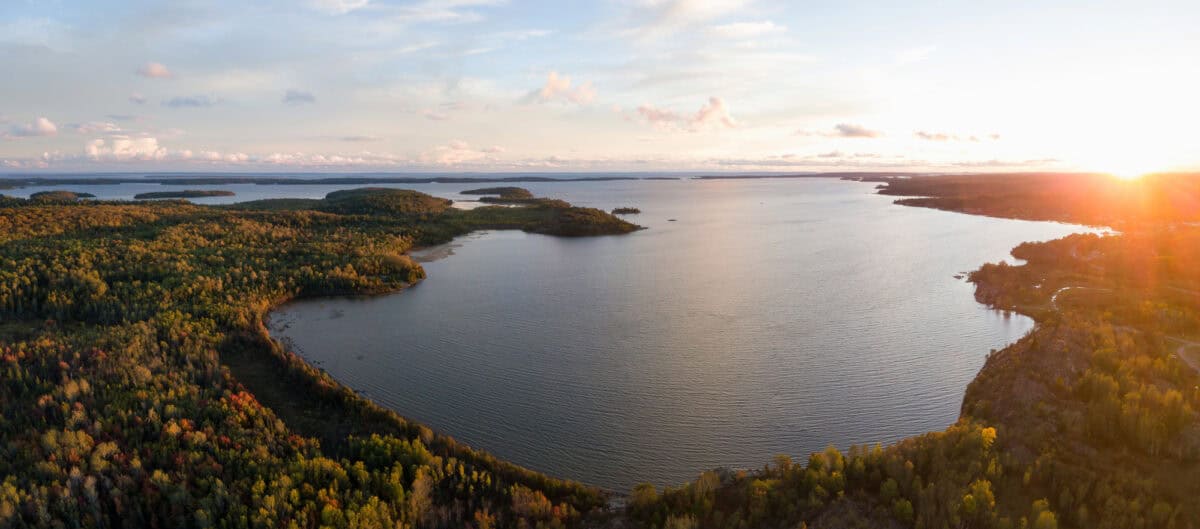
Innovative policies at multiple levels of government are helping to address the impacts of urban growth on waterways. At the federal level, the Clean Water Act provides important regulatory frameworks, though many experts argue it needs updating to better address non-point source pollution from urban areas. State-level initiatives like Maryland’s Forest Conservation Act and Washington’s Growth Management Act protect critical watershed lands from development. At the local level, stormwater utilities that charge property owners based on impervious surface area create financial incentives for reducing runoff. Some municipalities have established watershed overlay districts with special development requirements for sensitive areas, while others offer density bonuses or expedited permitting for projects that exceed stormwater management requirements. The most successful approaches tend to combine regulatory requirements with market-based incentives, technical assistance, and public education to create comprehensive watershed protection strategies.
The Future of America’s Urban Waterways
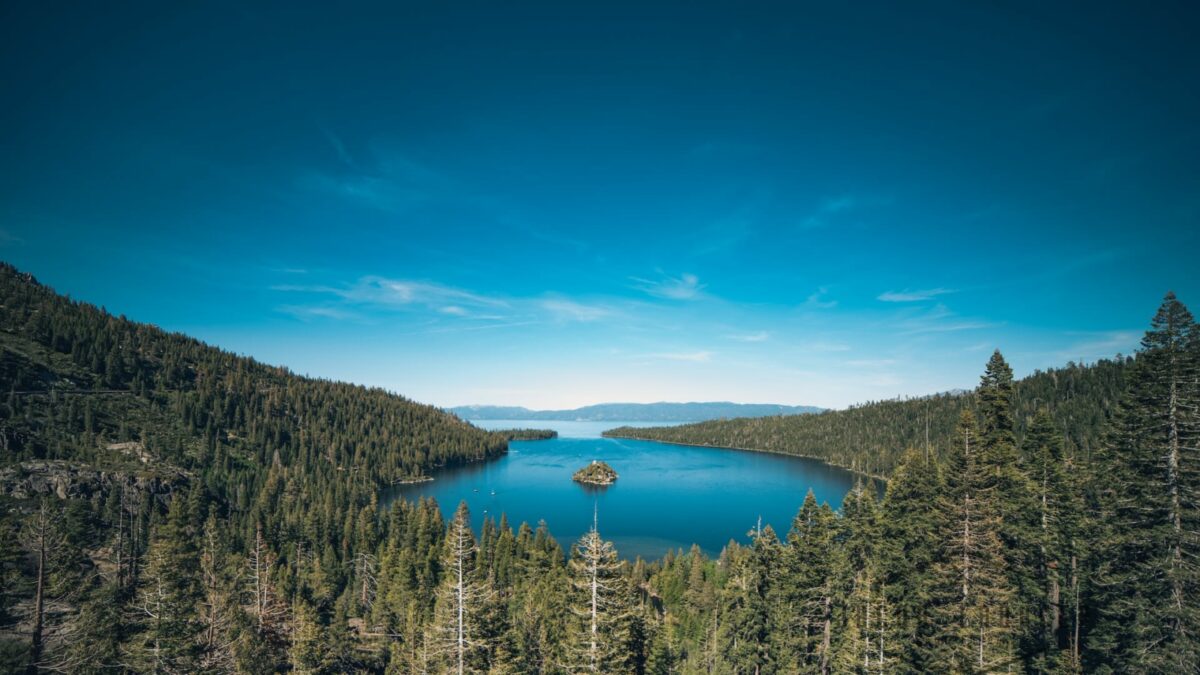
The future of America’s urban waterways stands at a critical crossroads. If current development patterns continue unchecked, many urban streams and rivers face a grim future of increased pollution, habitat degradation, and loss of ecological and recreational value. However, the growing recognition of waterways’ importance for urban resilience, public health, and quality of life offers hope for a different trajectory. The restoration success stories from cities like Boston, where the once-notorious Charles River is now safe for swimming most days, demonstrate that even severely degraded urban waterways can recover with sustained commitment and investment. The COVID-19 pandemic has reinforced the value of accessible natural spaces within urban areas, potentially strengthening public support for waterway protection. By embracing integrated water management, green infrastructure, and development patterns that respect natural hydrology, growing cities can protect and even enhance their waterways. The challenge is substantial, but the technical solutions exist—what’s needed now is the political will, financial investment, and public engagement to implement them at scale across America’s urban landscapes.
Conclusion
Urban growth and healthy waterways need not be mutually exclusive, but achieving balance requires fundamentally rethinking how we develop our cities and manage water resources. The evidence clearly shows that conventional urban development has severely damaged America’s waterways through impervious surfaces, polluted runoff, groundwater depletion, and habitat destruction. Without intervention, continued urbanization threatens to further degrade the rivers, streams, and aquifers that sustain both ecosystems and human communities. However, the innovative approaches emerging across the country—from Philadelphia’s green infrastructure to Tucson’s water harvesting requirements—demonstrate that cities can grow while protecting their water resources. By treating urban waterways not as disposal channels but as valuable assets worthy of protection and restoration, America can create more resilient, livable cities while preserving its aquatic heritage for future generations.

- Could Artificial Coral Reefs Save Marine Biodiversity? - July 28, 2026
- The Animal That Changes Shape - July 28, 2026
- Unbelievable! These 14 Animals Are Smarter Than You Think - July 28, 2026