

The Yellowstone Caldera, often called the Yellowstone supervolcano, sits beneath the picturesque Yellowstone National Park, drawing millions of visitors each year to its geysers, hot springs, and stunning landscapes. Yet beneath this natural beauty lies one of Earth’s most powerful geological features—a massive volcanic system with the potential for catastrophic eruption. The question of what would happen if the Yellowstone Caldera were to “blow” has captured the imagination of scientists and the public alike, inspiring both serious scientific inquiry and dramatic Hollywood portrayals. This article examines the scientific realities behind a potential Yellowstone eruption, its likelihood, and the wide-ranging impacts such an event would have on our world.
Understanding the Yellowstone Supervolcano

The Yellowstone Caldera is a volcanic caldera and supervolcano located in Yellowstone National Park in the Western United States. The caldera measures approximately 34 by 45 miles (55 by 72 kilometers) and formed through several enormous eruptions over the past 2.1 million years. Unlike conventional volcanoes with their distinctive cone shapes, the Yellowstone Caldera appears as a vast depression in the landscape, created when the ground collapsed into partially emptied magma chambers after previous eruptions. Beneath this depression lies one of the world’s largest active volcanic systems, powered by a mantle plume—a column of hot rock rising from deep within the Earth’s mantle. This continuous supply of heat maintains the extensive geothermal features that make Yellowstone famous while also sustaining the magma reservoir that could fuel future eruptions.
Historical Eruptions of Yellowstone

Yellowstone’s geological history includes three cataclysmic eruptions that have occurred at intervals of roughly 600,000 to 700,000 years. The first known major eruption occurred approximately 2.1 million years ago, creating the Island Park Caldera. The second massive eruption followed about 1.3 million years ago, forming the Henry’s Fork Caldera. The most recent enormous eruption, approximately 631,000 years ago, created the current Yellowstone Caldera. Each of these eruptions ejected enormous volumes of ash and other materials—the last one expelled approximately 240 cubic miles (1,000 cubic kilometers) of material, covering much of what is now the western United States. Between these major events, numerous smaller eruptions have occurred, with the last significant lava flows taking place approximately 70,000 years ago. This pattern of activity demonstrates the persistent but intermittent nature of Yellowstone’s volcanic system.
The Science of Supervolcanic Eruptions

Supervolcanic eruptions differ dramatically from typical volcanic events in both their scale and mechanisms. While conventional volcanoes might release a few cubic kilometers of material, supervolcanoes like Yellowstone can expel hundreds or even thousands of cubic kilometers in a single eruption. These massive events begin with the accumulation of magma in chambers beneath the surface. As magma accumulates, pressure builds until the overlying rock can no longer contain it. The resulting eruption occurs when magma, gases, and rock are violently expelled through numerous vents and fissures across the caldera region. The Volcanic Explosivity Index (VEI), which measures the explosiveness of volcanic eruptions on a scale of 0-8, would rate a full Yellowstone eruption at the maximum level of 8, making it thousands of times more powerful than the 1980 eruption of Mount St. Helens. The physics behind such eruptions involves complex interactions between magma, dissolved gases, and the surrounding rock that scientists continue to study through various monitoring techniques.
Immediate Local Impacts

If the Yellowstone Caldera were to experience a major eruption, the immediate local area would face utter devastation. Within a radius of approximately 60 miles (100 kilometers), volcanic flows including pyroclastic density currents—fast-moving clouds of hot gas, ash, and rock—would obliterate nearly everything in their path. These flows can travel at speeds exceeding 50 miles per hour and reach temperatures above 1,000°F (500°C). The Yellowstone region and much of Wyoming, Montana, and Idaho would experience catastrophic destruction from these flows, along with volcanic earthquakes, massive ashfall, and the potential for newly opened fissures across the landscape. Yellowstone National Park itself would be fundamentally altered, with many of its famous features destroyed or transformed. The immediate death toll would likely include most people unable to evacuate from this zone, though precise numbers would depend on evacuation effectiveness and the eruption’s specific characteristics. Infrastructure throughout the region would collapse, including roads, power systems, and communications networks, further complicating rescue and recovery efforts.
Ash Fallout and Its Consequences
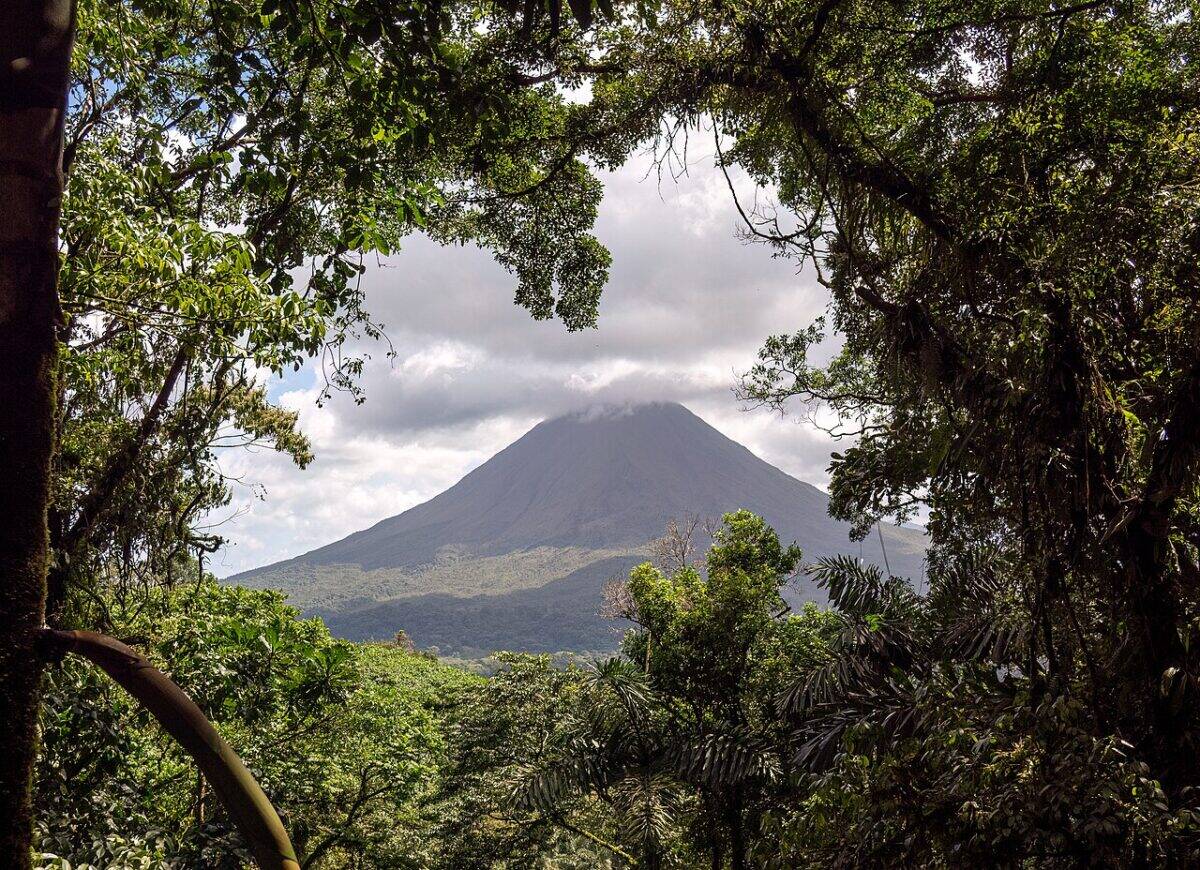
One of the most widespread and disruptive effects of a Yellowstone eruption would be the distribution of volcanic ash across North America. Models suggest that states throughout the Midwest and parts of the West could experience ash deposits ranging from several inches to potentially feet in thickness, with decreasing amounts extending to both coasts. Unlike the ash from a fireplace, volcanic ash consists of tiny, sharp fragments of rock and glass that pose significant hazards. This material would collapse roofs, contaminate water supplies, smother crops, and render roads impassable. The fine particles would cause respiratory problems in humans and animals, potentially leading to thousands of additional deaths from health complications. Aviation across North America would cease as ash damages aircraft engines and reduces visibility to near zero. The cleanup effort would require years and billions of dollars, as volcanic ash cannot simply be washed away—when wet, it forms a cement-like substance that can further damage infrastructure and equipment. Areas receiving even modest ashfall would face profound challenges to basic services and daily life.
Atmospheric and Climate Effects

Perhaps the most globally significant consequence of a major Yellowstone eruption would be its effects on Earth’s climate. The eruption would inject millions of tons of sulfur dioxide and other aerosols into the stratosphere, forming a haze that would circle the globe and reflect solar radiation back into space. This phenomenon, known as “volcanic winter,” would cause global temperatures to drop by an estimated 3-5°C (5-9°F) for several years. Growing seasons would shorten worldwide, with some regions becoming unable to support their traditional agriculture. Historical precedents exist for such cooling—the 1815 eruption of Mount Tambora in Indonesia, a much smaller event than a potential Yellowstone eruption, led to the infamous “Year Without a Summer” in 1816, causing crop failures and food shortages across Europe and North America. A Yellowstone eruption could produce similar but more severe and longer-lasting effects. In addition to cooling, the eruption would affect precipitation patterns globally and potentially impact the ozone layer, increasing ultraviolet radiation reaching Earth’s surface. These climate disruptions would persist for 5-10 years before gradually returning to normal.
Global Food Security Crisis

The combination of widespread ash deposition and global cooling would trigger an unprecedented food security crisis. The American Midwest, one of the world’s most productive agricultural regions, would see catastrophic crop failures due to ash coverage and reduced sunlight. Globally, agricultural productivity would decline dramatically as shortened growing seasons, reduced solar radiation, and altered precipitation patterns affect crop yields. Livestock would suffer from respiratory problems due to ash and from food shortages as pastures and feed crops fail. Marine food chains could also be disrupted by changes in ocean temperature and chemistry. Computer models suggest global food production might decline by 25-50% for several years following a major eruption. Such reductions would likely lead to widespread famine in vulnerable regions, potentially affecting billions of people worldwide. Food prices would skyrocket globally, creating economic hardship even in wealthy nations. International food aid systems would be overwhelmed by the scale and duration of the crisis, requiring unprecedented cooperation among surviving governments to manage and distribute limited food resources.
Economic and Social Disruption

The economic consequences of a Yellowstone supereruption would be staggering, potentially exceeding $3-5 trillion in the United States alone—many times the cost of any natural disaster in history. The devastation of the western United States would eliminate major economic centers, while transportation and supply chain disruptions would ripple throughout the global economy. Financial markets would likely collapse in the immediate aftermath as uncertainty and panic drove investor behavior. Mass population displacement would occur as people fled the most severely affected regions, creating refugee crises and straining resources in receiving areas. Social order might break down in some regions as food shortages, utility failures, and health crises overwhelmed government response capabilities. The complexity of modern society, with its interdependent systems and just-in-time delivery models, makes it particularly vulnerable to this scale of disruption. Recovery would require decades and would likely involve fundamental restructuring of affected economies and societies. However, history suggests that human adaptability would eventually lead to new patterns of settlement and economic activity, though the transition period would involve immense hardship.
The Probability Question: How Likely Is an Eruption?

Despite the catastrophic potential of a Yellowstone eruption, scientific evidence indicates that such an event remains highly unlikely in the near future. The United States Geological Survey (USGS) estimates the annual probability of a supereruption at Yellowstone at approximately 1 in 730,000, making it an exceedingly rare event. The current scientific consensus holds that there is no evidence of an imminent major eruption. The magma chamber beneath Yellowstone contains partially molten material but is estimated to contain only 5-15% actual molten magma—insufficient for a major eruption without significant changes. Constant monitoring by the USGS and Yellowstone Volcano Observatory has revealed no unusual patterns in seismic activity, ground deformation, or gas emissions that would suggest an impending eruption. Smaller eruptions, while still significant by human standards, are more likely than a full caldera-forming event. The most probable volcanic activity at Yellowstone in our lifetimes would be hydrothermal explosions or relatively modest lava flows, rather than a civilization-altering supereruption. Nevertheless, the monitoring of Yellowstone continues as a scientific priority due to the system’s complexity and the theoretical potential for unexpected changes.
Monitoring and Early Warning Systems

Yellowstone is among the most intensively monitored geological features on Earth. The Yellowstone Volcano Observatory, a partnership between the USGS, Yellowstone National Park, and university researchers, maintains an extensive network of instruments tracking various aspects of the volcanic system. Seismometers detect and locate earthquakes that might indicate magma movement, while GPS stations and satellite measurements track ground deformation patterns that could signal pressure changes in the magma chamber. Gas-monitoring equipment measures emissions of carbon dioxide, helium, and other gases that provide clues about subsurface magmatic activity. Additionally, temperature monitoring at geothermal features helps identify changes in the hydrothermal system. This comprehensive monitoring network serves both scientific research and public safety purposes. If warning signs of an impending eruption were detected, they would typically appear weeks to months or even years in advance, providing time for response planning. Scientists emphasize that any significant changes would be communicated transparently to the public, and that current monitoring data is openly available online. Despite sensationalist claims sometimes found in popular media, there is no scientific basis for concerns about concealed eruption warnings.
Preparation and Response Planning

While the probability of a catastrophic Yellowstone eruption remains extremely low, various government agencies have incorporated such scenarios into their disaster preparation frameworks. The Federal Emergency Management Agency (FEMA) has developed general volcanic eruption response protocols that would be adapted to a Yellowstone event. These plans focus on evacuation procedures, emergency shelter provision, and the establishment of aid distribution networks. Public health agencies have protocols for addressing ash-related respiratory issues and water contamination that would occur in affected areas. However, the unprecedented scale of a supervolcanic eruption means that existing plans would likely prove insufficient in many respects. Some scientists and emergency management experts advocate for increased attention to supervolcano scenarios in national disaster planning, including investment in more resilient food production systems, strategic resource stockpiling, and improved public education about volcanic hazards. The complex, cascading nature of the impacts from such an eruption presents unique challenges for emergency planners used to more localized disaster scenarios. Practical preparation primarily involves supporting the ongoing monitoring efforts that would provide crucial early warning.
Historical Perspective: Past Supervolcanic Eruptions
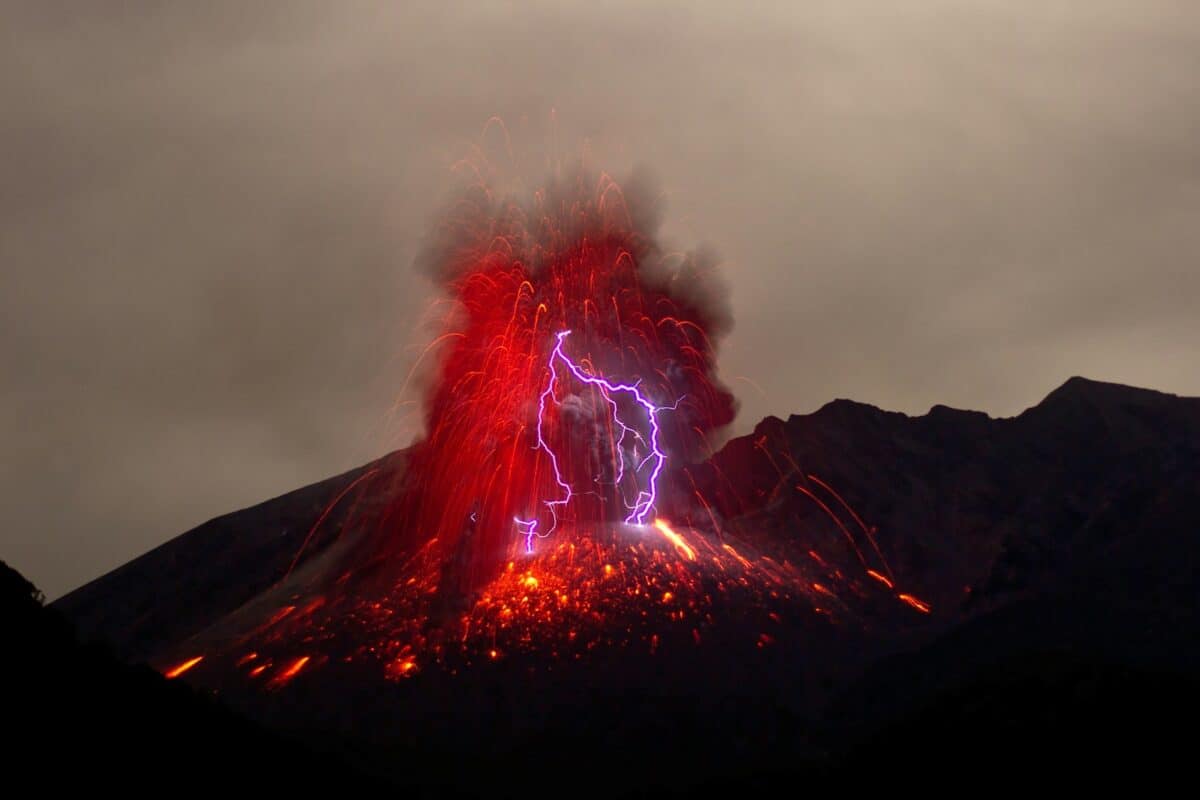
While Yellowstone’s previous eruptions occurred before human civilization, other supervolcanic eruptions have occurred within human history and provide insight into potential impacts. The eruption of Toba in Indonesia approximately 74,000 years ago—the most recent supervolcanic eruption comparable to Yellowstone—coincided with a significant human population bottleneck, though the exact relationship remains debated among scientists. More recently, the 1815 eruption of Mount Tambora, while not technically a supervolcanic event, produced global cooling that caused widespread crop failures. Even the relatively modest 1991 eruption of Mount Pinatubo in the Philippines temporarily reduced global temperatures by about 0.5°C. These historical examples demonstrate the relationship between volcanic eruptions and climate effects, though none approach the potential magnitude of a full Yellowstone eruption. Archaeological and geological evidence suggests that human societies have shown remarkable resilience in the face of volcanic disasters, adapting to changed conditions and eventually recovering. However, modern civilization’s complexity, specialization, and interconnectedness present unique vulnerabilities compared to preindustrial societies that were more self-sufficient at local levels.
Conclusion: Perspective on the Yellowstone Threat

While the potential consequences of a Yellowstone supervolcanic eruption would be genuinely catastrophic, the scientific evidence strongly indicates that such an event remains exceedingly unlikely in our lifetime or even in the next several thousand years. The comprehensive monitoring systems in place would almost certainly provide significant advance warning of any major changes in the volcanic system, allowing for some preparation and response planning. Rather than focusing on this low-probability event, experts suggest that society would benefit more from addressing more immediate threats like climate change, pandemic preparation, and the mitigation of more common natural disasters. Nevertheless, the study of Yellowstone’s volcanic system offers valuable scientific insights and reminds us of the powerful geological forces that have shaped our planet throughout its history. Perhaps the most appropriate response to the question “What happens if Yellowstone blows?” is continued scientific monitoring, reasonable contingency planning, and a healthy perspective on the relative risks we face as a civilization.

- Why Dolphins Are Considered the Most Intelligent Marine Animals - August 15, 2026
- What We Learned from a 10,000-Year-Old Bison Discovery - August 15, 2026
- 12 Famous Animals in Native American Folklore - August 15, 2026