


From the majestic bald eagle soaring across our national consciousness to the humble carrier pigeons that transformed communication, certain animals have left an indelible mark on American history. These creatures have shaped our culture, influenced our policies, inspired our conservation efforts, and sometimes even altered the course of historic events. The United States’ story cannot be fully told without acknowledging these remarkable animals that have become symbols, heroes, companions, and catalysts for change throughout our nation’s development. This article explores twelve of the most iconic animals in American history, examining their significance, the stories behind their fame, and the lasting legacies they’ve created in our collective memory.
12. The Bald Eagle America’s National Symbol

No animal has represented American ideals more prominently than the bald eagle. Selected as the national emblem in 1782, this majestic raptor has adorned the Great Seal of the United States for over two centuries. The founding fathers, particularly Benjamin Franklin (who famously preferred the turkey), engaged in spirited debate about this selection, but ultimately the eagle’s strength, longevity, and soaring independence resonated with the vision for the new nation. By the mid-20th century, habitat destruction, hunting, and DDT poisoning had pushed bald eagles to the brink of extinction, with fewer than 500 nesting pairs remaining in the lower 48 states. Their subsequent recovery—to more than 9,700 breeding pairs today—stands as one of America’s greatest conservation success stories, embodying resilience and renewal. The bird’s journey from near-extinction to removal from the endangered species list in 2007 parallels America’s own growth and endurance through challenges.
11. Smokey Bear The Face of Forest Fire Prevention

Few advertising characters have achieved the status and longevity of Smokey Bear, whose simple message “Only YOU can prevent forest fires” has been ingrained in American consciousness since 1944. While Smokey began as a fictional character, he gained a real-life counterpart in 1950 when firefighters rescued a badly burned bear cub from a New Mexico wildfire. Named Smokey, the cub lived at the National Zoo in Washington, D.C. for 26 years, receiving so much fan mail that he was assigned his own ZIP code. The Smokey Bear campaign is considered the longest-running public service announcement in U.S. history, and studies suggest it has helped reduce the average annual acreage lost to wildfire. The character has transcended mere mascot status to become a cultural touchstone, representing America’s commitment to conservation and personal responsibility for natural resources. His image—the ranger hat, jeans, and shovel—remains instantly recognizable to generations of Americans.
10. Seabiscuit The Underdog Champion
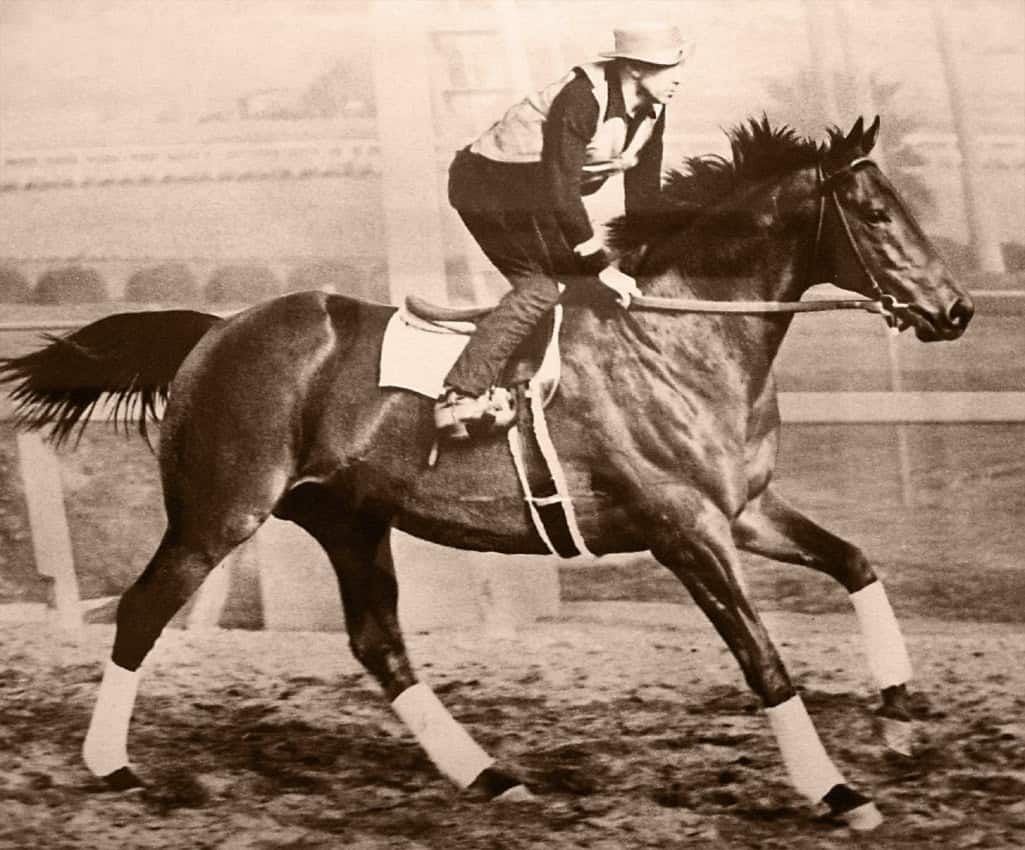
During the Great Depression, when Americans desperately needed hope, an unlikely hero emerged from the racetrack. Seabiscuit, a small, knobby-kneed horse with an ungainly stride, transformed from an underperforming racehorse into a national phenomenon. Under the guidance of owner Charles Howard, trainer Tom Smith, and jockey Red Pollard, Seabiscuit defeated the heavily favored War Admiral in their famous 1938 match race, captivating the nation in what was then the most listened-to radio broadcast in history. An estimated 40 million Americans—nearly one-third of the population—tuned in. Seabiscuit’s triumph over adversity resonated deeply with a country struggling through economic hardship, becoming a powerful metaphor for the American dream. His story demonstrated that with determination and the right opportunity, even the most overlooked competitors could achieve greatness. Decades later, Seabiscuit’s legacy was revitalized through Laura Hillenbrand’s bestselling book and the subsequent film adaptation, introducing new generations to this quintessential American sports hero.
9. Rin Tin Tin Hollywood’s Canine Star

The saga of Rin Tin Tin begins on a World War I battlefield in France, where American soldier Lee Duncan rescued a German Shepherd puppy from a bombed-out kennel. That puppy would become not only one of the first animal movie stars but also a cultural phenomenon who helped establish Warner Bros. as a major studio. At the height of his fame in the 1920s, Rin Tin Tin received thousands of fan letters weekly and starred in 27 Hollywood films. His intelligence, athleticism, and expressive face captivated audiences in silent films, and his popularity was so immense that he reportedly received the most votes for Best Actor at the first Academy Awards (though the Academy decided the award should go to a human). Several generations of trained German Shepherds continued the Rin Tin Tin legacy through films and television, including the popular 1950s series “The Adventures of Rin Tin Tin.” Beyond entertainment, Rin Tin Tin’s popularity led to increased interest in German Shepherds as both working dogs and family pets across America, influencing the breed’s standing as one of the nation’s most beloved dogs for decades.
8. Balto The Lifesaving Sled Dog

In the winter of 1925, the isolated town of Nome, Alaska faced a deadly diphtheria outbreak with extremely limited medical supplies. When the only available serum was nearly 700 miles away in Anchorage, a relay of 20 mushers and about 150 sled dogs transported the medicine across treacherous terrain in record time. Balto, a Siberian Husky led by musher Gunnar Kaasen, ran the final leg of this “Great Race of Mercy,” navigating the final 53 miles through a blizzard with near-zero visibility. The successful delivery saved countless lives and turned Balto into an instant American hero. Just 10 months after the serum run, a statue honoring Balto was erected in New York’s Central Park—a bronze memorial that remains popular with visitors today. Though Balto received most of the glory, historians note that another sled dog, Togo, actually covered the most dangerous and longest stretch of the journey. Together, these remarkable animals exemplified the crucial role working dogs played in Alaska’s development and demonstrated extraordinary courage in the face of impossible conditions. Their story continues to be celebrated through books, films, and museum exhibits, highlighting the deep partnership between humans and dogs in conquering America’s last frontier.
7. Secretariat The Greatest Racehorse

In 1973, a chestnut colt with three white “socks” and a distinctive white star captured America’s imagination by accomplishing what many considered impossible. Secretariat, affectionately known as “Big Red,” won the Triple Crown with record-setting performances in all three races—the Kentucky Derby, Preakness Stakes, and Belmont Stakes. His Belmont victory, where he won by an astonishing 31 lengths, remains perhaps the most dominant performance in the history of American sports. Secretariat’s 1:59.4 time in the Kentucky Derby still stands as the track record nearly 50 years later. Beyond his athletic achievements, Secretariat became a mainstream cultural phenomenon during a tumultuous time in American history, appearing on the covers of Time, Newsweek, and Sports Illustrated in the same week. His breeding rights were syndicated for a then-record $6.08 million (equivalent to approximately $35 million today), and his genetic influence continues through generations of thoroughbreds. After his death in 1989, an autopsy revealed Secretariat’s heart was approximately 2.5 times larger than that of the average horse—a physical advantage that helped explain his extraordinary stamina and speed. For many Americans, Secretariat represented perfection: the ideal combination of power, beauty, and competitive greatness.
6. Jumbo: P.T. Barnum’s Colossal Attraction

When showman P.T. Barnum purchased an African elephant named Jumbo from London Zoo in 1882, he sparked an international sensation that would forever change the American circus and introduce a new word into the English language. Standing approximately 11 feet tall and weighing over 6 tons, Jumbo was the largest elephant in captivity and quickly became the centerpiece of Barnum’s “Greatest Show on Earth.” Americans flocked to see this gentle giant, with attendance reaching over one million spectators during Jumbo’s first tour. Though his life with Barnum lasted only three years before his tragic death in a railroad accident, Jumbo’s impact on American culture was enormous. His name entered everyday vocabulary as a synonym for anything unusually large, from jumbo shrimp to jumbo jets. After Jumbo’s death, Barnum had the elephant’s hide mounted and continued displaying it, while donating the skeleton to the American Museum of Natural History. The stuffed Jumbo toured for years before finding a home at Tufts University, where he became the school mascot until a fire destroyed the taxidermy in 1975. Jumbo represented America’s fascination with the exotic during the Victorian era and helped establish the circus as a dominant form of entertainment in late 19th century America.
5. Passenger Pigeon From Billions to Extinction
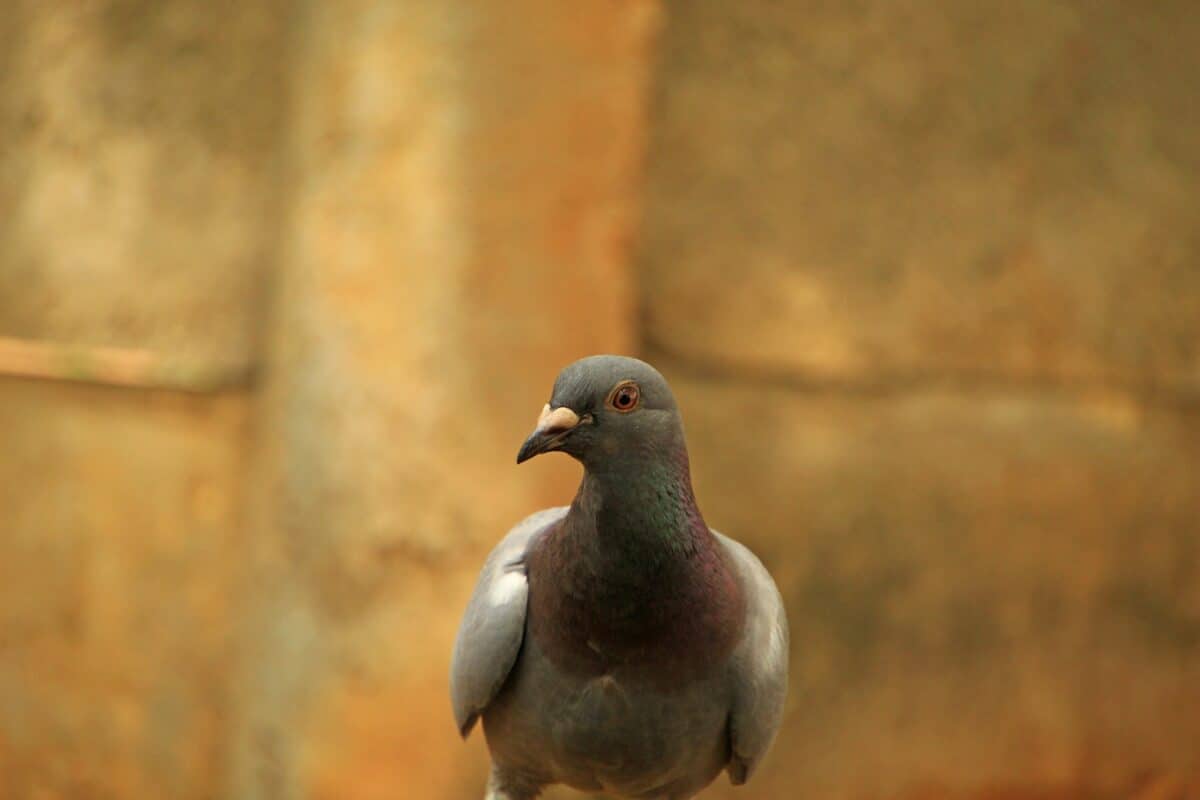
Perhaps no American animal represents both natural abundance and human-caused extinction more poignantly than the passenger pigeon. Once the most numerous bird species in North America, passenger pigeons darkened the skies in flocks so vast that observers reported them taking days to pass overhead. John James Audubon described one flock in 1813 as blocking the sun for three days as more than one billion birds flew overhead. Native Americans and early European settlers hunted these birds sustainably for centuries, but the combination of commercial hunting, habitat destruction, and the telegraph (which allowed hunters to track the pigeons’ movements) led to catastrophic population decline in the late 19th century. Martha, the last known passenger pigeon, died at the Cincinnati Zoo on September 1, 1914, marking the end of a species that had once comprised up to 40% of all birds in North America. This extinction served as a watershed moment in American conservation consciousness, directly influencing the development of wildlife protection laws and the modern conservation movement. The passenger pigeon’s demise remains an enduring symbol of humanity’s capacity to impact the natural world and a sobering reminder of what can be lost without proper stewardship.
4. Checkers The Dog That Saved Nixon’s Career

In September 1952, Richard Nixon, then a senator and vice-presidential candidate, faced accusations of improper use of campaign funds. In response, he delivered a televised address that became known as the “Checkers Speech,” named for the family’s black-and-white cocker spaniel. During this unprecedented political maneuver, Nixon mentioned that regardless of what happened politically, his daughters would keep Checkers, a gift from a Texas supporter. “The kids love the dog, and I just want to say this right now, that regardless of what they say about it, we’re gonna keep it.” This simple, emotional reference to the family pet resonated deeply with the American public. An estimated 60 million Americans—about half the adult population at the time—watched the speech, and the Republican National Committee received an overwhelming positive response, with 160,000 telegrams, 250,000 letters, and thousands of phone calls supporting Nixon. Political analysts widely credit this speech with saving Nixon’s place on the Republican ticket, allowing him to continue a political career that eventually led to the presidency. Though Checkers died in 1964, long before Nixon reached the White House, the dog’s brief mention in a critical speech demonstrated how powerfully Americans respond to stories about beloved pets, elevating a family dog to a place in political history.
3. Stubby The Heroic War Dog

America’s most decorated war dog began his military career as a stray wandering around Yale University in 1917. Sergeant Stubby, a bull terrier mix with a stubby tail, was smuggled to France during World War I by Private J. Robert Conroy of the 102nd Infantry Regiment. On the battlefields, Stubby proved his worth repeatedly: he warned troops of incoming gas attacks, located wounded soldiers in no man’s land, and even captured a German spy by grabbing the man’s pants and holding him until American soldiers arrived. For his bravery, Stubby became the first dog to be given rank in the United States Armed Forces and was decorated with numerous medals, including a special medal created by General John Pershing, the commander of the American Expeditionary Forces. After the war, Stubby became a national celebrity, meeting three presidents, leading parades, and receiving more coverage in American newspapers than many human heroes. Upon his death in 1926, his remains were preserved and eventually displayed at the Smithsonian Institution, where he continues to educate visitors about the contributions of animals in wartime. Sergeant Stubby represents the long tradition of working animals in American military history and illustrates how the bond between soldiers and their animal companions has transcended the chaos of warfare.
2. Old Rip The Presidential Toad

In 1928, a peculiar story emerged from Eastland, Texas, that would capture national attention and become one of America’s most unusual animal legends. When the old Eastland County Courthouse was demolished after standing for 31 years, workers reportedly discovered a live horned toad sealed within the cornerstone. Named “Old Rip” after the fictional character Rip Van Winkle, the toad was said to have survived for three decades without food, water, or air in a state of suspended animation. Though biologists expressed profound skepticism, the story spread nationwide, with Old Rip becoming a media sensation. The toad was taken on tour across Texas and eventually to Washington, D.C., where he was reportedly presented to President Calvin Coolidge. When Old Rip died shortly after his newfound fame, he was embalmed, placed in a small velvet-lined casket, and displayed in the new Eastland County Courthouse, where visitors can still see him today. While modern science conclusively rejects the possibility of a toad surviving such conditions, Old Rip’s story represents America’s love of tall tales and local legends, as well as the peculiar intersection of small-town pride and national media during the 1920s. The tale fits within the tradition of American folklore that includes Paul Bunyan and Pecos Bill, demonstrating how animal stories often become vehicles for regional identity and national curiosity.
1. Cecil the Lion Catalyst for Conservation Change

Though not an American animal by birth, Cecil the Lion became a pivotal figure in U.S. conservation history when an American dentist and recreational big-game hunter killed him in Zimbabwe in July 2015. Cecil, a 13-year-old black-maned lion, was being studied by Oxford University researchers and had become a beloved attraction at Hwange National Park. News of his killing sparked unprecedented global outrage, with the story dominating American social media and news cycles for weeks. The dentist’s dental practice in Minnesota became the target of protests, and he received numerous death threats, forcing him into hiding. More significantly, Cecil’s death catalyzed real policy change in the United States. Multiple airlines announced bans on transporting hunting trophies, the U.S. Fish and Wildlife Service added lions to the endangered species list, making it much harder for American hunters to bring lion trophies into the country, and several states introduced legislation to ban the import of exotic animal parts. The “Cecil Effect” demonstrated the growing power of social media to rapidly mobilize public opinion around animal welfare issues and revealed shifting American attitudes toward trophy hunting. Though Cecil never set foot on American soil, his legacy profoundly affected U.S. conservation policy and wildlife protection around the world, making him one of the most influential animals in recent American history.
Conclusion: The Enduring Legacy of America’s Iconic Animals
From battlefield heroes to conservation symbols, America’s most iconic animals have shaped our national identity in ways both obvious and subtle. These twelve remarkable creatures represent just a fraction of the animals that have influenced American history, culture, and policy over the centuries. Their stories reveal our evolving relationship with the natural world—sometimes marked by exploitation and carelessness, other times by compassion and conservation. As we look toward the future, these iconic animals remind us of our responsibility to protect wildlife and preserve their stories for generations to come. Their legacies continue to inspire conservation efforts, scientific research, and a deeper appreciation for the complex bonds between humans and animals that have helped define the American experience.

As a little kid, I fell in love with nature, wildlife, and animals. Living in the USA, South Africa, Italy, China and Germany gave me the opportunity to discover the world's Wildlife. My favorite animals are Mountain Gorillas, Siberian Tigers, and Great White Sharks.
I'm a certified PADI Open Water Diver, went to Everest Base Camp and Trekked Gorillas in Uganda. I hold a Master of Science in Economics and Finance.
Please send any feedback to feedback@animalsaroundtheglobe.com
- 11 Most Endangered Insects Buzzing in America Today - July 22, 2026
- 10 Most Frequently Googled Animal Birth Facts - July 22, 2026
- 10 Incredible Migration Journeys in the Animal Kingdom - July 22, 2026