
As we approach 2025, the global fight against wildlife poaching has reached a critical juncture. Poaching—the illegal hunting, capturing, or killing of wildlife—continues to threaten biodiversity worldwide despite decades of conservation efforts. With species disappearing at alarming rates and ecosystems facing unprecedented pressure, understanding and supporting anti-poaching legislation has never been more crucial. This article explores why poaching laws matter more than ever in 2025, how they affect our shared environment, and why your awareness and action can make a difference in preserving our planet’s precious wildlife heritage.
The Evolving Crisis of Wildlife Poaching

Wildlife poaching has transformed dramatically in recent decades, evolving from isolated subsistence hunting to sophisticated criminal networks with global reach. By 2025, experts project that wildlife crime will have further industrialized, with trafficking syndicates using advanced technology, including drones and satellite tracking, to evade authorities. The International Union for Conservation of Nature (IUCN) estimates that poaching contributes to approximately 35% of all wildlife population declines globally. The economic scale is staggering—wildlife crime now ranks as the fourth largest illegal trade worldwide, generating between $7-23 billion annually. These operations threaten not just individual species but entire ecosystems and the communities that depend on them.
Key Species at Critical Thresholds

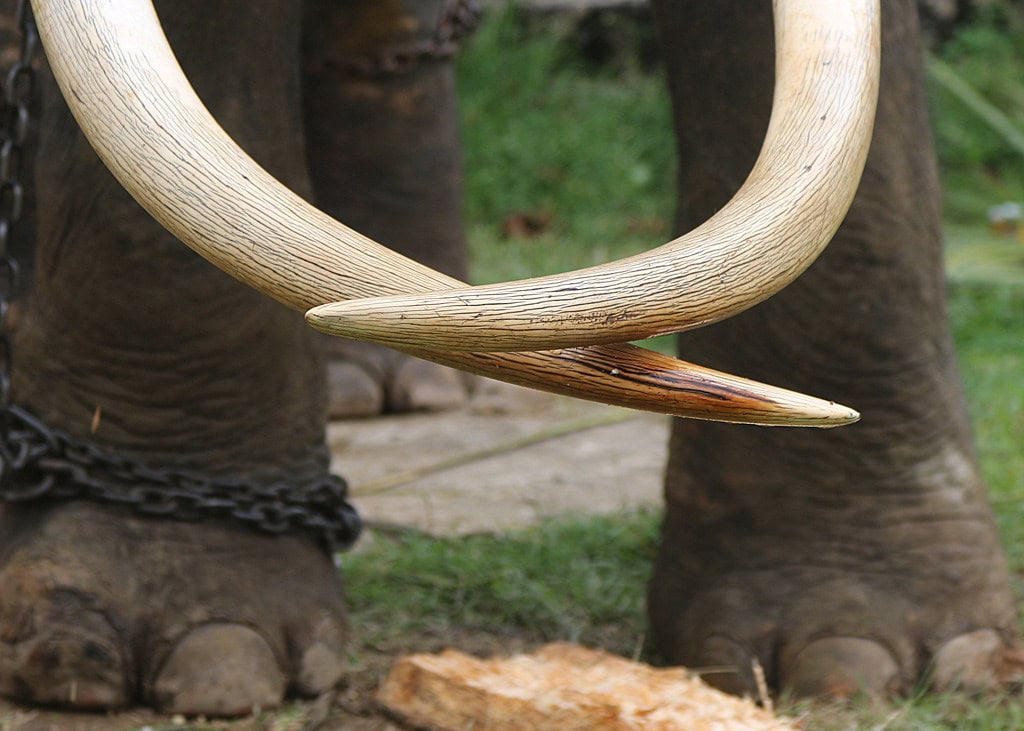
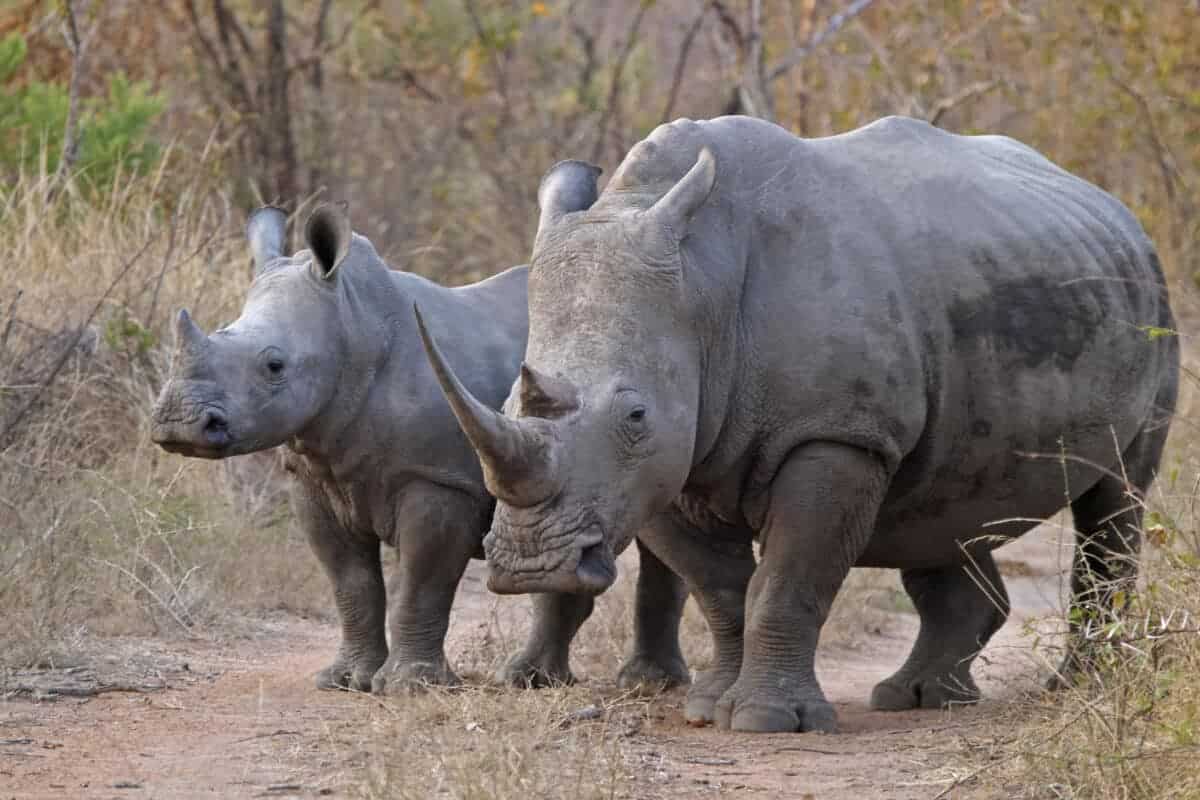
By 2025, several iconic species will have reached dangerously low population levels primarily due to poaching. African elephant numbers have declined by more than 30% in the past decade, with current projections suggesting fewer than 400,000 will remain across the continent by 2025. The northern white rhino has been functionally extinct in the wild since 2018, while just over 27,000 rhinos of all species remain—a 90% reduction from historic levels. Tigers, with fewer than 4,000 individuals remaining in the wild, face continued pressure from poaching for traditional medicine markets. Lesser-known species such as pangolins—the world’s most trafficked mammal—have seen population declines exceeding 80% in some regions. These statistics represent not just numbers but the potential permanent loss of species that play crucial roles in their ecosystems.
Poaching’s Environmental Ripple Effects

The consequences of poaching extend far beyond the targeted species. When keystone species like elephants, rhinos, or apex predators are removed from ecosystems, entire biological communities face disruption. Elephants, for instance, create pathways through dense vegetation that benefit smaller species and disperse seeds across vast distances—a single elephant can disperse up to 3,000 plant seeds daily across several kilometers. Without them, forest composition changes dramatically. Similarly, predator removal leads to overpopulation of prey species, resulting in overgrazing and habitat degradation. Research published in Science in 2023 demonstrated that areas with high poaching rates experienced up to 40% reduction in forest carbon storage capacity—a finding with profound implications for climate change mitigation efforts. By 2025, scientists project these ecosystem disruptions will accelerate unless poaching is significantly curtailed.
The Connection Between Poaching and Human Health
The COVID-19 pandemic powerfully illustrated the connection between wildlife trafficking and human health. Approximately 75% of emerging infectious diseases are zoonotic—transmitted from animals to humans—and wildlife trafficking significantly increases transmission risks. As poached animals move through illegal supply chains without veterinary oversight or sanitary controls, they create perfect conditions for pathogen spillover. The Wildlife Conservation Society has identified over 160 diseases potentially linked to wildlife trafficking. By 2025, public health experts predict that without stronger enforcement of poaching laws, the risk of new pandemic-potential pathogens emerging from wildlife trade could increase by up to 50%. This makes anti-poaching efforts not just a conservation issue but a critical component of global public health security.
The Economic Imperative for Strong Poaching Laws

While illegal wildlife trade generates billions for criminal networks, it simultaneously undermines legitimate economic development, particularly in biodiversity-rich regions. Tourism revenue losses from poaching are substantial—African countries lose an estimated $25 million annually in tourism revenue for each 1% decline in elephant populations. By contrast, conservation-based tourism can generate significant sustainable income. Rwanda’s mountain gorilla conservation program, for example, generates over $40 million annually while providing employment for thousands of local residents. World Bank analysis indicates that by 2025, strengthened anti-poaching efforts could increase nature-based tourism revenues in Africa alone by $70 billion annually while creating over 1 million jobs. This economic case for conservation provides powerful motivation for strengthening and enforcing poaching laws.
Poaching as a National Security Threat

The relationship between wildlife poaching and broader security concerns has become increasingly clear. Poaching operations frequently intersect with other criminal activities, including drug trafficking, weapons smuggling, and even terrorism financing. Groups such as Al-Shabaab, Boko Haram, and the Lord’s Resistance Army have all been documented using ivory poaching to fund their operations. The United Nations Security Council and INTERPOL have both recognized wildlife crime as a serious security threat. Intelligence reports suggest that by 2025, as traditional funding sources face increased scrutiny, terrorist organizations may increase their reliance on wildlife trafficking by up to 30%. This security dimension has prompted military involvement in anti-poaching efforts in many countries and underscores why poaching laws are integral to national and international security strategies.
Landmark Legal Developments Expected in 2025

The year 2025 is anticipated to be pivotal for anti-poaching legislation globally. The Convention on International Trade in Endangered Species (CITES) will hold its 20th Conference of Parties, where significant new protections are expected to be implemented for threatened species. Additionally, the UN Biodiversity Framework’s mid-term assessment will evaluate progress toward halting biodiversity loss, likely resulting in strengthened international commitments. At national levels, several major wildlife trafficking destination countries, including Vietnam and China, have signaled intentions to implement more stringent penalties for wildlife crimes. The European Union is drafting comprehensive legislation that would make environmental crimes, including wildlife trafficking, subject to criminal rather than administrative penalties across all member states. These developments represent unprecedented legal momentum that could transform anti-poaching efforts.
Technological Revolution in Anti-Poaching Enforcement

By 2025, anti-poaching efforts will benefit from technological innovations that were unavailable just a few years earlier. Artificial intelligence-powered camera traps can now identify poaching activity with 97% accuracy and immediately alert authorities. Blockchain technology is being deployed to track wildlife products and verify their legal status. Environmental DNA (eDNA) sampling can detect the presence of poached species in shipments without visible remains. Perhaps most significantly, satellite monitoring systems can now track forest disturbances in near-real time across vast protected areas. These technologies are transforming enforcement capabilities, but they require robust legal frameworks to be effective. Without appropriate poaching laws that permit the use of this evidence in court and establish meaningful penalties, even the most sophisticated detection systems will fail to deter wildlife criminals.
Indigenous and Community Rights in Anti-Poaching Efforts

A crucial evolution in anti-poaching approaches is the recognition that involving local and indigenous communities is essential for success. Traditional anti-poaching models that excluded local populations have often proven ineffective and ethically problematic. By contrast, community-based conservation programs that engage indigenous peoples as partners have demonstrated remarkable success. In Namibia, where communal conservancies give local communities management rights over wildlife, poaching has decreased by 80% in participating areas while wildlife populations have rebounded. Similar programs in countries from Nepal to Mexico have shown comparable results. The legal frameworks supporting these approaches—recognizing indigenous territorial rights, establishing benefit-sharing mechanisms, and formalizing community enforcement authority—represent a new generation of poaching laws that address both conservation and social justice concerns simultaneously.
Consumer Countries’ Responsibility and Legislation
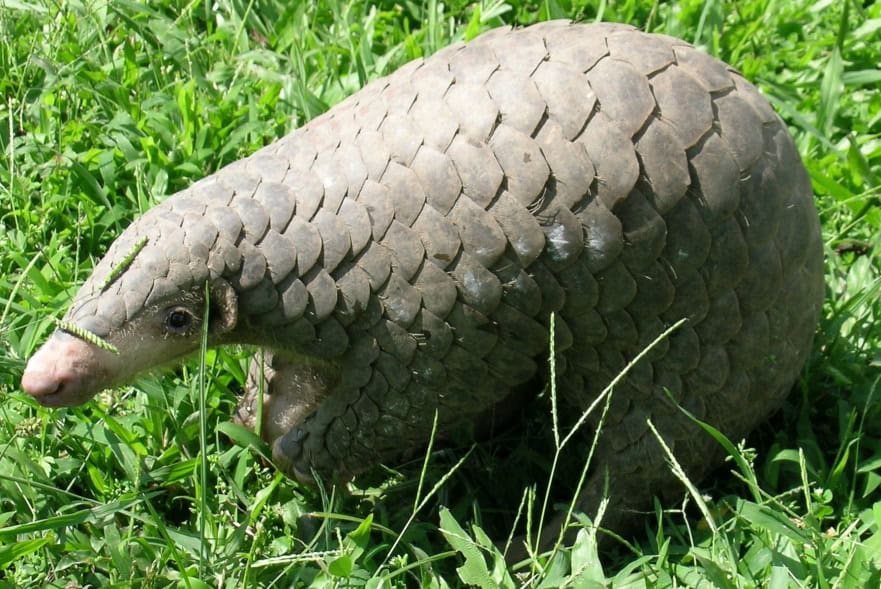
While much anti-poaching focus remains on source countries, demand-side legislation in consumer nations is equally crucial. The United States, European Union, China, and Japan collectively represent over 70% of the market for wildlife products. By 2025, several significant legislative changes are expected in these markets. The U.S. is considering amendments to the Lacey Act that would expand protections and increase penalties for wildlife trafficking. China, following its landmark ivory ban in 2017, is expected to implement similar restrictions on tiger parts, rhino horn, and pangolin scales. The EU’s proposed Environmental Crime Directive would harmonize penalties across the bloc and establish minimum sentences for serious wildlife crimes. These demand-side measures complement source-country enforcement and address the economic drivers of poaching at their roots.
How Individuals Can Support Anti-Poaching Efforts
In 2025, individual action remains a powerful force in combating wildlife poaching. Technology has created unprecedented opportunities for citizen engagement. Mobile apps like Wildlife Alert allow travelers to anonymously report suspected wildlife trafficking. Social media campaigns have successfully pressured corporations to adopt wildlife-friendly policies, with companies facing an average 17% stock price decline following negative wildlife sourcing revelations. Consumer choices matter tremendously—research indicates that even a 10% reduction in demand for wildlife products could reduce poaching pressure enough to allow some populations to recover. Supporting conservation organizations financially, advocating for stronger poaching laws, and staying informed about wildlife product sources in everyday purchases are all meaningful ways individuals can contribute to anti-poaching efforts regardless of their location or occupation.
Corporate Responsibility and Supply Chain Transparency

Corporations play an increasingly important role in combating wildlife trafficking, both voluntarily and through regulatory compliance. By 2025, several major industries—particularly fashion, luxury goods, traditional medicine, and tourism—will face enhanced scrutiny regarding their wildlife sourcing practices. The EU’s Corporate Sustainability Due Diligence Directive, expected to be fully implemented by 2025, will require large companies to verify that their supply chains are free from illegally sourced wildlife products. Similar legislation is pending in the United States, United Kingdom, and Australia. Beyond legal requirements, consumer pressure has driven voluntary commitments—over 200 major fashion brands have joined the Fur Free Alliance, while major traditional medicine associations in Asia have endorsed alternatives to endangered wildlife ingredients. These corporate policies, whether voluntary or mandated, significantly restrict market access for poached wildlife products.
The Future of Anti-Poaching: Conclusions and Outlook

As we look toward 2025 and beyond, the fight against wildlife poaching stands at a crossroads. The threat remains grave—with technology enabling more sophisticated poaching operations and climate change putting additional pressure on vulnerable species. Yet there is cause for hope. Enhanced international cooperation, innovative technologies, community-based conservation models, and growing public awareness all contribute to more effective anti-poaching efforts. Success stories like the recovery of the mountain gorilla, the rebound of Nepal’s tiger population, and the reduction in African elephant poaching rates since their 2011 peak demonstrate that determined conservation action can reverse even severe wildlife declines. Your support for strong poaching laws—whether through voting, consumer choices, corporate engagement, or direct conservation support—represents a vital contribution to preserving our planet’s irreplaceable biodiversity heritage for future generations.

- The 11 Most Unique Mating Rituals in the Animal Kingdom - August 7, 2026
- How Animals React to Sudden Weather Changes - August 6, 2026
- What Makes Raptors the Apex Predators of the Sky - August 6, 2026