

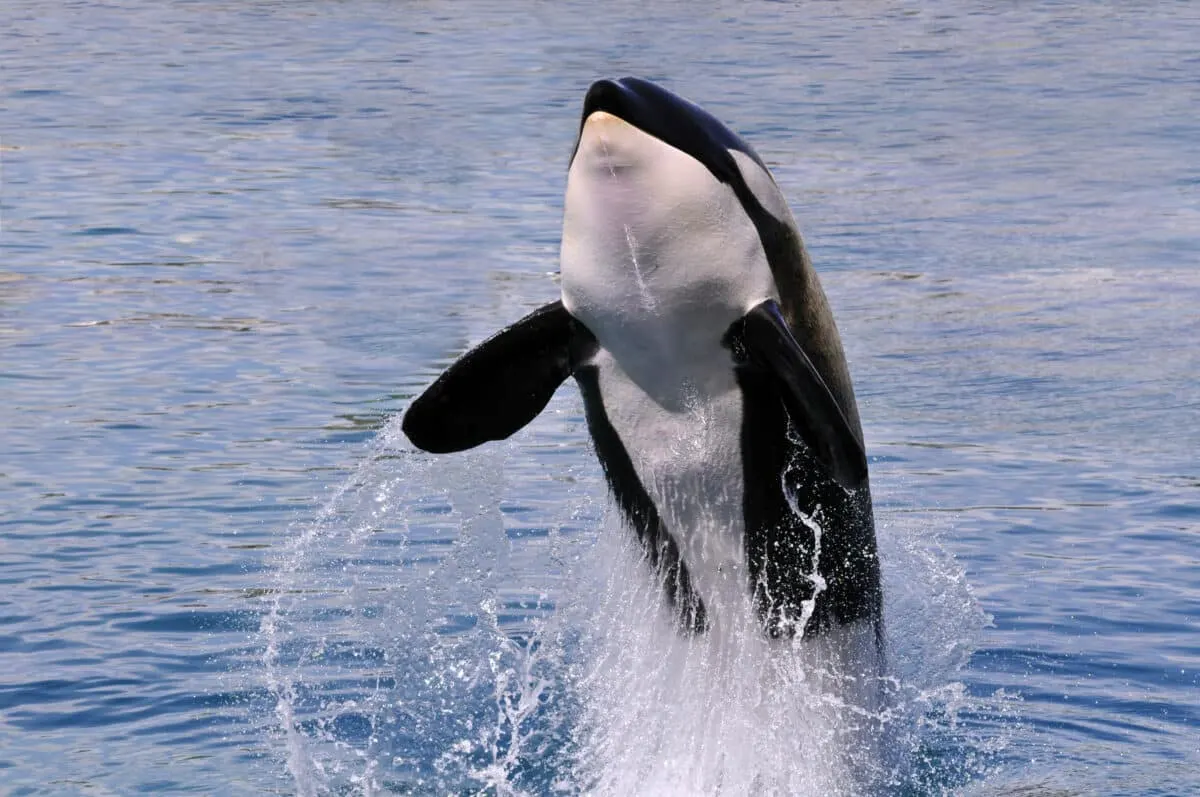
Orcas, commonly known as killer whales, belong to the dolphin family Delphinidae, making them the largest members of this diverse group. Despite sharing many characteristics with their dolphin relatives, orcas possess numerous distinctive features that set them apart. From their imposing size to their complex social structures and specialized hunting techniques, these magnificent marine mammals have evolved unique adaptations that distinguish them from other dolphins. This article explores twelve key differences between orcas and their dolphin cousins, shedding light on what makes killer whales such remarkable and specialized oceanic predators.
Size and Physical Stature

The most immediately noticeable difference between orcas and other dolphins is their sheer size. Adult male orcas typically reach lengths of 20-26 feet (6-8 meters) and can weigh up to 6 tons (5,443 kg), making them the largest members of the dolphin family. By comparison, the common bottlenose dolphin generally grows to just 10-14 feet (3-4.2 meters) and weighs between 300-1,400 pounds (136-635 kg). This dramatic size difference gives orcas advantages in hunting, temperature regulation, and the ability to travel vast distances efficiently. Their imposing physical presence has earned them the nickname “wolves of the sea,” reflecting both their size and their cooperative hunting behaviors.
Distinctive Coloration Pattern

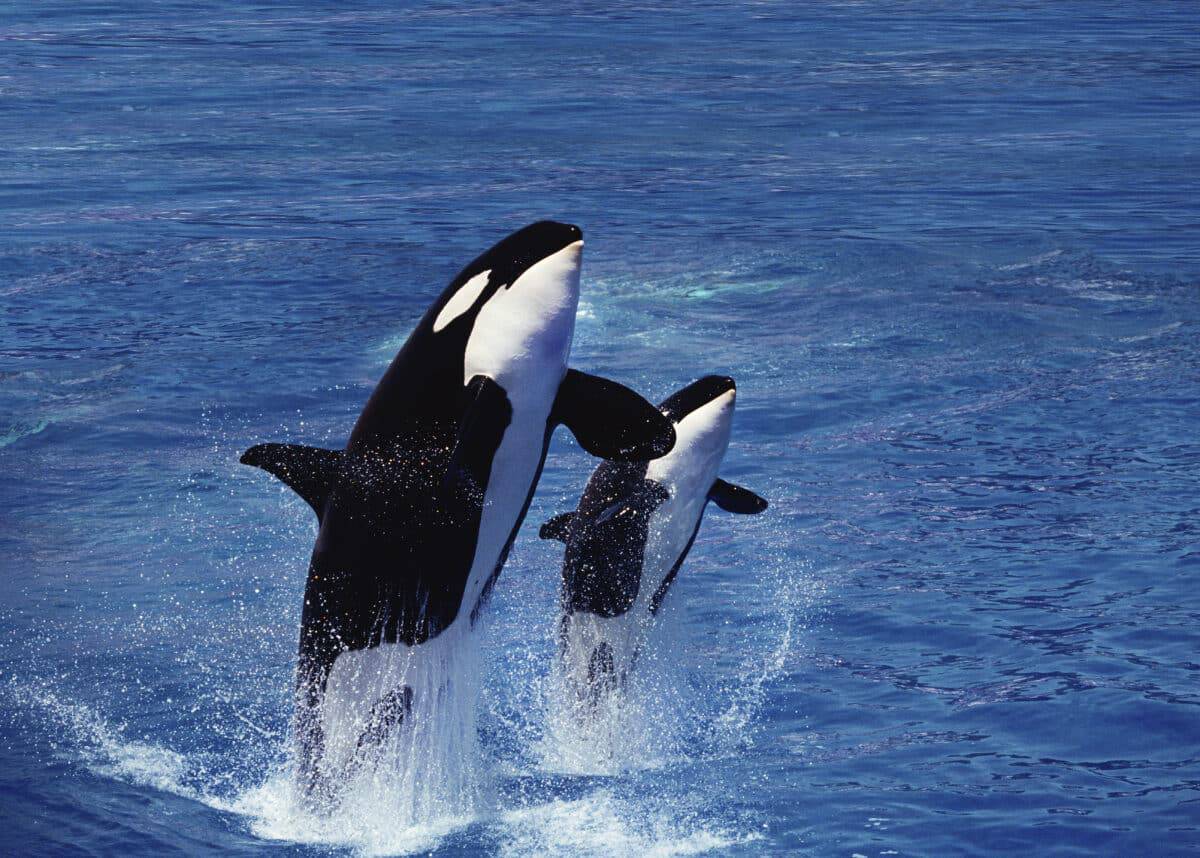
Orcas display a striking black-and-white coloration pattern that is instantly recognizable and unique among dolphins. Their bodies feature a glossy black upper portion with contrasting white patches near the eyes and a white underbelly extending from the chin to the underside of the tail flukes. This dramatic “tuxedo” pattern serves multiple purposes, including camouflage through counter-shading (making them less visible to prey both from above and below) and possible social signaling. Other dolphins typically have more uniform coloration, usually in shades of gray, sometimes with subtle striping or spotting patterns that aren’t as visually striking or high-contrast as the orca’s distinctive markings.
Dorsal Fin Structure

The dorsal fin of an orca is perhaps its most iconic feature, standing tall and triangular, especially in adult males. Male orcas possess the largest dorsal fins of any marine animal, reaching heights up to 6 feet (1.8 meters) tall, making them visible from considerable distances at sea. This fin is substantially larger and more triangular than those found in other dolphin species, which typically have curved, sickle-shaped dorsal fins rarely exceeding 12 inches (30 cm) in height. Female and juvenile orcas have shorter, more curved dorsal fins than adult males, but they’re still generally larger and more pronounced than those of other dolphins. The impressive dorsal fin of orcas serves important functions in thermoregulation, stability during swimming, and possibly as a display feature during social interactions.
Diet and Predatory Behavior

While most dolphins primarily feed on fish and squid, orcas have evolved to become apex predators with remarkably diverse diets depending on their population type. Some orca populations, known as “resident” orcas, specialize in hunting fish, particularly salmon. Others, called “transient” or “Bigg’s” orcas, prey on marine mammals including seals, sea lions, dolphins, and even other whales. Perhaps most specialized are the “offshore” orcas that focus on sharks and rays, and the “Antarctic” type that has developed sophisticated techniques for hunting seals on ice floes. This dietary flexibility is unmatched among other dolphin species, which generally maintain more consistent feeding patterns centered around fish and cephalopods. The orca’s ability to take down prey much larger than itself, including great white sharks and blue whales, has earned it the nickname “killer whale” and places it firmly at the top of the ocean’s food chain.
Hunting Techniques

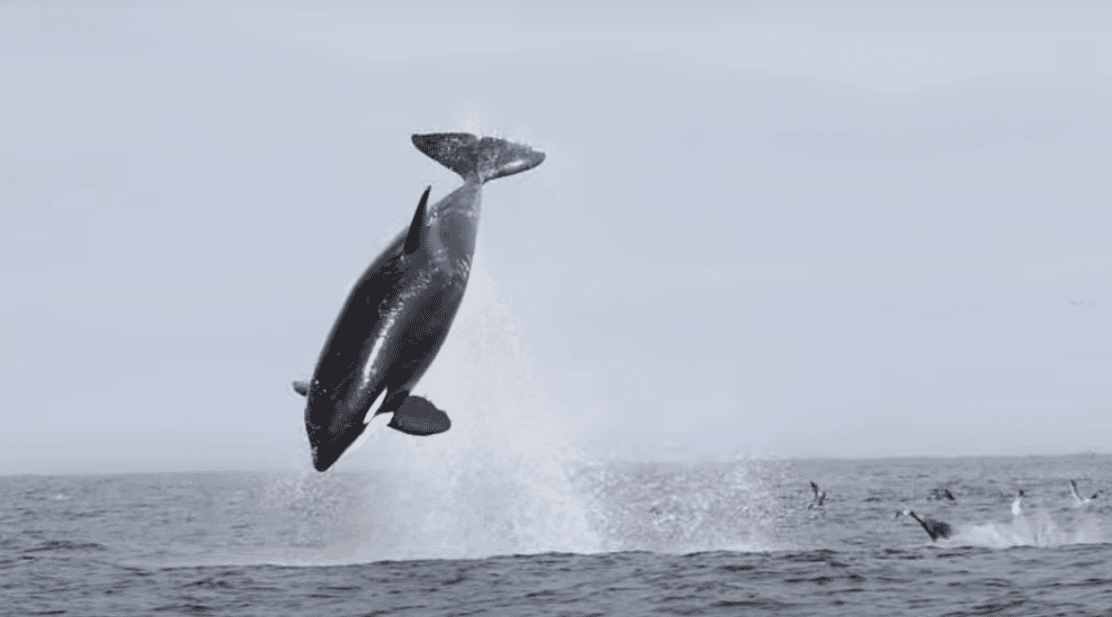
Orcas employ remarkably sophisticated hunting strategies that set them apart from other dolphins. Their hunting behaviors often reflect high levels of problem-solving, cooperation, and cultural learning. Transient orcas are known to intentionally beach themselves temporarily to capture seals on shorelines, while Antarctic orcas create waves to wash seals off ice floes. Some pods have learned to stun fish with powerful tail slaps, while others herd prey into tight balls for easier feeding. Perhaps most impressively, some orcas have developed the ability to temporarily disable prey by ramming or landing on top of them. While other dolphins do exhibit cooperative hunting behaviors, such as the mud-ring feeding technique used by bottlenose dolphins, orcas demonstrate an unparalleled complexity and diversity of hunting strategies that are often culturally transmitted within pods. This advanced predatory behavior represents one of the clearest examples of non-human culture in the animal kingdom.
Social Structure and Pod Organization
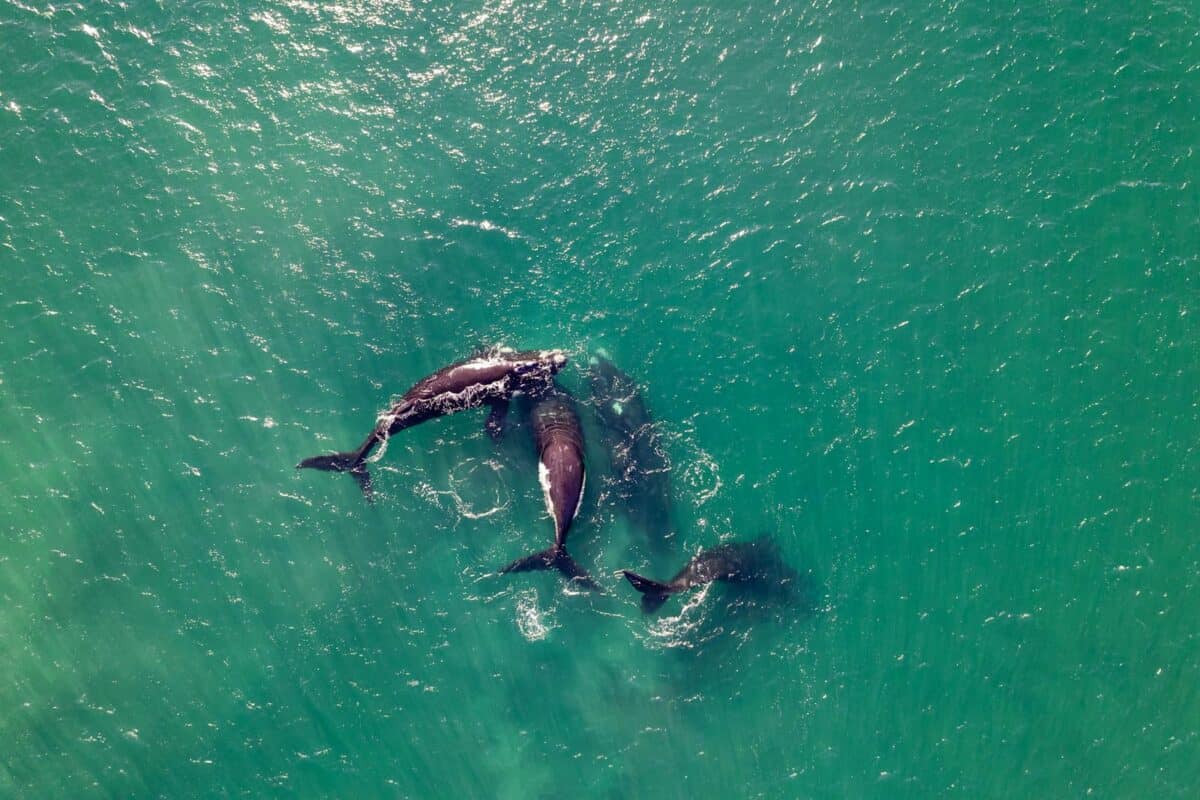
Orcas live in highly stable, matrilineal social groups that are more complex and enduring than those of most other dolphins. Their family pods are typically led by the oldest female (the matriarch) and can include up to four generations of related individuals. What makes orca social structure unique is that offspring of both sexes generally remain with their maternal pod for their entire lives, creating extremely stable family units that may stay together for decades or even centuries. This contrasts with most other dolphin species, where groups tend to be more fluid, with individuals frequently moving between different pods. The tight-knit nature of orca pods facilitates the development of pod-specific behaviors, hunting techniques, and even “dialects” in their vocalizations that contribute to distinct orca cultures. This level of social complexity and stability has few parallels in the animal kingdom and represents a significant difference between orcas and their dolphin relatives.
Communication Systems
All dolphins are vocal communicators, but orcas have developed particularly sophisticated acoustic communication systems. Orcas produce three main types of sounds: clicks for echolocation, whistles for close-range communication, and pulsed calls that serve as identifiers for specific pods. What makes orca communication especially unique is that different pods develop distinct “dialects” with specific patterns of calls that are passed down through generations, creating a form of cultural inheritance. Studies have shown that orcas from different regions can have entirely different vocal repertoires, with some populations using over 30 discrete call types. This level of communication complexity exceeds what has been observed in most other dolphin species. Additionally, orcas are known to modify their vocalizations in the presence of other marine mammals, potentially to avoid detection when hunting—a level of communication sophistication that highlights their exceptional cognitive abilities.
Geographic Range and Habitat Adaptability
Orcas demonstrate remarkable habitat versatility, inhabiting all of the world’s oceans from the freezing waters of the Arctic and Antarctic to tropical seas. This makes them one of the most widely distributed mammals on Earth, second only to humans. While many dolphin species have adapted to specific ocean conditions and temperature ranges, orcas have evolved physiological adaptations that allow them to thrive across an extraordinary range of environments. They can be found in shallow coastal waters, deep oceanic regions, and even freshwater rivers on occasion. This adaptability extends to temperature tolerance as well; their thick blubber layer (up to 3-4 inches thick) provides insulation in cold waters, while their circulatory system can adjust to prevent overheating in warmer regions. No other dolphin species demonstrates this degree of global distribution and environmental adaptability, making orcas true cosmopolitan predators of the world’s oceans.
Lifespan and Reproductive Patterns

Orcas have significantly longer lifespans than most other dolphin species, with females capable of living well beyond 80 years in the wild, and some documented to have reached over 100 years of age. Male orcas typically live 50-60 years, still considerably longer than most other dolphins, which generally live 20-30 years. Orcas also have distinctive reproductive patterns characterized by an extended post-reproductive lifespan in females, a phenomenon rare in nature and observed in only a few species including humans. Female orcas typically stop reproducing in their 30s or 40s but may live for decades afterward, contributing to pod survival through their accumulated ecological knowledge and leadership. This contrasts with other dolphin species, where females generally remain reproductively active until much later in life. Additionally, orcas have longer gestation periods (17-18 months) than most dolphins (10-12 months) and give birth less frequently, typically every 3-10 years compared to every 2-3 years for many other dolphin species.
Brain Size and Cognitive Abilities

Orcas possess the second-largest brain of any marine mammal, weighing around 12-15 pounds (5.4-6.8 kg), surpassed only by sperm whales. This brain is not only larger in absolute terms than other dolphins but also has more complex convolutions and a particularly well-developed limbic system associated with emotional processing. Studies suggest orcas may possess exceptional cognitive abilities, including self-awareness, complex problem-solving, intergenerational teaching, and the capacity for cultural learning. They demonstrate sophisticated social cognition, recognizing pod members across considerable distances and time periods. While all dolphins are highly intelligent, the orca’s expanded neocortex appears to support enhanced levels of social complexity, communication, and behavioral flexibility. Their problem-solving abilities have been observed in both wild and captive settings, where they demonstrate remarkable adaptability and creativity in overcoming challenges—cognitive traits that may have evolved alongside their complex predatory behaviors and social systems.
Cultural Diversity and Transmission

One of the most fascinating differences between orcas and other dolphins is the extent of cultural diversity observed between different orca populations. Distinct orca groups display unique sets of behaviors, hunting techniques, prey preferences, and communication patterns that are passed down through generations. This cultural inheritance is so pronounced that scientists now recognize several “ecotypes” of orcas with specialized lifestyles adapted to particular ecological niches. For example, resident orcas in the Pacific Northwest have developed specific techniques for catching salmon, while Antarctic orcas have mastered the art of creating waves to wash seals off ice floes. This cultural diversity extends to social behaviors, with some populations engaging in practices like beach rubbing (deliberately scraping themselves against smooth pebbles in shallow waters) that are entirely absent in other groups. While cultural learning does occur in other dolphin species, the degree of cultural specialization and diversity observed in orcas is unparalleled, suggesting they have developed one of the most sophisticated animal cultures on the planet outside of humans.
Physical Adaptations and Specializations

Orcas have evolved several physical adaptations distinct from other dolphins that enhance their predatory capabilities. Their teeth are larger and more robust than those of other dolphins, growing up to 4 inches (10 cm) long and designed for tearing rather than just grasping prey. Their skull structure has also adapted to provide powerful bite force, estimated at around 19,000 psi—significantly stronger than most other dolphins. Orcas have especially powerful muscles supporting their tail flukes, allowing them to reach burst speeds of up to 30 mph (48 km/h), faster than many other dolphin species. Their pectoral flippers are also distinctive, shaped like rounded paddles rather than the more pointed flippers of many dolphins, providing enhanced maneuverability during complex hunting maneuvers. Additionally, orcas possess specialized eyes with adaptations for both underwater and surface vision, allowing them to spot prey in various conditions and contributing to their success as apex predators across diverse marine environments.
Conclusion: Magnificent Marine Specialists

The differences between orcas and other dolphins reveal how evolution has shaped these magnificent animals into specialized apex predators with unique biological, social, and cultural characteristics. From their distinctive appearance and imposing size to their complex social structures and remarkable hunting strategies, orcas stand apart from their dolphin relatives in numerous significant ways. These differences reflect their adaptation to a predatory lifestyle that spans the world’s oceans and encompasses an extraordinary range of prey species and hunting techniques. Understanding these distinctions not only enhances our appreciation of orcas’ unique place in marine ecosystems but also highlights the remarkable diversity that exists within the dolphin family. As scientists continue to study these intelligent marine mammals, we’re likely to discover even more fascinating differences that further demonstrate how orcas have evolved into one of the ocean’s most successful and sophisticated predators while still maintaining their fundamental dolphin characteristics.

As a little kid, I fell in love with nature, wildlife, and animals. Living in the USA, South Africa, Italy, China and Germany gave me the opportunity to discover the world's Wildlife. My favorite animals are Mountain Gorillas, Siberian Tigers, and Great White Sharks.
I'm a certified PADI Open Water Diver, went to Everest Base Camp and Trekked Gorillas in Uganda. I hold a Master of Science in Economics and Finance.
Please send any feedback to feedback@animalsaroundtheglobe.com
- 10 Most Unique Reptiles You will See in the US - July 21, 2026
- 3 Dangerous Invasive Species the USA Must Eradicate - July 21, 2026
- 10 Things That Calm Cats And 4 That Make Them Nervous - July 21, 2026