

The United States boasts incredible biodiversity, home to unique ecosystems that support thousands of species found nowhere else on Earth. Yet human activities including habitat destruction, pollution, climate change, and overexploitation have pushed many American animals to the brink of extinction. The Endangered Species Act, passed in 1973, offers critical protection, but recovery requires ongoing conservation efforts, community involvement, and scientific innovation. This article explores 14 endangered species across the United States, examining their current status and the conservation initiatives working to ensure their survival for future generations.
Florida Panther The Sunshine State’s Elusive Cat

Once roaming throughout the southeastern United States, the Florida panther (Puma concolor coryi) now persists only in the swamps and forests of southern Florida, with fewer than 230 individuals remaining in the wild. Urban development, habitat fragmentation, and vehicle collisions have devastated this subspecies of mountain lion. Conservation efforts include the establishment of wildlife corridors, construction of wildlife underpasses on major highways, and genetic management through the introduction of Texas pumas to address inbreeding concerns. The Florida Panther National Wildlife Refuge protects over 26,000 acres of critical habitat, while education campaigns help reduce human-wildlife conflicts and foster public support for protection measures. These efforts have helped the population grow from a historic low of 20-30 panthers in the 1970s, though the species remains critically endangered.
Red Wolf America’s Most Endangered Canid

The red wolf (Canis rufus) was declared extinct in the wild by 1980, with only 14 pure individuals remaining in captivity. Through intensive breeding programs and reintroduction efforts, these wolves were returned to eastern North Carolina in 1987, marking the first successful reintroduction of a species previously extinct in the wild. Today, fewer than 25 red wolves remain in the wild, with about 245 in captive breeding facilities. Challenges include illegal hunting, hybridization with coyotes, and shrinking protected habitat. The Red Wolf Recovery Program employs adaptive management strategies including a five-county reintroduction area, tracking collars to monitor wolf movements, and sterilization of coyotes to prevent hybridization. Recent policy changes have strengthened protections, with the U.S. Fish and Wildlife Service (USFWS) expanding reintroduction efforts and working with local landowners to increase acceptance of these misunderstood predators.
North Atlantic Right Whale Giants on the Edge

With fewer than 350 individuals remaining, the North Atlantic right whale (Eubalaena glacialis) is one of the world’s most endangered large whale species. These massive marine mammals, which can reach 52 feet in length and weigh up to 70 tons, face severe threats from vessel strikes and entanglement in fishing gear along the Eastern Seaboard. Climate change has also disrupted their feeding grounds, forcing them into shipping lanes as they search for food. Conservation measures include seasonal speed restrictions for vessels in critical habitats, the development of ropeless fishing gear, and real-time whale alert systems that notify ships of whale locations. Researchers use aerial surveys, acoustic monitoring, and satellite tracking to better understand migration patterns and identify key protection areas. The recent implementation of stronger fishing regulations in the Gulf of Maine and broader vessel speed limits represents promising steps, though recovery remains precarious for this iconic marine species.
California Condor Back from the Brink

With a wingspan approaching 10 feet, the California condor (Gymnogyps californianus) is North America’s largest flying bird and a remarkable conservation success story. In 1982, only 22 condors remained worldwide, prompting an emergency captive breeding program where the last wild condor was captured to join the captive population. The primary threats included lead poisoning from ammunition in animal carcasses, habitat loss, and power line collisions. Today, thanks to decades of intensive conservation work, approximately 500 condors exist, with more than half flying free in California, Arizona, Utah, and Baja California. Recovery efforts include ongoing captive breeding, releases of captive-reared birds, lead ammunition reduction programs, and power line modifications to prevent electrocutions. The ban on lead ammunition in California has been particularly important, as lead poisoning remains the primary cause of death. While still endangered, the condor’s recovery demonstrates how dedicated conservation efforts can bring species back from the very edge of extinction.
Hawaiian Monk Seal Island Isolation Under Threat
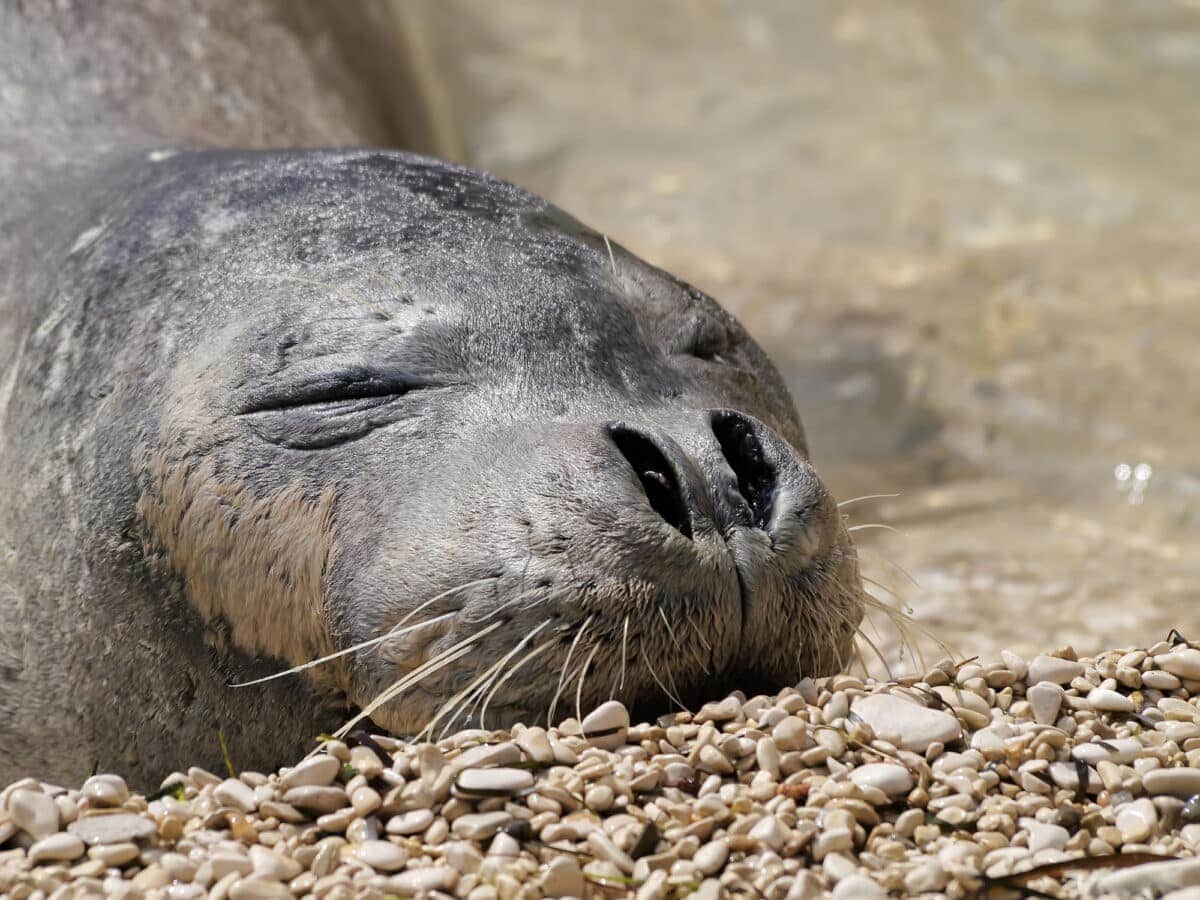
The Hawaiian monk seal (Neomonachus schauinslandi), known as ‘Ilio-holo-i-ka-uaua (dog running in rough water) in Hawaiian, is one of the most endangered marine mammals in the world with approximately 1,400 individuals remaining. These seals face numerous challenges including limited food availability, entanglement in marine debris, shark predation, and diseases. Endemic to the Hawaiian archipelago, most monk seals inhabit the remote Northwestern Hawaiian Islands, though a growing population exists around the main Hawaiian Islands. Conservation work includes disentanglement programs, rehabilitation of injured seals, translocation of vulnerable pups, and habitat protection within the Papahānaumokuākea Marine National Monument. Scientists closely monitor pupping beaches, maintain identification databases of individual seals, and work with local communities to reduce human disturbance. Recent years have shown modest population increases, offering hope for this uniquely Hawaiian marine mammal that evolved over 15 million years ago in isolation.
Desert Tortoise Slow and Steady Decline
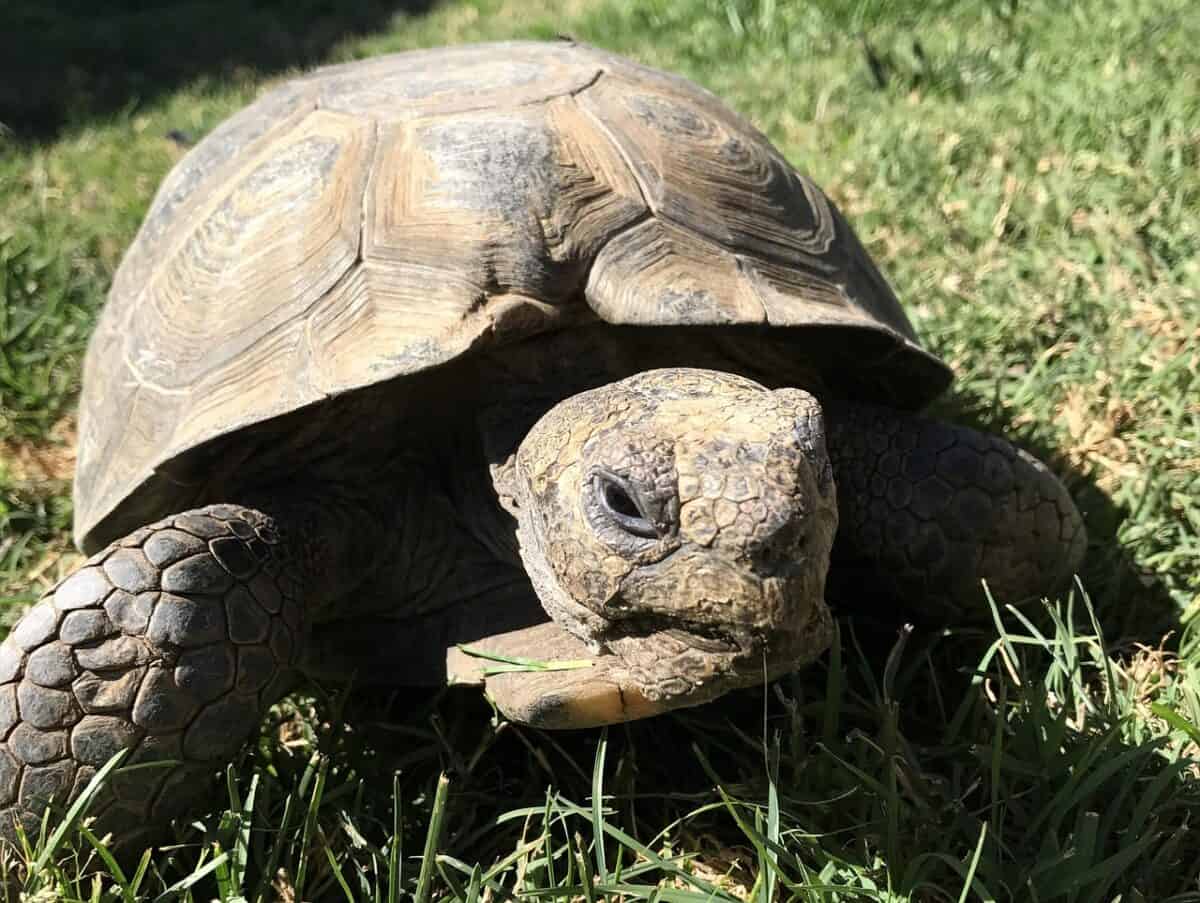
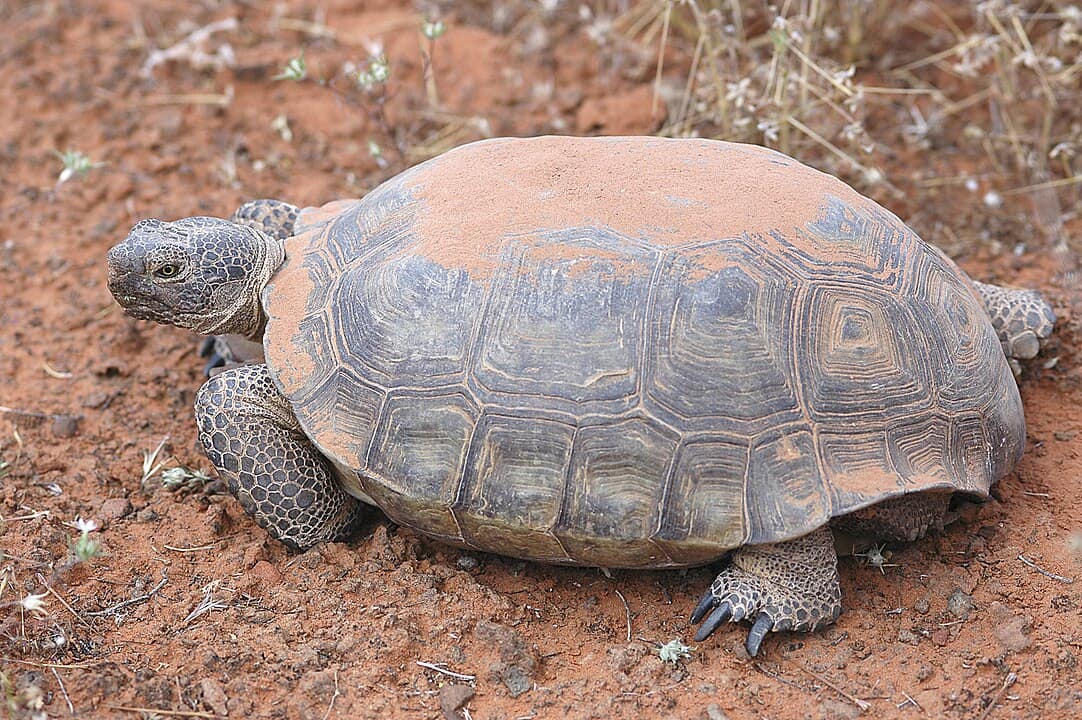
The Mojave desert tortoise (Gopherus agassizii) has roamed the southwestern deserts for millions of years but has lost over 90% of its population since the 1950s. These long-lived reptiles, which can survive up to 80 years in the wild, face habitat destruction from urban development, energy projects, off-road vehicle use, and military training. Additional threats include predation from ravens, invasive grasses that increase wildfire frequency, and a respiratory disease that spreads in captive and wild populations. Conservation initiatives include habitat protection through the Desert Tortoise Research Natural Area and other reserves, headstarting programs that raise hatchlings in protected environments until they’re large enough to resist predation, and the Desert Tortoise Conservation Center which rehabilitates tortoises found in developed areas. Unique measures include raven management programs, as raven populations have soared due to human food sources, and educational outreach encouraging people not to release captive tortoises into wild populations where they might spread disease.
Polar Bear Arctic Icon in a Warming World
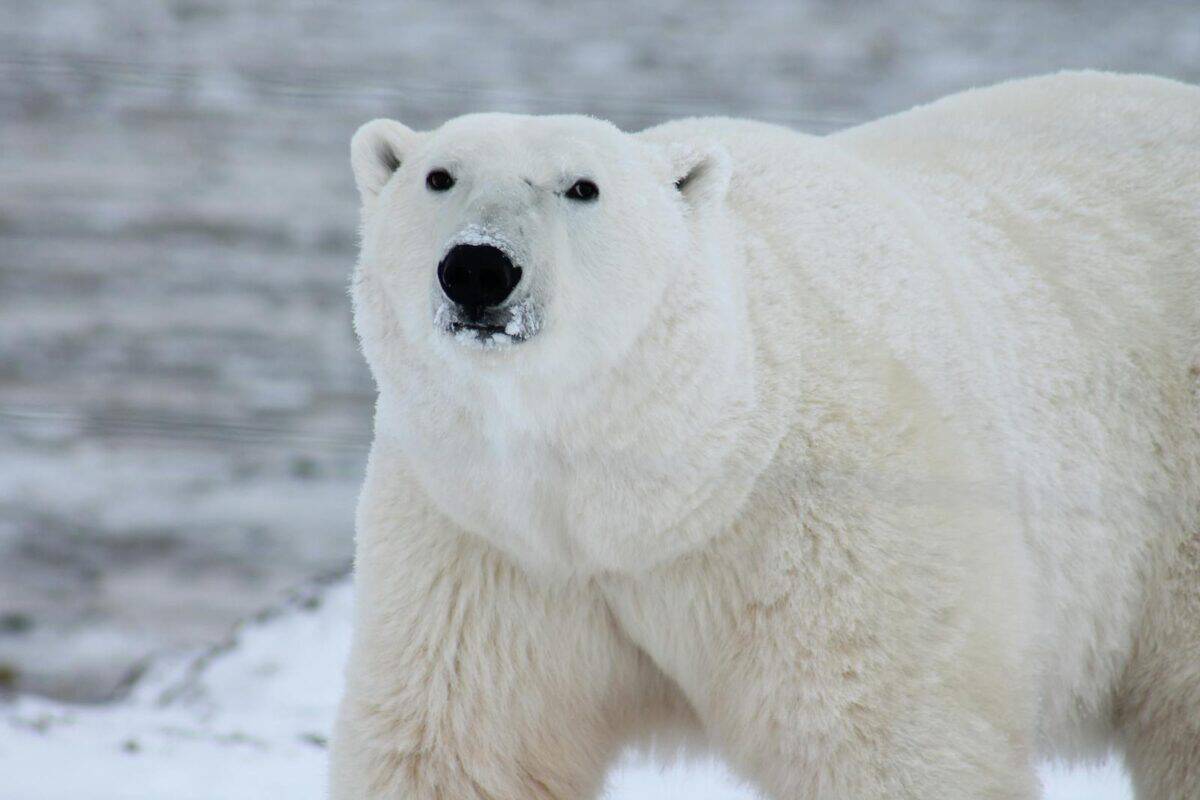
While most Americans don’t associate polar bears (Ursus maritimus) with the United States, these massive carnivores inhabit the Arctic regions of Alaska and are listed as threatened under the Endangered Species Act. Climate change represents their most significant threat as warming temperatures melt the sea ice essential for hunting seals, their primary prey. Scientists estimate fewer than 26,000 polar bears remain worldwide, with subpopulations experiencing varied declines. In the Southern Beaufort Sea near Alaska, numbers have dropped by approximately 40% since 2001. Conservation efforts focus on climate policy, as protecting sea ice habitat requires global greenhouse gas reductions. The U.S. has designated 187,000 square miles as critical habitat in Alaska and implements the Marine Mammal Protection Act to limit hunting and disturbance. Research initiatives include tracking bear movements via satellite collars, studying den sites, monitoring body condition, and developing models to predict how different climate scenarios will affect remaining populations.
Whooping Crane America’s Tallest Bird Rises Again
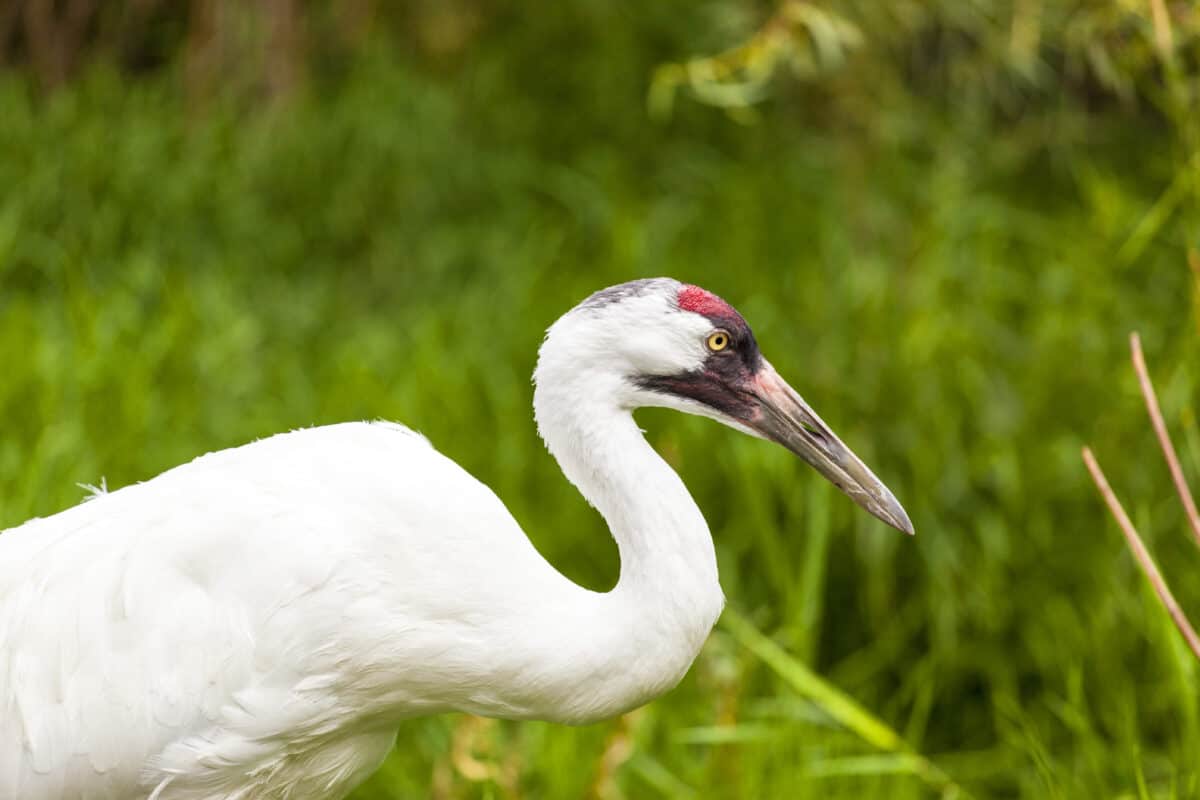
Standing nearly 5 feet tall with a 7-foot wingspan, the whooping crane (Grus americana) is North America’s tallest bird and one of its most endangered. Unregulated hunting and wetland drainage reduced the population to just 15 birds by 1941. Today, thanks to intensive conservation efforts, approximately 800 whooping cranes exist across wild and captive populations. The only remaining natural wild flock migrates 2,500 miles annually between Wood Buffalo National Park in Canada and Aransas National Wildlife Refuge in Texas. Recovery strategies include captive breeding programs at specialized facilities, reintroduction efforts in Wisconsin and Louisiana, and the innovative Operation Migration which used ultralight aircraft to teach captive-raised cranes their migration routes. Habitat protection focuses on securing wetlands along the migration corridor and reducing threats such as power line collisions and disturbance at roosting sites. The Whooping Crane Eastern Partnership exemplifies the international cooperation necessary for saving migratory species, with Canadian and U.S. agencies coordinating conservation across political boundaries.
Ocelot Border Cat in Crisis

The ocelot (Leopardus pardalis) once ranged from Arkansas and Arizona to South America, but fewer than 50 individuals remain in the United States, all in the thornscrub habitat of southernmost Texas. These spotted wild cats, weighing 15-35 pounds, face significant threats from habitat fragmentation, road mortality, and border security infrastructure that disrupts movement patterns. The Lower Rio Grande Valley National Wildlife Refuge works to create habitat corridors by purchasing and restoring native thornscrub, while the Texas Department of Transportation has installed wildlife crossings on highways with high ocelot mortality. Conservation breeding programs at U.S. zoos maintain genetic diversity, and there are discussions about potential reintroductions to suitable habitat in Arizona. Modern conservation tools include camera trap monitoring networks, non-invasive genetic sampling, and habitat connectivity models that identify priority areas for protection. Recent partnerships with private ranchers have been particularly valuable, as these landowners manage large tracts of remaining habitat and can implement ocelot-friendly ranch management practices.
Black-footed Ferret Prairie Predator’s Second Chance

The black-footed ferret (Mustela nigripes) was twice declared extinct before a small colony was discovered in Wyoming in 1981. This nocturnal mustelid depends almost entirely on prairie dogs for food and shelter, making it extremely vulnerable to prairie dog colony declines. Sylvatic plague, an introduced disease affecting both prairie dogs and ferrets, represents another significant threat. After the 1981 discovery, all remaining wild ferrets (just 18 individuals) were captured for a captive breeding program. Today, approximately 300 ferrets live in the wild across reintroduction sites in the Great Plains and Rocky Mountain regions. Recovery efforts include captive breeding at specialized facilities, reintroductions to prairie dog colonies, and plague management through vaccines and insecticide treatments that kill plague-carrying fleas. One innovative approach is the development of oral prairie dog vaccines distributed via peanut butter-flavored baits. The success of this program, managed by the Black-footed Ferret Recovery Implementation Team, demonstrates how intensive management can save a species that was once reduced to a single wild population.
Delta Smelt Tiny Fish, Enormous Impact
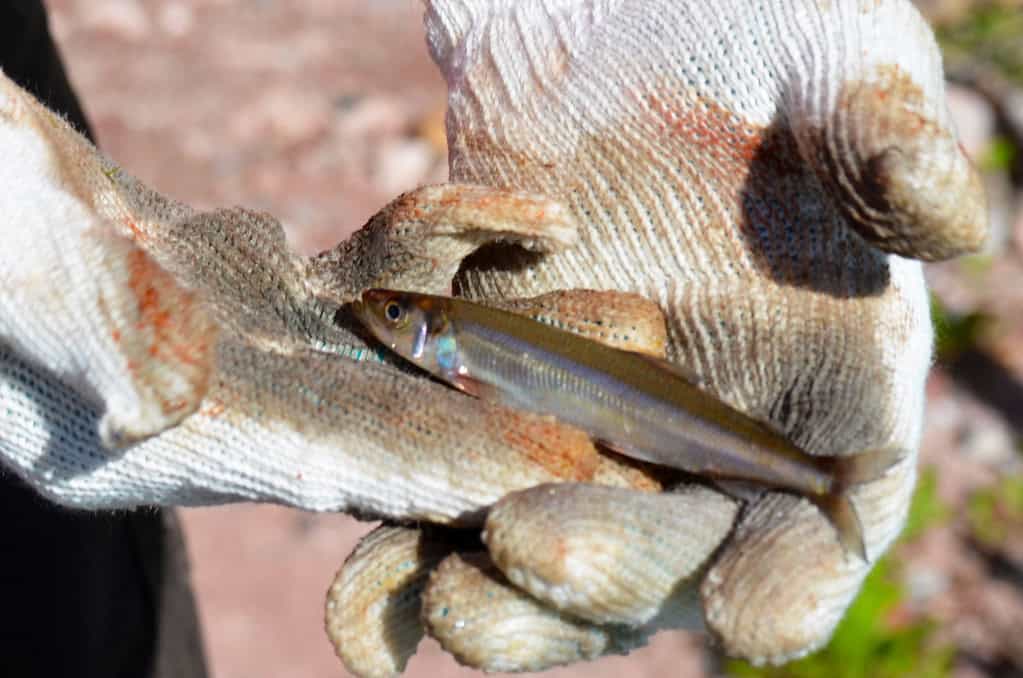
The delta smelt (Hypomesus transpacificus), a tiny fish barely 3 inches long, has become the center of California’s water wars and a symbol of the state’s environmental challenges. Endemic to the Sacramento-San Joaquin Delta, this once-abundant species has declined by over 98%, with some surveys failing to find any wild delta smelt at all. The primary threats include water diversions that alter flow patterns and pull fish into pumping facilities, introduced species that compete for food resources, contaminants from agricultural runoff, and habitat degradation. Conservation measures include water management regulations that limit pumping during critical periods, captive breeding at the UC Davis Fish Conservation and Culture Laboratory, habitat restoration projects in the Delta, and extensive monitoring programs. The case of the delta smelt illustrates how small, non-charismatic species often indicate broader ecosystem health issues, as its decline reflects the deterioration of California’s entire Delta ecosystem which provides drinking water for 25 million people and irrigation for the state’s agricultural industry.
Ozark Hellbender Ancient Salamander in America’s Heartland
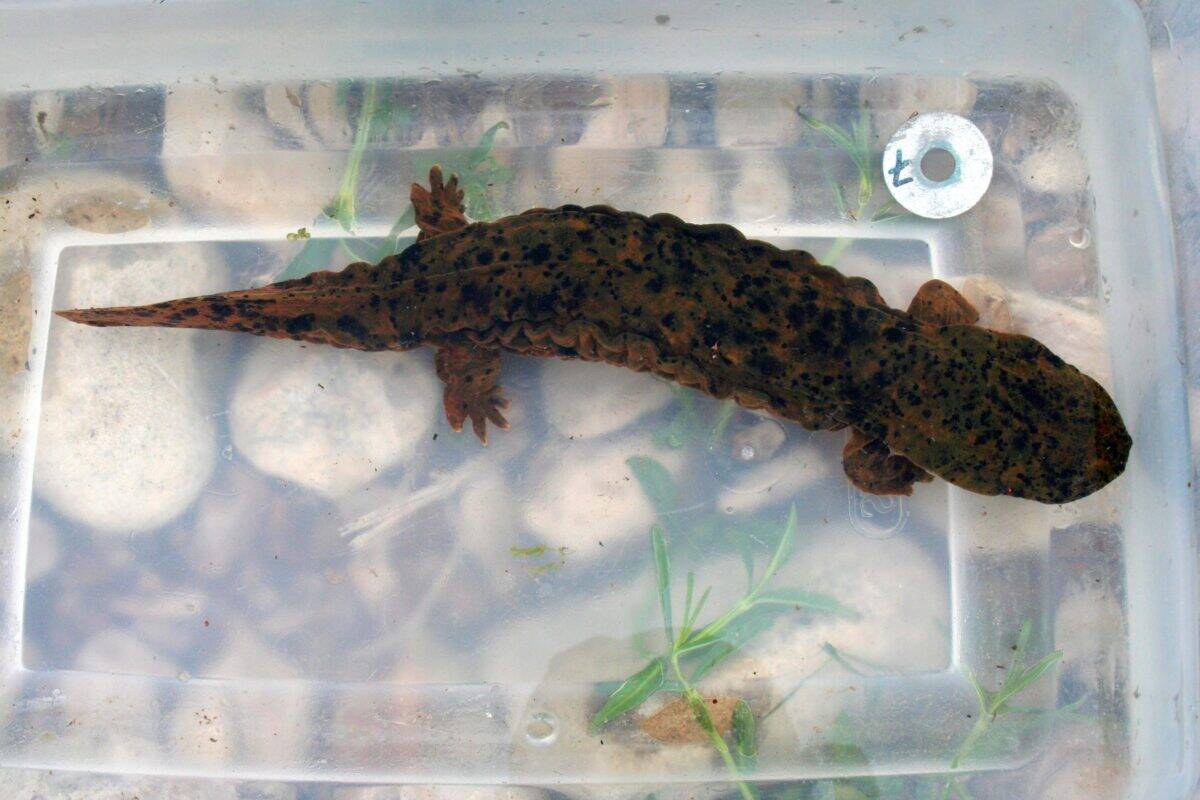
The Ozark hellbender (Cryptobranchus alleganiensis bishopi), North America’s largest salamander species, can reach lengths of up to 2 feet and live more than 30 years. These fully aquatic amphibians require cold, fast-flowing, oxygen-rich streams in the Ozark Highlands of Missouri and Arkansas. The population has declined by more than 75% since the 1980s due to water quality degradation, sedimentation from poor land management practices, illegal collection, and a fungal skin disease. Conservation efforts include captive breeding programs at the Saint Louis Zoo, which achieved the first successful breeding of Ozark hellbenders in captivity in 2011. Researchers conduct surveys using specialized techniques to minimize stress on these sensitive creatures, while habitat improvement projects focus on reducing sedimentation and maintaining stream buffers. The Ozark Hellbender Working Group coordinates efforts among federal agencies, state wildlife departments, universities, and NGOs. Recent reintroductions of captive-bred individuals have shown promising results, although habitat protection remains essential for long-term recovery of this unusual and ancient salamander species.
Woodland Caribou America’s Most Endangered Ungulate

The southern mountain caribou (Rangifer tarandus caribou) that once inhabited the inland rainforests of Idaho and Washington is functionally extinct in the contiguous United States, with the last remaining individuals occasionally crossing from British Columbia. These unique ungulates rely on old-growth forests with arboreal lichens as winter forage, making them particularly vulnerable to logging and forest fragmentation. Unlike their northern counterparts, these caribou don’t migrate long distances but instead move vertically up mountains as seasons change. Conservation efforts in the U.S. focus on transboundary coordination with Canadian agencies and protection of potential habitat in the Selkirk Mountains. In 2019, the last remaining U.S. caribou were captured and relocated to a Canadian conservation breeding facility after their herd dwindled to just three animals. Recovery would require extensive forest protection, predator management (as human-altered landscapes have increased wolf populations), and potential reintroductions. The loss of caribou from the American landscape represents both an ecological and cultural loss, as these animals were once important to indigenous peoples throughout the northern forests.
Conclusion: Conserving America’s Endangered Wildlife Looking Forward

The fate of America’s endangered species reflects our broader relationship with the natural world and our commitment to preservation. While the Endangered Species Act has prevented the extinction of 99% of listed species, including iconic recoveries like the bald eagle and American alligator, many species remain at risk despite decades of protection. Successful conservation requires multifaceted approaches including habitat protection, captive breeding, innovative technologies, and addressing root causes like climate change and habitat fragmentation. Public engagement remains crucial, as recovery programs depend on funding, political support, and cooperation from communities living alongside endangered species. As we look to the future, emerging technologies like environmental DNA monitoring, genetic rescue techniques, and advanced tracking systems offer new conservation tools, while traditional ecological knowledge from indigenous communities provides valuable historical context for restoration goals. By combining scientific innovation with unwavering commitment to preserving biodiversity, Americans can ensure these remarkable species survive for generations to come.

As a little kid, I fell in love with nature, wildlife, and animals. Living in the USA, South Africa, Italy, China and Germany gave me the opportunity to discover the world's Wildlife. My favorite animals are Mountain Gorillas, Siberian Tigers, and Great White Sharks.
I'm a certified PADI Open Water Diver, went to Everest Base Camp and Trekked Gorillas in Uganda. I hold a Master of Science in Economics and Finance.
Please send any feedback to feedback@animalsaroundtheglobe.com
- 12 Pet Breeds That Live the Longest - June 27, 2026
- 13 Ocean Animals With Amazing Hidden Superpowers - June 27, 2026
- 11 Animal Mothers That Go to Extreme Lengths to Protect Their Young - June 27, 2026