

Throughout history, certain animals have played pivotal roles in scientific breakthroughs that have transformed our understanding of the world and advanced human health, technology, and knowledge. From microscopic organisms to mammals, these creatures have contributed to discoveries that shaped modern science, medicine, and technology in profound ways. Their contributions, sometimes voluntary but often not, have led to vaccines, surgical techniques, space exploration capabilities, and fundamental insights into evolution, genetics, and neuroscience. This article explores twelve remarkable animals whose participation in scientific research changed our world forever.
11. Dolly the Sheep Cloning Revolution
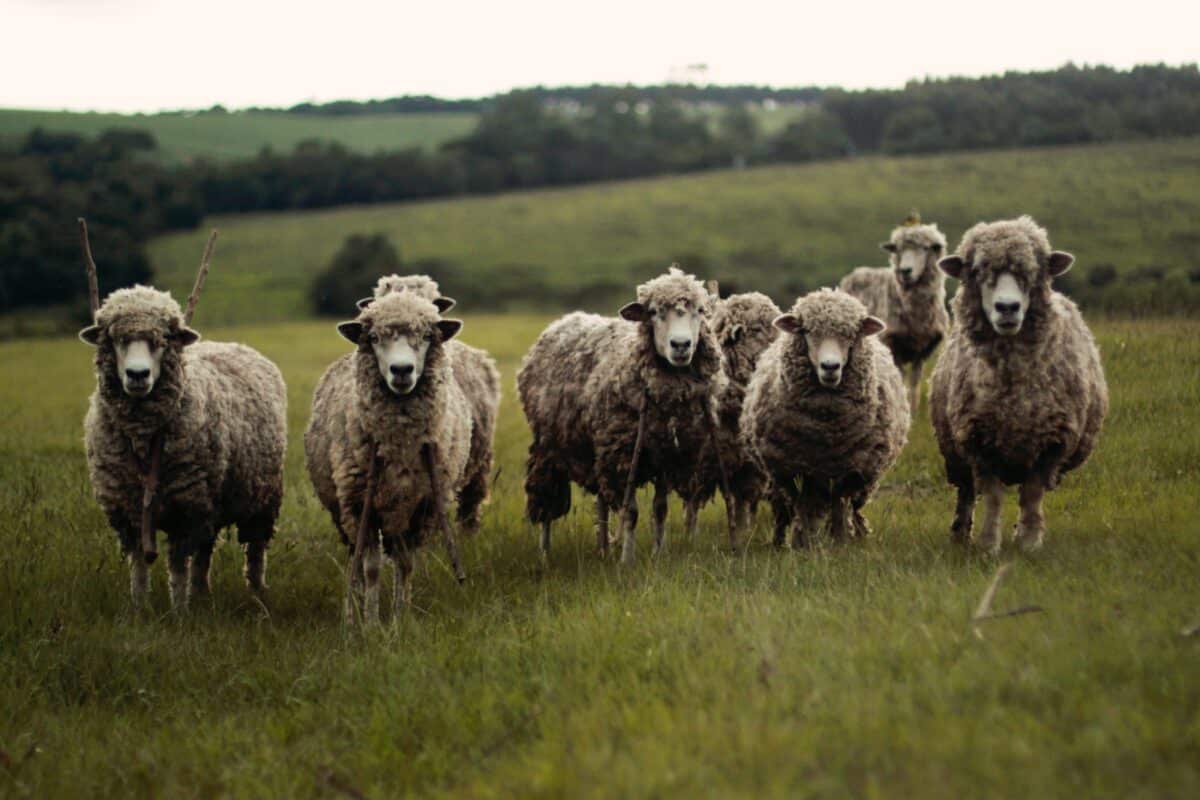
On July 5, 1996, scientists at the Roslin Institute in Scotland created history with the birth of Dolly, the first mammal cloned from an adult somatic cell using nuclear transfer. Named after country singer Dolly Parton, this unassuming sheep challenged previous scientific assumptions that specialized adult cells couldn’t be reprogrammed to create a new organism. Dolly was created using a mammary gland cell from a six-year-old Finn Dorset sheep, proving that the DNA of a specialized adult cell could be reprogrammed to create an embryo. Her successful birth revolutionized our understanding of cellular development and opened new possibilities in reproductive technology, stem cell research, and regenerative medicine. Though Dolly lived only six years, considerably shorter than a typical sheep’s lifespan of 11-12 years, her existence transformed biotechnology forever and raised profound ethical questions about cloning that continue to shape scientific policy today.
10. HeLa Cells Henrietta Lacks’ Immortal Legacy

In 1951, cervical cancer cells taken from Henrietta Lacks, a 31-year-old African American woman, became the first human cells to be successfully grown in a laboratory. Unlike previous cell samples that quickly died outside the body, these cells—dubbed “HeLa cells”—were remarkably resilient and continued to multiply. This extraordinary characteristic created the first “immortal” human cell line, meaning they could divide indefinitely in proper laboratory conditions. HeLa cells have since contributed to countless scientific breakthroughs, including the development of the polio vaccine, advancement of gene mapping techniques, and research on cancer and AIDS. They’ve been used in over 70,000 studies, sent into space, exposed to nuclear testing, and played a crucial role in developing in vitro fertilization techniques. The story of HeLa cells also highlighted important ethical issues regarding informed consent and patient rights, as Lacks never knew her cells were taken, and her family wasn’t informed about their widespread use for decades. This ethical dimension of the HeLa story eventually led to significant reforms in research ethics and patient consent protocols.
9. Fruit Flies Genetic Pioneers

Drosophila melanogaster, commonly known as the fruit fly, has been the foundation of genetic research for over a century. Thomas Hunt Morgan began using these tiny insects in his Columbia University laboratory around 1910, a choice that would revolutionize our understanding of inheritance. Fruit flies offered numerous advantages as research subjects: they reproduce rapidly (completing their life cycle in just 12 days), produce numerous offspring, are easy to maintain in laboratory settings, and possess only four pairs of chromosomes—making genetic tracking relatively straightforward. Morgan’s work with fruit flies led to the chromosome theory of inheritance, establishing that genes are located on chromosomes and arranged in a linear order. This fundamental discovery earned him the Nobel Prize in 1933 and established fruit flies as the premier model organism for genetic research. Since then, these insects have contributed to our understanding of mutations, genetic diseases, development, aging, and behavior. Remarkably, fruit flies share approximately 75% of disease-causing genes with humans, making them invaluable for studying human genetic disorders. Their contribution to science is immeasurable—nearly every aspect of modern genetics and developmental biology has been influenced by research using these small but scientifically mighty creatures.
8. Laika the Dog Space Travel Pioneer

On November 3, 1957, a stray Moscow dog named Laika became the first living creature to orbit Earth aboard the Soviet spacecraft Sputnik 2. This momentous journey came at the height of the Cold War space race, just a month after the Soviets launched Sputnik 1. Laika, a small mixed-breed female, was selected for her calm temperament and adaptability. Her mission was designed to test the survivability of spaceflight for humans, providing crucial data on how a living organism would respond to rocket launch, weightlessness, and other conditions of space travel. Tragically, the technology for a safe return to Earth didn’t exist at the time, making Laika’s mission a one-way journey. While Soviet officials initially claimed she survived for several days, documents released decades later revealed she likely died from overheating and stress within hours of launch. Despite its ethical controversies, Laika’s flight provided vital information that paved the way for human spaceflight. Her sacrifice contributed essential data about life support systems, space suits, and the biological effects of space travel that directly influenced the successful missions of Yuri Gagarin (the first human in space) and subsequent astronauts. Today, Laika is remembered both as a scientific pioneer and as a symbol that prompts reflection on the ethical considerations of animal testing in scientific advancement.
7. Pavlov’s Dogs Foundations of Behavioral Psychology

In the late 19th and early 20th centuries, Russian physiologist Ivan Pavlov conducted experiments with dogs that would fundamentally change our understanding of learning and behavior. While researching salivation and digestion (work that earned him the 1904 Nobel Prize in Physiology or Medicine), Pavlov noticed something unexpected: his laboratory dogs would begin salivating not only when food was presented but also in response to stimuli associated with feeding time, such as the sound of the laboratory assistant’s footsteps. This observation led to a groundbreaking series of experiments in which Pavlov demonstrated that a neutral stimulus (like a bell, metronome, or buzzer) could be paired with food to eventually trigger salivation even without food present—a phenomenon he called a “conditioned reflex.” This process, now known as classical conditioning, established that complex behaviors could be understood through the association of stimuli and responses. Pavlov’s work with dogs laid the foundation for behaviorism, a major school of psychological thought championed by John B. Watson and B.F. Skinner that dominated psychology for decades. The principle of classical conditioning continues to inform our understanding of human and animal learning, phobias, addiction treatment, and advertising techniques. Though Pavlov used hundreds of dogs over his career of experimentation, these anonymous canines collectively revolutionized how we understand the mechanisms of learning and behavior across species.
6. Rats Laboratory Mainstays

Laboratory rats, particularly the Wistar and Sprague Dawley strains, have been cornerstone research animals for over a century, contributing to countless scientific breakthroughs. The first strain developed specifically for laboratory research was the Wistar rat, established at the Wistar Institute in Philadelphia in 1906. These rodents have since become invaluable to science for numerous reasons: they share approximately 90% genetic similarity with humans, reproduce quickly, are relatively inexpensive to maintain, and their physiology has been exhaustively documented. Rats have been instrumental in testing virtually every pharmaceutical drug developed in the 20th and 21st centuries before human trials. The development of the polio vaccine, antibiotics, chemotherapy drugs, and numerous surgical techniques all relied heavily on rat studies. Beyond medicine, rats have advanced our understanding of psychology, addiction, nutrition, toxicology, and neuroscience. Perhaps their most significant contribution came through their use in behavioral research, where they helped establish principles of operant conditioning, memory formation, and motivation. Rats’ remarkable intelligence has also made them ideal subjects for studying complex cognitive processes, as they can learn mazes, recognize patterns, and even demonstrate empathy toward other rats. Despite ethical controversies surrounding animal testing, laboratory rats remain essential to scientific progress, with over 20 million used annually in research worldwide. Their contribution to human health and scientific understanding is immeasurable, having extended countless human lives through the medical advances they helped create.
5. Horseshoe Crabs Medical Testing Guardians

Horseshoe crabs are among Earth’s oldest surviving creatures, having remained virtually unchanged for 450 million years. Yet their greatest contribution to science comes from their unique blue blood, which contains a substance that has revolutionized medical safety testing worldwide. This ancient arthropod’s blood contains a clotting agent called Limulus Amebocyte Lysate (LAL) that reacts to endotoxins—harmful bacteria that can cause fever, shock, and even death in humans. When LAL encounters bacterial endotoxins, it coagulates around them, creating a visible reaction. This property was discovered in the 1950s by Frederik Bang and has since become the global standard for testing vaccines, injectable medications, and implantable medical devices for bacterial contamination. Before any injectable drug reaches a patient, it must pass the LAL test. Every year, approximately 500,000 horseshoe crabs are collected, bled (with about 30% of their blood removed), and returned to the ocean. While the pharmaceutical industry maintains that most survive this process, conservationists have raised concerns about mortality rates and population declines. The development of synthetic alternatives like recombinant Factor C (rFC) offers promise for reducing reliance on harvested blood. Nevertheless, the contribution of horseshoe crabs to human health is immeasurable—virtually every person who has received a vaccine or injectable medication has benefited from these ancient creatures’ distinctive blood, which has potentially saved millions of lives by preventing dangerous bacterial contamination in medical products.
4. African Clawed Frogs Developmental Biology Insights

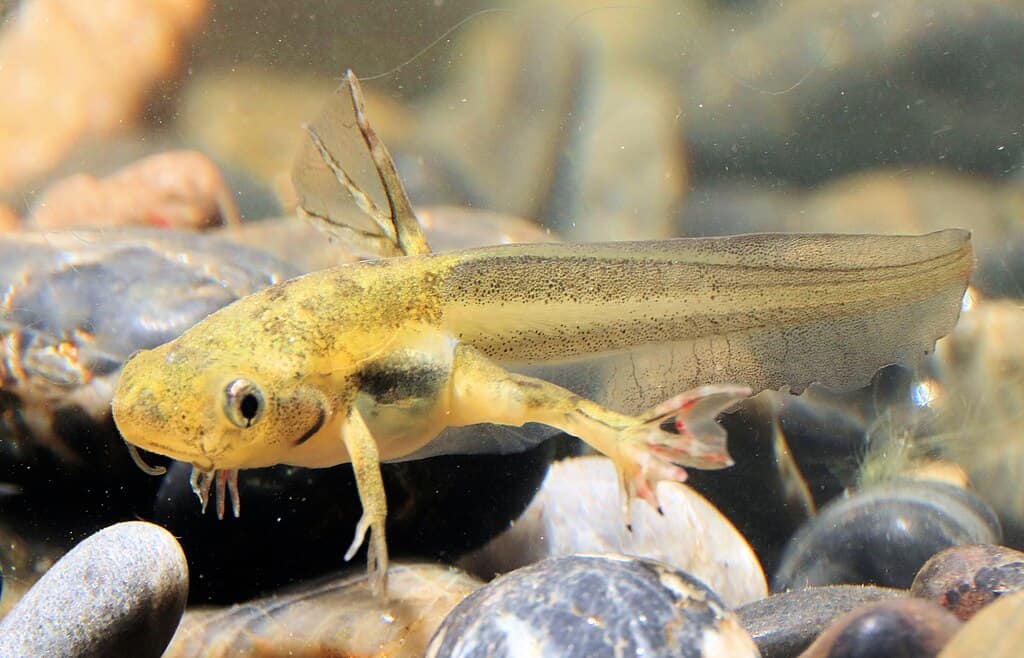
The African clawed frog (Xenopus laevis) transformed biological research in the 20th century, becoming one of science’s most valuable model organisms. Originally gaining scientific attention in the 1930s when it was discovered that these frogs could be used as pregnancy tests (they produce eggs when injected with urine from pregnant women containing hCG hormone), they soon became central to developmental biology research. Their large, externally developing embryos proved ideal for studying the fundamental processes of embryonic development. In the 1950s and 1960s, John Gurdon performed groundbreaking nuclear transfer experiments with Xenopus that eventually led to cloning technology. By transferring the nucleus of a specialized intestinal cell into an egg with its nucleus removed, Gurdon demonstrated that cell differentiation was reversible—work that earned him the Nobel Prize in 2012 and established principles fundamental to stem cell research. The African clawed frog has contributed enormously to our understanding of gene regulation, cell differentiation, and tissue formation. Scientists have also sequenced its genome, providing valuable comparative data for human genetics research. These frogs possess remarkable regenerative abilities, particularly in tadpole stages, making them important for research on tissue regeneration and wound healing mechanisms. Additionally, Xenopus oocytes (egg cells) are still used in neurobiology and electrophysiology to study ion channels and membrane proteins, contributing to pharmaceutical development for numerous human disorders. Today, a related species, Xenopus tropicalis, with its shorter generation time and simpler genome, has joined X. laevis as an essential tool for developmental and genetic research, continuing this amphibian’s significant legacy in biological science.
3. Ham the Chimp Primate Astronaut

On January 31, 1961, a three-year-old chimpanzee named Ham made history when he became the first hominid launched into space as part of NASA’s Project Mercury. Born in Cameroon and trained at Holloman Air Force Base in New Mexico, Ham (whose name derived from the Holloman Aerospace Medical Center) was selected from 40 chimpanzee candidates for his quick learning abilities and calm temperament. His mission was critical—to test the environmental control system, life support functions, and flight hardware that would later support human astronauts. During his suborbital flight aboard the Mercury-Redstone 2 spacecraft, Ham reached an altitude of 157 miles and experienced 6.6 minutes of weightlessness. Throughout the journey, he successfully performed the lever-pulling tasks he had been trained to do, demonstrating that complex functions could be performed in space conditions. Despite some spacecraft malfunctions that subjected him to higher g-forces than planned and a hard splashdown in the Atlantic Ocean, Ham survived the mission in good health. His successful flight occurred just three months before Alan Shepard became the first American in space, providing crucial data that gave NASA confidence to proceed with human spaceflight. After his historic mission, Ham lived at the National Zoo in Washington, D.C., and later at the North Carolina Zoo, where he died in 1983 at age 26. Ham’s contribution to space exploration was monumental—he literally paved the way for human spaceflight by demonstrating that the challenges of rocket launch, weightlessness, and reentry could be survived, directly influencing the successful Mercury missions that followed.
2. Mouse Genetic Research Powerhouse

The laboratory mouse has become arguably the most important model organism in biomedical research, with its contribution to human health being virtually immeasurable. The house mouse (Mus musculus) began its scientific journey in the early 20th century when researchers like Clarence Cook Little developed the first inbred strains, creating genetically identical populations that allowed for controlled, reproducible experiments. The mouse’s rise to scientific prominence accelerated dramatically in the 1980s when scientists developed techniques to create transgenic mice—animals with foreign genes inserted into their genome—and knockout mice, which have specific genes deactivated. These technologies revolutionized genetic research by allowing scientists to study gene functions in a living organism that shares approximately 85% of its coding DNA with humans. The mouse genome was fully sequenced in 2002, further enhancing its value as a research tool. Today, laboratory mice serve as models for virtually every human disease, from cancer and diabetes to Alzheimer’s and depression. The Jackson Laboratory in Maine, a central repository for research mice, maintains over 11,000 strains with specific genetic modifications. Mice have been essential in developing treatments for numerous diseases, testing pharmaceutical compounds, and understanding basic biological processes. Their short reproductive cycle (producing a new generation every 10-12 weeks), relatively low maintenance costs, and biological similarity to humans make them ideal research subjects. While ethical concerns about animal testing remain important considerations, the humble mouse has undoubtedly saved millions of human lives through its contribution to medical advances, drug development, and our fundamental understanding of genetics and disease processes.
1. Axolotl Regeneration Marvel
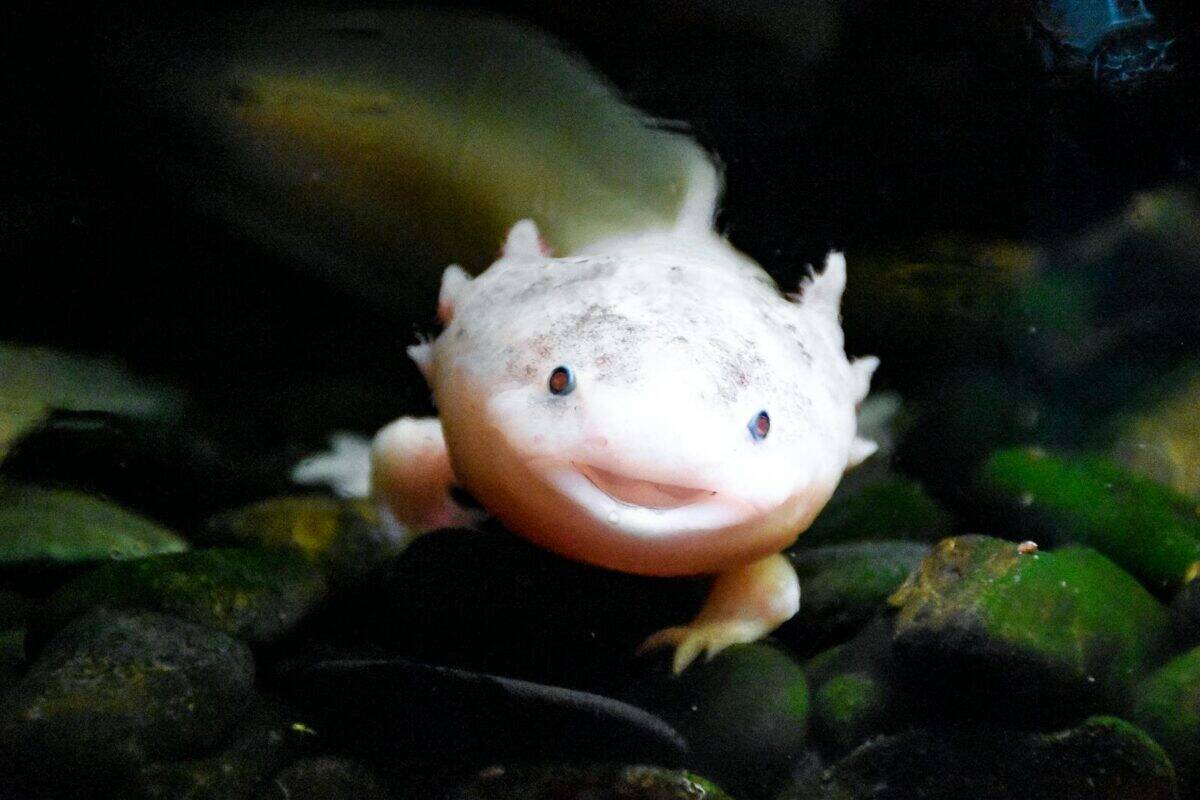
The axolotl (Ambystoma mexicanum), a salamander native to Lake Xochimilco in Mexico, possesses regenerative abilities that have astounded scientists and fueled groundbreaking research in regenerative medicine. Unlike most amphibians, axolotls exhibit neoteny, meaning they retain juvenile characteristics (including external gills) into adulthood and remain aquatic throughout their lives. What makes axolotls extraordinary from a scientific perspective is their unparalleled ability to regenerate complex body parts, including limbs, portions of their heart, spinal cord, brain, and even parts of their eyes. When an axolotl loses a limb, it forms a blastema—a mass of dedifferentiated cells that can rebuild the entire appendage, complete with bones, muscles, nerves, and blood vessels. More remarkably, this regeneration occurs without scarring and with perfect proportionality to the original limb. Scientists have been studying axolotls since the 1700s, but modern genetic and molecular tools have intensified research into the mechanisms behind their regenerative capabilities. In 2018, researchers sequenced the complete axolotl genome, revealing it to be ten times larger than the human genome—approximately 32 billion base pairs compared to our 3 billion. This genomic information has provided valuable insights into the genetic programs that enable regeneration. Research on axolotls has direct applications for human medicine, potentially informing treatments for spinal cord injuries, limb loss, heart damage, and neurodegenerative diseases. Scientists are working to understand how axolotls can reactivate developmental genes in adult tissues and how their immune systems facilitate rather than hinder regeneration. Though ironically endangered in their native habitat, axolotls maintained in laboratory settings continue to offer promising clues for developing human regenerative therapies that could transform treatment approaches for injuries and diseases previously considered permanent.
Conclusion:

The 11 animals featured in this article represent more than mere participants in scientific studies—they are silent pioneers whose unique biological traits and involuntary contributions have profoundly shaped the trajectory of modern science. From Dolly the Sheep’s cloning breakthrough to the genetic insights gained from mice and fruit flies, each of these animals has expanded the boundaries of human knowledge. Whether revealing the mysteries of genetics, enabling space travel, or safeguarding our medical systems, these creatures have left an indelible mark on medicine, technology, and our understanding of life itself. Yet, their stories also highlight the ethical complexities that come with scientific advancement. Many of these animals were subjected to experiments without consent or the possibility of reprieve, prompting critical reflection on how science balances progress with compassion. Their legacies not only illuminate past discoveries but also challenge us to pursue future breakthroughs with greater ethical responsibility and reverence for the living beings that make them possible. In celebrating these animals’ contributions, we acknowledge that the quest for knowledge often relies on the lives of others—reminding us that with every scientific leap forward, there is a shared story of sacrifice, innovation, and the interconnectedness of all life.

As a little kid, I fell in love with nature, wildlife, and animals. Living in the USA, South Africa, Italy, China and Germany gave me the opportunity to discover the world's Wildlife. My favorite animals are Mountain Gorillas, Siberian Tigers, and Great White Sharks.
I'm a certified PADI Open Water Diver, went to Everest Base Camp and Trekked Gorillas in Uganda. I hold a Master of Science in Economics and Finance.
Please send any feedback to feedback@animalsaroundtheglobe.com
- 14 Most Intelligent Wild Creatures - July 22, 2026
- 16 Clever Ways to Attract Cardinals Without Breaking the Bank - July 22, 2026
- 11 Animals That Changed Science Forever - July 22, 2026
Leave a comment
You must be logged in to post a comment.