

Anxiety disorders affect approximately 40 million adults in the United States alone. As people increasingly seek natural methods to manage their anxiety symptoms, the therapeutic benefits of animal companionship have gained significant attention. Research consistently shows that interacting with pets can decrease cortisol levels (the stress hormone) while increasing oxytocin, serotonin, and dopamine—chemicals associated with happiness and relaxation. Beyond medication and therapy, many individuals find remarkable comfort in the unconditional love and support that animals provide. This article explores 13 pets that have demonstrated particular effectiveness in helping their owners cope with anxiety, explaining why these companions make such excellent emotional support animals and how they can be integrated into anxiety management strategies.
13. Dogs The Ultimate Anxiety Companions

Dogs have earned their reputation as “man’s best friend” through their exceptional ability to provide emotional support during anxious moments. Research published in the Journal of Psychiatric Research found that dog owners experienced significant reductions in anxiety symptoms compared to non-pet owners. This is partly due to dogs’ remarkable ability to sense changes in human emotions, sometimes detecting anxiety even before their owners recognize it themselves. Breeds like Labrador Retrievers, Golden Retrievers, and Cavalier King Charles Spaniels are particularly noted for their calm temperaments and intuitive responses to human distress. Beyond their emotional sensitivity, dogs provide structure through their need for regular walks and care, which can help anxiety sufferers maintain routine—a crucial element in anxiety management. The physical touch of petting a dog has been shown to release oxytocin while lowering blood pressure, creating an immediate calming effect during anxiety attacks.
12. Cats Calming Presence and Gentle Affection

Cats offer a uniquely balanced form of companionship that many anxiety sufferers find ideal. Their independent nature means they typically require less intensive care than dogs, making them suitable for those who may feel overwhelmed by more demanding pets. Despite their self-sufficiency, cats form deep bonds with their owners and often provide comfort through their soothing purrs—which vibrate at a frequency between 25 and 150 Hertz, a range that has been shown to promote healing and reduce stress in humans. A 2019 study published in the Journal of Veterinary Behavior found that interacting with cats significantly reduced anxiety scores in participants. The rhythmic sound and gentle vibration of purring can serve as a natural form of sound therapy, helping to regulate breathing and heart rate during anxious episodes. Additionally, the simple act of stroking a cat’s fur stimulates the release of oxytocin and endorphins while decreasing cortisol levels, creating a biochemical recipe for relaxation.
11. Birds Mindful Companions for Anxiety Relief

Birds offer a unique form of anxiety relief through their cheerful songs and fascinating behaviors that promote mindfulness. The melodic chirping of birds like canaries, finches, and parakeets can serve as a natural form of sound therapy, creating an ambient backdrop that many find soothing. Research from the University of Exeter found that people who could hear birdsong reported a 37% reduction in stress and anxiety levels. Caring for birds encourages owners to remain present and focused on tasks like feeding and cage maintenance, which can interrupt ruminating thought patterns common in anxiety disorders. Species like cockatiels and budgerigars can form strong bonds with their owners, offering affection and interaction that provides emotional support. The simple act of watching birds—their graceful movements, playful antics, and natural behaviors—can induce a meditative state that psychologists refer to as “flow,” where anxious thoughts temporarily subside as attention is completely absorbed in the present moment.
10. Fish Aquatic Therapy for Stress Reduction
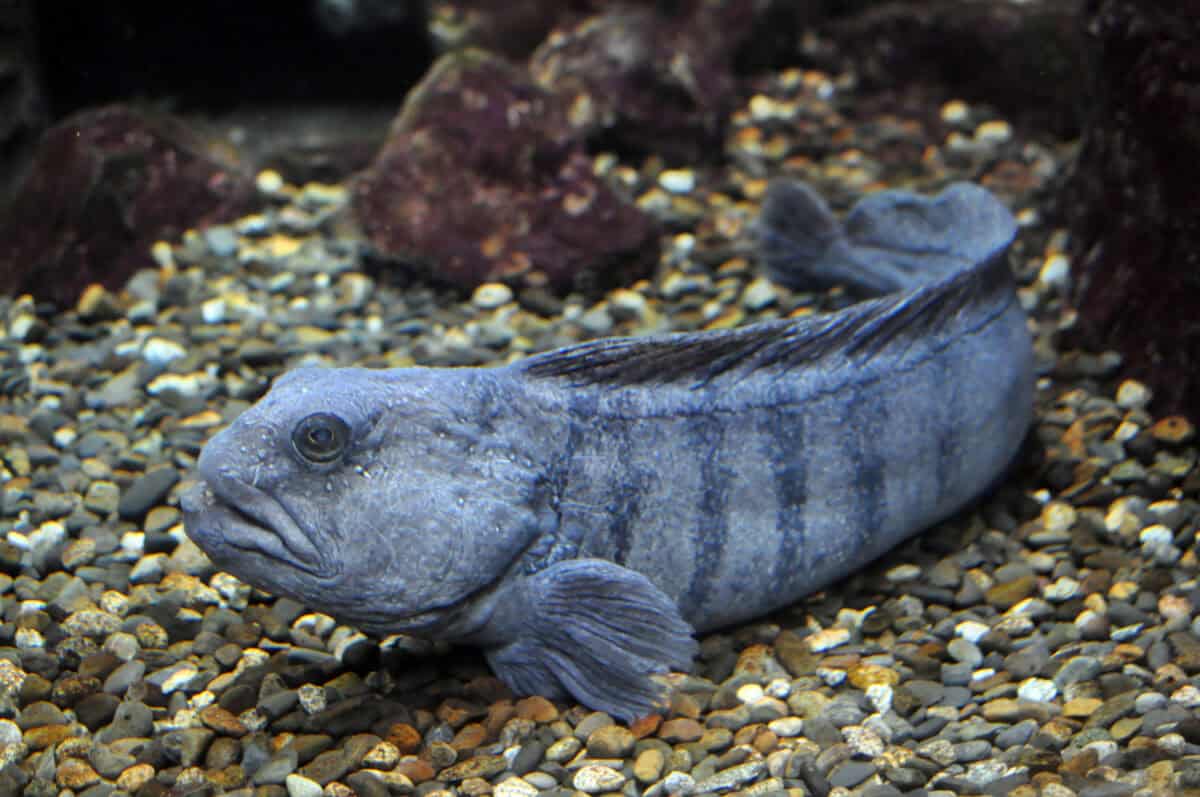
Aquariums have been installed in medical offices and high-stress environments for decades due to their remarkable anxiety-reducing effects. The scientific basis for this practice was confirmed by a study published in Environment & Behavior, which found that viewing aquariums led to significant reductions in blood pressure and heart rate along with reported improvements in mood. The hypnotic movement of fish swimming has a naturally mesmerizing quality that can interrupt anxious thought patterns, while the gentle bubbling and flowing water creates white noise that masks environmental distractions. Betta fish, with their vibrant colors and interactive personalities, can form recognizable bonds with their owners, sometimes responding to their presence at the tank. Larger community tanks with species like guppies, tetras, and peaceful cichlids provide a miniature ecosystem to observe, creating opportunities for mindful observation. The routine maintenance of an aquarium also provides structure and purpose—cleaning regimens and feeding schedules offer predictability that can be comforting for those with anxiety.
9. Rabbits Gentle Companions for Calm Connection
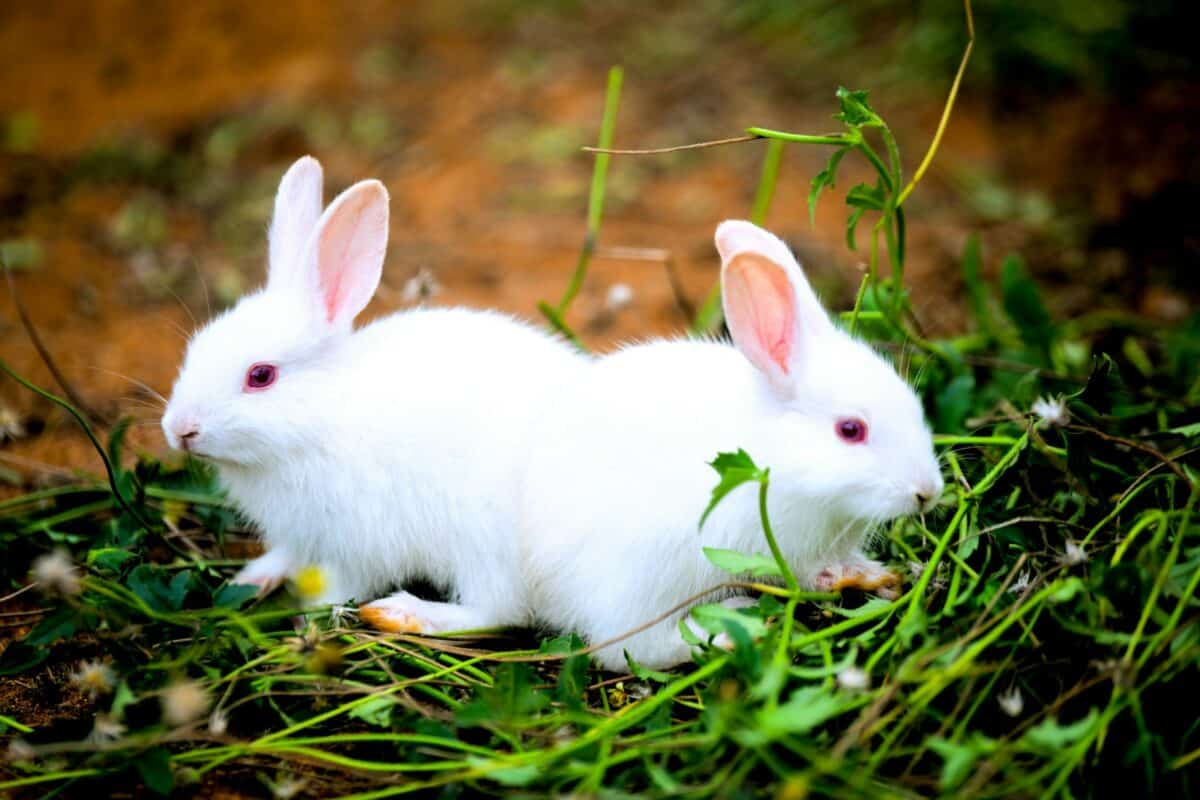
Rabbits combine many ideal qualities for anxiety support: they’re quiet, gentle, and highly responsive to human interaction without demanding excessive attention. Their soft fur provides tactile comfort that stimulates oxytocin release during petting sessions, while their naturally calm demeanor (when properly socialized) can have a mirroring effect on anxious owners. A study conducted at the University of Missouri found that just 10 minutes of interacting with rabbits significantly decreased cortisol levels in participants experiencing stress. Unlike some pets, rabbits communicate through subtle body language, encouraging owners to practice mindfulness and attention to nonverbal cues—skills that are valuable in managing anxiety. Many rabbit owners report that the rhythmic motion of stroking their pet’s fur creates a meditative experience that helps disrupt anxious thought patterns. Breeds like the Netherland Dwarf, Holland Lop, and Mini Rex are particularly noted for their docile temperaments and affectionate nature, making them excellent emotional support animals for those living in smaller spaces where larger pets might not be practical.
8. Guinea Pigs Social Healers with Calming Vocalizations

Guinea pigs have gained recognition in therapeutic settings for their exceptionally social nature and ability to form strong bonds with their caregivers. Research published in the Journal of Pediatric Nursing demonstrated that children with autism spectrum disorder experienced significant reductions in anxiety and improvements in social functioning after regular interaction with guinea pigs. These small mammals communicate through a variety of vocalizations, including a soothing purring sound when content, which many owners find comforting. Their need for routine feeding and care provides structure that can be beneficial for anxiety management, while their relatively simple requirements make them accessible pets for those who might feel overwhelmed by more complex animal care. Guinea pigs are naturally non-aggressive and patient, typically remaining still for long periods during handling, which makes them ideal companions for anxiety sufferers who benefit from physical contact with a pet. Their social nature means they genuinely seek interaction with their human companions, offering a sense of being needed and valued that can counteract feelings of isolation often experienced during anxiety episodes.
7. Hamsters Pocket-Sized Stress Relievers

Hamsters offer a low-maintenance introduction to the benefits of pet therapy, making them particularly suitable for those with limited space or experience with animal care. Observing a hamster’s natural behaviors—from burrowing and nest-building to their meticulous grooming rituals—can provide a fascinating distraction from anxious thoughts. The repetitive motion of a hamster running on its wheel has a hypnotic quality that many find soothing, especially during nighttime anxiety when sleep is elusive. Despite their small size, species like the Syrian hamster can recognize their owners and develop bonds that provide emotional satisfaction. The tactile experience of holding a hamster, with its soft fur and gentle movements, creates sensory engagement that can ground individuals experiencing anxiety. Caring for a hamster’s basic needs establishes a simple routine that offers structure without overwhelming responsibility. A study from the Mental Health Foundation found that caring for small pets like hamsters helped participants develop a sense of purpose and routine that significantly reduced anxiety symptoms, particularly in younger adults and adolescents experiencing academic stress.
6. Reptiles Mindful Connections with Bearded Dragons and Geckos
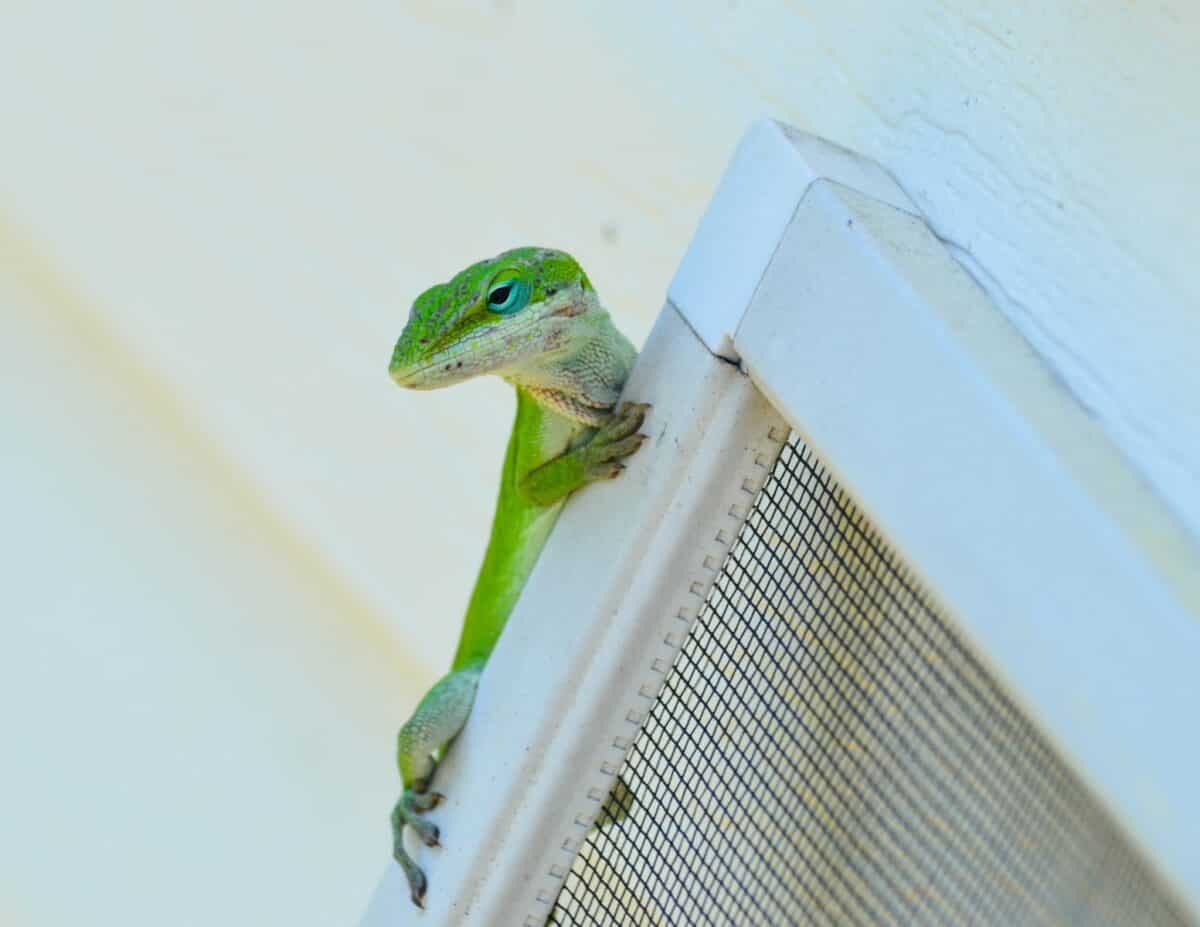
Though perhaps surprising to some, reptiles like bearded dragons and leopard geckos have emerged as effective emotional support animals for certain anxiety sufferers. The slow, deliberate movements of these creatures naturally encourage mindfulness and present-moment awareness in their handlers. Unlike more energetic pets, reptiles create a calming presence that doesn’t stimulate or overwhelm someone experiencing anxiety. Bearded dragons, in particular, form recognizable bonds with their caretakers, often seeking out physical contact and displaying distinct personality traits. The structured care routine reptiles require—precise feeding schedules, temperature monitoring, and habitat maintenance—provides beneficial structure without the more intensive demands of mammals. The tactile experience of handling reptiles, with their unique textures and gentle movements, creates a grounding sensory experience that many find helps interrupt anxiety spirals. Research from the University of Veterinary Medicine in Vienna found that reptile owners reported significant improvements in stress management and emotional regulation, with 76% of participants noting that the responsibility of caring for their reptilian companions gave them a sense of purpose during difficult emotional periods.
5. Horses Therapeutic Partners for Anxiety Management

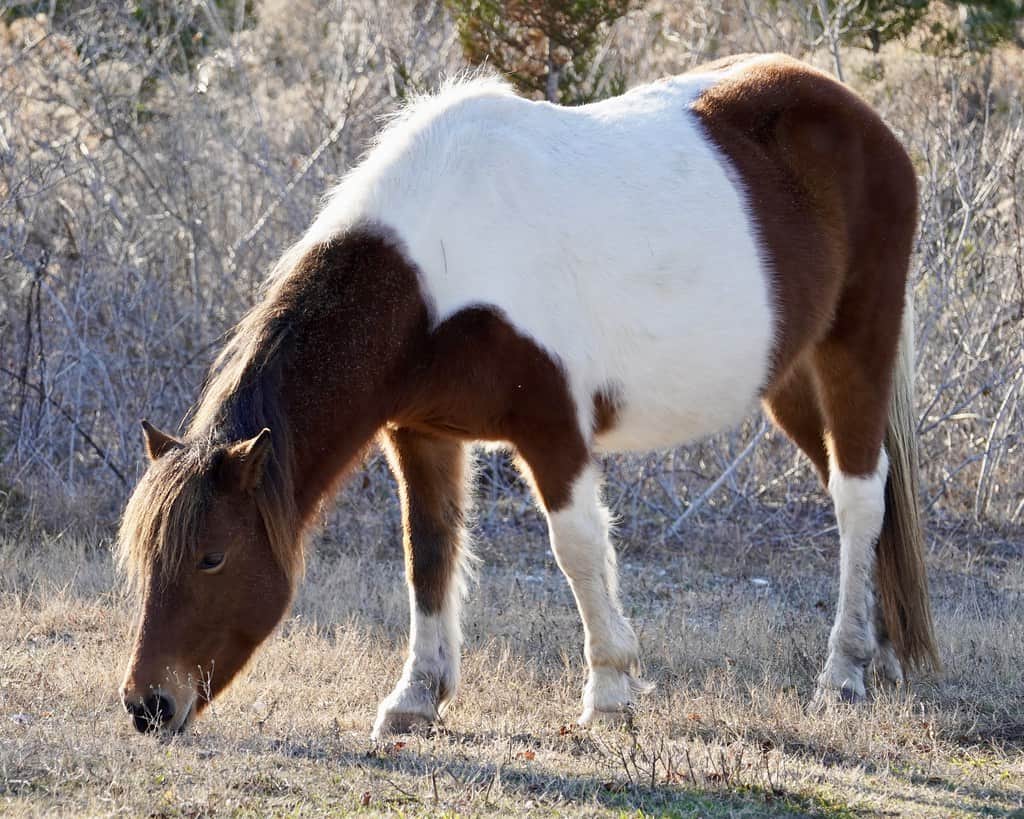
While not conventional household pets, horses play a significant role in anxiety treatment through equine-assisted therapy programs worldwide. Their size and strength combined with gentle temperaments create unique therapeutic opportunities for anxiety sufferers. Horses are exceptionally attuned to human emotions, reflecting back the energy they receive—this mirroring effect helps individuals become more aware of their own emotional states, a crucial skill in anxiety management. The Journal of Clinical Psychology published findings showing that equine therapy participants experienced a 60% reduction in anxiety symptoms after just eight weeks of regular sessions. The physical aspects of horse care and riding engage the body fully, triggering the release of endorphins while providing sensory experiences that ground individuals in the present moment. The rhythm of horseback riding has been shown to regulate breathing patterns and heart rates, creating physiological calm that extends beyond the riding session. For those unable to own horses, regular visits to therapeutic riding centers can provide scheduled interactions that become valuable anchors in anxiety management strategies. Even miniature horses, which can sometimes be kept in larger residential properties, have been certified as emotional support and therapy animals for anxiety sufferers.
4. Miniature Pigs Intelligent Emotional Support Companions

Miniature pigs have gained popularity as emotional support animals due to their remarkable intelligence and strong bonding capacity with humans. With cognitive abilities comparable to those of three-year-old children, these animals can learn routines, recognize their names, and respond to emotional cues from their owners. Their intelligence allows for engaging interaction that provides distraction from anxiety, while their trainability means they can learn specific supportive behaviors like providing pressure therapy during panic attacks. Contrary to common misconceptions, properly socialized mini pigs are exceptionally clean animals with affectionate dispositions. Their need for mental stimulation through play and training creates opportunities for owners to engage in mindful activities that interrupt anxiety cycles. A 2018 study in the Journal of Alternative and Complementary Medicine found that interaction with trained therapy pigs resulted in significant decreases in anxiety markers among participants. The unique combination of an animal that is both highly intelligent and physically affectionate provides comprehensive emotional support that addresses multiple aspects of anxiety—from the physiological benefits of touch therapy to the psychological advantages of caring for a responsive companion.
3. Hedgehogs Unique Companions for Anxiety Relief
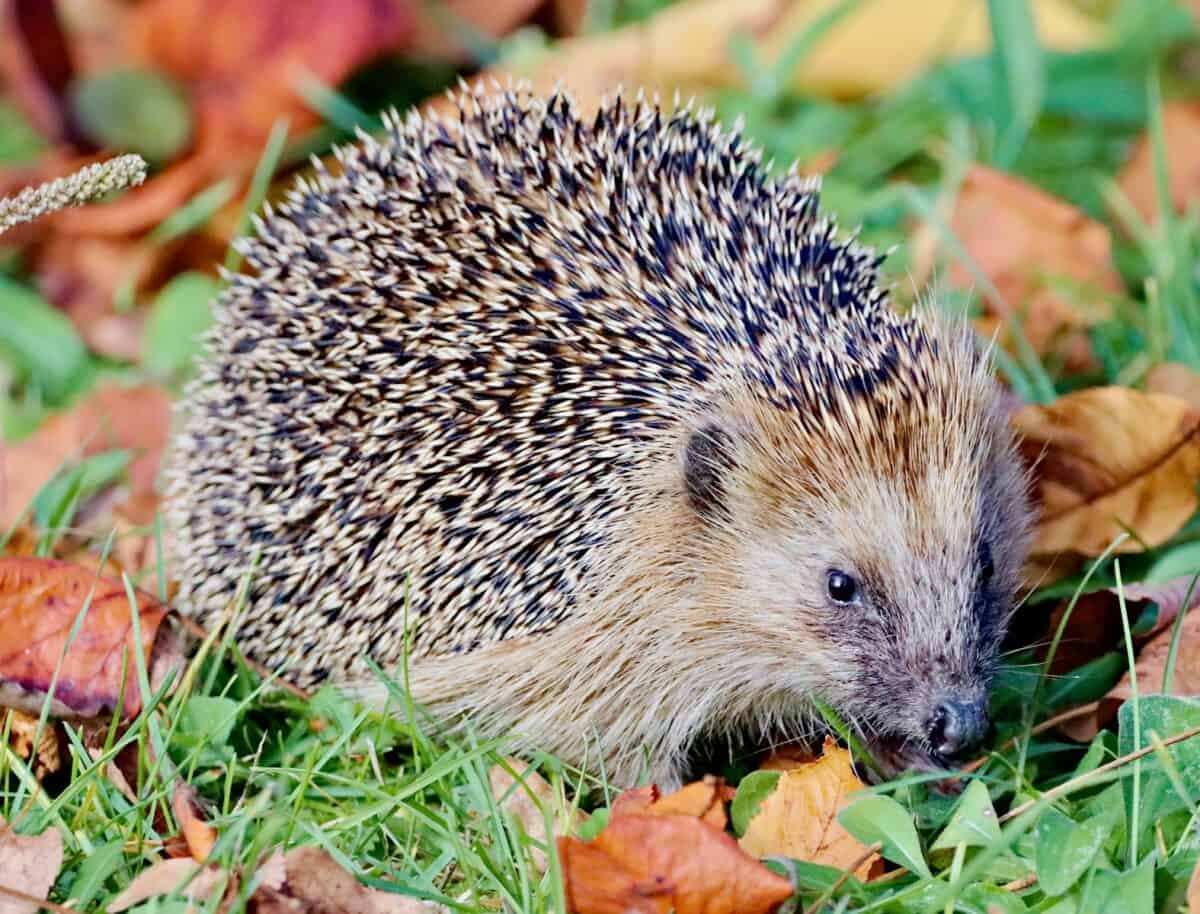
Hedgehogs offer a distinctive form of pet therapy that combines novelty with gentle temperament. Their unusual appearance and behaviors provide fascinating distractions during anxious moments, while their relatively simple care requirements make them accessible to many anxiety sufferers. The methodical way hedgehogs explore their environments encourages owners to practice mindful observation, a technique recommended by anxiety therapists for interrupting rumination. The tactile experience of carefully holding a hedgehog—navigating their soft underbellies and prickly spines—creates sensory engagement that anchors attention to the present moment. Many hedgehog owners report that the nighttime activity patterns of these naturally nocturnal animals provide companionship during episodes of night anxiety and insomnia. A study from the Journal of Applied Animal Welfare Science found that exotic pet owners, including hedgehog caretakers, reported significant improvements in managing stress and anxiety through the unique bonds formed with these animals. The specialized knowledge required to properly care for hedgehogs provides owners with a sense of expertise and accomplishment that can boost self-efficacy—an important psychological resource for those battling anxiety disorders.
2. Rats Surprisingly Empathetic Anxiety Companions

Despite undeserved negative stereotypes, domestic rats have emerged as exceptional emotional support animals for anxiety sufferers. Highly intelligent and genuinely social, rats form deep bonds with their owners, often seeking out interaction and displaying obvious excitement when their humans return home. Research published in the British Journal of Psychology demonstrated that rats possess impressive empathetic abilities, responding to distress in both their human and rodent companions. Their small size makes them suitable for apartment living, while their relatively short lifespan (2-3 years) can make them appropriate for individuals who cannot commit to decades of pet ownership. The tactile experience of a rat’s soft fur and gentle movement provides comforting sensory input during anxious episodes. Rats require daily handling and socialization, creating a routine that helps structure the day—a valuable tool for anxiety management. Their playful nature and ability to learn tricks provides mental distraction that interrupts anxiety spirals, while their naturally affectionate behavior—which includes “bruxing” (grinding teeth in contentment) and seeking physical closeness—offers genuine emotional connection that many anxiety sufferers find deeply comforting.
1. Chickens Unexpected Anxiety-Reducing Companions

Backyard chickens have gained recognition for their surprising effectiveness as anxiety support animals. The simple activity of collecting eggs provides a daily purpose and sense of accomplishment that many anxiety therapists identify as beneficial for mental health. Watching a flock’s natural behaviors—from dust bathing to foraging—encourages mindful observation that can break cycles of anxious thinking. Contrary to common perception, many chicken breeds develop distinct personalities and form recognizable bonds with their caretakers, sometimes following them around the yard or garden and responding to their names. The routine of chicken care provides structure without overwhelming responsibility, while the connection to food production creates a grounding link to essential life processes. A study from the University of Pennsylvania found that animal-assisted therapy programs incorporating farm animals, including chickens, showed significant benefits for anxiety reduction, with participants reporting improved mood and decreased rumination. For those with suitable outdoor space, the gentle clucking sounds and predictable routines of a small flock can create a peaceful backyard sanctuary that serves as a living anxiety management tool.
Conclusion: Finding Your Perfect Anxiety Support Companion

Selecting the right pet to help manage anxiety requires careful consideration of your lifestyle, living situation, and the specific ways anxiety manifests in your life. While scientific research confirms the general anxiety-reducing benefits of pet companionship, the most effective emotional support comes from animals whose care requirements align well with your capabilities and daily routines. Before adopting any pet, consult with mental health professionals about how animal companionship might complement your existing anxiety treatment plan. Remember that responsible pet ownership means committing to the animal’s wellbeing even during periods when your anxiety might make care challenging. For many people living with anxiety disorders, the right pet becomes not just a comfort but a transformative presence that makes difficult days manageable and provides a consistent source of unconditional acceptance. Whether you connect with the intuitive empathy of dogs, the soothing purr of cats, or the mindful distraction of watching fish swim, animal companionship offers a unique pathway to greater emotional regulation and peace.

As a little kid, I fell in love with nature, wildlife, and animals. Living in the USA, South Africa, Italy, China and Germany gave me the opportunity to discover the world's Wildlife. My favorite animals are Mountain Gorillas, Siberian Tigers, and Great White Sharks.
I'm a certified PADI Open Water Diver, went to Everest Base Camp and Trekked Gorillas in Uganda. I hold a Master of Science in Economics and Finance.
Please send any feedback to feedback@animalsaroundtheglobe.com
- 11 Most Endangered Insects Buzzing in America Today - July 22, 2026
- 10 Most Frequently Googled Animal Birth Facts - July 22, 2026
- 10 Incredible Migration Journeys in the Animal Kingdom - July 22, 2026