

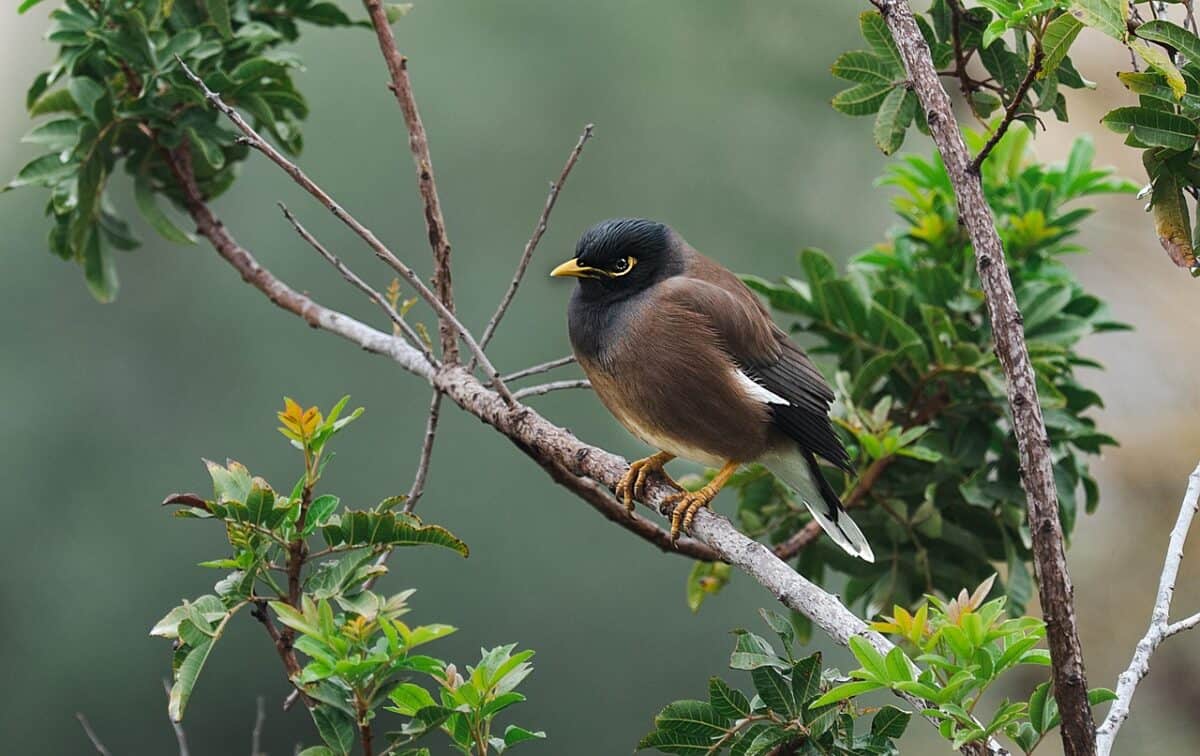
The ability of certain birds to mimic human speech has fascinated people for centuries. This remarkable talent isn’t just entertaining—it provides valuable insights into avian intelligence and vocal learning capabilities. While parrots are the most famous talking birds, several other species possess this impressive skill. In this article, we’ll explore 13 birds known for their ability to imitate human speech, examining what makes them such exceptional vocal mimics and what science tells us about their cognitive abilities.
African Grey Parrot The Master of Mimicry
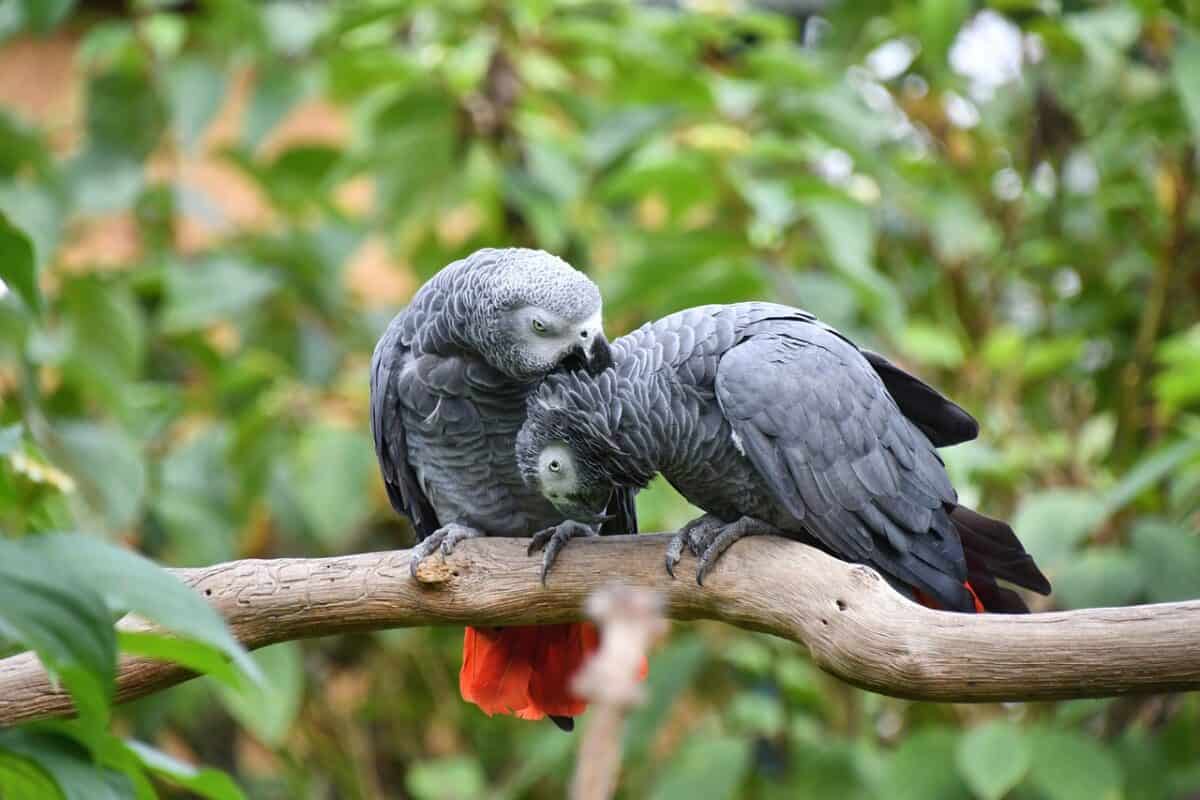
Widely regarded as the most skilled avian vocal mimic, the African Grey Parrot (Psittacus erithacus) stands at the pinnacle of speech imitation abilities. These medium-sized parrots don’t just repeat words—they can learn vocabularies of up to 1,000 words and use them in context. The most famous African Grey, Alex, worked with Dr. Irene Pepperberg for 30 years and demonstrated not only speech but understanding of concepts like colors, shapes, and numbers. African Greys can replicate human voices with uncanny accuracy, often adopting the exact tone and inflection of family members, making them sound eerily human. Their exceptional cognitive abilities, comparable to that of a 5-year-old child in some respects, enable them to use language functionally rather than just mimicking sounds.
Amazon Parrots Colorful Conversationalists

Amazon parrots, particularly the Yellow-naped (Amazona auropalliata) and Double Yellow-headed (Amazona oratrix) varieties, are renowned for their exceptional speaking abilities. These social, vibrant birds can develop vocabularies of several hundred words and are especially skilled at learning songs and phrases. Yellow-naped Amazons are particularly talented at mimicking the human singing voice, often with perfect pitch. What makes Amazons unique is their expressive nature—they don’t just repeat words but often use them with apparent emotional context, raising their voices when excited or whispering when being affectionate. Their speech is typically clear with excellent enunciation, and many develop distinct “personalities” in their speaking styles, with some preferring to mimic certain family members over others.
Budgerigars Small Birds with Big Vocabulary
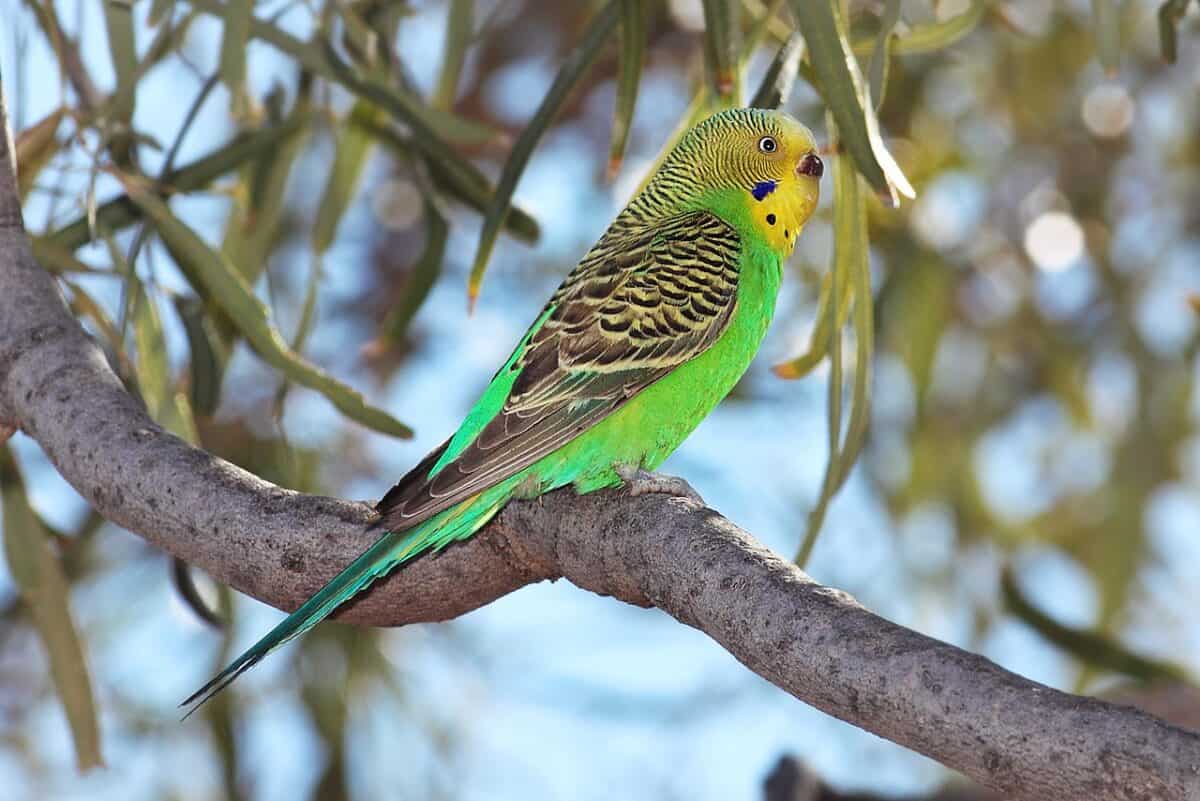
Don’t let their diminutive size fool you—Budgerigars (Melopsittacus undulatus), commonly known as budgies or parakeets, are exceptional talkers. These popular pet birds hold the Guinness World Record for the largest vocabulary of any bird, with one budgie named Puck documented as knowing 1,728 words. While their voices are higher-pitched and softer than larger parrots, budgies can produce remarkably clear speech with practice. Male budgies typically develop better speaking abilities than females, and those raised individually with humans often become the most proficient talkers. Their small size, affordability, and impressive vocal abilities make them ideal pets for those interested in talking birds but unable to accommodate larger parrot species.
Indian Ringneck Parakeet Crystal Clear Speech
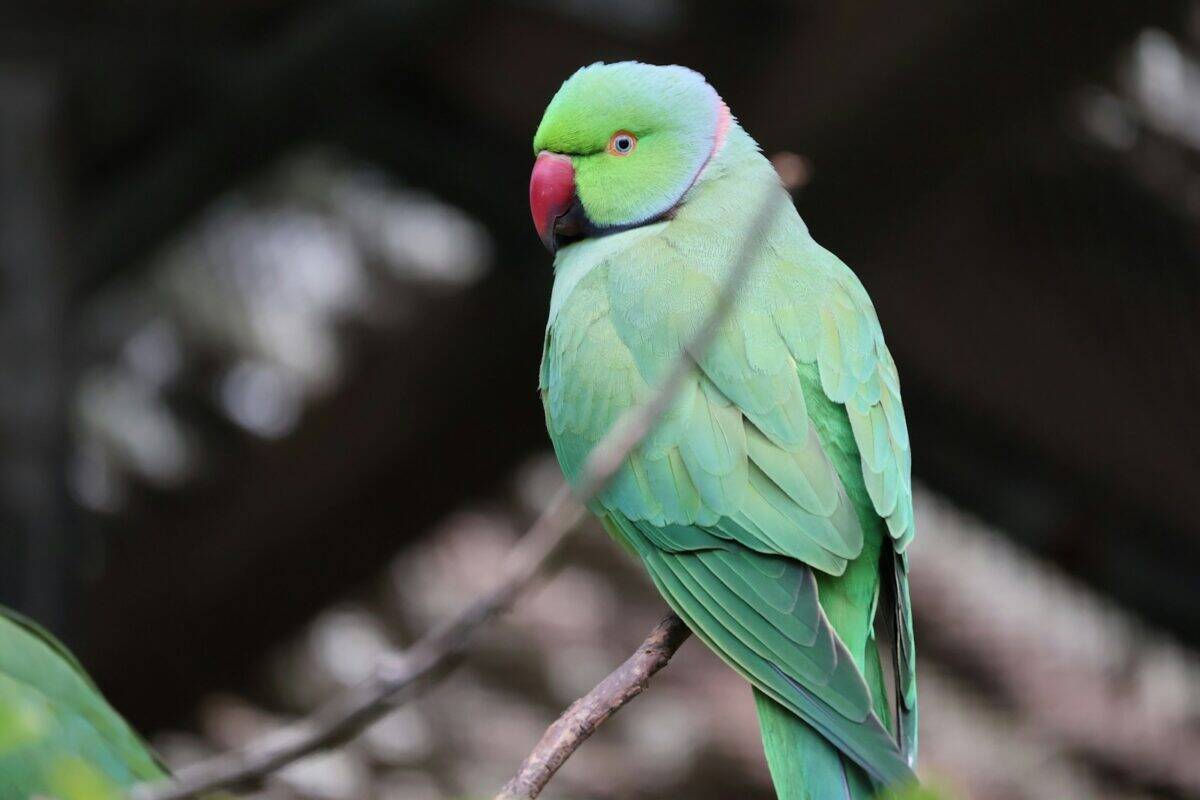
The Indian Ringneck Parakeet (Psittacula krameri manillensis) is celebrated for its exceptionally clear and precise speech. These medium-sized birds can learn vocabularies of 200-250 words and are known for their remarkable clarity of pronunciation. Unlike some species that mumble or distort words, Ringnecks often speak with perfect diction. They typically begin talking around 8 months of age but reach their full speaking potential around year two. Particularly interesting is their ability to mimic entire sentences and retain them for years. Some Ringnecks demonstrate contextual understanding, using phrases appropriately in specific situations. Their vocal abilities combined with their striking appearance—vibrant green plumage with a distinctive neck ring—make them increasingly popular as pets despite their sometimes challenging temperament.
Quaker Parrots Chatty and Social

Quaker Parrots (Myiopsitta monachus), also known as Monk Parakeets, are medium-sized birds with outsized personalities and impressive vocal capabilities. Native to South America, these social birds are natural communicators who readily take to mimicking human speech. Quakers can typically learn dozens of words and short phrases, which they deliver with a unique, somewhat raspy voice quality. What sets Quakers apart is their tendency to be constant talkers—they often practice their words throughout the day and may create their own word combinations. Their highly social nature means they’re motivated to communicate with their human families, making them enthusiastic language learners. This sociability, combined with their relatively small size and affordability compared to larger parrots, makes them popular pets in areas where they’re legal (they’re considered invasive species and banned in some states).
Cockatoos Emotional Communicators
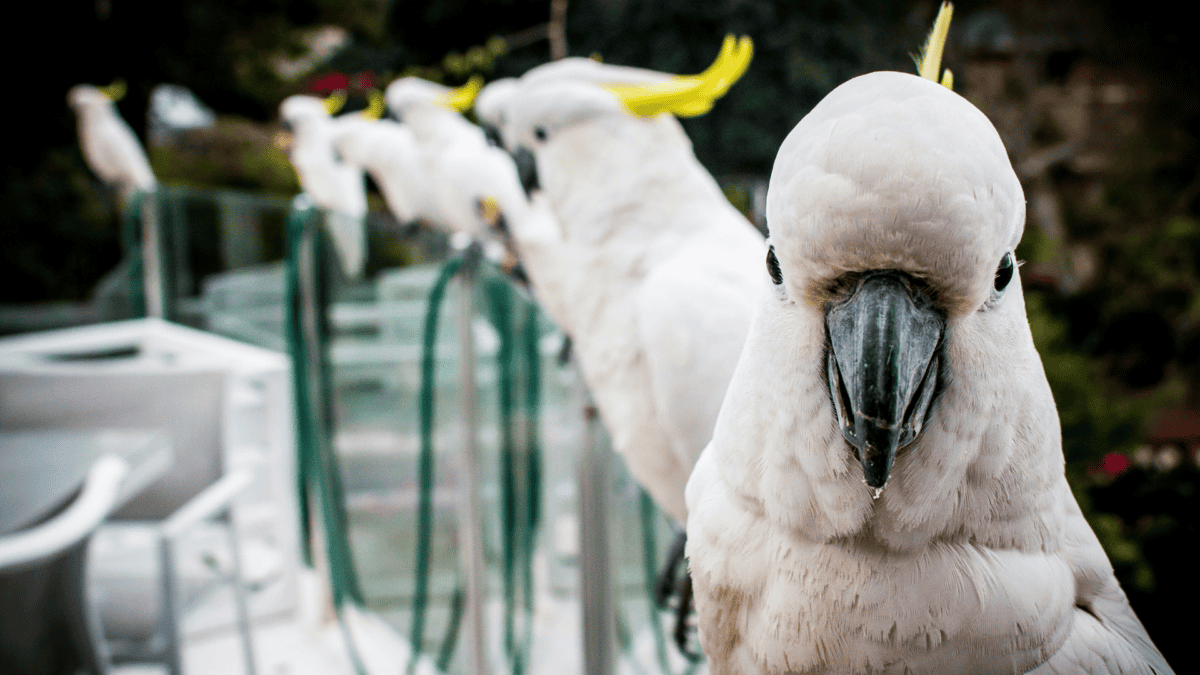
While not typically considered the best speech mimics among parrots, several cockatoo species—particularly the Umbrella Cockatoo (Cacatua alba) and Galah Cockatoo (Eolophus roseicapilla)—can develop impressive vocabularies. What makes cockatoo speech unique is its emotional quality; they excel at matching tone to context and can sound genuinely expressive when speaking. Cockatoos may not acquire as many words as African Greys or Amazons, but they use their vocabularies with great enthusiasm and expressiveness. Their natural vocalizations are loud and designed to carry over long distances in the wild, giving their mimicked speech considerable volume and projection. These birds are particularly adept at associating words with situations, often greeting owners at appropriate times or requesting specific activities using learned phrases.
Hill Mynahs Nature’s Voice Recorder
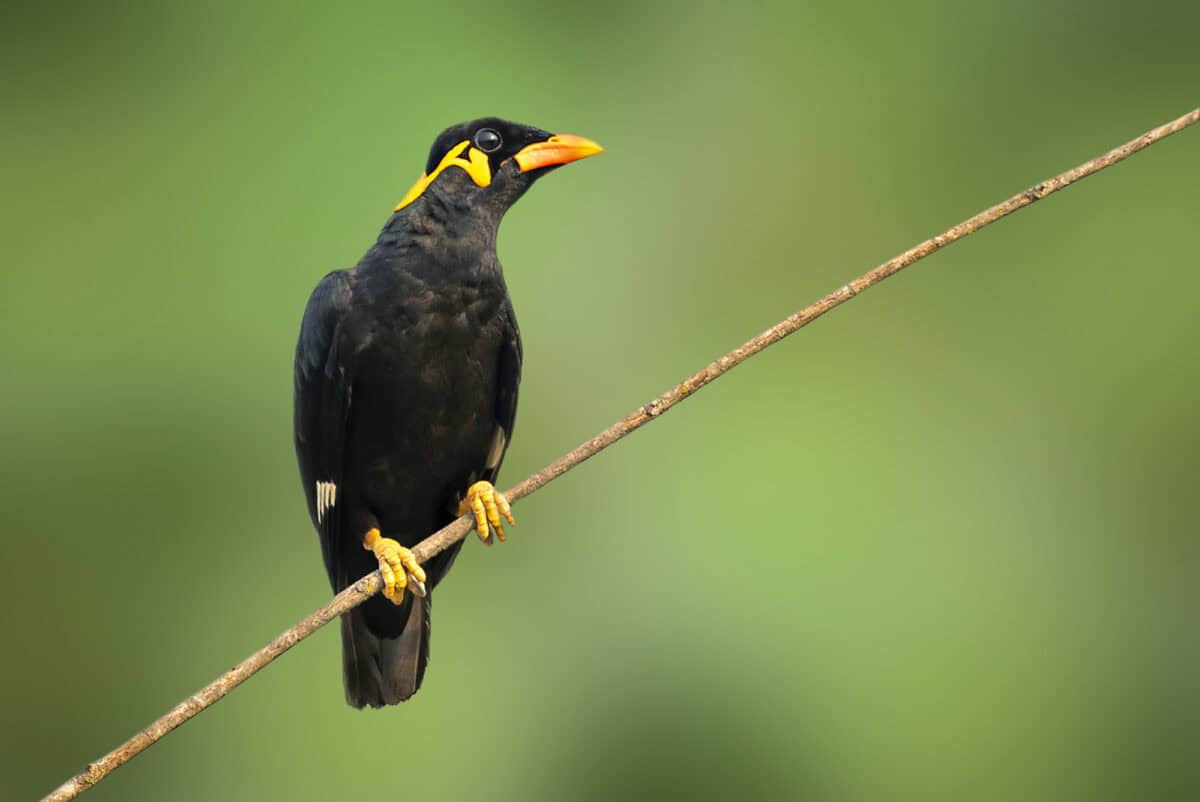
The Hill Mynah (Gracula religiosa) is often considered the most accomplished non-parrot mimic, capable of reproducing human speech with remarkable fidelity. Unlike parrots, which typically speak in a somewhat “parrot-like” voice, mynahs can replicate the exact pitch, tone, and timbre of human voices—so accurately that they can be indistinguishable from the original speaker. This extraordinary ability stems from the complex structure of their vocal organs and their natural talent for vocal mimicry in the wild. While they may not acquire the extensive vocabularies of some parrots, the quality of their reproduction is unsurpassed. Greater Hill Mynahs can learn dozens of words and short phrases, which they deliver with perfect human-like intonation. Their ability to mimic other sounds—from telephone rings to barking dogs—is equally impressive, making them living sound recorders.
European Starlings Unexpected Mimics
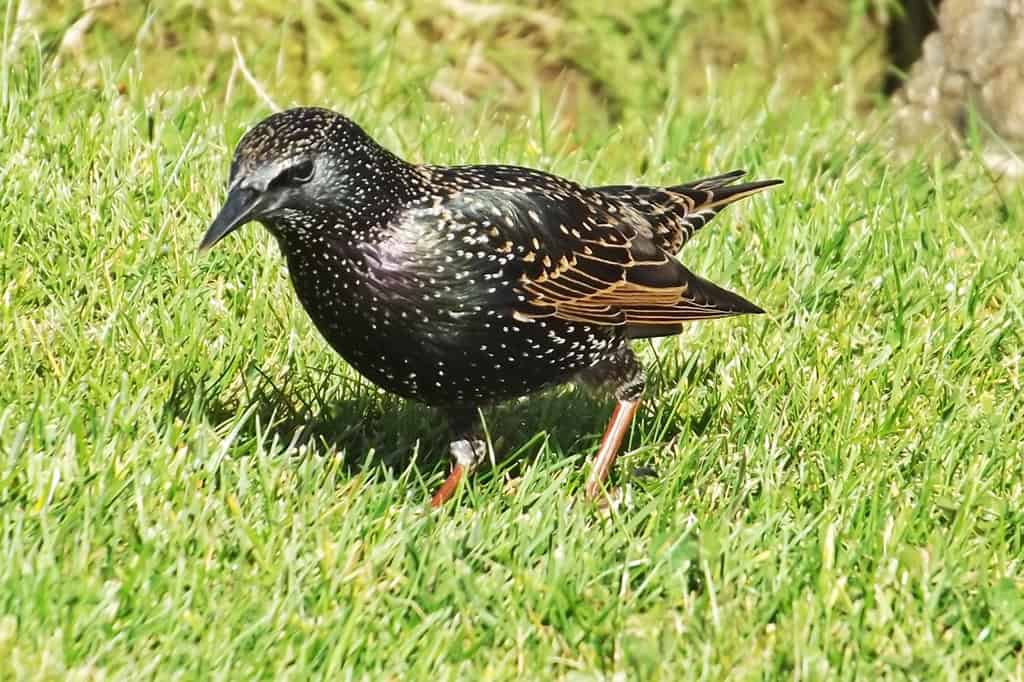
Though often regarded as common backyard birds or agricultural pests, European Starlings (Sturnus vulgaris) possess remarkable vocal mimicry abilities. These iridescent black birds are accomplished mimics in the wild, incorporating sounds from their environment into their complex songs. In captivity, hand-raised starlings can learn to replicate human speech with surprising clarity. Their natural vocal repertoire includes over 20 distinct call types, and they can imitate everything from other birds to mechanical sounds. Mozart famously kept a pet starling that could sing part of his Piano Concerto No. 17 in G. While less commonly kept as pets than parrots, captive starlings form strong bonds with humans and can learn dozens of words and phrases. Their legal status as an invasive species in North America means that they can only be legally kept if rescued and non-releasable.
Ravens and Crows Intelligent Imitators
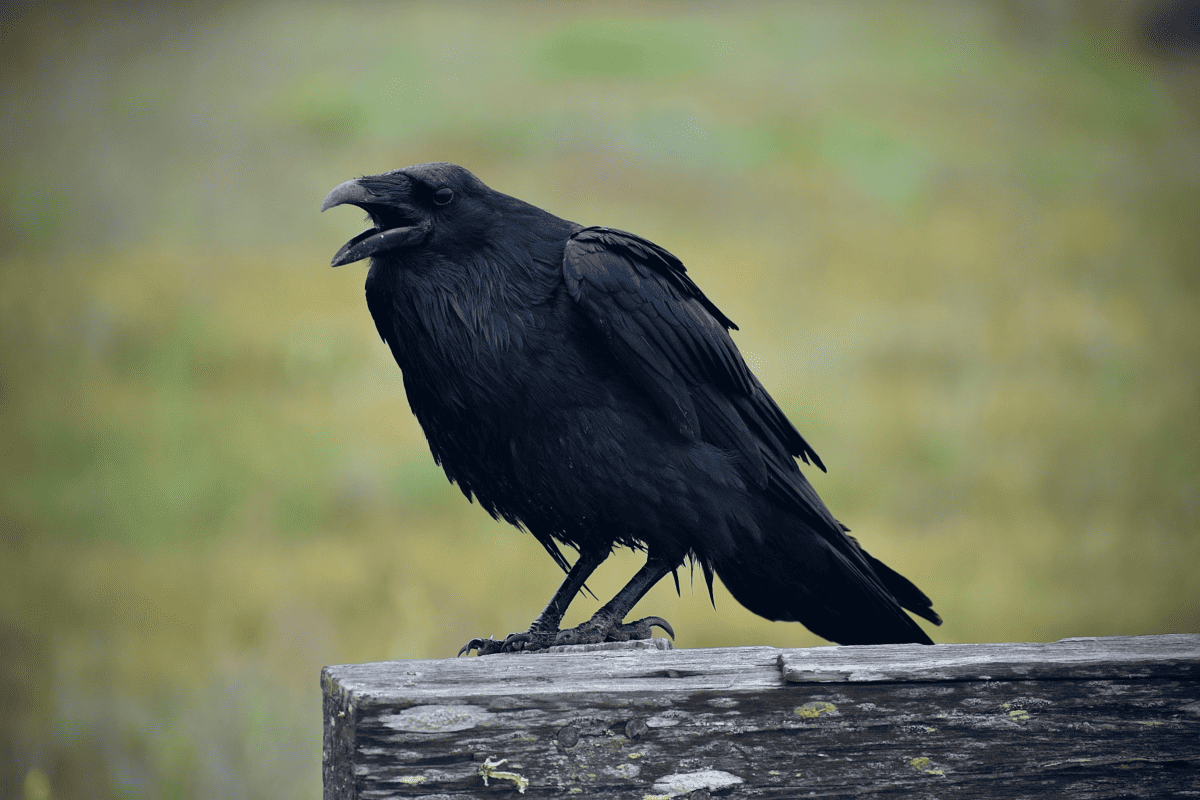
Members of the corvid family, particularly Common Ravens (Corvus corax) and American Crows (Corvus brachyrhynchos), demonstrate impressive vocal mimicry capabilities despite not being traditional pet birds. These exceptionally intelligent birds possess cognitive abilities rivaling those of great apes, and their skill at vocal imitation is part of their complex communication repertoire. Ravens in particular can produce an astonishing range of sounds, from perfect mimicry of other animals to replication of human words. Their voice quality when mimicking human speech is distinctive—deeper and more croaking than parrot speech—but can be remarkably clear. While rarely kept as pets (and illegal to own in many jurisdictions), ravens in zoological collections and wildlife rehabilitation settings have demonstrated vocabularies of dozens of words. Their ability to use tools, solve complex problems, and mimic speech underscores the remarkable intelligence of these often-underestimated birds.
Blue-fronted Amazon The Natural Performer
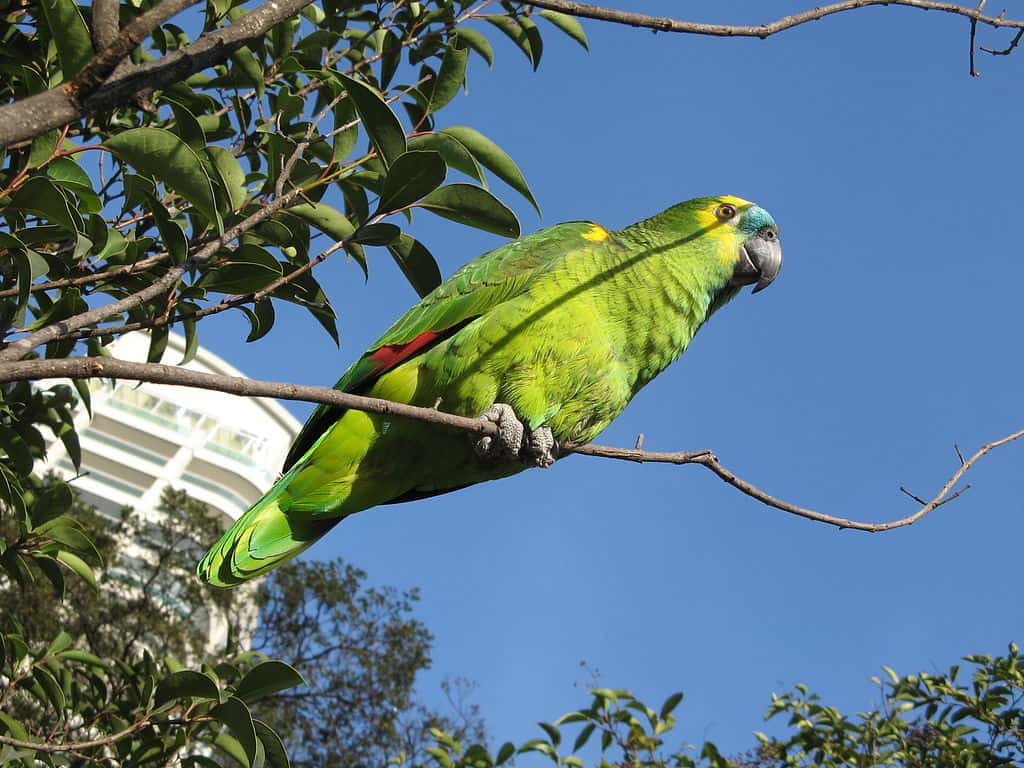
The Blue-fronted Amazon (Amazona aestiva) deserves special mention among Amazon parrots for its exceptional speaking abilities and natural inclination toward “performance.” These medium-sized green parrots with distinctive blue feathering on their foreheads are native to South America and renowned for their clear, resonant voices. Blue-fronts can develop vocabularies of hundreds of words and seem to genuinely enjoy showing off their verbal skills. What sets them apart is their theatrical quality—many Blue-fronts appear to perform for audiences, increasing their vocal output when they have attentive listeners. They excel at mimicking songs and often incorporate dance-like movements when “performing.” Their speech is typically exceptionally clear, with excellent enunciation and appropriate emotional inflection. Combined with their playful personalities and relatively hardy nature, their vocal abilities make them perpetually popular companion birds despite requiring significant commitment from owners.
Eclectus Parrots Gender Differences in Speech
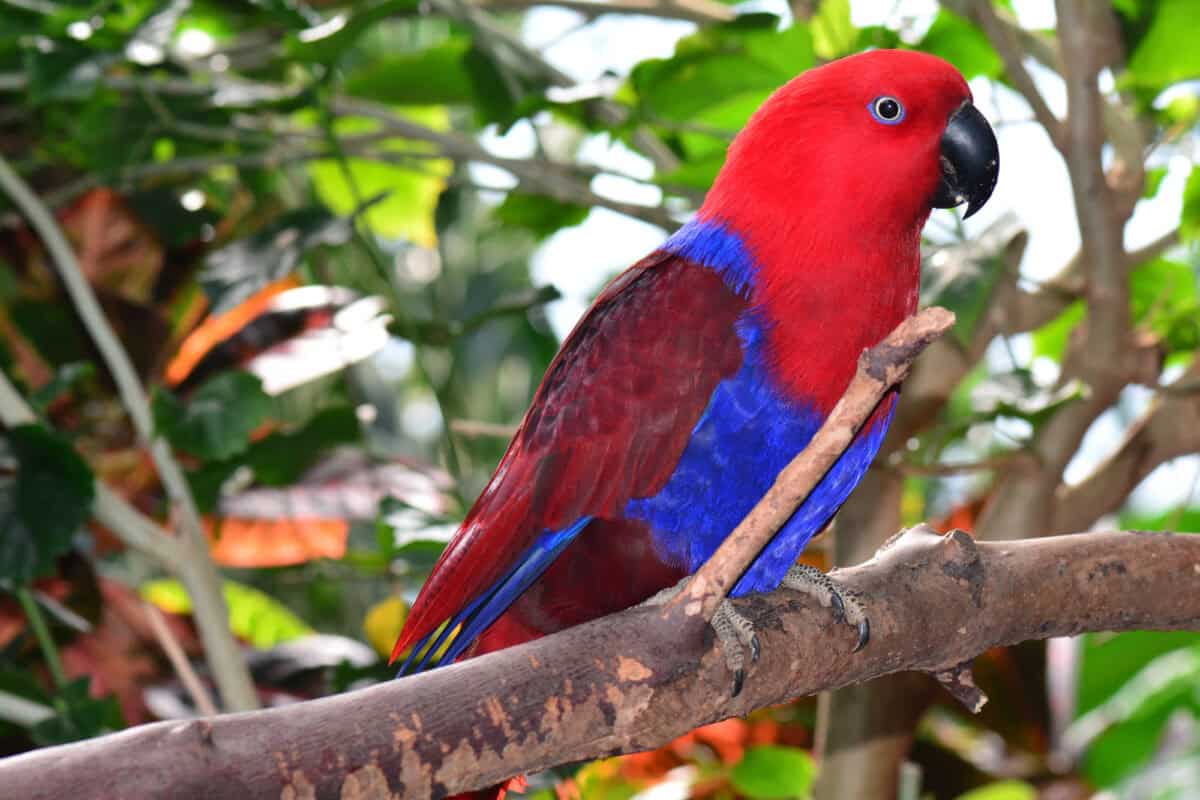
The strikingly sexually dimorphic Eclectus Parrot (Eclectus roratus)—with emerald green males and vibrant red and purple females—presents an interesting case study in speech development. Both sexes can become accomplished talkers, but research and anecdotal evidence suggest differences in their speaking styles. Males typically develop larger vocabularies and speak more frequently, while females often master fewer words but use them with greater clarity and contextual appropriateness. Eclectus Parrots have distinctive, clear voices with excellent enunciation, making them among the more understandable avian speakers. They typically begin talking between 4-6 months of age and continue developing their vocabularies throughout their lives. Their unique digestive systems, evolved for their specialized fruit-heavy diet, means they process information differently than other parrots, potentially contributing to their distinctive learning patterns and speech development.
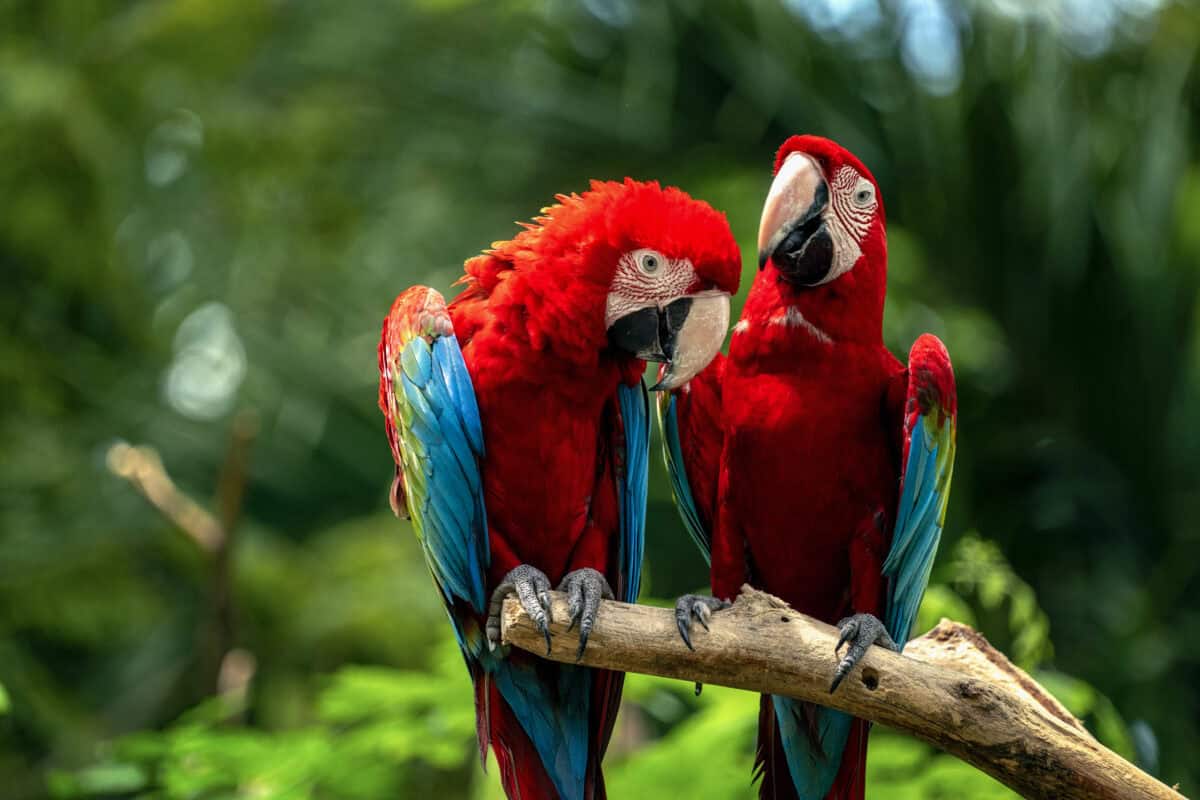
Macaws Bold Voices and Personalities

The largest of the parrot species, macaws—particularly Blue and Gold Macaws (Ara ararauna) and Scarlet Macaws (Ara macao)—can become accomplished speakers despite not being known primarily for this ability. Their natural vocalizations are loud and designed to carry across rainforest canopies, giving their mimicked speech considerable volume and projection. Macaws typically develop smaller vocabularies than African Greys or Amazons, usually mastering between 15-20 words and phrases, though exceptional individuals may learn considerably more. Their speech tends to have a distinctive squawky quality but can be quite clear. What macaws lack in vocabulary size they often make up for in enthusiasm—when they do speak, it’s with unmistakable gusto. Their intelligence and vocal abilities, combined with their spectacular appearance and long lifespans (potentially exceeding 70 years), make them impressive if demanding companion birds.
The Science Behind Avian Speech Mimicry
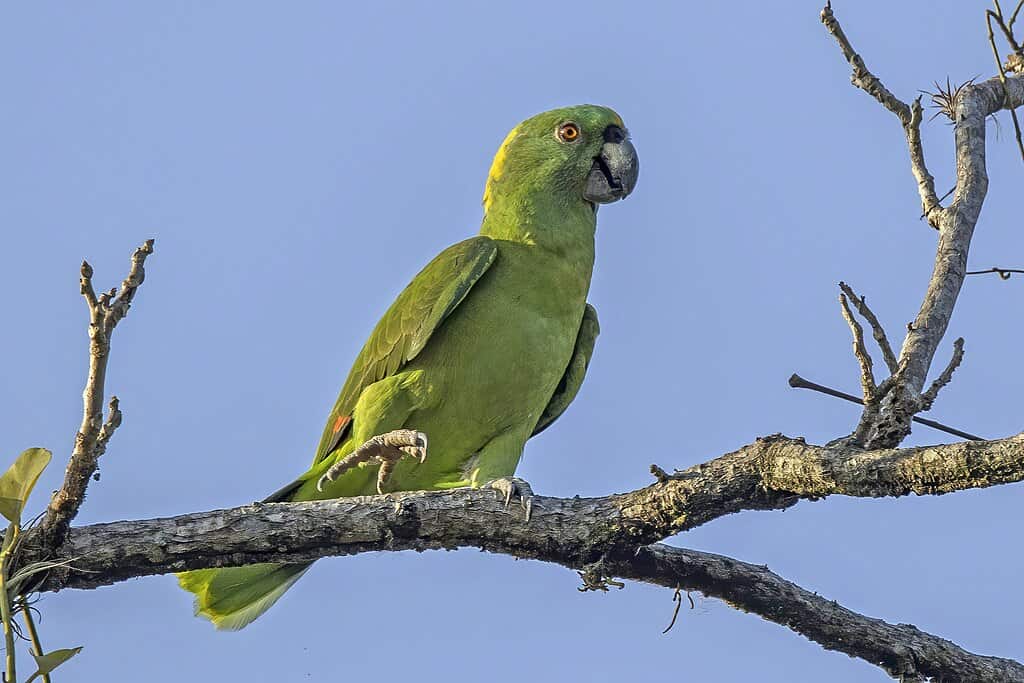
The ability of certain birds to mimic human speech represents one of nature’s most fascinating adaptations. Unlike humans, birds lack lips, teeth, and a comparable vocal tract, yet accomplish remarkable vocal feats through entirely different anatomy. Birds produce sounds using their syrinx—a specialized vocal organ located at the junction of the trachea and bronchi. This structure, more complex than the human larynx, allows birds to produce two independent sounds simultaneously. Talking birds generally possess a highly developed syrinx along with the neurological framework to control it with exceptional precision. Recent neurological research has identified specialized brain structures called “song nuclei” that are larger and more complex in vocal learning species. The HVC (high vocal center) and RA (robust nucleus of the arcopallium) regions show particular development in accomplished mimics like African Greys and mynahs. Perhaps most fascinating is that birds and humans evolved these vocal learning capabilities independently, representing one of nature’s most remarkable examples of convergent evolution.
Conclusion: The Remarkable World of Talking Birds
The ability of birds to mimic human speech represents one of the animal kingdom’s most extraordinary capabilities, offering a window into the cognitive and communicative potential of non-human minds. While we’ve explored 13 species with this remarkable talent, the degree of comprehension behind their vocalizations varies greatly, with some species demonstrating functional understanding while others primarily mimic. This vocal flexibility not only entertains us but has provided valuable scientific insights into the evolution of communication, brain structure, and the fundamentals of language acquisition. For those considering a talking bird as a pet, it’s essential to remember that these intelligent creatures require stimulation, attention, and commitment potentially spanning decades. Their ability to speak represents just one facet of their complex cognitive and emotional lives—lives that deserve our respect, understanding, and dedicated care.

As a little kid, I fell in love with nature, wildlife, and animals. Living in the USA, South Africa, Italy, China and Germany gave me the opportunity to discover the world's Wildlife. My favorite animals are Mountain Gorillas, Siberian Tigers, and Great White Sharks.
I'm a certified PADI Open Water Diver, went to Everest Base Camp and Trekked Gorillas in Uganda. I hold a Master of Science in Economics and Finance.
Please send any feedback to feedback@animalsaroundtheglobe.com
- 13 Birds That Can Imitate Human Speech - August 3, 2026
- 14 Ways Bison Shaped the Great Plains Ecosystem - August 3, 2026
- The Unstoppable Force Why Cape Buffalos Are Among the Most Dangerous Animals - August 3, 2026
Leave a comment
You must be logged in to post a comment.