


Our pets communicate with us through their behaviors, often signaling when something is wrong or requires attention. While some quirky habits are simply part of their personality, others can indicate underlying health issues, emotional distress, or behavioral problems that need addressing. As responsible pet owners, recognizing these warning signs early can make a significant difference in our pets’ wellbeing and potentially save their lives. This article explores fourteen critical pet behaviors that should never be dismissed or overlooked, providing insights into what they might mean and when to seek professional help.
14. Sudden Changes in Water Consumption

If your pet starts drinking noticeably more or less water than usual, this could signal several health concerns. Increased thirst (polydipsia) might indicate diabetes, kidney disease, liver problems, or hormonal disorders like Cushing’s disease. Conversely, decreased water intake could suggest nausea, oral pain, or other serious conditions that make drinking uncomfortable. Track your pet’s typical water consumption to establish a baseline—most dogs need roughly an ounce of water per pound of body weight daily, while cats typically require about 3.5-4.5 ounces of water per 5 pounds. Any dramatic shift that persists for more than 24 hours warrants a veterinary consultation.
13. Unexpected Weight Loss or Gain

Weight fluctuations, especially when not associated with changes in diet or exercise, can indicate underlying health problems. Unexplained weight loss might signal parasites, cancer, dental disease, or metabolic disorders. Sudden weight gain could point to fluid retention, hypothyroidism, or Cushing’s disease. Monthly weight checks can help detect subtle changes early. A general rule of thumb: any weight change exceeding 10% of your pet’s normal body weight without obvious explanation requires veterinary attention. Remember that obesity itself is a serious health concern associated with shorter lifespans, arthritis, diabetes, and respiratory problems.
12. Persistent Vocalization or New Sounds

When your typically quiet pet becomes unusually vocal or produces new sounds, they’re trying to communicate distress. Excessive meowing in cats might indicate hyperthyroidism, high blood pressure, or cognitive dysfunction in older animals. Dogs that suddenly whine, howl, or bark excessively may be experiencing pain, anxiety, or cognitive decline. Pay special attention to nighttime vocalization, which often signals discomfort or disorientation. Respiratory sounds like wheezing, snorting, or labored breathing can indicate allergic reactions, respiratory infections, or even heart problems requiring immediate veterinary care. Document when these vocalizations occur and any apparent triggers to help your veterinarian with diagnosis.
11. Changes in Bathroom Habits
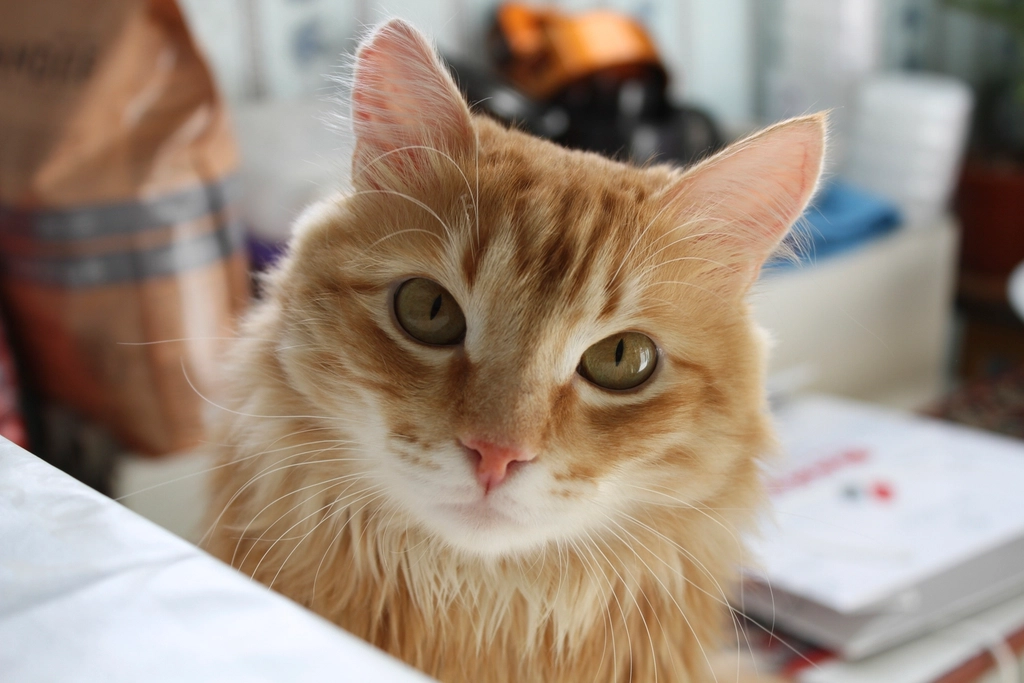
Alterations in urination or defecation patterns often signal health issues requiring prompt attention. Increased urination frequency, straining to urinate, blood in urine, or inappropriate elimination can indicate urinary tract infections, bladder stones, kidney disease, or in male cats, potentially life-threatening urinary blockages. For dogs, house-trained pets that suddenly have accidents might be suffering from urinary tract infections, gastrointestinal upset, or cognitive dysfunction in senior animals. Constipation or diarrhea lasting more than 24-48 hours can lead to dehydration and electrolyte imbalances. Changes in stool consistency, color, or content (mucus, blood) should prompt immediate veterinary consultation, as these can indicate parasites, inflammatory bowel disease, or even intestinal obstructions.
10. Excessive Grooming or Scratching
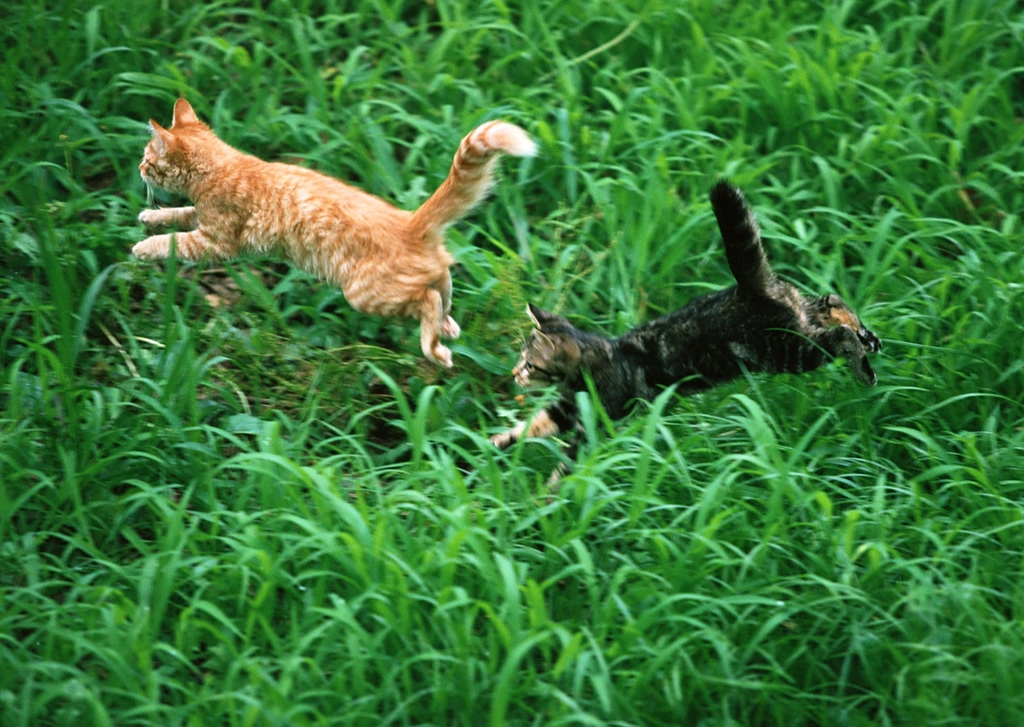
While grooming is normal pet behavior, excessive licking, chewing, or scratching often indicates underlying problems. Pets may over-groom due to allergies (environmental or food-based), parasites (fleas, mites, ticks), skin infections, or pain in the area being groomed. Psychological factors like anxiety or boredom can also trigger obsessive grooming, which can lead to self-inflicted wounds, hair loss, and skin infections. Areas commonly affected include paws, base of tail, and flanks. If you notice bald patches, redness, wounds, or your pet spending excessive time grooming one area, seek veterinary care. Sometimes the cause is simple to address, like flea treatment, while other cases may require allergy testing, medication, or behavioral modification approaches.
9. Aggression or Sudden Behavioral Changes
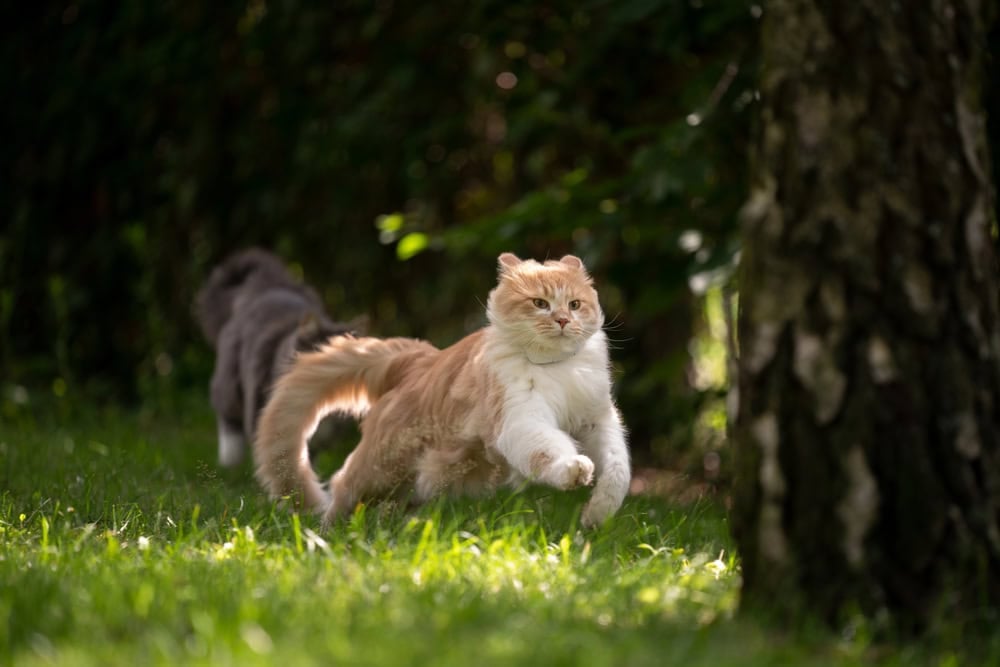
A previously friendly pet that becomes aggressive, withdrawn, or shows dramatic personality changes may be experiencing pain or illness. Dogs or cats might growl, snap, or bite when touched in painful areas—behavior that’s often misinterpreted as “bad” rather than a response to discomfort. Medical conditions that commonly cause behavioral changes include thyroid disorders, neurological problems, cognitive dysfunction in senior pets, and pain from arthritis or dental disease. Fear and anxiety can also trigger aggression as a defensive response. Document specific triggers, times of day, and contexts when these behaviors occur. Never punish a pet for sudden aggression; instead, safely separate them from potential triggers and consult both your veterinarian and a certified animal behaviorist for proper assessment and treatment.
8. Changes in Eating Habits
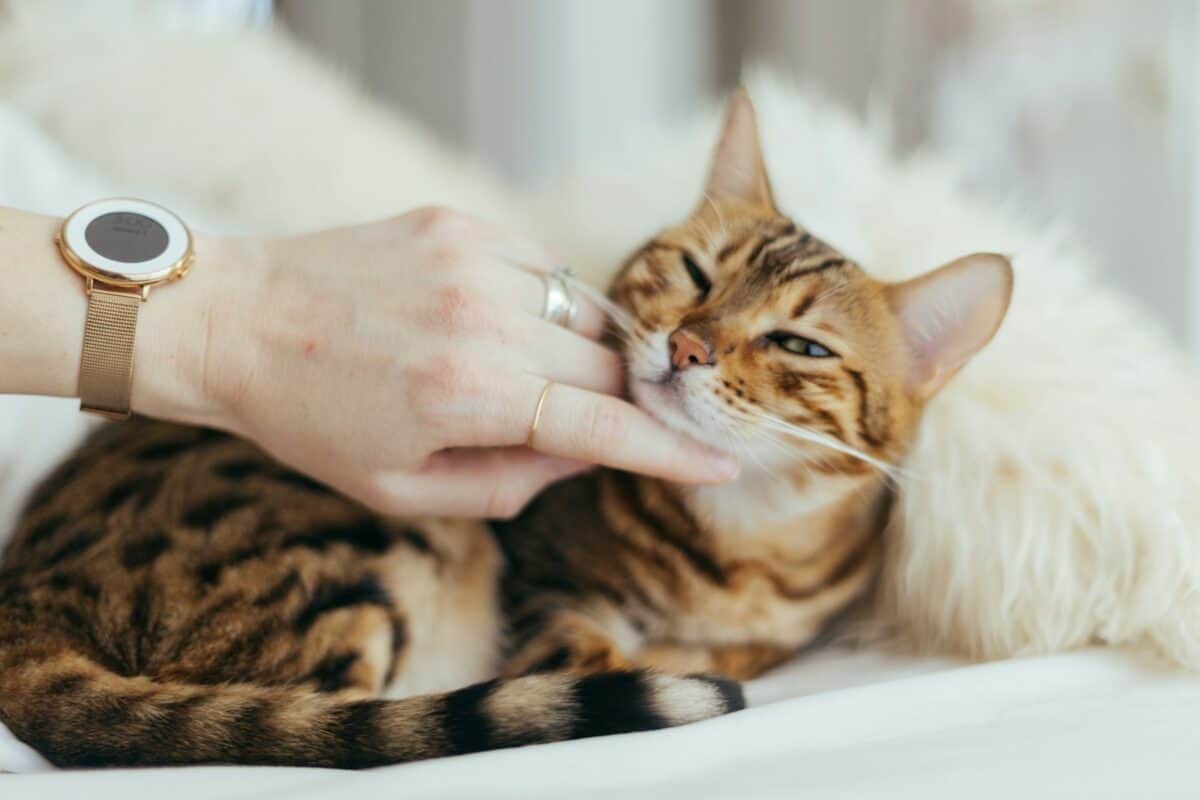
Alterations in appetite can signal numerous health issues. Decreased appetite (anorexia) might indicate dental pain, gastrointestinal disorders, kidney disease, cancer, or emotional distress. Conversely, sudden increases in appetite might suggest diabetes, hyperthyroidism, intestinal parasites, or medication effects. Particularly concerning are pets who seem hungry but avoid eating, which may indicate oral pain. Other red flags include difficulty swallowing, dropping food, or showing interest but then backing away from the food bowl. Behavioral changes around eating, such as resource guarding or new aggression, might indicate pain or cognitive changes. If your pet refuses food for more than 24 hours (or 12 hours for kittens, puppies, or cats), contact your veterinarian, as rapid weight loss can lead to potentially fatal hepatic lipidosis in cats.
7. Lethargy or Changes in Energy Levels

While activity levels naturally vary between individuals and decrease with age, sudden lethargy or dramatic energy changes warrant attention. A typically playful pet that becomes suddenly disinterested in activities they once enjoyed might be experiencing pain, illness, or emotional distress. Lethargy can indicate fever, infection, anemia, heart disease, or metabolic disorders. Conversely, hyperactivity or restlessness, particularly in older pets, might signal cognitive dysfunction, hyperthyroidism, or pain that makes comfortable resting difficult. Track your pet’s normal patterns of rest and activity to better recognize concerning changes. With senior pets, gradual energy decreases may be normal aging, but sudden changes always merit veterinary consultation to rule out treatable conditions.
6. Head Pressing or Repetitive Behaviors

Head pressing—when a pet presses their head against a wall or furniture for extended periods—is a serious neurological warning sign that requires immediate veterinary attention. This behavior can indicate brain tumors, encephalitis, toxin exposure, metabolic disorders, or increased intracranial pressure. Similarly concerning are repetitive, seemingly purposeless behaviors like circling, star-gazing (staring upward), compulsive pacing, or fly-biting (snapping at invisible objects). These stereotypic behaviors can have neurological origins or may develop from chronic stress, boredom, or obsessive-compulsive disorders. Document when these behaviors occur, their duration, and any potential triggers to help your veterinarian determine the cause. Never wait to seek care for head pressing, as many underlying causes are life-threatening emergencies.
5. Changes in Breathing Patterns

Abnormal breathing warrants immediate attention as it often signals serious respiratory or cardiovascular issues. Watch for increased respiratory rate (normal is 10-30 breaths per minute for dogs, 20-30 for cats when resting), labored breathing, open-mouth breathing (especially in cats), extended neck while breathing, blue-tinged gums, or exaggerated abdominal movement during respiration. These signs might indicate asthma, heart failure, pneumonia, pleural effusion, heartworm disease, or heat stroke. Brachycephalic breeds (flat-faced dogs and cats) are particularly prone to breathing difficulties, but abnormal breathing in any pet constitutes an emergency requiring immediate veterinary care. Even subtle changes like increased panting at rest or noise during breathing could indicate developing problems that are more easily treated when caught early.
4. Mobility Issues or Reluctance to Move
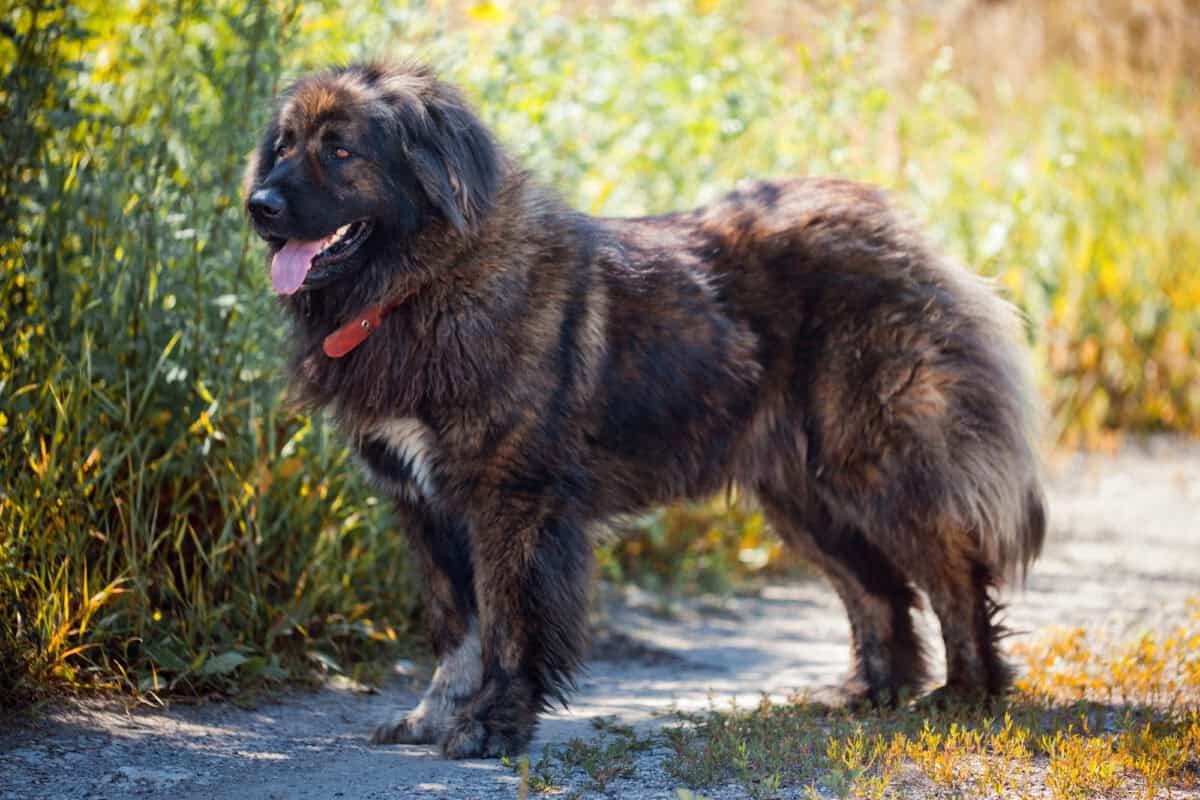
Difficulty rising, reluctance to climb stairs, limping, bunny-hopping gait, or general movement hesitation can signal musculoskeletal or neurological problems. While obvious lameness draws attention, subtle signs like shortened walks, decreased jumping, or sleeping in more accessible locations can be early indicators of pain. Arthritis affects approximately 80% of dogs over age 8, but younger pets can develop joint issues from injuries or developmental conditions like hip dysplasia. Intervertebral disc disease, ligament tears, and neurological conditions can also affect mobility. Never administer human pain medications, which can be toxic to pets. Instead, consult your veterinarian for proper diagnosis and safe pain management options, which might include prescription medications, physical therapy, weight management, supplements, or environmental modifications to improve your pet’s comfort and mobility.
3. Unusual Head Tilting or Balance Issues

Head tilting, circling, stumbling, rolling, or difficulty maintaining balance can indicate vestibular disease, ear infections, brain inflammation, strokes, or toxin exposure. The vestibular system controls balance and orientation, so disruptions can cause dramatic symptoms. While idiopathic vestibular disease (often called “old dog vestibular disease”) can occur suddenly and resolve with time, these symptoms always warrant prompt veterinary evaluation to rule out more serious causes. Ear infections extending to the inner ear are common triggers for balance disruption and head tilting, particularly in floppy-eared dog breeds. Nystagmus (involuntary eye movements) often accompanies balance disorders and helps veterinarians locate the source of the problem. Because these symptoms can also indicate life-threatening conditions like brain tumors, never delay seeking care when balance issues appear.
2. Changes in Sleep Patterns

Significant alterations in sleep habits often indicate underlying health or behavioral issues. Insomnia or restlessness at night might signal pain, cognitive dysfunction in older pets, anxiety, or conditions causing discomfort like urinary tract infections. Excessive daytime sleeping beyond normal patterns could indicate illness, depression, hypothyroidism, or age-related changes. Particularly concerning are pets who pace, vocalize, or seem disoriented at night—common signs of cognitive dysfunction syndrome, which affects up to 68% of dogs aged 15-16 years. Environmental adjustments like night lights, comfortable bedding, and consistent routines can help manage these changes. Consult your veterinarian about these symptoms, as medications and supplements like melatonin, S-adenosylmethionine (SAMe), or prescription therapies can significantly improve quality of life for affected pets and their families.
1. Excessive Thirst and Urination

While mentioned briefly under water consumption, polydipsia (excessive thirst) and polyuria (excessive urination) deserve special attention as they frequently signal serious metabolic disorders. Diabetes mellitus, kidney disease, liver disorders, Cushing’s disease, and certain medications can cause these symptoms. To determine if your pet’s thirst is abnormal, monitor their water intake—healthy dogs typically drink 20-40 ml per pound of body weight daily, while cats average 45-60 ml per pound. Increased drinking accompanied by weight loss, despite good appetite, strongly suggests diabetes or hyperthyroidism. Kidney disease often presents with increased urination volume along with other symptoms like vomiting or decreased appetite. Early detection of these conditions significantly improves treatment outcomes and quality of life, so never dismiss changes in drinking or urination patterns.
Conclusion: Being Your Pet’s Best Advocate
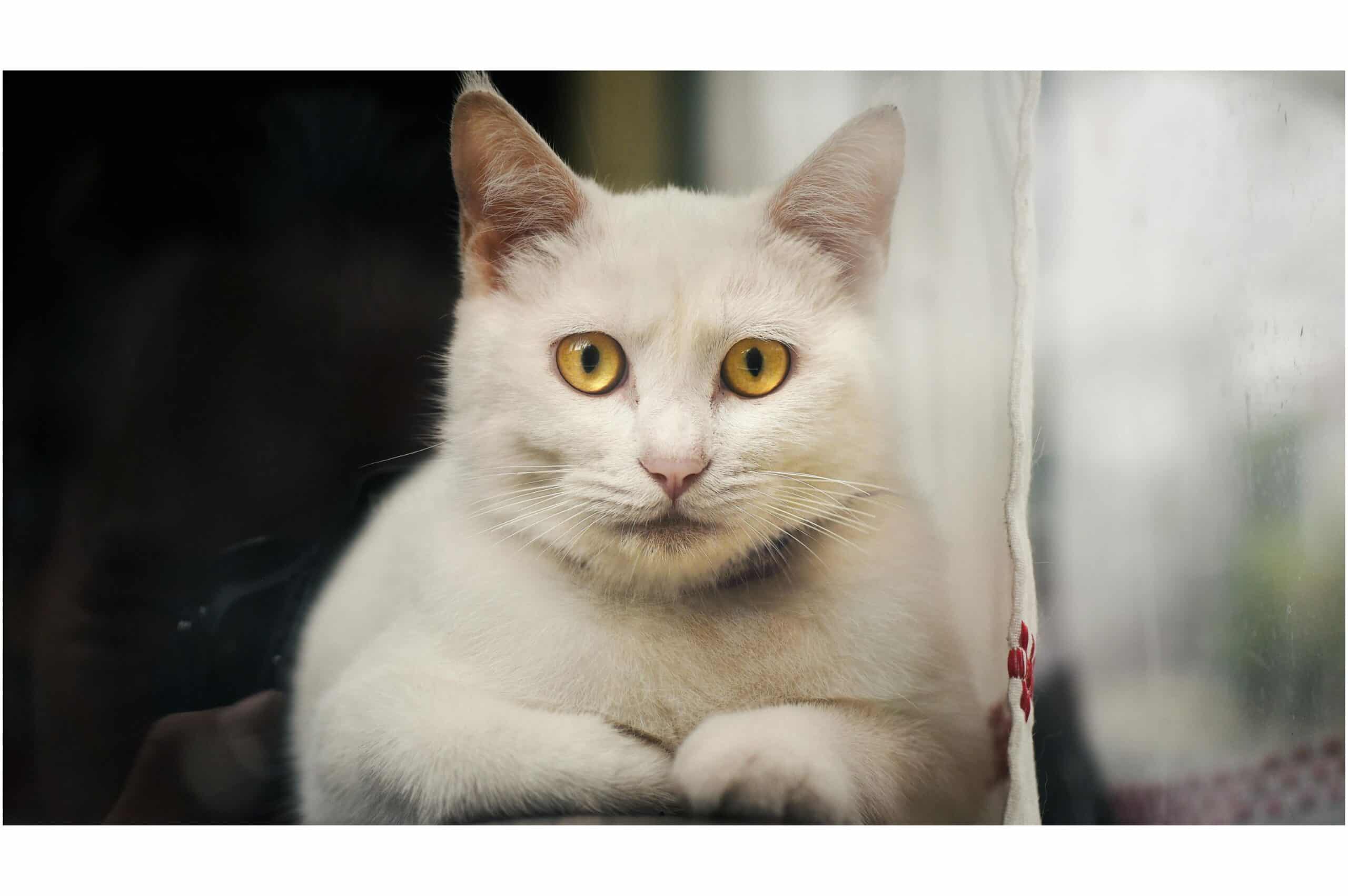
Our pets rely entirely on us to recognize when something is wrong and to seek appropriate care. By familiarizing yourself with these warning signs and understanding your individual pet’s normal behaviors, you become their most important health advocate. Remember that animals instinctively hide illness and pain as a survival mechanism, making subtle behavioral changes often the earliest indication of health problems. Maintain regular veterinary check-ups even when your pet seems healthy, as preventive care and early detection dramatically improve outcomes for most conditions. Document any concerning behaviors with videos or notes to share with your veterinarian, as these observations from home provide valuable diagnostic information. By staying vigilant about these fourteen warning signs, you’re providing one of the greatest gifts to your animal companion—prompt medical attention when they need it most.

As a little kid, I fell in love with nature, wildlife, and animals. Living in the USA, South Africa, Italy, China and Germany gave me the opportunity to discover the world's Wildlife. My favorite animals are Mountain Gorillas, Siberian Tigers, and Great White Sharks.
I'm a certified PADI Open Water Diver, went to Everest Base Camp and Trekked Gorillas in Uganda. I hold a Master of Science in Economics and Finance.
Please send any feedback to feedback@animalsaroundtheglobe.com
- 13 Times the Sky Turned a Creepy Color - July 31, 2026
- 10 Proven Ways to Keep Rodents Out of Your Home for Good - July 31, 2026
- 14 Times Nature Reclaimed Civilization - July 31, 2026