

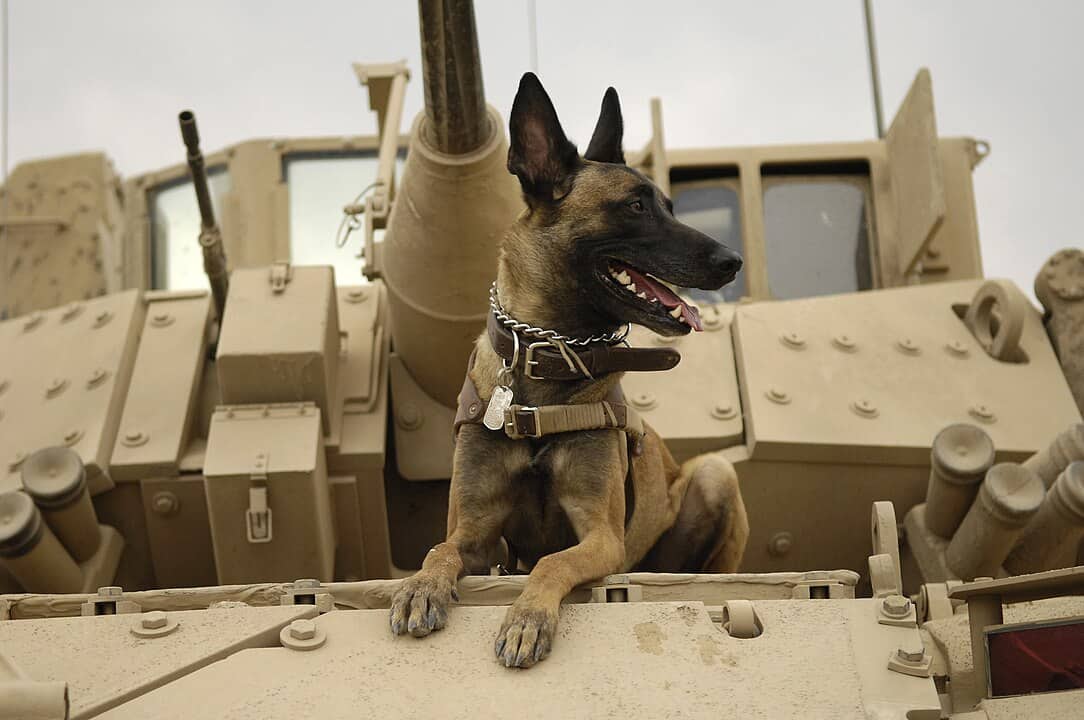
Throughout the annals of warfare and military operations, one loyal companion has stood beside soldiers with unwavering dedication: the military working dog. From ancient battlefields to modern combat zones, these four-legged heroes have served humanity with extraordinary courage, intelligence, and sacrifice. Their contributions have saved countless lives, provided critical tactical advantages, and offered emotional support to troops far from home. Yet, their remarkable service has often gone underrecognized in official military histories. This article explores the rich legacy of military working dogs throughout history, honors their invaluable contributions, and examines how different cultures and eras have acknowledged these canine warriors who serve without question and often at great personal risk.
The Ancient Bonds: Dogs in Early Warfare
The partnership between dogs and warriors dates back thousands of years. Archaeological evidence suggests that as early as 4000 BCE, ancient Egyptians, Persians, Greeks, and Romans all utilized dogs in military operations. These early war dogs were typically large, powerful breeds like mastiffs that were trained to charge into enemy lines, creating chaos and breaking formations. Roman legions employed the formidable Molossus, an ancestor of today’s mastiffs, outfitting them with spiked collars and sometimes armor to enhance their effectiveness in battle. The ancient Greeks so valued their military dogs that they sometimes created monuments honoring particularly distinguished canine warriors. One of the most famous accounts comes from the Battle of Marathon in 490 BCE, where a dog reportedly fought alongside the Athenians against the Persians and was commemorated in historical paintings alongside the human soldiers.
Medieval and Renaissance Canine Warriors
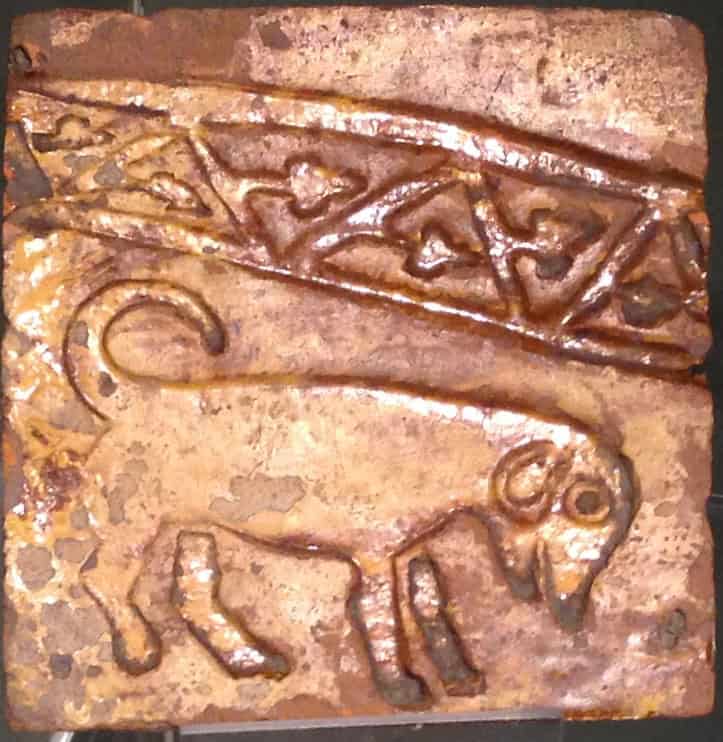
During the Middle Ages, war dogs evolved from front-line attackers to more specialized roles. Knights often kept large hounds that served as camp guardians, scouts, and even as fighting companions in battle. These dogs, typically mastiffs, wolfhounds, and other large breeds, were sometimes outfitted with armor and spiked collars. The Spanish conquistadors infamously used dogs during their conquest of the Americas, with chroniclers recording how these animals were used as weapons of terror against indigenous populations. Despite their utility in warfare, formal recognition for these canine warriors remained limited, with most dogs being viewed as implements of war rather than fellow combatants. Nonetheless, some medieval tapestries and manuscripts do depict faithful dogs alongside their knightly masters, suggesting an acknowledgment of their importance in military affairs.
World War I: The First Modern Military Working Dogs
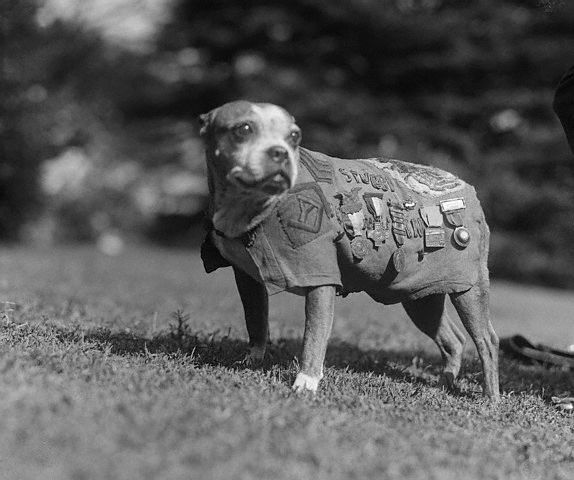
World War I marked a watershed moment in the formal integration of dogs into modern military structures. All major powers involved in the conflict employed dogs on an unprecedented scale, with an estimated 50,000 dogs serving in various capacities. These canines performed critical roles as messenger dogs, carrying communications between trenches when technological means failed or were unavailable. They also served as casualty dogs (early medics), trained to find wounded soldiers in no-man’s land and either guide medics to them or bring back items belonging to the wounded to indicate their location. Sentinel dogs guarded posts and provided early warning of enemy approach, while draft dogs pulled machine guns, supply sleds, and even small-caliber artillery. Perhaps the most famous WWI dog was Sergeant Stubby, an American pit bull terrier mix who served with the 102nd Infantry Regiment. Over 18 months, Stubby participated in 17 battles, warned his unit of gas attacks, located wounded soldiers, and even captured a German spy. He received numerous medals and was made a lifetime member of the American Legion.
World War II: Expansion of K-9 Corps
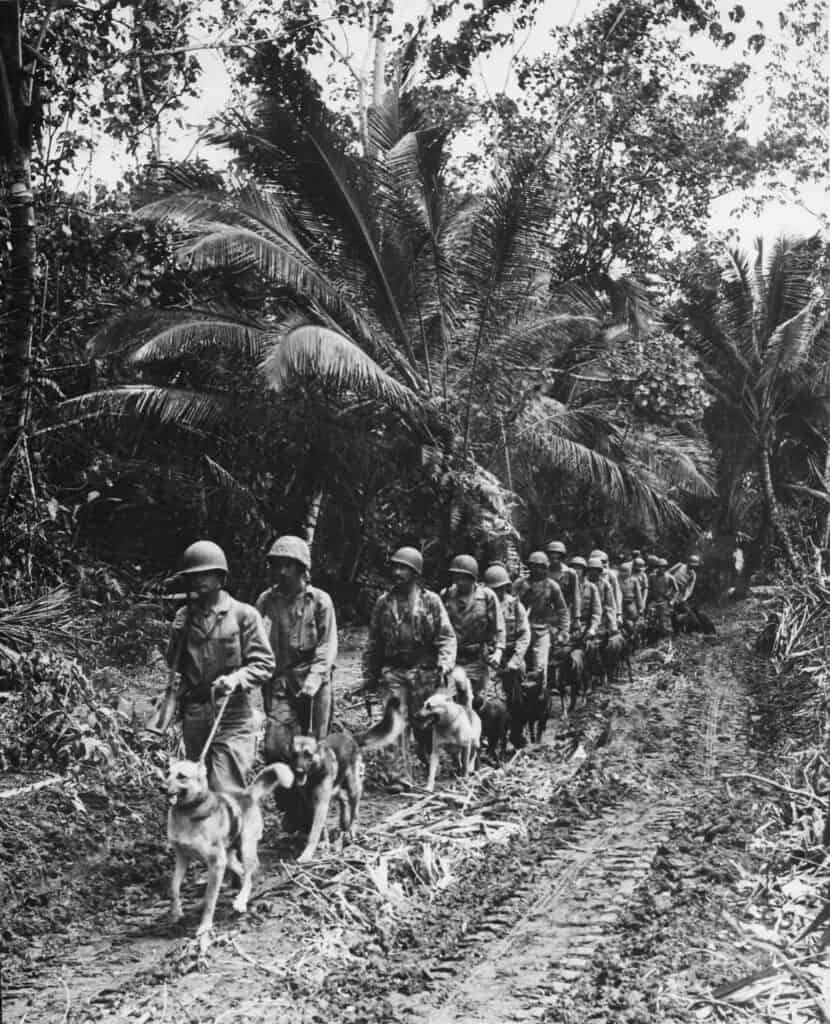
The Second World War saw military working dog programs expand dramatically in sophistication and scale. In 1942, the United States officially established the K-9 Corps, and soon afterward, training centers were creating specialized dogs for various military functions. The U.S. military trained and deployed approximately 10,000 dogs during the war. These dogs served in all theaters of operation, from the jungles of the Pacific to the forests of Europe. Their roles included sentry duty, scout and patrol work, messenger services, and mine detection. In the Pacific Theater, war dogs proved invaluable in detecting Japanese soldiers hiding in jungles where human senses were often inadequate. The Marine Corps Devil Dogs on Guam were credited with saving countless American lives through their ability to detect ambushes. Despite their crucial contributions, the fate of many WWII military dogs was problematic—many were euthanized or abandoned overseas after the war due to concerns about “detraining” and reintegration into civilian life. It wouldn’t be until years later that proper demobilization and adoption programs were established, recognizing these dogs deserved better treatment after their service.
Vietnam War: Scout Dogs and Their Handlers
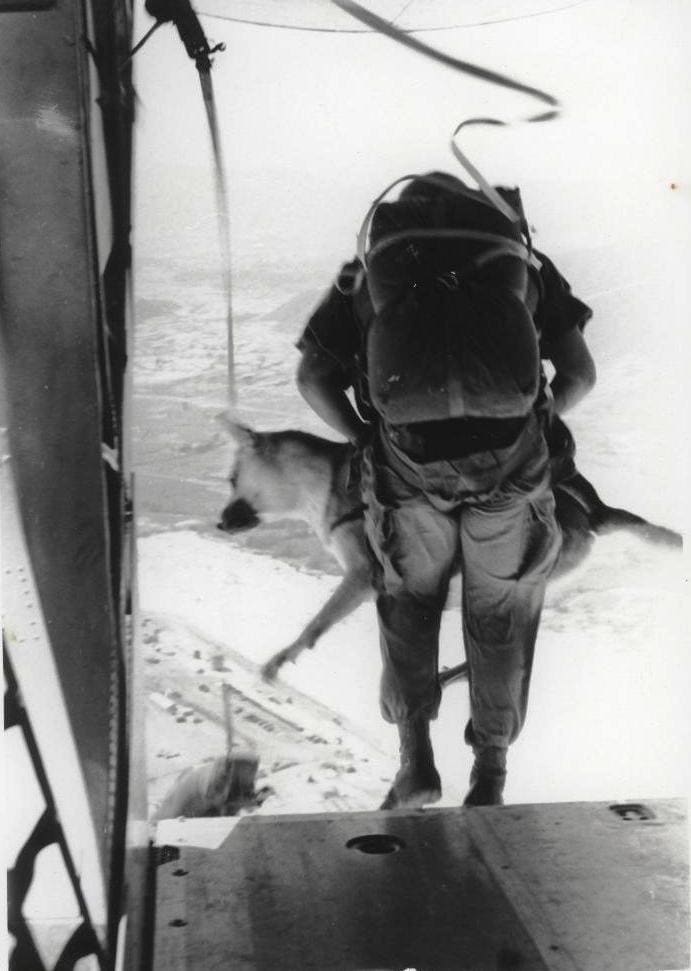
During the Vietnam War, military working dogs reached new levels of operational importance. Approximately 4,000 dogs served with American forces, primarily German Shepherds, but also including Labrador Retrievers and Doberman Pinschers. Scout dogs became legendary for their ability to detect ambushes, snipers, and hidden weapons caches, often alerting to dangers 1,000 yards away that human senses couldn’t detect. These dogs and their handlers walked point position on patrols, the most dangerous spot, where they were the first to encounter potential threats. Military estimates suggest these dogs saved over 10,000 American lives throughout the conflict. Tragically, when US forces withdrew from Vietnam, approximately 2,700 military working dogs were classified as “equipment” and left behind, either euthanized or transferred to the South Vietnamese Army, who lacked the resources to care for them properly. This abandonment created lasting guilt among many handlers and eventually led to policy changes ensuring better treatment for future generations of military dogs. The bond between handlers and their dogs during Vietnam was particularly profound, with many veterans reporting that their canine partners were their closest companions during their deployment.
Specialized Roles: Trackers, Explosives Detectors, and More

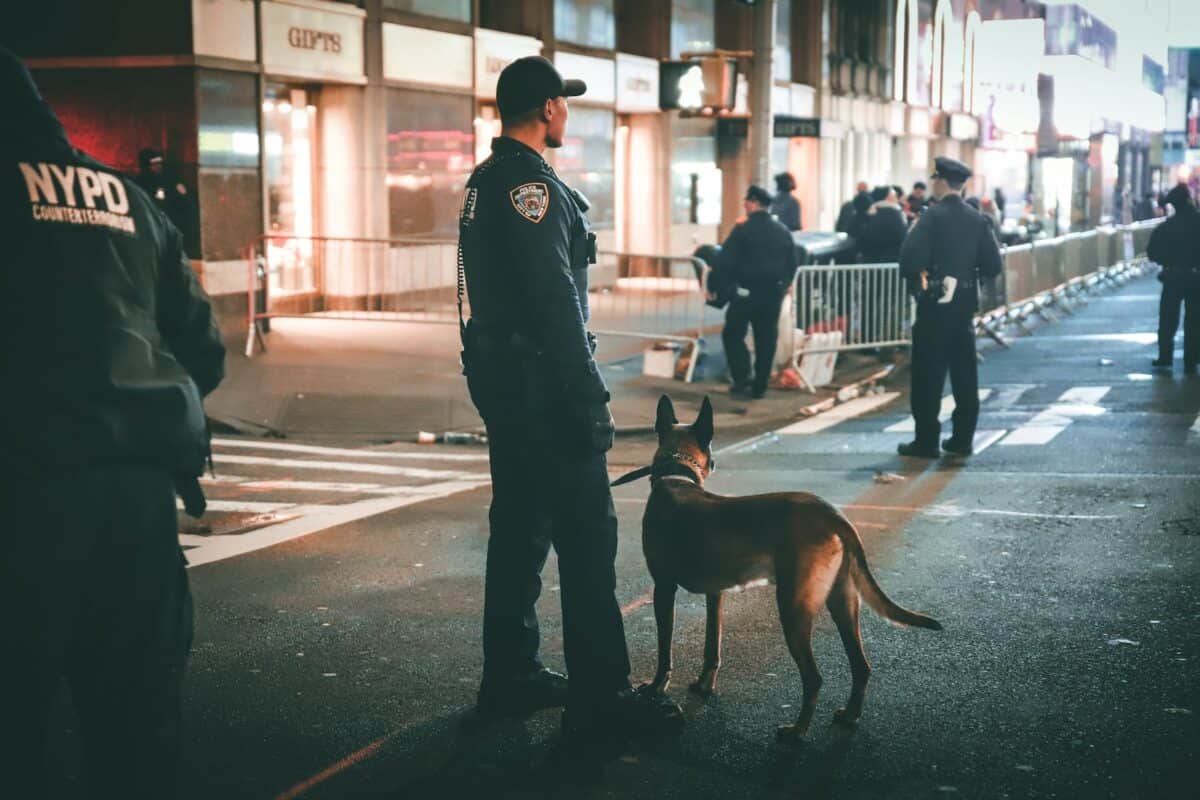
As military conflicts evolved, so too did the specialized roles of military working dogs. Beyond traditional sentry and scout duties, dogs began to be trained for increasingly sophisticated tasks requiring extensive training and remarkable canine intelligence. Tracking dogs, often Bloodhounds and German Shepherds, could follow human scents over varied terrain for miles, even days after the person had passed. Explosives detection dogs became crucial in conflicts from Northern Ireland to Afghanistan, where their extraordinary sense of smell could detect minute traces of explosive compounds that no technology could match. In the ongoing War on Terror, specially trained dogs have been able to detect improvised explosive devices (IEDs) with remarkable accuracy, saving countless military and civilian lives. Some special operations units have even employed dogs trained to parachute with their handlers or rappel from helicopters. The Naval Special Warfare Development Group (formerly SEAL Team Six) famously included a Belgian Malinois named Cairo in the 2011 raid that killed Osama bin Laden. The dog was equipped with specialized tactical gear including night-vision goggles, body armor, and communication equipment—demonstrating how far military working dog technology and integration has progressed.
Medical Detection and Support Roles

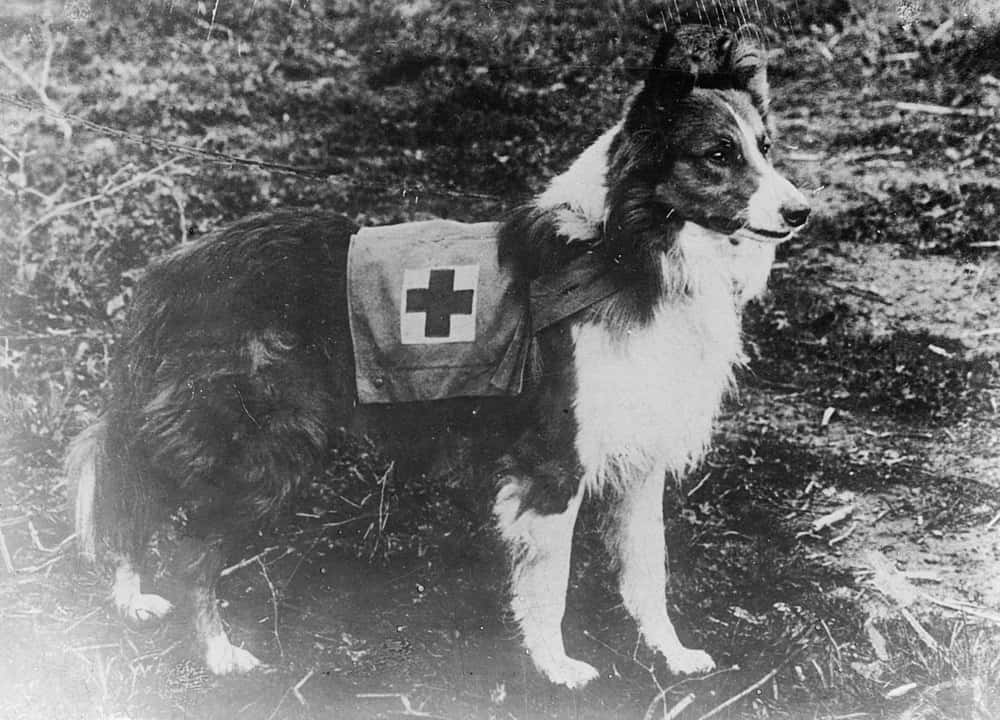
Beyond combat and security applications, military working dogs have served in crucial medical and psychological support capacities. During both World Wars, “mercy dogs” carried medical supplies to wounded soldiers and sometimes provided comfort to the dying. In modern military settings, some dogs have been trained to detect changes in body chemistry that precede events like seizures or diabetic emergencies, providing critical warnings to affected service members. Perhaps most significantly, specially trained dogs now work extensively with veterans suffering from Post-Traumatic Stress Disorder (PTSD). These service dogs can perform interventions like creating physical space between their handler and crowds, waking them from nightmares, reminding them to take medication, and providing grounding presence during anxiety attacks. Studies have shown that these dogs significantly reduce symptoms and medication needs for many veterans with PTSD, with one Department of Veterans Affairs study indicating a 22% reduction in symptom severity among veterans paired with service dogs. The medical roles of military working dogs demonstrate how their contributions extend well beyond the battlefield, continuing to serve military personnel long after active deployments have ended.
Monuments and Memorials: Honoring Canine Service
Across the globe, monuments and memorials now stand in tribute to the contributions of military working dogs. The Military Working Dog Teams National Monument, dedicated in 2013 at Lackland Air Force Base in San Antonio, Texas, features bronze statues of a Doberman Pinscher, German Shepherd, Labrador Retriever, and Belgian Malinois with a handler. Its inscription reads: “Dedicated to all U.S. Military Working Dog Handlers and their beloved dogs who defend America from harm, save lives, and always bring soldiers home.” The War Dog Memorial at the March Field Air Museum in Riverside, California, depicts a bronze German Shepherd atop a granite pedestal, honoring dogs that served from World War I through Vietnam. Similar monuments exist in the United Kingdom, Australia, Russia, and other nations with significant military dog programs. In South Korea, the War Memorial of Korea includes a statue of a military German Shepherd alongside troops, recognizing their vital role in the Korean War. These memorials serve an important purpose beyond simply honoring past service—they educate the public about the critical roles these animals have played in military operations and help ensure their contributions are not forgotten in military histories.
Military Working Dog Medals and Decorations
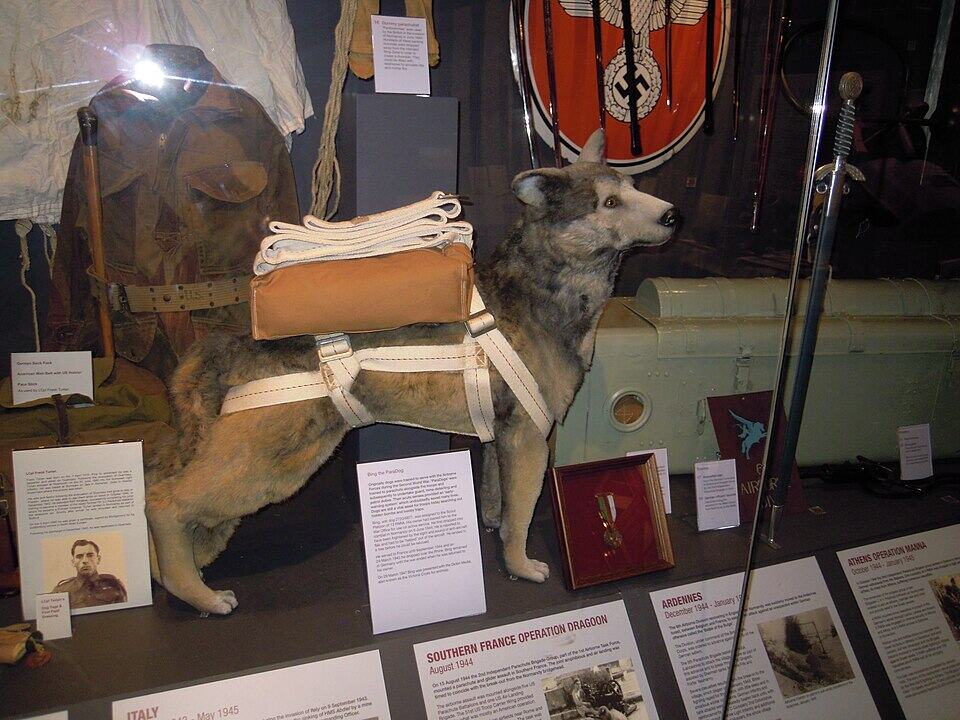
Recognition for canine service has increasingly taken the form of official medals and decorations, though these have varied significantly by country and era. The United Kingdom has led the way with the institution of the PDSA Dickin Medal in 1943, often described as “the Victoria Cross for animals.” Since its creation, 35 dogs have received this prestigious decoration for acts of remarkable bravery. In the United States, while dogs cannot receive official military medals designed for human personnel, specialized awards have been created to recognize their service. The K9 Medal of Courage, established in 2016, is awarded to military working dogs for exceptional service in combat. Other organizations, like the American Humane Association, present the K9 Medal of Courage to distinguished canine veterans. In Australia, the RSPCA Purple Cross recognizes animals that have performed acts of outstanding service to humans, including military dogs. These decorations represent an important evolution in how military institutions acknowledge the contributions of their canine members—moving from viewing them as equipment to recognizing them as genuine partners in military operations whose courage and sacrifice deserve formal recognition alongside their human counterparts.
The Legislative Journey: From “Equipment” to Veterans
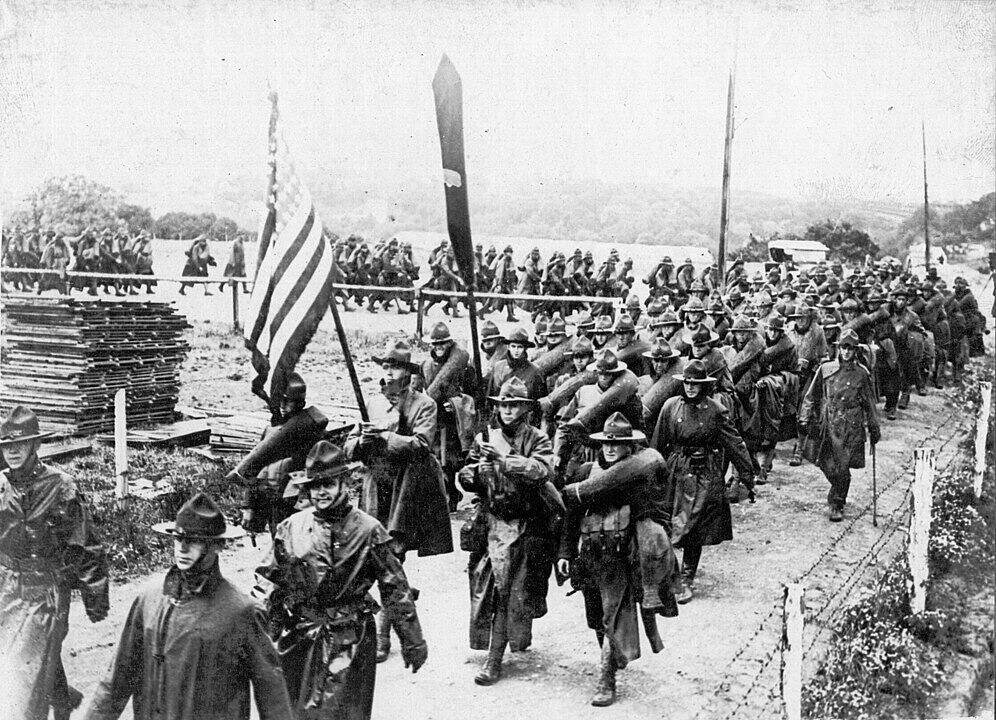
One of the most significant developments in honoring military working dogs has been their gradual reclassification from “equipment” to something approaching veteran status. For much of military history, working dogs were classified as equipment in official regulations, which led to practical and ethical problems regarding their care, retirement, and treatment. The abandonment of military dogs after the Vietnam War represented perhaps the lowest point in this regard, with thousands of dogs left behind when U.S. forces withdrew. This tragedy eventually sparked significant legislative changes. The Robby Law, passed in 2000, requires that military working dogs suitable for adoption be available to former handlers, law enforcement agencies, or qualified families rather than euthanized. Further progress came with the 2016 National Defense Authorization Act, which guaranteed transportation home for military working dogs serving overseas and gave their handlers the first opportunity to adopt them upon retirement. These legislative changes reflect an evolving understanding of military working dogs not as disposable equipment but as valuable veterans who deserve care and respect after their service. Current regulations now provide for veterinary care for retired military working dogs and recognize their status as having served honorably—a dramatic shift from earlier eras when these loyal animals were often abandoned or euthanized when deemed no longer useful.
Handler Bonds: The Human-Canine Connection
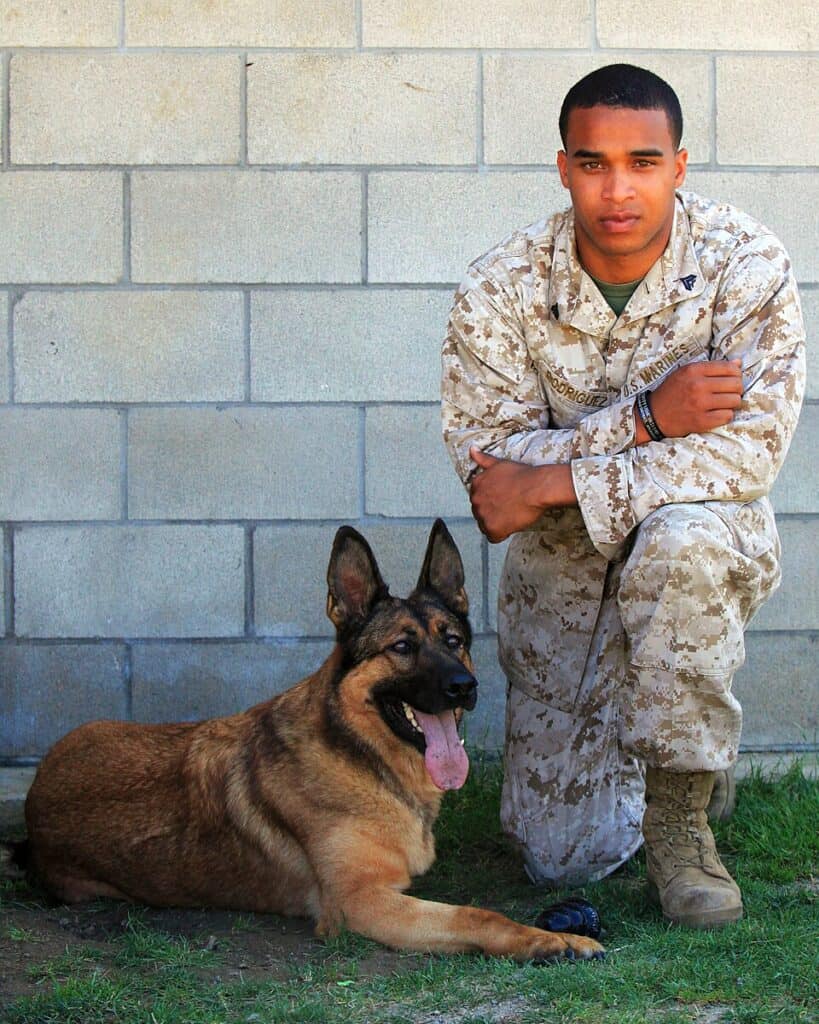
Perhaps no aspect of military working dog history is more poignant than the profound bonds formed between dogs and their handlers. These relationships often transcend typical human-animal connections, forged as they are in the extreme conditions of training and combat. Military dog handlers frequently report that they trust their canine partners more than human teammates in certain situations, relying on their dogs’ superior senses and instincts to detect threats beyond human perception. The intensity of these bonds is evidenced by the many documented cases of handlers and dogs saving each other’s lives in combat situations. Marine Corporal Dustin Lee and his German Shepherd Lex served together in Iraq until Lee was killed by a rocket attack in 2007. Despite being wounded himself, Lex refused to leave Lee’s side until physically removed by medics. Lex was later adopted by Lee’s parents—the first time a working military dog was granted early retirement to live with a fallen handler’s family. Similar stories abound throughout military history, from Vietnam to Afghanistan. Many handlers have gone to extraordinary lengths to adopt their partners after deployment or to rescue them from overseas abandonment. These bonds are perhaps the most meaningful form of recognition military working dogs receive—the unwavering loyalty and love of the soldiers who worked alongside them and understood their true value beyond any medal or monument.
Modern Recognition: Social Media and Public Awareness
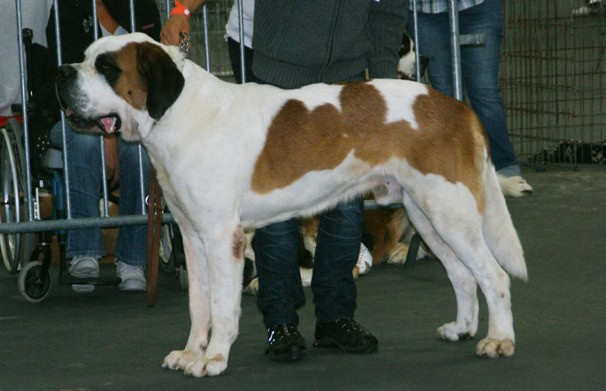
In the digital age, recognition for military working dogs has expanded beyond official channels to include widespread public awareness and appreciation facilitated by social media. Military working dogs and their handlers regularly feature in viral videos, heartwarming reunion stories, and popular books and films that highlight their service. Cairo, the dog who participated in the Bin Laden raid, became something of a celebrity after being mentioned by President Obama in his address about the operation. Books like “Sergeant Rex” and “No Ordinary Dog” have become bestsellers, chronicling the remarkable stories of military canines and their handlers. The 2022 film “Dog,” starring Channing Tatum, introduced millions of viewers to the challenges faced by both canine veterans and their handlers after service. Military branches now maintain official social media accounts that regularly highlight their working dog teams, generating millions of supportive comments and shares. This increased visibility has tangible benefits—raising awareness about adoption programs for retired military dogs, increasing donations to organizations that provide support services for retired working dogs, and educating the public about the significant contributions these animals make to national security. The digital age has provided new platforms to ensure that military working dogs receive the recognition and support they deserve.
Honoring Their Legacy: The Future of Military Working Dogs
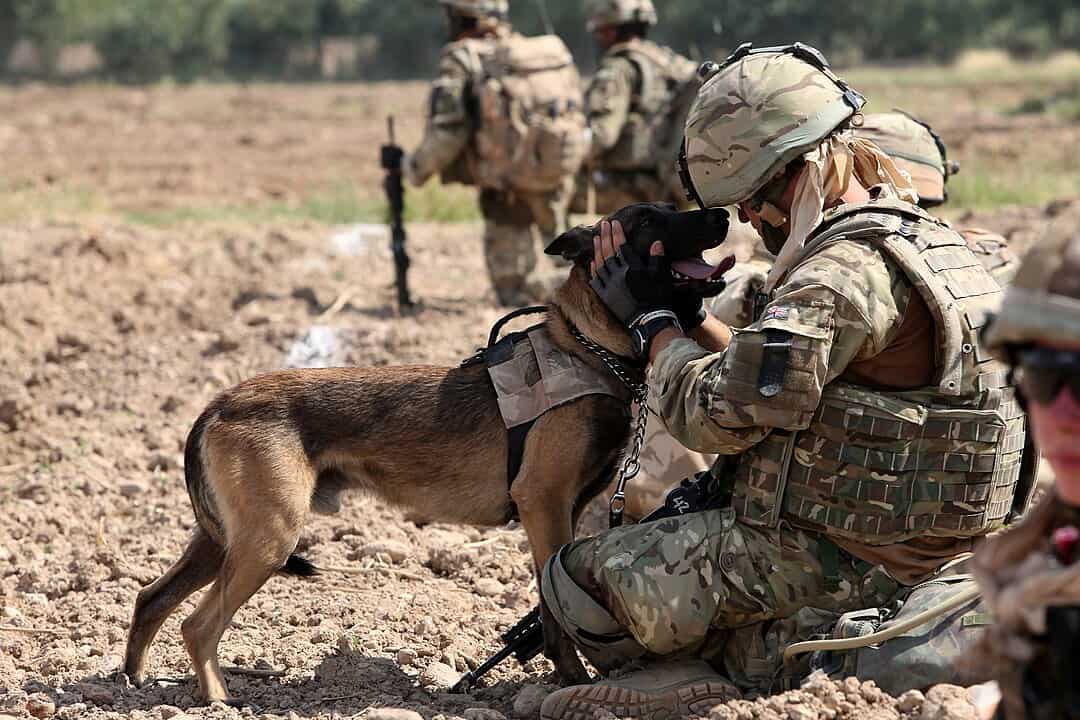
Looking to the future, the recognition and care of military working dogs continues to evolve in positive directions. Today’s military working dogs are equipped with advanced gear including tactical vests, specialized goggles, communication systems, and sometimes even cameras that allow handlers to see what the dog sees in real-time. Medical care for active duty dogs now includes specialized veterinary teams deployed to combat zones, evacuation protocols for wounded canines, and even blood banks specifically for military working dogs. Upon retirement, most military dogs now have pathways to adoption, typically giving priority to their handlers, followed by law enforcement agencies and qualified civilian families. Organizations like the Military Working Dog Team Support Association provide supplementary support for retired dogs, assisting with medical expenses not covered by government programs. Military working dogs are increasingly being included in PTSD treatment programs, both as service animals for veterans and through programs that pair veterans with former military working dogs, creating therapeutic relationships for both. As warfare and security threats continue to evolve, the roles of military working dogs will undoubtedly adapt as well, but the trend toward greater recognition of their service, improved care during and after their working lives, and deeper appreciation for their contributions appears firmly established. The journey from expendable equipment to honored veterans has been long but represents one of the more humane developments in military practice over the past century.
The history of military working dogs is a testament to the extraordinary capabilities of canines and the special relationship they share with humans. From ancient battlefields to modern war zones, these loyal animals have served with courage and dedication that rivals their human counterparts, often making the ultimate sacrifice without hesitation. The evolution in how we recognize and honor these four-legged heroes—from abandoned equipment to decorated veterans—reflects a growing understanding of their true value and the debt we owe them. As we continue to improve how we commemorate, care for, and remember military working dogs, we honor not just the animals themselves but also the unique bond between humans and canines that has proven its worth in humanity’s most difficult circumstances. The legacy of military working dogs deserves to be preserved and celebrated, ensuring that future generations understand and appreciate the contributions of these remarkable animals who serve without question and ask only for companionship and care in return.

- What’s Hiding in the Forests of the Pacific Northwest - July 21, 2026
- Tarsiers: The Tiny Primates with Giant Eyes - July 21, 2026
- Are Zoos Still Ethical in 2025? - July 21, 2026