


Nature has a remarkable way of surprising us with extraordinary adaptations that seem almost too bizarre to be true. From the depths of the ocean to remote forests, animals have evolved remarkable features that help them survive, hunt, or attract mates. This article explores 15 creatures with characteristics so extraordinary they might seem fictional—yet they’re completely real. These evolutionary marvels demonstrate nature’s ingenuity and the incredible diversity of life on our planet. Let’s discover some of the most astonishing biological features in the animal kingdom that showcase evolution’s creative solutions.
15. The Axolotl’s Regenerative Superpowers

The axolotl (Ambystoma mexicanum), a salamander native to Mexico, possesses regenerative abilities that would make any superhero envious. Unlike most vertebrates, axolotls can regrow entire limbs, parts of their brain, heart, and other vital organs with no scarring. Scientists have documented their ability to regenerate the same body part more than 100 times. The secret lies in their undifferentiated stem cells that can transform into any specialized cell needed for regeneration. Researchers are studying axolotls intensively, hoping their regenerative capabilities might someday help humans recover from injuries or illnesses. Unfortunately, these remarkable creatures are critically endangered in the wild, with fewer than 1,000 remaining in their natural habitat.
14. The Mantis Shrimp’s Punch and Visual System

The peacock mantis shrimp (Odontodactylus scyllarus) possesses not one but two extraordinary features. First, it has the fastest punch in the animal kingdom, accelerating its club-like appendages at speeds up to 50 mph—with a force equivalent to a .22 caliber bullet. This “punch” generates cavitation bubbles that collapse with enough energy to stun prey even if the shrimp misses its target. Second, while humans have three types of color-receptive cones in our eyes, mantis shrimp have 16 different photoreceptor types, allowing them to perceive ultraviolet, infrared, and polarized light. Their visual system processes colors differently than ours, enabling them to detect subtle variations invisible to humans. These compact crustaceans, typically only 4-6 inches long, demonstrate that exceptional capabilities can come in small packages.
13. The Platypus’s Electroreception and Venom
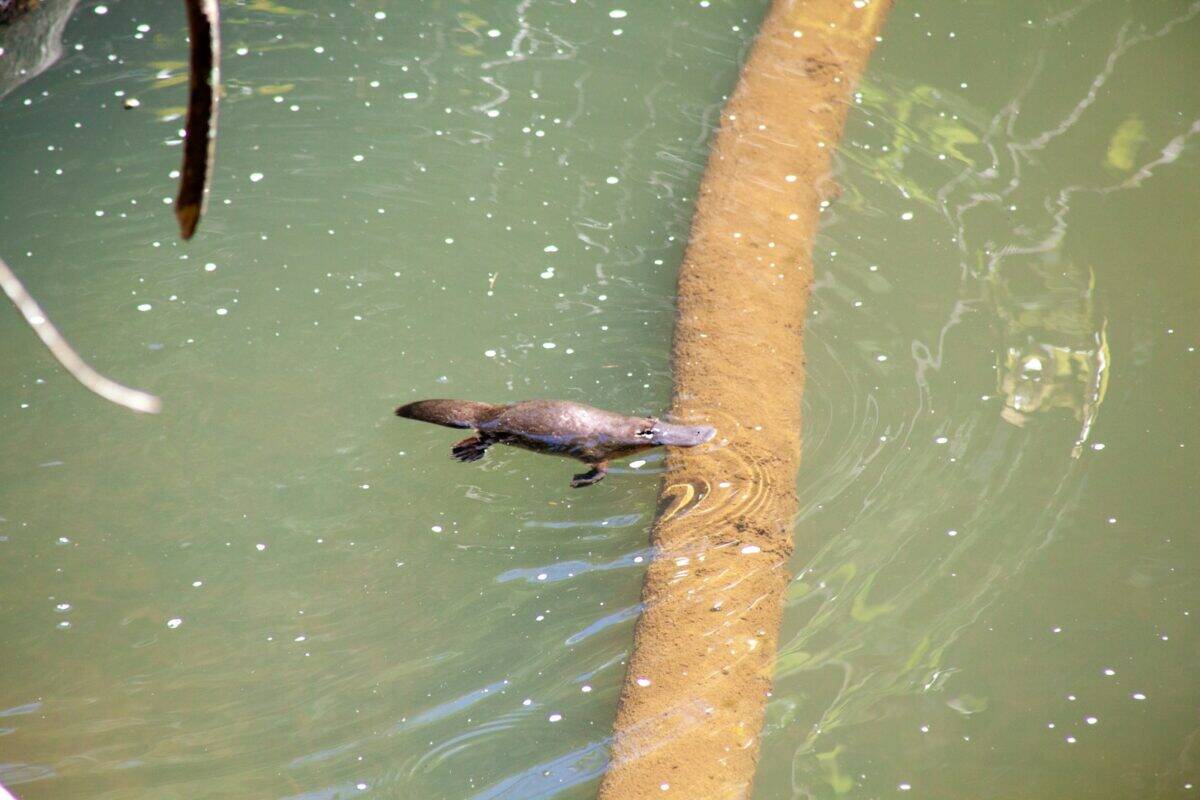
The duck-billed platypus (Ornithorhynchus anatinus) seems like nature’s experiment in combining features from different animals. As a mammal that lays eggs, it’s already unusual, but its strangest features are less visible. Platypuses have electroreceptors in their bills that detect electrical impulses generated by the muscle movements of their prey, allowing them to hunt with their eyes, ears, and nose closed underwater. Even more surprising, male platypuses have venomous spurs on their hind legs connected to venom glands. This venom, which can cause excruciating pain in humans, is primarily used during mating season competitions. The platypus’s unique combination of features—including mammary glands without nipples, where milk seeps through the skin—makes it one of evolution’s most fascinating anomalies.
12. The Barreleye Fish’s Transparent Head
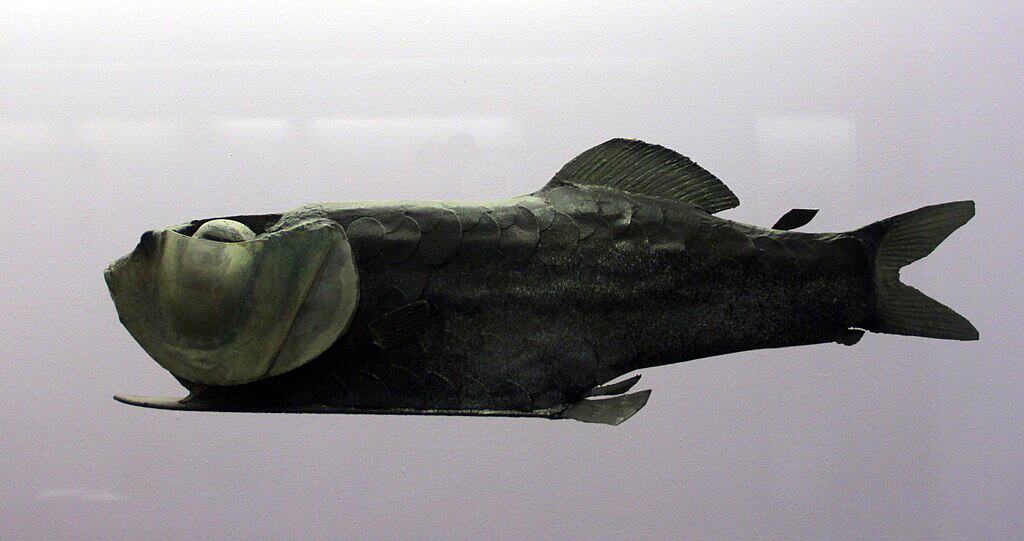
The barreleye fish (Macropinna microstoma), dwelling in the ocean’s twilight zone at depths between 2,000 and 2,600 feet, has perhaps one of the most alien-looking adaptations in nature. The top of its head is completely transparent, filled with a clear fluid that protects its tubular, extremely light-sensitive eyes. These specialized eyes can rotate within the transparent dome, allowing the fish to look upward for prey silhouettes against the faint light from the surface, then pivot forward when food is spotted. The transparent head also houses the fish’s olfactory organs, creating an all-in-one sensory system perfectly adapted for hunting in near-darkness. First discovered in 1939, the barreleye’s transparent head was only confirmed in 2009 when researchers managed to observe a live specimen with its delicate features intact.
11. The Surinam Toad’s Back-Birthing Process
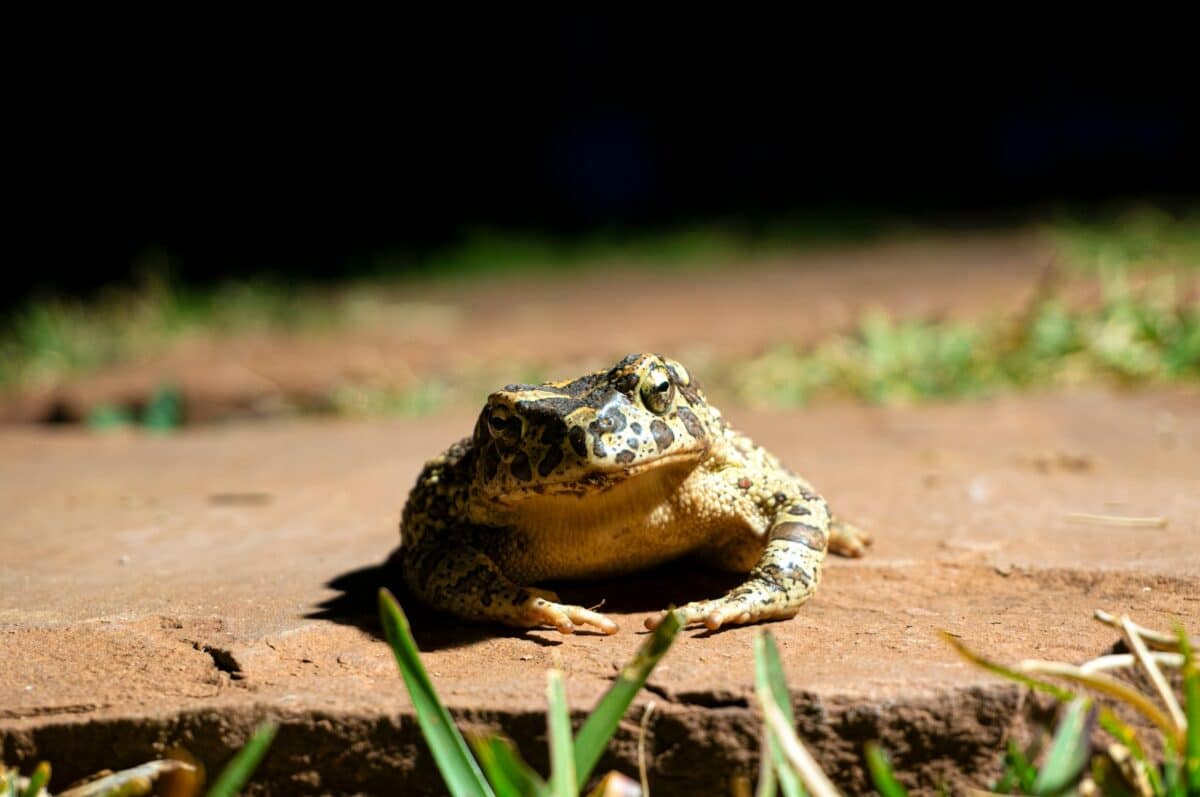
The Surinam toad (Pipa pipa) has developed perhaps the most unusual reproductive process in the amphibian world. During mating, the female releases eggs that the male fertilizes and then embeds into the spongy skin on her back. The skin grows over the eggs, creating individual pockets where the embryos develop completely—from egg to tadpole to fully-formed toadlet—within these maternal back pouches. After approximately 3-4 months of development, fully-formed baby toads emerge from these skin pockets in a scene reminiscent of science fiction. This remarkable adaptation protects the offspring during development in the toad’s aquatic habitat. While visually disturbing to some human observers, this reproductive strategy represents an ingenious evolutionary solution to increase offspring survival rates in predator-rich environments.
10. The Tarsier’s Enormous Eyes and Rotating Head
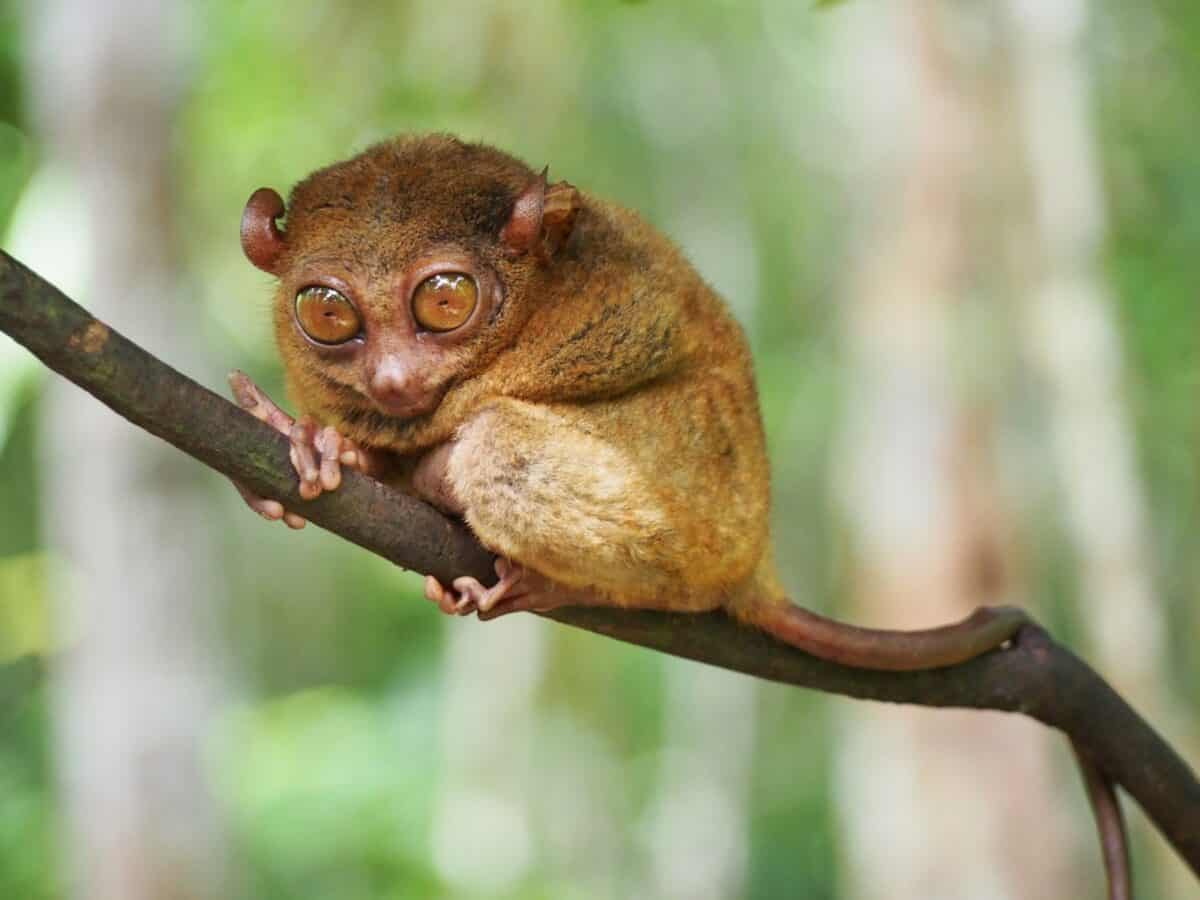
The tarsier (Tarsius) possesses the largest eyes relative to body size of any mammal on Earth. Each eyeball is approximately 16mm in diameter—about the size of the tarsier’s entire brain and larger than its stomach. If humans had eyes of proportionally similar size, they would be the size of grapefruits. These enormous eyes provide exceptional night vision but come with a trade-off: tarsiers cannot move their eyes in their sockets. To compensate, they evolved the ability to rotate their heads 180 degrees in either direction, giving them an owl-like ability to look directly behind themselves without moving their bodies. These nocturnal primates, which are the only completely carnivorous primates, use their extraordinary vision to hunt insects and small vertebrates in the dark forests of Southeast Asian islands.
9. The Hagfish’s Defensive Slime

The hagfish (family Myxinidae), often called the most disgusting creature in the ocean, has perfected a unique defense mechanism that turns predators’ own bodies against them. When threatened, the hagfish can produce up to 5.5 gallons of slime in less than half a second from specialized glands along its body. This slime expands upon contact with seawater, creating a thick, fibrous gel that clogs the gills of would-be predators, potentially suffocating them. The slime contains thousands of microscopic, high-tensile strength protein threads that are stronger than nylon and give the substance its cohesive properties. To avoid becoming trapped in its own defense mechanism, the hagfish can tie itself in a knot and slide the knot down its body, wiping away the slime. This prehistoric-looking creature has survived relatively unchanged for 300 million years, proving the effectiveness of its slimy strategy.
8. The Star-Nosed Mole’s Sensory Tentacles

The star-nosed mole (Condylura cristata) features what might be the strangest nasal structure in the animal kingdom: a star-shaped arrangement of 22 fleshy appendages surrounding its nostrils. This distinctive nose isn’t just for show—it contains more than 100,000 nerve fibers in an area smaller than a fingertip, making it one of the most sensitive touch organs in nature. Each of the 22 appendages is covered with thousands of microscopic sensory receptors called Eimer’s organs that allow the mole to detect and identify prey in milliseconds. The star-nosed mole can touch up to 12 objects per second with its nasal rays and determine which are edible, making it the fastest-eating mammal on Earth. Despite their poor eyesight, these remarkable creatures can even smell underwater by exhaling air bubbles onto objects and then re-inhaling them to detect scents—effectively sniffing underwater.
7. The Leaf-Tailed Gecko’s Ultimate Camouflage

The Uroplatus genus of leaf-tailed geckos from Madagascar represents the pinnacle of evolutionary camouflage. Their extraordinary body shape includes a flattened, leaf-like tail complete with irregular edges that mimic decay, skin flaps along their bodies that eliminate shadows, and textured skin that precisely resembles tree bark or dead leaves. Their eyes feature vertical pupils with fringed irises that help disguise their outline. When motionless against a tree trunk, these geckos are virtually invisible even to trained observers. Beyond their remarkable appearance, these lizards can change their skin color to match their surroundings and will hold perfectly still for hours, sometimes in awkward positions. If spotted by predators, they can display a bright red mouth and emit a defensive distress call—a stark contrast to their typically invisible existence. Several species of leaf-tailed geckos are endangered due to habitat loss and collection for the pet trade.
6. The Blobfish’s Pressure-Adapted Body
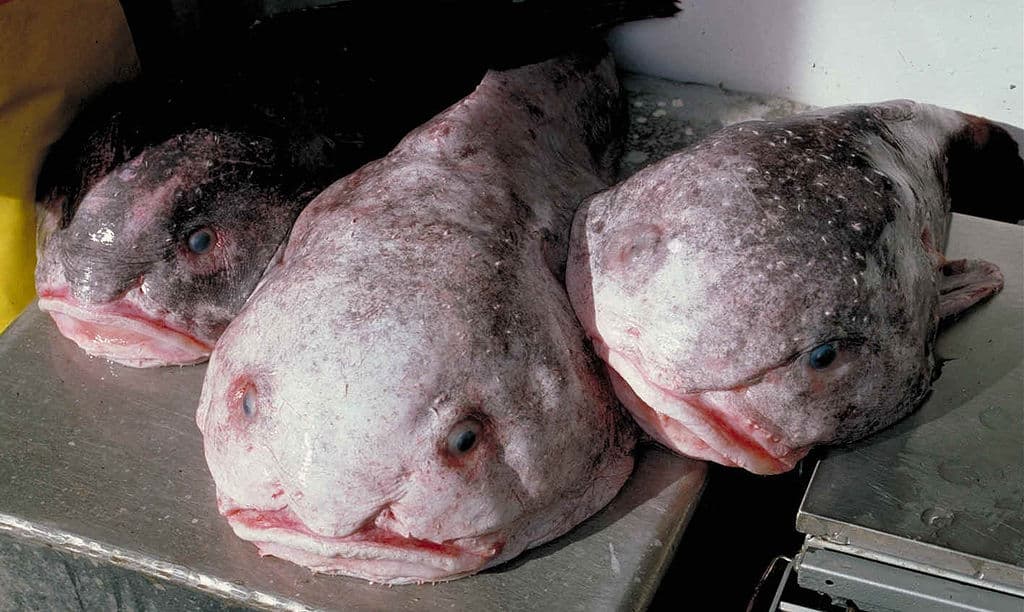
The blobfish (Psychrolutes marcidus) gained internet fame as the “world’s ugliest animal,” but this reputation stems from a fundamental misunderstanding of its biology. In its natural habitat—the deep-sea waters off Australia and New Zealand at depths of 2,000 to 4,000 feet—the blobfish looks like a typical fish with a more gelatinous composition. Its flesh has a density slightly less than water, allowing it to float above the seafloor with minimal energy expenditure. What humans typically see is a blobfish that has been brought to the surface, where the extreme pressure change (equivalent to over 100 times the pressure at sea level) causes its body to expand dramatically, distorting its features into the familiar “blob” appearance. This gelatinous composition is an adaptive feature that eliminates the need for a gas bladder, which would collapse under the immense deep-sea pressure. The blobfish represents a perfect example of how evolutionary adaptations that seem strange to us are actually elegant solutions to environmental challenges.
5. The Narwhal’s Spiral Tusk

The narwhal (Monodon monoceros), often called the “unicorn of the sea,” possesses one of the most distinctive features in the marine world: a single spiraled tusk that can grow up to 10 feet long. This tusk is actually an elongated left canine tooth that grows through the upper lip and continues to grow throughout the animal’s life. Long shrouded in mystery, recent research has revealed that the tusk contains millions of nerve endings that allow narwhals to detect subtle changes in water temperature, pressure, and possibly even salinity. Scientists have also observed male narwhals using their tusks to “stun” prey by hitting them with quick, directed movements. While most narwhals develop only one tusk, approximately 1 in 500 males grow two tusks, and about 15% of females develop a tusk. These Arctic whales remain one of the least understood marine mammals, partly due to their remote habitat in the waters around Greenland, Canada, and Russia.
4. The Japanese Spider Crab’s Enormous Reach
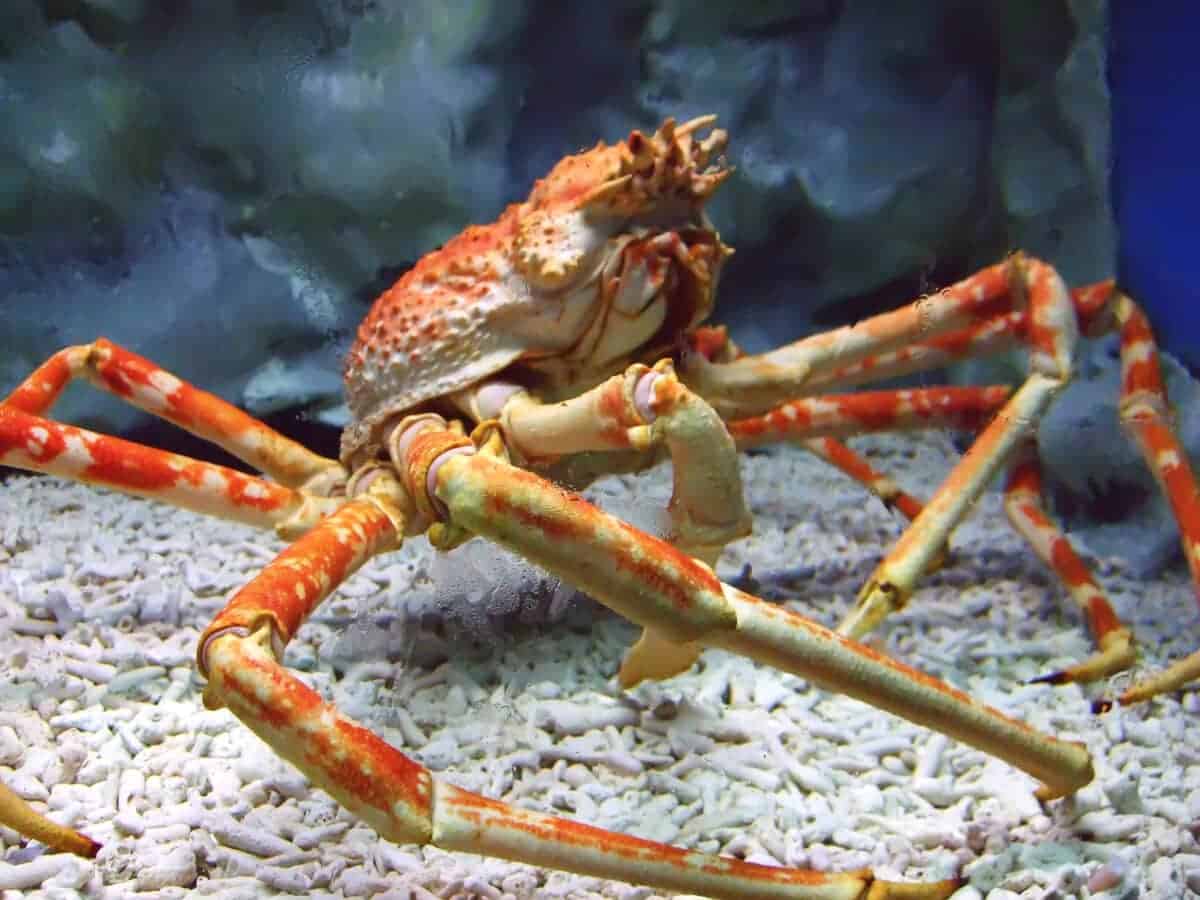
The Japanese spider crab (Macrocheira kaempferi) holds the record for the largest leg span of any arthropod on Earth, with documented specimens reaching up to 12 feet from claw to claw—longer than a small car is wide. Despite these imposing dimensions, the body of this deep-sea creature typically measures only about 15 inches across. These crabs can weigh up to 42 pounds and live for over 100 years in their natural habitat along the Pacific coast of Japan at depths between 160 and 2,000 feet. Their extraordinarily long legs serve multiple purposes: they help the crabs traverse the ocean floor with minimal energy expenditure, allow them to reach food in crevices, and provide camouflage as the crabs decorate their shells and legs with sponges and other marine organisms. As juveniles, these crabs remain in shallow waters where they’re vulnerable to predation, but as they grow and move to deeper waters, their size becomes their primary defense mechanism.
3. The Sea Cucumber’s Self-Evisceration Defense

Sea cucumbers (class Holothuroidea) have perhaps the most dramatic defensive mechanism in the animal kingdom: voluntary self-evisceration. When threatened, certain species can expel their internal organs—including intestines, respiratory trees, and parts of their reproductive system—through their anus or a rupture in their body wall. This extreme measure serves two purposes: the expelled organs can entangle predators or contain toxic compounds that deter attackers, and the dramatic expulsion creates a diversion allowing the sea cucumber to escape. Even more remarkably, sea cucumbers can regenerate their entire digestive system and other expelled organs within a few weeks. Some species have additional defensive adaptations, including Cuvierian tubules—sticky threads that entangle predators—and the ability to liquefy their body to squeeze through tiny crevices before re-solidifying. These seemingly simple creatures demonstrate that evolution sometimes favors extraordinary and counterintuitive solutions to survival challenges.
2. The Lyrebird’s Unparalleled Vocal Mimicry

The superb lyrebird (Menura novaehollandiae) of Australia possesses the most sophisticated vocal mimicry abilities of any bird—and perhaps any animal—on Earth. These ground-dwelling birds can precisely imitate almost any sound in their environment, from the calls of other bird species (up to 20-25 different species) to environmental sounds like camera shutters, car alarms, chainsaws, and even human speech. Their remarkable vocal apparatus includes the syrinx—the avian equivalent of a larynx—which is the most complex found among songbirds, containing multiple pairs of muscles that allow for incredible control and precision. Male lyrebirds incorporate these mimicked sounds into elaborate courtship displays that can last for hours, during which they fan their spectacular lyre-shaped tails. Their mimicry is so accurate that wildlife recordists have captured lyrebirds perfectly imitating the sounds of construction equipment and camera shutters from photographers who had visited their forest habitat months earlier.
1. The Immortal Jellyfish’s Age Reversal

The immortal jellyfish (Turritopsis dohrnii) is the only known animal capable of biologically reversing its aging process, potentially giving it true biological immortality. When this tiny jellyfish (typically only 4.5mm across) faces environmental stress, starvation, or physical damage, it can revert from its mature medusa stage back to its juvenile polyp stage through a process called transdifferentiation—where specialized cells transform into different types of specialized cells. This remarkable capability allows the jellyfish to begin its life cycle anew, theoretically indefinitely. While predation and disease still kill many immortal jellyfish in the wild, their cells show no signs of aging, and a single specimen could potentially live forever through this continuous cycle of regeneration. Originally native to the Mediterranean Sea, these tiny immortals have now spread throughout the world’s oceans via ship ballast water. Scientists are studying their unique cellular mechanisms hoping to gain insights into human aging processes and potential treatments for age-related diseases.
Conclusion: Evolution’s Astonishing Diversity

The extraordinary features we’ve explored in these 15 creatures represent just a glimpse of the incredible diversity that evolution has produced across millions of years. Each bizarre adaptation, from the hagfish’s defensive slime to the immortal jellyfish’s age reversal, serves a vital purpose in helping these species survive and thrive in their specific ecological niches. These remarkable features remind us that natural selection often produces solutions far more creative and unexpected than anything humans might design. As we continue to explore remote habitats and study lesser-known species, we’ll undoubtedly discover even more biological marvels that challenge our understanding of what’s possible in nature. These extraordinary creatures underscore the importance of conservation efforts to protect biodiversity—not just for the more familiar animals, but for all the remarkable life forms that make our planet so extraordinarily diverse.

As a little kid, I fell in love with nature, wildlife, and animals. Living in the USA, South Africa, Italy, China and Germany gave me the opportunity to discover the world's Wildlife. My favorite animals are Mountain Gorillas, Siberian Tigers, and Great White Sharks.
I'm a certified PADI Open Water Diver, went to Everest Base Camp and Trekked Gorillas in Uganda. I hold a Master of Science in Economics and Finance.
Please send any feedback to feedback@animalsaroundtheglobe.com
- 12 Jaw Dropping Facts About the World First Land Animals - July 31, 2026
- The Mysterious Pink River Dolphins of the Amazon - July 31, 2026
- 12 Bald Eagle Comebacks That Prove Conservation Works - July 31, 2026