
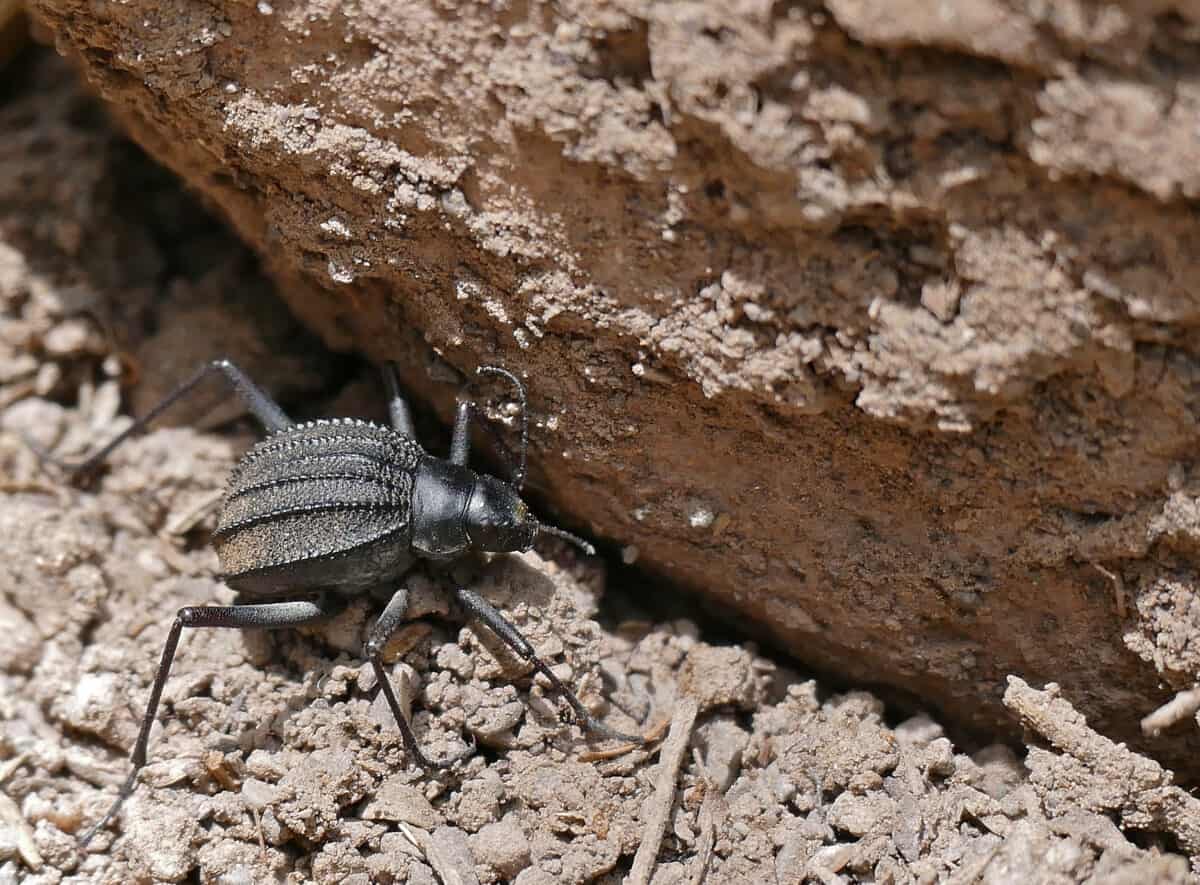
In the arid landscapes where rain rarely falls, certain remarkable creatures have evolved astonishing adaptations to survive. Among these survival specialists are animals that have developed the extraordinary ability to harvest moisture directly from fog—effectively “drinking” water from the air itself. These fog-drinking animals represent some of nature’s most ingenious solutions to water scarcity, employing specialized behaviors and physical adaptations that allow them to thrive in environments where conventional water sources are scarce or nonexistent. From beetles in the Namib Desert to lizards in coastal Chile, these remarkable creatures offer fascinating glimpses into the incredible resilience and adaptability of life on Earth.
The Namib Desert Beetle: Nature’s Premier Fog Harvester
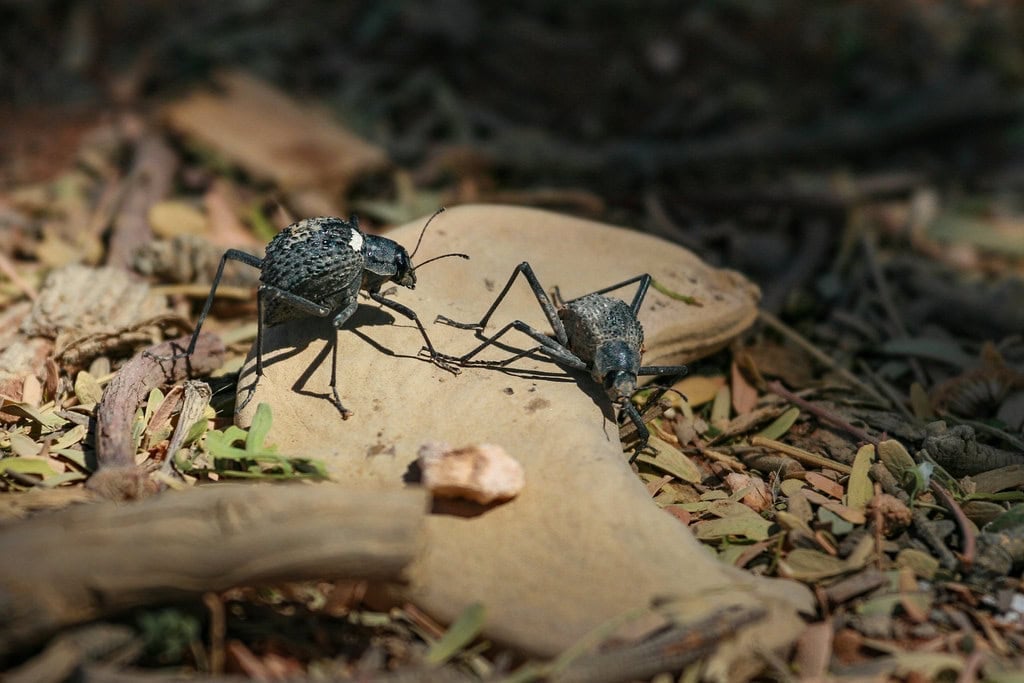
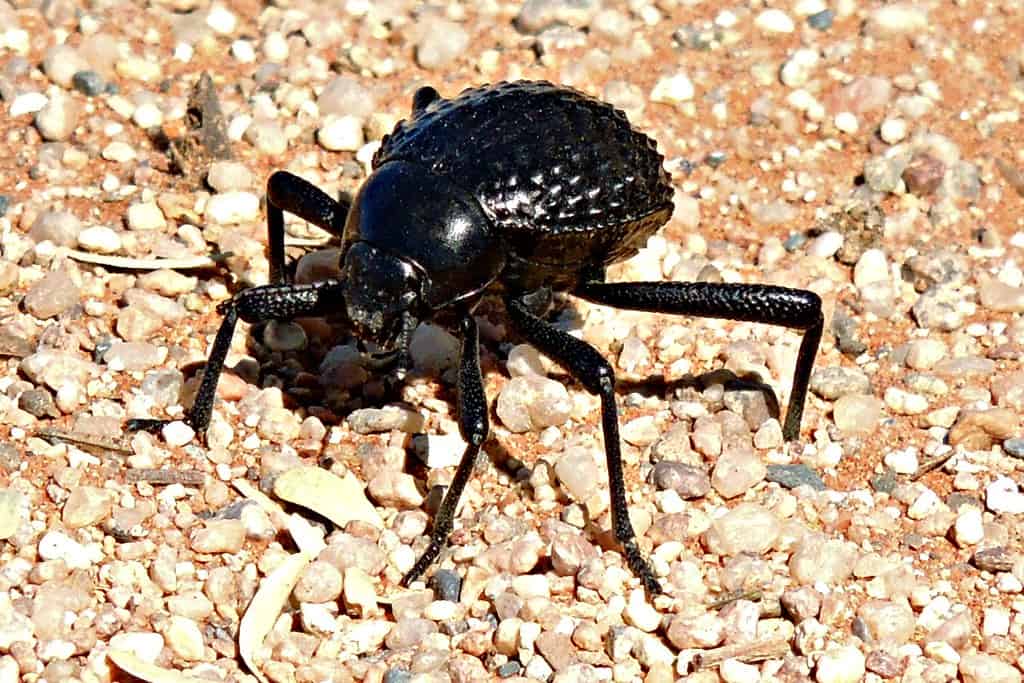
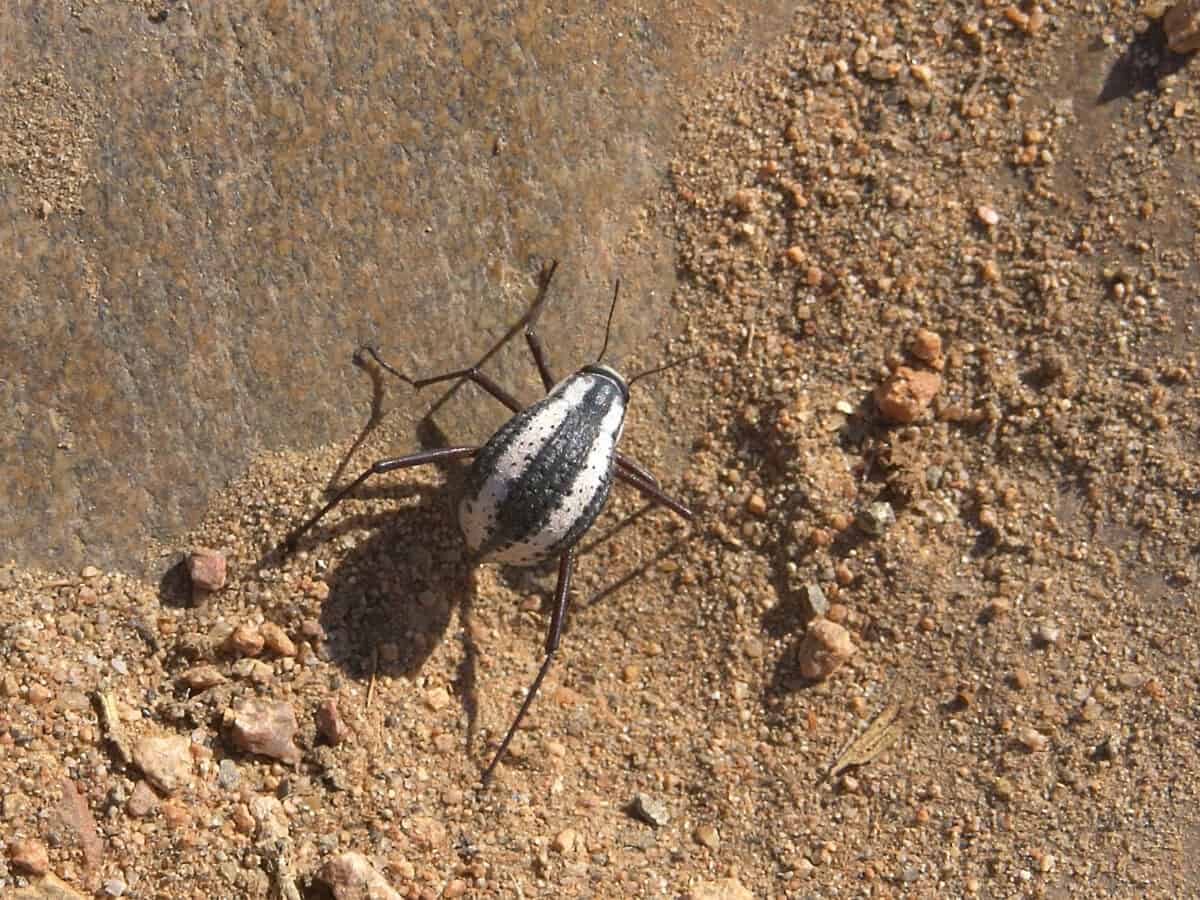
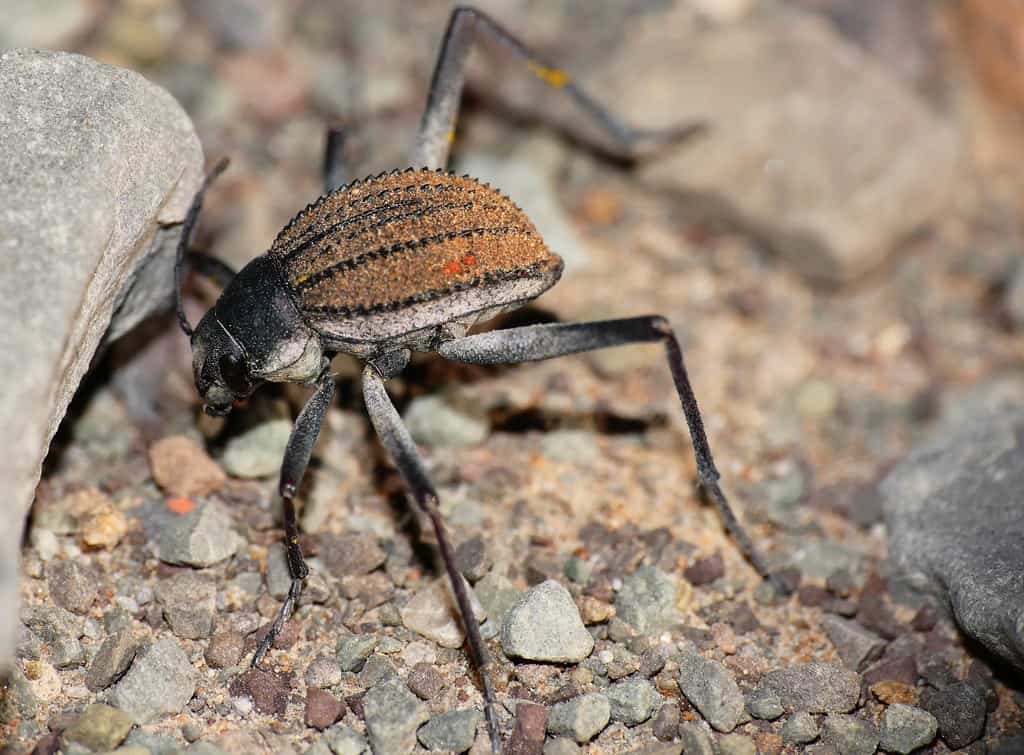
The most famous fog-drinking animal is the Namib Desert beetle (Stenocara gracilipes), native to one of the driest places on Earth—the Namib Desert of southwestern Africa. This remarkable insect has evolved a truly ingenious method for collecting water in an environment that receives less than half an inch of rainfall annually. The beetle’s survival strategy involves climbing to the top of sand dunes in the early morning when fog rolls in from the Atlantic Ocean. Once positioned, it assumes a head-down stance, raising its abdomen at a 45-degree angle. The beetle’s hardened forewings (elytra) feature a pattern of hydrophilic (water-attracting) bumps surrounded by hydrophobic (water-repelling) waxy channels. This specialized surface causes water droplets from the fog to form on the bumps, gradually growing in size until gravity pulls them down the waxy channels directly to the beetle’s mouth. This remarkable adaptation allows the Stenocara beetle to efficiently harvest up to 12% of its body weight in water during a single foggy morning—an extraordinary feat that has inspired biomimetic engineering solutions for human water collection in arid regions.
The Fog-Basking Technique: A Morning Ritual

The fog-basking behavior of desert beetles represents one of the most elegant solutions to water scarcity in the animal kingdom. Typically beginning before dawn, these beetles emerge from their sandy burrows and climb to elevated positions on dunes where fog is most concentrated. They then turn their bodies to maximize exposure to the moisture-laden air currents. What makes this behavior particularly remarkable is its timing precision—the beetles must position themselves before the fog arrives but not so early that they risk excessive exposure to predators or extreme temperature drops. Studies have shown that the beetles can detect subtle changes in air humidity, allowing them to anticipate optimal fog-harvesting conditions. During peak fog events, a single beetle may remain in its harvesting position for up to three hours, continuously drinking the collected water droplets that run toward its mouth. This specialized behavior demonstrates not just anatomical adaptation but complex behavioral evolution specifically tailored to exploit a transient water source that exists for only a few hours each day.
Thorny Devils: Skin Channels as Drinking Straws
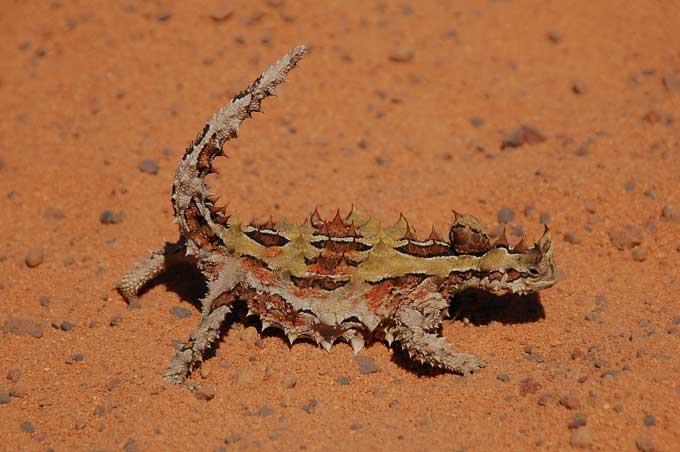
Australia’s thorny devil (Moloch horridus) represents another remarkable example of fog-drinking adaptation. This lizard, covered in intimidating spikes, has evolved a complex system of microscopic channels between its scales that function like a network of tiny straws. These capillary channels create a phenomenon known as passive drinking—when morning dew or fog condenses on the lizard’s body, the moisture is automatically drawn through these channels directly to the corners of its mouth. What makes this system particularly extraordinary is that it works against gravity; the thorny devil can absorb water through any part of its body, with the liquid traveling upward if necessary to reach its mouth. Research has shown that these channels can transport water at rates of up to 0.7 microliters per second. Additionally, the thorny devil will perform a distinctive foot-stamping behavior when standing on damp sand, effectively pumping moisture from the substrate into its capillary system. This remarkable adaptation allows the lizard to obtain sufficient hydration without ever needing to find standing water—a critical advantage in the arid Australian outback where conventional water sources may be absent for months or years at a time.
Coastal Fog Collectors: The Lomas Lizards
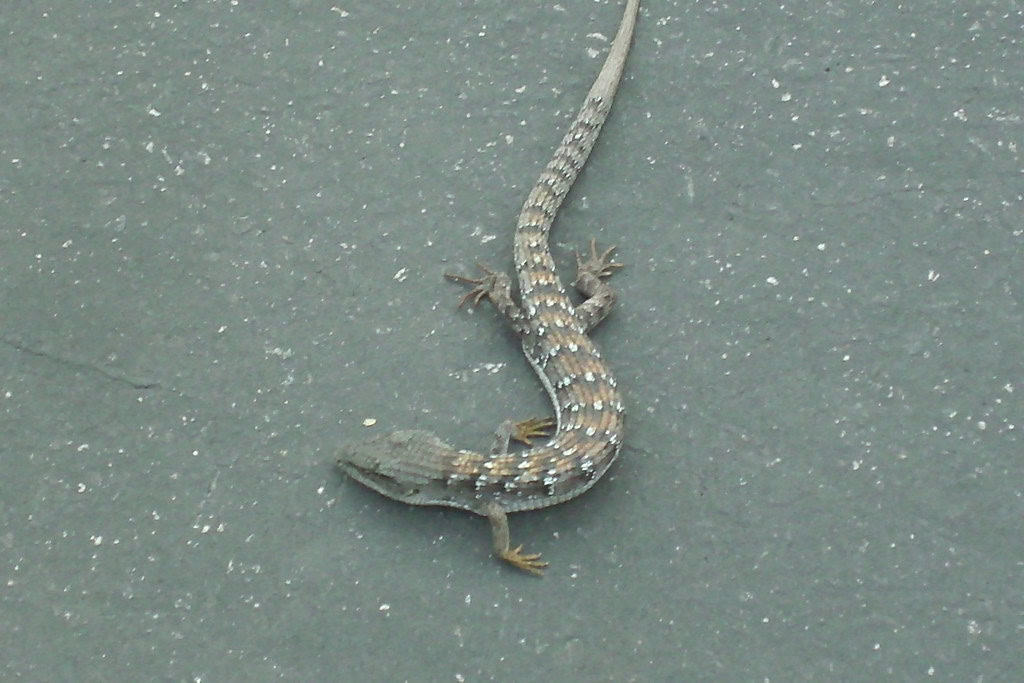
Along the fog-shrouded coastal deserts of Peru and Chile, a group of lizards known collectively as “lomas lizards” have developed specialized fog-harvesting behaviors. The most studied of these is the Pacific iguana (Microlophus peruvianus), which inhabits areas receiving less than 10mm of annual rainfall but blessed with consistent coastal fog. These lizards have developed a two-phase harvesting technique: first positioning themselves on elevated rocks or plants during fog events, allowing moisture to condense on their skin; then performing a distinctive head-dipping motion to collect the accumulated water. What distinguishes these lizards from other fog harvesters is their social behavior during fog events—researchers have observed groups of up to eight individuals gathering on the same fog-exposed perches, creating a communal harvesting dynamic. The lizards’ skin contains microscopic channels similar to those found in thorny devils, though less extensive. Studies using fluorescent tracers have demonstrated that water collected on the lizards’ backs can travel to their mouths without any active licking behavior. This adaptation allows the Pacific iguana to thrive in the Atacama Desert—considered the driest non-polar desert on Earth—by exploiting the reliable coastal fog that local people call “camanchaca.”
Web-Based Water Collection: Fog-Harvesting Spiders

In several fog-prone desert and coastal regions, certain spider species have evolved to collect atmospheric moisture using their webs as natural fog harvesters. The Namib desert-dwelling spider Seothyra has developed a particularly specialized approach, creating dense, sheet-like webs with unique structural properties that maximize fog collection. Unlike typical spider webs designed primarily for prey capture, these fog-harvesting webs feature nanoscale roughness and specialized silk strands with alternating hydrophobic and hydrophilic properties—similar to the Namib beetle’s back but in a different configuration. When morning fog rolls in, water droplets condense on the silk strands, gradually coalescing and growing in size until they become large enough for the spider to drink directly from the web. What makes this adaptation particularly efficient is the web’s ability to continue collecting water even after the spider has consumed some droplets, functioning as a persistent water source throughout foggy periods. Research has documented these spiders collecting up to 10% of their body weight in water during a single foggy morning. This adaptation represents a fascinating example of how animals can repurpose existing structures (in this case, silk webs normally used for catching prey) to serve critical secondary functions when environmental conditions demand novel solutions.
Darkling Beetles: Collective Fog Harvesting
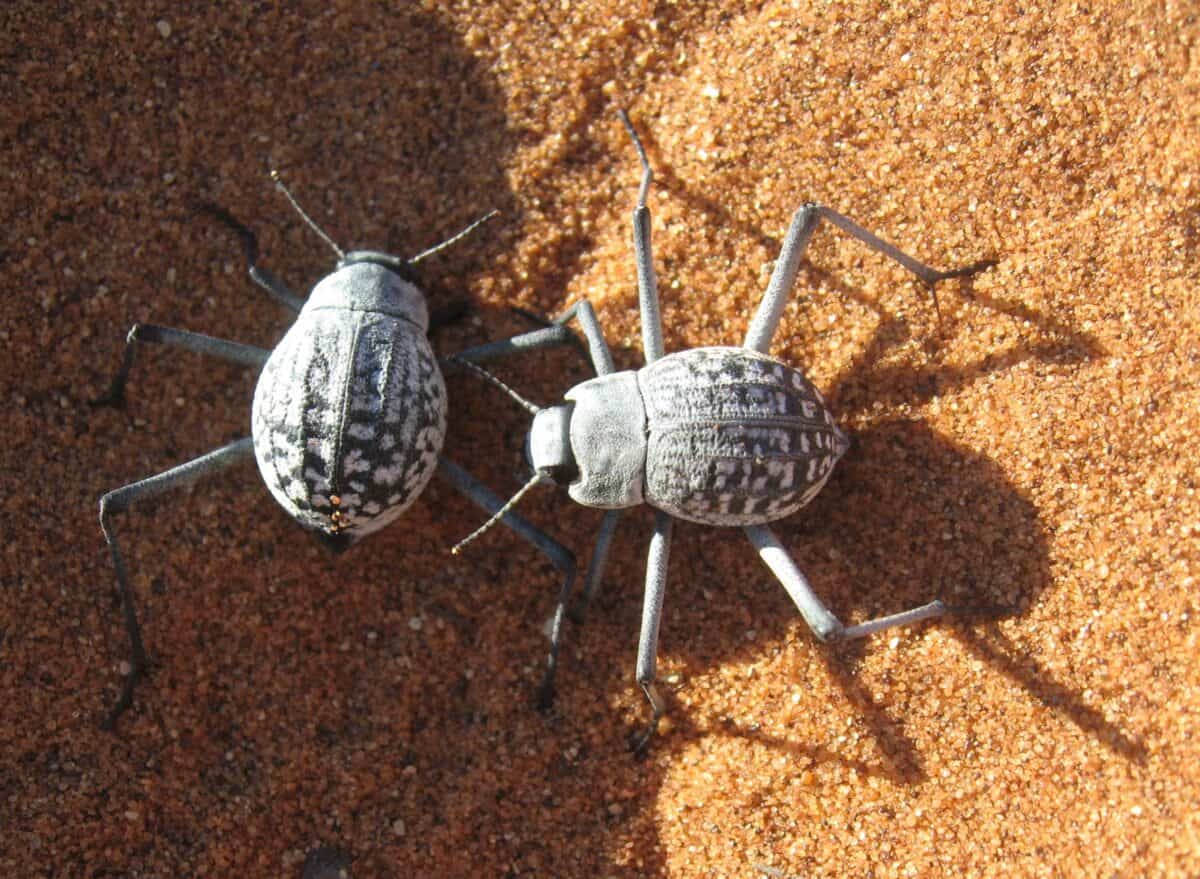
While the Stenocara beetle might be the most famous fog drinker, other beetle species in the family Tenebrionidae (darkling beetles) have evolved different but equally effective fog-harvesting strategies. The Namib Desert species Onymacris unguicularis employs a collective approach to fog harvesting that differs dramatically from its solitary relatives. These beetles gather in groups of 20 to 30 individuals at the bases of dunes during foggy mornings, creating what researchers call “fog-trapping chains.” By aligning their bodies in specific orientations relative to the prevailing fog direction, they maximize the surface area available for condensation. What makes this behavior particularly remarkable is the apparent coordination between individuals—beetles will reposition themselves based on changes in fog density and direction. Microscopic examination of their exoskeletons reveals tiny setae (hair-like structures) that enhance water collection efficiency by creating additional surfaces for droplet formation. Once sufficient water accumulates, the beetles break formation to consume the harvested moisture, sometimes sharing large droplets in what appears to be a form of communal resource utilization. This collective approach can increase water collection efficiency by up to 35% compared to solitary fog-basking techniques, demonstrating how social behavior can enhance survival adaptations in extreme environments.
Fog-Drinking Frogs of Cloud Forests
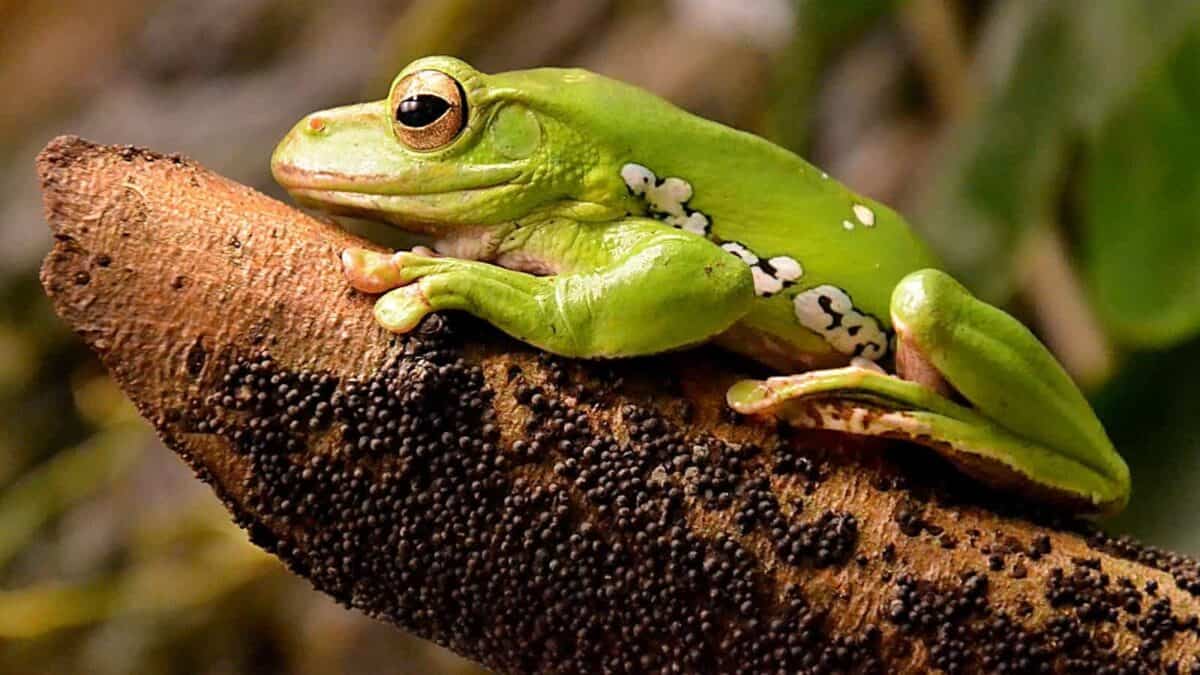
In the misty cloud forests of Central and South America, several amphibian species have evolved to obtain moisture directly from fog rather than relying solely on standing water. The most specialized of these is the cloud forest tree frog (Isthmohyla zeteki), which possesses a uniquely textured skin covered in microscopic channels and ridges that enhance fog collection. Unlike desert fog harvesters that must wait for occasional fog events, these frogs live in perpetually misty environments where the adaptation serves to supplement their hydration between rains. What makes these amphibians particularly interesting is their dual-purpose skin adaptation: the same microscopic features that enhance fog collection also increase the surface area available for cutaneous respiration (breathing through the skin). Cloud forest frogs can absorb up to 20% of their required daily water intake directly through skin contact with fog. Research using fluorescent dyes has demonstrated that water absorbed through the skin enters the frog’s lymphatic system within minutes, providing efficient hydration without drinking. This adaptation allows these frogs to venture farther from water sources than their lowland relatives, expanding their available habitat range throughout the cloud forest canopy where conventional water sources are limited but atmospheric moisture remains abundant.
The Desert Horned Lizard’s Moisture Collection System
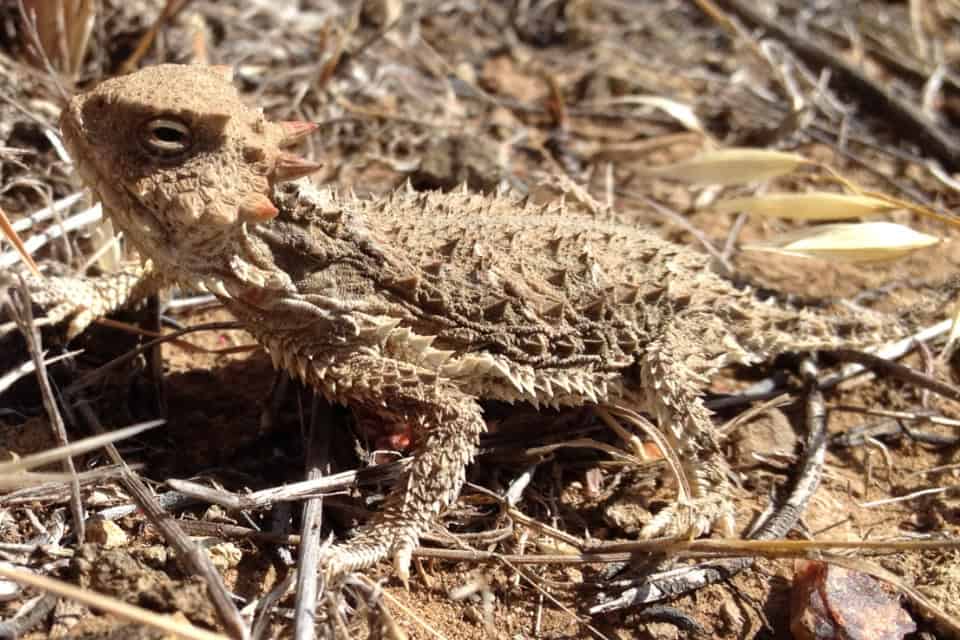
The desert horned lizard (Phrynosoma platyrhinos) of North America’s southwestern deserts employs a specialized system of skin channels to collect and transport fog moisture. Similar to the thorny devil but with distinct evolutionary origins, these lizards possess a network of microscopic grooves between their scales that function through capillary action. When fog or even light dew forms on the lizard’s body, these interconnected channels transport water directly to the corners of its mouth. What distinguishes the horned lizard’s system is its integration with the animal’s defensive posture—when threatened, the lizard flattens its body against the ground, which has the dual effect of making it harder for predators to flip over while simultaneously increasing the surface area available for moisture collection during foggy conditions. Studies using scanning electron microscopy have revealed that these channels contain specialized cells that can absorb moisture directly, allowing the lizard to hydrate even without actually drinking the collected water. This adaptation enables the desert horned lizard to survive in areas receiving less than 4 inches of annual rainfall by efficiently harvesting morning fog or dew that forms briefly after cold desert nights—often the only moisture available for weeks or months in its harsh habitat.
Birds That Collect Fog: The Desert Lark’s Strategy
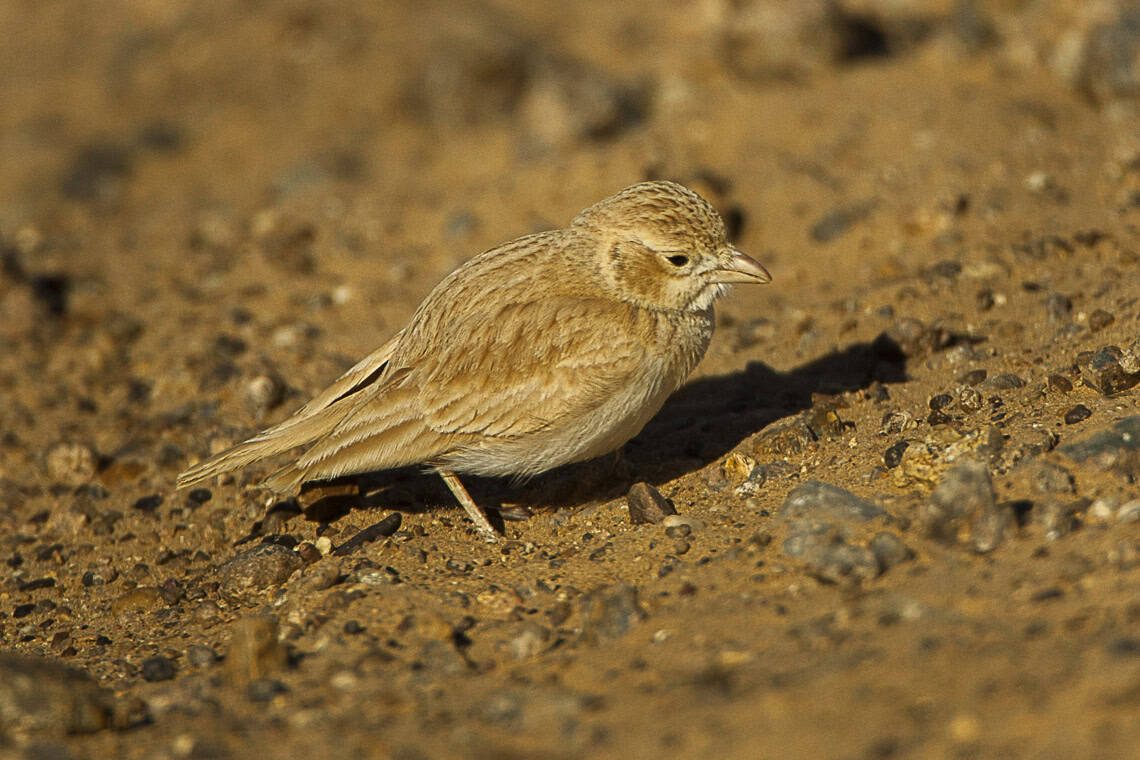
Among vertebrates, certain bird species have also developed methods to utilize fog as a water source. The desert lark (Ammomanes deserti), found across North Africa and the Middle East, has developed a unique behavior specifically for harvesting fog water. During foggy mornings, these birds will deliberately press their bodies against damp rocks or vegetation, wetting their feathers with condensed moisture. They then preen these dampened feathers, effectively transferring the collected water to their mouths. What makes this behavior particularly specialized is that desert larks will interrupt their normal morning foraging routines specifically to perform this water-collecting behavior when fog is present. Research using high-speed photography has revealed that a single preening sequence after fog exposure can transfer up to 0.5ml of water—significant hydration for a bird weighing less than 30 grams. Unlike some fog-harvesting animals that have evolved specialized physical structures, the desert lark’s adaptation is primarily behavioral, demonstrating cognitive flexibility in response to environmental conditions. This behavioral adaptation allows these birds to inhabit arid regions where conventional water sources may be dozens of miles apart, effectively expanding their potential range by exploiting transient moisture sources that other bird species cannot utilize.
Biomimicry: Learning from Fog-Drinking Animals
The remarkable adaptations of fog-drinking animals have inspired a growing field of biomimetic engineering focused on developing efficient water collection systems for human use in water-scarce regions. The most direct application has been the development of “fog harvesting nets” based on the Namib beetle’s back structure. These large mesh installations, deployed in coastal fog zones from Chile to Morocco, can collect up to 10 liters of water per square meter daily from passing fog—enough to sustain small communities in areas without reliable water infrastructure. Engineers have created “Stenocara surfaces” with alternating hydrophobic and hydrophilic regions that enhance droplet formation and collection efficiency by up to 500% compared to uniform surfaces. Other innovations include building materials with microscopic channels inspired by the thorny devil’s skin that can passively collect and transport moisture, potentially reducing air conditioning needs in humid climates. The unique thread properties of fog-harvesting spider webs have informed the development of advanced moisture-wicking fabrics now used in performance athletic wear. Perhaps most promising are architectural applications that incorporate fog-harvesting surfaces into building facades, potentially allowing structures in coastal fog zones to collect their own water supply. These biomimetic innovations demonstrate how studying nature’s solutions to environmental challenges can inspire sustainable technologies that address human needs while minimizing resource consumption.
Climate Change Threats to Fog Ecosystems
The specialized fog-harvesting adaptations that have evolved over millions of years now face unprecedented threats from rapid climate change. Research indicates that warming ocean temperatures are altering coastal fog patterns in several key fog-dependent ecosystems, including the Namib Desert and coastal Chile. Studies using satellite imagery have documented a 33% reduction in fog frequency along the Namibian coast over the past three decades, directly threatening the survival of specialized fog harvesters like the Stenocara beetle. Climate models predict that rising temperatures will continue to disrupt the temperature differentials that drive fog formation, potentially reducing fog events by up to 70% in some regions by 2100. This poses an existential threat to fog-dependent species that have evolved such specialized adaptations that they cannot easily relocate or adapt to alternative water sources. Conservation biologists have begun exploring the creation of “fog refugia”—protected areas where topography may help preserve fog patterns even as the broader climate changes. Some researchers have proposed technological interventions like fog-enhancement systems that could maintain habitat suitability for these highly specialized species. The plight of fog-drinking animals highlights the subtle yet potentially devastating impacts of climate change on specialized ecological niches that depend on specific climatic conditions maintained over evolutionary timescales.
Conclusion: Nature’s Ingenuity in Water Harvesting
The remarkable adaptations of fog-drinking animals stand as testament to the extraordinary problem-solving capacity of natural selection. From the precisely engineered surface of the Namib beetle’s back to the complex capillary networks of the thorny devil, these adaptations represent millions of years of evolutionary refinement in response to one of nature’s most fundamental challenges: finding water in arid environments. The diversity of solutions—behavioral, structural, and physiological—demonstrates how different evolutionary pathways can lead to functionally similar outcomes when facing common environmental pressures. These animals offer profound lessons about efficiency, sustainability, and innovation that continue to inspire human technological developments. As we face growing water scarcity challenges worldwide due to climate change and population growth, the humble fog-drinking animals of Earth’s deserts may provide not only scientific fascination but practical inspiration for creating a more water-secure future. Their story reminds us that sometimes the most remarkable solutions to seemingly insurmountable problems have already been developed through the patient genius of evolutionary adaptation.

- Why These Orcas Are Migrating Earlier Than Ever - July 14, 2026
- Introduction to Homoploid Hybrid Speciation - July 14, 2026
- Are Nature Reserves Failing Their Conservation Mission? - July 14, 2026