

The melodious trilling of birds has long delighted human ears and inspired poets, but these complex vocalizations may serve a purpose beyond aesthetics. As our planet experiences rapid climate shifts, scientists are increasingly turning to unexpected indicators to track environmental changes. Among these potential indicators, birdsong has emerged as a surprisingly sophisticated barometer for climate change. From altered timing of dawn choruses to changing migration patterns, the voices of our feathered neighbors might be telling us something profound about our changing world. This article explores the fascinating intersection between avian acoustics and climate science, revealing how the songs we’ve enjoyed for generations could become crucial tools for understanding and responding to one of humanity’s greatest challenges.
The Science of Birdsong

Birdsong is far more than simple animal noise—it’s a complex communication system shaped by millions of years of evolution. Birds vocalize for multiple reasons: to attract mates, defend territories, warn of predators, and maintain social bonds. Each species has distinctive songs and calls, often with regional “dialects” that can vary across populations. The production of these sounds involves specialized anatomy, including the syrinx—a unique vocal organ found only in birds that allows for incredible acoustic versatility. Many songbirds learn their vocalizations through a process similar to how humans learn language, with juvenile birds practicing and refining their songs by listening to adults. This learning process creates a cultural transmission system that can respond to environmental changes within a single generation, making birdsong particularly sensitive to shifts in habitat, climate, and ecosystem health.
Timing Shifts in Birdsong

One of the most documented effects of climate change on birdsong involves timing. As springs arrive earlier in many regions, birds have adjusted when they begin their dawn choruses. A study from the United Kingdom found that several species now begin singing up to 14 days earlier than they did in the 1970s, correlating precisely with earlier leaf emergence and insect availability. This shift isn’t merely an interesting curiosity—it represents a biological response to changing seasonal cues. The dawn chorus typically peaks during breeding season, and its timing is critical for reproductive success. When birds sing earlier, they’re responding to warmer temperatures and earlier food availability. Scientists can use long-term acoustic monitoring to track these changes over decades, providing valuable data on how quickly various species can adapt to changing climate conditions.
Acoustic Adaptation to Changing Environments

Birds modify not just when they sing but how they sing in response to environmental changes. Research has shown that birds in urban areas already sing at higher pitches to overcome traffic noise, and similar adaptations may occur as habitats transform due to climate change. As forests become more fragmented or change in composition, sound transmission properties change as well. Dense vegetation dampens high frequencies, while open areas allow sound to travel farther. As climate change alters vegetation patterns, birds must adapt their songs to maintain effective communication. Scientists have documented species altering the frequency, amplitude, and complexity of their songs in response to habitat changes. These acoustic adaptations provide a measurable way to track how species respond to climate-driven habitat transformation.
Birdsong as an Early Warning System

The sensitivity of birds to environmental changes makes their vocalizations potential early warning indicators of climate impacts. Birds respond quickly to subtle shifts in temperature, precipitation, and food availability—often before these changes become obvious to human observers. For example, research in mountain ecosystems has shown that elevational shifts in bird communities can be detected first through changes in the acoustic landscape. As warmer temperatures allow lowland species to move upslope, the soundscape of these areas transforms. Acoustic monitoring can detect these shifts earlier than traditional survey methods, potentially providing an early alert system for ecosystem changes. This early detection capability makes birdsong monitoring particularly valuable for conservation efforts aimed at mitigating climate impacts.
Technological Advances in Birdsong Monitoring

Recent technological innovations have revolutionized our ability to study birdsong at scale. Automated recording units (ARUs) can be deployed in remote locations to capture soundscapes continuously for months. Machine learning algorithms can then analyze these massive datasets to identify species, count individuals, and detect patterns that would be impossible for human researchers to process manually. Projects like the Cornell Lab of Ornithology’s BirdNET can identify thousands of bird species from recordings with increasing accuracy. These technologies enable scientists to monitor bird populations across vast areas and long time periods, creating unprecedented opportunities to track responses to climate change. Citizen science platforms like eBird also incorporate audio recordings, allowing volunteers worldwide to contribute to this growing database of bird vocalizations under changing climate conditions.
The Connection Between Song Complexity and Climate Stress
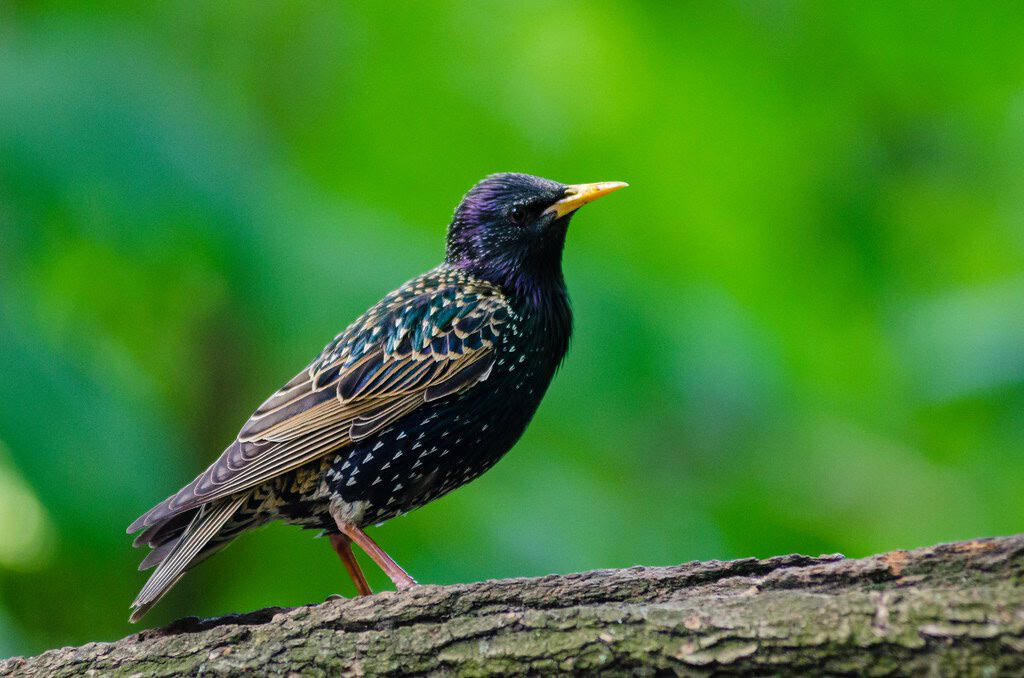
Emerging research suggests that climate stress may affect the complexity and quality of birdsong. Song production requires significant energy, and birds under environmental stress may produce simpler, less elaborate songs. A study on zebra finches demonstrated that heat-stressed birds produced songs with fewer syllables and less consistent timing. Since female birds often use song quality to assess potential mates, these changes could impact reproductive success. In wild populations, researchers have observed correlations between drought conditions and reduced song complexity in some species. These findings suggest that analyzing song structure could provide insights into how climate stressors affect bird populations before more obvious impacts like population decline become apparent. The relationship between environmental stress and vocal performance offers a subtle but measurable indicator of climate impacts on wildlife.
Migration Patterns Reflected in Vocal Behavior

Climate change is dramatically altering bird migration patterns, and these shifts are reflected in vocal behavior. As winters become milder in northern latitudes, some traditionally migratory species now remain year-round, continuing to sing during seasons when they would historically have been silent. Conversely, in regions experiencing more extreme weather, birds may depart earlier or arrive later, creating gaps in the acoustic calendar. Researchers can track these changes through continuous acoustic monitoring, documenting when species appear and disappear from the soundscape. The timing of arrival songs—the distinctive vocalizations males produce when first establishing territories after migration—provides particularly valuable data. By comparing these acoustic signatures across years, scientists can quantify shifts in migration timing and connect them to climate variables like temperature anomalies or precipitation patterns.
Case Studies: Canaries in the Climate Coal Mine

Several compelling case studies highlight the value of birdsong as a climate change indicator. In the Rocky Mountains, researchers documented the American robin singing up to 14 days earlier over a 25-year period, correlating with earlier snowmelt. In Australia, studies of the superb lyrebird revealed that severe drought conditions led to altered song structure and reduced mimicry complexity. Perhaps most dramatically, research in the Amazon rainforest found that areas experiencing more severe climate shifts showed significant changes in the acoustic community, with certain frequency bands becoming emptier as species sensitive to those conditions declined. In the Arctic, where climate change is occurring at accelerated rates, researchers have documented Lapland longspurs shifting their singing schedules to accommodate longer daylight periods and earlier springs. These diverse examples demonstrate how birdsong changes can be detected across ecosystems and climate zones, providing a global network of acoustic sensors for climate change.
Challenges in Interpretation

Despite its promise, using birdsong as a climate change indicator presents significant challenges. Distinguishing climate-driven changes from other factors affecting bird vocalizations—such as urbanization, noise pollution, or predator dynamics—requires careful analysis. Birds may alter their songs for reasons unrelated to climate, including population density shifts or the presence of competing species. Additionally, different species respond to climate factors in different ways and at different rates, complicating efforts to develop standardized metrics. There’s also the challenge of baseline data—in many regions, we lack historical recordings that would allow for direct comparison with present conditions. Researchers address these challenges through multi-factor analysis, controlling for variables like habitat type and human disturbance, and by establishing long-term monitoring sites where all environmental variables can be tracked alongside acoustic data.
The Historical Record: Past Climate Insights from Bird Archives

Historical bird recordings provide valuable windows into past climate conditions. The British Library’s wildlife sound archive contains recordings dating back to the 1880s, while Cornell’s Macaulay Library has amassed over 175,000 audio recordings spanning many decades. By comparing these historical recordings with contemporary ones, researchers can identify shifts in timing, structure, and diversity of birdsong over time. Citizen science has unexpectedly contributed to this historical record as well—amateur birdwatchers’ journals dating back centuries sometimes note the first spring songs of particular species, creating long-term phenology datasets. In Japan, records of the first songs of the Japanese bush warbler date back over 500 years through cultural documentation of this harbinger of spring. These historical records provide crucial baseline data against which modern changes can be measured, helping scientists separate natural variability from anthropogenic climate impacts.
Conservation Applications

Beyond serving as indicators, birdsong monitoring has practical applications for conservation in a changing climate. By identifying which species are struggling to adapt acoustically, conservationists can prioritize protection efforts. Acoustic monitoring can also evaluate the effectiveness of habitat restoration projects by tracking the return of vocal species. In Australia, conservationists use recordings of healthy dawn choruses to assess recovery after bushfires, which are increasing in frequency and intensity due to climate change. In tropical forests, the complexity of the soundscape serves as a proxy for biodiversity health in restoration projects. Some innovative conservation programs even use playback of healthy bird communities to attract native species to restored habitats. As climate-driven habitat shifts accelerate, acoustic monitoring provides a cost-effective way to track ecosystem changes and guide adaptive management strategies.
Citizen Science and Public Engagement

The accessibility of birdsong makes it an excellent tool for engaging the public in climate science. Projects like SoundWatch and Global Big Day invite people worldwide to record and identify bird songs in their communities, contributing valuable data while fostering environmental awareness. These citizen science initiatives have documented phenological shifts that correlate with local climate conditions, creating fine-grained maps of how birds are responding to change. Educational programs teach students to recognize local bird songs and track seasonal changes, building climate literacy through direct observation. This public participation creates powerful opportunities for climate communication—when people notice familiar backyard birds singing at unusual times or unfamiliar species appearing in their neighborhoods, abstract climate statistics become tangible realities. The emotional connection many people feel to birdsong can transform climate change from a distant threat to an immediate concern affecting beloved aspects of their environment.
The Future of Avian Bioacoustics in Climate Research
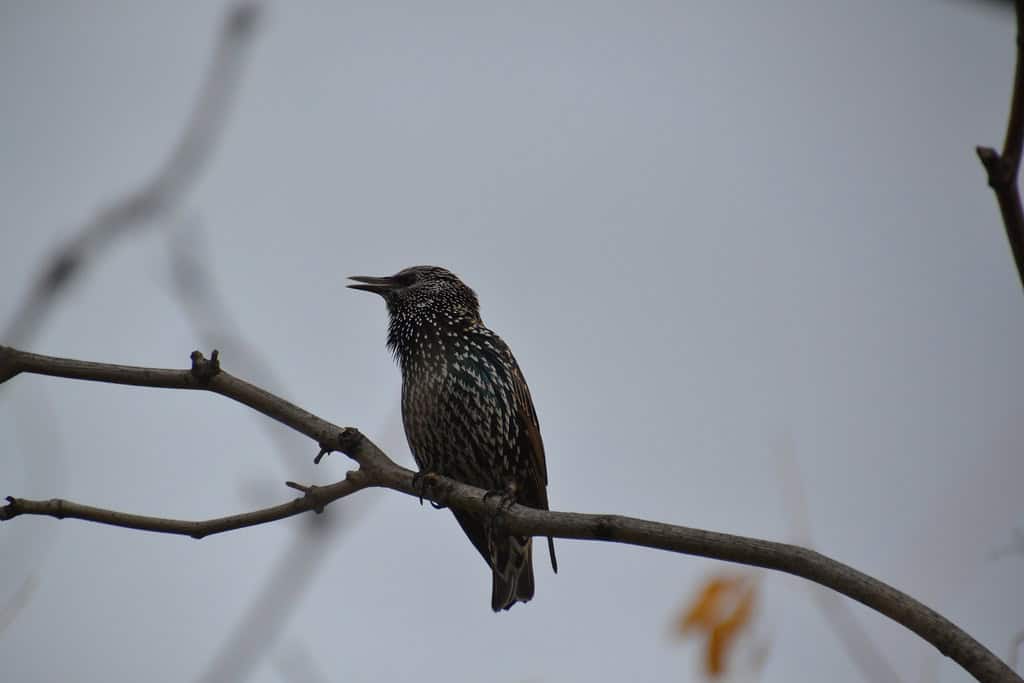
The marriage of birdsong research and climate science is still in its early stages, with exciting developments on the horizon. Emerging technologies like bioacoustic drones can survey remote or dangerous areas, while satellite-linked recording stations can transmit data from wilderness regions in real-time. Artificial intelligence advancements continue to improve species identification accuracy and can now detect subtle variations in song structure that might indicate environmental stress. Researchers are developing acoustic biodiversity indices that can quantify ecosystem health based on soundscape complexity. International collaborations are establishing global acoustic monitoring networks that will create standardized methods for using birdsong as a climate indicator. As these technologies and methodologies mature, birdsong monitoring may become as standard in climate research as temperature and precipitation measurements. The voices of birds—these ancient, sensitive barometers of environmental change—may help guide humanity’s response to our changing climate, translating the language of nature into actionable scientific insights.
Conclusion
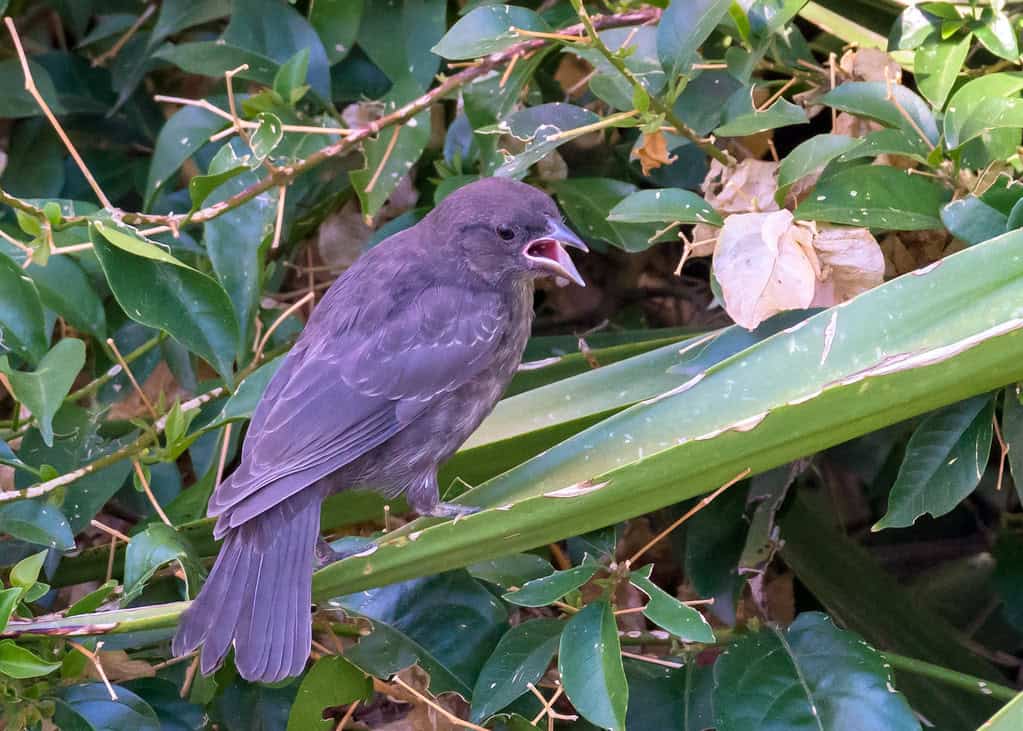
The connection between birdsong and climate change represents a fascinating frontier in environmental science, where animal behavior becomes a window into ecosystem health. As our planet continues to warm, the subtle shifts in when, where, and how birds sing offer valuable insights that complement traditional climate monitoring. What makes birdsong particularly valuable as a climate indicator is its accessibility—these acoustic signals can be monitored by scientists and citizens alike, creating unprecedented opportunities for widespread data collection and public engagement. By learning to listen more carefully to the birds around us, we gain not only early warnings about environmental changes but also deeper connections to the natural world we’re striving to protect. In the complex challenge of understanding and addressing climate change, the songs of birds offer both scientific insight and inspiration—reminding us of what’s at stake and the remarkable resilience of life adapting to a changing world.

- This Giant Snake Was Found in the Florida Everglades - July 11, 2026
- Biologists Discover Ant That Smells Like Vanilla - July 11, 2026
- A New Species of Cat Has Been Found in the Andes - July 11, 2026