

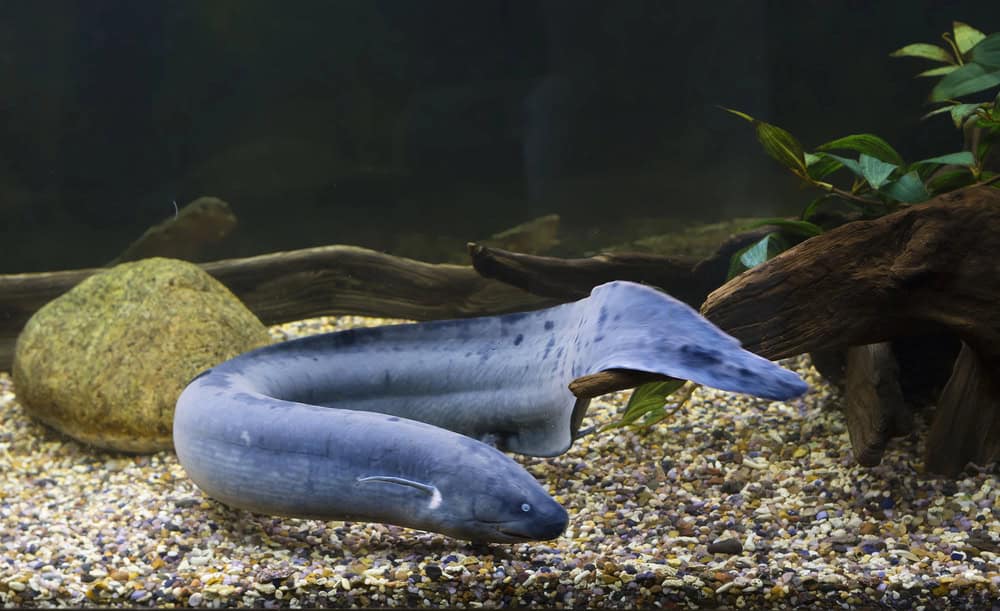
In the vast tapestry of life on Earth, evolution has crafted some truly remarkable survivors. While humans require specific conditions to thrive, certain creatures have developed extraordinary adaptations that allow them to endure environments and situations that seem utterly impossible. From the deepest ocean trenches to the vacuum of space, from extreme radiation to centuries without food, these resilient organisms challenge our understanding of life’s limits. This exploration of nature’s ultimate survivors reveals just how adaptable and tenacious life can be when pushed to the edge of existence.
16. Tardigrades The Ultimate Survivors
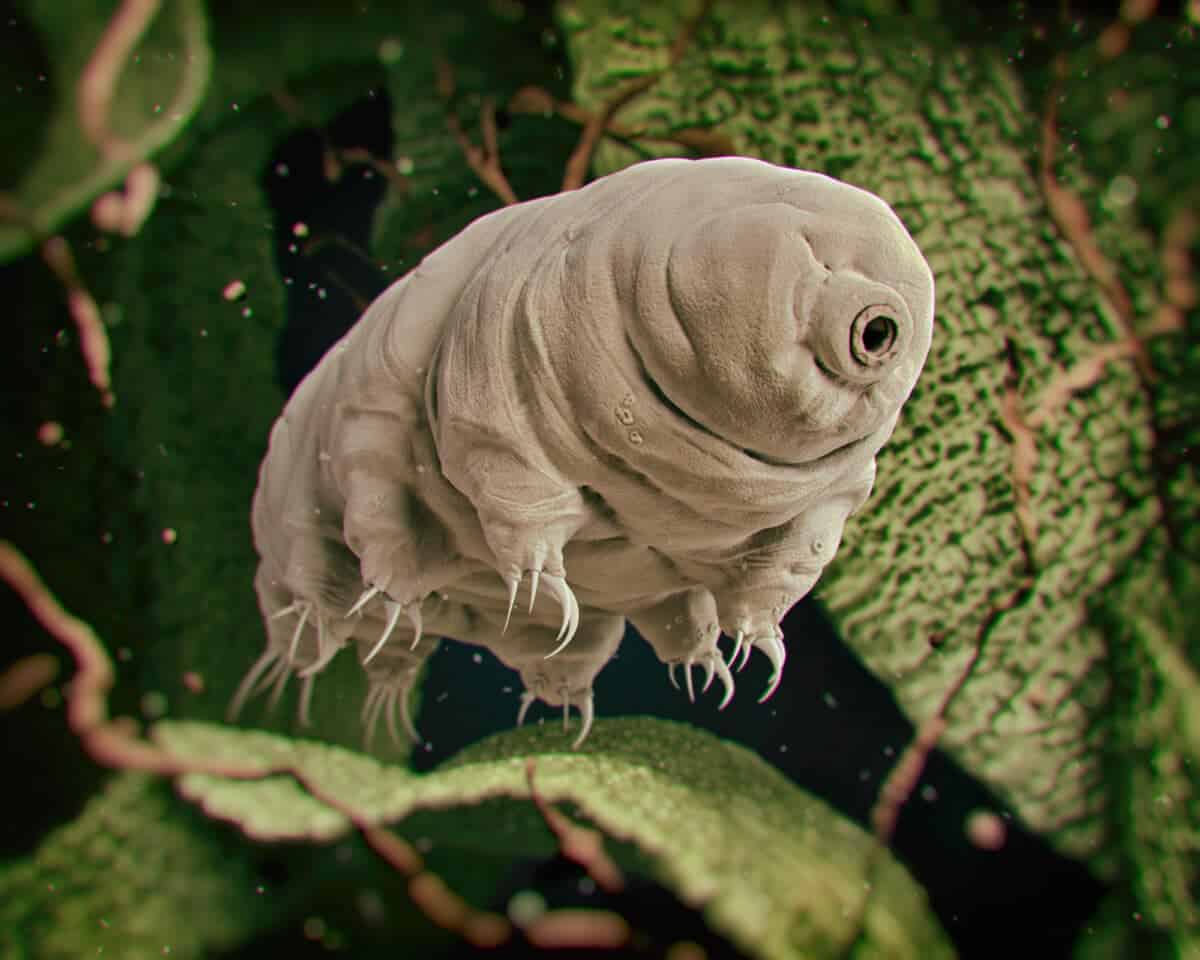
Topping any list of indestructible creatures are tardigrades, also known as water bears or moss piglets. These microscopic animals (typically 0.5mm long) can survive virtually any extreme condition imaginable. They can endure temperatures from near absolute zero (-458°F/-272°C) to well above boiling (300°F/149°C), withstand pressures six times greater than those in the deepest ocean trenches, and survive radiation levels thousands of times higher than what would be lethal to humans. Perhaps most impressively, tardigrades can enter a state called cryptobiosis, essentially suspending their metabolism almost completely, allowing them to survive without water for up to 30 years. In 2007, researchers even exposed tardigrades to the vacuum of space for 10 days—many survived and some even continued to reproduce afterward, making them the first known animal to survive in space.
15. Bdelloid Rotifers Ancient Asexuals

Bdelloid rotifers are microscopic aquatic animals with an extraordinary survival ability that extends across evolutionary time. These creatures have survived without sexual reproduction for over 40 million years—an evolutionary anomaly that has earned them the title of an “evolutionary scandal.” Beyond their unusual reproductive strategy, these tiny animals can survive complete desiccation (drying out) for up to 9 years. When rehydrated, they simply resume normal activity as if nothing happened. In 2021, scientists successfully revived bdelloid rotifers that had been frozen in Siberian permafrost for 24,000 years. Upon thawing, these ancient organisms not only came back to life but were able to reproduce, demonstrating their incredible longevity and resilience to extreme conditions that would be fatal to most other life forms.
14. Deinococcus radiodurans Radiation-Resistant Bacteria

Often called “Conan the Bacterium,” Deinococcus radiodurans is the most radiation-resistant organism known to science. This remarkable microbe can withstand radiation doses 1,000 times greater than what would kill a human. It can survive acute exposure to 5,000 Gy (Gray) of gamma radiation, while just 5 Gy would be lethal to the average person. The secret to this bacterium’s extraordinary resilience lies in its efficient DNA repair mechanism. Rather than having just one copy of its genetic material, D. radiodurans maintains multiple redundant copies of its genome. When radiation shatters its DNA, the bacterium can quickly rebuild damaged sections using these backup copies as templates. This extraordinary ability has made it a subject of interest for nuclear waste cleanup and potential applications in radiation-heavy environments, including Mars colonization projects.
13. Immortal Jellyfish (Turritopsis dohrnii) Cheating Death

The Turritopsis dohrnii jellyfish has earned its “immortal” nickname through an astonishing biological process that effectively allows it to reverse its life cycle. When faced with starvation, physical damage, or environmental stress, this small jellyfish (only 4.5mm across) can revert from its mature medusa stage back to its immature polyp stage—essentially transforming from an adult back into a juvenile. Theoretically, this cycle can repeat indefinitely, making the creature biologically immortal. While predation and disease still claim individual immortal jellyfish, their cells don’t undergo the normal aging process that leads to death in nearly all other animals. Scientists are studying these jellyfish intensively, hoping their transdifferentiation process—where specialized cells transform into different cell types—might provide insights into human regenerative medicine and therapeutic treatments for age-related conditions.
12. Pompeii Worms Thriving in Thermal Extremes

The Pompeii worm (Alvinella pompejana) lives in one of the most extreme temperature gradients on the planet. These remarkable deep-sea creatures make their homes in tubes attached to hydrothermal vents on the ocean floor, where they experience an extraordinary temperature difference across their bodies. While their tails can be immersed in water as hot as 176°F (80°C), their heads extend into much cooler water around 72°F (22°C). This 104°F temperature differential would be fatal to most organisms, yet Pompeii worms thrive in this environment. Their survival depends partly on a symbiotic relationship with heat-resistant bacteria that form a protective “fleece” on their backs. These bacteria produce special enzymes that help protect the worm from extreme heat. The worm’s own proteins also show remarkable heat stability, making them of interest to biotechnology researchers developing heat-resistant enzymes for industrial applications.
11. Wood Frogs The Freeze-Tolerant Amphibians

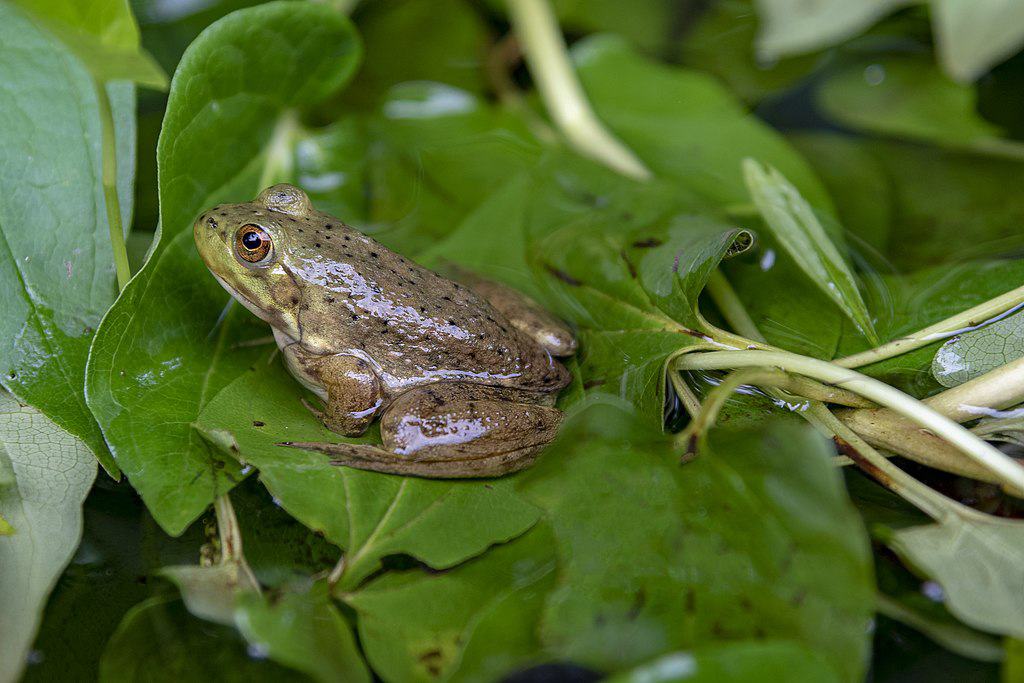
Wood frogs (Lithobates sylvaticus) employ an extraordinary survival strategy during harsh North American winters: they allow themselves to freeze almost solid. As temperatures drop, these remarkable amphibians can have up to 65% of the water in their bodies turn to ice. Their hearts stop beating, they cease breathing, and no blood flows through their vessels. From all external appearances, they seem dead. The secret to their survival lies in high concentrations of glucose and urea that act as natural antifreeze in their vital organs. These compounds prevent complete freezing of cellular structures and minimize damage from ice crystals. When spring arrives and temperatures rise, the frogs simply thaw out and resume normal activities, including breeding. This freeze-tolerance capability allows wood frogs to survive in regions as far north as the Arctic Circle, making them one of the most cold-hardy amphibians on the planet.
10. Loriciferans Life Without Oxygen
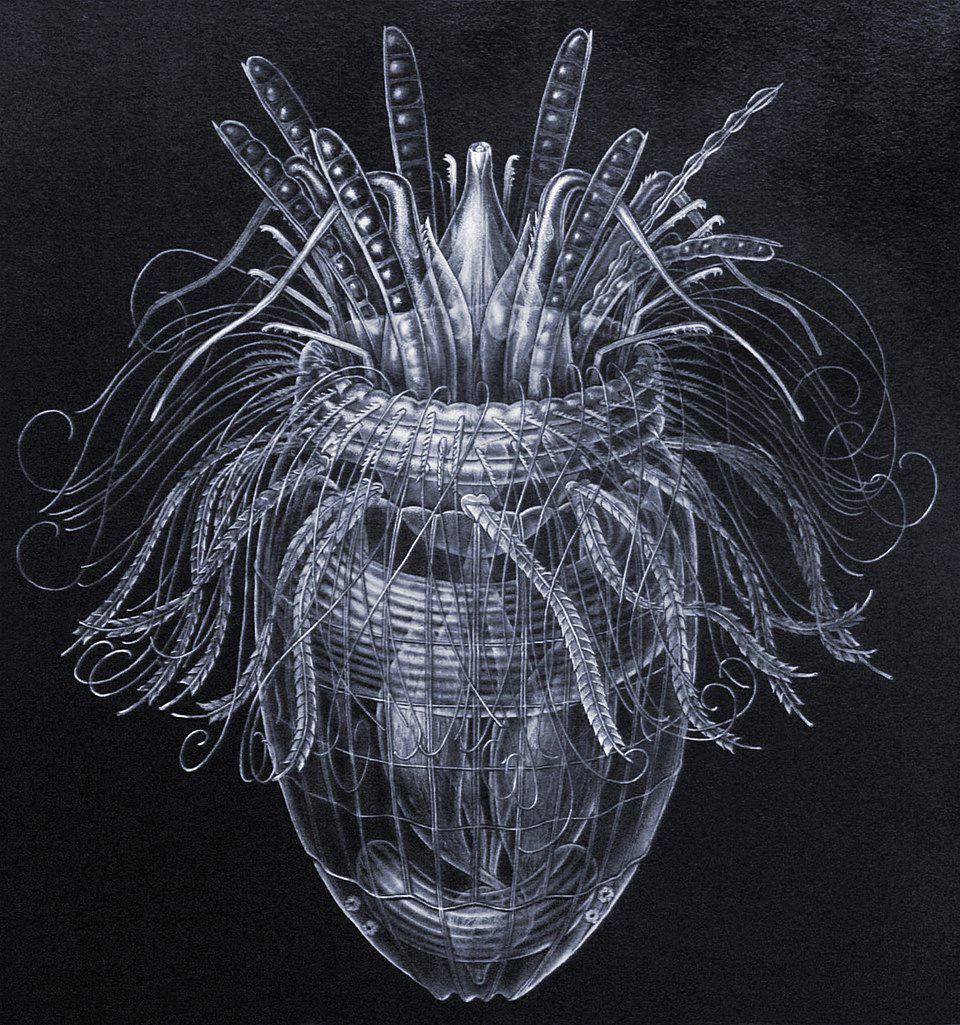
In 2010, scientists made a groundbreaking discovery in the Mediterranean Sea’s L’Atalante Basin, a deep hypersaline environment completely devoid of oxygen. There, they found several species of loriciferans—tiny multicellular animals less than 1mm long—living and reproducing in conditions previously thought impossible for any animal. These loriciferans are the first and only known multicellular animals that spend their entire lives in an oxygen-free environment. Instead of mitochondria (the cellular structures that use oxygen to generate energy in most animals), these remarkable creatures possess hydrogenosomes, organelles that can produce energy without oxygen. This discovery fundamentally changed our understanding of what environments can support complex animal life and has profound implications for the search for extraterrestrial life, suggesting that complex organisms might exist in oxygen-free environments on other planets or moons.
9. Devil Worms Life Deep Below
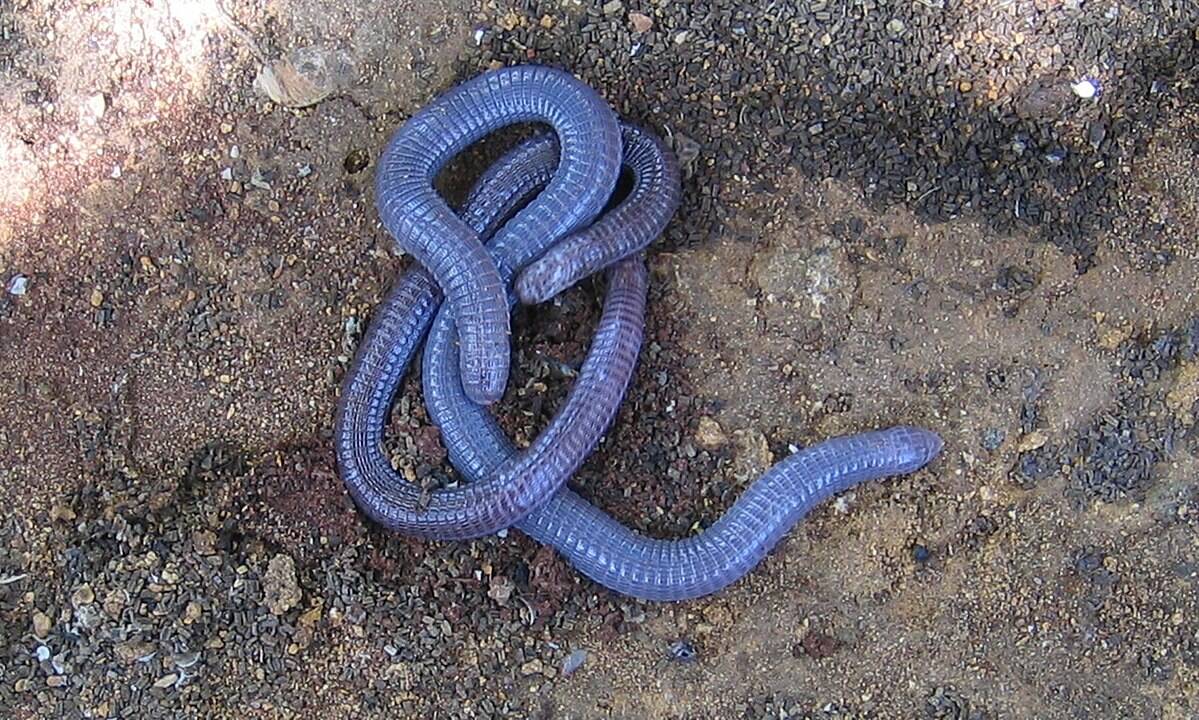
In 2011, scientists discovered Halicephalobus mephisto, nicknamed the “devil worm,” living 2.2 miles (3.6 kilometers) beneath Earth’s surface in a South African gold mine. This finding shattered previous beliefs about the depth limits of multicellular life. These tiny nematodes, measuring only 0.5mm in length, survive in microscopic water-filled cracks in the rock, enduring crushing pressure, minimal oxygen, and temperatures reaching 107°F (43°C). What makes this discovery particularly significant is that these conditions have remained stable for thousands of years, indicating that the worms represent a thriving, long-term deep subsurface ecosystem rather than recent contamination from the surface. The devil worm’s existence expands our understanding of Earth’s biosphere and strengthens theories about potential subsurface life on other planets, particularly Mars, where similar deep, protected environments might harbor life despite harsh surface conditions.
8. African Lungfish Masters of Estivation

The African lungfish (Protopterus) demonstrates remarkable survival ability through a process called estivation—a state of dormancy similar to hibernation but triggered by drought rather than cold. When their aquatic habitats dry up during Africa’s dry seasons, these fish burrow into the mud and secrete a mucus cocoon that hardens around their bodies, leaving only a small opening for air. Inside this protective casing, their metabolism slows dramatically, and they can survive on air alone for an astonishing 3-5 years without food or water. During estivation, their metabolic rate drops to just 1/60th of normal, and they primarily use their muscles for energy, shrinking up to 25% in size. When rains eventually return, the lungfish emerge from their cocoons and resume normal activity, seemingly unaffected by their years-long fast. This extraordinary adaptation has allowed lungfish to survive in seasonally changing environments for over 400 million years, making them living fossils that have outlasted countless other species.
7. Saharan Silver Ant Dancing on the Sun
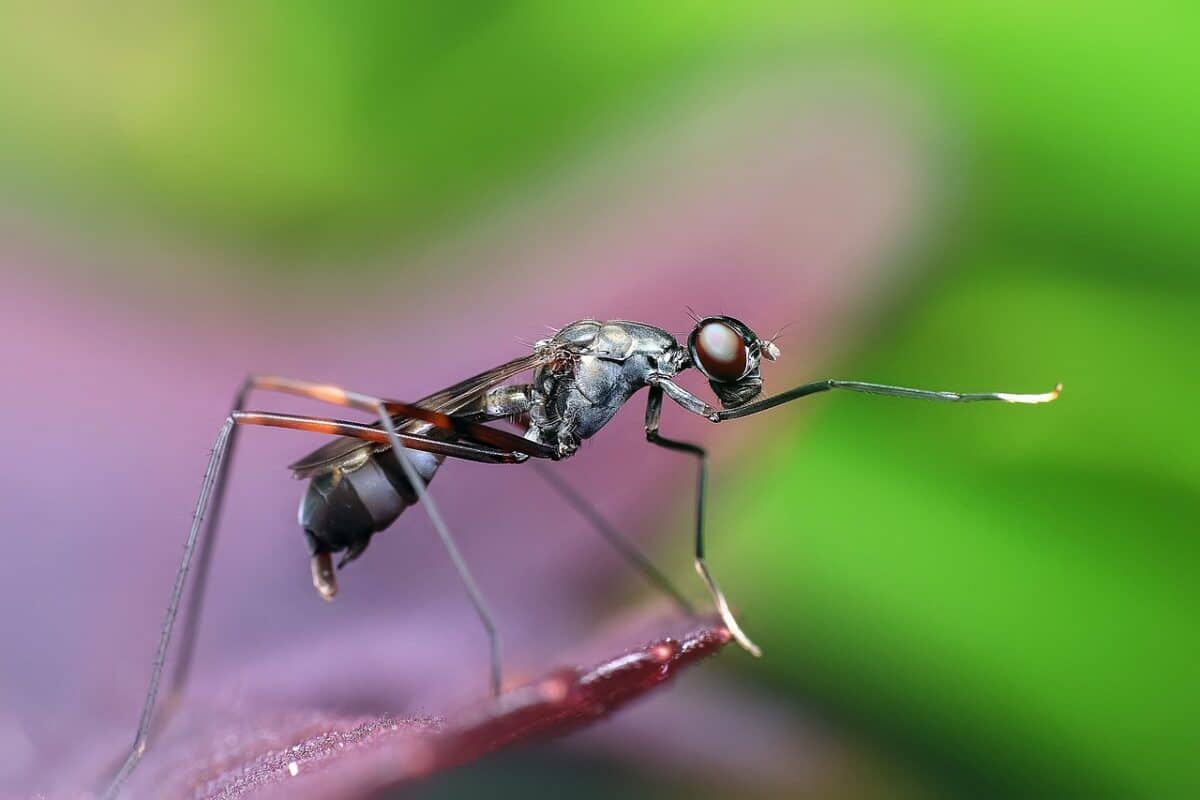
The Saharan silver ant (Cataglyphis bombycina) thrives in one of Earth’s most extreme environments, venturing out onto the scorching desert sand when temperatures reach a blistering 140°F (60°C)—conditions so severe that even desert specialists like lizards take shelter. These ants can forage in these lethal conditions for about 10 minutes before needing to cool down. Their survival depends on several extraordinary adaptations: their silvery coating of triangular hairs reflects up to 95% of solar radiation, they have longer legs than typical ants to keep their bodies farther from the hot sand, and they contain heat-shock proteins that protect their cellular structures. Perhaps most impressive is their speed—they can cover up to 2.8 feet per second, equivalent to a human running at 450 miles per hour. This remarkable pace—the fastest recorded in the ant world relative to body size—minimizes their exposure time to the deadly heat while allowing them to scavenge for dead insects that succumbed to the extreme conditions.
6. Spiny-Headed Worms Extreme Parasitic Resilience
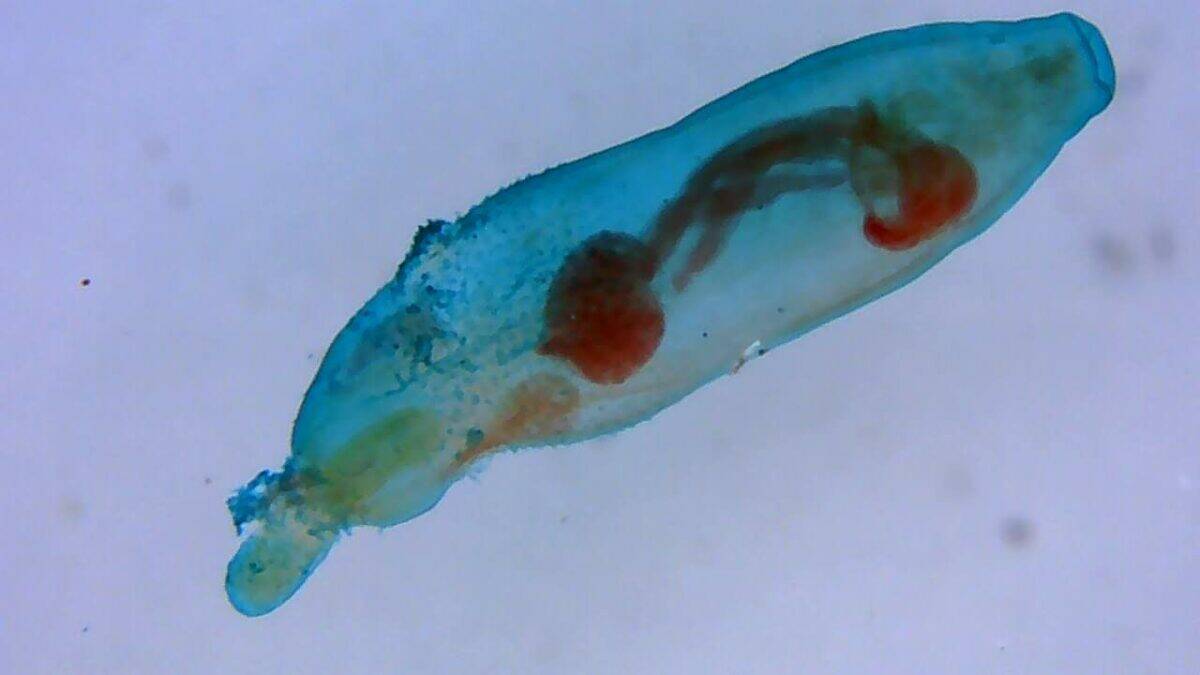
Acanthocephalans, commonly known as spiny-headed worms, demonstrate extraordinary survival abilities through their complex parasitic lifecycle. These organisms can withstand the extremely acidic environment of their hosts’ digestive tracts—conditions that would dissolve most other creatures. Their remarkable resilience comes from a specialized tegument (outer covering) that not only protects them from digestive enzymes but also allows them to absorb nutrients directly through their body surface, as they lack a digestive system of their own. Some species can survive dormant in their intermediate hosts for years until the host is consumed by the final host. Perhaps most impressively, research has shown that certain acanthocephalan species can survive complete desiccation for up to 30 days, and when rehydrated, they resume their lifecycle without apparent damage. This combination of acid resistance, long-term dormancy capability, and ability to withstand complete drying makes them among the most resilient parasites known to science.
5. Thermococcus gammatolerans Pressure and Radiation Survivor

Discovered in hydrothermal vents in the Mid-Atlantic Ridge, Thermococcus gammatolerans represents one of the most extremophilic archaea ever identified. This microorganism thrives under conditions that would instantly kill most life forms, including crushing pressures up to 300 atmospheres (equivalent to the weight of 300 atmospheres pressing down on every square inch) and temperatures between 131°F and 194°F (55°C to 90°C). What truly sets T. gammatolerans apart is its extraordinary radiation resistance—it can withstand radiation doses up to 30,000 Gy, making it even more radiation-resistant than the famous Deinococcus radiodurans. For perspective, just 6 Gy would be lethal to most humans. Scientists believe this extreme radiation tolerance evolved not as a response to radiation itself but as a side effect of adaptations that protect against the extreme oxidative stress present in hydrothermal environments. The mechanisms this organism uses to repair its DNA after massive radiation damage could potentially inform radiation protection technologies for everything from cancer treatments to space exploration.
4. Crucian Carp Living Without Oxygen

The crucian carp (Carassius carassius) performs a biological miracle each winter that defies conventional understanding of vertebrate physiology. When the ponds these fish inhabit freeze over completely, cutting off oxygen supply, most fish species would perish within minutes. However, crucian carp can survive for months in completely oxygen-free water—the only vertebrate known to tolerate such extended anoxia. Their survival depends on a remarkable metabolic adaptation: they convert lactic acid (which normally builds up during anaerobic metabolism and becomes toxic) into ethanol, which diffuses through their gills into the surrounding water. Essentially, these fish ferment themselves but expel the alcohol before it reaches toxic levels. During these oxygen-free periods, they also reduce their energy consumption by 75% and partially shut down their brains while maintaining basic functions. When spring arrives and oxygen returns, they resume normal activity with no apparent damage. This extraordinary adaptation allows crucian carp to inhabit waters where no other fish could survive winter conditions.
3. Naked Mole Rats Cancer-Resistant, Pain-Insensitive Wonders
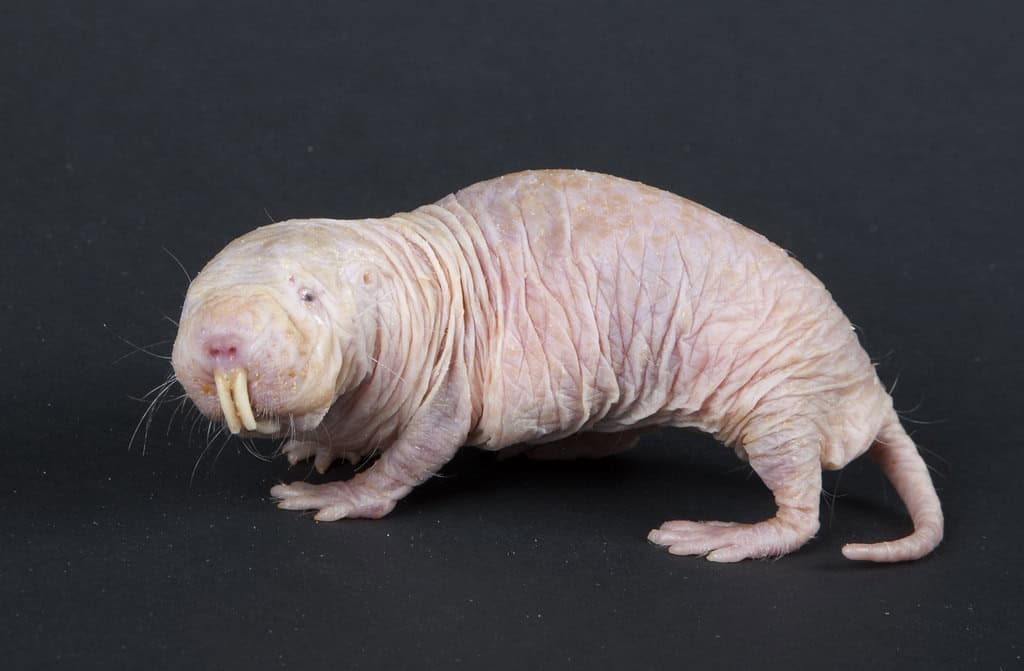
Naked mole rats (Heterocephalus glaber) possess a suite of survival adaptations that make them among the most extraordinary mammals on Earth. These social, subterranean rodents can live over 30 years—nearly 10 times longer than similarly sized rodents—and show virtually no signs of aging until very late in life. They appear almost immune to cancer due to unique cellular mechanisms, including a substance called high-molecular-mass hyaluronan that prevents cells from overcrowding and becoming cancerous. Perhaps most remarkably, naked mole rats can survive in extremely low-oxygen environments that would kill other mammals within minutes. They can live for hours in atmospheres with just 5% oxygen (compared to the 21% in normal air) and up to 18 minutes with no oxygen at all by switching their metabolism to run on fructose rather than glucose—the only known mammal able to do this. Additionally, they’re insensitive to certain types of pain and can thrive in colonies with carbon dioxide levels that would be toxic to other mammals, making them uniquely adapted to their challenging underground habitat.
2. Himalayan Jumping Spiders Life at the Top of the World
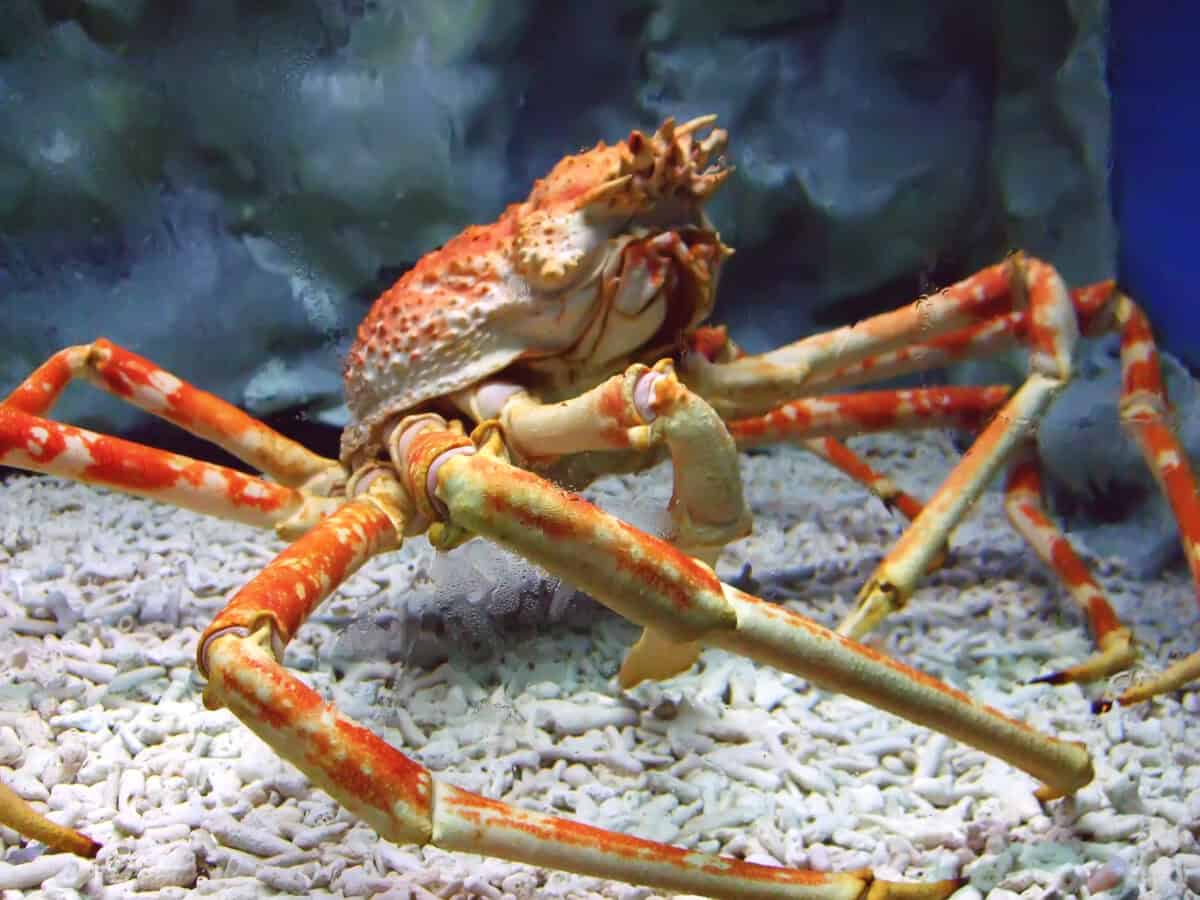
Euophrys omnisuperstes, the Himalayan jumping spider, holds the distinction of living at the highest altitude of any permanently-dwelling animal on Earth. These remarkable arachnids have been found at elevations up to 22,000 feet (6,700 meters) on Mount Everest, surviving in an environment where oxygen levels are just 40% of those at sea level, temperatures regularly plunge well below freezing, and ultraviolet radiation exposure is extreme. Their survival depends on specialized adaptations including antifreeze compounds in their blood, enhanced melanin production to protect against UV radiation, and specialized respiratory systems that extract maximum oxygen from the thin air. These tiny spiders (measuring just 5-6mm) feed on even smaller insects that are blown up the mountain by strong winds. Their name “omnisuperstes” appropriately translates to “standing above everything,” reflecting their unique ecological niche in one of Earth’s most challenging environments—a place where even specialized mountaineers require supplemental oxygen to survive for more than brief periods.
1. Axolotls The Self-Healing Marvels
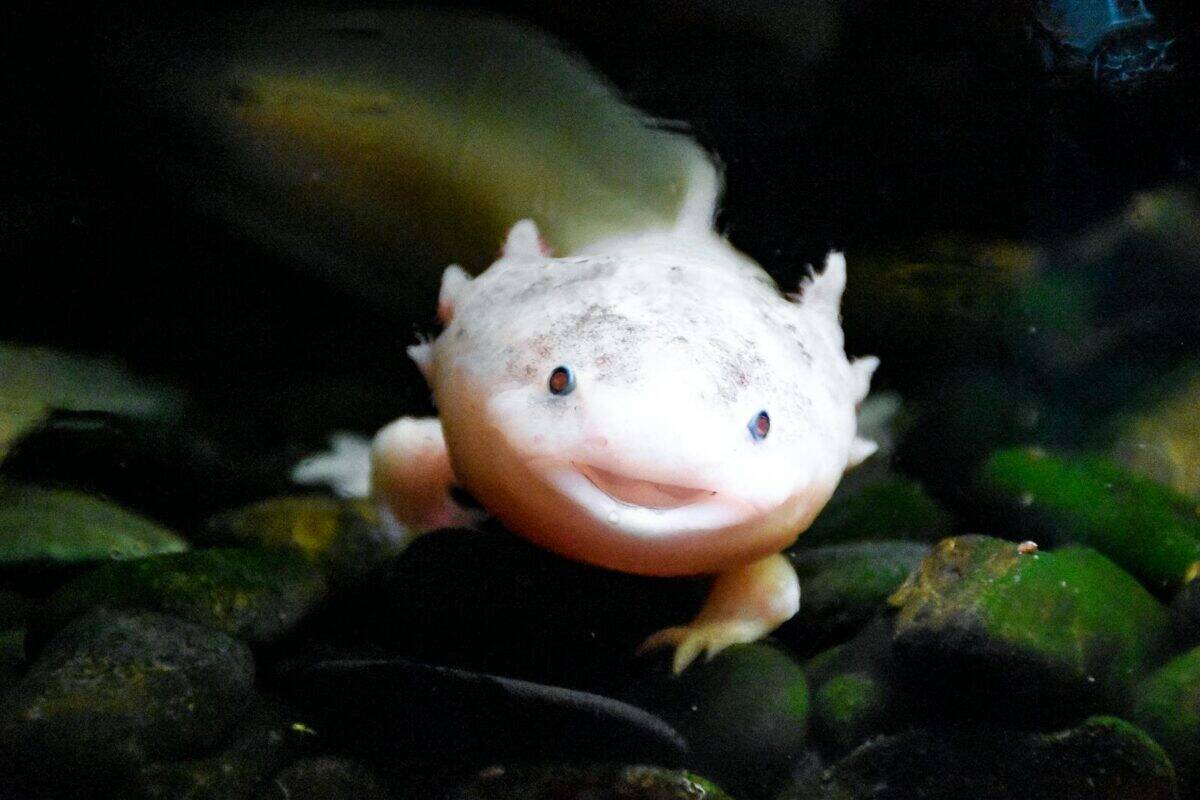
The axolotl (Ambystoma mexicanum), a rare and charismatic amphibian native to Mexico’s lake systems, is one of nature’s true biological marvels. Unlike most animals, axolotls can regenerate entire limbs, parts of their heart, spinal cord, brain, and even sections of their eyes—restoring them with full functionality and without any scarring. This incredible regenerative ability comes from their capacity to “rewind” mature cells back into a stem-cell-like state, allowing the formation of new tissues perfectly matched to what was lost. Axolotls remain in a juvenile, aquatic state throughout their lives due to a condition called neoteny, which may contribute to their unique healing powers. Researchers are studying axolotls intensively, hoping to unlock secrets that could revolutionize regenerative medicine and human healing. If science can replicate even a fraction of their abilities, it could pave the way for breakthroughs in treating spinal cord injuries, heart disease, and tissue damage.
Conclusion:
From the microscopic tardigrade that survives the vacuum of space to the Himalayan jumping spider thriving near Earth’s highest peaks, these 16 extraordinary creatures illuminate the astonishing resilience of life. Each has evolved unique adaptations—ranging from radiation resistance and self-induced hibernation to complete limb regeneration—that allow them to endure conditions that would be instantly fatal to most organisms. Their survival stories not only stretch the boundaries of what biology deems possible but also inspire groundbreaking research in fields like medicine, space exploration, and biotechnology. As we continue to uncover the secrets of these incredible organisms, they remind us of nature’s unmatched ingenuity and the profound adaptability that underpins life on Earth—and perhaps, beyond it.

As a little kid, I fell in love with nature, wildlife, and animals. Living in the USA, South Africa, Italy, China and Germany gave me the opportunity to discover the world's Wildlife. My favorite animals are Mountain Gorillas, Siberian Tigers, and Great White Sharks.
I'm a certified PADI Open Water Diver, went to Everest Base Camp and Trekked Gorillas in Uganda. I hold a Master of Science in Economics and Finance.
Please send any feedback to feedback@animalsaroundtheglobe.com
- 11 Most Endangered Insects Buzzing in America Today - July 22, 2026
- 10 Most Frequently Googled Animal Birth Facts - July 22, 2026
- 10 Incredible Migration Journeys in the Animal Kingdom - July 22, 2026