


Otters are among the most endearing creatures in the animal kingdom, captivating people worldwide with their playful antics and expressive faces. These semi-aquatic mammals belong to the Mustelidae family, alongside badgers, weasels, and wolverines, but seem to have cornered the market on charisma. With 13 species found across rivers, lakes, oceans, and coastlines around the world, otters have developed fascinating adaptations and behaviors that make them not just adorable, but truly remarkable animals. Whether they’re floating on their backs while cracking shells on their bellies or holding paws while sleeping, otters have a special way of melting our hearts. Let’s dive into ten utterly delightful facts about these captivating creatures that are sure to bring a smile to your face.
They Hold Hands While Sleeping

Perhaps one of the most heart-melting behaviors of sea otters is their habit of holding hands (or paws) while sleeping. This adorable practice, called “rafting,” serves a practical purpose beyond just being cute. Sea otters sleep floating on their backs in the water, and to prevent themselves from drifting apart during sleep or being carried away by currents, they’ll often intertwine paws with their companions. Sometimes entire groups of otters—called rafts—will link up this way, creating floating chains of sleeping otters. This behavior helps ensure they stay together as a group and don’t drift off while in their slumber. Mother otters also hold their pups on their bellies while sleeping to keep them warm and safe, further adding to their reputation for being exceptionally nurturing animals.
Otters Have Built-in Pockets

Otters have evolved a practical and utterly charming adaptation: loose pouches of skin under their forearms where they store their favorite rocks and food items. These natural “pockets” allow otters to tuck away their most precious tools—particularly the rocks they use to crack open shellfish—while diving for more food. This means they don’t have to return to shore to retrieve their tools between dives, making their foraging more efficient. Sea otters are especially known for having a “favorite” rock that they may keep for their entire lives, storing it securely in their underarm pouch. Some otters have even been observed playing with their rocks during downtime, rolling and tossing them around in an endearing display of what appears to be both tool appreciation and playfulness.
Their Fur Is Incredibly Dense

Otters possess the densest fur of any animal on the planet, with up to one million hairs per square inch in some species. This remarkably plush coat serves a critical purpose: it traps air bubbles against their skin, providing insulation that keeps them warm in often frigid waters. Unlike many marine mammals that rely on blubber for insulation, otters depend entirely on their fur to maintain body temperature. This dense fur consists of two layers: a waterproof outer layer of guard hairs and an incredibly soft, dense underfur that creates the insulating air pocket. The density is so remarkable that if you were to scale human hair to match otter fur density, we would have over 30 million hairs on our heads! Unfortunately, this luxurious coat made otters targets for the fur trade, which drove many populations to near-extinction before protective measures were implemented.
Otters Are Tool-Using Experts

Otters are among the few mammal species known to use tools regularly in the wild, demonstrating remarkable intelligence and adaptability. Sea otters, in particular, are famous for using rocks as anvils to crack open shellfish, clams, mussels, and other hard-shelled prey. They’ll float on their backs, place the rock on their chest, and repeatedly smash the shellfish against it until the shell breaks open. What’s particularly fascinating is that different otter populations have developed distinct tool-using techniques based on their local food sources and environments—essentially creating regional cultures of tool use. Some otters have even been observed using empty shells as impromptu bowls or containers. This sophisticated tool use requires significant problem-solving abilities and is passed down from mother to pup, representing a form of cultural transmission that was once thought unique to humans and a few other primates.
Baby Otters Are Called Pups

Otter babies, adorably known as “pups,” are born helpless and completely dependent on their mothers. Newborn otter pups cannot swim naturally and must be taught this essential skill by their mothers in a process that resembles swimming lessons. Mother otters are incredibly dedicated parents, carrying their pups on their bellies to keep them dry and warm while swimming. They will also “fluff” their babies by blowing air into their fur to help them float better during swimming lessons. Pups stay with their mothers for six months to a year, depending on the species, learning crucial survival skills like hunting, grooming, and tool use. Perhaps most heart-warming is the sound baby otters make—a high-pitched squeal or whistle that has been compared to a seabird’s call—when they want attention from their mothers, a sound that’s nearly impossible not to find endearing.
Otters Play Just For Fun

Otters are notorious for their playful nature, engaging in activities that appear to serve no purpose other than sheer enjoyment. They’ve been observed repeatedly sliding down muddy or snowy riverbanks, sometimes creating “water slides” that they’ll use over and over again with apparent glee. They chase each other in elaborate games of tag, toss stones and sticks in the air, and even engage in water games where they dunk and splash each other. This playfulness isn’t just cute—it serves important developmental functions, helping young otters build strength, coordination, and social bonds. Even adult otters maintain this playful spirit throughout their lives, suggesting play has inherent value beyond just practice for hunting. Researchers believe their intelligence and curiosity drive this play behavior, making otters among the most naturally joyful creatures in the animal kingdom.
Otters Are Excellent Communicators

Despite their adorable appearance, otters are surprisingly vocal and have a complex communication system. They produce a remarkable variety of sounds including chirps, whistles, grunts, growls, and even screams. Mother otters and their pups communicate constantly, with distinct calls that help them locate each other if separated. Some species, like North American river otters, have up to 12 different vocalizations with specific meanings. Beyond vocalizations, otters communicate through body language and scent marking. They have special glands that produce musky secretions used to mark territory and communicate reproductive status. This sophisticated communication system helps maintain their social structures, which range from the solitary habits of some river otter species to the highly social rafts formed by sea otters. Their expressive faces and bodies make their emotions surprisingly easy for humans to read, adding to their charm.
They’re Ecological Engineers

Beyond their cute factor, otters play a crucial role in maintaining healthy aquatic ecosystems. Sea otters, in particular, are considered a keystone species because they help control sea urchin populations, which would otherwise overgraze on kelp forests. By protecting kelp forests, otters indirectly support countless other marine species that depend on these underwater ecosystems for food and shelter. The presence of otters can increase biodiversity and even help mitigate the effects of climate change, as healthy kelp forests sequester carbon dioxide. River otters similarly benefit freshwater ecosystems by controlling populations of certain fish species and other prey, helping maintain ecological balance. Their activities, including digging and creating dens, can physically alter habitats in ways that benefit other species. This combination of ecological importance and irresistible charm makes otters perfect ambassadors for conservation efforts focused on protecting aquatic environments.
Otters Have Incredibly Fast Metabolisms

Behind their playful exterior, otters are metabolic marvels. They have extremely high metabolic rates—up to 2-3 times faster than land mammals of similar size—which allows them to generate enough body heat to survive in cold water. This supercharged metabolism means they need to consume approximately 15-25% of their body weight in food every day. For a 50-pound sea otter, that’s up to 12 pounds of food daily! To fuel this incredible energy requirement, otters spend much of their day hunting and eating. Their diet varies by species but generally includes fish, shellfish, crustaceans, and occasionally small mammals or birds. This constant need for calories explains their seemingly endless energy and activity levels. It also means they’re almost always on the lookout for their next meal, contributing to their reputation as skilled and determined hunters. This high metabolism is why injured or sick otters can deteriorate quickly if unable to feed properly, making rapid rehabilitation crucial for rescued animals.
Otters Have Underwater “Wardrobes”
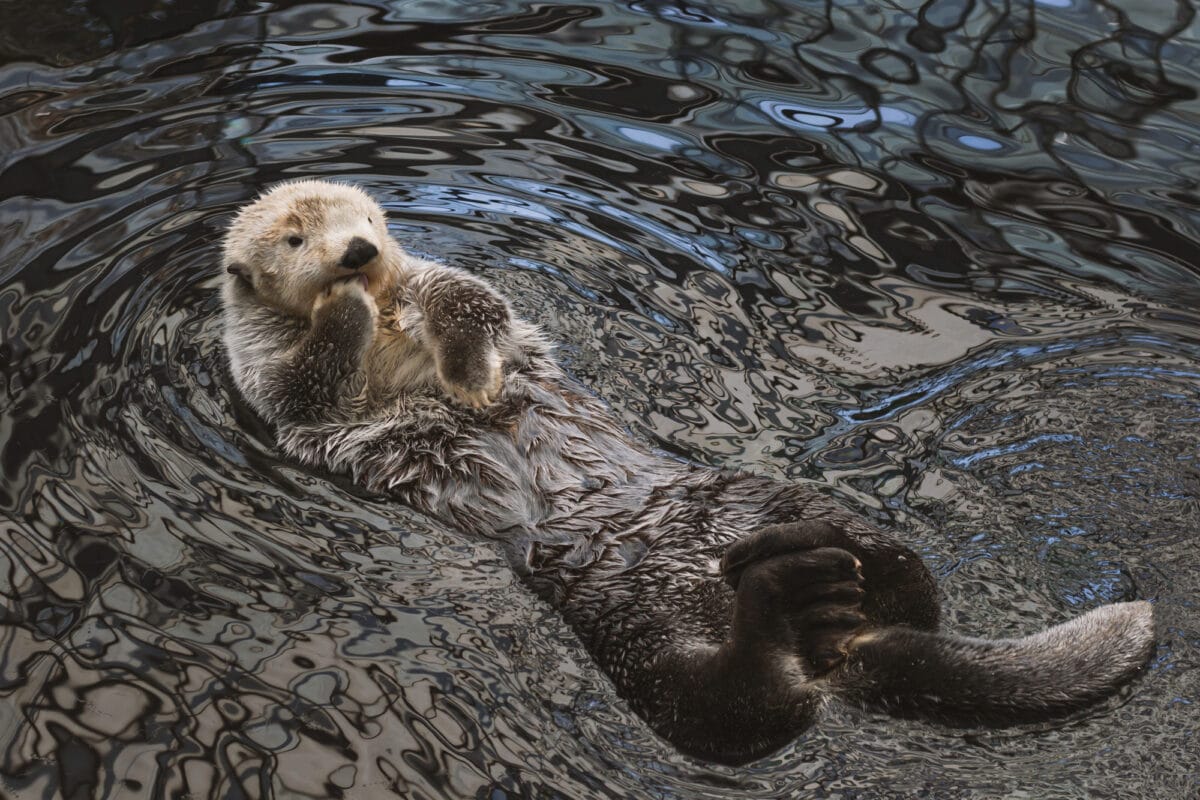
In one of their most endearing behaviors, sea otters have been observed wrapping themselves in kelp or seaweed while resting on the water’s surface. This natural “blanket” helps anchor them in place while sleeping or resting, preventing them from drifting away with the currents. Some otters develop preferences for particular types of kelp or seaweed, essentially creating personalized “wardrobes” from marine vegetation. Beyond just anchoring, this behavior may also provide camouflage from predators like orcas or sharks that might be swimming below. Mother otters sometimes wrap their pups in seaweed as well, creating a secure “cradle” while they dive for food. This ingenious use of natural materials demonstrates the otters’ remarkable adaptability and problem-solving abilities. Wildlife photographers have captured countless heart-warming images of otters wrapped snugly in their kelp blankets, eyes closed in apparent contentment—a perfect example of how these animals thrive through a combination of intelligence and adorable behaviors.
They Have Highly Sensitive Whiskers

Otters possess extraordinarily sensitive whiskers (vibrissae) that function as sophisticated sensory tools, especially when hunting in murky or dark waters. These specialized hairs can detect minute changes in water currents and pressure, allowing otters to locate prey even when visibility is poor. The whiskers are connected to a rich supply of nerves and blood vessels, making them remarkably sensitive to touch and movement. This adaptation is particularly important for species like the sea otter, which often hunts in kelp forests where visibility can be limited, or river otters that frequently search for prey in sediment-clouded waters. Their whiskers are so sensitive that they can detect the movement of fish swimming nearby or even identify objects buried under sand or mud. When otters appear to be “whisker twitching”—rapidly moving their whiskers back and forth—they’re actively scanning their environment, using these remarkable sensory organs to build a detailed map of their surroundings through touch rather than sight.
Otters have earned their place as one of nature’s most beloved creatures through a perfect combination of intelligence, adaptability, playfulness, and undeniable charm. Their remarkable features—from their tool use to their hand-holding habits—reveal animals that are not just adorable but ecologically vital and behaviorally complex. As we learn more about these captivating mammals, we gain a deeper appreciation for the sophisticated ways they’ve adapted to their watery worlds while never seeming to lose their sense of joy. Conservation efforts to protect otter populations are crucial not only for maintaining healthy aquatic ecosystems but also for preserving these living embodiments of playfulness and resilience. Whether they’re cracking shells on their bellies, wrapping themselves in kelp blankets, or simply floating peacefully while holding paws, otters remind us of the wonder and delight that can be found in the natural world when we take the time to observe it.

- The Animals With the Best Memory Skills in the Wild - August 2, 2026
- 10 Adorable Facts About Otters That Will Make You Smile - August 2, 2026
- How Snowy Owls End Up as Far South as the U.S. Midwest - August 2, 2026
Leave a comment
You must be logged in to post a comment.