


Otters, with their playful demeanor and charismatic presence, have captured the hearts of wildlife enthusiasts worldwide. These semi-aquatic mammals, belonging to the Mustelidae family, navigate through increasingly challenging environments as human activities and climate change reshape their habitats. Despite their adaptability, otters face numerous threats that have led to population declines across many species. From the sea otters of the Pacific coast to the river otters of inland waterways, these remarkable creatures encounter obstacles that test their resilience in our rapidly changing world. This article explores the multifaceted challenges otters face globally, highlighting both the immediate threats and long-term conservation concerns that will determine their future survival.
Habitat Loss and Fragmentation

One of the most significant threats to otter populations worldwide is the relentless loss and fragmentation of their habitats. Coastal development, deforestation, and agricultural expansion have dramatically reduced suitable otter territories. Riparian zones—the critical interface between land and water where many otter species thrive—are being destroyed at alarming rates. For instance, the small-clawed otter in Southeast Asia has lost over 30% of its habitat in the past three decades due to the conversion of natural wetlands to palm oil plantations and rice fields. Meanwhile, in Europe, the Eurasian otter has faced extensive habitat fragmentation as rivers are channelized and floodplains developed, isolating otter populations and limiting genetic exchange.
Water Pollution and Quality Degradation

Otters’ intimate relationship with aquatic environments makes them particularly vulnerable to water pollution. Industrial chemicals, agricultural runoff, and untreated sewage contaminate waterways where otters hunt and live. Persistent organic pollutants (POPs) such as PCBs and DDT accumulate in the food chain, reaching toxic levels in otters positioned as top predators. Research in the United Kingdom has shown that these contaminants contribute to reproductive failure and immune suppression in Eurasian otters. Similarly, in California, sea otters suffer from exposure to domoic acid, a neurotoxin produced by algal blooms fueled by agricultural runoff and climate change. Water pollution not only directly harms otters but also reduces prey availability, creating a cascade of negative effects throughout their ecosystem.
Climate Change Impacts

Climate change represents an escalating threat to otter populations globally. Rising sea levels threaten coastal habitats of sea otters, while increasing water temperatures alter the distribution and abundance of prey species. Extreme weather events, including floods and droughts, disrupt otter territories and feeding patterns. For river otters, prolonged droughts can drastically reduce available hunting grounds and force dangerous overland travel between disconnected water bodies. In Arctic regions, the North American river otter faces challenges as warming temperatures alter ice formation patterns, affecting their ability to access food resources and den sites during winter months. Climate change also exacerbates the spread of pathogens and parasites that can infect otter populations with limited previous exposure and immunity.
Hunting and Poaching Pressures

Despite protective legislation in many countries, illegal hunting and poaching continue to threaten otter populations worldwide. The lucrative international trade in otter pelts drives much of this illegal activity, particularly targeting the smooth-coated otter and Asian small-clawed otter. In recent years, a disturbing trend has emerged: otters are increasingly captured for the exotic pet trade, especially in Southeast Asia and Japan. All 13 otter species are now listed in either Appendix I or II of the Convention on International Trade in Endangered Species (CITES), reflecting the severity of this threat. In South America, giant otters are occasionally killed by local fishermen who perceive them as competition for fish resources, highlighting the human-wildlife conflict dimension of otter conservation challenges.
Fisheries Interactions and Bycatch
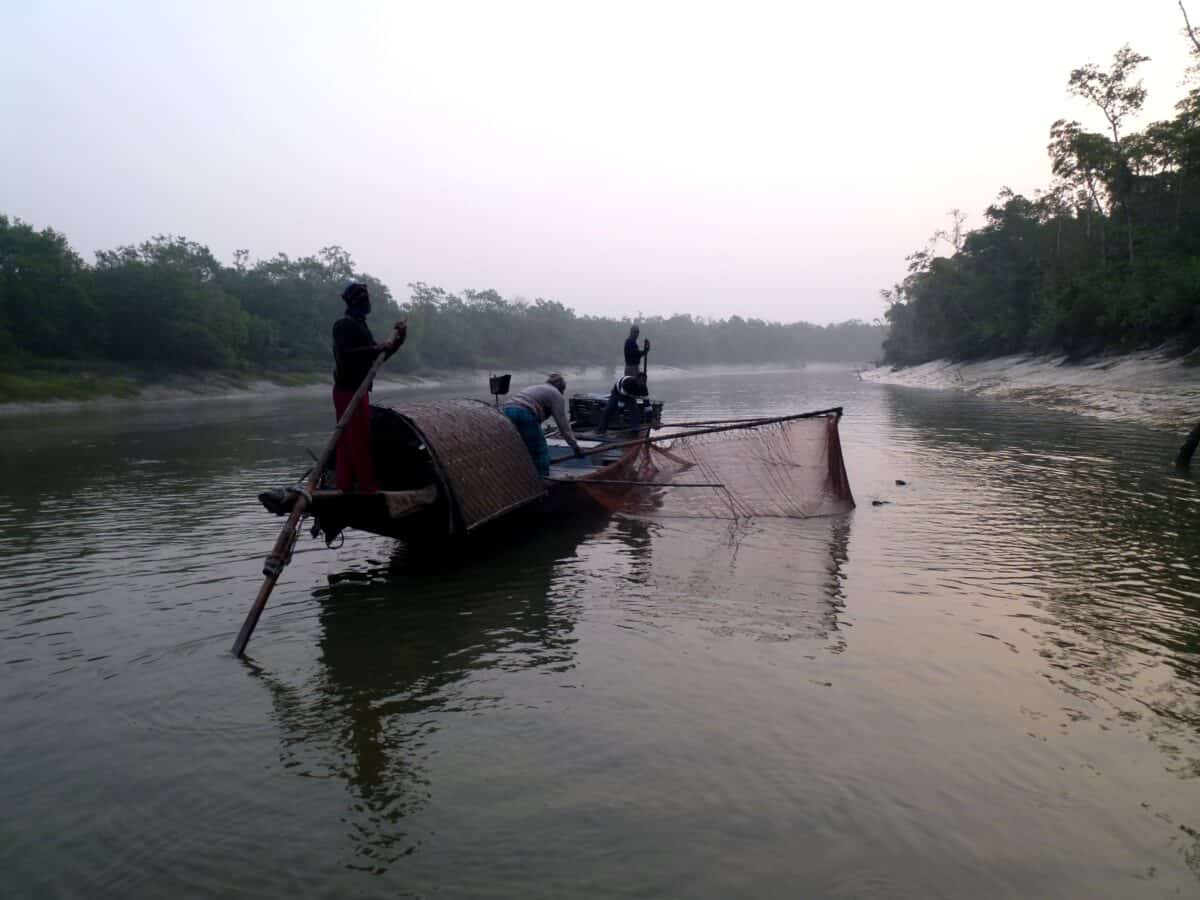
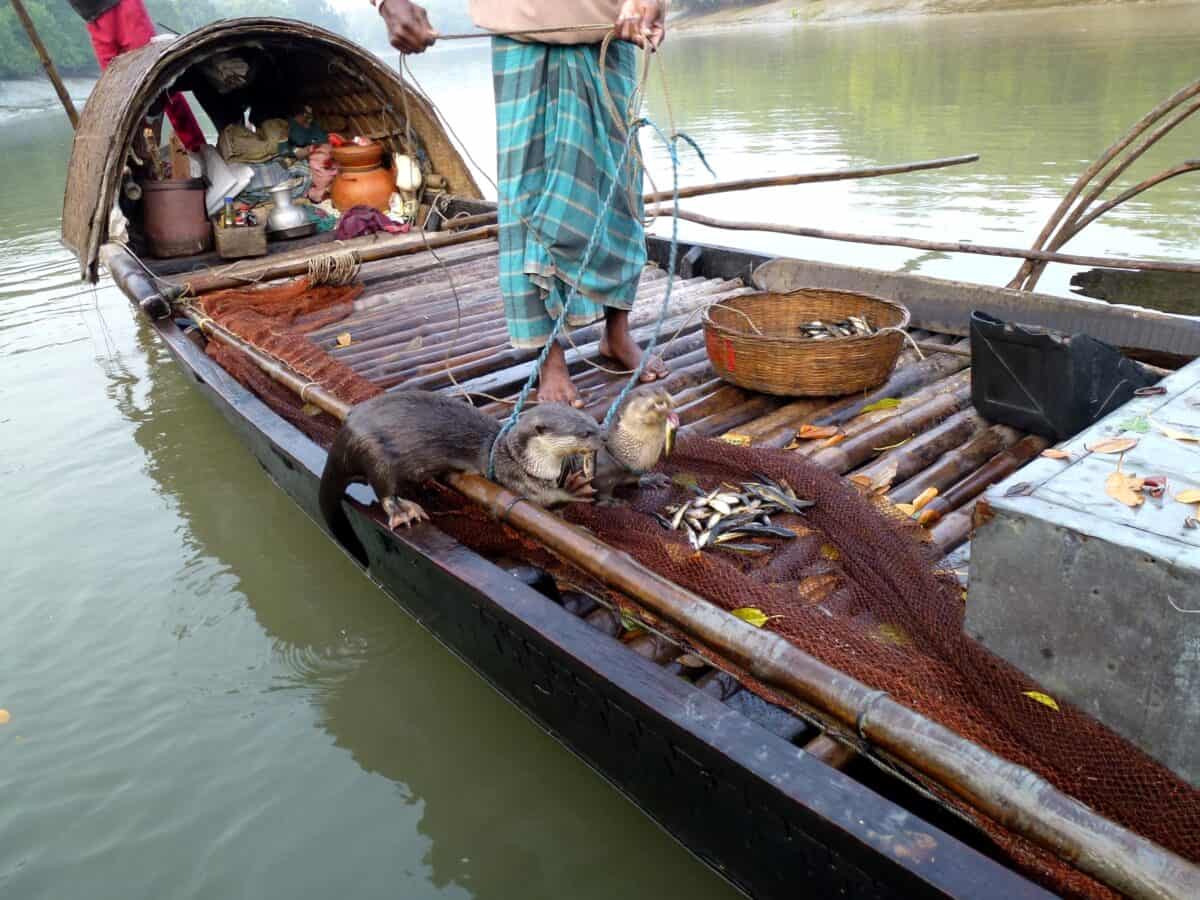
Interactions with fishing industries pose significant threats to otter survival. Sea otters often become entangled in fishing gear, including crab pots and gill nets, leading to drowning deaths. The International Union for Conservation of Nature (IUCN) estimates that bycatch mortality accounts for up to 15% of sea otter deaths in some regions. For river otters, fishing practices like dynamite fishing and electrofishing not only kill otters directly but also destroy their prey base. Additionally, competition with commercial and recreational fisheries can lead to resource depletion and human-wildlife conflicts. In parts of Europe and Asia, otters are sometimes persecuted by fish farm operators and anglers who view them as competitors, despite studies showing that otters typically consume non-commercial fish species and actually help maintain healthy fish populations by removing diseased individuals.
Road Mortality and Infrastructure Development
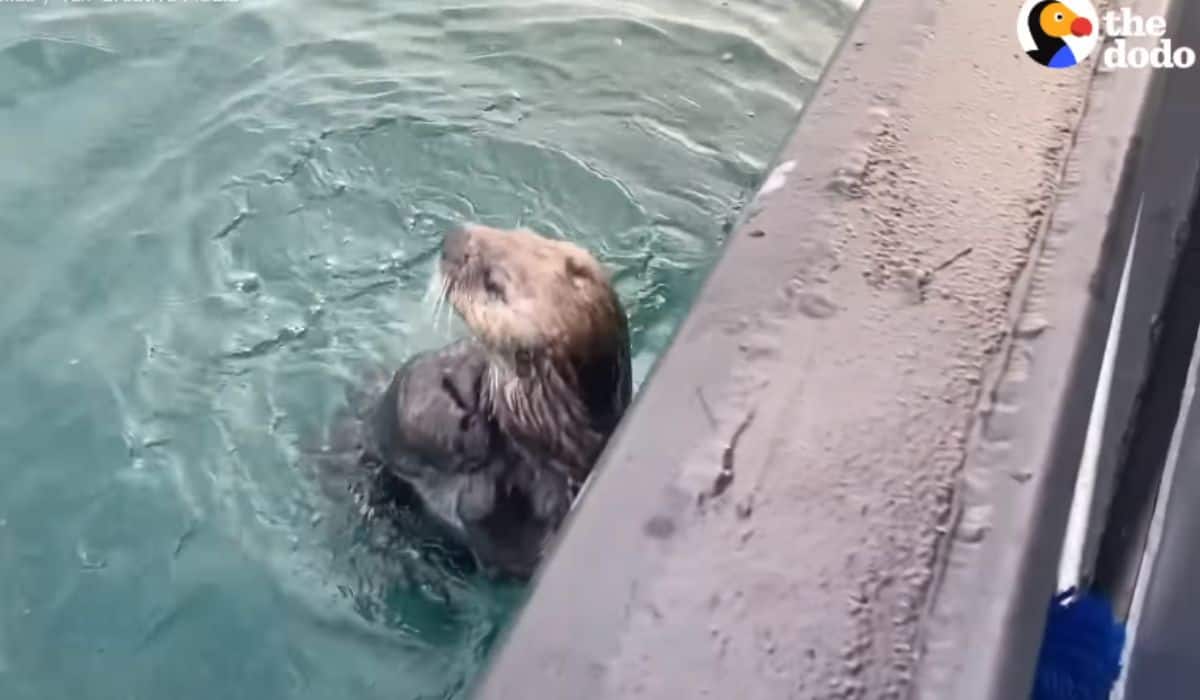
The expansion of transportation networks has created deadly barriers for otters as they move between water bodies. Road mortality is a leading cause of death for Eurasian otters in the United Kingdom and continental Europe, with studies indicating that up to 80% of otter deaths in some regions result from vehicle collisions. Otters frequently travel along waterways and must cross roads when culverts or bridges are unsuitable for passage. Dam construction presents another significant challenge, fragmenting river habitats and altering flow regimes critical for otter survival. Hydroelectric development in South America threatens giant otter populations by flooding vast areas of habitat and disrupting fish migration patterns that otters depend upon. Infrastructure development often fails to incorporate wildlife passages or other mitigation measures that could significantly reduce impacts on otter populations.
Disease and Pathogen Exposure
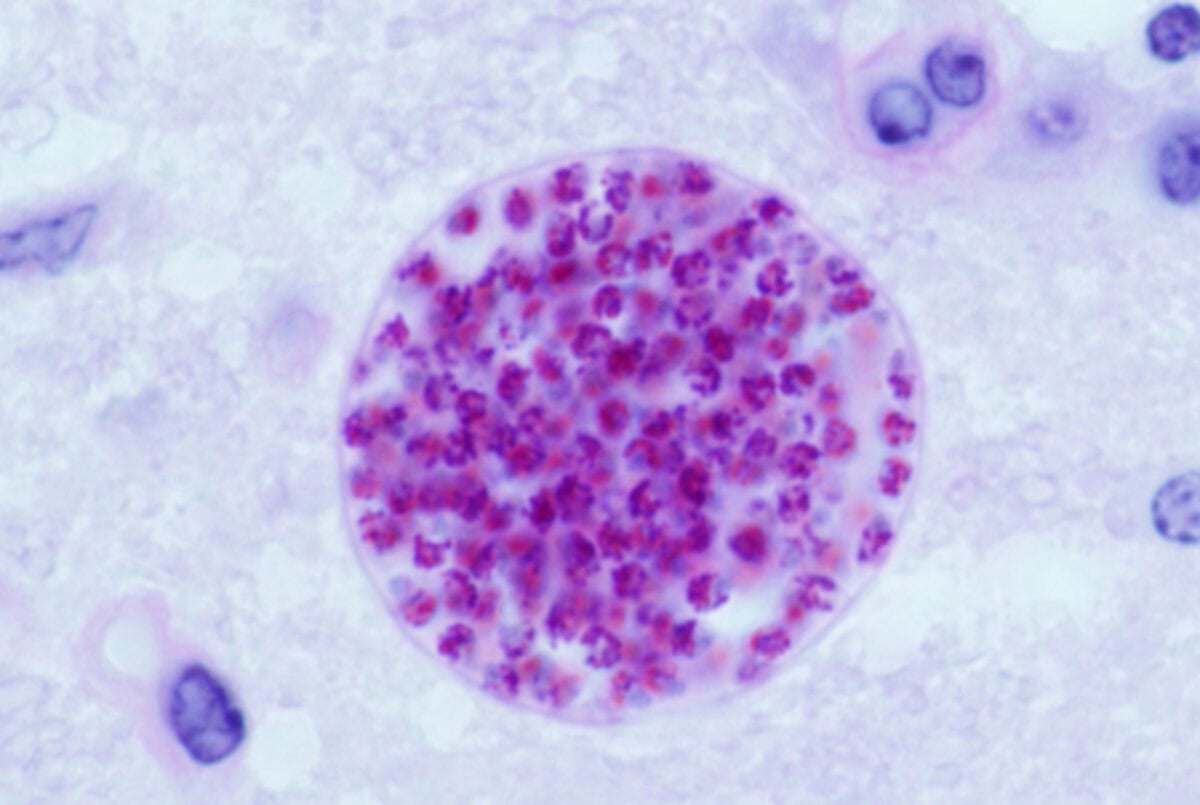
Disease represents an increasing threat to otter populations globally. Sea otters along the California coast have suffered significant mortality from parasitic infections caused by Toxoplasma gondii, which enters marine ecosystems through contaminated runoff from land. This parasite, originating from domestic cat feces, causes brain infections that can be fatal to otters. In the United Kingdom, Eurasian otters face threats from canine distemper virus and parasitic lung worms. Climate change and habitat degradation exacerbate disease risk by increasing stress on otter populations and facilitating the spread of pathogens into new areas. The potential for disease transmission increases when otters are forced into smaller habitat fragments with higher population densities, creating conditions ripe for outbreaks that can devastate already vulnerable populations.
Invasive Species Competition
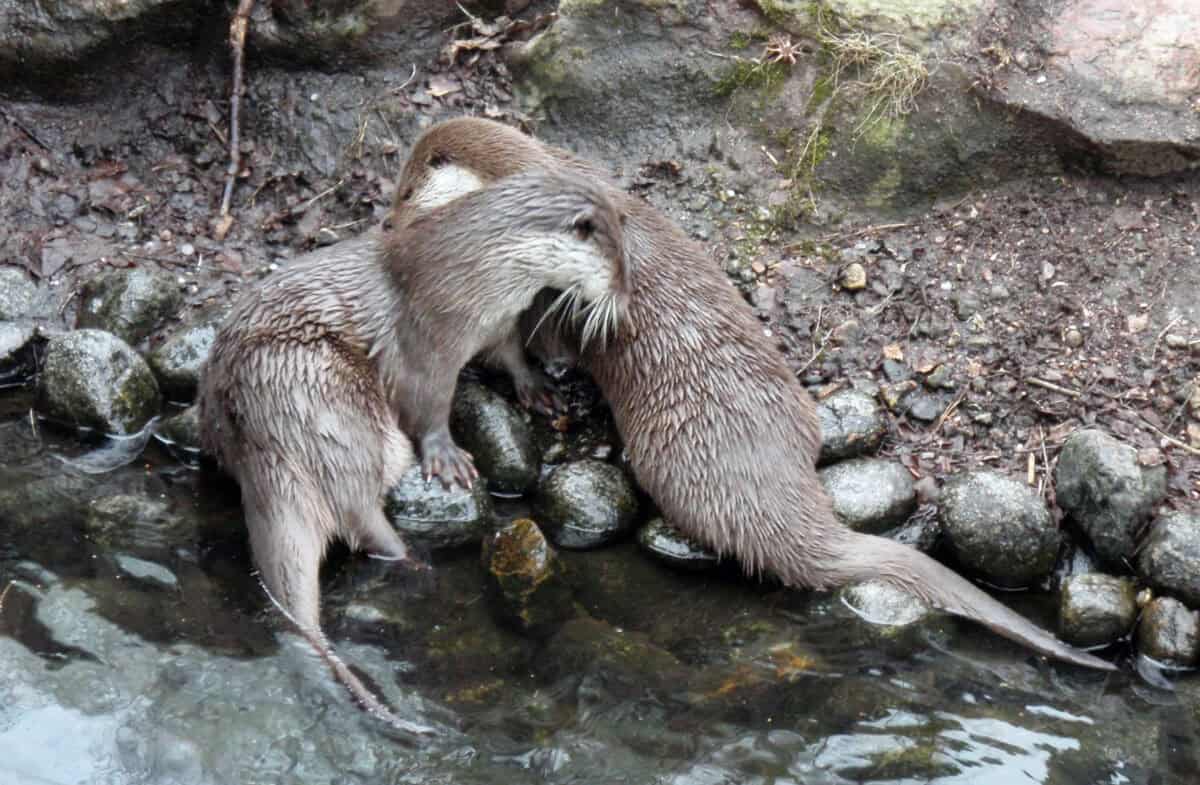
Invasive species pose a growing threat to otter populations through competition for resources and habitat alteration. In the United Kingdom, the introduced American mink competes directly with the native Eurasian otter for territory and prey. In Florida, invasive pythons consume similar prey to river otters and occasionally prey on young otters themselves. Invasive fish species can alter aquatic ecosystems by outcompeting native fish that otters typically hunt, reducing prey availability. Non-native crayfish species, such as the red swamp crayfish in Europe, can dominate waterways and carry diseases that affect native crayfish populations—a critical food source for many otter species. The complex interactions between invasive species and otters often result in habitat degradation and reduced carrying capacity for otter populations, creating additional pressure on already stressed populations.
Plastic Pollution and Marine Debris

The global crisis of plastic pollution has not spared otters from its impacts. Sea otters are particularly vulnerable to entanglement in plastic debris such as six-pack rings, fishing line, and plastic bags. Microplastics have been found in the digestive systems of otters and their prey, potentially causing internal injuries and toxic exposure. A study of river otter scat in the Pacific Northwest found microplastic particles present in 80% of samples examined. Plastic pollution also degrades habitat quality and can transport invasive species and pathogens into otter territories. For coastal otter populations, oil spills remain a devastating threat, with the 1989 Exxon Valdez spill in Alaska killing thousands of sea otters through direct oil exposure, which destroys the insulating properties of their fur, leading to hypothermia and death.
Human Disturbance and Tourism Impacts
As nature tourism grows in popularity, human disturbance has become a significant concern for otter conservation. Ecotourism focusing on otter viewing, while potentially beneficial for raising awareness, can disrupt feeding, grooming, and reproductive behaviors if not properly managed. Studies in protected areas have documented otters abandoning dens and altering activity patterns in response to consistent human presence. Recreational activities like boating, kayaking, and fishing can disturb otters during sensitive periods such as breeding season or when raising young. In the United Kingdom, researchers have observed Eurasian otters shifting to more nocturnal activity patterns in areas with high human visitation. Finding the balance between promoting appreciation for these charismatic animals while minimizing disturbance remains a challenging aspect of otter conservation.
Conservation Challenges and Limited Resources

Otter conservation faces numerous practical challenges beyond the direct threats to populations. Limited funding for research and monitoring makes it difficult to track population trends and identify emerging threats. Many otter species inhabit developing nations where conservation infrastructure is limited, and economic pressures often prioritize development over environmental protection. The elusive nature of most otter species complicates research efforts, with some species like the Congo clawless otter so rarely observed that basic ecological data remains sparse. International coordination is essential for migratory or transboundary otter populations, yet political and logistical barriers often impede effective collaboration. Despite these challenges, conservation organizations like the IUCN Otter Specialist Group work to coordinate global efforts, share knowledge, and implement evidence-based conservation strategies across otter ranges.
Success Stories and Hope for the Future

Despite the numerous challenges otters face, conservation success stories provide hope for their future. The sea otter’s recovery along parts of the California coast demonstrates the resilience of these animals when protected from hunting and supported through rehabilitation programs. In the United Kingdom, the Eurasian otter has made a remarkable comeback since the 1970s, when water quality improvements and habitat protection efforts began to reverse decades of decline. Community-based conservation initiatives in parts of Southeast Asia have successfully engaged local stakeholders in protecting habitats for small-clawed otters while providing sustainable livelihoods. Technological innovations such as wildlife crossings under roadways have reduced otter mortality in several European countries. These successes highlight the potential for recovery when conservation efforts address multiple threats simultaneously and engage diverse stakeholders in finding solutions that benefit both otters and human communities.
Otters around the world face a complex web of challenges that threaten their survival in our rapidly changing environment. From habitat loss and pollution to climate change and direct persecution, these charismatic mammals navigate human-dominated landscapes with increasing difficulty. The future of otter populations depends on coordinated conservation efforts that address these multifaceted threats while recognizing the ecological, cultural, and economic value these animals provide. As sentinels of aquatic ecosystem health, otters offer a compelling focal point for broader conservation initiatives that benefit countless other species sharing their habitats. By supporting research, habitat protection, and sustainable development practices, we can ensure that future generations will continue to witness the playful splash of otters in healthy waterways across the globe.

- The Struggles Otters Face in a Changing World - August 5, 2026
- The Most Popular Rabbit Breeds in U.S. Homes - August 5, 2026
- 11 Craters That Reveal Earth’s Violent Past - August 5, 2026
Leave a comment
You must be logged in to post a comment.