
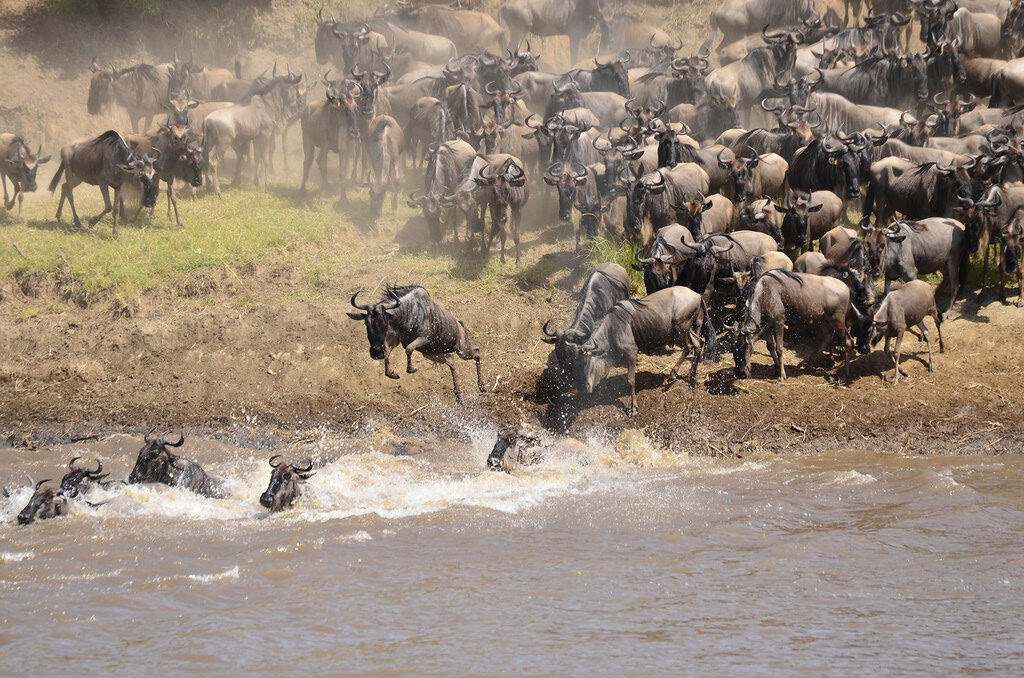
In a world increasingly fragmented by human development, wildlife populations face unprecedented challenges in maintaining their natural migration patterns. Roads, cities, agriculture, and other infrastructure create barriers that isolate animal populations, threatening their genetic diversity and long-term survival. Wildlife corridors have emerged as a critical conservation strategy to reconnect these fragmented landscapes and allow animals to move safely between habitats. These pathways are not just beneficial—they’re often essential for species that depend on seasonal migrations for food, breeding, and survival. From towering overpasses spanning highways to humble culverts beneath roads, wildlife corridors are diverse in form but unified in purpose: helping animals navigate our human-dominated world while preserving their ancient migratory instincts and routes.
Understanding Wildlife Corridors: Definition and Purpose

Wildlife corridors are protected routes that allow animals to move safely between patches of habitat that have been fragmented by human activities. These corridors serve as lifelines, connecting isolated populations and enabling natural migration patterns to continue despite human development. They range from narrow strips of preserved vegetation between urban areas to vast protected landscapes connecting national parks. The primary purpose of wildlife corridors is to counteract habitat fragmentation, which is one of the leading causes of biodiversity loss worldwide. By providing safe passage, these corridors help maintain genetic diversity within animal populations, allow for seasonal migrations, provide escape routes from predators or natural disasters, and support adaptation to climate change by allowing species to shift their ranges in response to changing conditions. Without these crucial connections, many species would face increased risk of local extinction as their populations become smaller, more isolated, and less genetically diverse.
The Ecological Importance of Animal Migration

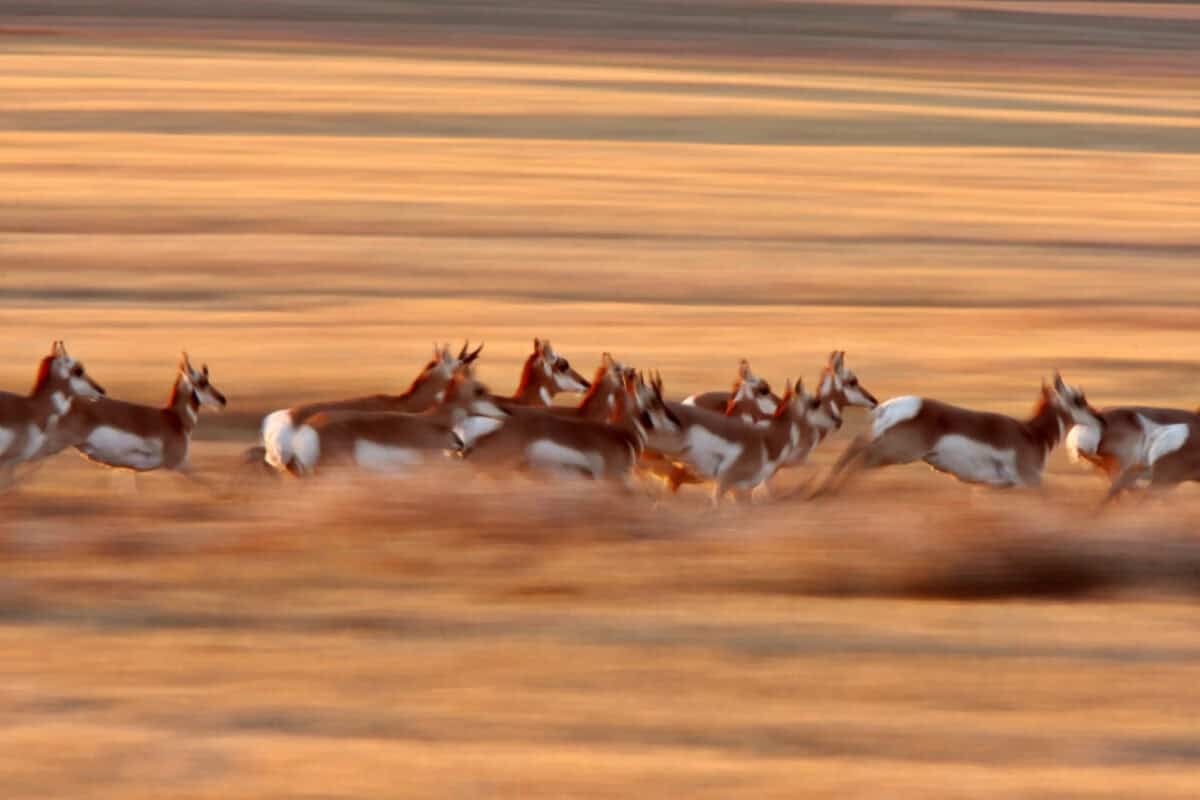
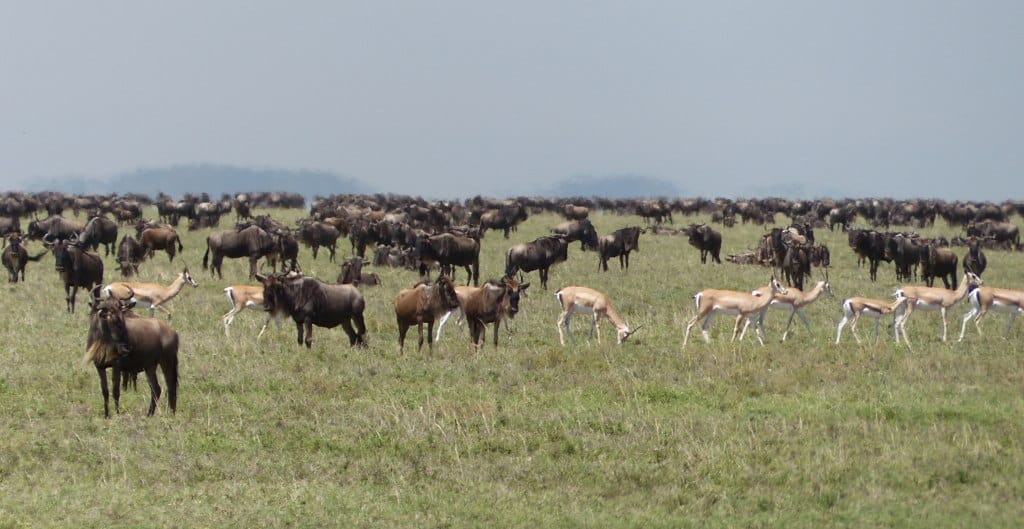
Migration is a fundamental ecological process that has evolved over millions of years. Many species undertake seasonal journeys spanning hundreds or thousands of miles to find food, breeding grounds, or more favorable climate conditions. These migrations are not merely fascinating behaviors—they’re vital ecological processes that maintain ecosystem health and function. When animals migrate, they transport nutrients between ecosystems, disperse seeds, pollinate plants, and regulate prey populations across landscapes. The pronghorn antelope’s 170-mile journey through Wyoming, the monarch butterfly’s multi-generational trek across North America, and the wildebeest migration across the Serengeti are all examples of migrations that shape and sustain their respective ecosystems. When these migrations are disrupted by habitat fragmentation, the consequences ripple throughout entire ecological communities. Wildlife corridors help preserve these crucial ecological processes by ensuring that migratory pathways remain open and accessible, maintaining the intricate web of interactions that sustains biodiversity.
Types of Wildlife Corridors: From Overpasses to Riparian Pathways

Wildlife corridors come in many forms, each designed to address specific challenges and meet the needs of different species. Overpasses are among the most visible and impressive—these vegetated bridges span highways, providing safe passage for large mammals like elk, deer, and bears. Their counterparts, underpasses and culverts, allow animals to pass beneath roads and are particularly useful for species that prefer covered environments. Riparian corridors follow rivers and streams, providing natural pathways through landscapes while also protecting water quality. Linear corridors, such as hedgerows and fencerows in agricultural areas, offer cover and passage for smaller creatures. In urban environments, greenways and park connectors serve as corridors for birds and adaptable mammals. In marine environments, protected migration routes help sea turtles, whales, and other marine life navigate between feeding and breeding grounds. Each type of corridor addresses specific barriers to movement and is designed with target species in mind, though many end up benefiting a wide range of wildlife beyond their intended beneficiaries.
Success Stories: Wildlife Corridors That Have Made a Difference
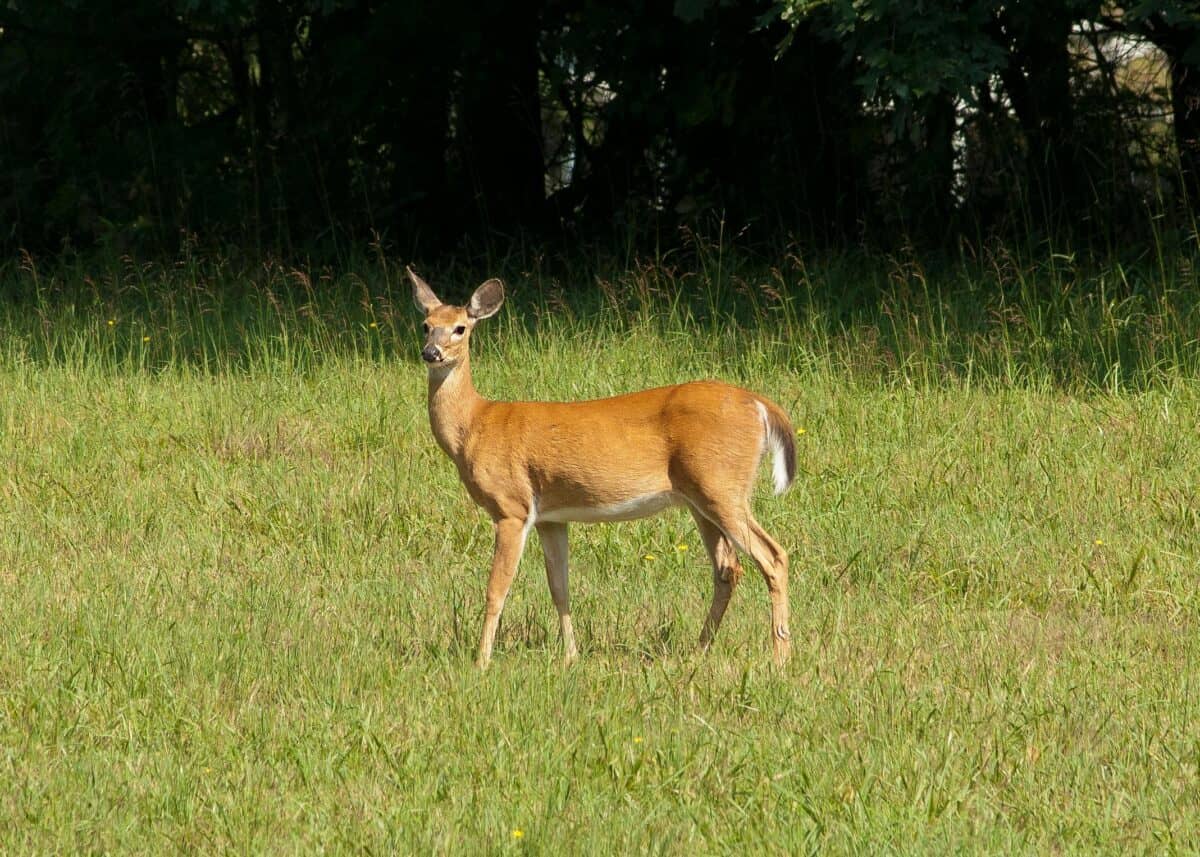
The effectiveness of wildlife corridors is demonstrated by numerous success stories worldwide. The Banff Wildlife Crossings in Canada stand as perhaps the most famous example—a system of 44 crossing structures along the Trans-Canada Highway that has reduced wildlife-vehicle collisions by more than 80% and been used by over 200,000 animals since their construction began in the 1980s. In the Netherlands, the Natuurbrug Zanderij Crailoo (sand quarry natural bridge) is one of the world’s longest wildlife overpasses at 800 meters, connecting nature reserves and allowing the movement of deer, wild boar, and countless smaller species. The Yellowstone to Yukon Conservation Initiative (Y2Y) represents one of the most ambitious corridor projects, working to create and maintain connected habitat across a 2,000-mile stretch of North America. In Florida, underpasses for the endangered Florida panther have reduced road mortality by 95% in key areas. These examples show that when properly designed and maintained, wildlife corridors can dramatically improve connectivity and survival rates for migrating animals while reducing dangerous wildlife-vehicle collisions.
The Challenge of Fragmentation: How Human Development Disrupts Migration

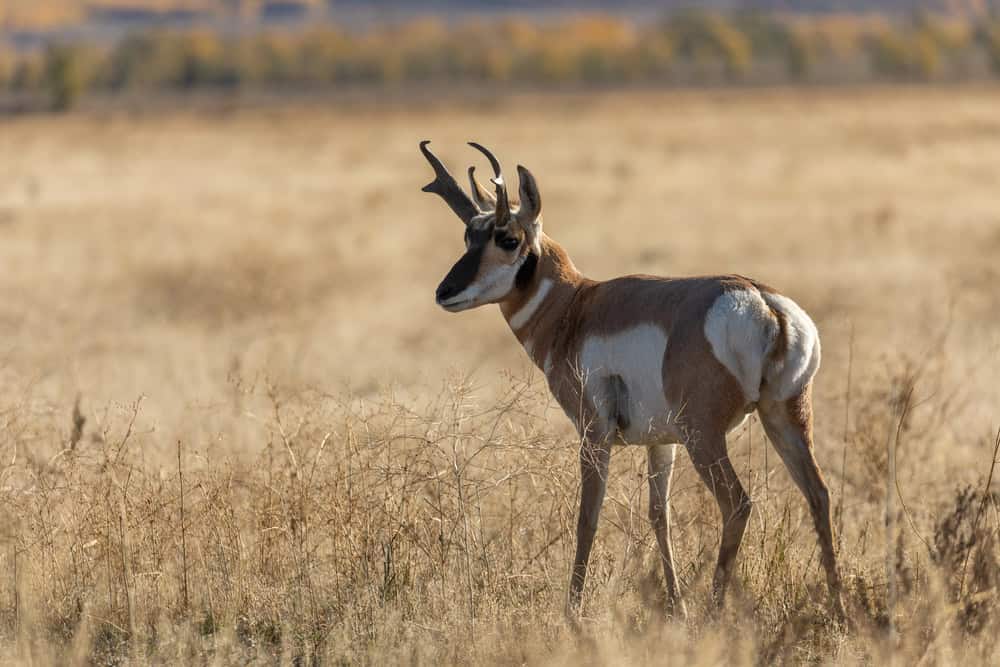
Habitat fragmentation represents one of the most pervasive threats to wildlife worldwide. As human development expands, natural landscapes are increasingly divided into smaller, isolated patches. Roads slice through migration routes that have existed for millennia, while urban sprawl, agricultural expansion, and industrial development consume habitat at alarming rates. The consequences for migratory animals are severe and multifaceted. Physical barriers like highways can be deadly—an estimated 1-2 million large animals are killed on U.S. roads each year. Even if animals avoid direct mortality, fragmentation can lead to population isolation, reducing genetic exchange and increasing vulnerability to disease, natural disasters, and climate change. For species with specific migration needs, like the pronghorn antelope that cannot jump fences or the salamanders that must return to specific breeding ponds, even seemingly minor barriers can completely disrupt life cycles. The psychological barrier effect—animals’ avoidance of human structures and activity—further compounds the problem, as many species will not approach roads or developed areas even when physical crossing would be possible.
Designing Effective Wildlife Corridors: Science and Strategy
Creating effective wildlife corridors requires a sophisticated blend of scientific knowledge, engineering skill, and strategic planning. Biologists must first identify key migration routes and understand the specific needs of target species—factors like preferred habitat type, tolerance for human presence, and typical movement patterns. Using techniques like GPS tracking, camera traps, and genetic analysis, scientists map animal movements and identify connectivity bottlenecks. Engineers then design crossing structures tailored to the needs of local wildlife, considering variables such as width, vegetation cover, noise levels, and substrate type. The most successful corridors incorporate natural elements that encourage animals to use them, such as native vegetation for cover and familiar terrain features. Location is crucial—corridors must connect high-quality habitat patches and be situated where animals naturally attempt to cross. Ongoing monitoring allows for adaptive management, with designs refined based on usage patterns. The best corridor designs balance multiple objectives, including wildlife connectivity, cost-effectiveness, and integration with existing infrastructure, creating solutions that work for both wildlife and people.
Wildlife Corridors and Climate Change Adaptation

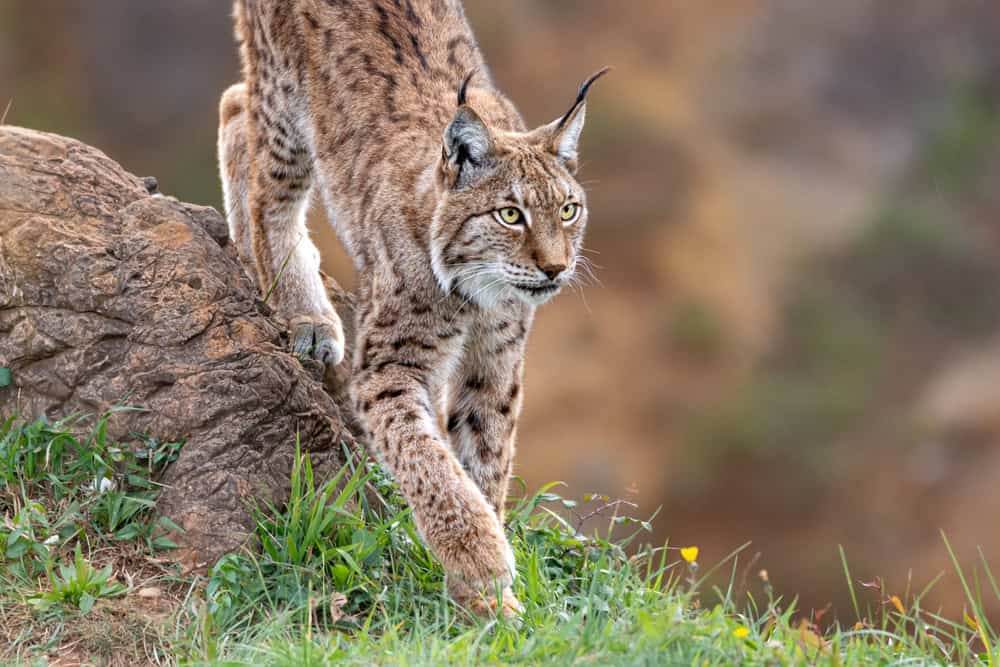
As climate change alters habitats around the world, wildlife corridors take on a new and urgent significance. Rising temperatures, changing precipitation patterns, and increasing extreme weather events are forcing many species to shift their ranges—typically moving poleward in latitude or upward in elevation to track suitable climate conditions. Without connected habitats, species trapped in isolated patches face a grim choice: adapt in place, which may be impossible given the rapid pace of change, or face local extinction. Wildlife corridors provide crucial escape routes, allowing species to migrate to more suitable conditions as their current habitats become less hospitable. Research suggests that species with access to corridors are significantly more likely to successfully shift their ranges in response to climate change. For example, a study in the Greater Yellowstone Ecosystem found that corridors could increase the climate resilience of species like wolverines and lynx by up to 30%. By facilitating these climate-driven movements, corridors help maintain biodiversity and ecosystem function even as environmental conditions change, making them a vital component of comprehensive climate adaptation strategies.
Corridors for Iconic Migrators: Case Studies of Specific Species
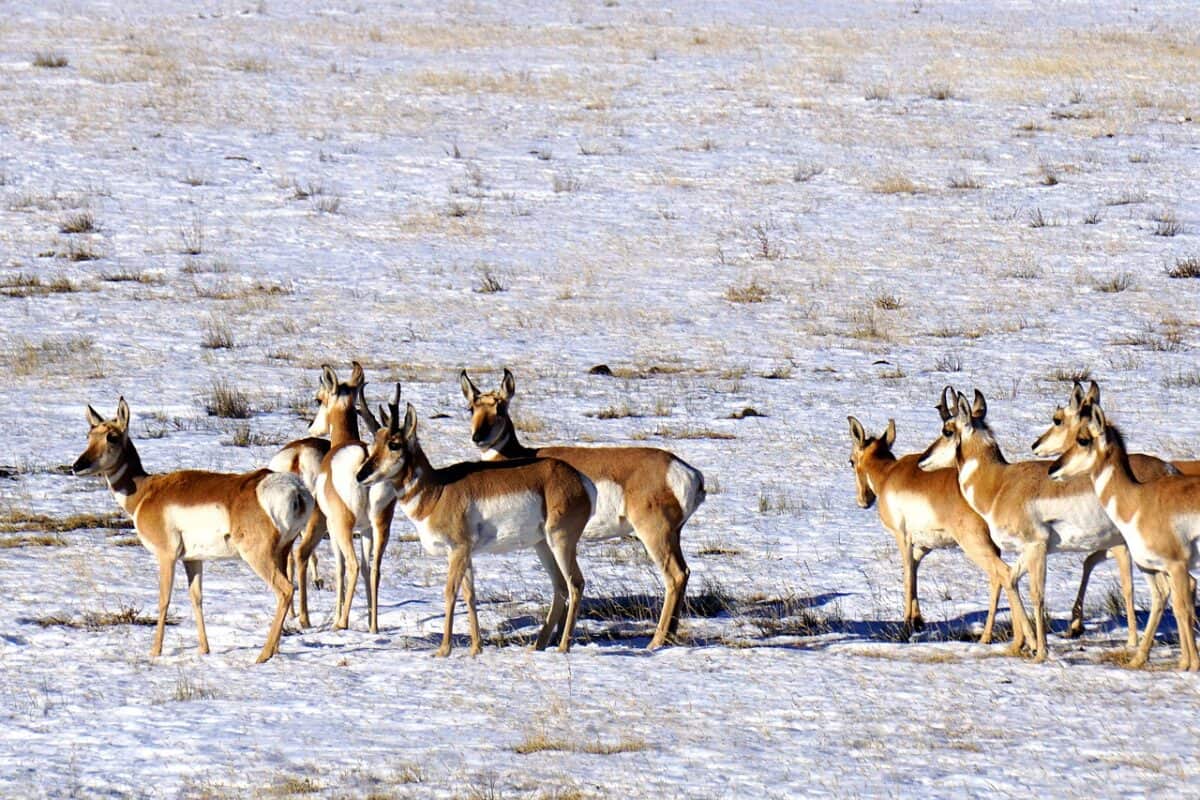
Around the world, wildlife corridors are helping preserve the epic journeys of some of Earth’s most impressive migrators. The Path of the Pronghorn in Wyoming protects the longest remaining terrestrial migration in the lower 48 states, allowing pronghorn antelope to travel between summer and winter ranges as they have for 6,000 years. Without this protected corridor, the 170-mile migration would likely have been severed by energy development and other barriers. For monarch butterflies, whose multi-generational migration spans North America, corridors of milkweed and nectar plants along their route provide essential resources and stepping stones. In the Terai Arc Landscape between India and Nepal, corridors reconnecting 11 protected areas have allowed tigers to recover from the brink of extinction, with their population more than doubling since conservation efforts began. In Africa’s Kavango-Zambezi Transfrontier Conservation Area (KAZA), one of the world’s largest conservation zones, corridors are helping protect ancient elephant migration routes spanning five countries. These species-specific examples demonstrate how targeted corridor conservation can preserve remarkable migratory phenomena that have shaped ecosystems for millennia.
The Human Benefits of Wildlife Corridors
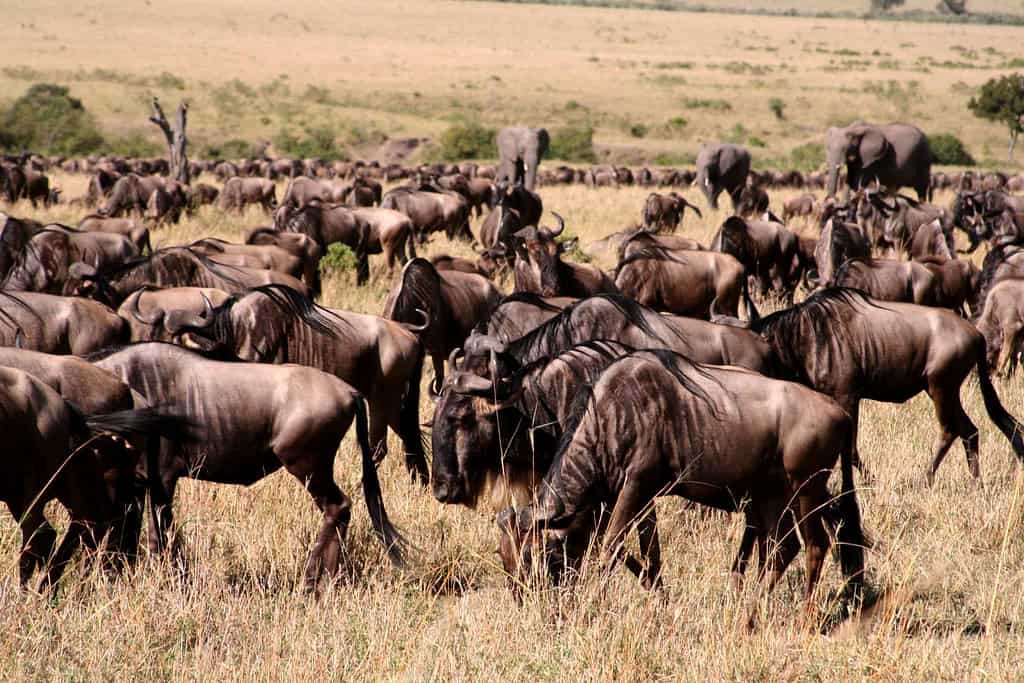
While wildlife corridors are primarily designed to benefit animal populations, they provide numerous advantages for human communities as well. One of the most immediate benefits is improved road safety—wildlife-vehicle collisions cause approximately 200 human deaths and 26,000 injuries annually in the United States alone, with property damage exceeding $8 billion. Properly designed wildlife crossings can reduce these collisions by up to 97%, saving lives and reducing costs. Corridors also provide ecosystem services that benefit human communities, including improved water quality along riparian corridors, enhanced pollination for agricultural areas near hedgerow corridors, and natural flood mitigation. Many corridors double as recreational spaces, providing opportunities for hiking, wildlife watching, and connecting with nature. From an economic perspective, the tourism value of intact wildlife migrations can be substantial—the Serengeti wildebeest migration generates millions in tourism revenue annually. Perhaps most importantly, corridors help maintain the ecological processes and biodiversity that underpin human well-being, from clean air and water to climate regulation. When designed with multiple objectives in mind, wildlife corridors truly represent a win-win solution for wildlife and people alike.
Challenges and Controversies in Corridor Implementation

Despite their proven benefits, wildlife corridors face significant challenges in implementation. Land acquisition often presents the most immediate hurdle—securing the necessary property rights for corridors can be expensive, especially in developed areas where land values are high. In landscapes with multiple landowners, creating continuous corridors requires complex coordination and willing participation. Funding constraints present another major challenge, as corridor projects—particularly those involving major infrastructure like wildlife overpasses—can require substantial investment. The Banff wildlife overpasses, for instance, cost approximately $4 million each. Political opposition can emerge when corridor projects compete with development interests or when they’re perceived to infringe on property rights. Some scientific controversies persist as well, including debates about optimal corridor width, the potential for corridors to facilitate the spread of invasive species or wildlife diseases, and how to prioritize corridor locations when resources are limited. Additionally, maintaining corridor functionality over time requires ongoing management and monitoring, which can be overlooked in initial planning. Despite these challenges, the growing body of evidence supporting corridor effectiveness continues to drive implementation efforts worldwide.
The Role of Technology in Tracking Migration and Planning Corridors

Advanced technology has revolutionized our understanding of animal movement patterns and dramatically improved wildlife corridor planning. GPS tracking collars, once bulky and limited, have become sophisticated enough to monitor species ranging from elephants to songbirds, providing unprecedented insights into migration routes and habitat use. These tracking studies reveal not just where animals go, but when and why they move, allowing for more targeted corridor placement. Remote sensing technologies, including satellite imagery and LiDAR, help scientists assess habitat quality and connectivity across vast landscapes without expensive fieldwork. Camera traps equipped with motion sensors document wildlife use of existing corridors and identify crossing hotspots along roads. DNA analysis allows researchers to measure genetic connectivity between populations, revealing whether corridors are successfully facilitating gene flow. Sophisticated modeling approaches, such as circuit theory and least-cost path analysis, help predict animal movement and identify optimal corridor locations before construction begins. Mobile applications even allow citizen scientists to contribute wildlife sighting data, creating broader datasets than professional scientists could collect alone. Together, these technological tools are making corridor planning more precise, effective, and evidence-based than ever before.
International Cooperation and Transboundary Corridors
Many animal migrations cross international borders, making transboundary cooperation essential for effective corridor conservation. These international efforts face unique challenges, including differences in conservation laws, land use policies, and economic priorities between countries. Despite these challenges, remarkable progress has been made in creating cross-border protected corridors. The Mesoamerican Biological Corridor, spanning seven Central American countries and southern Mexico, represents one of the most ambitious international corridor initiatives, aiming to protect connectivity for jaguars, tapirs, and countless other species across the region. In Europe, the European Green Belt initiative is transforming the former Iron Curtain—once a stark division between East and West—into a continent-spanning ecological corridor. The Peace Parks Foundation has established transfrontier conservation areas throughout southern Africa, protecting elephant, lion, and antelope migrations across national boundaries. These international corridors not only benefit wildlife but often serve as symbols of cooperation and peace between nations. They recognize that ecological processes transcend political boundaries and that effective conservation requires collaborative governance at multiple scales. As climate change forces species to shift their ranges across borders, the importance of these transboundary corridors will only increase in coming decades.
The Future of Wildlife Corridors: Expanding the Network
Looking ahead, the global movement for wildlife connectivity is gaining momentum, with ambitious plans to expand corridor networks at multiple scales. The “30×30” initiative—a global target to protect 30% of land and sea areas by 2030—explicitly recognizes the importance of connectivity between protected areas. Many conservation organizations are shifting from site-based protection to landscape-scale approaches that emphasize corridors and connectivity. In North America, the Wildlands Network envisions four continental-scale corridors they call “wildways,” which would connect protected areas from Mexico to Canada. In Asia, efforts are underway to establish corridors across the Himalayan region, one of the world’s biodiversity hotspots threatened by development and climate change. Urban planners are increasingly incorporating wildlife passages into city designs, recognizing that even heavily developed areas can maintain some connectivity for adaptable species. Advances in mapping technology and remote sensing are making it possible to identify potential corridors with unprecedented precision. As climate change accelerates, creating a connected network of habitats will become even more crucial for species survival. The future of wildlife corridors will likely involve both expanding the physical network of protected pathways and mainstreaming connectivity considerations into all forms of land use planning, from agriculture to infrastructure development.
Conclusion: Reconnecting a Fragmented World
Wildlife corridors represent one of conservation’s most promising strategies for addressing the twin crises of habitat fragmentation and climate change. By reconnecting isolated patches of habitat, these protected pathways help preserve the ancient migrations that have shaped ecosystems for millennia while allowing species to adapt to rapidly changing environmental conditions. The science is clear: corridors work. From the iconic overpasses of Banff to humble culverts beneath rural roads, connectivity projects have demonstrated remarkable success in reducing wildlife mortality and maintaining gene flow between populations. Yet the work has only begun. As human development continues to expand, proactively protecting and restoring connectivity will be essential for maintaining biodiversity and ecological function. The future of many migratory species depends on our willingness to accommodate their movement needs in an increasingly human-dominated landscape. Wildlife corridors remind us that conservation isn’t just about protecting isolated sanctuaries—it’s about maintaining the connections between them, preserving the dynamic ecological processes that sustain life on Earth.

- This Tiny Insect Can Survive in Outer Space—Here’s How - July 21, 2026
- Could the Tasmanian Tiger Be Brought Back to Life? - July 21, 2026
- Why You Should Never Approach a Sleeping Hippo - July 21, 2026