


Mount Everest, the world’s highest peak, might seem like an inhospitable environment for wildlife. However, the diverse ecosystems surrounding this majestic mountain harbor a surprising variety of resilient plants and animals that have adapted to life in extreme conditions. From the lush forests at lower elevations to the sparse, rocky terrain near the summit, the Everest region supports a remarkable biodiversity that few travelers fully appreciate. These creatures have evolved unique adaptations to survive the harsh climate, limited oxygen, and challenging terrain. This article explores the fascinating wildlife that calls the vicinity of Mount Everest home, from rare mammals to hardy insects, illustrating nature’s extraordinary ability to thrive even in Earth’s most challenging environments.
The Ecological Zones of the Everest Region

The Mount Everest region spans multiple ecological zones, each supporting different wildlife communities. Starting from the bottom, the area encompasses subtropical forests (below 2,000 meters), temperate forests (2,000-3,000 meters), subalpine zones (3,000-4,000 meters), alpine zones (4,000-5,000 meters), and the nival zone above 5,000 meters where permanent snow and ice dominate. This vertical zonation creates numerous microhabitats, allowing for surprising biodiversity despite the challenging conditions. Each zone experiences different temperature ranges, precipitation patterns, and oxygen levels, requiring specific adaptations from the animals that inhabit them. The transitional areas between these zones often support the greatest diversity of species, as they provide access to multiple habitat types.
The Elusive Snow Leopard
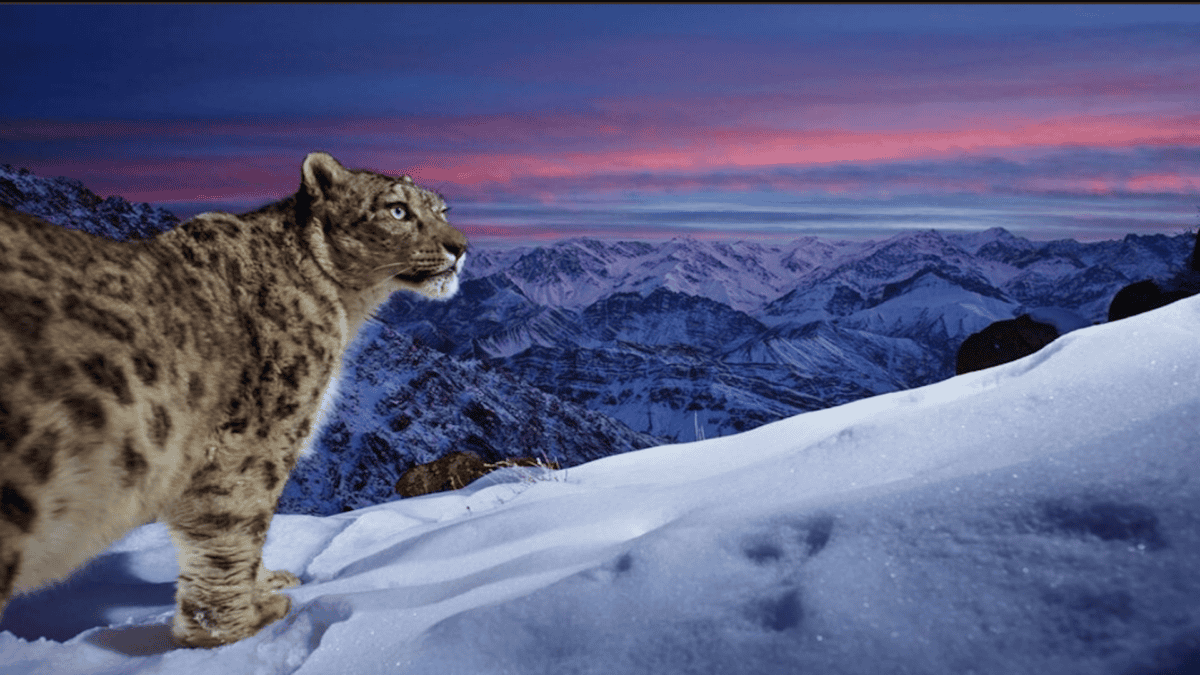
Perhaps the most iconic mammal of the Himalayan region is the snow leopard (Panthera uncia), a master of camouflage that roams the rugged terrain between 3,000 and 5,400 meters. With an estimated population of only 350-590 individuals in Nepal, these solitary cats are incredibly rare and difficult to spot. Their thick fur coats, large paws, and long tails help them navigate the steep, snowy landscapes while hunting bharal (blue sheep) and other mountain ungulates. Snow leopards have adapted physiologically to high altitudes with larger nasal cavities and chest capacity, allowing them to thrive in oxygen-poor environments. Conservation efforts in the Sagarmatha National Park and buffer zones have helped stabilize the population, though they remain vulnerable due to habitat loss, poaching, and human-wildlife conflict. Recent camera trap studies have documented their presence in previously unconfirmed areas around Mount Everest, giving researchers new hope for this magnificent species.
Himalayan Tahr and Blue Sheep
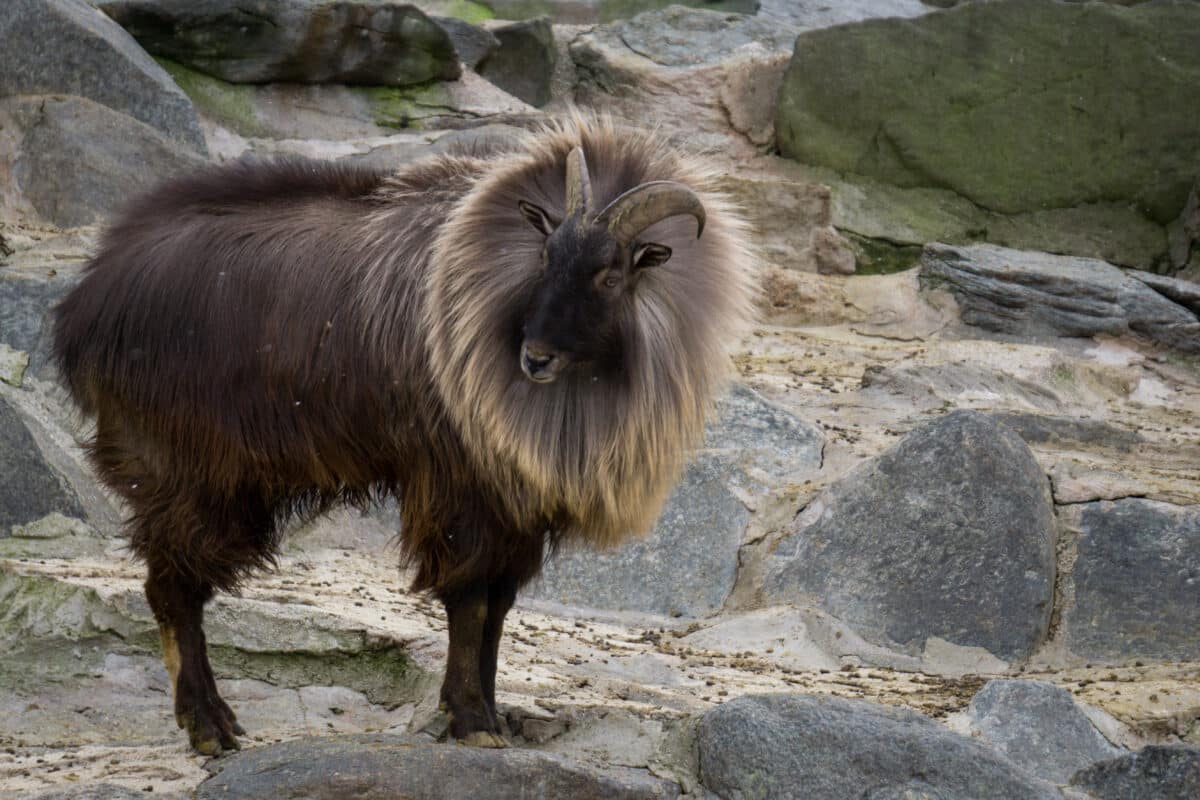
The slopes of Mount Everest provide ideal habitat for wild mountain ungulates that have evolved specifically for high-altitude living. The Himalayan tahr (Hemitragus jemlahicus) is a goat-like mammal with a distinctive reddish-brown coat and impressive curved horns that can be found at elevations between 2,500 and 5,000 meters. Males develop a thick mane during winter, helping them withstand temperatures that regularly drop below freezing. Similarly adapted is the bharal or blue sheep (Pseudois nayaur), the primary prey of snow leopards. Despite their name, these animals are actually more closely related to goats and exhibit a remarkable ability to navigate near-vertical cliff faces that predators cannot access. Their specialized hooves have soft rubbery pads surrounded by sharp edges, providing exceptional grip on rocky surfaces. Both species have adapted cardiovascular and respiratory systems that function efficiently despite the thin air, allowing them to maintain high activity levels even at extreme elevations.
The Red Panda’s Mountain Habitat
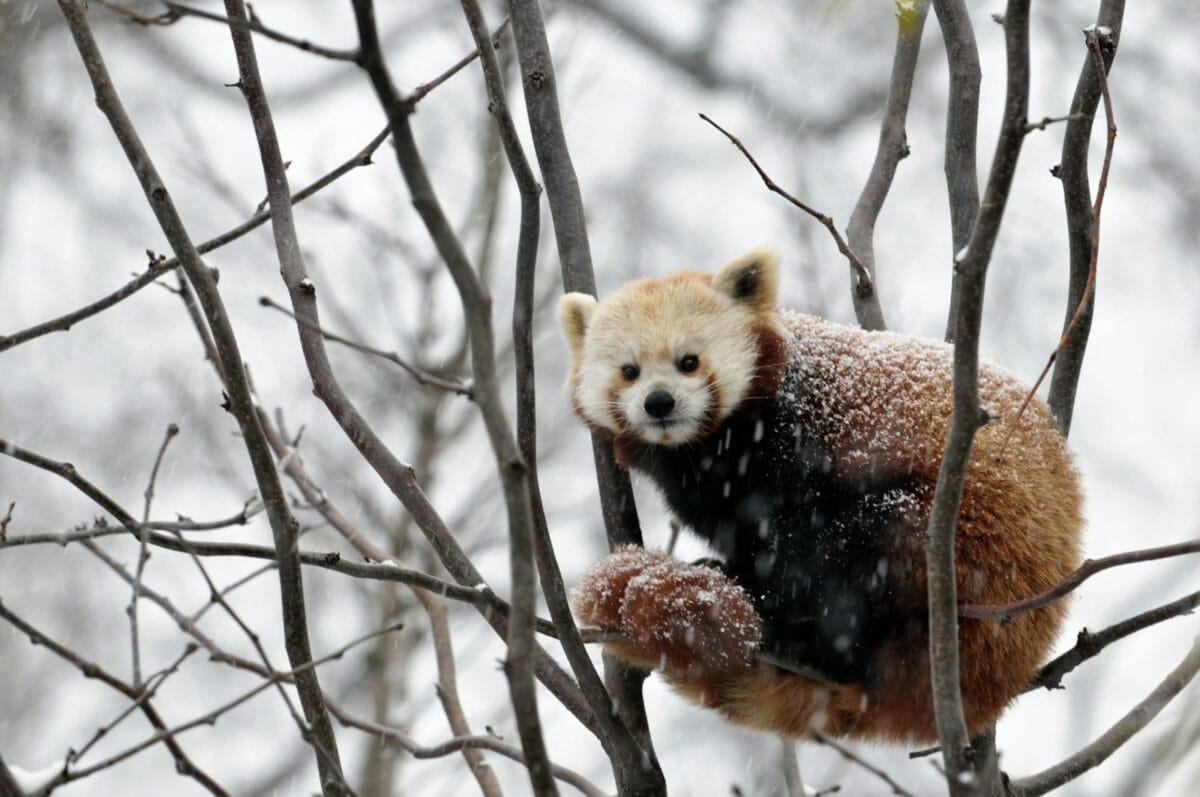
In the temperate forests of the lower Everest region, between 2,200 and 4,000 meters, lives one of the area’s most charming mammals—the red panda (Ailurus fulgens). These raccoon-sized creatures with distinctive rusty-red fur and ringed tails are specially adapted to life in the bamboo forests, with wrist bones modified to help them grip bamboo stems while feeding. Red pandas have thick fur and a bushy tail that they wrap around themselves for warmth during cold mountain nights. Their population in the Everest region is critically endangered, with fewer than 10,000 individuals remaining in the wild across their entire range. Their habitat in the Everest region is protected within Sagarmatha National Park and its buffer zones, though climate change threatens the bamboo forests they depend on for both food and shelter. Conservation programs now work with local communities to reduce habitat fragmentation and establish wildlife corridors connecting isolated populations.
Himalayan Black Bear
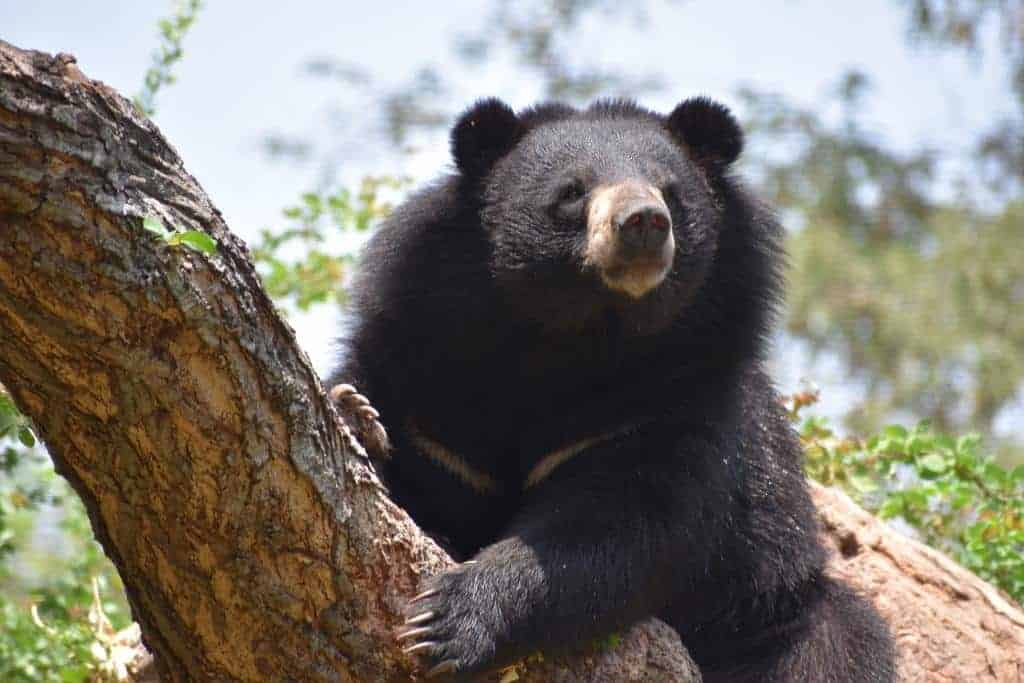
The dense forests at the lower elevations of Mount Everest support populations of Himalayan black bears (Ursus thibetanus laniger), a subspecies of the Asian black bear. Recognizable by the distinctive white V-shaped marking on their chest, these omnivores roam the forested areas between 1,200 and 3,600 meters. Their diet shifts seasonally, focusing on spring vegetation, summer insects and fruits, and autumn nuts and berries, which helps them build fat reserves for winter dormancy. Unlike true hibernators, these bears enter a period of winter lethargy but may become active during warmer spells. They possess strong curved claws that allow them to climb trees to escape danger or reach food sources. Local folklore and traditions in Sherpa villages reflect the long history of coexistence with these powerful animals, though human-bear conflicts occasionally occur when bears raid crops or livestock. Conservation education programs now work to reduce negative interactions while preserving this important component of the Everest ecosystem.
Himalayan Musk Deer

The forested slopes below 4,000 meters are home to the Himalayan musk deer (Moschus leucogaster), a small, primitive deer species known for the male’s distinctive tusks that protrude downward from the upper jaw. These shy, nocturnal creatures lack antlers but have evolved elongated canine teeth for territorial disputes and competition for mates. The species gets its name from the musk gland found in males, which produces a substance historically valued in perfumery and traditional medicine. Unfortunately, this has led to extensive poaching, making them endangered throughout their range. In the Everest region, these deer feed primarily on lichens, moss, grasses, and leaves, playing an important role in forest ecology through seed dispersal. Their large, rounded ears allow them to detect predators, while their lack of facial glands (unique among deer) remains a biological mystery. Conservation efforts in the region now focus on anti-poaching patrols and habitat preservation.
Avian Life at Extreme Altitudes

The skies around Mount Everest host an impressive array of birds adapted to high-altitude conditions. The Himalayan griffon vulture (Gyps himalayensis) is one of the world’s highest-flying birds, with observations recorded above 8,000 meters. These massive scavengers, with wingspans exceeding 3 meters, play a crucial ecological role by consuming carrion. The lammergeier or bearded vulture (Gypaetus barbatus) is known for its unique habit of dropping bones from heights to break them open and access the nutritious marrow inside. At slightly lower elevations, the Himalayan monal (Lophophorus impejanus)—Nepal’s national bird—displays iridescent plumage that shimmers with metallic blues, greens, and coppers. These birds have evolved specialized hemoglobin that binds oxygen more efficiently than lowland species, larger lungs relative to body size, and higher capillary density to maintain activity in the thin mountain air. Migratory species like the bar-headed goose (Anser indicus) fly over the Himalayas during their seasonal journeys, reaching altitudes over 7,000 meters and demonstrating remarkable physiological adaptations to high-altitude flight.
The Himalayan Wolf
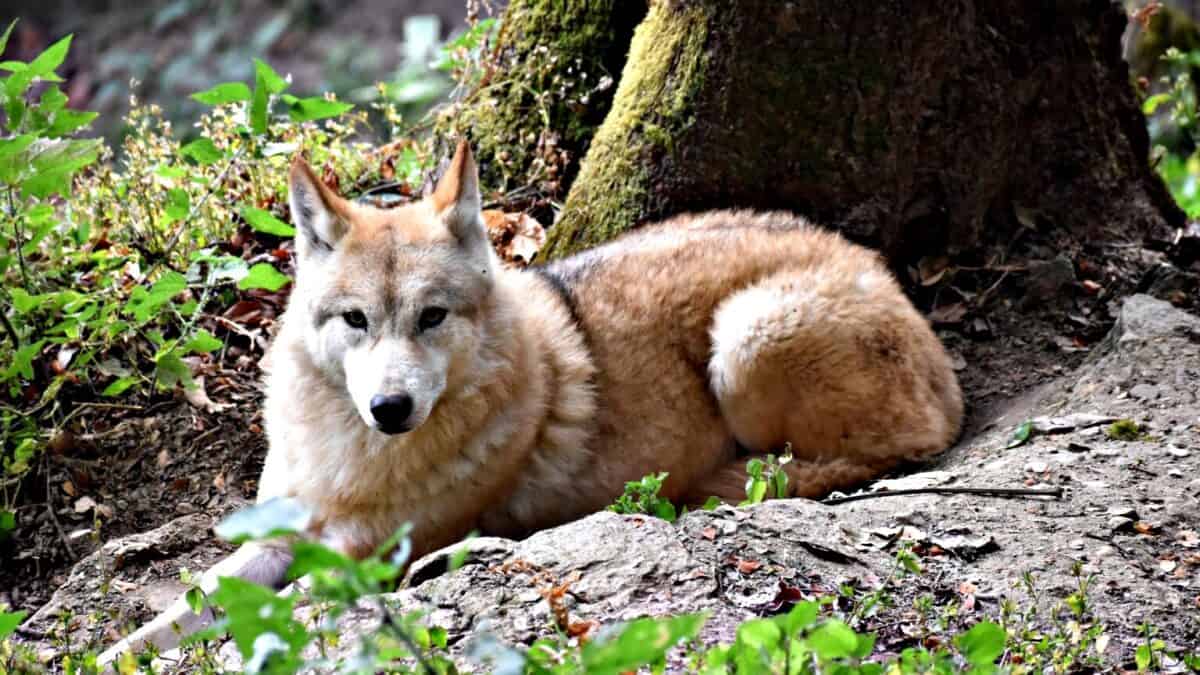
Recently recognized as genetically distinct from other wolf populations, the Himalayan wolf (Canis lupus himalayensis) inhabits the high-altitude regions around Mount Everest, typically above 4,000 meters. These wolves have adapted to the alpine and subalpine environments with modifications including broader skulls and unique dentition compared to their lowland relatives, likely adaptations to different prey and feeding ecology. Their thick, woolly undercoat provides essential insulation against the extreme cold. Himalayan wolves typically form smaller packs than wolves in other regions, a possible adaptation to the limited prey density in their harsh habitat. They primarily hunt marmots, pikas, and occasionally young or weak ungulates. Research using DNA analysis from scat samples has confirmed their presence in remote valleys around Everest, though direct sightings remain extremely rare. Conservation concerns include habitat fragmentation, declining prey populations, and persecution by humans protecting livestock. Recent conservation initiatives have focused on reducing conflicts through improved herding practices and livestock insurance programs for local communities.
Small Mammals of the Alpine Zone
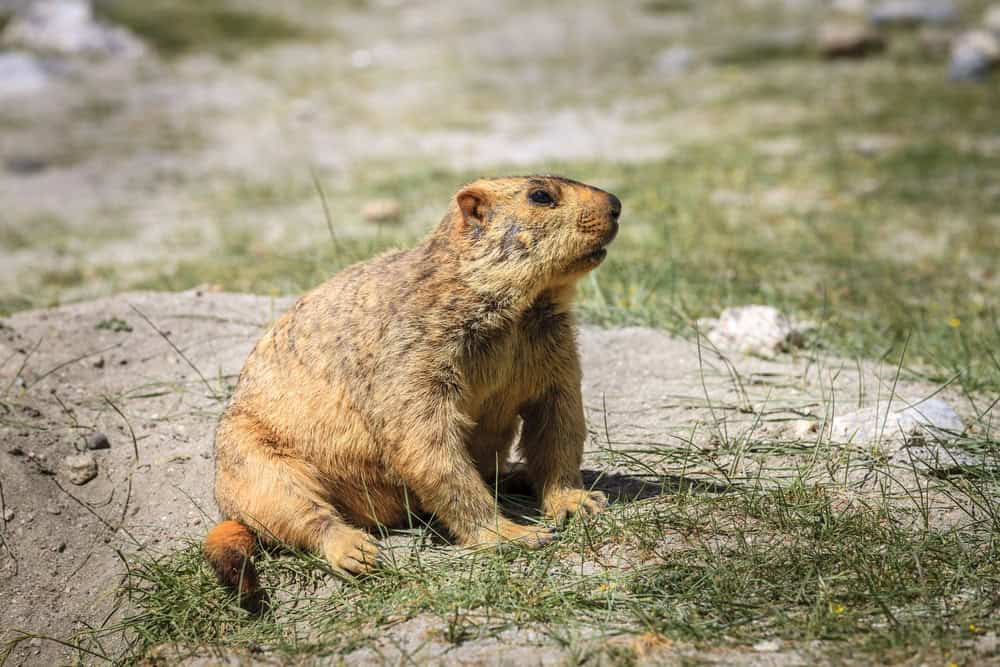
The alpine zones around Mount Everest support numerous small mammals that have evolved remarkable adaptations for survival. The Himalayan marmot (Marmota himalayana) is a large ground squirrel that can be found at elevations up to 5,000 meters. These social animals dig extensive burrow systems where they hibernate for up to eight months of the year, living off fat reserves built up during the brief summer. Their ability to reduce body temperature and heart rate during hibernation allows them to survive the long winter with minimal energy expenditure. Mountain pikas (Ochotona roylei) are small rabbit relatives that don’t hibernate but remain active year-round, collecting and storing vegetation in “haypiles” for winter consumption. Their high metabolic rates, compact bodies, and thick fur help conserve heat in the cold environment. Woolly hares (Lepus oiostolus) change their coat color seasonally—brown in summer and white in winter—providing camouflage in changing conditions. These small mammals form a critical prey base for predators while contributing to alpine ecosystem processes through seed dispersal and soil aeration.
Reptiles and Amphibians of Lower Elevations

While the highest reaches of Mount Everest are too cold for cold-blooded animals, the lower elevation zones support a variety of reptiles and amphibians. The Himalayan pit viper (Gloydius himalayanus) can be found in forested areas up to 4,900 meters, making it one of the world’s highest-living venomous snakes. These vipers have heat-sensing pits between their eyes and nostrils, allowing them to detect warm-blooded prey even in darkness. The Himalayan agama (Laudakia himalayensis) is a lizard adapted to rocky terrain up to 4,500 meters, with males displaying bright blue coloration during breeding season. Among amphibians, the Himalayan toad (Duttaphrynus himalayanus) inhabits mountain streams and pools up to 3,600 meters. These amphibians have adapted their breeding cycles to the short mountain summer, with accelerated tadpole development compared to lowland relatives. Their populations are increasingly threatened by climate change, which affects the seasonal availability of the temporary pools they require for reproduction. Several species remain poorly studied, with new discoveries still possible in this challenging terrain.
Insects and Arthropods at High Altitudes

Perhaps the most surprising inhabitants of the Everest region are the numerous invertebrates that have adapted to extreme conditions. Jumping spiders of the genus Euophrys have been documented at elevations above 6,700 meters, making them among the highest permanent residents of any animal on Earth. These tiny predators survive by hunting equally small insects blown upward by winds. The Himalayan honey bee (Apis laboriosa), the world’s largest honey bee species, builds massive combs on cliff faces up to 4,100 meters. These bees have developed specialized behaviors to maintain hive temperatures, including “shimmering” where hundreds of bees vibrate in coordinated waves to regulate heat. Various grasshoppers, beetles, and butterflies have also evolved physiological adaptations including freeze tolerance, with some producing natural antifreeze compounds in their bodies. The Apollo butterfly (Parnassius species) is particularly well-adapted to high elevations, with dark coloration that helps absorb solar radiation and hairy bodies that provide insulation. These invertebrates play crucial ecological roles including pollination, decomposition, and serving as food sources for other wildlife.
Human Impacts on Everest’s Wildlife

The increasing human presence around Mount Everest has created both challenges and opportunities for wildlife conservation. Tourism has brought economic benefits to local communities but also increased pressure on natural resources and wildlife habitat. The establishment of Sagarmatha National Park in 1976 created a protected area covering 1,148 square kilometers of the Everest region, helping preserve critical ecosystems. However, the approximately 60,000 annual visitors (pre-pandemic) generate waste and disturbance that can affect sensitive species. Climate change represents another significant threat, with warming temperatures allowing certain species to move upward in elevation while potentially eliminating habitat for true alpine specialists. Several conservation programs now work with local communities on sustainable tourism practices, waste management, and wildlife monitoring. The traditional Buddhist values of many local Sherpa communities, which emphasize respect for all living beings, have provided a cultural foundation for conservation efforts. Initiatives combining traditional knowledge with modern scientific approaches have shown promise in addressing complex conservation challenges in this unique region.
The wildlife of the Mount Everest region represents one of the most remarkable examples of adaptation to extreme environments on our planet. From the snow leopard’s specialized physiology to the microscopic invertebrates surviving above 6,000 meters, these species demonstrate nature’s extraordinary resilience and evolutionary ingenuity. As climate change accelerates and human presence in the region increases, the fate of these specialized animals hangs in balance, dependent on effective conservation management and sustainable practices. The interconnected web of life surrounding the world’s highest peak serves as both a living laboratory for studying adaptation and a reminder of biodiversity’s importance even in Earth’s most challenging environments. By understanding and protecting these remarkable species, we not only preserve unique ecological communities but also maintain the wild character of one of our planet’s most iconic landscapes—ensuring that Mount Everest remains not just a mountain to be conquered, but a thriving ecosystem to be cherished.

- Where to Spot Bald Eagles Nesting in the Wild - August 2, 2026
- 11 Species That Travel Thousands of Miles to Survive - August 2, 2026
- Teaching Animals to Communicate: What We’ve Learned - August 2, 2026