


At the roof of the world, where oxygen levels plummet to a third of those at sea level, life persists against seemingly impossible odds. From the windswept Tibetan Plateau to the towering peaks of the Andes, animals have evolved remarkable adaptations to thrive in high-altitude environments where humans struggle to breathe. These biological innovations represent some of nature’s most impressive engineering solutions, allowing creatures to extract maximum oxygen from thin air, maintain warmth in bitter cold, and navigate treacherous terrain. This article explores the fascinating physiological, behavioral, and genetic adaptations that enable diverse species to conquer Earth’s highest frontiers, demonstrating the incredible plasticity of life in the face of extreme environmental challenges.
The High-Altitude Challenge: Understanding the Environment

High-altitude environments present multiple simultaneous challenges to animal life. As elevation increases, barometric pressure decreases, reducing the partial pressure of oxygen available in the air. At 18,000 feet (5,500 meters), oxygen levels are approximately 50% lower than at sea level, creating a condition known as hypobaric hypoxia. This oxygen deficiency makes cellular respiration difficult, threatening the basic energy production processes that sustain life. Additionally, high-altitude regions typically experience extreme temperature fluctuations, with intense solar radiation during daylight hours followed by bitter cold at night. These areas also tend to have limited vegetation, scarce water sources, and challenging terrain. For animals to survive in these conditions, they must develop adaptations that address multiple physiological stressors simultaneously, making high-altitude adaptations particularly fascinating examples of evolutionary problem-solving.
Blood Adaptations: Optimizing Oxygen Transport
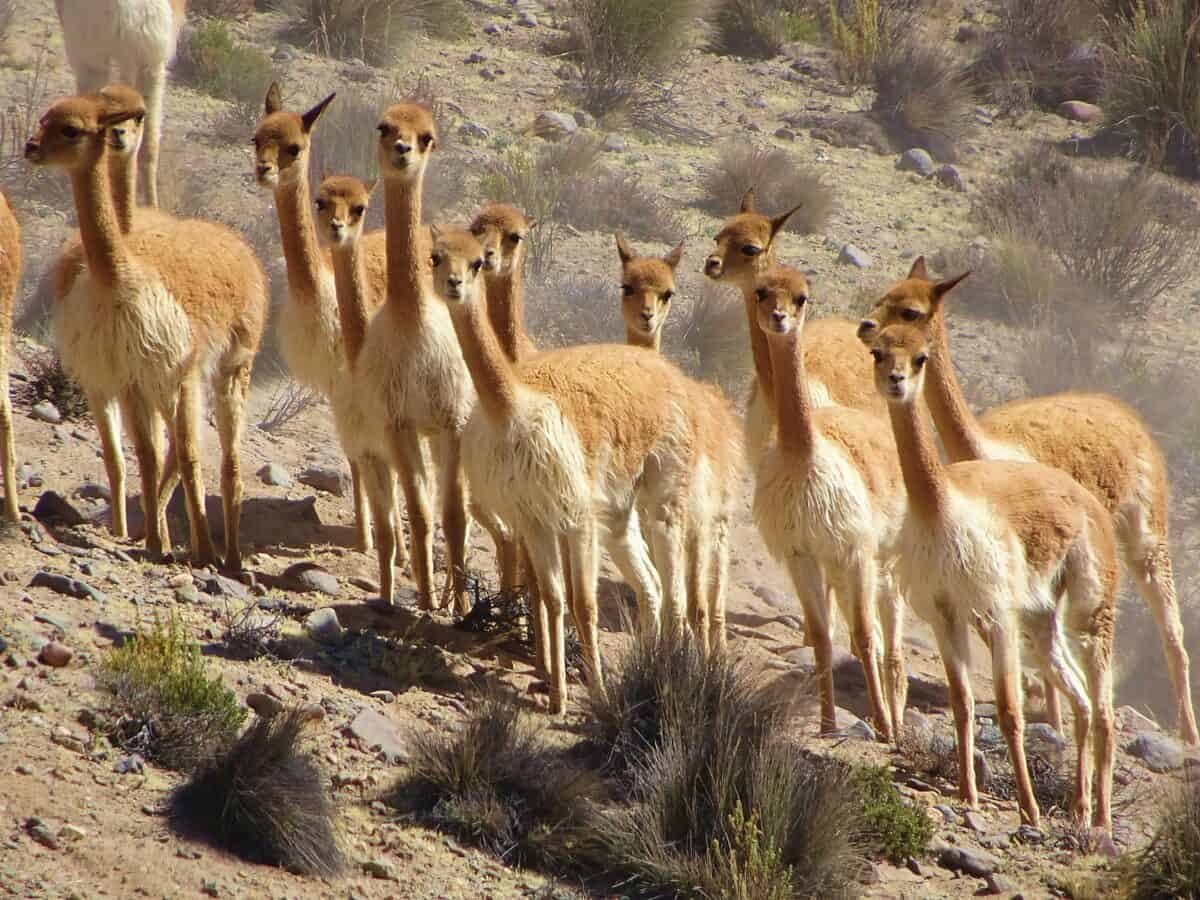
Blood composition represents one of the most critical frontlines for high-altitude adaptation. Many highland species exhibit higher hemoglobin concentrations than their lowland counterparts, allowing more oxygen to be carried per unit of blood. For example, the vicuña of the Andes maintains hemoglobin levels around 18 g/dL, significantly higher than related lowland camelids. However, this strategy has limitations—increasing red blood cell concentration also increases blood viscosity, potentially straining the cardiovascular system. Some high-altitude specialists have evolved hemoglobin molecules with higher oxygen affinity, allowing them to bind oxygen more effectively in low-oxygen environments. The bar-headed goose, famous for migrating over Mount Everest, possesses hemoglobin that can load oxygen more efficiently at low partial pressures. Interestingly, different species have evolved distinct genetic pathways to achieve similar adaptations. The Tibetan yak and Andean llama independently evolved mutations in different genes that ultimately enhance oxygen delivery, representing a fascinating case of convergent evolution across continents.
Respiratory Adaptations: Breathing Efficiency at High Elevations
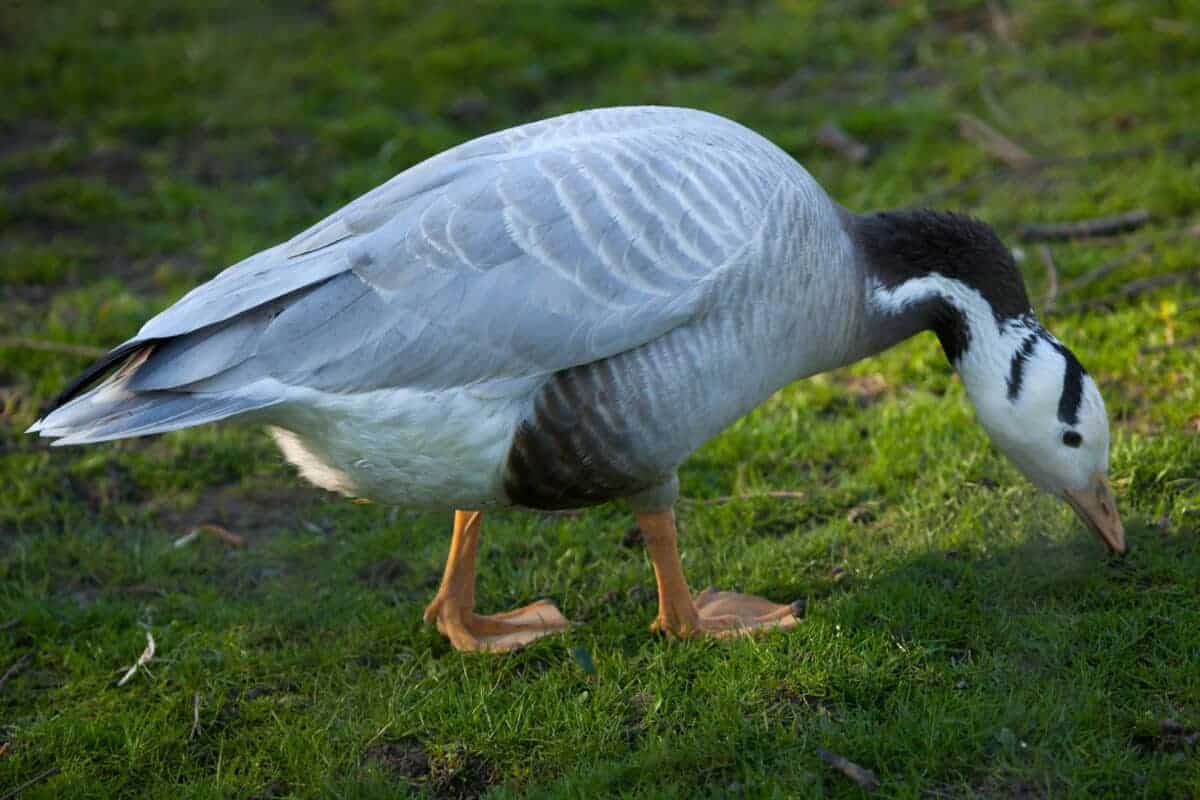
High-altitude animals have developed specialized respiratory systems that maximize oxygen extraction from thin air. The bar-headed goose possesses enlarged lungs and more efficient breathing patterns compared to lowland geese, allowing it to maintain adequate oxygen uptake during its remarkable migrations across the Himalayas at altitudes exceeding 29,000 feet. Andean birds like the giant hummingbird (Patagona gigas) have evolved higher breathing rates and larger lungs relative to body size. Among mammals, the Tibetan antelope features enlarged nasal passages that help warm and humidify incoming air, reducing respiratory heat and water loss while increasing breathing efficiency. Some high-altitude specialists also maintain higher breathing rates without experiencing the respiratory alkalosis (increased blood pH) that affects unacclimatized humans at high elevations. This is achieved through specialized buffering systems that maintain acid-base balance despite chronic hyperventilation. The snow leopard’s expanded lung capacity allows for greater oxygen absorption with each breath, a crucial adaptation for hunting across oxygen-poor mountain ranges spanning Central Asia.
Cardiovascular Specializations: Pumping Blood Against the Odds
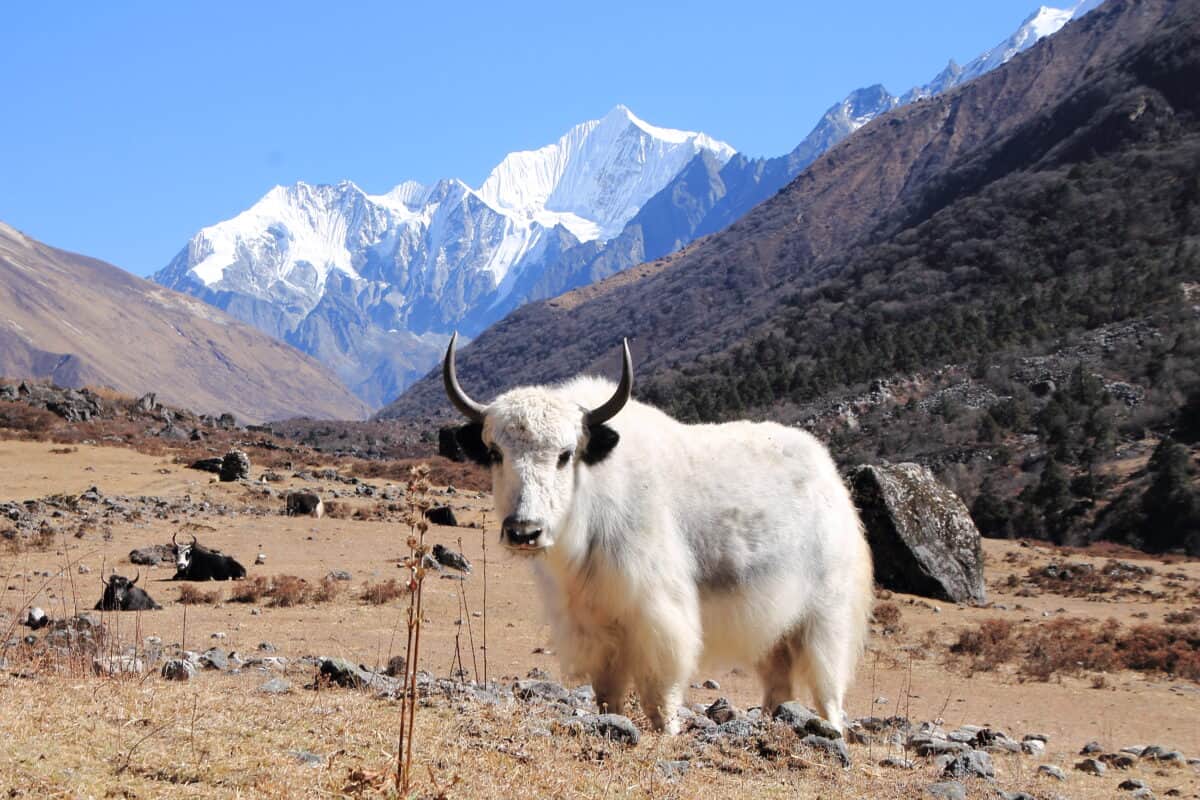
The cardiovascular system of high-altitude animals shows remarkable adaptations for efficient oxygen delivery. Many species have proportionally larger hearts relative to body size, allowing them to pump more blood with each contraction. The Tibetan yak’s heart comprises approximately 0.77% of its body weight, compared to 0.41% in lowland cattle, representing a significant increase in cardiac capacity. High-altitude residents also typically exhibit greater capillary density in their muscles and vital organs, shortening the diffusion distance for oxygen and facilitating more effective gas exchange at the tissue level. The llama and alpaca of the Andes maintain thin-walled pulmonary arteries that resist the vasoconstriction normally triggered by low oxygen conditions, preventing pulmonary hypertension—a common complication of high-altitude exposure in humans and lowland animals. Some species, like the plateau pika, have evolved specialized myoglobin (an oxygen-binding protein in muscle) that functions optimally under cold, hypoxic conditions, enhancing oxygen storage in muscle tissue for sustained activity. These cardiovascular adaptations work synergistically with respiratory and hematological changes to ensure adequate oxygen supply to tissues despite the challenging environment.
Metabolic Adjustments: Energy Efficiency at Altitude
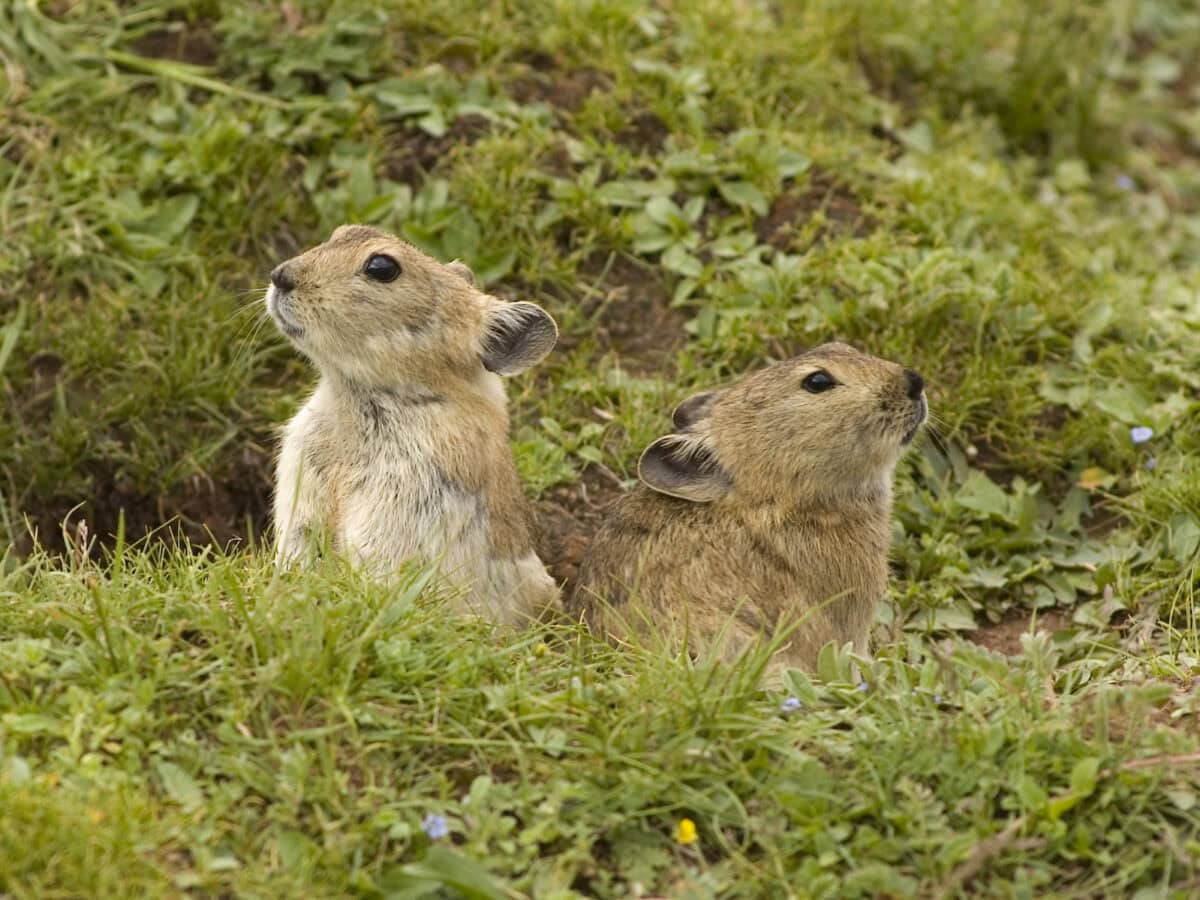
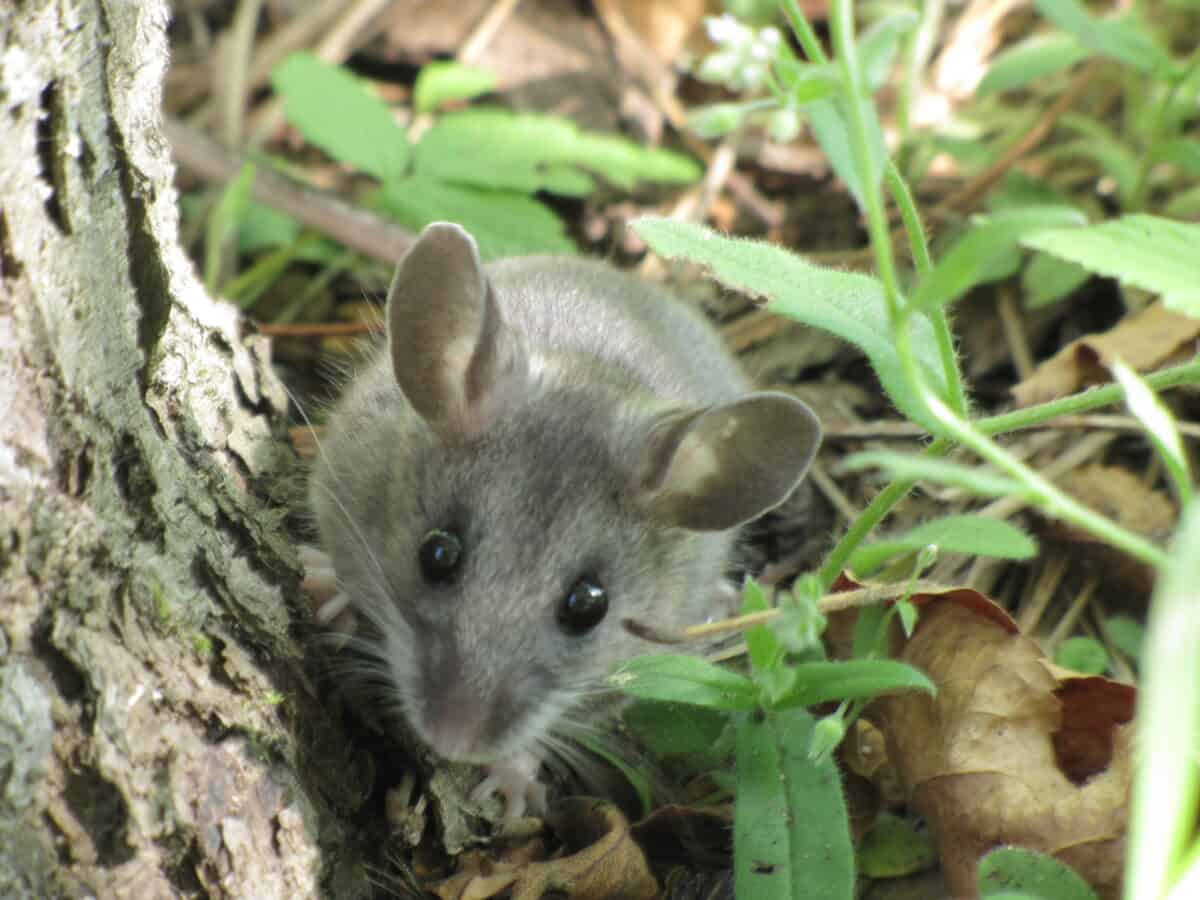
At high altitudes, where oxygen and sometimes food resources are limited, metabolic efficiency becomes crucial for survival. Many highland animals have evolved to extract maximum energy from limited oxygen supplies. The plateau pika (Ochotona curzoniae) has developed mitochondria—the cellular powerhouses—that can generate ATP more efficiently with less oxygen than its lowland relatives. High-altitude deer mice (Peromyscus maniculatus) native to the Rocky Mountains show enhanced glucose metabolism in their skeletal muscles, allowing them to generate more energy anaerobically when oxygen is scarce. Some species, including the Andean goose, have evolved increased enzyme activities in energy production pathways, particularly those involving carbohydrate metabolism. Interestingly, certain high-altitude specialists like the llama and alpaca have lower basal metabolic rates than would be predicted for their body size, representing an energy conservation strategy. This metabolic plasticity extends to thermoregulation as well—many highland animals possess specialized fat deposits and insulation that minimize energy expenditure for maintaining body temperature in cold environments. The Tibetan antelope, for instance, has developed remarkably fine, dense wool that traps heat exceptionally well, reducing the metabolic cost of thermoregulation in its frigid habitat.
Genetic Foundations: The DNA of High-Altitude Success
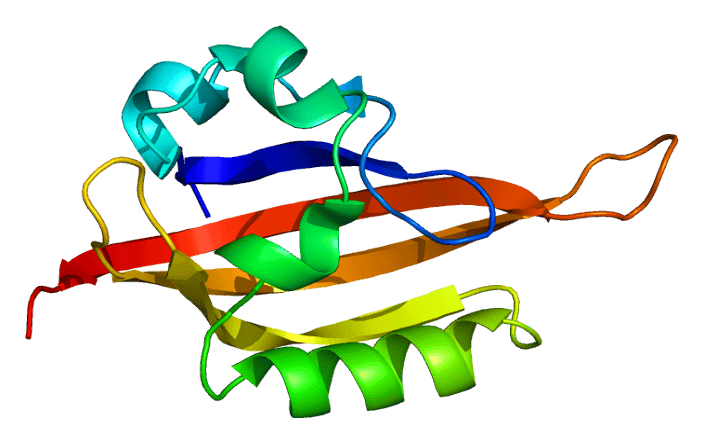
Recent advances in genomic technology have revealed the genetic underpinnings of high-altitude adaptations, showing both convergent and divergent evolutionary pathways. The Tibetan people, who have inhabited the Tibetan Plateau for thousands of years, carry a version of the EPAS1 gene that helps regulate the body’s response to hypoxia, an adaptation they acquired through interbreeding with Denisovans, an extinct human species. This same gene shows evidence of strong selection in Tibetan mastiffs, demonstrating parallel genetic adaptation in humans and their companion animals. In Andean populations, different genetic pathways have been selected to address similar challenges—specifically mutations affecting the EGLN1 gene. High-altitude deer mice show evidence of selection on genes involved in oxygen sensing and transport, including hemoglobin alpha-chain genes. Perhaps most remarkably, genomic studies have revealed that highland animal populations on different continents have often evolved similar physiological adaptations through entirely different genetic mechanisms, highlighting the multiple potential evolutionary solutions to identical environmental challenges. For example, Tibetan chickens and Andean chickens both exhibit enhanced oxygen-carrying capacity but through distinct genetic modifications, a fascinating case of convergent phenotypic evolution through divergent genetic pathways.
Behavioral Adaptations: Survival Strategies Above the Clouds
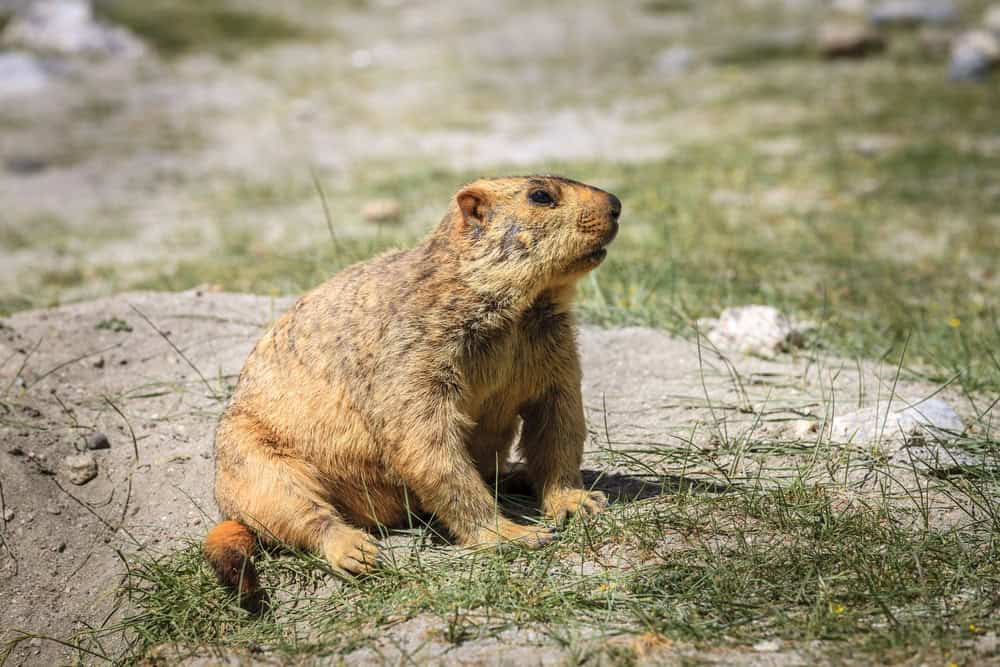
Beyond physiological adaptations, high-altitude specialists exhibit behavioral strategies that enhance survival in their extreme environments. Many highland animals restrict activity during severe weather conditions, conserving energy during periods of environmental stress. The Himalayan marmot, for instance, hibernates for up to nine months of the year, emerging only during the brief summer months when resources are more abundant. Alpine choughs, birds that live at elevations up to 21,300 feet in the Himalayas, strategically place their nests in protected rock crevices that provide insulation and shelter from harsh elements. The Andean condor utilizes thermal updrafts to soar effortlessly across vast mountain ranges, minimizing energy expenditure while covering extensive territories in search of food. Some high-altitude ungulates, like the Himalayan blue sheep (bharal), engage in altitudinal migration, moving to lower elevations during winter months when conditions become too severe at higher altitudes. Bumblebees in high mountain ecosystems have developed specialized “shivering” behaviors that allow them to maintain flight muscles at temperatures 30°C above ambient conditions, enabling foraging in cold environments where other insects cannot function. These behavioral adaptations complement physiological changes, forming an integrated survival strategy for life in extreme conditions.
Avian Champions: Birds That Conquer the Highest Skies

Birds represent some of the most impressive high-altitude specialists, with certain species regularly flying at elevations that would incapacitate humans. The bar-headed goose (Anser indicus) holds the record for high-altitude bird flight, having been documented flying over Mount Everest at altitudes exceeding 29,000 feet. Their specialized respiratory system features larger lungs and more efficient gas exchange surfaces than lowland birds. The Rüppell’s griffon vulture holds the record for the highest recorded bird flight, with documented cases of collisions with aircraft at 37,000 feet. Alpine choughs (Pyrrhocorax graculus) reside year-round at elevations up to 21,300 feet in the Himalayas and have been observed following mountain climbers to the summit of Mount Everest. These birds possess specialized hemoglobin with high oxygen affinity and efficient cardiovascular systems. The giant hummingbird (Patagona gigas) of the Andes maintains its extraordinarily high metabolic rate—necessary for hovering flight—at elevations up to 17,000 feet, where oxygen levels are nearly half those at sea level. This remarkable feat is achieved through proportionally larger hearts, higher hemoglobin concentrations, and specialized muscle fibers that enhance oxygen extraction. The Andean condor (Vultur gryphus) has evolved enlarged wings with specialized “slotted” feathers that maximize lift in the thin mountain air, allowing these massive birds to soar efficiently at elevations exceeding 16,000 feet.
Mammalian Mountaineers: Adaptations in High-Altitude Mammals

Mammals face particular challenges at high altitudes due to their high oxygen requirements and need for constant body temperature maintenance. The Tibetan yak has evolved a specialized cardiovascular system with larger heart and lung volumes, higher hemoglobin affinity for oxygen, and reduced pulmonary vasoconstriction response. Their thick, woolly coats insulate against temperatures that can plunge to -40°C in their native range. The Tibetan antelope or chiru can run at speeds up to 80 km/h across the Tibetan Plateau at elevations exceeding 17,000 feet, supported by specialized hemoglobin that loads oxygen more efficiently at low partial pressures. The snow leopard’s large nasal cavity warms incoming air, while its exceptionally long and dense fur—with hairs up to 12 cm in length—provides crucial insulation in its high-altitude habitat. The plateau pika, a small lagomorph related to rabbits, maintains a high metabolic rate despite the oxygen-poor environment through enhanced mitochondrial efficiency and specialized myoglobin that functions optimally in cold, hypoxic conditions. In South America, the vicuña possesses extraordinarily fine wool with specialized hollow fibers that trap air for superior insulation, while its cardiovascular system shows adaptations similar to those of its Himalayan counterparts, despite evolving independently on a different continent. These mammalian adaptations demonstrate the power of natural selection to produce convergent solutions to similar environmental challenges across geographically separated regions.
Cold-Weather Strategies: Thermal Regulation at Altitude
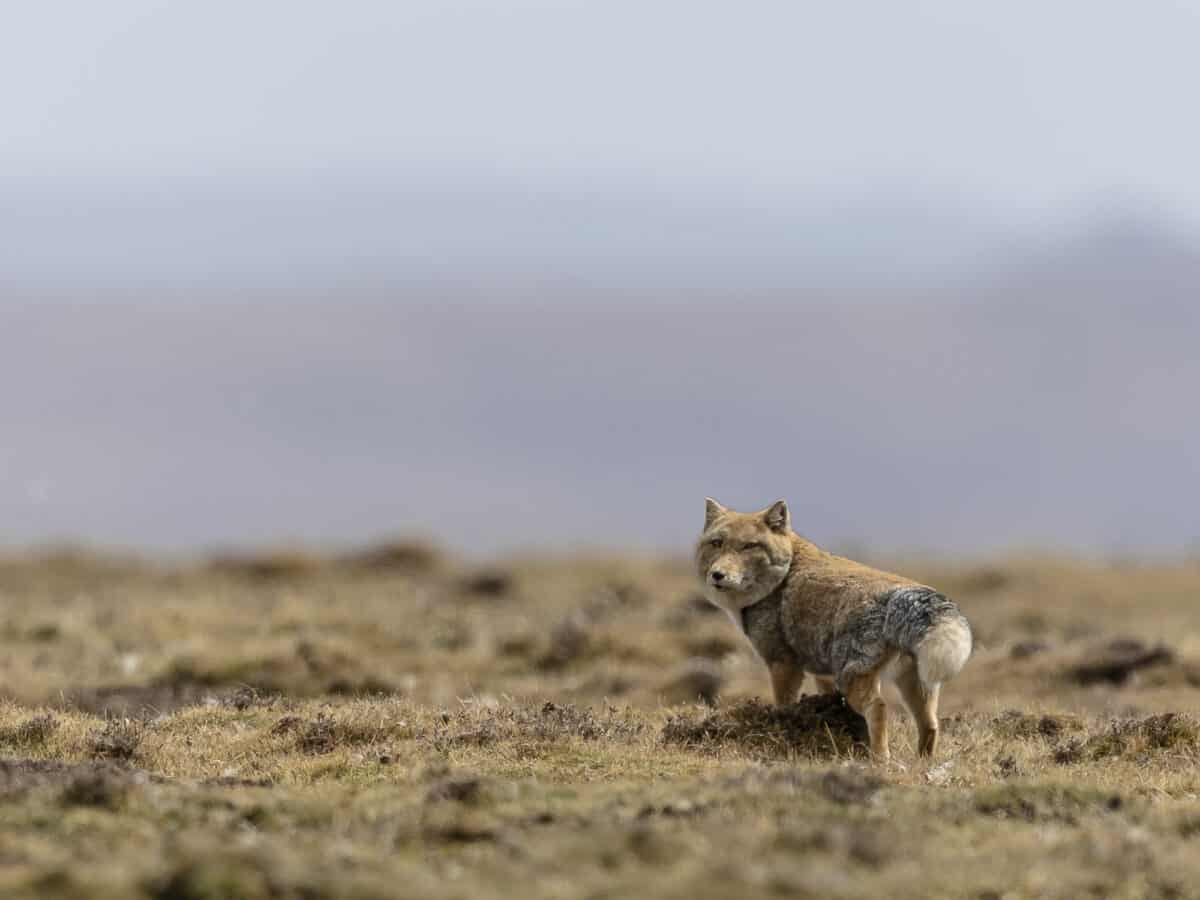
High-altitude environments combine hypoxic conditions with extreme cold, requiring specialized thermal regulation strategies. Many highland mammals possess countercurrent heat exchange systems in their extremities, where arteries and veins run parallel to each other, allowing warm arterial blood to heat cooler venous blood returning from the extremities. This reduces heat loss and helps maintain core body temperature. The Tibetan fox has evolved particularly dense fur with specialized guard hairs that repel snow and trap an insulating layer of air close to the body. Plateau pikas have higher rates of non-shivering thermogenesis—heat production through specialized brown fat tissue—than lowland relatives, allowing efficient heat generation without the oxygen cost of muscle shivering. The snow leopard’s tail, remarkably long at up to 90% of its body length, serves as both a balancing aid on steep terrain and a wrap-around scarf when resting, covering the face and providing additional insulation. Many high-altitude birds, including the Himalayan snowcock, have evolved feathers that extend to cover their legs and feet, reducing heat loss from these exposed appendages. The Tibetan mastiff possesses a double coat with dense underwool that provides exceptional insulation, while specialized skin with more numerous sweat glands allows efficient cooling during periods of activity. These thermal adaptations are critical energy-conservation mechanisms in environments where resources are scarce and temperatures can fluctuate dramatically within a single day.
Reproductive Challenges: Breeding in Thin Air
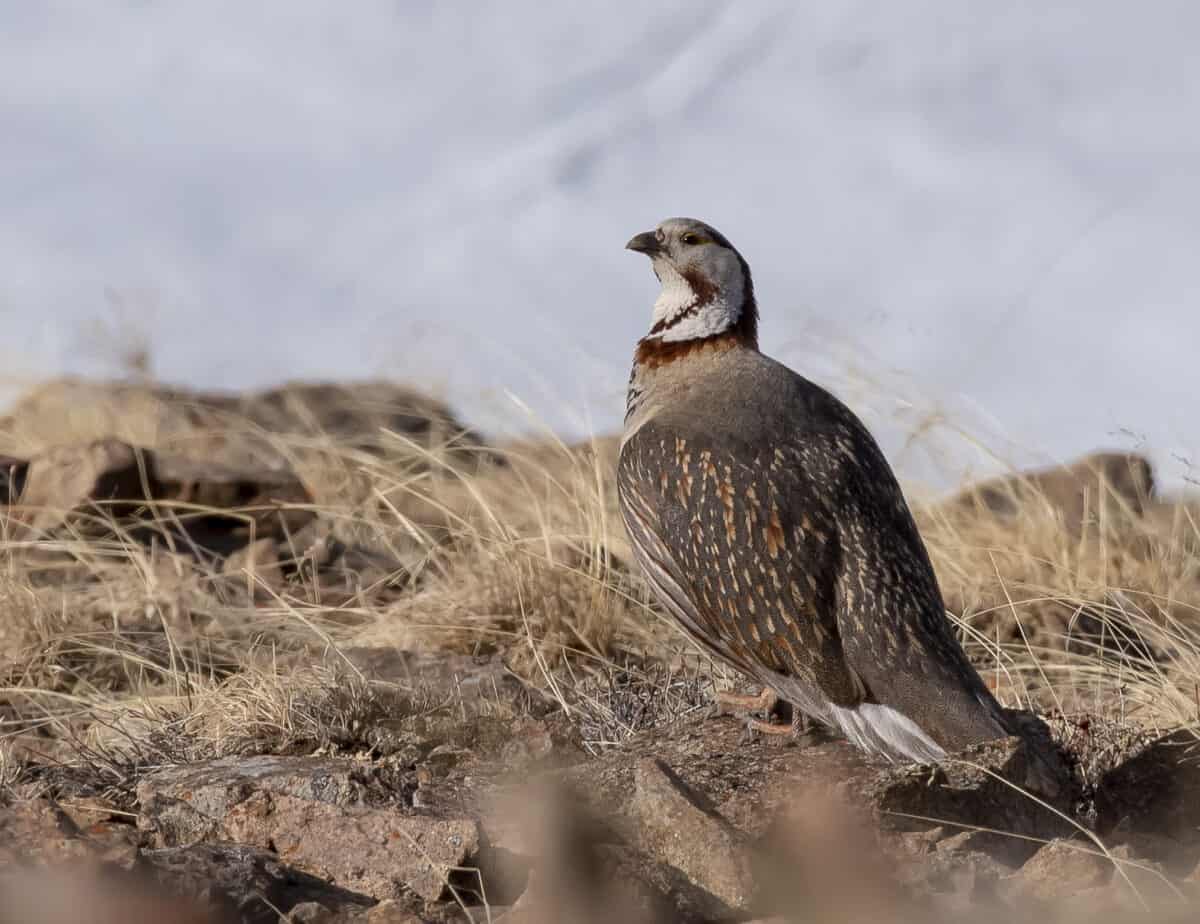
Reproduction represents a particular challenge at high altitudes, where the increased oxygen demands of pregnancy and development must be met in an oxygen-poor environment. Highland mammals have evolved specialized placental structures that enhance oxygen delivery to developing fetuses. Llamas and alpacas possess a unique type of placenta called an epitheliochorial placenta with specialized areas of thin tissue that facilitate more efficient oxygen transfer. Female Tibetan antelope migrate to lower elevations to give birth, reducing the hypoxic stress on newborns during their most vulnerable period. High-altitude birds like the Himalayan snowcock lay fewer eggs than lowland relatives but invest more resources in each offspring, improving survival chances in the harsh environment. The embryos of high-altitude species often show advanced development of respiratory systems and higher hemoglobin concentrations compared to lowland counterparts. Some highland animals have extended gestation periods that allow more complete development before birth, with the Tibetan yak’s gestation lasting approximately 258 days compared to 280 days in lowland cattle, despite the yak’s smaller body size. These reproductive adaptations ensure that offspring are better equipped to survive in the challenging conditions from birth, reflecting the significant selective pressure that high-altitude environments place on early development and reproductive success.
Evolutionary Timescales: Recent vs. Ancient Adaptations
The timescales over which high-altitude adaptations have evolved vary dramatically between species, offering insights into the pace of evolutionary change. Some adaptations represent ancient evolutionary innovations—the specialized respiratory systems of birds, with their one-way airflow and air sacs, evolved over 100 million years ago and predisposed them to success in high-altitude environments. By contrast, certain populations show remarkably rapid adaptive changes. The deer mice of the Rocky Mountains show genetic adaptations for hemoglobin function that have evolved in just thousands of years. Human populations in the Andes and Tibet represent even more recent examples of adaptation, with genetic changes emerging within the last 10,000-20,000 years as humans colonized these high-altitude regions. Tibetans and Andeans have evolved different genetic solutions to the same environmental challenge—Tibetans maintain lower hemoglobin concentrations but higher ventilation rates, while Andeans typically develop increased hemoglobin levels. The speed of these adaptations demonstrates that natural selection can act quickly when environmental pressures are strong. Genomic studies suggest that the rate of genetic adaptation can be accelerated by interbreeding events—the key EPAS1 gene variant in Tibetans appears to have been acquired through interbreeding with Denisovans, an example of adaptive introgression that allowed more rapid adaptation than would be possible through mutation alone. These varying timescales highlight the multiple evolutionary pathways and tempos through which species can adapt to extreme environmental challenges.
The extraordinary adaptations of high-altitude animals offer profound insights into the remarkable plasticity of life and the power of natural selection to shape species in response to extreme environmental challenges. From the molecular modifications in hemoglobin structure to the enlarged hearts and lungs of mountain specialists, these adaptations represent elegant solutions to the fundamental biological problem of extracting sufficient oxygen from thin air. The convergent evolution of similar traits in geographically separated regions—the

- Honoring Military Working Dogs Throughout History - July 30, 2026
- Forgotten Animal Heroes From Major Wars - July 30, 2026
- Birds That Migrate Through the Midwest Every Fall - July 30, 2026