

In the relentless game of survival, evolution has armed creatures with an astounding array of defense mechanisms that defy imagination. From chemical warfare to self-mutilation, animals have developed bizarre and effective ways to deter predators and survive in hostile environments. This article explores 18 of nature’s most shocking defensive adaptations, revealing how seemingly vulnerable creatures can transform into formidable opponents when threatened. These remarkable defense mechanisms showcase the extraordinary lengths to which evolution has gone to ensure species survival, often employing strategies that seem more like science fiction than biological reality.
15. Hagfish The Slime Masters
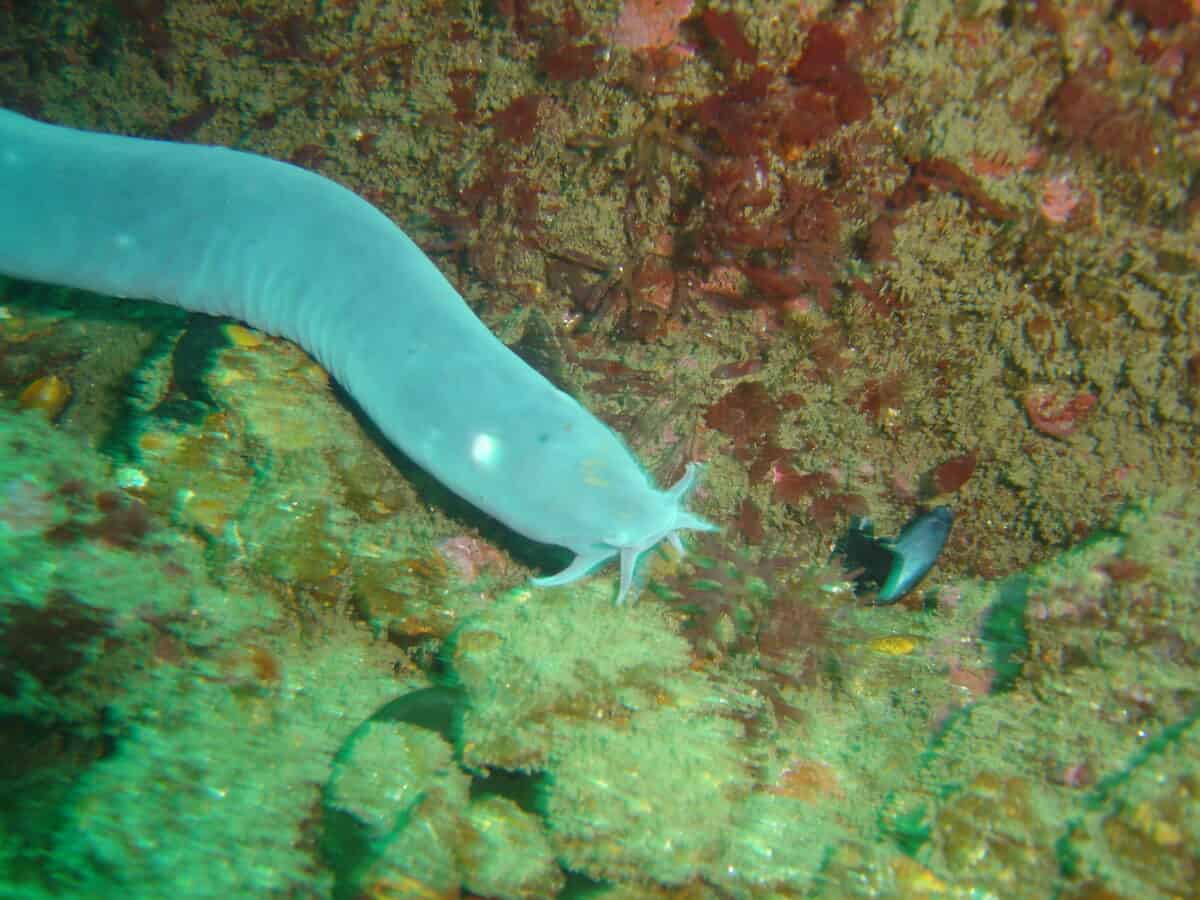
When threatened, the primitive hagfish deploys one of the most repulsive defense mechanisms in the animal kingdom. These eel-like creatures can produce over 5.3 gallons (20 liters) of slime in mere seconds from specialized glands along their bodies. This isn’t just any slime—it’s a unique substance containing thousands of tiny fibers that expand upon contact with seawater, creating a suffocating mass that clogs the gills and mouths of would-be predators. The slime is so effective that it can expand a single teaspoon into enough goo to fill a bucket. Once safe, the hagfish literally ties itself into a knot, sliding the knot down its body to scrape off its own slime, preventing self-suffocation. This remarkable adaptation has helped hagfish survive relatively unchanged for over 300 million years, making them true masters of disgusting yet effective self-defense.
14. Bombardier Beetle Nature’s Chemical Weapon

The bombardier beetle possesses what might be the most sophisticated chemical defense system in the insect world. When threatened, this unassuming beetle combines two separate chemicals—hydrogen peroxide and hydroquinones—that are stored in separate reservoirs in its abdomen. When these chemicals mix in a specialized chamber with catalytic enzymes, they create a violent exothermic reaction. The result? A boiling, caustic spray that can reach temperatures of 212°F (100°C) and is ejected with an audible popping sound directly at predators. Most remarkably, the beetle can aim this chemical spray with precision in virtually any direction, including over its back. The bombardier’s internal chemical laboratory demonstrates evolution’s capacity to develop complex defensive systems even in tiny creatures, making them formidable opponents despite their small size.
13. Texas Horned Lizard The Blood-Squirting Defender

The Texas horned lizard employs one of the most theatrical defense mechanisms in the reptile world. When cornered by predators like coyotes or domestic dogs, this lizard can increase the blood pressure in vessels near its eyes until they rupture, shooting streams of blood up to 5 feet (1.5 meters) away. This blood isn’t just alarming—it contains chemical compounds that are particularly foul-tasting and noxious to canine predators, often causing them to retreat in disgust. The lizard can lose up to 25% of its blood volume during this defense without suffering permanent harm, and can perform this blood-squirting feat multiple times if necessary. This bizarre adaptation represents an extraordinary example of how defense mechanisms can evolve to target specific predators, as the blood compounds are particularly effective against canids but less so against other threats.
12. Sea Cucumber The Self-Eviscerating Survivor

Sea cucumbers take self-sacrifice to an extreme with their shocking defense mechanism called evisceration. When threatened, certain species can violently contract their body wall muscles, causing their internal organs—including intestines, respiratory trees, and parts of their reproductive system—to be forcefully ejected through their anus or body wall toward the attacker. Some species can also expel sticky Cuvierian tubules that entangle predators like a spider’s web. What makes this defense truly remarkable is the sea cucumber’s extraordinary regenerative abilities; within a few weeks, it can regrow all the expelled organs and continue life as normal. Some species have even evolved toxic chemicals in their internal organs, making the expelled tissues not just distracting but actively harmful to predators. This seemingly desperate measure actually represents a sophisticated trade-off: sacrificing organs temporarily to preserve life, with regeneration as the recovery strategy.
11. Malaysian Exploding Ant: The Ultimate Sacrifice

The Malaysian exploding ant (Colobopsis explodens) takes the concept of self-sacrifice to an extreme that seems almost unbelievable. When their colony is threatened, specialized worker ants called “minor workers” perform a fatal act of defense: they violently contract their abdominal muscles, causing their bodies to rupture and spray a sticky, toxic yellow substance onto attackers. This substance contains corrosive chemicals that can immobilize and kill predators. What makes this defense so remarkable is that it’s a true example of altruistic suicide—the ant dies in the process, sacrificing itself for the colony’s survival. This behavior, known as autothysis, represents one of the most extreme forms of kin selection in nature, where individual survival is less important than the survival of related genes in the colony. The recently discovered C. explodens is considered the “model species” for this explosive behavior, though related species show similar defensive tactics.
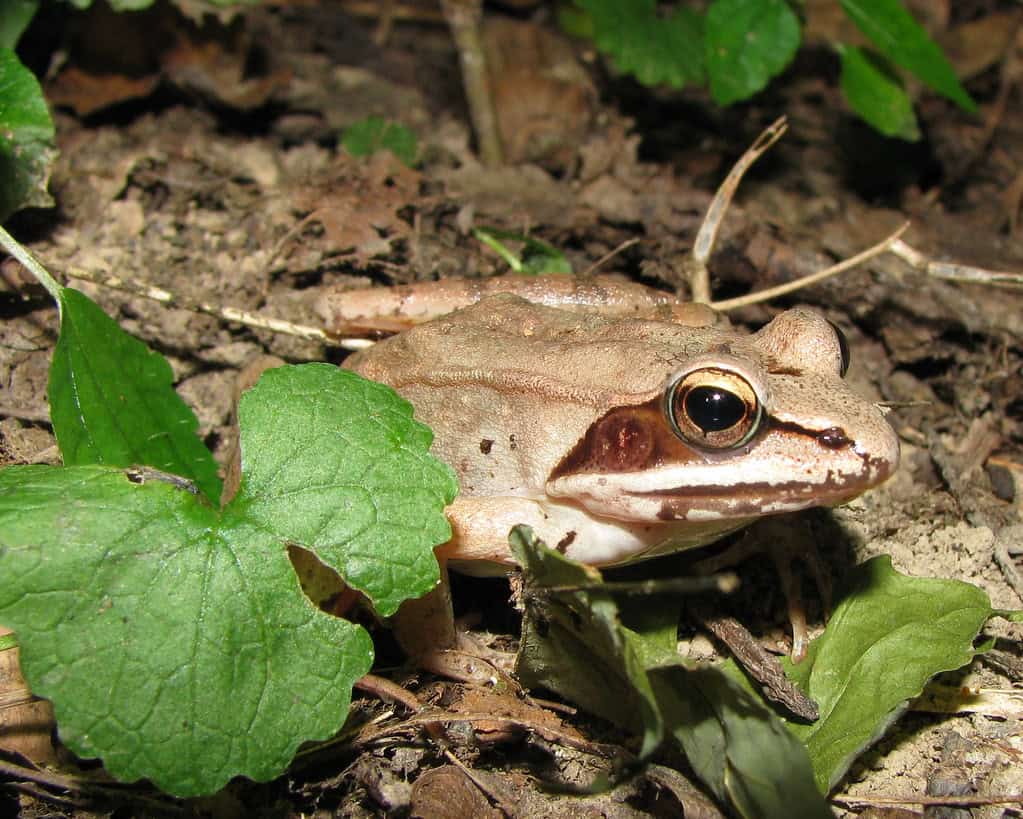
10. Wood Frog The Freeze-Tolerant Amphibian

The wood frog (Lithobates sylvaticus) has evolved perhaps the most shocking cold-weather defense mechanism among vertebrates. During winter, these frogs can allow up to 65% of their total body water to freeze solid, effectively becoming amphibian ice cubes. Their hearts stop beating, they cease breathing, and their blood no longer flows—by most clinical definitions, they are dead. The secret to their survival lies in specialized cryoprotectants: their livers produce massive amounts of glucose and urea, which act as natural antifreeze, preventing fatal ice formation inside their cells while allowing ice to form in spaces between cells. When spring arrives and temperatures rise, the frogs thaw from the inside out, with their hearts resuming beating even while their limbs remain frozen. Within hours, they hop away, completely unharmed by an experience that would be fatal to almost any other vertebrate. This remarkable adaptation allows wood frogs to survive in regions as far north as the Arctic Circle, where they can endure multiple freeze-thaw cycles annually and temperatures as low as 3°F (-16°C).
9. Hairy Frog The Bone-Claw Wolverine

The hairy frog (Trichobatrachus robustus), also known as the “horror frog” or “Wolverine frog,” possesses one of the most bizarre and painful-looking defense mechanisms known to science. When threatened, this Central African amphibian intentionally breaks the bones in its own toes, forcing the sharp, broken bone fragments through its skin to create makeshift claws. These bone claws serve as weapons against predators, allowing the otherwise vulnerable frog to slash at attackers. What makes this defense mechanism even more remarkable is that when the danger passes, the frog can retract these claws back into its toe pads, and the tissue heals without infection. This extraordinary adaptation comes with significant costs—deliberately breaking one’s own bones represents an extreme form of self-defense. The “hairy” name comes from another strange feature: during breeding season, males develop string-like dermal papillae containing blood vessels that may function as additional respiratory surfaces while they guard their eggs.
8. Japanese Puffer Fish The Lethal Balloon

The Japanese puffer fish (Takifugu rubripes) combines two formidable defense mechanisms to become one of the ocean’s most well-protected creatures. Its primary defense is inflation—when threatened, the puffer can rapidly ingest water or air, expanding its highly elastic stomach to transform from a sleek swimmer into a practically inedible spiny ball several times its normal size. This dramatic transformation is powered by specialized skin and musculature that can accommodate a volume increase of up to 100 times. As if this weren’t enough, puffer fish are also among the most poisonous vertebrates on Earth, containing tetrodotoxin, a neurotoxin up to 1,200 times more potent than cyanide. A single puffer fish carries enough toxin to kill up to 30 adult humans, and there is no known antidote. Interestingly, the puffer doesn’t produce this toxin itself but acquires it through its diet and symbiotic bacteria. This deadly combination of physical and chemical defenses makes the modest-sized puffer one of the ocean’s most formidable creatures, despite its lack of conventional weapons like strong jaws or sharp teeth.
7. Opossum The Death-Faker

The Virginia opossum (Didelphis virginiana) has perfected a defense mechanism so convincing it gave rise to the phrase “playing possum.” When faced with extreme danger, these marsupials enter an involuntary, comatose-like state that mimics death with remarkable accuracy. This isn’t simple immobility—their bodies become stiff, their lips pull back in a death grimace, they emit a foul-smelling fluid from anal glands, and their heart rate and breathing slow dramatically, sometimes becoming imperceptible. What makes this defense particularly effective is that many predators lose interest in prey that appears dead, either because they prefer fresh kills or because they suspect disease. The opossum has no control over this response—it’s an involuntary physiological reaction triggered by extreme fear, similar to fainting in humans but far more elaborate. This trance can last from less than a minute to several hours, with the opossum remaining completely unresponsive until the perceived threat has passed. The effectiveness of this adaptation has contributed to opossums being one of North America’s oldest and most successful marsupial species, having survived relatively unchanged for millions of years.
6. Slow Loris The Venomous Primate
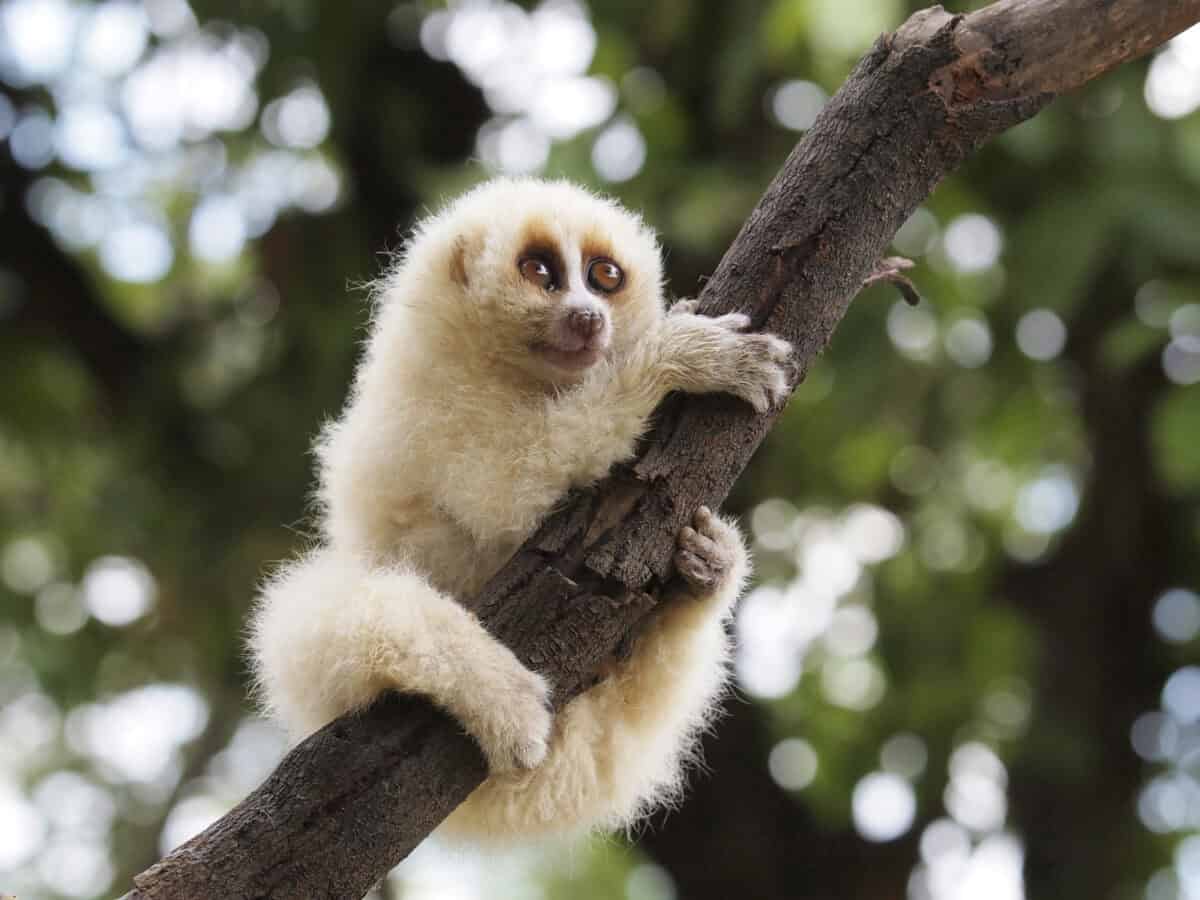
The slow loris (Nycticebus spp.) defies the conventional understanding that primates lack venom with its unique and surprising defense mechanism. These adorable-looking animals produce a toxic secretion from glands on their inner elbows. When threatened, they raise their arms above their head in a defensive posture and lick these glands, mixing the secretion with their saliva to activate the venom. The loris can then deliver this toxic cocktail through a bite from its specialized comb-like teeth. The venom contains a protein similar to the allergen found in cat dander, but at a much higher concentration, capable of causing intense pain, severe allergic reactions, and in rare cases, anaphylactic shock and death in humans. What makes this defense particularly unusual is that the loris is the only known venomous primate, representing a unique evolutionary path among our closest animal relatives. Mothers even coat their young with this venom as protection, demonstrating the central importance of this chemical defense to loris survival strategies.
5. Tarantula The Hair-Flicking Artillery

New World tarantulas possess a defense mechanism that’s both unusual and highly effective: urticating hairs. These specialized, barbed hairs cover the spider’s abdomen and can be deployed in a remarkable fashion. When threatened, the tarantula rapidly rubs its hind legs against its abdomen, creating a cloud of nearly invisible hairs that float through the air toward the threat. These aren’t ordinary hairs—they’re essentially microscopic harpoons covered with backward-facing barbs that penetrate and irritate the skin, eyes, and respiratory system of attackers. Different tarantula species have evolved various types of urticating hairs, each with specific structures suited to different defensive purposes. Some are designed to penetrate deeply, while others maximize irritation on skin surfaces. The effect on predators ranges from mild irritation to severe pain and potential blindness if the hairs contact eyes. For humans, these hairs can cause reactions lasting weeks. What makes this defense particularly sophisticated is that tarantulas can control the quantity of hairs released based on the perceived threat level, conserving this resource when possible since the hairs only regenerate with molting.
4. Termite Soldiers The Explosive Defenders

Certain species of termite soldiers, particularly in the Globitermes genus, have evolved one of the most dramatic defense mechanisms in the insect world: autothysis, or self-rupturing. When their colony is under attack and conventional defenses fail, these specialized termite soldiers perform the ultimate sacrifice. They contract their abdominal muscles with such force that their body wall ruptures, spraying a sticky, toxic secretion from their enlarged frontal glands onto enemies. This blue-colored substance immediately hardens upon contact with air, effectively gluing and immobilizing attackers. What makes this defense particularly remarkable is its effectiveness against their primary predators—ants. A single self-destructing termite soldier can immobilize multiple ant attackers, buying crucial time for the colony to seal breaches and protect the queen. The viscous liquid contains compounds toxic to ants but harmless to the termites themselves. This extreme form of altruistic suicide showcases how eusocial insects have evolved strategies where individual survival is secondary to colony defense, with certain castes specifically designed for self-sacrifice when conventional weapons prove insufficient.
3. Pygmy Sperm Whale The Ink-Jet Escape Artist

The pygmy sperm whale (Kogia breviceps) employs a defense mechanism so similar to that of squids and octopuses that it represents a remarkable case of convergent evolution. When threatened, these small whales can release up to 3 gallons (12 liters) of a reddish-brown, bioluminescent liquid from a specialized sac in their intestine. This “ink,” which consists primarily of liquid feces mixed with a specialized secretion, creates a dense cloud in the water that serves multiple functions. It visually obscures the whale from predators like sharks, disrupts predators’ ability to track by scent, and may even contain compounds that specifically numb a shark’s olfactory receptors. What makes this adaptation particularly fascinating is that it evolved independently in cetaceans, having no direct evolutionary link to the similar mechanism in cephalopods. The whale typically couples this ink release with a rapid dive and directional change, allowing it to escape while predators are confused by the cloud. This sophisticated defense mechanism compensates for the pygmy sperm whale’s relatively small size (only about 11 feet/3.5 meters long) and limited speed compared to other cetaceans, allowing it to survive despite being potential prey for larger ocean predators.
2. Armored Ground Cricket: The Blood-Spraying Machine Gun

The armored ground cricket (Acanthoplus discoidalis) of southern Africa has developed a defense mechanism that combines physical deterrence with chemical warfare. When threatened, this large cricket can forcefully spray its own blood (hemolymph) from specialized pores in its leg joints—a process called reflexive bleeding or autohemorrhaging. This isn’t a passive leakage but a precisely aimed spray that can reach distances of up to 6 inches (15 cm) in multiple directions simultaneously, creating what observers describe as a “machine gun” effect. The hemolymph contains toxic compounds that taste bitter and cause severe irritation to predators’ eyes and mucous membranes. What makes this defense particularly sophisticated is its adaptability—the cricket can selectively spray from whichever leg is closest to the threat, conserving precious bodily fluids. As a backup defense, the cricket also has sharp spines and can deliver a painful bite. Perhaps most remarkably, after deploying this bloody defense, the cricket can continue normal activities without apparent harm, having evolved physiological mechanisms to quickly recover from significant hemolymph loss. This multi-layered defense system makes these crickets formidable prey despite being relatively slow-moving insects.
1. Hoopoe The Foul-Smelling Nest Defender
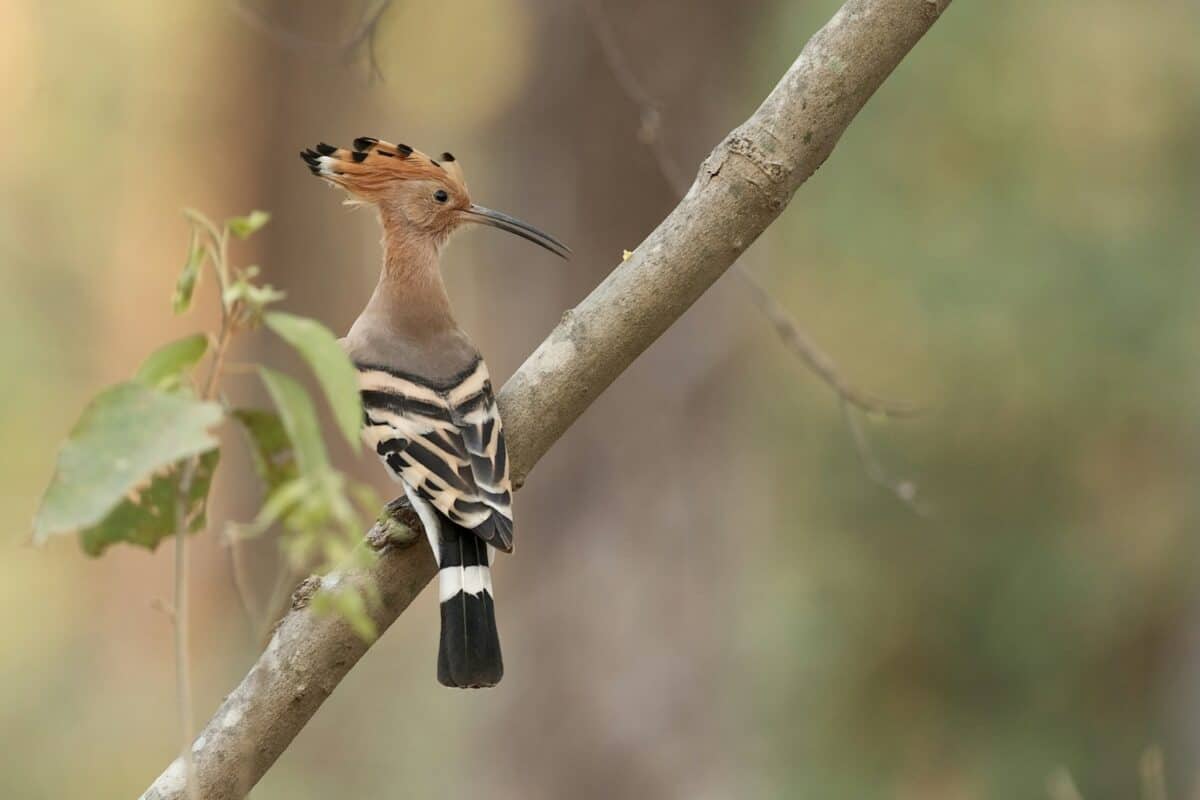
The hoopoe (Upupa epops) employs one of the most malodorous defense mechanisms in the avian world to protect its vulnerable nestlings. Female hoopoes and their chicks can precisely direct streams of foul-smelling feces at nest intruders, but this is only the beginning of their chemical warfare. The hoopoe possesses a specialized gland—the uropygial or preen gland—that produces a secretion with a distinct offensive odor often compared to rotting meat. During nesting season, this secretion changes composition, becoming enriched with antimicrobial compounds and developing an even more pungent smell. Nesting females stop cleaning.
Conclusion:

Nature’s arsenal of defense mechanisms is as astonishing as it is diverse. From venomous primates and suicidal ants to self-eviscerating sea cucumbers and blood-squirting lizards, the animal kingdom is filled with survival strategies that stretch the limits of biological possibility. These adaptations, often shocking or grotesque, are the result of millions of years of evolutionary arms races where creativity, not brute strength, determines who lives and who gets eaten. What unites these 18 creatures is not just their uniqueness, but the sheer ingenuity behind their defenses—many of which target specific predators or environments with surgical precision. Whether it’s chemical warfare, feigned death, explosive sacrifice, or weaponized body parts, these creatures prove that survival doesn’t always belong to the fastest or strongest—but often to the weirdest. Ultimately, these extraordinary adaptations serve as a powerful reminder that evolution is not a linear process of improvement, but a sprawling, unpredictable experiment driven by necessity, opportunity, and chance. In a world where danger lurks at every turn, the ability to shock, repel, or outright confuse a predator can mean the difference between extinction and endurance.

As a little kid, I fell in love with nature, wildlife, and animals. Living in the USA, South Africa, Italy, China and Germany gave me the opportunity to discover the world's Wildlife. My favorite animals are Mountain Gorillas, Siberian Tigers, and Great White Sharks.
I'm a certified PADI Open Water Diver, went to Everest Base Camp and Trekked Gorillas in Uganda. I hold a Master of Science in Economics and Finance.
Please send any feedback to feedback@animalsaroundtheglobe.com
- 15 Amazing Animals You Can See in Georgia - July 26, 2026
- 13 Shocking Facts About Animal Camouflage Tactics - July 26, 2026
- 13 Wild Animals That Outsmart Humans at Survival - July 26, 2026