

Spotting birds of prey during a hike can transform an ordinary outdoor excursion into an exciting wildlife encounter. Among the most magnificent avian predators you might encounter are hawks and falcons. While these birds share similarities that can make identification challenging, learning to distinguish between them enhances your hiking experience and deepens your connection with nature. This comprehensive guide will equip you with the knowledge to confidently identify hawks from falcons during your outdoor adventures, even if you’re not an experienced birder.
Understanding Birds of Prey Classification
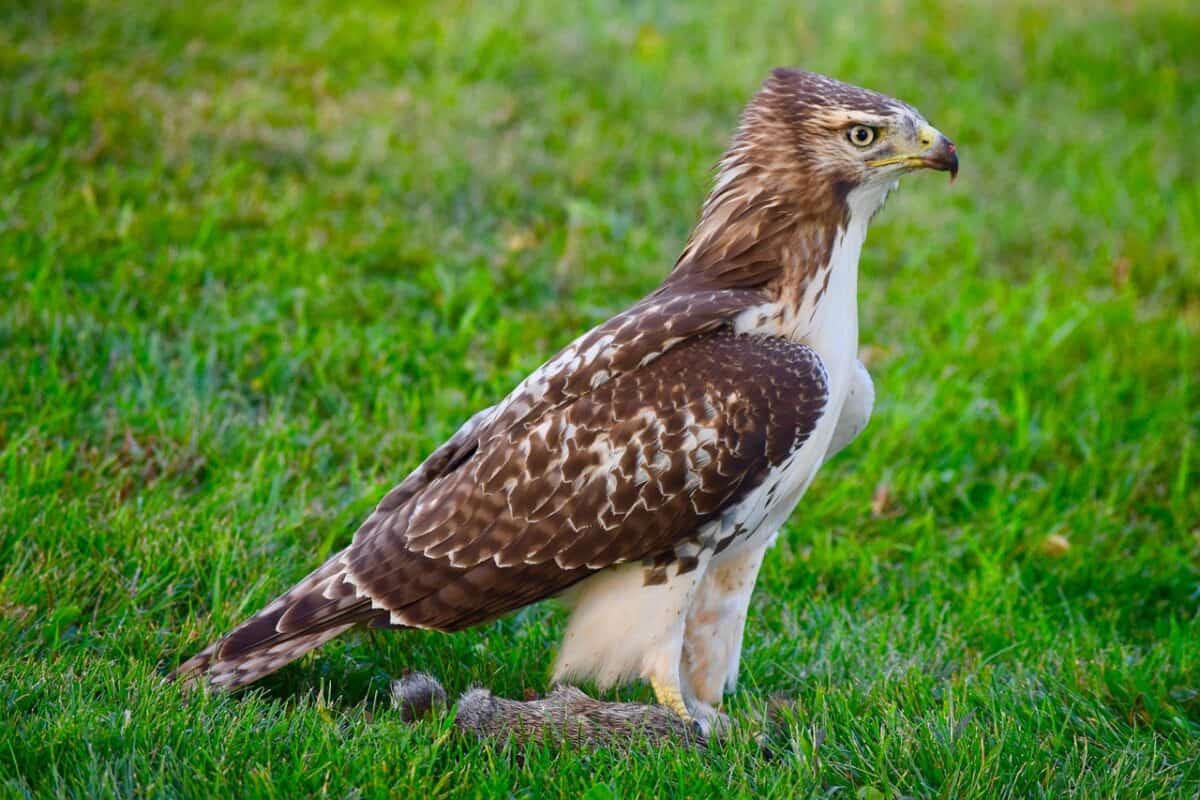
Hawks and falcons both belong to the order Falconiformes, but they come from different families. Hawks are primarily members of the Accipitridae family, which also includes eagles and kites. Falcons belong to the Falconidae family. This taxonomic distinction reflects real differences in their evolutionary history, physical characteristics, and hunting behaviors. Understanding this basic classification provides the foundation for identification. While scientific terminology might seem daunting at first, recognizing these family differences helps explain the patterns of characteristics you’ll observe in the field.
Body Shape and Size Differences

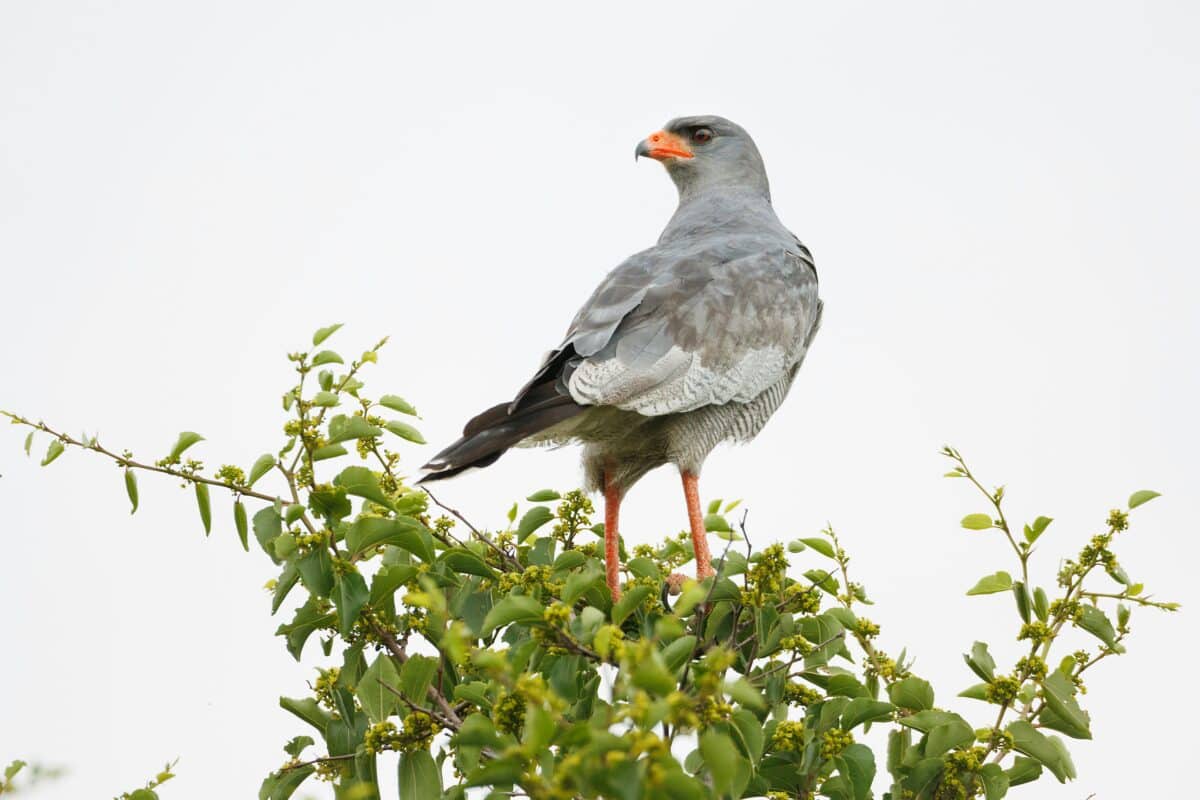
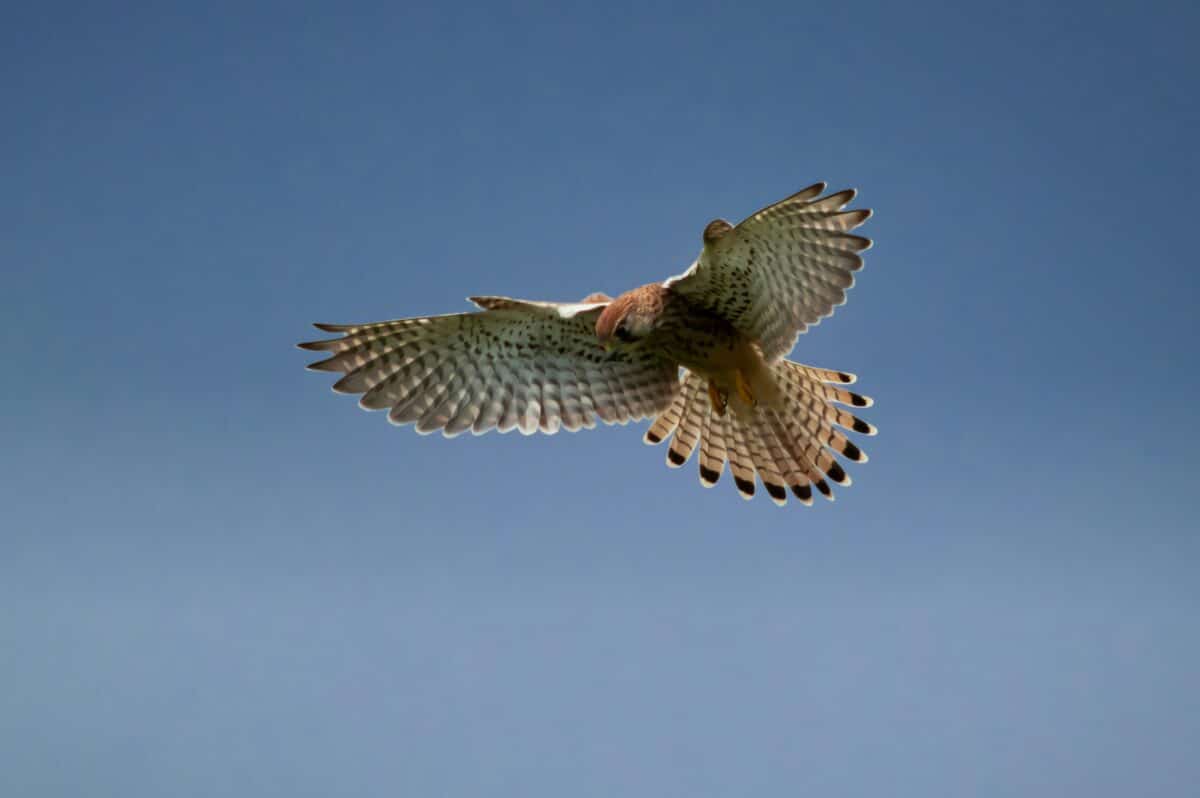
One of the most noticeable differences between hawks and falcons is their overall body shape. Hawks typically have broader, more rounded wings and a stockier build with shorter tails. Their wings create a distinctive silhouette when soaring—often described as having a “fingered” appearance at the tips. Falcons, in contrast, have longer, narrower, and more pointed wings with a sleeker, more streamlined body designed for speed. A falcon’s tail is also generally longer in proportion to its body than a hawk’s. When hiking, take a moment to observe the bird’s overall shape before attempting to identify specific features—this broad-stroke approach often provides your first clue.
Wing Shape and Flight Patterns
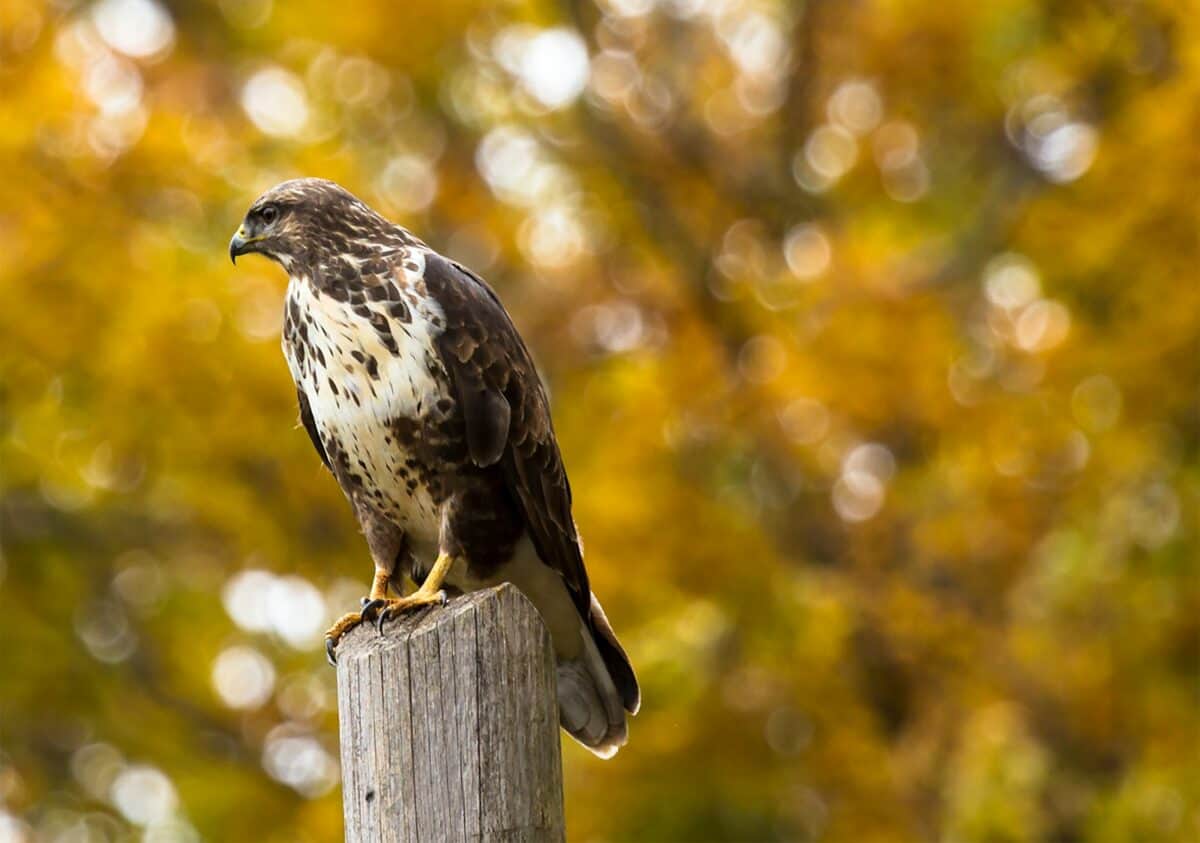
The wing shapes of hawks and falcons directly influence their flight patterns, providing excellent identification clues even from a distance. Hawks, with their broader wings, are adapted for soaring and using thermal updrafts to gain altitude with minimal energy expenditure. They often circle lazily in the sky, riding thermals in a relatively relaxed manner. Falcons, with their tapered wings, are built for speed and maneuverability. They typically fly with rapid, powerful wing beats and are capable of incredible diving speeds—the peregrine falcon can exceed 200 mph during hunting dives called stoops. When hiking in open areas, look up periodically to observe flight patterns; a bird circling slowly is more likely to be a hawk, while one flying with quick, direct movements is probably a falcon.
Facial Features and Eye Placement

If you’re fortunate enough to get a closer look at these birds, their facial features offer definitive identification markers. Falcons have a distinctive “mustache” marking (called a malar stripe) below their eyes that hawks lack. This dark stripe contrasts with the lighter coloration of their faces and serves as a signature field mark. Additionally, falcons have a notched beak with a specialized “tooth” that helps them sever their prey’s spinal cord efficiently. Hawks have a more curved beak without this notch. Eye placement also differs subtly—falcons have more pronounced eyes with a sharper gaze, adapted for their high-speed hunting style. Carrying compact binoculars while hiking greatly enhances your ability to observe these detailed facial characteristics.
Hunting Behaviors and Techniques

Observing hunting behavior provides valuable clues for identification. Hawks are typically “sit-and-wait” predators or employ a “quartering” technique where they fly low over fields, watching for prey below. Many hawks hunt from perches, patiently scanning the landscape before dropping onto unsuspecting prey. Falcons, particularly the larger species, are aerial hunters that often capture birds in flight. The peregrine falcon’s spectacular high-speed dive to strike prey mid-air is one of nature’s most impressive hunting displays. If you’re lucky enough to witness hunting behavior while hiking, note the approach—a bird that dives dramatically from great height is likely a falcon, while one that glides low or pounces from a perch is probably a hawk.
Common North American Hawks to Watch For
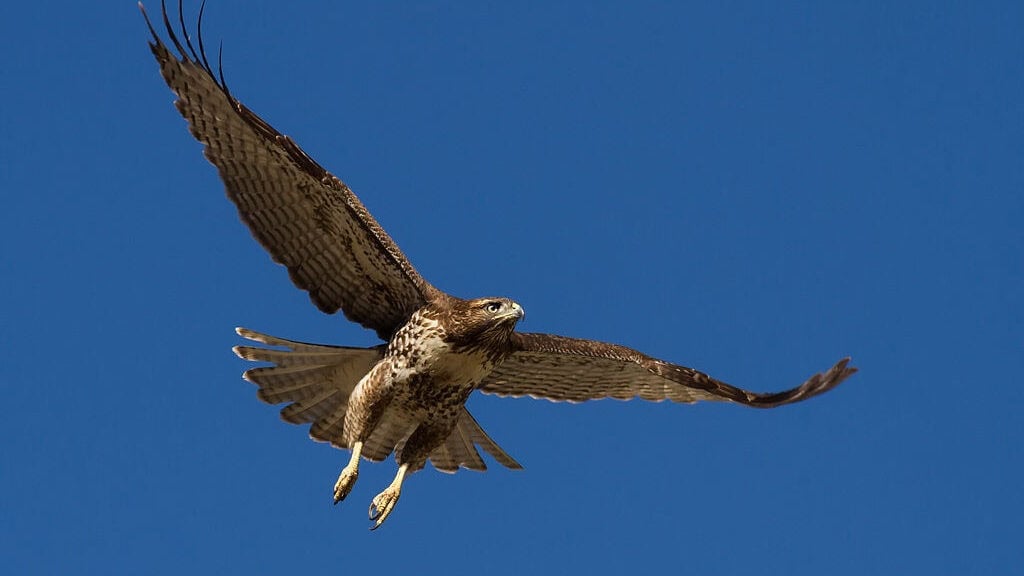
North American hiking trails offer opportunities to spot several distinctive hawk species. The Red-tailed Hawk (Buteo jamaicensis) is perhaps the most widespread, recognizable by its rusty-red tail and habit of soaring in circles on thermal updrafts. The Cooper’s Hawk (Accipiter cooperii) and Sharp-shinned Hawk (Accipiter striatus) are woodland hawks with shorter wings adapted for maneuvering through forests. The Northern Harrier (Circus hudsonius) is distinctive for its owl-like face and habit of flying low over open grasslands. The Broad-winged Hawk (Buteo platypterus) is known for its spectacular migration in huge numbers called “kettles.” Familiarizing yourself with the hawks common to your hiking region improves your chances of correct identification when you spot one in the wild.
Common North American Falcons to Watch For

While hiking across North America, you might encounter several falcon species. The American Kestrel (Falco sparverius) is the smallest and most colorful falcon in North America, often seen hovering over open fields. The Peregrine Falcon (Falco peregrinus) has made a remarkable recovery from near-extinction and can be found near cliff faces and increasingly in urban environments. The Merlin (Falco columbarius) is a compact, powerful falcon that specializes in catching birds. The Prairie Falcon (Falco mexicanus) inhabits the open landscapes of western North America. Learning the habitat preferences of these species can help narrow down identification possibilities based on your hiking location—you’re unlikely to spot a Prairie Falcon in eastern deciduous forests, for example.
Regional Habitat Considerations for Identification

Habitat provides crucial context for bird identification. Hawks and falcons have evolved to exploit different ecological niches, which influences where you’re likely to encounter them while hiking. Buteo hawks like Red-tails prefer open country with scattered trees for perching. Accipiters like Cooper’s Hawks favor wooded areas where they can ambush prey. Northern Harriers hunt over marshes and grasslands. Among falcons, Peregrines traditionally nest on cliff faces but have adapted to urban skyscrapers that mimic cliff habitats. American Kestrels prefer open country with scattered trees and utility poles for perching. By considering the habitat where you’re hiking—mountain, forest, grassland, desert, or coastline—you can narrow the range of likely species you might encounter, making identification more manageable.
Seasonal Migration Patterns
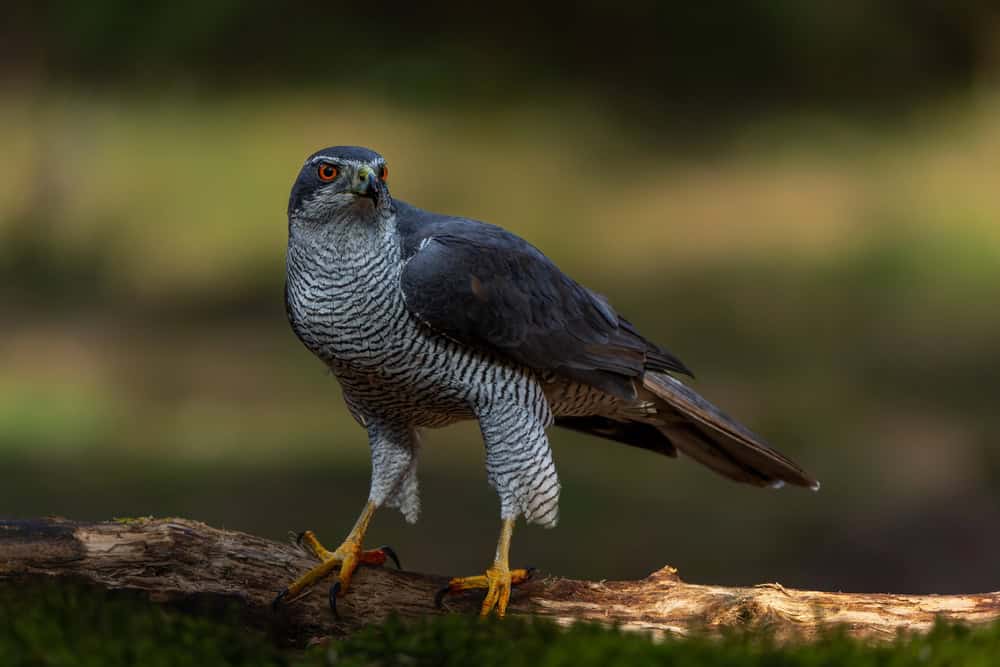
Understanding migration patterns enhances your bird identification skills by helping you anticipate which species might be present during your hike. Many hawk species are migratory, with spectacular congregations occurring at migration hotspots like Hawk Mountain in Pennsylvania or Cape May in New Jersey during fall migration. Broad-winged Hawks migrate in impressive numbers to South America, while some Red-tailed Hawks remain year-round in much of their range. Among falcons, Peregrines that breed in Arctic regions make long migrations to Central and South America, while those in temperate regions may be year-round residents. Research the seasonal patterns in your hiking area before setting out, as this knowledge dramatically increases your chances of successful identification.
Essential Gear for Bird Identification While Hiking

Proper equipment significantly enhances your ability to identify hawks and falcons in the field. Binoculars are essential—8×42 or 10×42 magnifications offer a good balance of power and field of view without being too heavy for hiking. A field guide specific to birds of prey or a quality birding app on your smartphone provides reference images and information. Consider a small notebook or digital device for recording observations, including details about size, shape, coloration, behavior, and habitat. A camera with a zoom lens can capture images for later confirmation. Remember that this equipment adds weight to your pack, so balance your birding ambitions with practical hiking considerations. Even with minimal gear, practiced observation skills can lead to successful identifications.
Vocalizations and Calls
Hawks and falcons produce distinctive vocalizations that can aid in identification, even when the birds are difficult to see. Red-tailed Hawks emit a hoarse, screaming “keeeeee-arr” that has become the stereotypical raptor call often used in movies. Cooper’s Hawks make a rapid “kek-kek-kek” when alarmed. Among falcons, Peregrines produce a loud “kak-kak-kak” during territorial displays, while American Kestrels have a shrill “killy-killy-killy” call. Familiarize yourself with these sounds through online resources or birding apps before your hike. While hiking, stay alert for calls—sometimes you’ll hear a raptor before seeing it. A bird calling from a hidden perch or soaring at great height might be identifiable by sound alone when visual details are obscured.
Ethical Bird Observation Practices

Responsible wildlife observation enhances your hiking experience while protecting the birds you’re enjoying. Maintain a respectful distance from all birds of prey, especially during nesting season when disturbance can cause parents to abandon nests. Use binoculars and spotting scopes to get a closer look without physically approaching the birds. Stay on designated trails to minimize habitat disruption. Never attempt to bait or lure birds for better viewing or photography. If you discover a nest site, keep the location private to prevent disturbance by others. Remember that some locations, particularly those with endangered species like Peregrine Falcons, may have seasonal closures to protect breeding birds. Check with park authorities about any restrictions before hiking in sensitive areas.
Conclusion: Enhancing Your Hiking Experience Through Raptor Identification
Learning to distinguish hawks from falcons transforms ordinary hikes into enriching wildlife encounters that deepen your connection with the natural world. The skills developed through careful observation—attention to silhouettes, flight patterns, behaviors, and habitat context—enhance your overall nature awareness beyond just bird identification. Each successful identification builds your knowledge base, making future observations more rewarding and accurate. Whether you’re a casual hiker who enjoys occasional bird sightings or an enthusiastic birder who plans hikes around wildlife opportunities, the ability to recognize these magnificent aerial predators adds a new dimension to your outdoor experiences. Take these identification tips on your next hike, look up frequently, and discover the thrill of distinguishing between the hawks and falcons that share our wild spaces.

- The Forgotten Lake Where Flamingos Nest in the U.S. - July 10, 2026
- This U.S. Forest Is Home to the Largest Herd of Wild Elk - July 10, 2026
- The Most Dangerous Lake in the World—And Why It Can Kill Instantly - July 10, 2026