


The United States boasts an incredible array of biodiversity, with unique ecosystems spanning from coastal wetlands to alpine mountains, arid deserts to temperate rainforests. This environmental diversity has fostered the evolution and adaptation of countless remarkable wildlife species across the country. While every state harbors its own natural treasures, some stand out for their exceptional concentration of endemic species, rare animals, and unusual ecological niches. This article explores 17 U.S. states that are home to the most unique and fascinating wildlife, highlighting the distinctive creatures that make these regions biological hotspots worthy of both conservation efforts and visitor appreciation.
Florida Where Subtropical Species Thrive

Florida’s unique geographical position as a peninsula extending into subtropical waters has created a wildlife haven unlike any other in the continental United States. The Everglades, often called the “River of Grass,” hosts the only place in the world where alligators and crocodiles naturally coexist. The state is home to the endangered Florida panther, with fewer than 230 individuals remaining in the wild, making it one of North America’s most threatened mammals. Marine life around Florida is equally remarkable, with the only living coral barrier reef in the continental U.S. supporting over 6,000 marine species. Exotic invasive species have also made Florida their home, including Burmese pythons, which have dramatically altered the Everglades ecosystem, and non-native rhesus macaques that have established colonies in Central Florida, creating a surprising primate presence in the Sunshine State.
Hawaii An Isolated Evolutionary Laboratory

Hawaii stands as the unrivaled champion of endemic species in the United States, with approximately 90% of its native wildlife found nowhere else on Earth. This extraordinary rate of endemism results from the islands’ extreme isolation, allowing unique evolutionary adaptations to flourish. The Hawaiian honeycreepers represent one of the most dramatic examples of adaptive radiation, with over 50 species evolving from a single ancestor—though tragically, many are now extinct or endangered. Marine life surrounding the islands includes distinctive creatures like the Hawaiian monk seal, one of the most endangered marine mammals in the world with only about 1,400 individuals remaining. Hawaii’s isolation has made its ecosystems particularly vulnerable to invasive species, with introduced predators decimating native bird populations that evolved without natural defenses against such threats. Conservation efforts in Hawaii are critical, as the state has been dubbed “the extinction capital of the world,” with more endangered species per square mile than any other place on the planet.
Alaska Megafauna and Arctic Specialists

Alaska’s vast wilderness contains some of North America’s most impressive megafauna and specialized arctic wildlife. The state hosts the continent’s largest brown bear subspecies, the Kodiak bear, which can weigh over 1,500 pounds—making it one of the largest terrestrial predators on Earth. Marine ecosystems surrounding Alaska support massive populations of wildlife, including an estimated 30,000 sea otters in the Aleutian Islands, though this represents a significant decline from historical numbers. The Arctic National Wildlife Refuge provides critical habitat for the Porcupine caribou herd, which undertakes one of the longest terrestrial migrations of any animal, traveling up to 1,500 miles annually between calving grounds and winter ranges. Alaska’s changing climate has made it ground zero for observing ecological shifts, with polar bears increasingly forced onto land as sea ice diminishes, creating new interactions between species previously separated by habitat differences. The state’s remote landscapes still hold biological mysteries, with new species discoveries continuing to occur in its less-explored regions.
California Biodiversity From Desert to Sea

California’s extraordinary range of habitats has fostered exceptional biodiversity, with the state claiming more endemic species than any other in the continental U.S. The state hosts approximately 30,000 insect species, 63 freshwater fish species, 46 amphibians, 96 reptiles, 563 birds, and 190 mammals. California’s Channel Islands showcase impressive speciation, including the island fox, which evolved into six distinct subspecies across six different islands—one of the fastest examples of mammalian evolution ever documented. The state’s coastal waters support the remarkable migration of gray whales, which travel up to 12,000 miles round-trip between Arctic feeding grounds and Mexican breeding lagoons—the longest known migration of any mammal. California’s desert regions harbor specialized species like the Joshua tree, which depends on a single moth species (the yucca moth) for pollination in one of evolution’s most remarkable examples of coevolution. Sadly, California also leads the nation in the number of threatened and endangered species, with 272 plants and animals currently listed under the Endangered Species Act due to habitat loss, climate change, and other human-induced pressures.
Arizona Desert Adaptations and Sky Islands

Arizona’s unique geography, featuring both harsh desert environments and isolated mountain ranges known as “sky islands,” has produced remarkable wildlife adaptations. The Sonoran Desert, covering much of southern Arizona, is the only place on Earth where the iconic saguaro cactus grows naturally, providing critical habitat for numerous species including the endangered lesser long-nosed bat, which times its migration to coincide with saguaro flowering. Arizona’s Madrean Sky Islands—mountains rising abruptly from the desert floor—create isolated habitats that function like biological islands, resulting in numerous endemic species and allowing tropical species to reach their northernmost range. The state hosts North America’s only native jaguar population, with occasional individuals crossing from Mexico into southern Arizona, though they remain critically endangered within U.S. borders. The Grand Canyon region supports rare wildlife like the California condor, which was reintroduced after nearly becoming extinct, with the Arizona-Utah population now numbering approximately 100 birds. Arizona’s riparian areas, though comprising less than 1% of the state’s land area, support an estimated 80% of its wildlife species, highlighting the critical importance of these water-dependent ecosystems in an arid landscape.
Texas Where Ecological Regions Converge

Texas stands as an ecological crossroads where multiple biological provinces intersect, creating extraordinary wildlife diversity across its vast territory. The state encompasses ten distinct ecological regions, from the Piney Woods of East Texas to the Chihuahuan Desert in the west, supporting approximately 1,400 vertebrate species—more than any other U.S. state. Bracken Cave near San Antonio hosts the world’s largest bat colony, with over 15 million Mexican free-tailed bats emerging each evening during summer months, consuming an estimated 140 tons of insects nightly. The Texas Gulf Coast provides critical habitat for the endangered Kemp’s ridley sea turtle, the world’s most endangered sea turtle species, which nests almost exclusively on beaches in the western Gulf of Mexico. The remote Davis Mountains region serves as an ecological island supporting numerous isolated populations, including the endemic Davis Mountains gray fox. Despite its biological wealth, Texas faces significant conservation challenges, with rapid urbanization and energy development threatening sensitive habitats, while having relatively little federally protected land compared to western states.
New Mexico Deserts, Mountains, and Unique Evolutionary History
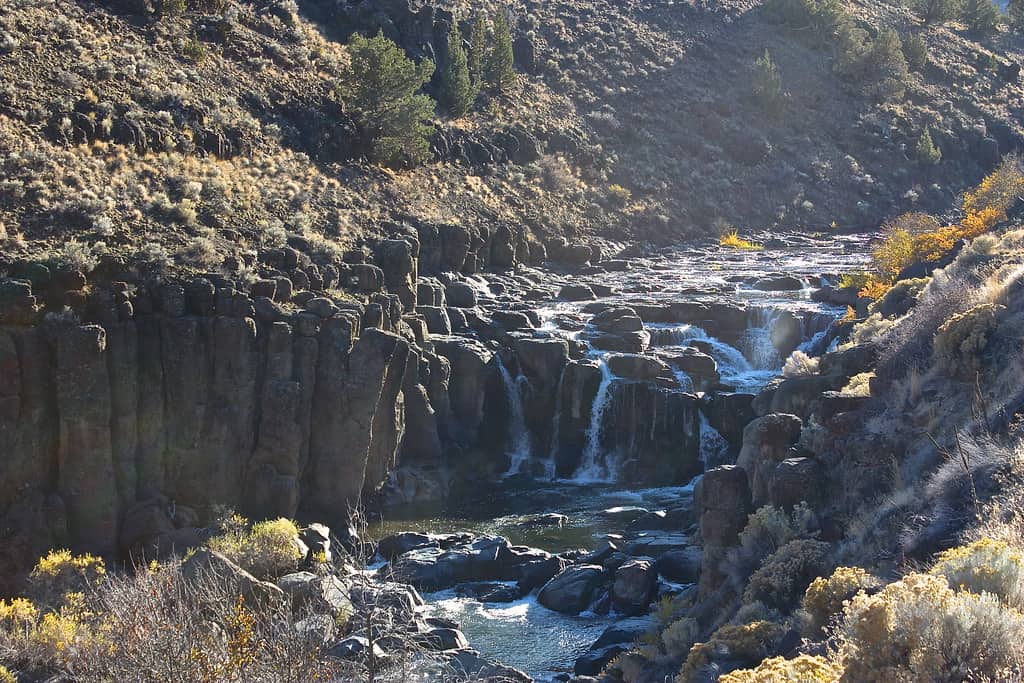
New Mexico’s dramatic elevation changes and position at the intersection of several major ecological zones have created unique wildlife communities found nowhere else. The state hosts the White Sands ecosystem, where rapid evolution has produced numerous white-colored animal species adapted to the gypsum dune fields, including the bleached earless lizard, which evolved its pale coloration in just a few thousand years—one of the fastest documented examples of adaptive evolution. The Rio Grande Gorge provides critical habitat for the North American river otter, which was successfully reintroduced after being extirpated from the state in the 1950s. The Mexican gray wolf, the most endangered wolf subspecies in North America, is being reintroduced in the Gila Wilderness, with approximately 186 individuals now living in the wild—up from complete extinction in the wild during the late 1970s. New Mexico hosts remarkable migration patterns, including the sandhill crane congregation at Bosque del Apache National Wildlife Refuge, where tens of thousands of birds gather each winter, creating one of North America’s most spectacular wildlife displays. The state’s bat diversity is exceptional, with 29 species representing nearly a third of all bat species found in the United States, including the endangered Mexican long-nosed bat.
Washington Temperate Rainforests and Marine Riches

Washington State’s diverse ecosystems range from temperate rainforests to alpine zones, creating habitats for wildlife that thrive in its unique Pacific Northwest environment. The Olympic National Park contains the lower 48 states’ only temperate rainforest ecosystem, receiving up to 14 feet of annual rainfall and supporting endemic species like the Olympic marmot, found nowhere else on Earth. Puget Sound hosts one of the most diverse marine ecosystems in North America, including the endangered Southern Resident killer whales, a genetically distinct population of orcas that specialize in hunting salmon rather than marine mammals—unlike most orca populations worldwide. The Columbia River watershed supports one of the world’s greatest salmon runs, with all five Pacific salmon species migrating through Washington waters, though populations have declined dramatically due to dams, habitat loss, and climate change. Mount St. Helens provides scientists with a living laboratory for studying ecological succession following its 1980 eruption, with surprising discoveries about wildlife recolonization rates—some species returned to the blast zone within days despite catastrophic habitat destruction. Washington’s coastal islands serve as critical breeding grounds for seabirds, with Protection Island hosting one of the largest breeding colonies of rhinoceros auklets in the world, with approximately 72,000 nesting pairs.
Oregon Where Forest Meets Ocean

Oregon’s position between the Pacific Ocean and multiple mountain ranges has created extraordinary biodiversity spanning maritime to alpine environments. The state’s coastal tidepools harbor some of the most diverse intertidal ecosystems in North America, supporting species like the giant Pacific octopus—the world’s largest octopus species, which can reach arm spans of 20 feet and weigh over 100 pounds. Oregon contains the largest remaining old-growth temperate rainforest in the continental United States, providing habitat for the northern spotted owl and marbled murrelet, both threatened species that depend on ancient forest structures. The Malheur National Wildlife Refuge in southeastern Oregon sits along the Pacific Flyway, attracting over 320 bird species and hosting one of the largest concentrations of sandhill cranes during migration periods. Oregon’s Crater Lake, the deepest lake in the United States at 1,943 feet, contains endemic species including the Mazama newt, which evolved in isolation after the collapse of Mount Mazama created the lake approximately 7,700 years ago. The state’s complex river systems support wild salmon runs, with the Rogue River being one of the few remaining waterways supporting all five Pacific salmon species, though all populations face significant conservation challenges from habitat degradation and climate change.
Louisiana Wetland Wonders of the Bayou

Louisiana’s extensive wetlands, including the Mississippi River Delta and the Atchafalaya Basin, create some of North America’s most productive and unusual wildlife habitats. The state contains approximately 40% of all wetlands in the continental United States, supporting over 600 wildlife species, including the American alligator, which rebounded from near-extinction to become a conservation success story with a population now exceeding 2 million in Louisiana alone. The coastal marshes provide essential nursery habitat for commercially important seafood species, with Louisiana producing nearly one-third of the seafood harvested in the continental United States. Louisiana hosts the largest wading bird rookery in North America at Avery Island, where thousands of egrets, herons, and roseate spoonbills nest among ancient cypress trees. The state’s bottomland hardwood forests support one of the last populations of the ivory-billed woodpecker, though controversy surrounds whether this magnificent bird still exists or has finally succumbed to extinction after decades without confirmed sightings. Louisiana faces severe conservation challenges, losing approximately a football field of wetlands every 100 minutes due to a combination of sea-level rise, subsidence, and human-induced changes to the Mississippi River’s natural delta-building processes.
Montana Wide-Open Spaces for Iconic Mammals

Montana’s vast landscapes provide crucial habitat for some of North America’s most iconic large mammals and specialized high-country species. The state contains the largest grizzly bear population in the lower 48 states, with approximately 1,000 bears inhabiting the Greater Yellowstone Ecosystem and Northern Continental Divide Ecosystem. Montana’s American Prairie Reserve represents one of the most ambitious conservation projects in North America, aiming to restore a 3.5-million-acre shortgrass prairie ecosystem supporting bison, pronghorn, and other native species that once roamed the Great Plains in abundance. The state’s high mountain regions harbor specialized alpine species like the wolverine, with fewer than 300 individuals estimated to remain in the contiguous United States, requiring vast territories and persistent spring snowpack for denning. Montana’s rivers support extraordinary aquatic biodiversity, including the endangered pallid sturgeon, a prehistoric fish that has remained virtually unchanged for over 70 million years but now faces extinction due to dam construction and river modifications. The Charles M. Russell National Wildlife Refuge protects crucial elk habitat, supporting a herd of approximately 6,000 animals that participate in one of the few remaining long-distance elk migrations outside of the Greater Yellowstone Ecosystem.
Michigan Great Lakes Maritime Ecosystems

Michigan’s position surrounded by four of the five Great Lakes creates unique wildlife habitats found nowhere else in the country. The state contains over 11,000 inland lakes and 36,000 miles of streams, supporting 153 native fish species, including the prehistoric lake sturgeon, which can live up to 150 years and reach weights of over 200 pounds. Isle Royale National Park provides the setting for the longest-running predator-prey study in the world, examining the relationship between wolves and moose on this isolated island ecosystem for over 60 years, though wolf numbers have dwindled to the point where new individuals were recently introduced to prevent local extinction. Michigan’s Upper Peninsula contains some of the largest remaining old-growth northern hardwood forests in the Midwest, providing habitat for rare species like the northern flying squirrel and American marten, which have disappeared from much of their historical range. The state’s coastal wetlands serve as critical stopover habitat along the Mississippi Flyway, with places like Pointe Mouillee hosting over 300,000 migrating waterfowl annually. Michigan’s Kirtland’s warbler represents one of conservation’s greatest success stories, increasing from fewer than 200 breeding pairs in the 1970s to over 2,300 pairs today through careful management of young jack pine forests, the bird’s highly specialized breeding habitat.
Maine Northeastern Forest and Maritime Specialists
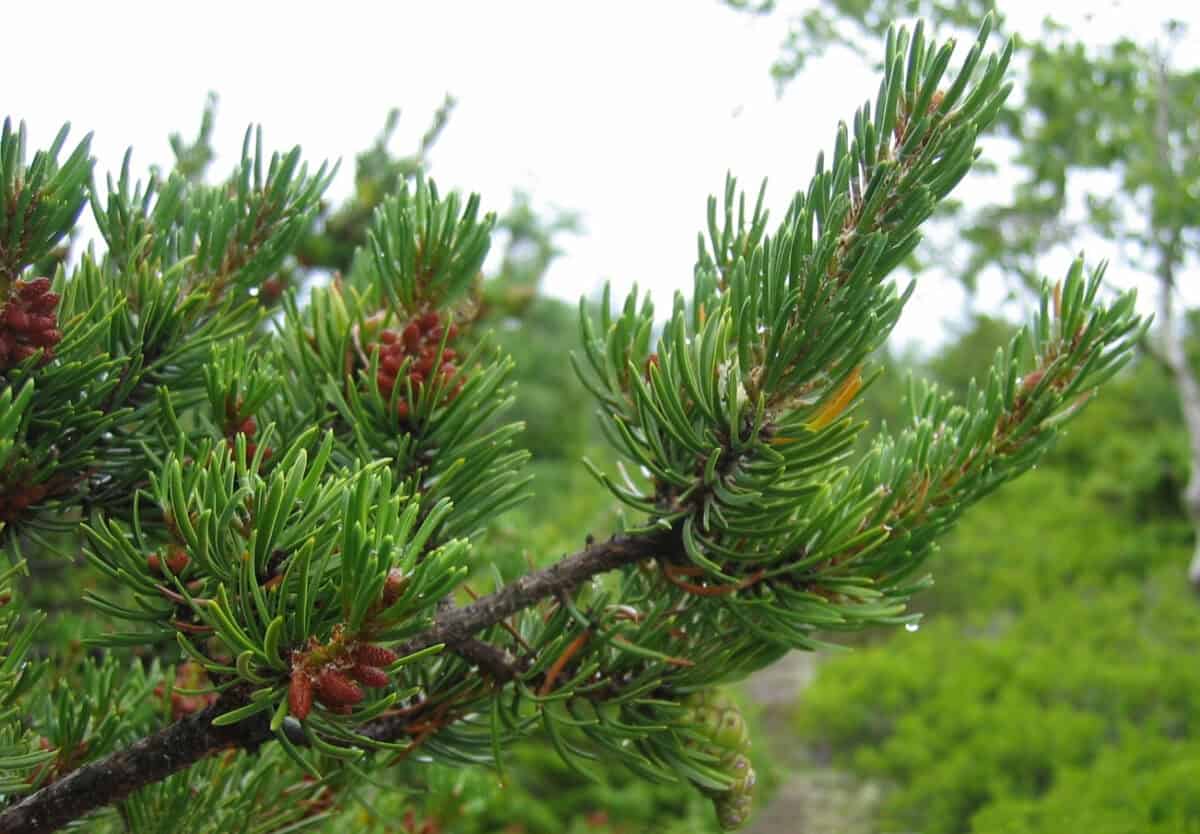
Maine’s position at the northern edge of the eastern United States creates unique wildlife communities that blend boreal and temperate elements. The state contains the largest contiguous block of undeveloped forest east of the Mississippi River, providing habitat for species requiring extensive territories, like the Canada lynx, which reaches the southern limit of its range in Maine and depends on snowshoe hare populations that thrive in regenerating boreal forest. Maine’s Atlantic coast hosts one of the world’s richest cold-water marine ecosystems, supporting approximately 3,000 puffins that nest on offshore islands following a remarkably successful reintroduction program that brought these colorful seabirds back from local extinction. The state’s remote Moosehead Lake region contains one of the densest moose populations in the lower 48 states, with approximately 60,000 moose roaming Maine’s forests—more than all other states in the contiguous U.S. combined. Maine’s vernal pools provide crucial breeding habitat for specialized amphibians, including the blue-spotted salamander and wood frog, which have evolved freeze-tolerance adaptations allowing them to survive winter temperatures reaching -4°F by essentially becoming “frogsicles” with up to 65% of their body water converted to ice. The state’s Acadia National Park represents a biological crossroads where northern and southern species meet, creating unusual ecological communities where subtropical maritime species reach their northern limits while arctic-alpine plants grow on exposed mountaintops just miles from the ocean.
Conclusion:
From the icy wilderness of Alaska to the tropical shores of Florida and the volcanic peaks of Hawaii, the United States is home to a spectacular range of wildlife found nowhere else on Earth. These 17 states exemplify the nation’s astonishing biodiversity, each offering a unique blend of endemic species, rare habitats, and remarkable evolutionary stories. Whether it’s the rapid adaptation of white lizards in New Mexico’s gypsum dunes, the deep-sea foraging of orcas in Washington’s Puget Sound, or the unlikely survival of puffins on Maine’s coastal islands, these regions serve as powerful reminders of nature’s ingenuity and resilience. Yet with this biological richness comes great responsibility. Habitat loss, invasive species, climate change, and human encroachment continue to place immense pressure on many of these ecosystems. The survival of the Florida panther, the Hawaiian monk seal, and the Mexican gray wolf, among others, depends not only on scientific intervention but also on public awareness and commitment to conservation. By celebrating and protecting the extraordinary wildlife of these states, we safeguard not only the species themselves but also the ecological balance and natural heritage that make America’s landscapes so diverse and extraordinary. In the end, these states do more than host fascinating creatures—they tell the story of life’s ability to adapt, persist, and inspire. They are living laboratories, sanctuaries of wonder, and urgent calls to action. The future of America’s wildest places depends on how well we listen.

As a little kid, I fell in love with nature, wildlife, and animals. Living in the USA, South Africa, Italy, China and Germany gave me the opportunity to discover the world's Wildlife. My favorite animals are Mountain Gorillas, Siberian Tigers, and Great White Sharks.
I'm a certified PADI Open Water Diver, went to Everest Base Camp and Trekked Gorillas in Uganda. I hold a Master of Science in Economics and Finance.
Please send any feedback to feedback@animalsaroundtheglobe.com
- The 10 Rarest Dog Breeds Making a Comeback in America - July 19, 2026
- 13 Creatures That Survived Mass Extinctions - July 19, 2026
- 12 Pets That Are Perfect for Seniors - July 19, 2026