

In the vast and diverse animal kingdom, we often think of creatures as having the same basic anatomical features we do—including hearts that pump blood and brains that process information. However, nature has created remarkable exceptions that challenge our understanding of what constitutes life. Some organisms have evolved to survive and even thrive without what we consider essential organs. This article explores 20 fascinating animals that manage to exist without a conventional heart, brain, or in some cases, both. Their unique adaptations highlight the incredible diversity of life on Earth and demonstrate alternative solutions to the fundamental challenges of survival.
Jellyfish Masters of Simplicity
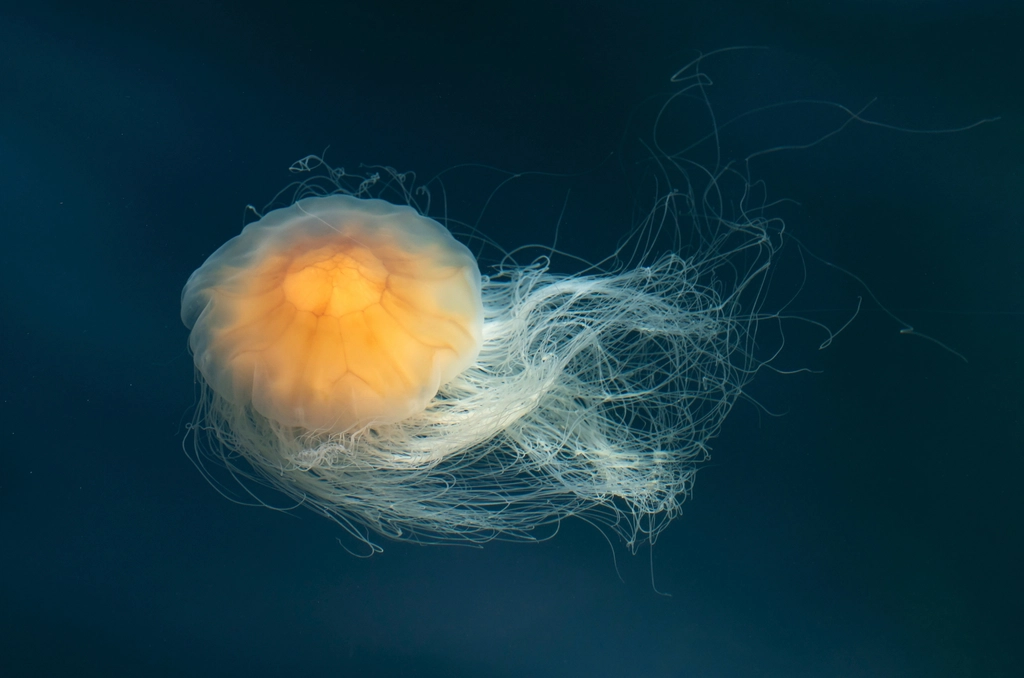
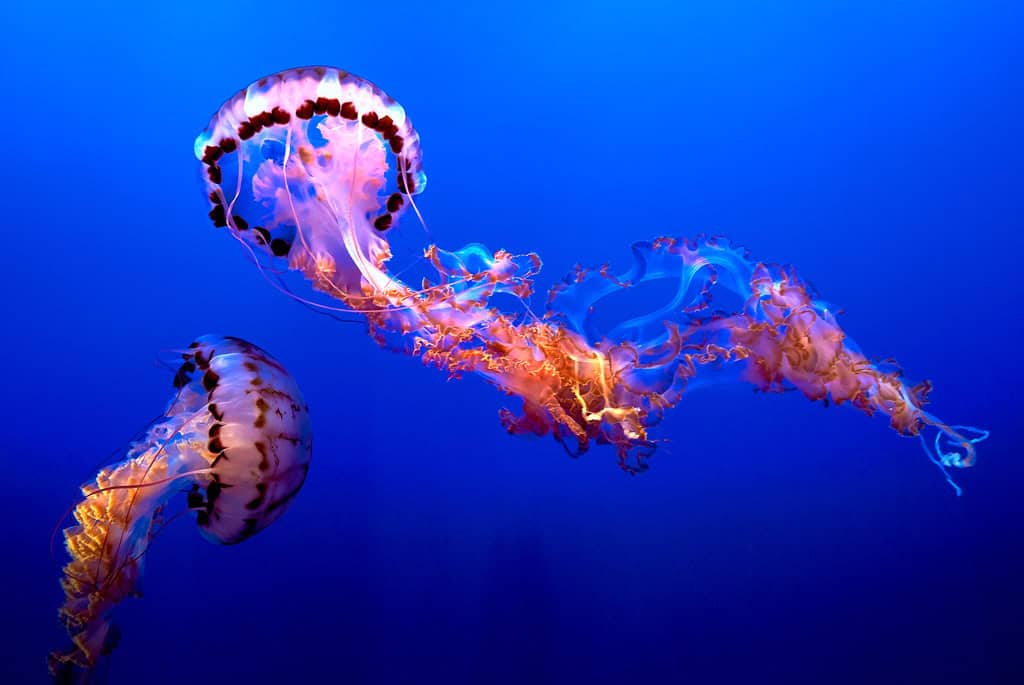
Jellyfish have survived for over 650 million years despite lacking both a brain and a heart. Instead of a centralized brain, these gelatinous creatures possess a neural net—a simple network of nerves that allows them to respond to environmental stimuli such as light, touch, and chemicals. This primitive nervous system forms a ring around their bell-shaped body and extends into their tentacles. Rather than having a heart, jellyfish circulate nutrients through their bodies via a process called diffusion, where food and oxygen simply move through their thin tissue layers. Their body is 95% water, and their simple anatomy allows them to pulse their bell-shaped bodies to move through water currents. Despite this simplicity, some species like the box jellyfish have evolved sophisticated clusters of nerves called rhopalia that function as primitive sensory organs, allowing them to navigate and hunt with surprising precision.
Sea Stars Decentralized Living

Sea stars, commonly known as starfish, operate without a conventional brain or heart. Instead of a centralized brain, they possess a nerve ring around their mouth and a complex nervous system that extends into each arm. This neural network allows them to coordinate movement, detect food, and respond to threats. For circulation, sea stars use a water vascular system—a network of canals that distribute water throughout their bodies—rather than a heart pumping blood. This system serves multiple functions, including locomotion, respiration, and waste removal. The water vascular system creates hydraulic pressure that powers their tube feet, allowing them to grip surfaces and move. Additionally, sea stars have the remarkable ability to regenerate lost arms and, in some species, an entire new sea star can grow from a single severed arm containing a portion of the central disk—a feat impossible for animals with centralized vital organs.
Sea Cucumbers Simplified Circulation

Sea cucumbers are echinoderms that have evolved to live without a conventional heart or brain. Instead of a brain, these marine creatures possess a nerve ring surrounding their mouth that connects to five nerve cords running the length of their body. This simple nervous system allows them to detect food, respond to danger, and coordinate basic movements. Rather than having a heart, sea cucumbers use a series of fluid-filled chambers called a hemal system for limited circulation, along with respiratory trees—specialized structures that extract oxygen from water and help remove waste. When threatened, some sea cucumber species employ a dramatic defense mechanism called evisceration, expelling their internal organs through their anus to distract predators before regenerating the lost parts over several weeks—a survival strategy that would be impossible for animals dependent on centralized organs like a heart or brain.
Sponges The Ultimate Minimalists

Sponges represent one of the most primitive forms of multicellular life on Earth, existing without hearts, brains, organs, or even true tissues. These ancient animals, dating back over 600 million years, lack any nervous system whatsoever, making them unique even among brainless creatures. Sponges are essentially living filters, drawing water through tiny pores in their bodies using specialized flagellated cells called choanocytes that create water currents. They extract oxygen and food particles directly from this water flow, with nutrients passively diffusing from cell to cell. Despite their simplicity, sponges have evolved various shapes, sizes, and specialized cell types that allow them to thrive in diverse marine environments from shallow tropical waters to the deep sea. Their bodies can reorganize if broken apart, with fragments capable of regenerating into complete sponges—demonstrating how successful life can be even without the complex organ systems found in most animals.
Corals Colonial Organisms Without Central Control

Corals exist as colonial organisms composed of thousands of individual polyps, each lacking a heart or brain. Instead of a centralized nervous system, coral polyps possess a simple nerve net that allows them to respond to environmental stimuli such as touch, light, and water movement. This basic nervous structure enables them to coordinate tentacle movements for feeding and to retract into their protective calcium carbonate skeletons when threatened. Corals have no circulatory system with a heart; instead, nutrients and oxygen are absorbed directly from the surrounding seawater and transferred between cells through diffusion. Most reef-building corals have evolved a mutualistic relationship with photosynthetic algae called zooxanthellae that live within their tissues, providing them with additional nutrients through photosynthesis. This remarkable partnership allows corals to create the massive reef structures that serve as the foundation for some of the most diverse ecosystems on the planet, despite the anatomical simplicity of the individual polyps.
Flatworms Simplified Body Plan
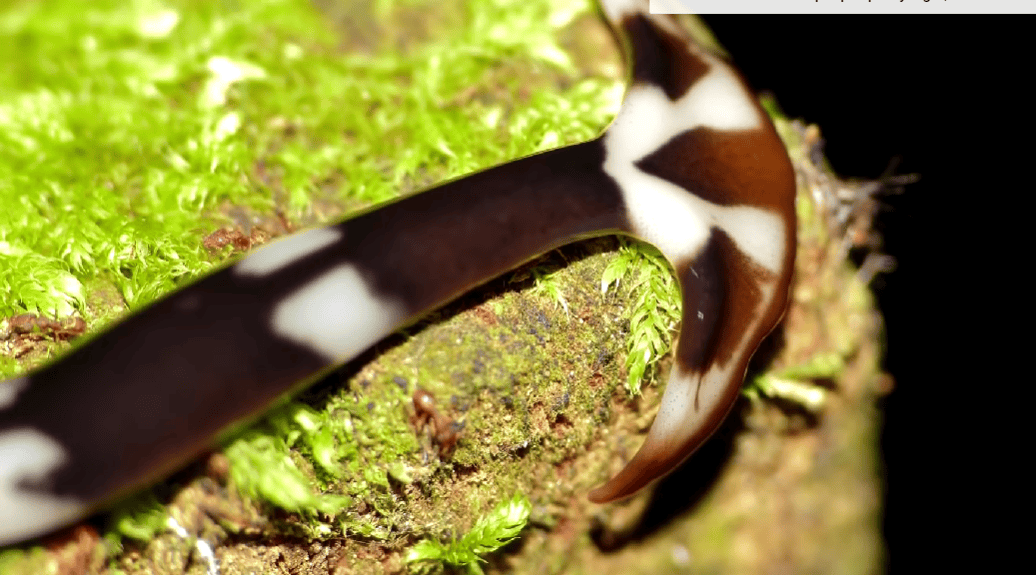
Flatworms (phylum Platyhelminthes) have evolved a streamlined body plan that functions efficiently without a heart or respiratory system. While they do possess a primitive brain in the form of cerebral ganglia and nerve cords that run through their bodies, they lack a centralized heart. Instead of pumping blood, flatworms rely on their flat body shape, which ensures that no cell is far from the surface, allowing oxygen and nutrients to diffuse directly to all cells. This adaptation eliminates the need for specialized circulatory and respiratory systems. Free-living flatworms move using muscles and cilia on their undersides, while parasitic species like tapeworms have evolved specialized attachment organs. Some flatworms possess extraordinary regenerative abilities—planarians, for example, can regenerate an entire body from a fragment as small as 1/279th of the original animal, including growing a new brain. This regenerative capacity has made them important research subjects in studies of stem cell biology and regenerative medicine.
Sea Anemones Nerve Nets Instead of Brains
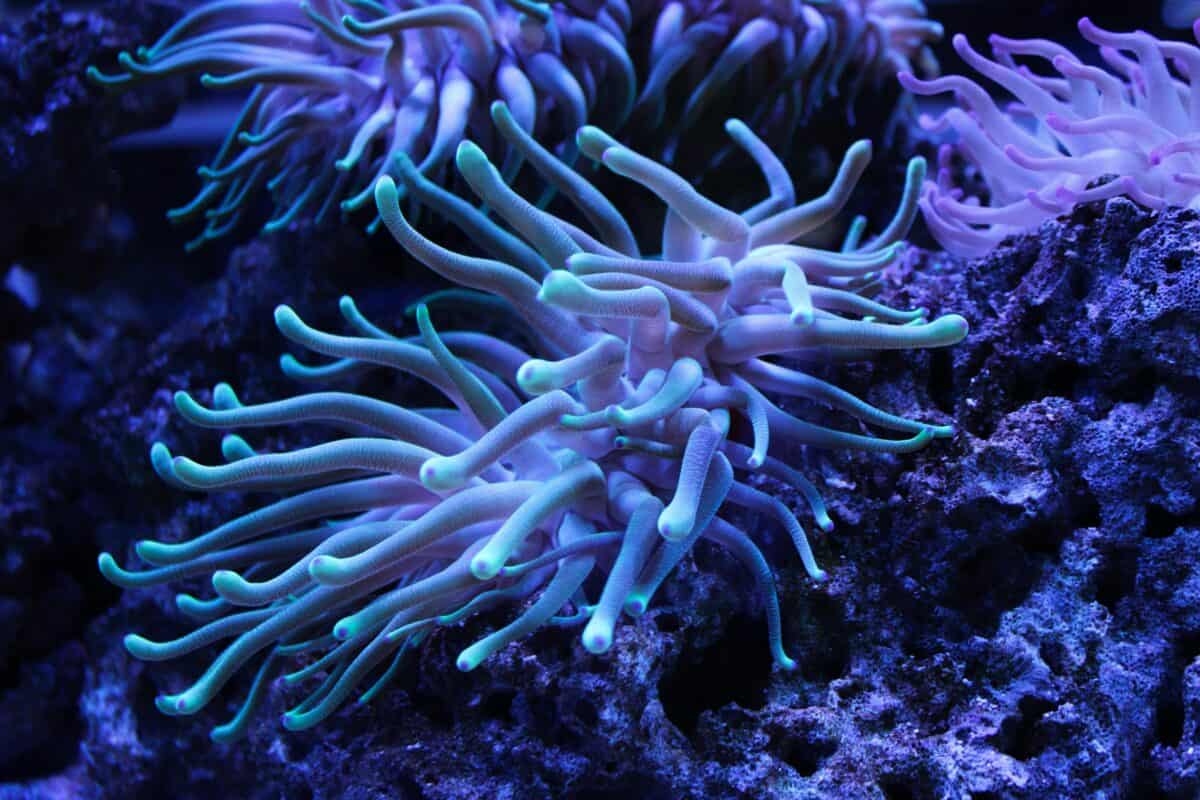
Sea anemones are cnidarians that thrive without a brain or heart. Like their relatives the jellyfish, sea anemones possess a decentralized nerve net instead of a brain, with concentrations of nerve cells forming rings around their mouth and at the base of their tentacles. This simple nervous system allows them to respond to touch, chemical signals, and light, coordinating their tentacle movements for capturing prey and retracting into their column when threatened. For circulation, sea anemones rely on their gastrovascular cavity—a branched digestive chamber that distributes nutrients throughout their body—rather than having a distinct circulatory system with a heart. Their body wall is thin enough for gases to diffuse directly between their tissues and the surrounding water. Sea anemones can reproduce both sexually and asexually, with some species capable of splitting in half or budding to create genetic clones. Many form symbiotic relationships with other marine creatures, most famously with clownfish, which gain protection from the anemone’s stinging tentacles while helping to keep the anemone clean and aerated.
Hydra Immortal Without Complex Organs
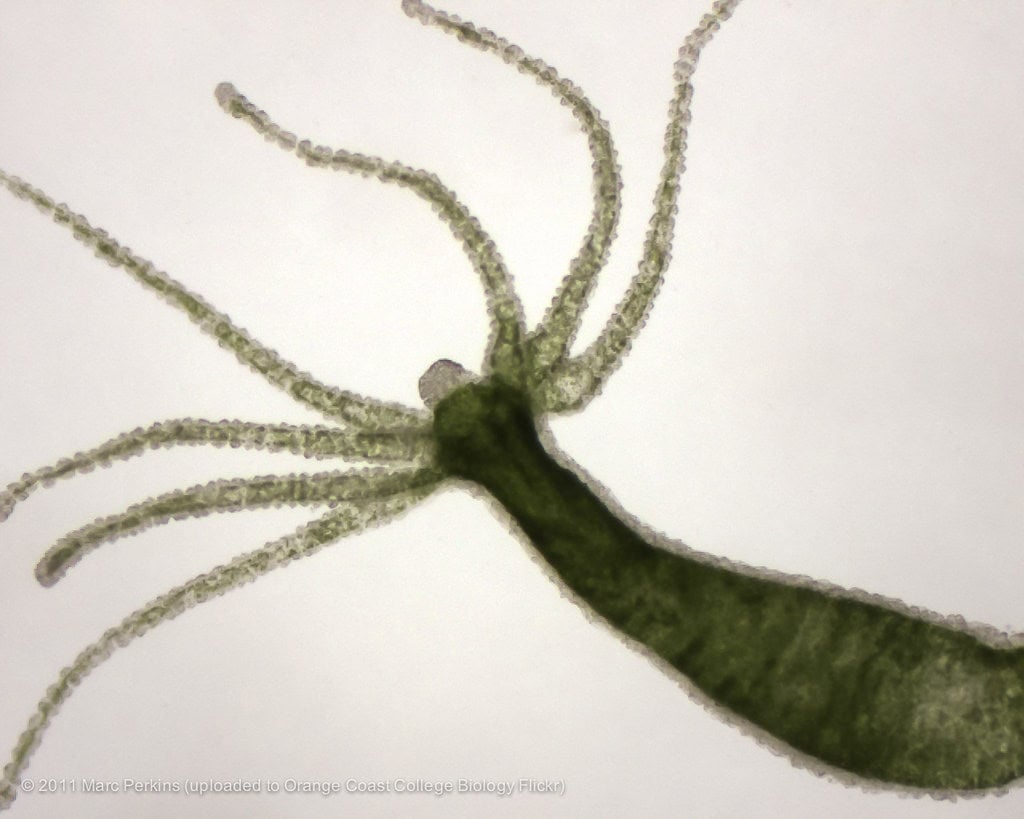
Hydras are tiny freshwater relatives of jellyfish that have achieved biological immortality despite lacking both a heart and a brain. Instead of a brain, hydras possess a simple nerve net with slightly higher concentrations of neurons around their mouth and base. This rudimentary nervous system allows them to respond to stimuli and coordinate basic behaviors such as feeding and contracting their bodies. Lacking a circulatory system with a heart, hydras rely on direct diffusion of oxygen and nutrients through their body wall, which is just two cell layers thick. What makes hydras particularly remarkable is their regenerative capacity and potential biological immortality. They constantly replace all cells in their bodies and show no signs of aging or increased mortality over time when kept in optimal conditions. Hydras can reproduce asexually by budding, where a new individual grows from the body wall of the parent, or sexually by producing eggs and sperm. Their simplicity and regenerative abilities have made them important model organisms in developmental biology and aging research.
Ctenophores Comb Jellies with Alternative Design

Ctenophores, commonly known as comb jellies, have evolved a unique body plan that functions without a conventional heart or centralized brain. Instead of a brain, these gelatinous marine creatures possess a diffuse nerve net with a statocyst—a gravity-sensing organ that helps with orientation—at one pole. Recent genetic research suggests ctenophores may have evolved their nervous systems independently from all other animals, representing a fascinating case of convergent evolution. Rather than having a circulatory system with a heart, ctenophores use a complex network of canals filled with fluid that distributes nutrients throughout their transparent bodies. They move through water using rows of cilia called comb rows, which refract light to create rainbow-like patterns as they beat in coordination. Unlike true jellyfish, most ctenophores do not have stinging cells but instead capture prey using sticky cells called colloblasts on their tentacles. Some deep-sea species have evolved bioluminescence, creating spectacular light displays that help attract prey in the darkness of the ocean depths.
Echinoderms Radial Alternatives to Central Organs
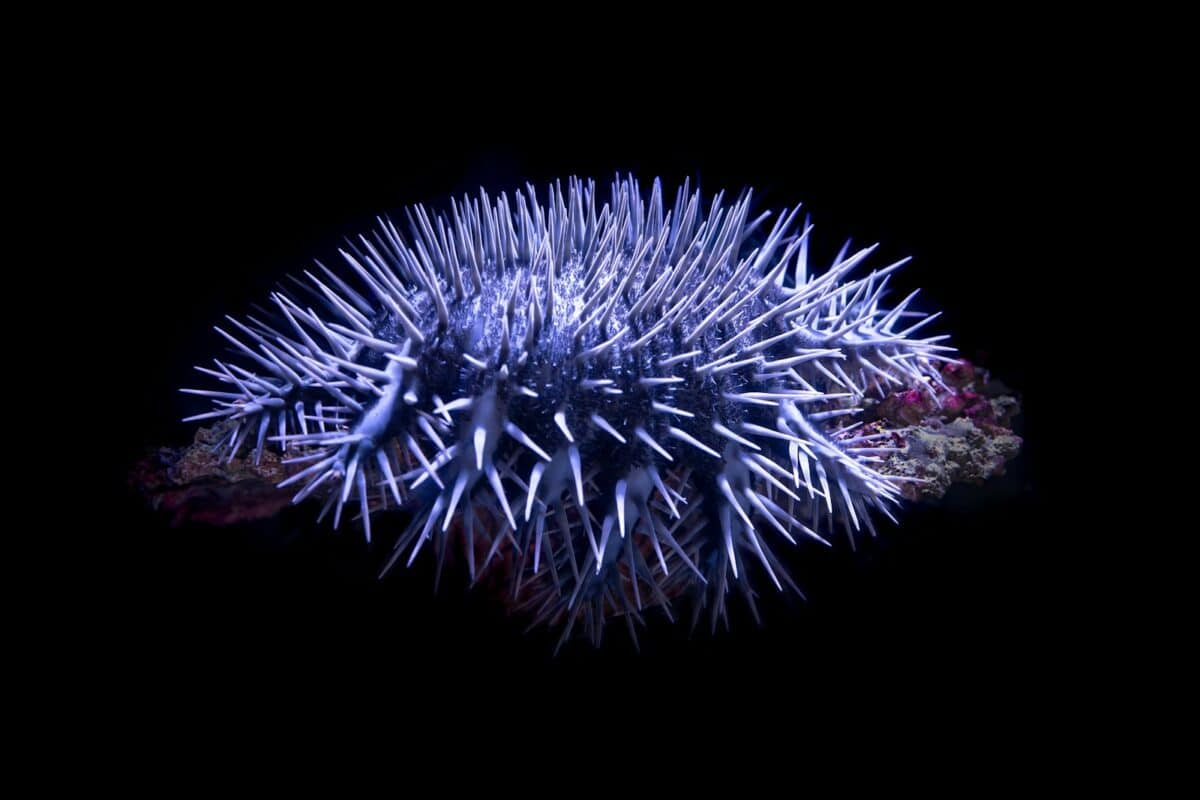
Echinoderms—including sea stars, sea urchins, and sand dollars—represent a diverse phylum of marine animals that operate without conventional hearts or brains. Instead of a centralized brain, echinoderms possess a nerve ring around their mouth that connects to radial nerves extending through their typically five-part body plan. This nerve network allows them to coordinate movement, respond to stimuli, and process basic information. For circulation, they employ a unique water vascular system and an open hemal system rather than a heart-based circulatory system. The water vascular system not only aids in transportation of nutrients but also powers their movement through hydraulic pressure in their tube feet. A distinctive feature of echinoderms is their pentaradial symmetry (five-part body arrangement) as adults, despite beginning life as bilaterally symmetrical larvae—a developmental transformation that sets them apart from most other animal groups. Many echinoderms possess remarkable regenerative abilities, with some species capable of regrowing entire body sections, demonstrating how effectively their decentralized physiological systems can rebuild complex structures.
Sea Squirts Brainless Adults
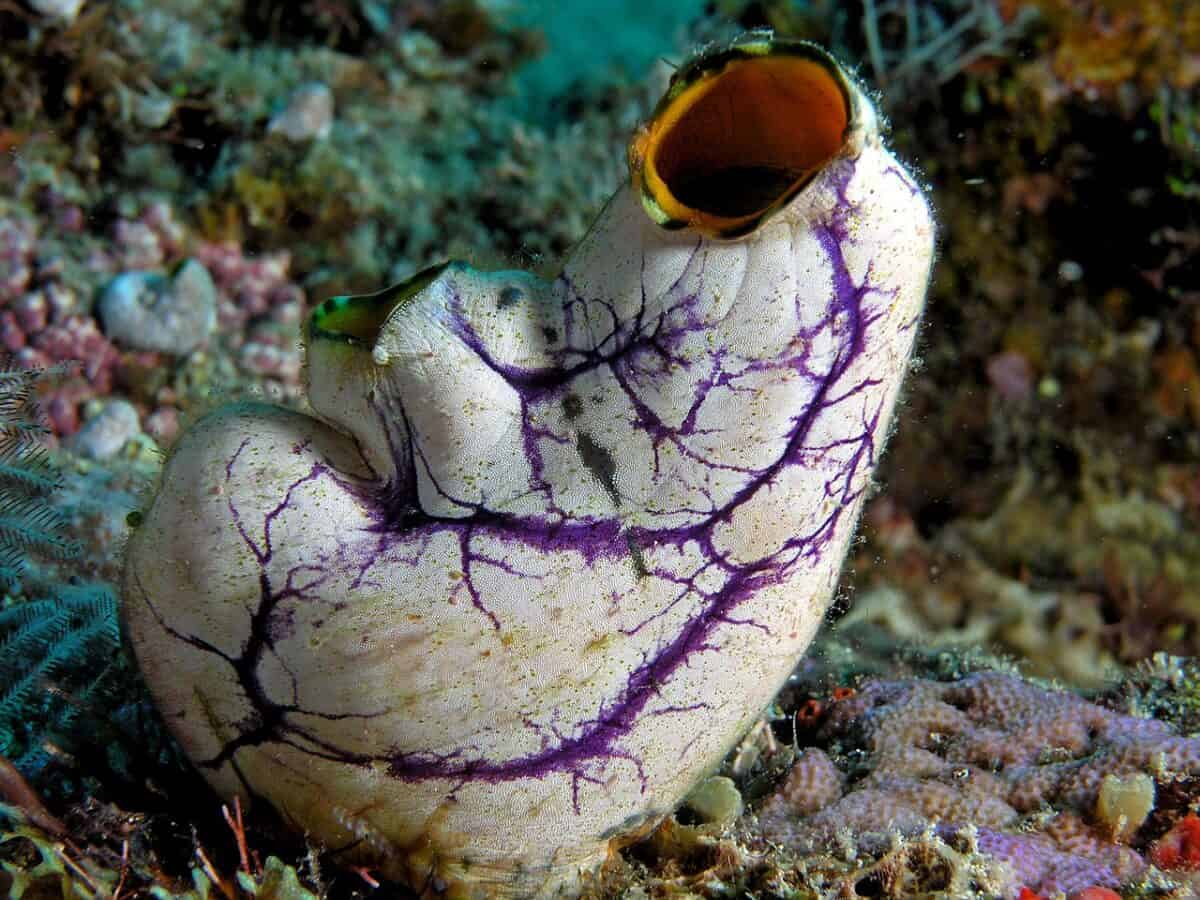
Sea squirts (tunicates) present a fascinating case of developmental regression. While their larval forms possess a primitive brain and nerve cord, resembling a simple vertebrate, adult sea squirts undergo a dramatic metamorphosis where they digest their own brain and nervous system after finding a suitable place to attach. The mobile larva uses its simple brain to find an appropriate location to settle, but once attached, it no longer needs these neural structures and reabsorbs them as it transforms into a sessile filter-feeder. Adult sea squirts do have a simple heart that pushes their colorless blood through vessels in a unique manner—it pumps in one direction for several minutes before reversing and pumping in the opposite direction, a phenomenon not seen in other animals. Despite this simplification in adulthood, sea squirts are actually among our closest invertebrate relatives, sharing key developmental and genetic characteristics with vertebrates. Their study provides important insights into the evolution of chordates and the origins of vertebrate features, including how complex nervous systems developed.
Bivalve Mollusks Simplified Nervous Systems

Bivalve mollusks—including clams, oysters, mussels, and scallops—operate with extremely simplified nervous systems rather than centralized brains. Instead of a brain, they possess three pairs of ganglia (clusters of nerve cells) distributed throughout their bodies that control basic functions such as opening and closing their shells, feeding, and reproduction. Unlike vertebrates with four-chambered hearts, bivalves typically have a simple three-chambered heart that pumps hemolymph (their version of blood) through an open circulatory system where the fluid directly bathes the tissues rather than remaining confined in vessels. This system is far less efficient than closed circulatory systems but sufficient for their relatively sedentary lifestyle. Most bivalves are filter feeders, using their gills to extract oxygen from water while simultaneously capturing food particles. Some bivalves, like scallops, have evolved rows of simple eyes along their mantle edge that can detect shadows and movement, allowing them to respond to predators despite lacking a brain to process complex visual information. The simplicity of their nervous and circulatory systems has not prevented bivalves from becoming extraordinarily successful—they’ve existed for over 500 million years and include more than 9,000 species found in marine and freshwater environments worldwide.
Conclusion: Nature’s Ingenious Alternatives

The diverse creatures we’ve explored demonstrate nature’s remarkable ability to develop alternative solutions to life’s fundamental challenges. These animals prove that successful existence doesn’t necessarily require the centralized organs we often consider essential. Through diffusion, specialized tissues, and decentralized systems, these organisms have thrived for millions of years without conventional hearts or brains. Their unique adaptations remind us that evolution follows paths of efficiency rather than complexity for complexity’s sake. As we continue to study these seemingly simple animals, we gain valuable insights not only into biological diversity but also into potential applications in medicine, robotics, and other fields that might benefit from decentralized systems. These heartless and brainless creatures serve as powerful reminders of life’s astonishing adaptability and the multiple paths to evolutionary success.

As a little kid, I fell in love with nature, wildlife, and animals. Living in the USA, South Africa, Italy, China and Germany gave me the opportunity to discover the world's Wildlife. My favorite animals are Mountain Gorillas, Siberian Tigers, and Great White Sharks.
I'm a certified PADI Open Water Diver, went to Everest Base Camp and Trekked Gorillas in Uganda. I hold a Master of Science in Economics and Finance.
Please send any feedback to feedback@animalsaroundtheglobe.com
- 12 Animals That Live Without a Heart or Brain - August 9, 2026
- 14 Wildlife Events You Can Witness in North America - August 9, 2026
- 60 Fun Facts About Dogs You Probably Didn’t Know Before - August 9, 2026
Leave a comment
You must be logged in to post a comment.