
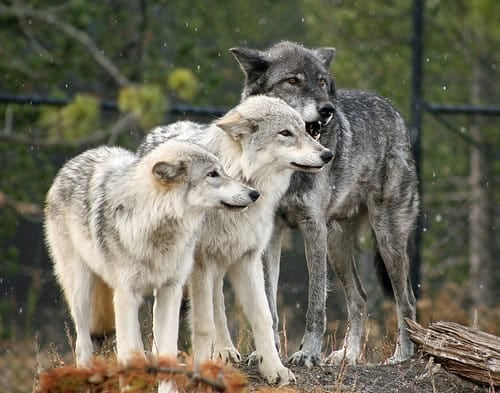
In the vast tapestry of life on Earth, certain species stand out not just for their physical prowess or ecological significance, but for the profound complexity of their social structures. Elephants, orcas, and wolves represent some of nature’s most sophisticated family systems—each offering a window into the evolutionary importance of kinship, cooperation, and intergenerational learning. These three species, despite evolving in radically different environments—savanna, ocean, and forest—have independently developed remarkably similar family-centered societies. Their social organizations reveal striking parallels to human family dynamics while also showcasing unique adaptations that have allowed them to thrive in their respective habitats for millions of years. By examining these remarkable creatures and their social bonds, we gain valuable insights not only about animal behavior but also about the universal foundations of family life that transcend species boundaries.
The Matriarchal Wisdom of Elephant Families
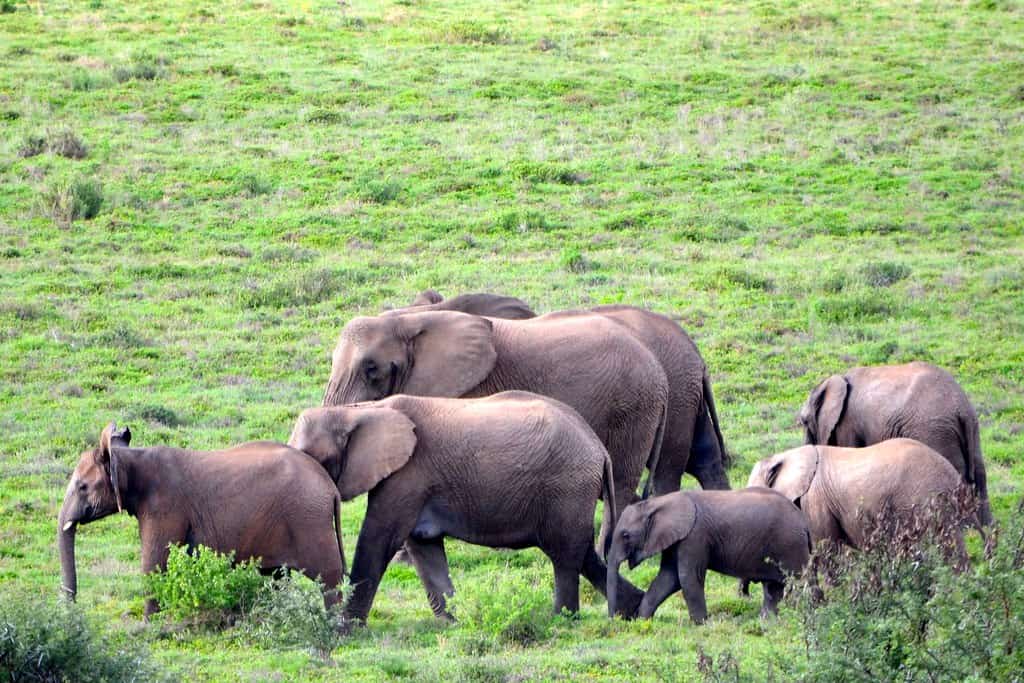
Elephant society revolves around one of the most stable and enduring family structures in the animal kingdom: the matriarchal herd. These tightly bonded groups typically consist of 8-10 related females and their offspring, led by the oldest and most experienced female—the matriarch. Drawing from decades of accumulated knowledge, these elder females make crucial decisions about migration routes, water sources, and potential dangers. Research by Dr. Joyce Poole, who has studied elephant behavior for over 40 years, demonstrates that matriarchs can recognize the calls of up to 100 different elephants and remember migration routes unused for generations. A study published in the journal Science found that herds led by older matriarchs had higher reproductive success during drought periods, highlighting how accumulated wisdom directly translates to family survival. This emphasis on female leadership and intergenerational knowledge transfer creates remarkable stability, with elephant family bonds often lasting 50-60 years—a lifetime for these long-lived mammals.
Orca Pods: Cultural Lineages of the Ocean
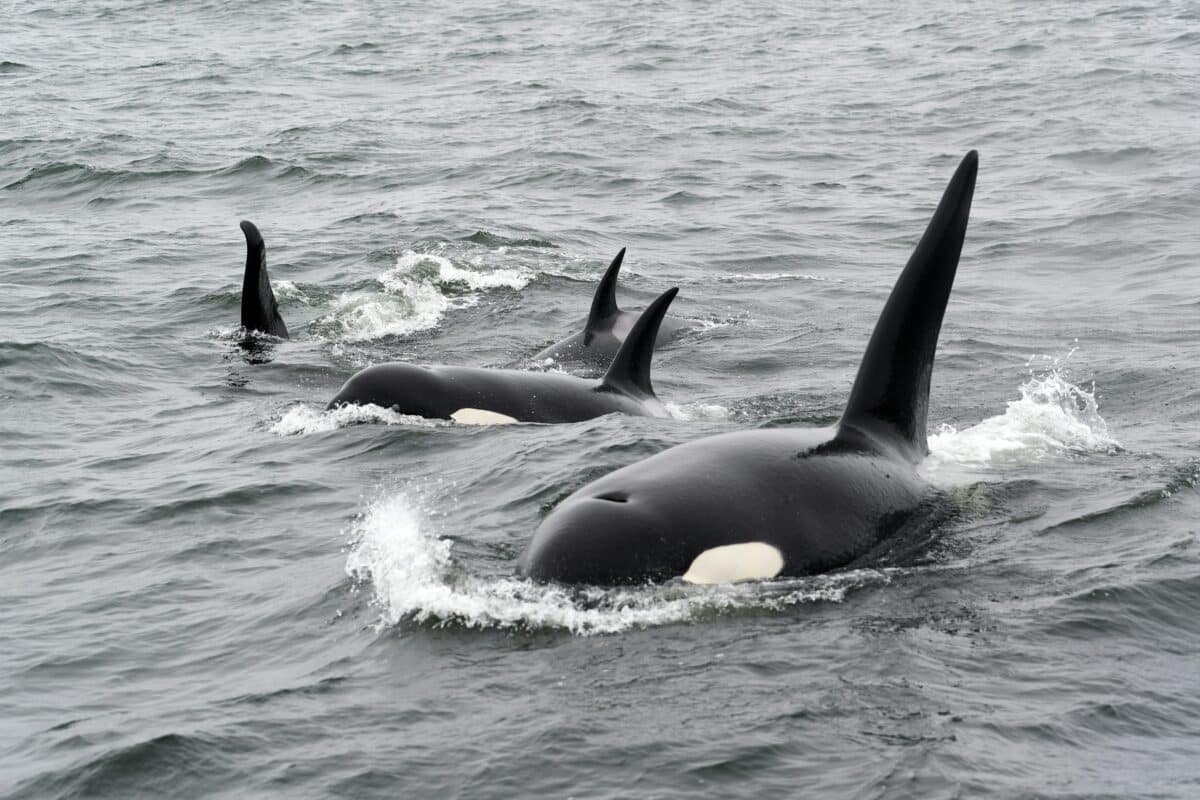
Orcas, or killer whales, maintain some of the most cohesive family units found in any mammalian species. Their social structure centers around the matriline—a family group consisting of a mother and her descendants spanning up to four generations. Unlike most mammals, orcas practice what biologists call “natal philopatry,” where offspring of both sexes remain with their mothers for life. This creates extraordinarily stable family pods with distinctive dialects, hunting techniques, and cultural traditions. The Southern Resident orcas of the Pacific Northwest, for example, specialize in hunting Chinook salmon using sophisticated coordinated techniques passed down through generations. Meanwhile, transient orcas hunt marine mammals using entirely different strategies. Dr. Hal Whitehead’s research at Dalhousie University has documented that these distinct “cultures” are maintained through intensive social learning rather than genetic inheritance. Perhaps most remarkably, elder female orcas experience one of the longest post-reproductive lifespans of any non-human animal—living decades after they stop reproducing—suggesting their continued value as knowledge repositories and family leaders.
Wolf Packs: The Cooperative Family Unit

Wolf packs represent nature’s quintessential cooperative family structure. Contrary to popular misconceptions about dominance hierarchies, most wild wolf packs function as nuclear families, typically consisting of a breeding pair (the parents) and their offspring of various ages. Wolf biologist L. David Mech, who has studied wolves for over 50 years, has extensively documented how these family units operate through cooperation rather than competition. Pack members collaborate in hunting, territory defense, and pup-rearing with roles that shift based on age and experience. Older siblings often serve as “helpers at the den,” bringing food to nursing mothers and babysitting younger pups—gaining valuable parenting experience before establishing their own families. This alloparental care (care provided by individuals other than the parents) creates a multi-generational teaching environment where survival skills are refined and passed down. Research from Yellowstone National Park has shown that packs with experienced older members have higher hunting success rates and better territorial maintenance, demonstrating the critical importance of family knowledge transmission.
Emotional Bonds and Grief Responses
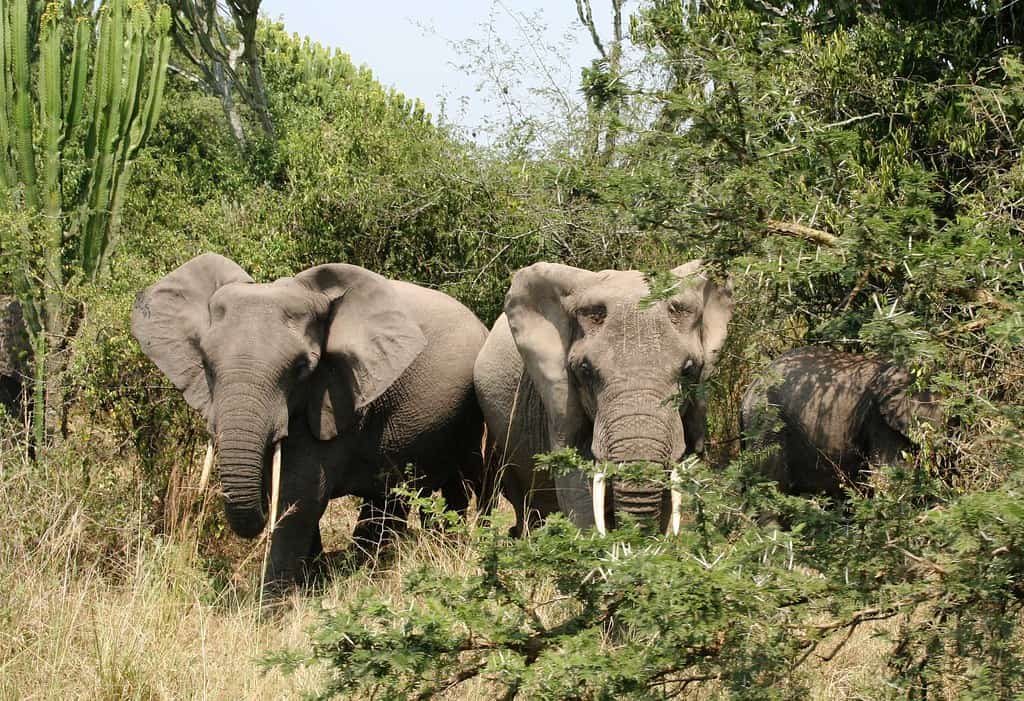
Perhaps one of the most profound similarities between elephants, orcas, wolves, and humans lies in their capacity for deep emotional bonds and grief responses. Elephants are known to perform “death rituals,” including standing vigil over deceased family members, covering them with branches and soil, and returning to their remains for years afterward. In 2003, researchers documented an elephant matriarch in Kenya’s Samburu National Reserve who stood guard over her deceased calf for three days, refusing to leave even to feed or drink. Similarly, female orcas have been observed carrying their dead calves for weeks—most notably in 2018 when an orca named Tahlequah (J35) carried her deceased newborn for 17 days over 1,000 miles, capturing global attention. Wolves also display distinct grief behaviors, including reduced playfulness, changes in vocalization patterns, and sometimes abandonment of territories following the death of key pack members. These grief responses aren’t simply anthropomorphic projections—they represent genuine emotional attachments and social bonds that play crucial evolutionary roles in maintaining family cohesion. As Dr. Barbara King, author of “How Animals Grieve,” notes, “The capacity for grief is directly tied to the capacity for love.”
Intergenerational Knowledge Transfer

One of the most valuable aspects of family structure across these species is the efficient transfer of crucial survival knowledge between generations. Elephant calves spend up to 16 years learning from their mothers and aunts—mastering complex social protocols, memorizing migration routes spanning thousands of miles, and developing foraging techniques for hundreds of plant species. Young orcas require years to perfect the pod’s specialized hunting techniques, whether it’s the beach-rubbing behavior of transient orcas or the wave-washing techniques used by orcas in Argentina to capture seals. Wolf pups progressively join hunts around six months of age, first observing from a distance, then participating in chases, and finally helping with the takedown of prey under the guidance of experienced adults. This apprenticeship model creates living libraries of ecological knowledge that no single generation could acquire independently. The destruction of these knowledge networks through poaching, habitat fragmentation, or climate change represents an often-overlooked form of extinction—what scientists call the loss of “cultural knowledge” that may have accumulated over centuries or even millennia.
Division of Labor and Specialized Roles
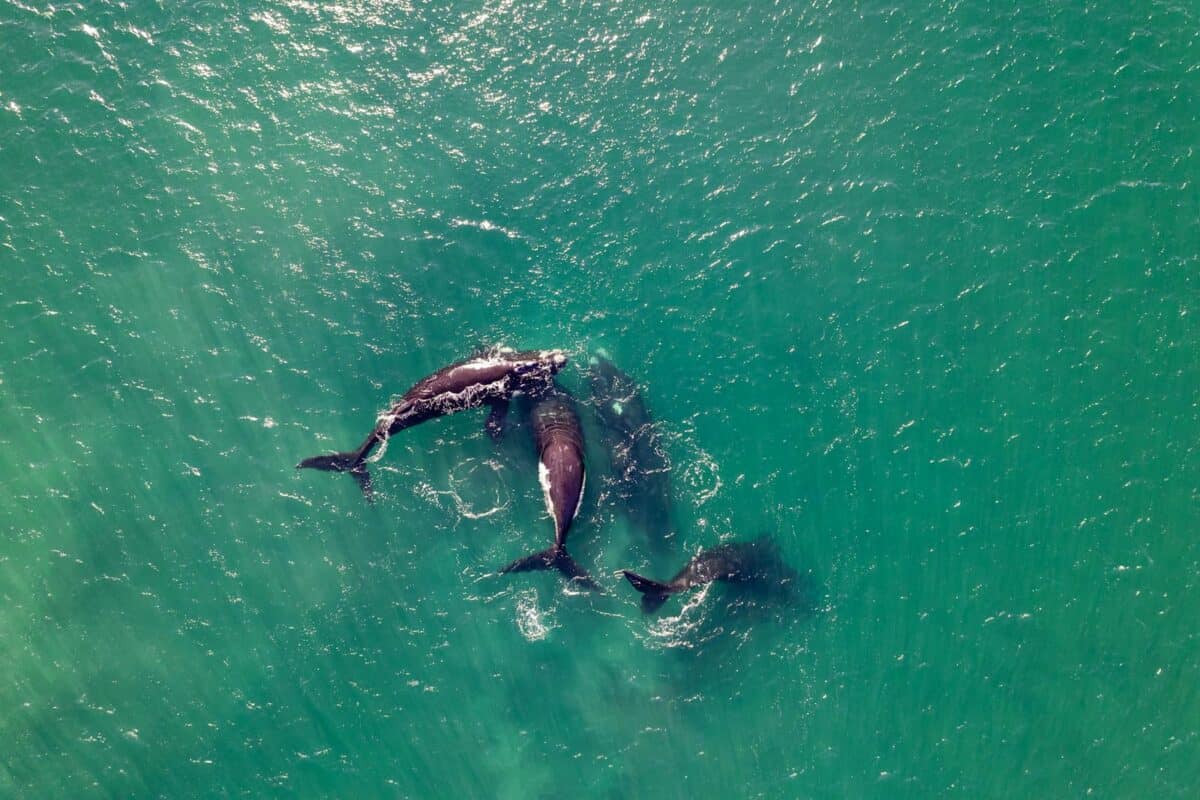
Family units in elephants, orcas, and wolves demonstrate sophisticated divisions of labor that maximize collective success. In elephant herds, older females specialize in protection and decision-making, adolescent females often serve as “allomothers” helping with younger calves, while adult males maintain loose associations with the herd and primarily contribute genetic diversity. Orca pods show even more specialized task distribution during cooperative hunts—some individuals herd prey, others create waves to wash seals off ice floes, while some specialize in dispatching large prey. Wolf packs similarly distribute responsibilities during hunts, with some wolves serving as ambush specialists while others act as pursuers, with roles often determined by individual temperament and physical capabilities rather than rigid hierarchies. This specialization extends to care duties as well. Research by biologist Katja Holfelder showed that in wolf packs, certain individuals consistently assume sentinel duties, vigilantly watching for danger while others rest—a role that rotates but often falls to particular wolves with keen observational skills. These complex divisions of labor demonstrate how family structures facilitate specialized contributions that benefit the entire group.
Communication and Family Identity

Family-specific communication systems form a crucial pillar of social identity in elephants, orcas, and wolves. Each elephant family develops a unique repertoire of over 200 calls, rumbles, and gestures that serve as a kind of family dialect. Research by Dr. Karen McComb demonstrated that elephants can distinguish between the contact calls of family members, related families, and unrelated groups—showing clear preference for their immediate kin. Orcas display even more pronounced communication specialization, with each pod developing unique vocalizations that differentiate them from other groups. These acoustic “clan signatures” are so distinct that researchers can identify specific families purely by their calls. The resident orcas of the Pacific Northwest maintain approximately 25 discrete calls per pod, which remain stable over decades. Wolves similarly develop pack-specific howling patterns that help coordinate movements and defend territories. A 2013 study published in Current Biology found that wolf pups recognize and preferentially respond to the howls of their own pack members over those of strangers, demonstrating an innate sense of family identity. These communication systems not only coordinate practical activities but also reinforce family bonds and group cohesion across generations.
Extended Family Networks and Social Support

Beyond the immediate family unit, elephants, orcas, and wolves maintain extended kinship networks that provide crucial social support. Elephant families frequently form larger bond groups of 20-50 individuals comprising several related matriarchal units that regularly coordinate movements and share resources. During droughts or times of poaching pressure, these bond groups may further coalesce into clan gatherings of 100+ individuals, creating safety in numbers. Similarly, resident orca populations organize into pods that regularly associate with other related pods, forming “clans” of up to 50 individuals that share acoustic traditions and occasionally hunt together. Among wolves, dispersing individuals often maintain connections with their natal packs, sometimes returning to visit or even rejoining temporarily during harsh winters. These extended networks provide crucial buffers against environmental challenges. For example, a 2020 study in Proceedings of the Royal Society B found that orphaned elephant calves with access to extended family members had survival rates nearly three times higher than isolated orphans. This research highlights how extended kinship connections provide essential social capital during times of crisis—a parallel to human extended family support systems.
Parental Investment and Offspring Development

The extraordinary parental investment displayed by elephants, orcas, and wolves directly shapes their offspring’s development and long-term success. Elephant mothers commit to a 22-month gestation—the longest of any land mammal—followed by 3-5 years of intensive nursing and up to 16 years of close supervision. This extended dependency period allows calves to master the complex social rules and ecological knowledge needed for survival. Orca calves receive similarly intensive parenting, with mothers nursing for 1-2 years while teaching pod-specific hunting techniques that can take a decade to perfect. Wolf pups experience concentrated parental attention during their first year, with both parents regurgitating food, demonstrating hunting techniques, and gradually introducing them to pack activities. This high investment strategy produces fewer offspring but ensures their quality and competence. Research by ecologist Aimee Tallian showed that wolf pups raised in larger, more stable family groups with multiple caregivers develop better social skills and hunting proficiency than those in disrupted packs. Similarly, elephant researcher Cynthia Moss documented that calves raised by experienced mothers with intact family support had higher survival rates and better reproductive success as adults, demonstrating how family stability creates intergenerational advantages.
Family Disruption and Its Consequences

The devastating consequences of family disruption provide perhaps the most compelling evidence for the importance of intact family structures in these species. Elephant populations subjected to culling or poaching show long-term psychological and social disruption. A landmark study in Proceedings of the Royal Society B examined two elephant populations in Kenya—one that experienced heavy poaching and another that remained relatively intact. The disrupted population showed abnormal social behavior, heightened aggression, and poor maternal care for decades afterward. Similarly, captive orcas separated from their family pods exhibit numerous signs of distress, including collapsed dorsal fins, reduced lifespans, and abnormal behaviors not seen in wild populations. Wolf packs disrupted by hunting often fragment into unstable units with reduced hunting success and territory maintenance. Perhaps most telling is how these species attempt to reconstruct family units when disrupted. Orphaned elephants form surrogate families with non-relatives; displaced orcas seek adoption into other pods; and lone wolves work desperately to establish new packs. These adaptive responses highlight the fundamental importance of family structure to their evolutionary success and individual wellbeing.
Cultural Transmission and Innovation
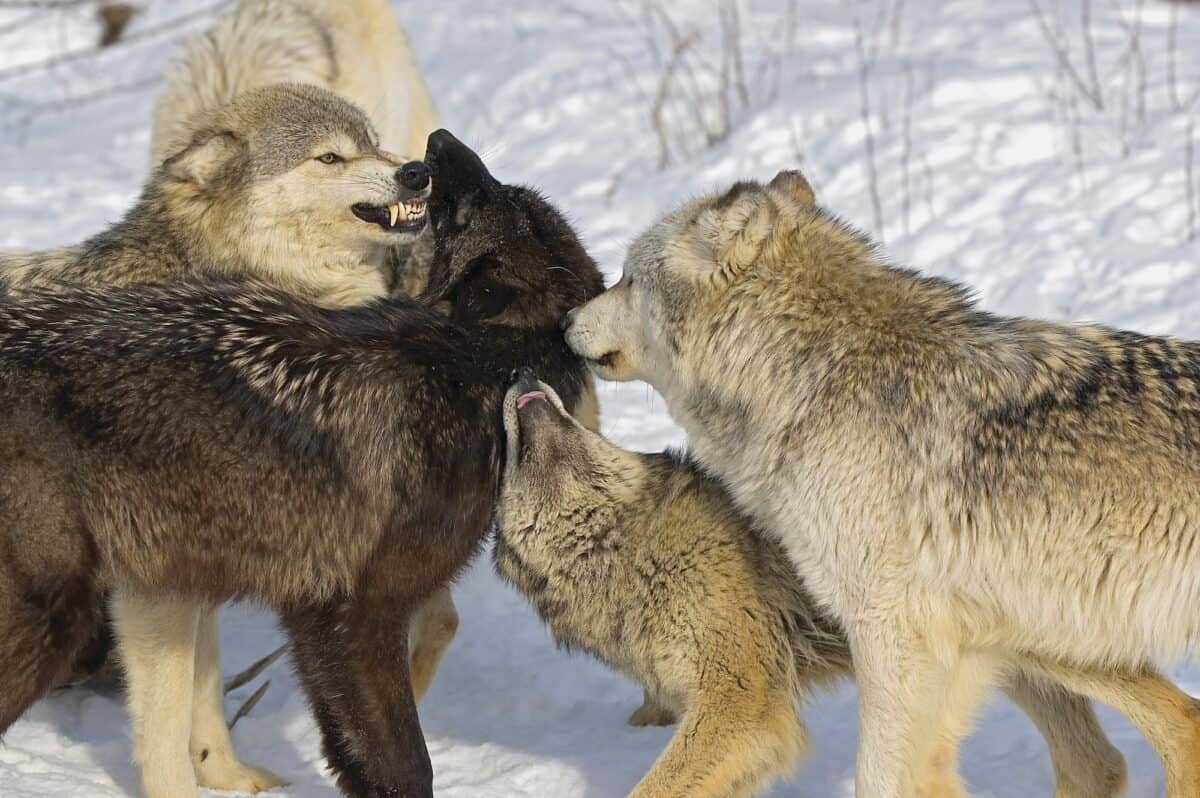
Beyond practical survival knowledge, elephants, orcas, and wolves transmit cultural traditions that form a critical part of their family identity. Researchers have documented distinct “cultural practices” in elephant populations—from tool use for body care to specific greeting ceremonies that vary between family groups. Some elephant families in Amboseli National Park maintain traditions of crop-raiding while neighboring families consistently avoid human settlements, suggesting these behaviors are learned rather than instinctive. Orcas display even more pronounced cultural differences, with some pods specializing in beach-rubbing behaviors, others practicing intentional stranding to capture seals, and still others using tail-slapping techniques to stun fish. Wolf packs similarly develop family-specific hunting strategies adapted to local prey and terrain. Intriguingly, these species also demonstrate cultural innovation. A well-documented case occurred in 1987 when an orca in Johnstone Strait initiated a new behavior of balancing salmon on her head—a practice quickly adopted by her immediate family but not by unrelated pods. These examples illustrate how family structures serve not only as repositories of traditional knowledge but also as incubators for behavioral innovation, allowing these species to adapt to changing environmental conditions across generations.
Lessons for Human Families

The family structures of elephants, orcas, and wolves offer profound insights for human societies grappling with changing family dynamics and intergenerational relationships. First, these species demonstrate the irreplaceable value of elders as knowledge repositories and decision-makers—a stark contrast to some human societies where elder wisdom is increasingly marginalized. The extended adolescence and apprenticeship periods seen in these species highlight the evolutionary advantages of prolonged learning under family guidance rather than rushed independence. Their alloparental care systems—where non-parent family members contribute significantly to raising young—offer models for extended family involvement that benefits both caregivers and offspring. Perhaps most significantly, these species illustrate how family stability creates ripple effects across generations. A 2019 study in Scientific Reports tracked three generations of elephants, finding that calves raised by mothers who themselves had consistent maternal care showed better physical development and social integration than those whose mothers experienced disrupted upbringings. This research echoes findings in human developmental psychology about the intergenerational transmission of parenting styles and attachment patterns, suggesting deep biological roots to these processes that cross species boundaries.
The Universal Foundations of Family

The remarkable parallels between elephant herds, orca pods, wolf packs, and human families reveal something profound about the evolutionary foundations of family life. Despite evolving independently in radically different environments, these species have converged on strikingly similar social solutions: multi-generational units led by experienced individuals, extended periods of offspring dependency, cooperative care systems, and cultural knowledge transmission. This convergent evolution suggests that certain family principles represent fundamental adaptations for social species facing complex environmental challenges. The matriarchal leadership of elephants and orcas demonstrates how post-reproductive individuals continue contributing vital knowledge to their families—challenging simplified notions that evolutionary fitness ends with reproduction. The alloparental care seen in wolf packs illustrates how family cooperation creates collective benefits that outweigh individual sacrifices. The grief responses and emotional attachments documented across these species reveal that the emotional foundations of family bonds serve crucial survival functions rather than representing evolutionary luxuries. By studying these magnificent social architects of the animal kingdom, we gain a deeper appreciation for the universal elements that make family systems not just emotionally fulfilling but evolutionarily essential across species boundaries.

- Why You Shouldn’t Chase Butterflies With Nets - July 22, 2026
- The Animal Kingdom’s Best Dads Ranked - July 22, 2026
- The Most Vulnerable Fish Species in U.S. Rivers Today - July 22, 2026