


In the intricate web of nature’s ecosystems, apex predators stand as the ultimate arbiters of balance—fearsome hunters with no natural predators of their own. These magnificent creatures, from wolves and lions to orcas and great white sharks, occupy the pinnacle of their food chains. But what happens when evolutionary paths or environmental changes force two apex predators to share the same territory? The resulting interactions create some of the most fascinating dynamics in ecology, driving evolution, shaping landscapes, and demonstrating nature’s complex balancing act. This ecological phenomenon reveals much about competition, adaptation, and the delicate equilibrium that sustains biodiversity on our planet.
Defining Apex Predators in Ecological Terms

Apex predators occupy the highest trophic level in their ecosystems, meaning they have no natural predators in their adult form. These top-tier hunters include iconic species like tigers, great white sharks, crocodiles, and eagles. What distinguishes apex predators isn’t merely their hunting prowess but their ecological function. They regulate prey populations, influence the behavior of other species, and maintain biodiversity through what ecologists call “trophic cascades”—where changes at the top of the food web ripple downward, affecting multiple levels of the ecosystem. Apex predators typically share certain characteristics: large body size relative to their ecosystem, efficient hunting strategies, territorial behavior, and relatively low population densities. Their presence in an ecosystem signals overall environmental health, as these species require substantial resources and functioning food webs to survive.
The Competition Principle: Resources and Niches
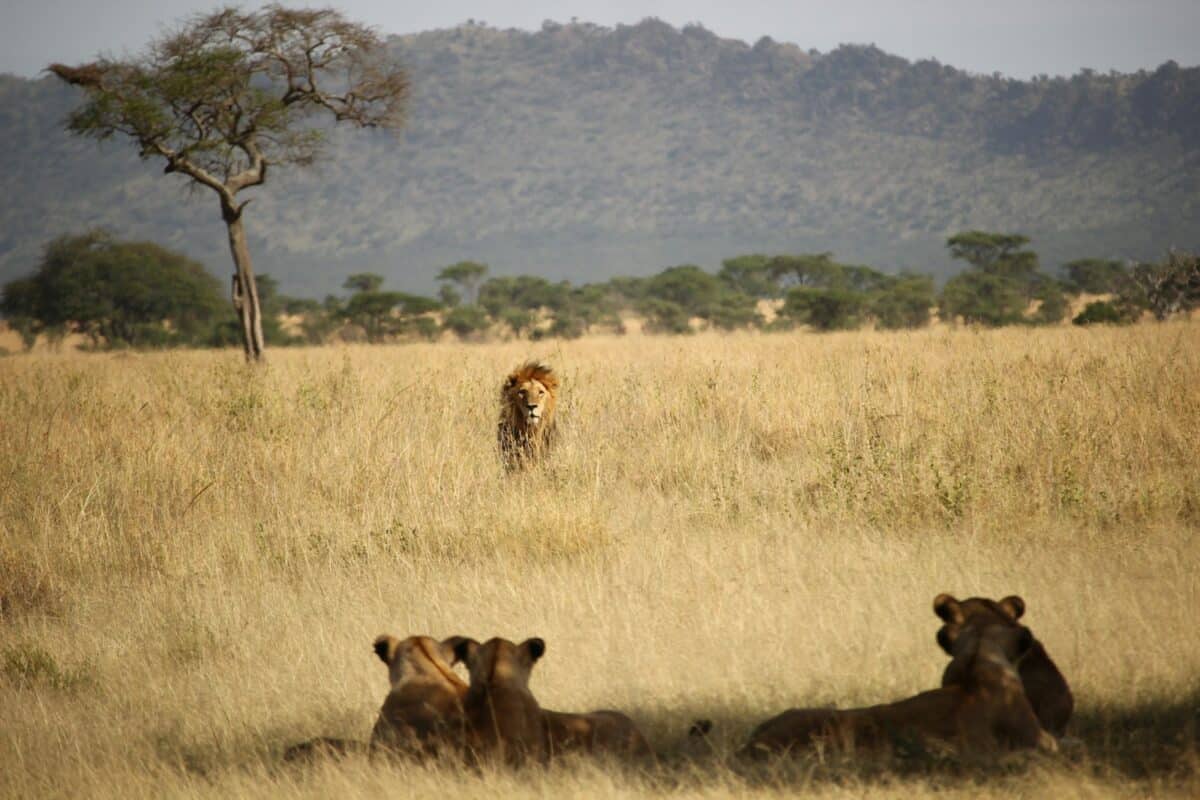
When two apex predators share habitat, competition becomes inevitable. This interaction operates under the ecological principle known as competitive exclusion—the idea that two species competing for the same limited resources cannot coexist indefinitely if those resources remain limited. In nature, this competition manifests in various ways. Direct competition occurs when apex predators target the same prey species, while indirect competition might involve competing for territory, den sites, or other habitat features. The severity of competition depends on resource abundance and the degree of niche overlap between the species. For example, lions and hyenas in the African savanna frequently compete for the same prey, leading to direct confrontations and mutual harassment. Nature tends to minimize such competition through evolutionary processes that push species toward niche differentiation—specializing in different prey, hunting at different times, or utilizing different habitat features—allowing for potential coexistence despite their shared apex status.
Temporal Partitioning: Sharing Space Through Time

One of the most elegant solutions to apex predator coexistence is temporal partitioning—the division of activity periods throughout the day or seasons. This strategy allows multiple top predators to utilize the same geographical space while minimizing direct competition. For instance, in some ecosystems where jaguars and pumas share territory, jaguars tend toward more diurnal (daytime) activity patterns while pumas become more nocturnal, creating a natural time-share arrangement. Seasonal partitioning also occurs when apex predators adjust their territories or hunting patterns according to annual cycles. In marine environments, different shark species may dominate the same waters at different times of year, following temperature changes or prey migrations. Research using camera traps and tracking technologies has revealed that even in seemingly crowded ecosystems, apex predators demonstrate remarkable temporal awareness of competitors, adjusting their movements and activities to avoid confrontation while maximizing access to resources.
Spatial Segregation Strategies

When apex predators cannot avoid sharing the same general habitat, they often develop spatial segregation strategies. This phenomenon involves dividing the habitat into distinct territories or utilizing different microhabitats within the shared ecosystem. For example, in regions where wolves and bears coexist, wolves might prefer valley floors and travel corridors while bears concentrate on ridgelines and areas with specific food resources like berry patches. In marine environments, different shark species may segregate by depth, with some preferring surface waters while others hunt in deeper zones. Even within seemingly homogeneous environments like African savannas, different predators often concentrate their activities in subtly different habitat types—lions favoring areas with specific vegetation coverage versus cheetahs preferring more open terrain. These spatial arrangements aren’t static; they shift with seasons, prey availability, and reproductive cycles, creating dynamic maps of predator influence across landscapes.
Dietary Specialization and Niche Partitioning
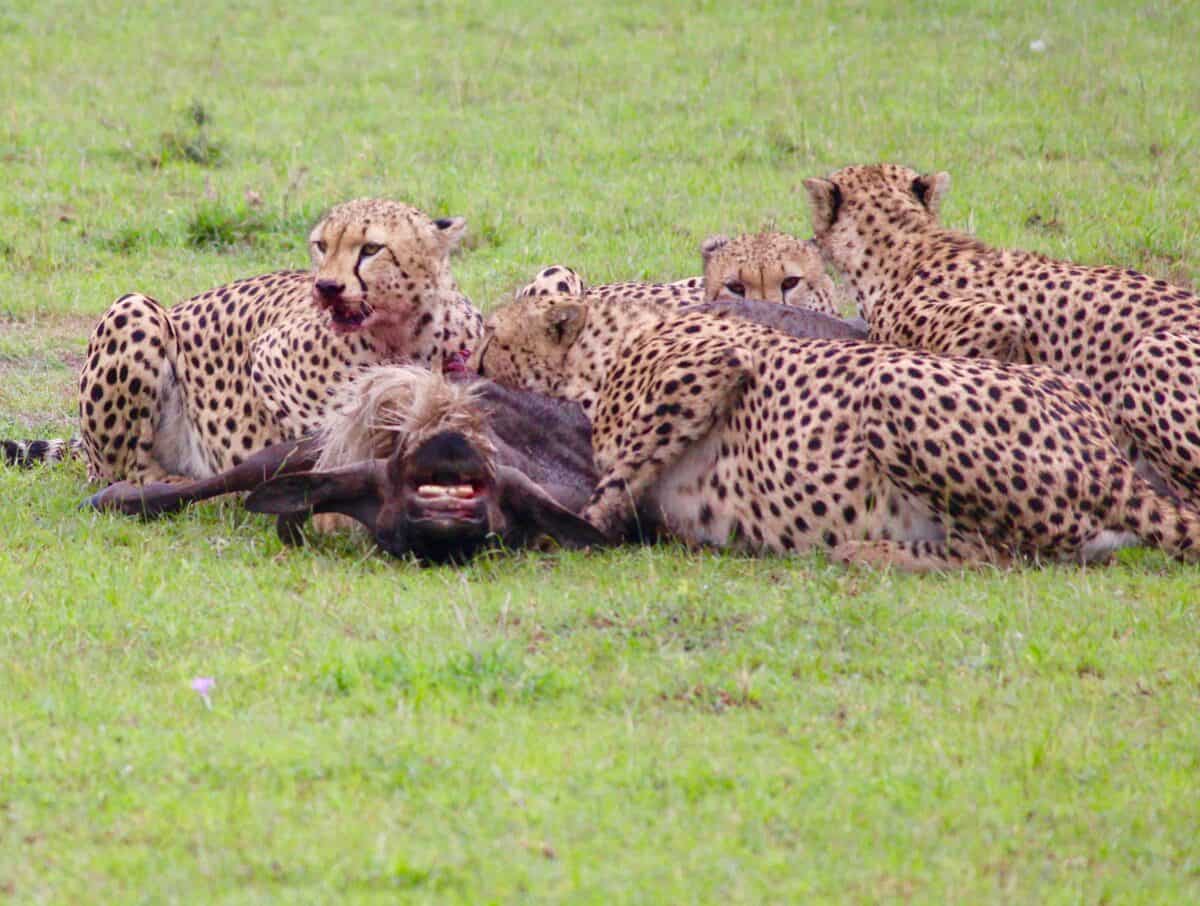
Perhaps the most fundamental way apex predators manage coexistence is through dietary specialization. Even when sharing the same habitat, competing predators often develop preferences for different prey species or size classes. This ecological adaptation, known as resource partitioning, reduces direct competition while allowing multiple apex predators to inhabit the same ecosystem. In the Serengeti, for instance, lions typically target large prey like buffalo and zebra, while cheetahs specialize in smaller, faster prey such as gazelles. Among marine predators, orcas and great white sharks may inhabit the same waters but focus on different prey items—orcas often hunting marine mammals while great whites predominantly target fish and seals. This specialization isn’t merely behavioral; it frequently involves evolutionary adaptations in dentition, digestive systems, hunting strategies, and physical capabilities. The more specialized these predators become, the more likely they can coexist without one displacing the other through competitive exclusion.
Interference Competition and Direct Conflict
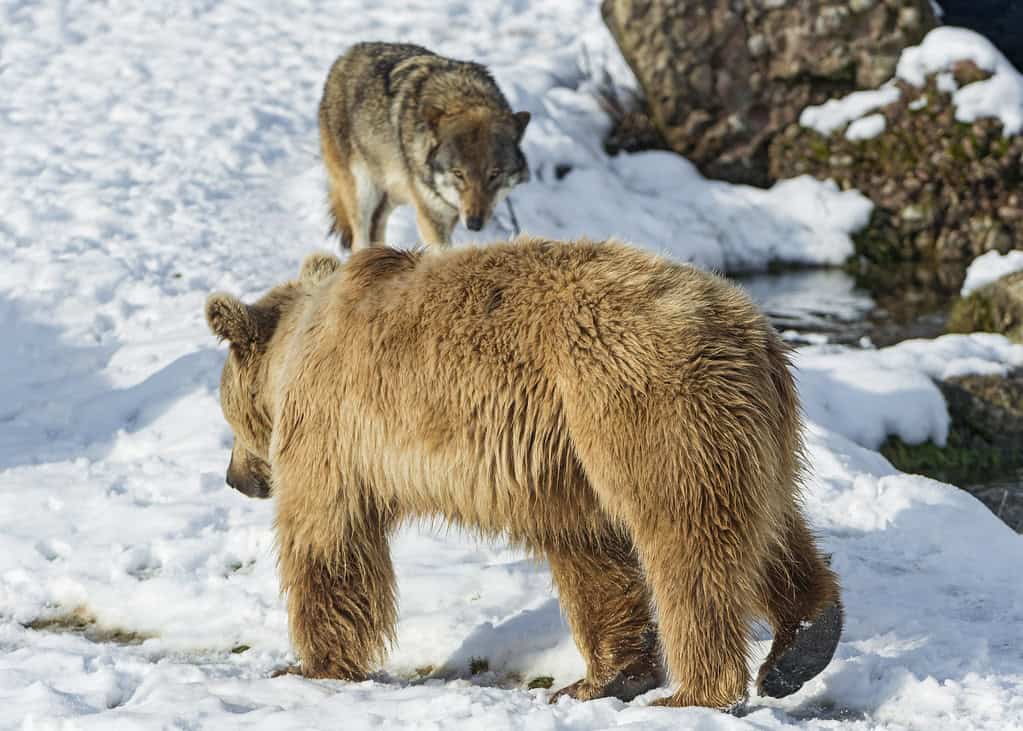
Despite adaptations that promote coexistence, direct confrontations between apex predators remain common when territories overlap. This interference competition can range from aggressive displays to lethal combat, representing the most dramatic interactions between top predators. These confrontations serve multiple ecological functions beyond immediate resource competition. They establish and maintain dominance hierarchies, communicate territorial boundaries, and can influence broader population dynamics. In North America, wolves and grizzly bears regularly engage in confrontations over carcasses, with outcomes depending on the numbers of each species present. In Africa, lions and spotted hyenas maintain complex competitive relationships involving reciprocal killing of young and stealing of kills. These interactions aren’t merely anecdotal but represent significant mortality factors for many apex predator populations. Research indicates that in some ecosystems, intraguild predation—where one apex predator kills another—can account for up to 68% of mortality in certain predator species, highlighting the intensity of these competitive relationships.
Predator-Predator Cascades: Ecological Ripple Effects
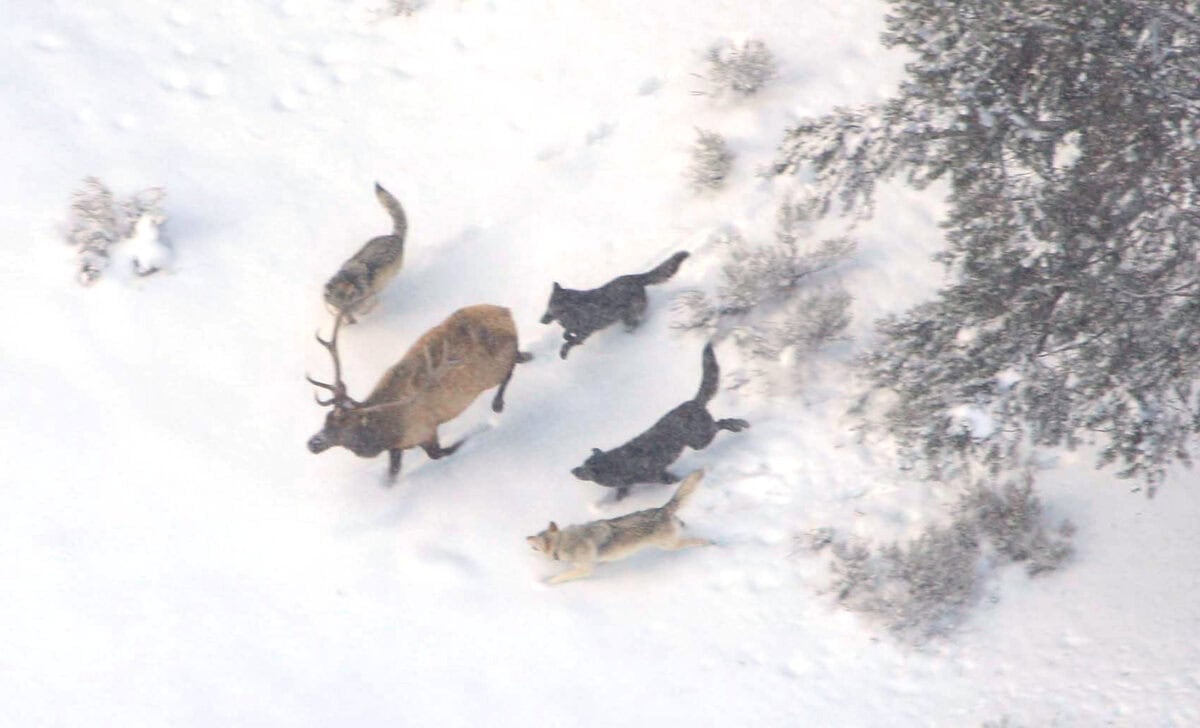
When two apex predators interact, the effects extend far beyond their direct relationship, creating what ecologists call “predator-predator cascades.” These complex interactions can reshape entire ecosystems. For example, when wolves were reintroduced to Yellowstone National Park, they not only affected elk populations but also influenced coyote numbers and behavior, which in turn affected smaller predators and prey species throughout the food web. Similarly, interactions between sharks and crocodiles in coastal mangrove ecosystems can determine which smaller predatory fish thrive in nursery habitats. These cascading effects demonstrate that apex predator interactions are not isolated events but rather key drivers of ecosystem structure and function. Research in both terrestrial and aquatic systems shows that the presence or absence of a second apex predator can fundamentally alter how the first predator influences the ecosystem, creating complex ecological webs that scientists are still working to fully understand.
The Role of Scavenging and Kleptoparasitism
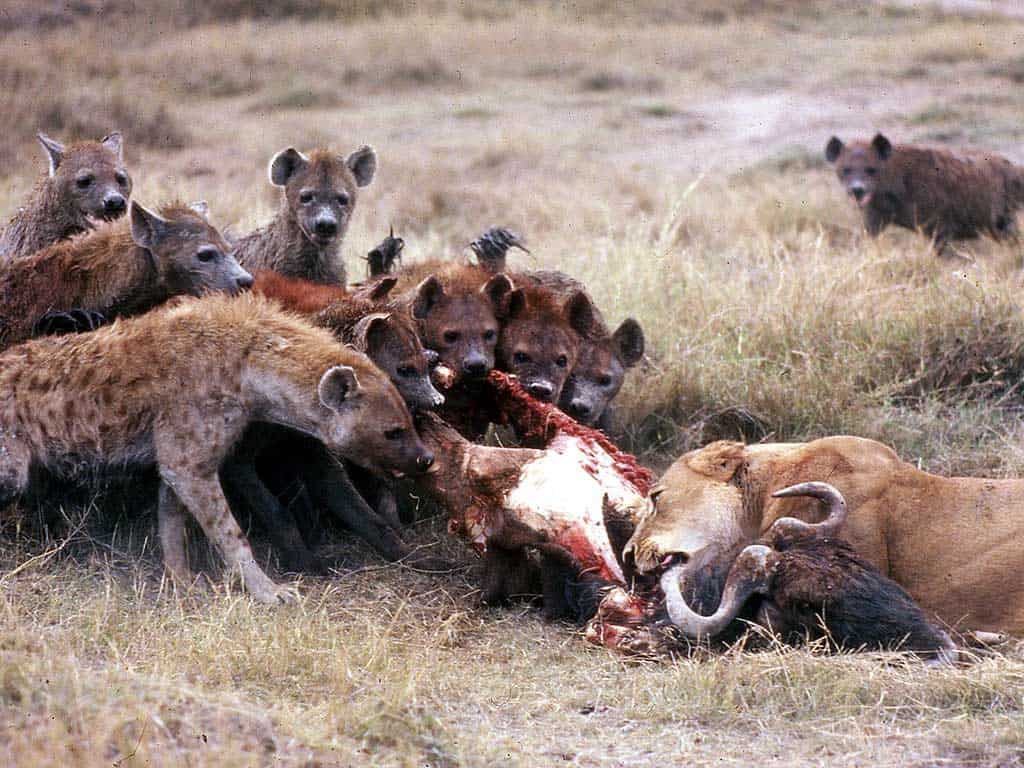
Interactions between apex predators aren’t limited to direct competition for live prey; they extend to complex relationships involving scavenging and kleptoparasitism—the stealing of food items or kills. These behaviors represent important ecological mechanisms that influence energy flow through ecosystems and shape predator behaviors. In many habitats, certain apex predators regularly appropriate the kills of others. Hyenas and lions engage in mutual kleptoparasitism, with either species capable of driving the other from kills depending on group size and circumstances. In North American mountains, cougars often lose kills to bears, forcing them to hunt more frequently than they would otherwise. These interactions create fascinating behavioral adaptations: some predators develop strategies to conceal kills, consume prey more rapidly, or adjust hunting schedules to minimize losses. From an ecosystem perspective, kleptoparasitism can redistribute energy resources, allowing more efficient use of available prey and creating complex feedback loops that influence hunting pressure across the landscape.
Human-Induced Changes to Predator Dynamics

Human activities have dramatically altered the natural dynamics between apex predators worldwide. Habitat fragmentation, hunting, climate change, and introduction of invasive species have disrupted ecological relationships that evolved over millennia. When humans remove one apex predator from a system, the remaining predator often experiences “competitive release”—expanding its ecological niche and sometimes increasing in population, which can trigger unexpected consequences throughout the ecosystem. The reintroduction of previously extirpated predators creates new challenges, as seen with wolf recovery programs in regions where other predators had adapted to their absence. Human activities can also force unnatural concentrations of apex predators around resources like garbage dumps, fishing discards, or artificially maintained prey populations, intensifying competitive interactions. Conservation efforts increasingly recognize the importance of maintaining or restoring complete predator guilds rather than focusing on single species, acknowledging that the complex interactions between apex predators represent a crucial component of ecosystem integrity and resilience in the face of environmental change.
Case Study: African Savanna Predator Guilds
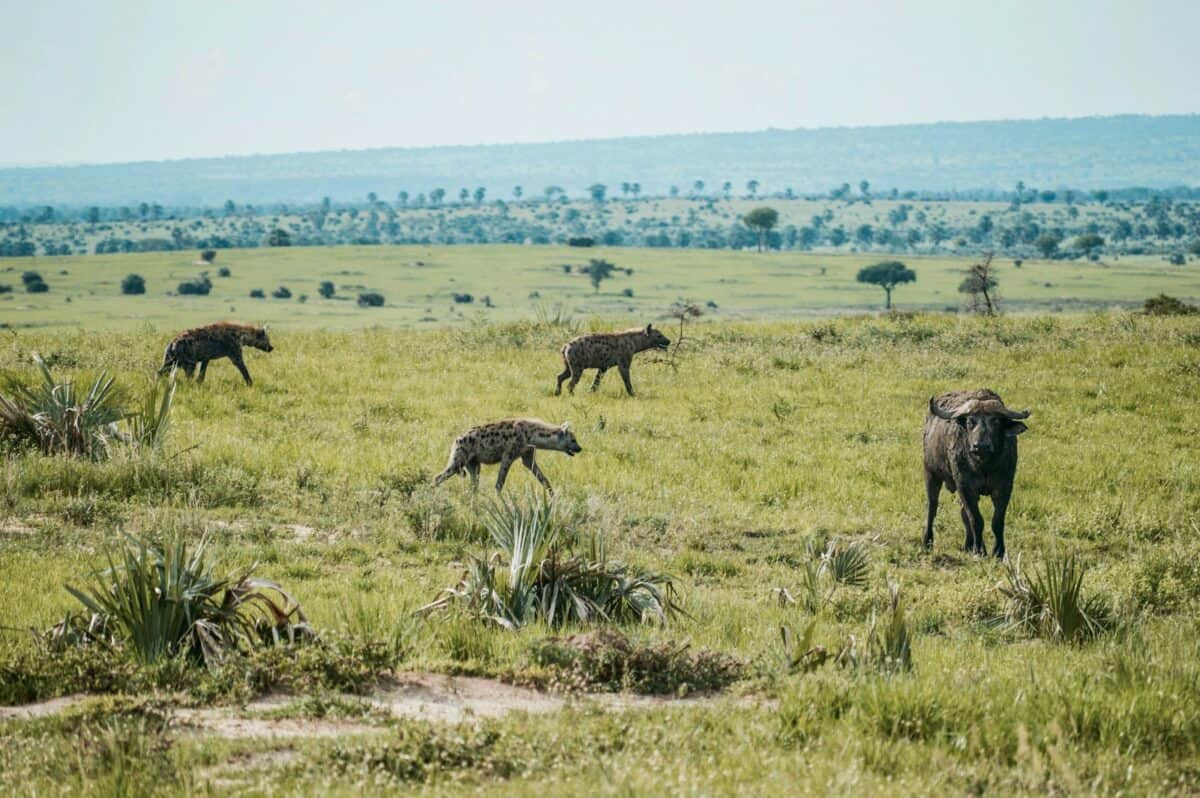
The African savanna presents one of Earth’s most complex examples of multiple apex predators sharing habitat. Lions, leopards, cheetahs, spotted hyenas, and African wild dogs coexist in a dynamic balance maintained through various forms of niche partitioning. Lions, as the dominant predators, influence the behavior and distribution of all other predators. Leopards adapt by becoming more arboreal, frequently dragging kills into trees to avoid losses to lions and hyenas. Cheetahs hunt during daylight hours when lions are less active and select smaller prey than their competitors. Wild dogs compensate for their smaller size through cooperative hunting, enabling them to bring down larger prey, while their exceptional endurance allows them to move widely across landscapes to avoid areas of high lion density. Spotted hyenas function both as primary hunters and scavengers, with their flexible social structure allowing them to assemble in large groups when necessary to compete with lions. Research in ecosystems like the Serengeti and Okavango Delta has documented how these predators maintain a precarious coexistence through spatial avoidance, temporal partitioning, and dietary specialization, creating one of nature’s most fascinating examples of apex predator cohabitation.
Case Study: Marine Predator Interactions

Marine ecosystems harbor some of the most dramatic apex predator interactions on the planet. The relationship between great white sharks and orcas (killer whales) illustrates the complex dynamics that can emerge when top ocean predators share territory. Despite being the largest predatory fish, great white sharks have been documented abandoning prime feeding areas when orcas appear, sometimes avoiding these locations for months afterward. In places like the Farallon Islands off California, researchers have observed that the mere presence of orcas can trigger an immediate exodus of great whites, demonstrating a clear dominance hierarchy. In other marine systems, tiger sharks and bull sharks partition resources through different hunting strategies and habitat preferences within the same reef systems. Deep-sea environments feature similarly complex interactions between large predatory squids and deep-diving marine mammals. These marine examples highlight that even in the vast ocean, apex predators cannot escape competitive interactions, and sophisticated behavioral adaptations have evolved to manage these encounters across three-dimensional marine environments.
The coexistence of apex predators represents one of nature’s most sophisticated balancing acts, revealing the complex mechanisms that maintain biodiversity and ecosystem function. Through millions of years of evolution, competing top predators have developed remarkable adaptations—from temporal avoidance and spatial segregation to dietary specialization and complex behavioral strategies—that allow them to share landscapes while minimizing direct conflict. These relationships are never static but rather dynamic and responsive to changing environmental conditions, prey availability, and population densities. The presence of multiple apex predators in an ecosystem typically indicates extraordinary ecological richness and functional resilience, as these species collectively regulate multiple aspects of community structure. As humans continue to alter natural systems worldwide, understanding and preserving these apex predator relationships becomes increasingly crucial for conservation. The dance between competing top predators serves as a powerful reminder that in nature, coexistence often trumps exclusion, creating systems of remarkable complexity and beauty that far exceed the sum of their individual parts.

- What’s Hiding in the Forests of the Pacific Northwest - July 21, 2026
- Tarsiers: The Tiny Primates with Giant Eyes - July 21, 2026
- Are Zoos Still Ethical in 2025? - July 21, 2026