


Nature has blessed our world with an incredible variety of animals, some of which appear so soft, round, and cuddly that they could easily be mistaken for stuffed toys sitting on a child’s shelf. These living plush toys captivate our hearts with their adorable features, fluffy coats, and innocent expressions. While their appearance might suggest they were designed in a toy factory, these animals are very much real, with fascinating life histories and behaviors that make them even more endearing. From the arctic tundra to tropical rainforests, here are 16 remarkably fluffy creatures that seem to have walked straight out of a toy store and into the wild.
16. Red Panda The Living Teddy Bear

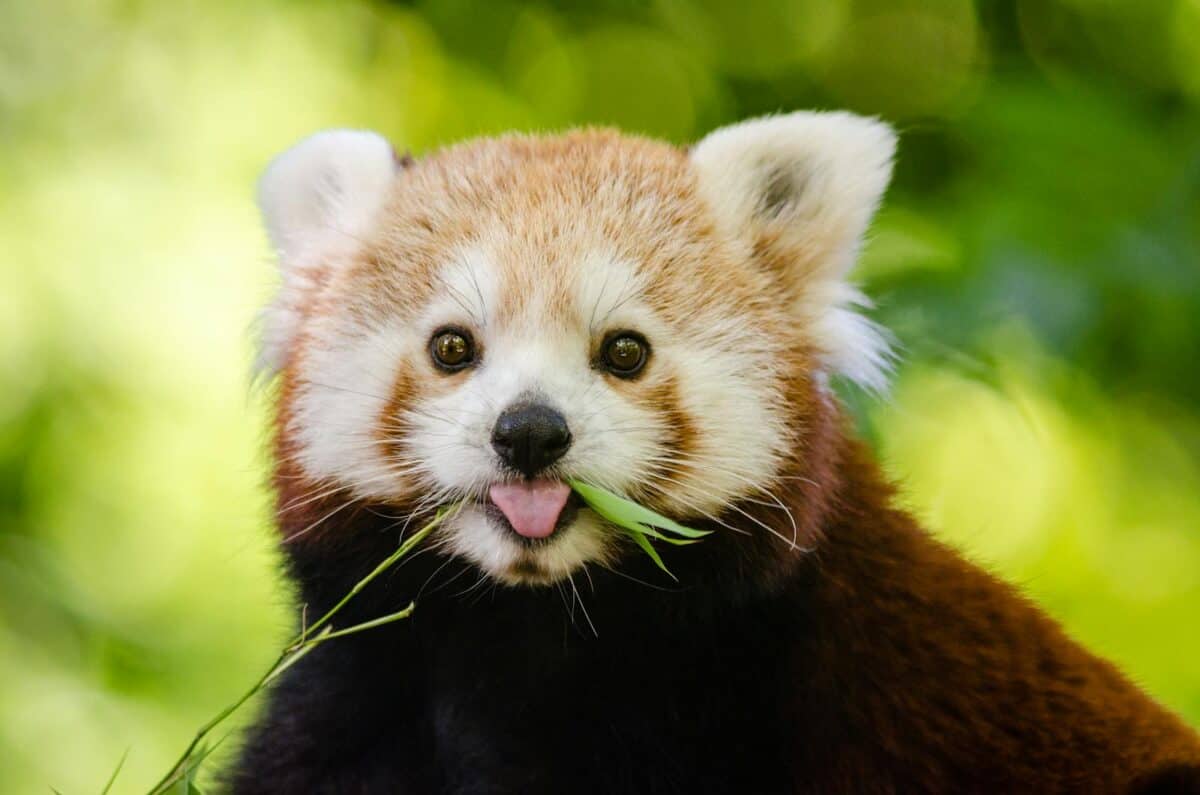
With their rust-colored fur, button noses, and round faces, red pandas (Ailurus fulgens) embody living teddy bears. Native to the eastern Himalayas and southwestern China, these endangered mammals sport thick, lush fur that gives them an undeniably plush appearance. Their bushy tails, which they often wrap around themselves while sleeping, add to their toy-like charm. Despite their name and appearance, red pandas are not closely related to giant pandas but form their own unique family, Ailuridae. They spend much of their time in trees, feeding primarily on bamboo, fruits, and occasionally eggs or insects. Conservation efforts are crucial for these enchanting creatures, as fewer than 10,000 remain in the wild due to habitat loss and poaching.
15. Quokka The Smiling Marsupial
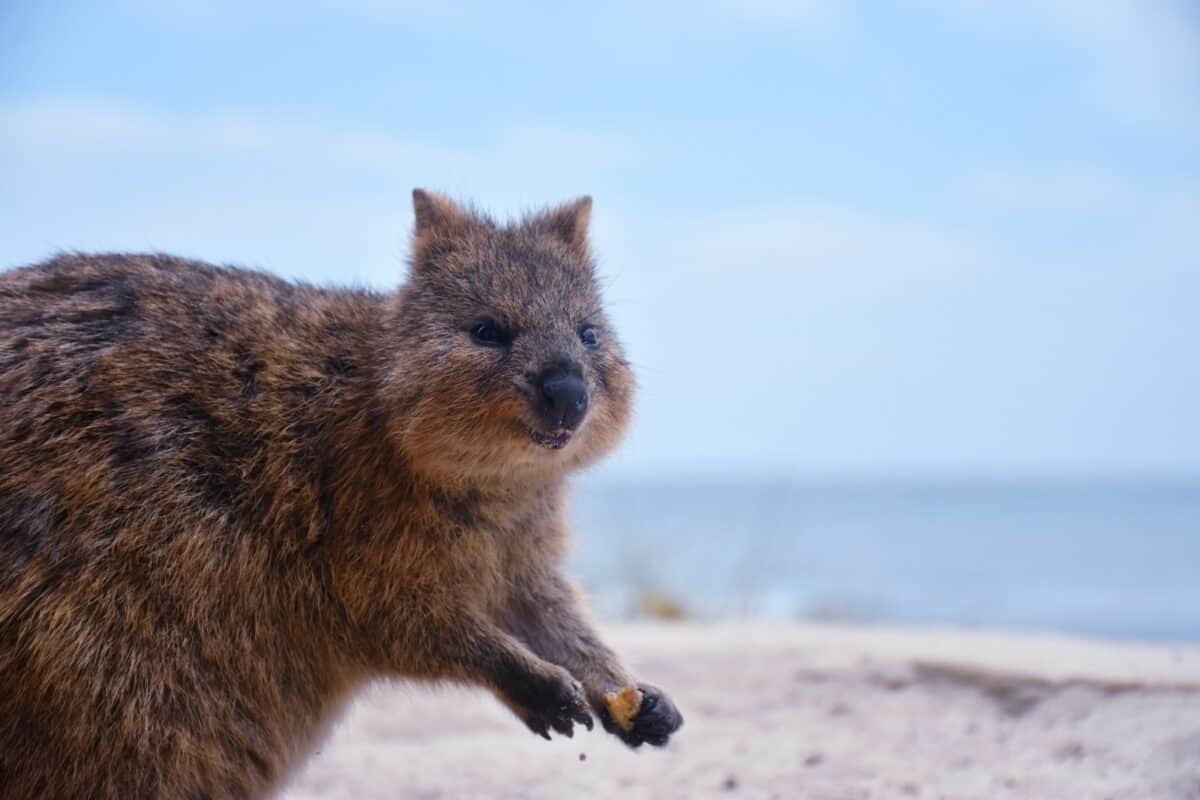
Often called the “happiest animal on Earth,” quokkas (Setonix brachyurus) are small marsupials native to small islands off the western coast of Australia, particularly Rottnest Island. Their permanently smiling faces and round, plump bodies give them an undeniable stuffed-toy quality. Standing about the size of a domestic cat, quokkas have short, coarse fur that appears soft and fluffy, especially around their cheeks and face. They’re nocturnal creatures that hop like tiny kangaroos and can climb trees when necessary. Despite their cheerful appearance, quokkas face significant conservation challenges, with mainland populations considered vulnerable due to predation by introduced species and habitat destruction. Their apparent “smile” is actually just their natural facial structure, but it certainly contributes to their appeal as living plush toys.
14. Arctic Fox Winter’s Plush Marvel
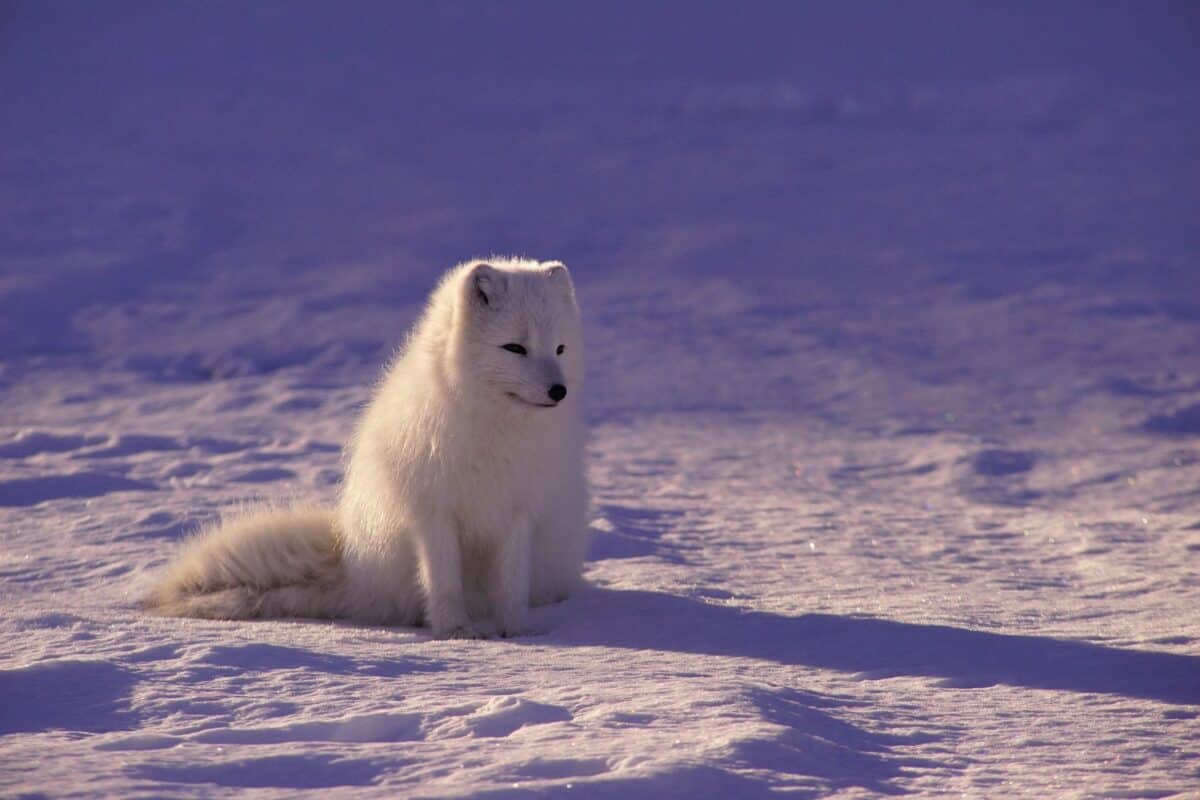
The Arctic fox (Vulpes lagopus) undergoes one of the most remarkable seasonal transformations in the animal kingdom, developing an extraordinarily thick, white winter coat that makes it look like a premium stuffed animal. This insulating fur covers every part of their body—even the soles of their feet—allowing them to survive temperatures as low as -58°F (-50°C). Their round body shape, relatively short legs, small ears, and bushy tail all contribute to their plush toy appearance. During summer months, their coat changes to brown or gray, offering camouflage against the tundra landscape. Arctic foxes are incredibly resilient animals with keen hearing that allows them to locate prey beneath deep snow. Though not endangered globally, some regional populations face threats from climate change, which affects their habitat and prey availability.
13. Pomeranian The Canine Puffball
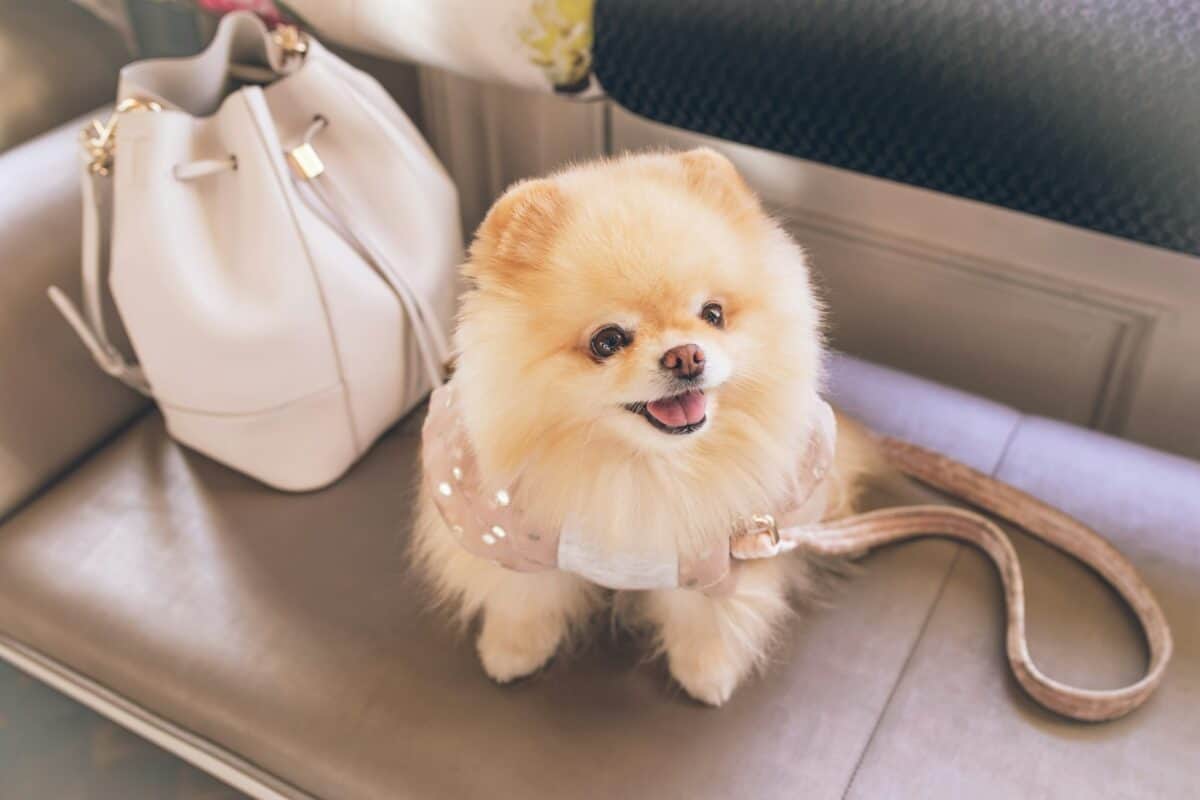
Among domesticated animals, few match the Pomeranian dog breed for sheer fluffiness and toy-like appearance. These tiny spitz-type dogs weigh just 3-7 pounds but appear much larger due to their abundant double coat that stands out from their body. Their fox-like faces peek out from a halo of fur, giving them an unmistakable resemblance to animated stuffed toys. Pomeranians descend from larger sled-pulling dogs of the Arctic regions, and despite their diminutive stature, they retain the bold, confident temperament of their larger ancestors. Their popularity soared in the late 19th century when Queen Victoria became enamored with the breed. Today’s Pomeranians come in numerous colors including red, orange, cream, blue, and black, each looking like a carefully crafted plush creation with a vibrant personality to match their toy-like appearance.
12. Japanese Dwarf Flying Squirrel Pocket-Sized Plushie
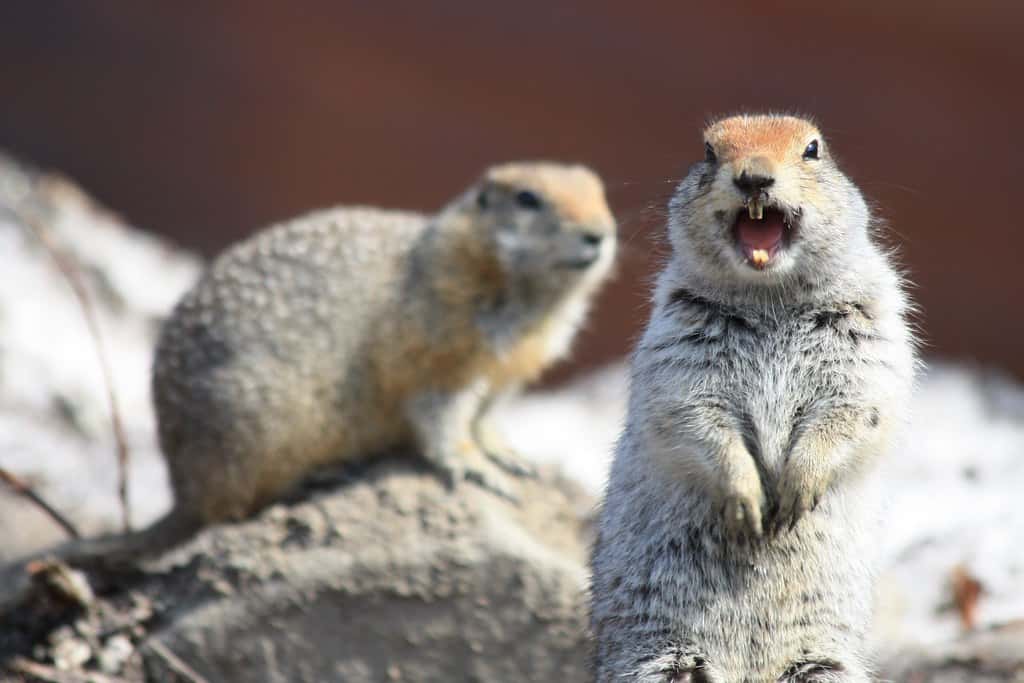
The Japanese dwarf flying squirrel (Pteromys momonga) might be the most kawaii (cute) creature in the forests of Japan. With enormous black eyes that seem disproportionately large for their tiny faces, round bodies measuring just 7-8 inches long, and soft gray-brown fur, these nocturnal gliders look like they were designed by a toy company specializing in maximum cuteness. They possess a membrane called a patagium that stretches between their front and back legs, allowing them to glide up to 160 feet between trees. Their primarily nocturnal nature has made them difficult to study, adding to their mystique. Found in subalpine forests on the islands of Honshu and Kyushu, these living plushies feed on nuts, fruits, tree bark, and occasionally insects. While not currently endangered, habitat fragmentation poses a long-term threat to these adorable gliders.
11. Chinchilla The Softest Fur on Earth
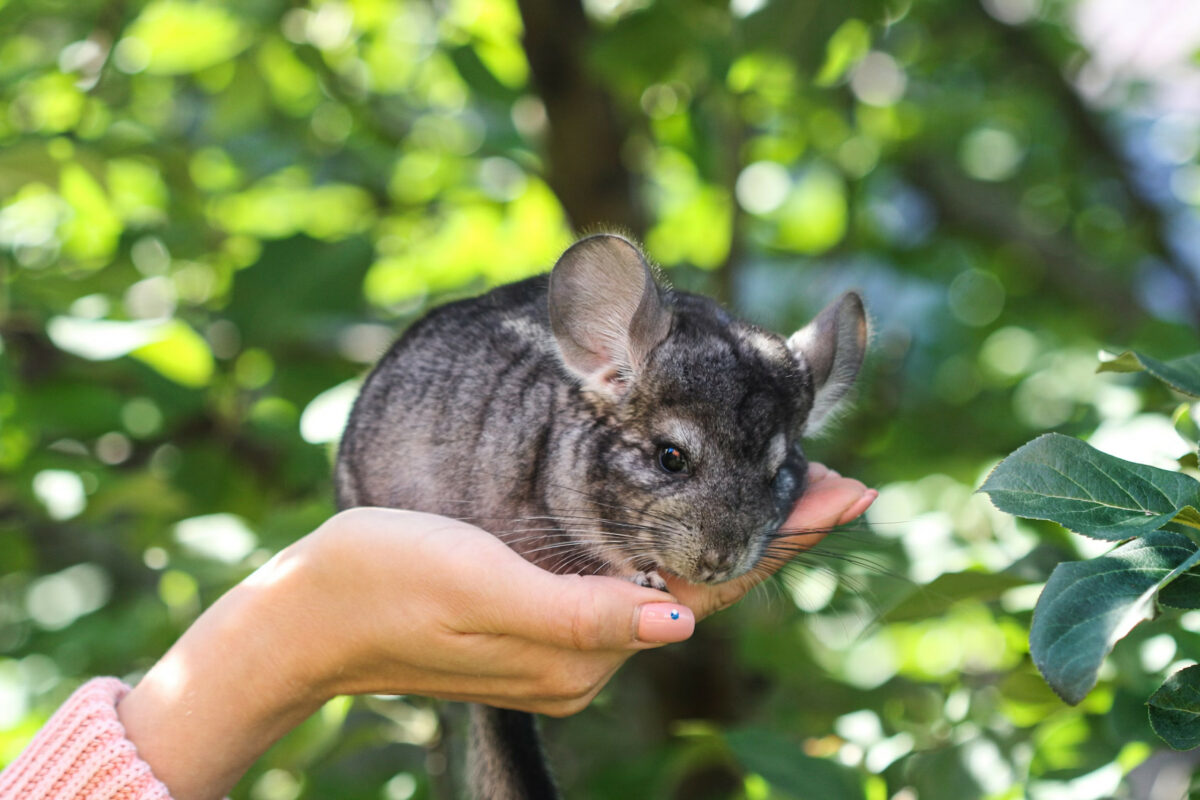
Chinchillas (Chinchilla lanigera and Chinchilla chinchilla) possess what might be the softest, most plush fur of any mammal, with up to 60 hairs growing from each follicle compared to humans’ single hair per follicle. Native to the Andes Mountains of South America, these rodents have dense, velvety coats that evolved to protect them from the cold at high altitudes. Their round bodies, large ears, and bushy tails enhance their stuffed-animal appearance. In the wild, chinchillas are now critically endangered due to extensive hunting for their incredibly soft pelts. Domesticated chinchillas have become popular pets, known for their gentle nature and distinctive dust baths, which they use instead of water to clean their thick fur. Their plush appearance is complemented by their playful personalities, making them living toys that require specialized care and attention.
10. Silkie Chicken The Feathered Teddy Bear
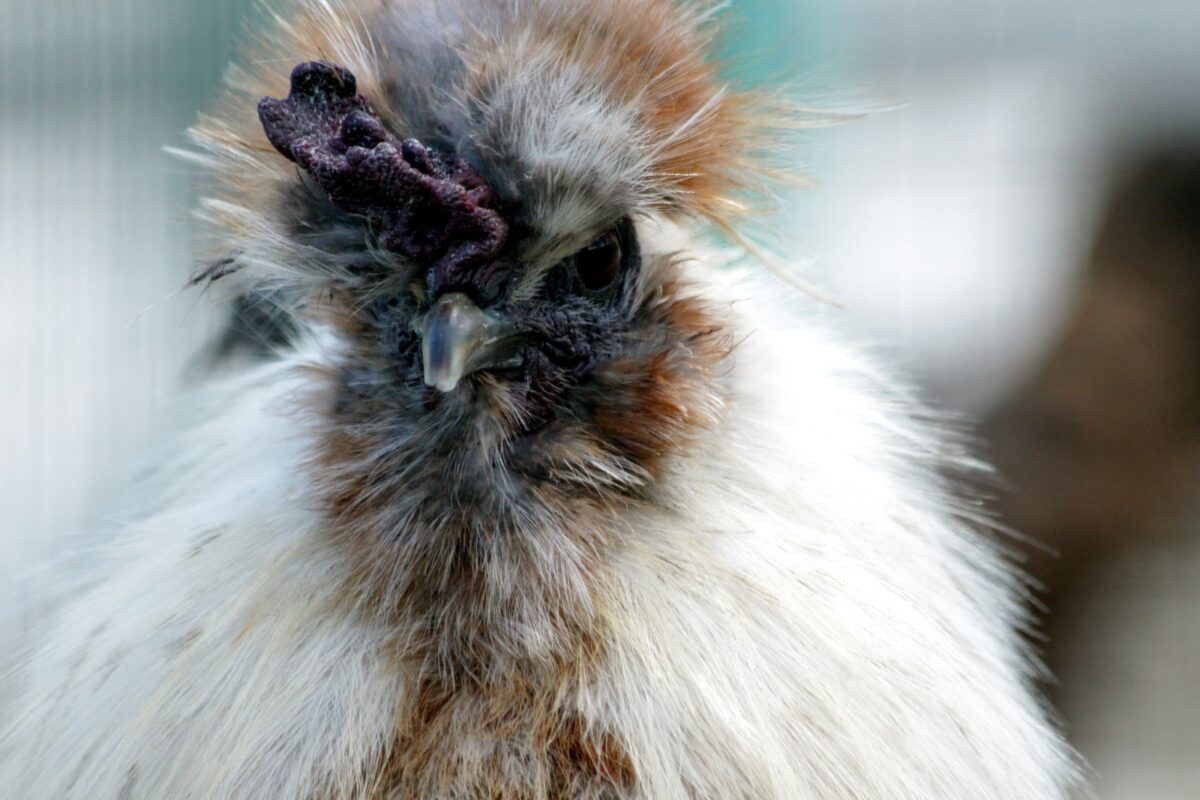
Silkie chickens stand out in the poultry world with their extraordinary appearance that more closely resembles a walking pompom than a typical farmyard bird. Originally from Asia, these distinctive chickens have several unusual features beyond their fluffy, hair-like plumage: black skin and bones, blue earlobes, and five toes instead of the normal four found in most chicken breeds. Their feathers lack the tiny hooks that give other chicken feathers structure, resulting in a soft, silk-like texture that feels remarkably like plush fabric. Silkies come in various colors including white, black, blue, and partridge, with each variety looking equally toy-like. Despite their ornamental appearance, they are practical farm animals known for their gentle disposition, excellent mothering abilities, and small but consistent egg production. Their combination of unique appearance and pleasant temperament has made them beloved pets around the world.
9. Eurasian Harvest Mouse Tiny Ball of Fluff

The Eurasian harvest mouse (Micromys minutus) is one of the smallest rodents in Europe and Asia, weighing less than a U.S. quarter and measuring around 2-3 inches in body length. Their disproportionately large eyes, rounded ears, and orange-brown fur create an appearance so cute it seems manufactured. These mice possess prehensile tails that function almost like a fifth limb, allowing them to climb and balance on grass stems and reeds with remarkable agility. Their spherical grass nests, woven among tall vegetation, enhance their storybook quality. These diminutive creatures feed primarily on seeds, berries, and insects, and though they’re not endangered globally, intensive farming practices have reduced their numbers in many regions. Their toy-like proportions and delicate features make them appear more like miniature plush collectibles than wild animals.
8. Angora Rabbit The Fur Factory

Angora rabbits produce some of the softest fiber in the animal kingdom, with coats so voluminous they can completely obscure the animal beneath. The English Angora, in particular, grows fur even on its face and ears, creating the impression of a shapeless ball of fluff with eyes. These rabbits can grow wool at a rate of 1-2 inches per month and require regular grooming to prevent matting. The breed originated in Ankara (historically called Angora), Turkey, and has been bred for fiber production for centuries. There are four main types recognized by the American Rabbit Breeders Association: English, French, Satin, and Giant. While they make charming companions, potential owners should understand that their plush-toy appearance comes with significant grooming requirements—up to several hours per week. Their wool is highly prized for its warmth, being approximately seven times warmer than sheep’s wool.
7. Samoyed The Smiling Cloud Dog

With their pristine white coats, perpetual “smiling” expressions, and fluffy rounded appearance, Samoyeds embody the concept of a living plush toy. Developed by the Samoyede people of Siberia, these working dogs were bred to herd reindeer, pull sleds, and keep their owners warm at night. Their thick double coat consists of a dense, woolly undercoat and longer guard hairs that stand straight out from the body, creating a halo effect particularly around the neck and shoulders. The characteristic “Samoyed smile” results from the upturned corners of their mouth, which prevents drooling and ice formation in arctic conditions. Despite their teddy bear appearance, these are intelligent, capable working dogs that require ample exercise and mental stimulation. Their gentle nature with children and striking appearance have made them popular family pets, though potential owners should be prepared for their prodigious shedding—Samoyed fur can actually be spun into yarn with wool-like properties.
6. Fennec Fox Desert’s Plush Wonder

The fennec fox (Vulpes zerda) combines impossibly large ears with a tiny body and fluffy coat to create a creature that seems designed for a toy store shelf. Native to the Sahara Desert and parts of the Arabian Peninsula, these nocturnal foxes have the largest ear-to-body ratio of any canid—adaptations that help dissipate heat and locate prey beneath the sand. Weighing just 2-3 pounds and standing 8 inches tall, fennec foxes have cream-colored coats that reflect sunlight during the day and provide warmth during cold desert nights. Their oversized ears, which can be up to 6 inches long, give them an exaggerated, cartoonish quality that enhances their plush toy appearance. In the wild, they live in family groups and dig extensive burrow systems for protection from extreme temperatures. While fennec foxes have been kept as exotic pets in some regions, their specialized needs make them challenging to care for properly.
5. Pygmy Jerboa Nature’s Plush Hopper
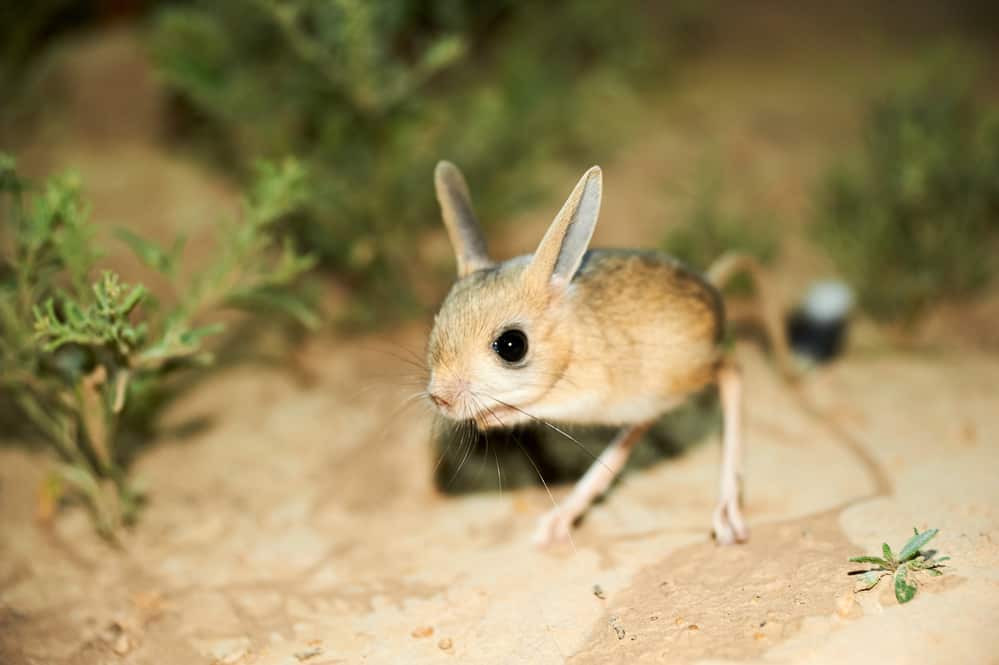
The pygmy jerboa (Salpingotulus michaelis) might be the most improbable-looking mammal on Earth, resembling a cartoon character more than a real animal. Found in the deserts of Pakistan and Afghanistan, these nocturnal rodents have bodies measuring just 2-3 inches, with disproportionately long hind legs that allow them to make kangaroo-like jumps up to 10 feet in a single bound. Their tiny forelegs, large round heads, and long, tufted tails complete their toy-like appearance. Jerboas have adapted to harsh desert environments by obtaining most of their moisture from the seeds and plants they eat, rarely needing to drink water. They create elaborate burrow systems to escape extreme temperatures and predators. Their remarkable resemblance to stuffed toys comes partly from their round bodies and oversized features, evolutionary adaptations that serve practical purposes in their challenging habitat.
4. Highland Cattle Shaggy Plush Giants

Highland cattle bring the plush toy aesthetic to a much larger scale, with their long, wavy coats and endearing faces partially hidden behind fringes of hair. Originating in the Scottish Highlands, these hardy bovines have evolved a double coat—a downy undercoat and longer outer layer—that can reach 13 inches in length, giving them a distinctly stuffed-animal appearance. Their impressive curved horns add to their striking profile, while their generally calm temperament belies their formidable size. Highland cattle come in various colors including red, black, dun, yellow, white, and silver. Besides their ornamental value, they’re practical farm animals known for their longevity, calving ease, and ability to thrive on poor pasture where other breeds might struggle. Their meat is leaner than that of other cattle breeds due to their thick hair providing insulation instead of the fat layer most cattle develop. These gentle giants represent a unique case where agricultural utility meets plush-toy aesthetics.
3. Ragdoll Cat The Floppy Feline Plushie

Ragdoll cats earn their name from their tendency to go limp like a cloth doll when picked up, enhancing their toy-like qualities beyond just their appearance. Developed in California in the 1960s, these large, semi-longhaired cats feature striking blue eyes and pointed coloration similar to Siamese cats, but with longer, silkier fur that creates a plush, soft appearance. Their fur lacks the dense undercoat of many breeds, which means less matting but still provides plenty of fluff. Ragdolls are among the largest domesticated cat breeds, with males weighing up to 20 pounds, making them substantial armfuls of fluff. Their docile, affectionate nature complements their stuffed-toy appearance, as they often enjoy being carried and cuddled. Unlike many cats, Ragdolls typically prefer to stay at ground level rather than climbing, another trait that makes them somewhat toy-like in behavior. Their calm temperament and beautiful appearance have made them one of the most popular cat breeds worldwide.
2. Alpaca The Teddy Bear Camelid

Alpacas combine teddy bear faces with long necks and legs, creating a unique blend of plush toy aesthetics and graceful form. Domesticated from the wild vicuña in South America over 6,000 years ago, these relatives of camels are bred primarily for their luxurious fiber, which comes in 22 natural colors and countless blended hues. Their large, expressive eyes, often accentuated by long eyelashes, contribute significantly to their stuffed-animal appeal. Alpacas come in two breeds: the Huacaya, which has a crimped, dense coat giving them a teddy bear-like appearance, and the Suri, with silky, dreadlock-like fiber that hangs in long locks. Beyond their ornamental value, alpacas are intelligent, gentle animals that communicate through humming sounds and body language. Their fiber is hypoallergenic, water-repellent, and extremely soft, making it highly prized for luxury textiles. These social creatures live in herds and can form strong bonds with their human caretakers, further enhancing their appeal as living plush companions.
1. Malayan Flying Lemur The Living Stuffed Glider
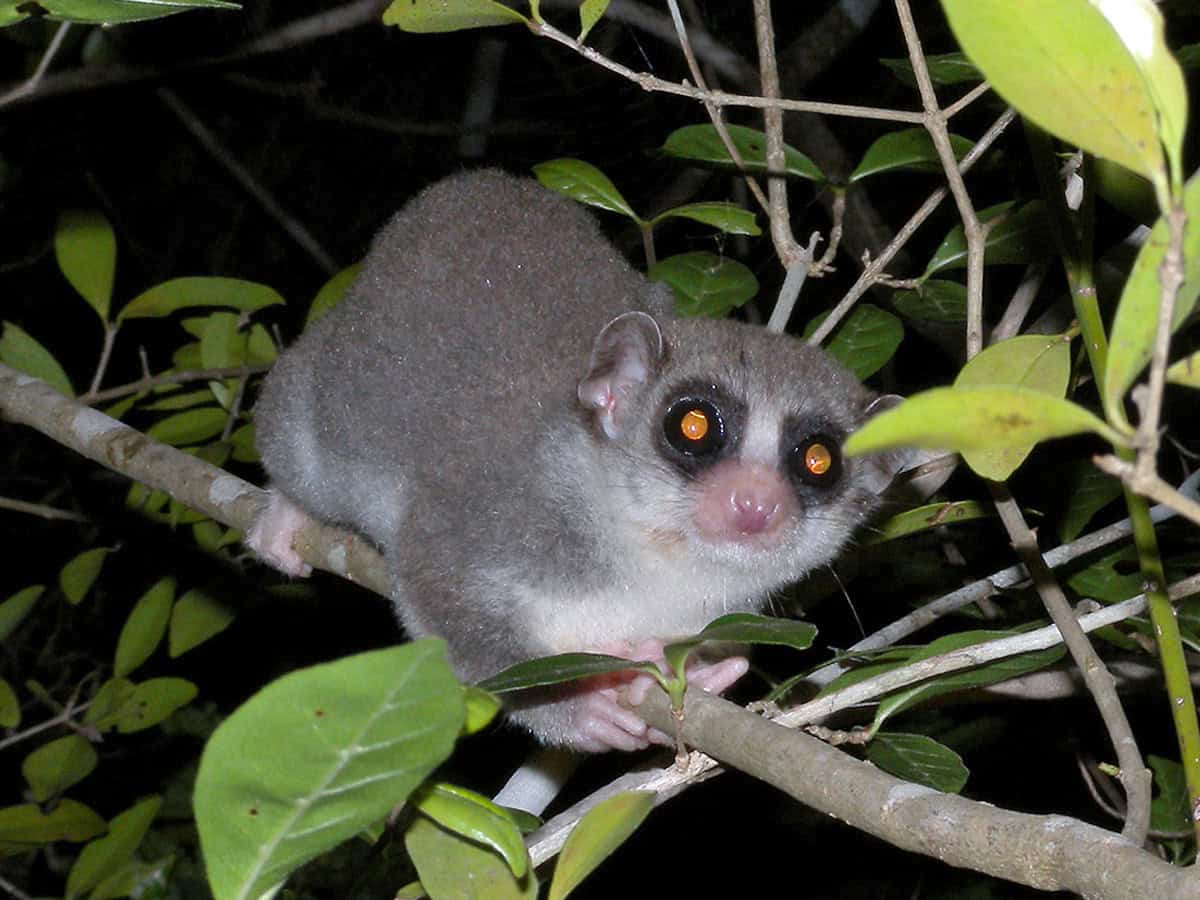
Despite its name, the Malayan flying lemur (Galeopterus variegatus) neither flies nor is a true lemur—but it certainly looks like a plush toy come to life. These unusual mammals from Southeast Asia are actually colugos, the closest living relatives to primates. They possess an extensive gliding membrane (patagium) that stretches from their neck to the tips of their fingers, toes, and tail, creating the most efficient gliding surface of any mammal. This membrane, combined with their large eyes, small round heads, and soft-looking fur, gives them a distinctly manufactured appearance. Colugos can glide over 230 feet with minimal loss of height, moving gracefully between trees in their rainforest habitat. They’re strictly herbivorous, feeding on leaves, shoots, flowers, and fruits. These cryptic creatures are nocturnal and spend their days pressed flat against tree trunks.
Conclusion:
In a world teeming with biological diversity, these 16 remarkably fluffy animals remind us that nature can be just as whimsical and heartwarming as any toy store shelf. From snow-dwelling foxes to tropical gliders, each of these living plush toys showcases unique adaptations that help them thrive in their environments—while also capturing our imagination with their soft fur, rounded features, and wide-eyed innocence. While they may look like cuddly creations born of fantasy, their real-world struggles—whether due to habitat loss, climate change, or human interference—underscore the importance of conservation. By appreciating their charm and understanding their needs, we can help ensure that these adorable ambassadors of the wild continue to enchant generations to come.

As a little kid, I fell in love with nature, wildlife, and animals. Living in the USA, South Africa, Italy, China and Germany gave me the opportunity to discover the world's Wildlife. My favorite animals are Mountain Gorillas, Siberian Tigers, and Great White Sharks.
I'm a certified PADI Open Water Diver, went to Everest Base Camp and Trekked Gorillas in Uganda. I hold a Master of Science in Economics and Finance.
Please send any feedback to feedback@animalsaroundtheglobe.com
- 16 Fluffy Creatures That Look Like Living Plush Toys - August 11, 2026
- 8 Animals Known for Their Long Lifespans - August 11, 2026
- 10 Underwater Trenches Deeper Than Mount Everest - August 11, 2026
Leave a comment
You must be logged in to post a comment.