
The great white shark, one of the ocean’s most iconic predators, is on the move. In recent decades, researchers have documented a significant northward shift in these apex predators’ range, with great whites increasingly appearing in waters previously considered too cold for their liking. This phenomenon represents one of the most visible and dramatic examples of how marine ecosystems are responding to warming oceans. As great whites expand into new territories, they bring both ecological changes and fresh challenges for coastal communities unaccustomed to their presence. This migration isn’t merely a curiosity—it’s a living barometer of our changing planet and offers critical insights into how climate change is reshaping marine life distributions worldwide.
The Traditional Range of Great White Sharks

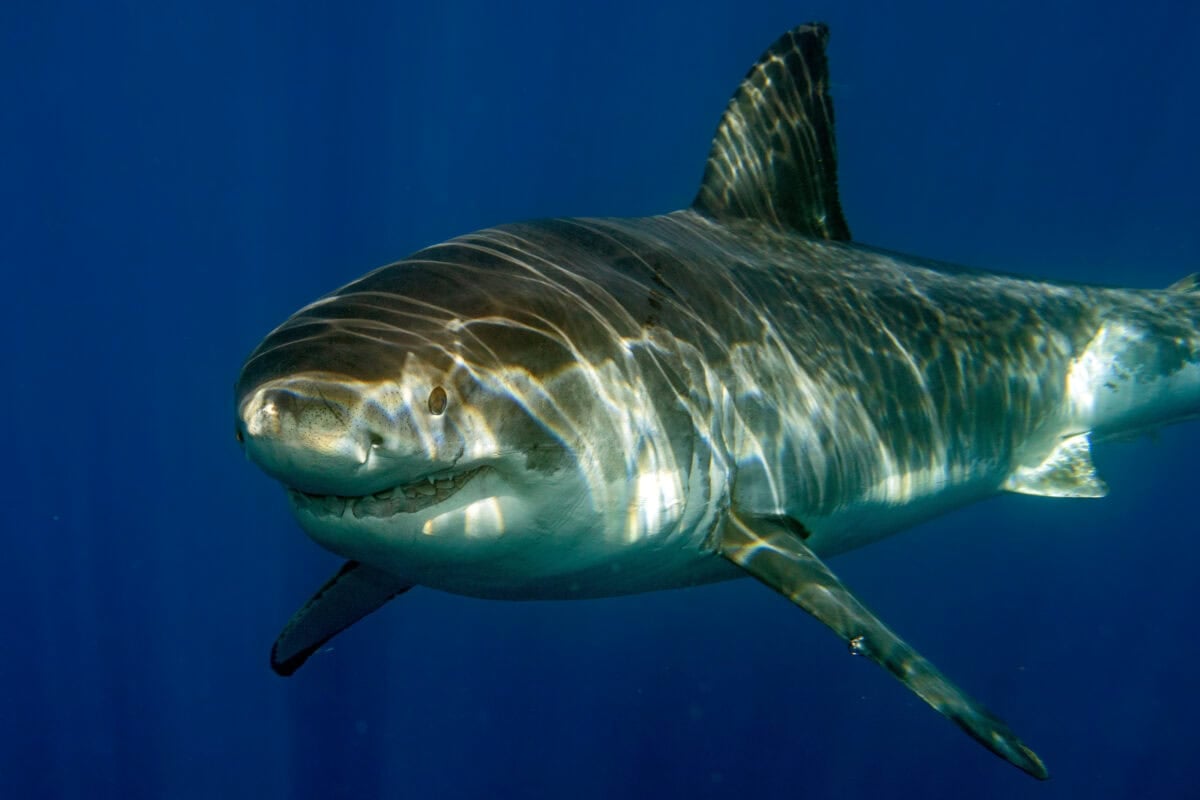
Great white shark. Image by Openverse.
Historically, great white sharks (Carcharodon carcharias) have maintained well-established geographic boundaries. These predators typically inhabited temperate coastal waters with temperatures between 12-24°C (54-75°F). Their traditional strongholds included waters off California, Mexico, South Africa, southern Australia, New Zealand, and the Mediterranean. Within these regions, great whites would often exhibit seasonal migrations, following prey movements and responding to water temperature fluctuations. Until recently, their northern limits in the Atlantic reached approximately Cape Cod in the United States and Cornwall in the United Kingdom, while Pacific populations rarely ventured north of central California with any regularity. These boundaries remained relatively stable for centuries, creating predictable patterns that both marine ecosystems and human coastal activities adapted to over time.
Climate Change and Ocean Warming
The primary driver behind the great white shark’s northward expansion is ocean warming due to climate change. According to NOAA data, global ocean temperatures have increased by approximately 0.13°C per decade since 1880, with the rate accelerating to 0.18°C per decade since 1981. This warming isn’t uniform—certain regions, including the Northwest Atlantic, are warming up to three times faster than the global average. The Gulf of Maine, for instance, has warmed faster than 99% of the global ocean over the past decade. These temperature changes have profound effects on marine ecosystems, altering everything from plankton blooms to fish migrations. For temperature-sensitive species like the great white shark, these changes effectively redraw the map of suitable habitat, opening up previously inhospitable northern waters while potentially making some traditional southern habitats less comfortable during summer months.
Documented Expansion into Northern Atlantic Waters

The Northwest Atlantic has witnessed one of the most dramatic expansions of great white shark territory. Cape Cod, Massachusetts, once considered the northern fringe of their range, has transformed into a reliable summer hotspot for these predators. According to the Atlantic White Shark Conservancy, confirmed sightings around Cape Cod increased by over 800% between 2010 and 2020. Even more telling is their appearance in the Gulf of Maine and Canadian waters. Newfoundland, Nova Scotia, and even the Bay of Fundy now report regular seasonal visitations. Research conducted by the Massachusetts Division of Marine Fisheries has documented over 300 individually identified great whites in New England waters, many returning year after year. Satellite tagging studies reveal that some individuals are spending up to four months in these northern waters when historically they might have only made brief appearances, if any at all.
Great White Shark Sightings in Northern Pacific Regions

A similar pattern is emerging along the Pacific coast. Traditionally concentrated in central and southern California waters, great whites are increasingly being documented off Oregon, Washington, and even British Columbia. A 2023 study published in the journal Marine Ecology Progress Series reported a 25% increase in great white shark observations north of California over the past two decades. Perhaps most striking are verified sightings in Alaskan waters—an unprecedented development that would have seemed implausible just thirty years ago. The Pacific Shark Research Center has confirmed at least seven distinct great white individuals in Southeast Alaskan waters since 2017. While these numbers may seem small, they represent a significant change in distribution patterns, especially considering how few sharks are tagged and how vast these northern waters are, making chance observations relatively rare.
Following Their Food: Changes in Prey Distribution

Great white sharks aren’t randomly wandering northward—they’re following their prey. As ocean warming shifts the distribution of seal and sea lion populations, great whites naturally adjust their hunting territories. The Gulf of Maine has seen a significant resurgence in gray seal populations since the Marine Mammal Protection Act was implemented in 1972, with numbers growing from a few thousand to over 50,000. These recovering seal colonies have now moved further north than their historical range, establishing breeding grounds in areas that were previously too cold. Meanwhile, various fish species critical to the marine food web are shifting poleward at rates of 10-30 kilometers per decade. When these prey species move, predators like the great white shark inevitably follow. This cascading effect demonstrates how climate change impacts resonate throughout the entire marine ecosystem, with top predators serving as the most visible indicators of these shifts.
Physiological Adaptations Enabling Northern Expansion

Great white sharks possess several physiological adaptations that facilitate their expansion into colder waters. Unlike most fish, great whites are partially endothermic, meaning they can maintain body temperatures warmer than the surrounding water. This adaptation comes from specialized blood vessel arrangements called “rete mirabile” that function as heat exchangers, conserving warmth generated by swimming muscles. Research published in Science revealed that great white sharks can maintain core temperatures up to 14°C above ambient water temperature. Additionally, their large body size provides thermal inertia, slowing heat loss in cold environments. These adaptations allow them to hunt efficiently in waters as cold as 8-10°C (46-50°F), temperatures previously thought to be beyond their comfort zone. Some scientists now theorize that as oceans warm, great whites may actually prefer cooler northern waters during summer months, suggesting their expansion might be partly behavioral thermoregulation rather than simply following the edge of their thermal tolerance.
Impacts on Local Marine Ecosystems

The arrival of great white sharks in northern ecosystems creates ripple effects throughout marine food webs. As apex predators, they exert top-down control on mesopredators like smaller sharks and seals. In regions like the Gulf of Maine, where gray seal populations have boomed, the presence of great whites may help regulate these numbers, potentially benefiting local fisheries that compete with seals for fish stocks. However, the introduction of new apex predators can also disrupt established ecological balances. Studies in regions where great whites have recently appeared show changes in the behavior of seals, which spend less time foraging and more time vigilant for predators. This behavioral change can alter nutrient cycling in near-shore environments. Additionally, other shark species may be displaced as great whites establish dominance in these new territories. While ecosystems will eventually reach new equilibriums, the transition period presents challenges for species unaccustomed to these powerful predators.
Human Safety Concerns in New Territories

The expansion of great white shark territories into new regions raises legitimate human safety concerns. Communities in northern waters have limited historical experience with these predators and may lack established safety protocols. Between 2012 and 2022, Cape Cod experienced a significant increase in shark-related incidents, including the first fatal attack in Massachusetts since 1936. Public beaches in newly affected regions are implementing protocols borrowed from traditional great white territories—including improved surveillance, warning systems, and first responder training. Education plays a crucial role in risk reduction, with experts emphasizing that the overall statistical risk remains extremely low. The Atlantic White Shark Conservancy’s Sharktivity app exemplifies modern approaches, using crowdsourced sightings and real-time alerts to help beachgoers make informed decisions. Despite media attention on shark incidents, experts consistently stress that humans are not preferred prey, with most bites resulting from mistaken identity rather than predatory intent.
Scientific Monitoring and Research Efforts

The northern expansion of great white sharks has catalyzed unprecedented research efforts. Organizations like OCEARCH, the Massachusetts Division of Marine Fisheries, and the Atlantic White Shark Conservancy have deployed comprehensive tagging programs, with over 250 sharks now carrying satellite or acoustic transmitters in Atlantic waters alone. These tags provide real-time data on movement patterns, depth preferences, and habitat utilization. Meanwhile, environmental DNA (eDNA) sampling enables scientists to detect shark presence from water samples alone, allowing monitoring in regions where visual confirmation is challenging. Advanced drone surveillance programs supplement these efforts, providing cost-effective aerial monitoring along coastlines. Perhaps most promising is the development of predictive modeling that integrates oceanographic data with shark tracking information to forecast high-probability areas for shark presence. These scientific endeavors not only track the expanding range of great whites but also deepen our understanding of their ecological role in changing marine ecosystems.
Economic Implications for Coastal Communities

The arrival of great white sharks brings complex economic consequences to northern coastal communities. Tourism impacts can be paradoxical—while some beachgoers may be deterred by shark concerns, others are specifically attracted by the opportunity to potentially glimpse these magnificent predators. Cape Cod has experienced this “Jaws effect” firsthand, with shark-themed tourism generating millions in revenue through specialized boat tours, merchandise, and educational experiences. Commercial and recreational fishing operations face adjustments as great whites may alter the behavior and distribution of target species. Additional economic considerations include increased costs for beach safety measures, including spotters, drones, and emergency response training. Insurance considerations for coastal businesses may also evolve in regions newly populated by great whites. Forward-thinking communities are working to balance safety concerns with the potential economic benefits of responsible shark tourism, recognizing that these predators can become valuable natural resources when properly managed.
Conservation Status and Protection Efforts

Despite their fearsome reputation, great white sharks remain vulnerable globally. The International Union for Conservation of Nature (IUCN) classifies them as “Vulnerable,” with populations threatened by commercial fishing, bycatch, and targeted killing. As their range expands northward, great whites encounter varying levels of legal protection. In the United States, they’ve been federally protected since 1997, while Canada strengthened protections in 2019 following increased presence in their waters. International agreements like CITES (Convention on International Trade in Endangered Species) restrict commercial trade in great white products. Conservation efforts face unique challenges as populations shift into new jurisdictions with different management approaches and public attitudes. The expansion actually presents some conservation opportunities—broader distribution may increase population resilience by reducing vulnerability to localized threats. However, it also complicates monitoring efforts and potentially exposes sharks to new fishing pressures in regions unaccustomed to their presence.
Future Projections: How Far North Will They Go?

Climate modeling suggests the northward expansion of great white sharks will continue throughout the 21st century. Research published in Nature Climate Change predicts suitable habitat for great whites could extend to the Gulf of Alaska and northern North Sea by 2050 if current warming trends continue. Temperature isn’t the only limiting factor, however. Day length at high latitudes creates extreme seasonal variations that may influence prey availability, potentially creating a functional northern boundary regardless of temperature suitability. Some researchers speculate that the expansion may eventually slow as sharks reach the limits of their physiological adaptability or encounter geographic barriers that limit prey availability. Future distribution will also depend on how prey species respond to changing conditions. While precise boundaries remain difficult to predict, the scientific consensus suggests we’ll continue to see great whites pushing further north in coming decades, potentially establishing seasonal presence in waters that have never historically hosted these predators.
Conclusion: Canaries in the Climate Coal Mine

The northward expansion of great white sharks represents far more than an isolated curiosity—it serves as a powerful indicator of broader climate-driven changes reshaping our oceans. As these apex predators claim new territories, they highlight the cascading ecological effects of warming waters, from shifting prey distributions to emerging predator-prey relationships in previously stable ecosystems. For coastal communities and marine resource managers, adapting to the presence of these powerful predators presents both challenges and opportunities that require thoughtful, science-based approaches to balance human safety with conservation priorities. Perhaps most importantly, the changing map of great white shark territory offers a visceral, undeniable demonstration of climate change impacts that transcends statistics and models. In tracking these magnificent predators’ movements into new frontiers, we gain not just knowledge about one species, but crucial insights into the future of our changing oceans and the countless life forms that depend on them.

- Why You Shouldn’t Chase Butterflies With Nets - July 22, 2026
- The Animal Kingdom’s Best Dads Ranked - July 22, 2026
- The Most Vulnerable Fish Species in U.S. Rivers Today - July 22, 2026