


When your dog knocks over a potted plant and slinks away with their tail between their legs, or when they give you that guilty look after being caught on the couch, it’s tempting to interpret these behaviors as embarrassment. As humans, we often project our emotions onto our canine companions, assuming they experience the world similarly to us. But do dogs actually feel embarrassment? This question sits at the fascinating intersection of animal cognition, evolutionary psychology, and our deep-seated desire to understand our four-legged friends. This article explores the complex reality of canine emotions, particularly focusing on whether embarrassment—that distinctly human-seeming response to social mishaps—exists in the canine emotional repertoire.
Understanding Canine Emotions

Dogs experience a range of basic emotions, including joy, fear, anger, disgust, and love. Research in canine cognition has made significant strides in recent decades, confirming that dogs possess emotional lives that are rich and complex. However, their emotional landscape differs from humans in important ways. Dogs experience what scientists call “primary emotions,” which are instinctive, immediate responses essential for survival. What remains more contentious is whether dogs experience “secondary emotions” like embarrassment, shame, or guilt—emotions that many scientists believe require self-awareness and an understanding of social norms. These secondary emotions typically develop in humans around age two, coinciding with the development of self-awareness.
The Science of Embarrassment
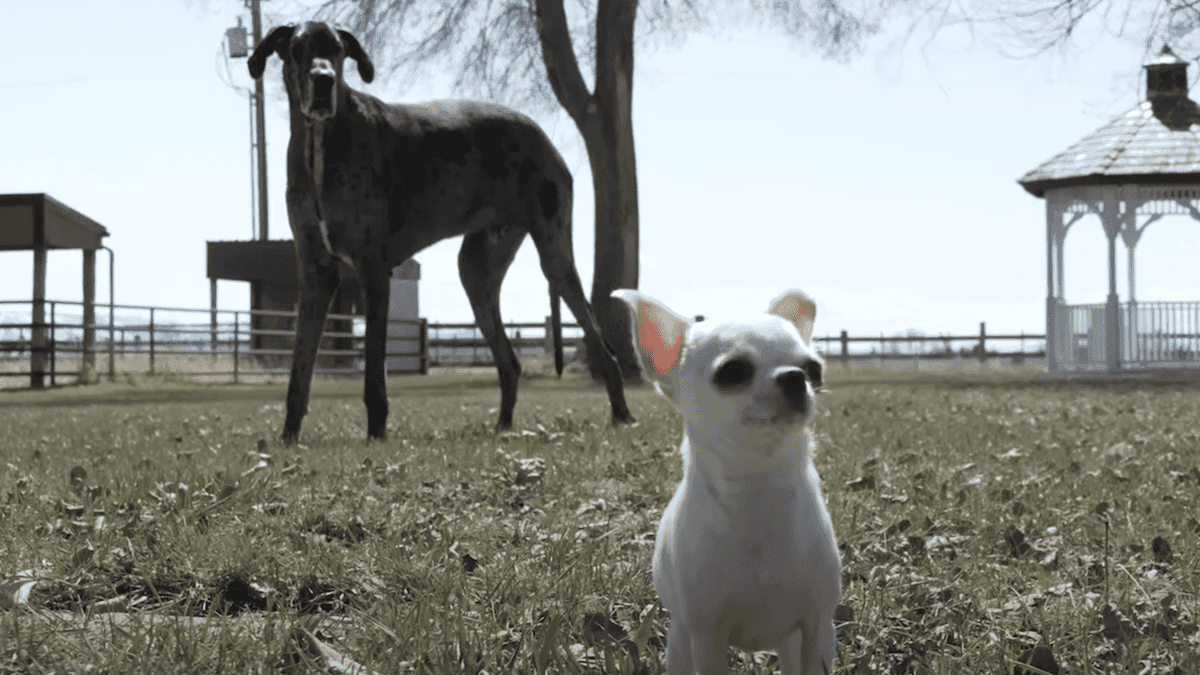
In humans, embarrassment is a self-conscious emotion that requires several cognitive components: self-awareness, an understanding of social rules, recognition that one has violated those rules, and concern about others’ judgments. Embarrassment serves important social functions, helping us recognize when we’ve broken social norms and motivating us to repair social bonds. It’s a complex emotion tied to our understanding of how others perceive us—what psychologists call “theory of mind.” For dogs to feel true embarrassment, they would need these same cognitive abilities. While dogs are highly social animals with impressive cognitive skills, the question becomes whether they possess the specific cognitive architecture required for such self-conscious emotions.
Canine Self-Awareness: The Mirror Test
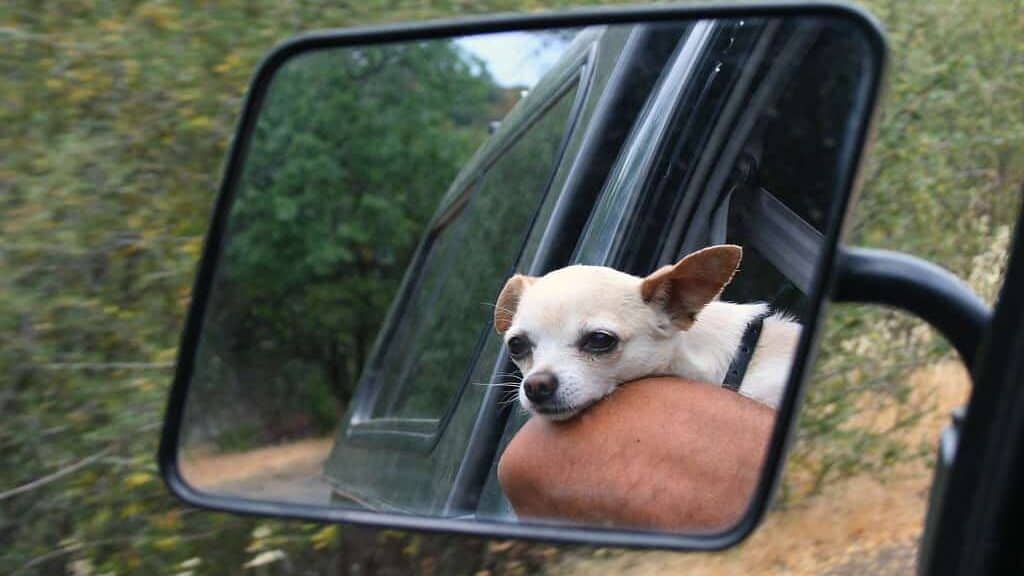
Self-awareness is considered a prerequisite for emotions like embarrassment. The standard scientific test for self-awareness is the mirror recognition test, where animals are marked with an odorless dye and placed in front of a mirror. If they notice and investigate the mark on themselves, it suggests self-recognition. Most dogs fail this test—they typically react to their reflection as if it were another dog or ignore it entirely. However, this test has limitations. It relies heavily on visual processing, while dogs navigate their world primarily through smell. Some researchers argue that failing the mirror test doesn’t conclusively prove dogs lack self-awareness; it may simply reveal the test’s inappropriate design for canine cognition. Alternative methods of testing dog self-awareness are still being developed.
The “Guilty Look” Decoded

Many dog owners are familiar with the “guilty look”—those drooping ears, averted gaze, and submissive posture that seem to indicate your dog knows they’ve done something wrong. This behavior is often interpreted as shame or embarrassment. However, pioneering research by Alexandra Horowitz at Barnard College suggests this guilty look is actually a response to human cues rather than genuine guilt. In her experiments, dogs displayed the guilty look when scolded by owners, regardless of whether they had actually committed the “crime.” This suggests that what looks like embarrassment or guilt may actually be a learned submissive response to human anger or disappointment—a way of appeasing a displeased pack member rather than a reflection of understanding wrongdoing.
Social Emotions in Dogs

While dogs may not experience embarrassment in the human sense, they do have rich social emotions adapted for pack living. Dogs show clear evidence of social attachment, jealousy, and emotional contagion (catching emotions from others). Studies have shown that dogs can experience something akin to jealousy when their owners interact with other dogs or even stuffed animals. They also respond to emotional states in both humans and other dogs, suggesting a form of empathy. These social emotions make evolutionary sense for a species that evolved in cooperative social groups, where understanding and responding to others’ emotions would be advantageous. These genuine social emotions may sometimes be misinterpreted by humans as more complex emotions like embarrassment.
Evolutionary Perspective

From an evolutionary standpoint, embarrassment serves specific social functions in humans. It helps maintain group cohesion by encouraging adherence to social norms and facilitating reconciliation after transgressions. For dogs, who evolved from wolves into human companions over thousands of years, different social mechanisms might serve similar functions. Dogs display appeasement behaviors—like rolling over, avoiding eye contact, or tucking their tails—which help maintain pack harmony and resolve conflicts without physical confrontation. These behaviors serve a similar social function to human embarrassment but likely stem from different emotional and cognitive processes. Dogs evolved to be highly attuned to human emotional cues, which helped them become successful human companions, but this doesn’t necessarily mean they experience the full range of human emotions.
The Role of Anthropomorphism
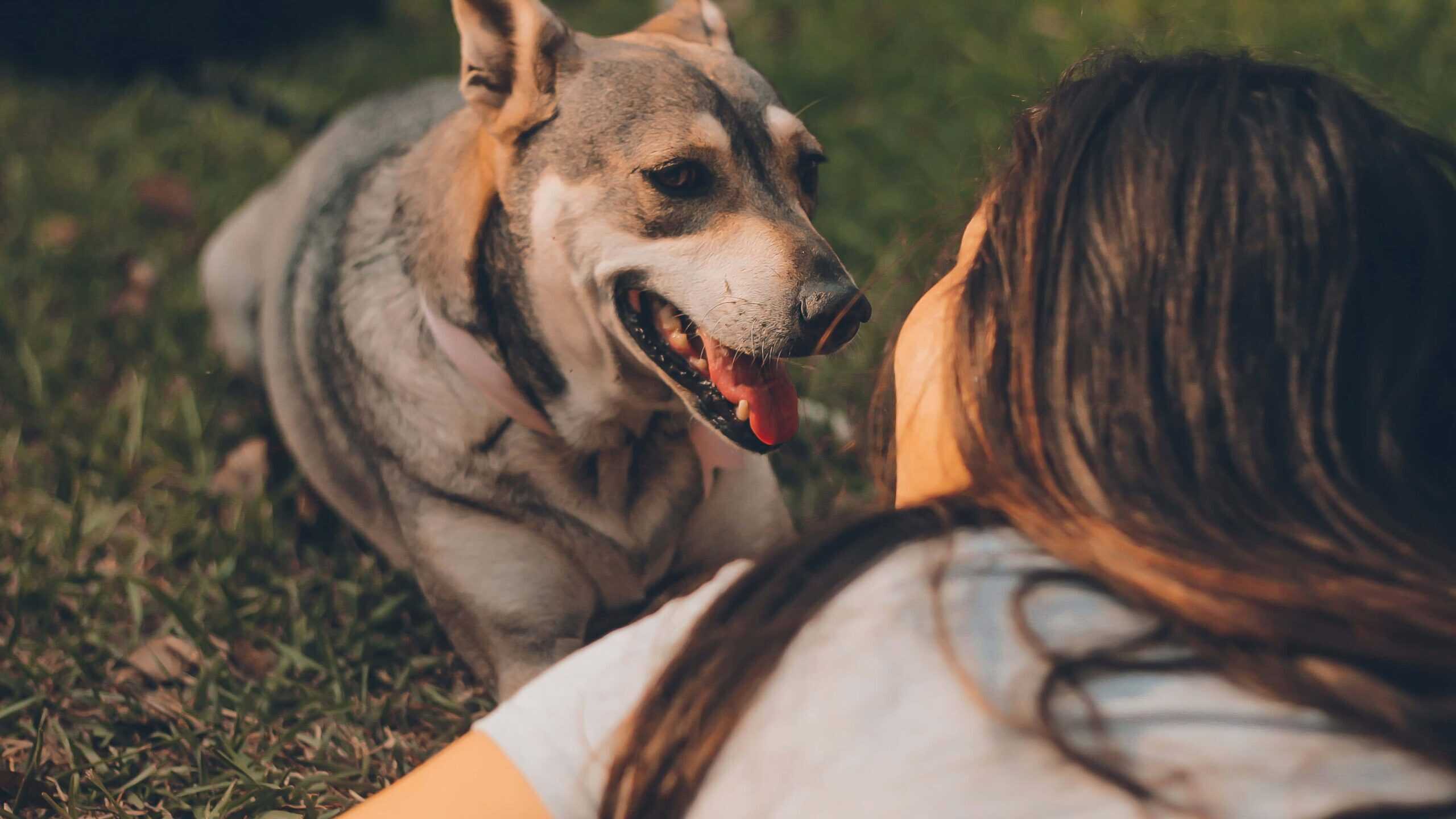
Anthropomorphism—attributing human characteristics to non-human animals—plays a significant role in how we interpret dog behavior. Humans have a natural tendency to project human emotions onto animals, especially those we share close bonds with. When we see a dog knocking over a lamp and then slinking away, we may interpret their behavior through a human lens, assuming they feel embarrassed about their clumsiness. However, the dog may simply be responding to past experiences where similar situations led to negative consequences. While anthropomorphism can sometimes help us form deeper bonds with our pets, it can also lead to misunderstandings of their actual emotional experiences. Finding the balance between recognizing dogs’ genuine emotions while avoiding over-humanizing them is key to understanding canine psychology.
Cultural Displays That Mimic Embarrassment
Some dog behaviors can appear remarkably similar to human embarrassment. Dogs may lower their heads, tuck their tails, or try to make themselves smaller after certain events—like being dressed in clothing, slipping on a floor, or failing at a task. These behaviors have led many owners to believe their dogs feel embarrassed. However, these reactions may have simpler explanations. Unusual situations (like wearing clothes) may cause mild stress or discomfort. Failed attempts at retrieving a ball or jumping onto furniture might trigger frustration rather than embarrassment. And submissive postures after being scolded are more likely appeasement behaviors designed to reduce conflict. While these behaviors may look like embarrassment to us, they likely represent different emotional states better adapted to canine social structures.
Individual Differences in Canine Sensitivity
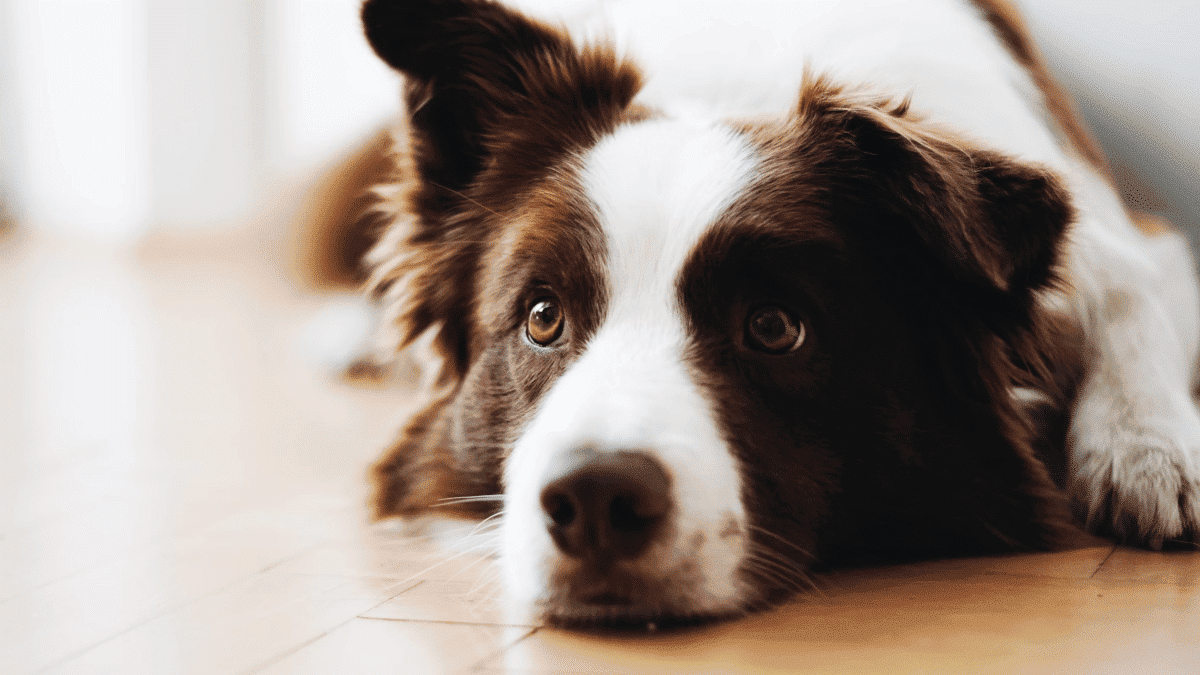
Just as humans vary in their emotional sensitivity and expressiveness, dogs show remarkable individual differences in their emotional responses. Some dogs appear more sensitive to social disapproval, while others seem nearly impervious to correction. These differences stem from a combination of genetic factors, early socialization experiences, and ongoing learning. Breed tendencies may play a role—some breeds were selected for traits like sensitivity to human direction (e.g., Border Collies), while others were bred for independent decision-making (e.g., many hound breeds). A dog’s personality and past experiences also influence how they respond to potentially “embarrassing” situations. This individual variation means that while dogs as a species may not experience embarrassment, some individual dogs might exhibit behaviors that more closely resemble human embarrassment than others.
Reading Canine Body Language Accurately
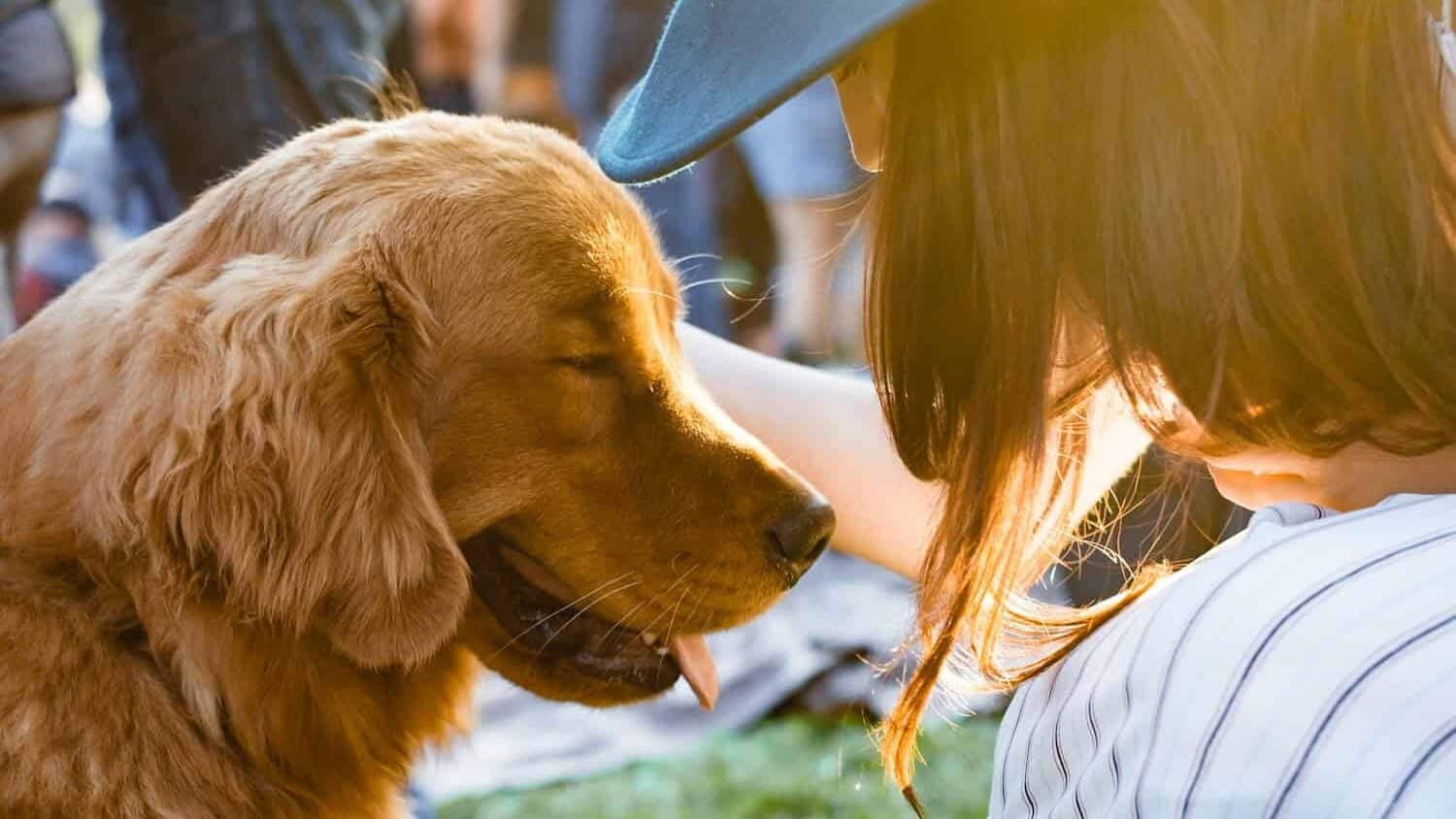
Understanding what dogs are actually feeling requires careful attention to their body language. What might look like embarrassment to human eyes often communicates something quite different in canine language. A lowered head, rounded back, and tucked tail are classic submissive postures that communicate deference to a more dominant individual. Wide eyes, pulled-back lip corners, and ears pressed against the head may indicate fear or anxiety. Averted gaze often signals conflict avoidance rather than shame. Learning to read these signals accurately helps us better understand what our dogs are actually experiencing. Canine body language is subtle and complex, combining elements including tail position, ear movement, eye contact, body posture, and vocalizations. Developing fluency in this language allows us to respond appropriately to our dogs’ actual emotional states rather than our interpretations of them.
How Dogs Perceive Human Embarrassment

While dogs may not experience embarrassment themselves, they are remarkably attuned to human emotions. Research shows that dogs can distinguish between human facial expressions and respond differently to positive versus negative emotional displays. Dogs often become distressed when their owners are upset and may offer comfort through proximity or physical contact. This sensitivity extends to situations where humans feel embarrassed—dogs may pick up on the physiological and behavioral changes that accompany human embarrassment, such as blushing, nervous laughter, or changes in body language. This doesn’t mean they understand the concept of embarrassment, but rather that they detect the emotional shift and may respond with comfort or concern. This emotional connection highlights the deep bond between humans and dogs, even if they experience emotions differently.
Practical Implications for Dog Owners

Understanding that dogs likely don’t experience embarrassment in the human sense has practical implications for how we interact with our canine companions. When dogs display behaviors that seem like guilt or embarrassment after doing something wrong, punishing them for past actions is unlikely to be effective—dogs live in the present and make associations based on immediate consequences. Instead, prevention (like dog-proofing your home) and positive reinforcement of desired behaviors are more effective training approaches. Similarly, when dogs appear “embarrassed” by costumes or grooming, recognizing this as potential discomfort rather than social embarrassment can help us be more empathetic. Gradually acclimating dogs to new experiences while providing positive associations can help reduce their stress. Understanding canine emotions on their own terms, rather than through a human lens, leads to more effective and compassionate dog care.
While dogs likely don’t experience embarrassment as humans do, this doesn’t diminish the richness or validity of their emotional lives. Dogs have evolved a complex emotional repertoire perfectly suited to their social nature and evolutionary history. What we interpret as canine embarrassment is more likely a combination of appeasement behaviors, learned responses to human disapproval, and sensitivity to their environment. Rather than anthropomorphizing our dogs by projecting human emotions onto them, we can deepen our connection by understanding and appreciating their emotions on their own terms. This perspective doesn’t diminish the human-canine bond but enriches it through greater understanding. By recognizing both the similarities and differences between human and canine emotional experiences, we can better meet our dogs’ needs and appreciate the unique ways they experience and navigate their world.

- What’s Hiding in the Forests of the Pacific Northwest - July 21, 2026
- Tarsiers: The Tiny Primates with Giant Eyes - July 21, 2026
- Are Zoos Still Ethical in 2025? - July 21, 2026