
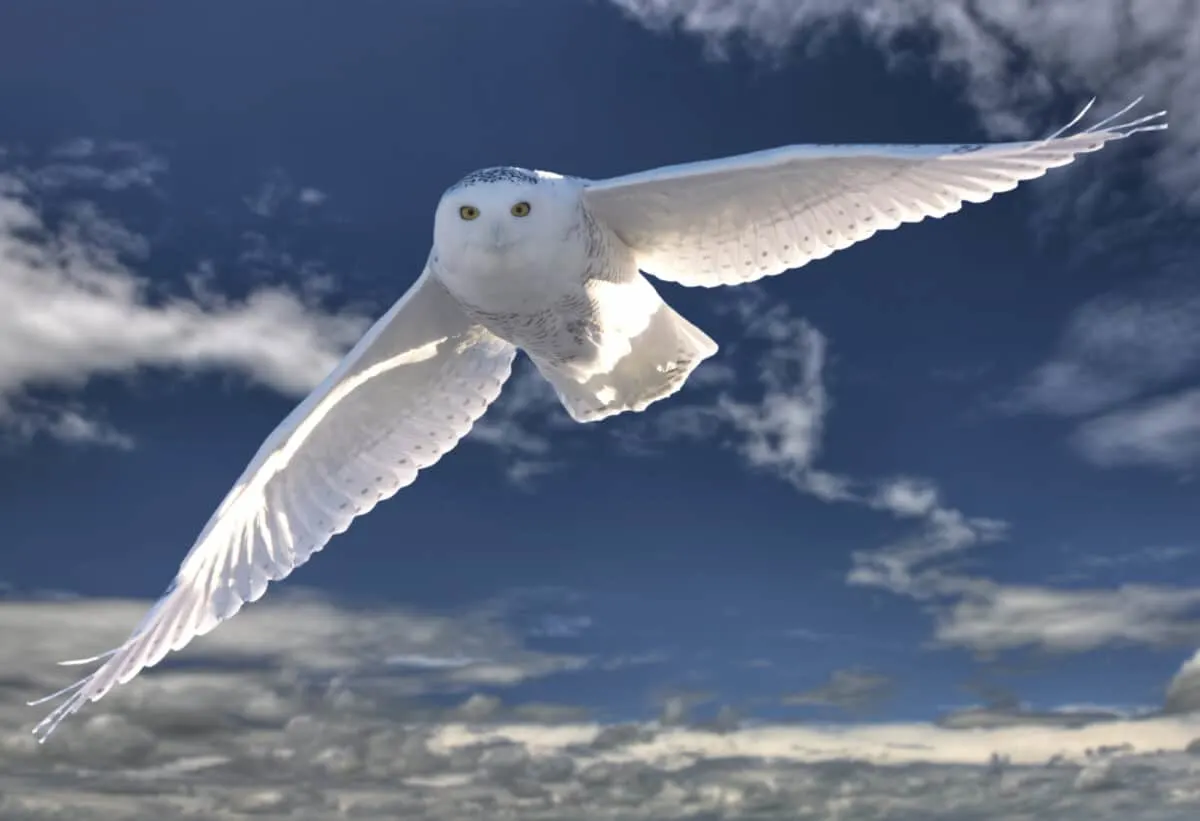
In the winter skies over Boston Logan International Airport, a remarkable conservation story unfolds each year. While most airports view wildlife as hazards to aviation safety, Logan has implemented groundbreaking protection measures for one of the Arctic’s most magnificent visitors—the snowy owl. These majestic white birds, which periodically migrate south from their Arctic breeding grounds, have found an unlikely sanctuary amid the runways and terminals of one of America’s busiest airports. This unique relationship between aviation operations and wildlife conservation represents an important shift in how airports can manage wildlife conflicts while respecting ecological values. Let’s explore how Boston Logan Airport has become a pioneer in protecting snowy owls while maintaining flight safety.
The Arctic Visitors at Logan Airport

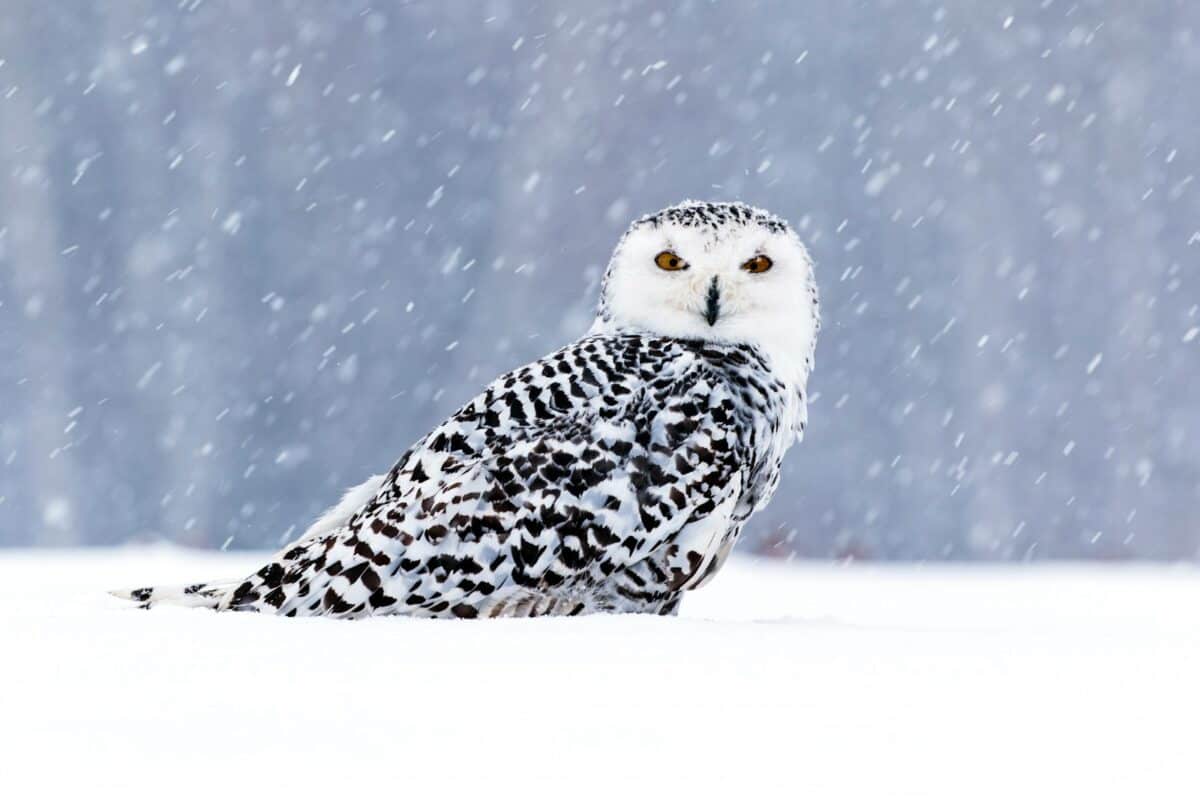
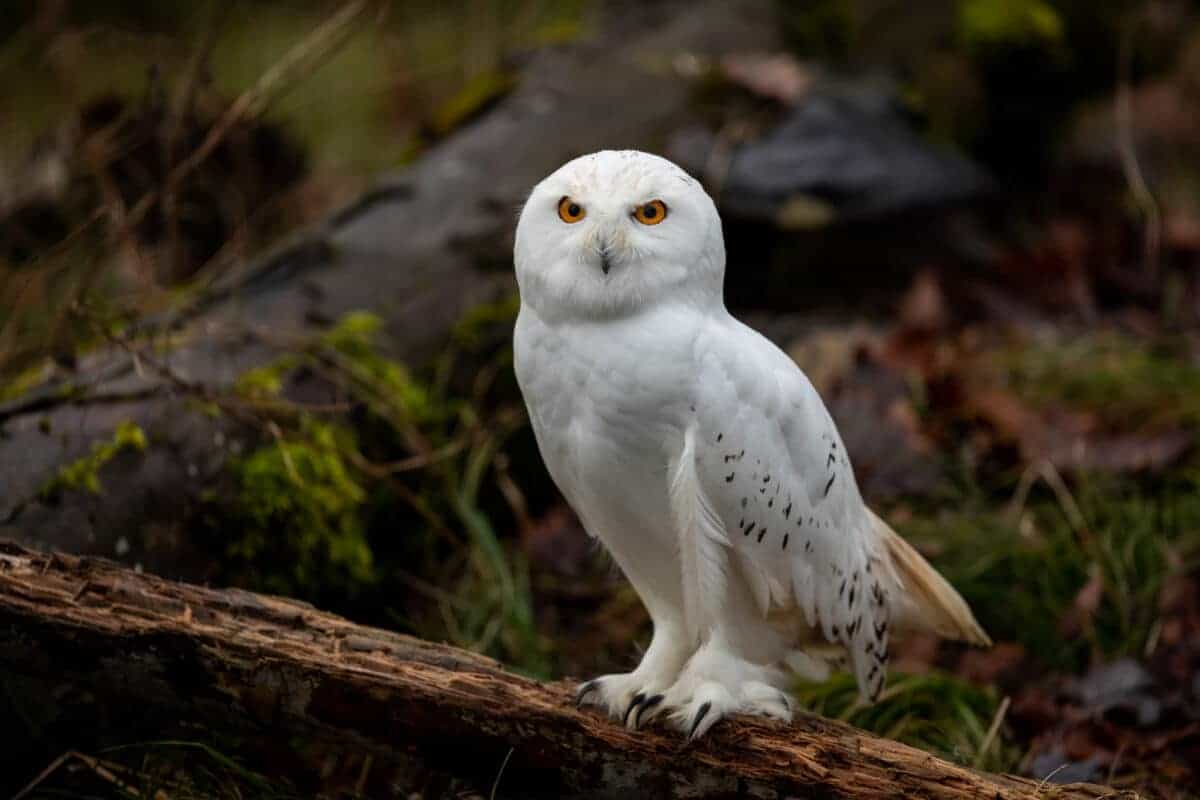
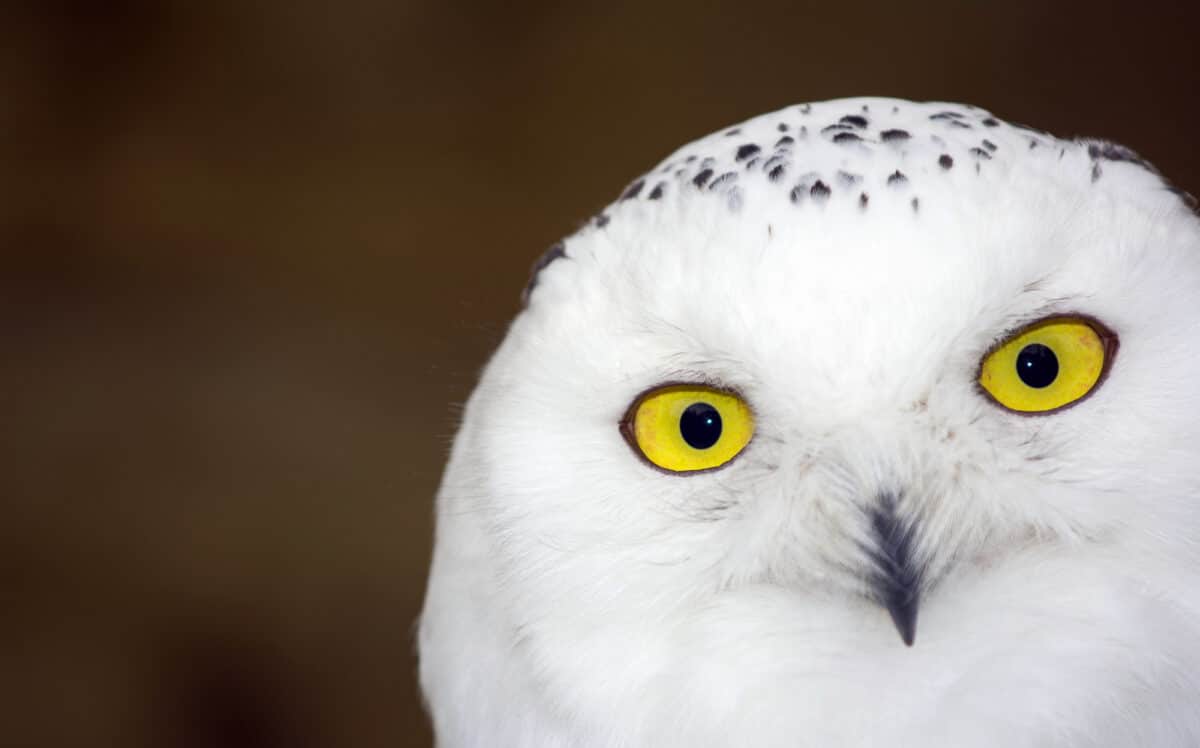
Snowy owls (Bubo scandiacus) are magnificent raptors native to the Arctic tundra that occasionally undertake southward migrations during winter months. These “irruptions,” as ornithologists call them, bring varying numbers of snowy owls to the northern United States, including Massachusetts. Logan International Airport, with its wide-open spaces resembling the tundra these birds prefer, has become an unintentional but significant wintering ground. The flat, treeless expanses of the airfield provide excellent hunting visibility and perches similar to their natural habitat. During peak irruption years, such as the winter of 2013-2014, more than 80 snowy owls were documented at airports across the northeastern United States, with Logan hosting a significant portion of these Arctic visitors.
The Initial Conflict Between Wildlife and Aviation
The presence of large birds at any airport creates inherent risks for aircraft. A collision between a 4-pound snowy owl and a jet engine can cause catastrophic damage, potentially endangering hundreds of lives and causing millions of dollars in repairs. Historically, the standard response to wildlife hazards at airports was lethal removal—shooting birds that posed risks to aircraft. This approach came to public attention in December 2013 when officials at New York’s JFK Airport shot several snowy owls following aircraft strikes. The public outcry was immediate and intense, highlighting the tension between aviation safety requirements and wildlife conservation values. The incident forced airports across the country to reconsider their wildlife management protocols, especially regarding charismatic species like the snowy owl.
Logan Airport’s Pioneering Approach

While many airports were still defaulting to lethal removal, Boston Logan International Airport had already been quietly pioneering a different approach. Under the leadership of Norman Smith, a biologist with Massachusetts Audubon Society who began working with airport officials in 1981, Logan implemented a trap-and-relocate program specifically for snowy owls. This collaborative effort between wildlife experts and aviation authorities represented a significant departure from standard practices. The program involves carefully capturing snowy owls using specialized traps, conducting health assessments, fitting some birds with tracking devices for research purposes, and then releasing them at safer coastal locations away from aircraft traffic. This approach has demonstrated that aviation safety and wildlife conservation can coexist through thoughtful, science-based management.
Trapping Techniques and Safety Protocols

Capturing a powerful predator like a snowy owl requires specialized equipment and expertise. The trapping methods at Logan involve bow nets or carpet traps baited with live mice (which are not harmed and are kept in protective enclosures). These humane traps are placed in strategic locations around the airfield where owls have been spotted. Airport wildlife personnel and trained biologists monitor the traps constantly, ensuring rapid response when an owl is captured. Once trapped, the birds are carefully transferred to transport containers designed to minimize stress. The entire capture process follows strict protocols to ensure both human and owl safety. All personnel involved wear protective gear, including thick gloves to prevent injury from the owls’ powerful talons. The airport maintains detailed records of each capture, creating valuable data on snowy owl movements and behaviors in human-modified environments.
Health Assessment and Research Opportunities

Each captured snowy owl undergoes a thorough health assessment before relocation. Wildlife veterinarians check for injuries, malnutrition, and signs of disease. Measurements are taken, including weight, wing span, and various morphological features that help determine age and sex. Blood samples may be collected for toxicology testing and genetic studies. This hands-on contact with the birds provides rare research opportunities that would be difficult to obtain in their remote Arctic breeding grounds. Some of the owls receive USGS leg bands and, in certain cases, GPS tracking devices that provide unprecedented insights into their migration patterns, hunting behaviors, and habitat preferences. The data collected through Logan’s program has contributed significantly to scientific understanding of snowy owl ecology and has been published in peer-reviewed journals, making this conservation effort valuable beyond its immediate animal welfare benefits.
Relocation Sites and Success Rates

After processing, the captured owls are transported to carefully selected release sites, typically along the Massachusetts coast. Beaches and coastal dunes offer habitat similar to the open spaces the owls prefer while being sufficiently distant from airport operations. Popular release locations include Duxbury Beach, Plum Island, and other protected coastal areas. The program boasts impressive success rates—over 90% of relocated owls remain away from the airport, finding suitable hunting grounds in their new locations. Follow-up monitoring through tracking devices has revealed that many relocated owls adapt well to their new environments, successfully hunting seabirds, rodents, and other prey. Since the program’s inception, more than 700 snowy owls have been safely relocated from Logan Airport, demonstrating the long-term viability of this non-lethal management approach. Remarkably, some individually identifiable owls have returned to the same coastal release sites in subsequent winters, suggesting they develop site fidelity to these safer alternatives.
Public and Conservation Community Response

The Logan Airport snowy owl program has garnered widespread praise from conservation organizations, wildlife advocates, and the general public. In stark contrast to the negative publicity surrounding lethal control methods at other airports, Logan’s approach has generated positive media coverage and community goodwill. The Massachusetts Port Authority (Massport), which operates Logan, regularly features the program in its environmental stewardship materials. Wildlife conservation groups like Mass Audubon promote the initiative through educational programs and citizen science opportunities. When relocated owls are released at public beaches, small crowds often gather to witness these magnificent birds return to the wild, creating powerful conservation education moments. The program demonstrates how practical wildlife management can align with conservation values while maintaining public safety—a win-win scenario that other transportation facilities have begun to emulate.
Technological Innovations in Wildlife Management
The success of Logan’s snowy owl protection program has spurred technological innovation in airport wildlife management. The airport has implemented sophisticated radar systems designed to detect bird movements near runways, allowing for preventative measures before potential strikes occur. Acoustic deterrents that broadcast distress calls specific to various bird species help discourage birds from lingering in high-risk areas without causing harm. Remote cameras monitor owl activity patterns, helping wildlife managers predict where and when interventions might be needed. Perhaps most impressively, data from GPS-tracked snowy owls has been integrated into Logan’s wildlife management software, creating predictive models of owl behavior that inform proactive management strategies. These technological tools complement the hands-on trapping program, creating a comprehensive approach to wildlife management that prioritizes both human safety and animal welfare.
Economic Benefits of the Non-lethal Approach

While the primary motivation for the program is balancing safety with conservation, there are also economic advantages to Logan’s approach. Bird strikes cost the aviation industry hundreds of millions of dollars annually in damage and operational delays. By proactively managing snowy owl presence, Logan has reduced collision incidents with these large birds. Each avoided strike represents potential savings of up to $450,000 in engine damage alone, according to FAA estimates. Additionally, the positive publicity generated by the conservation program provides marketing value for the airport and for Massport. In an era where corporate environmental responsibility is increasingly important to consumers, Logan’s wildlife program represents a tangible commitment to sustainability that differentiates it from competitors. The research component also attracts grant funding and academic partnerships that might not otherwise be available to an airport operator, further offsetting program costs.
Expansion to Other Species and Airports

The success of Logan’s snowy owl program has led to expanded protection for other species at the airport. Similar trap-and-relocate protocols have been adapted for various raptors, including red-tailed hawks, peregrine falcons, and other owl species that occasionally pose strike risks. The comprehensive wildlife management plan now includes habitat modifications to discourage certain wildlife while creating safe zones for protected species. Following Logan’s example, other airports across North America have implemented their own non-lethal management programs for snowy owls and other wildlife. Airports in Toronto, Montreal, Detroit, Minneapolis, and Seattle have consulted with Logan’s wildlife team to develop similar initiatives. This represents a significant shift in airport wildlife management philosophy—from viewing wildlife as merely hazards to be eliminated to recognizing them as valuable natural resources to be managed thoughtfully. Logan’s pioneering efforts have effectively created a new standard for airport wildlife management across the continent.
Climate Change Implications for Snowy Owl Migrations

The relationship between Logan Airport and snowy owls exists within the larger context of climate change, which is rapidly transforming Arctic ecosystems. Research suggests that changing conditions in the Arctic may be altering snowy owl migration patterns and potentially driving more frequent or extensive irruptions into southern regions. Warming temperatures are affecting lemming populations—the primary prey for snowy owls in their breeding grounds—potentially forcing the owls to travel further south in search of food. This makes conservation efforts at wintering grounds like Logan increasingly important for the species’ overall resilience. The tracking data collected through Logan’s program provides valuable insights into how snowy owls are responding to these environmental changes. Wildlife biologists are closely monitoring whether owls are arriving earlier, staying longer, or changing their behavioral patterns in ways that might indicate adaptation to climate shifts. This makes the program not just a conservation success but also an important climate change research initiative.
Challenges and Ongoing Improvements
Despite its successes, Logan’s snowy owl program faces ongoing challenges. Capturing wild predators in an active airport environment presents inherent risks to both human personnel and the birds themselves. The program requires significant resources, including specialized staff training, equipment maintenance, and coordination across multiple departments and agencies. Weather conditions can complicate trapping efforts, particularly during New England’s notorious winter storms. The program continually evolves to address these challenges, with regular protocol reviews and equipment upgrades. Recent improvements include the development of more efficient traps that reduce capture stress, enhanced health assessment procedures that minimize handling time, and more sophisticated tracking technologies that provide better post-release monitoring. Additionally, the program now includes comprehensive staff training modules that ensure institutional knowledge is maintained despite personnel changes. These ongoing refinements demonstrate the airport’s commitment to continuous improvement in wildlife management practices.
Conclusion: A Model for Coexistence

Boston Logan International Airport’s snowy owl protection program represents a remarkable model for how human infrastructure and wildlife conservation can coexist harmoniously. By replacing lethal control methods with a scientific, humane approach, the airport has successfully balanced the paramount concern of aviation safety with respect for a magnificent Arctic species. The program has transformed what could have been a simple wildlife conflict into an opportunity for research, education, and positive public engagement. As climate change and habitat loss continue to pressure wildlife populations worldwide, such innovative approaches to human-wildlife conflict resolution become increasingly vital. Logan’s success demonstrates that with creativity, collaboration, and commitment, we can create solutions that serve both human needs and wildlife conservation. This program stands as a powerful reminder that environmental responsibility and practical operations need not be in opposition—they can instead reinforce each other in ways that benefit all involved.

- The Forgotten Lake Where Flamingos Nest in the U.S. - July 10, 2026
- This U.S. Forest Is Home to the Largest Herd of Wild Elk - July 10, 2026
- The Most Dangerous Lake in the World—And Why It Can Kill Instantly - July 10, 2026