


The phenomenon of interspecies bonding remains one of nature’s most heartwarming mysteries. While many adult animals maintain a healthy wariness of humans, certain baby animals seem almost predisposed to form deep emotional connections with people. This special capacity for cross-species attachment isn’t just adorable—it represents complex evolutionary, neurological, and behavioral mechanisms at work. From fuzzy ducklings that imprint on the first moving object they see to domesticated puppies genetically primed to love us, these 16 baby animals demonstrate an extraordinary ability to bond with humans almost immediately upon interaction.
The Science Behind Animal-Human Bonding
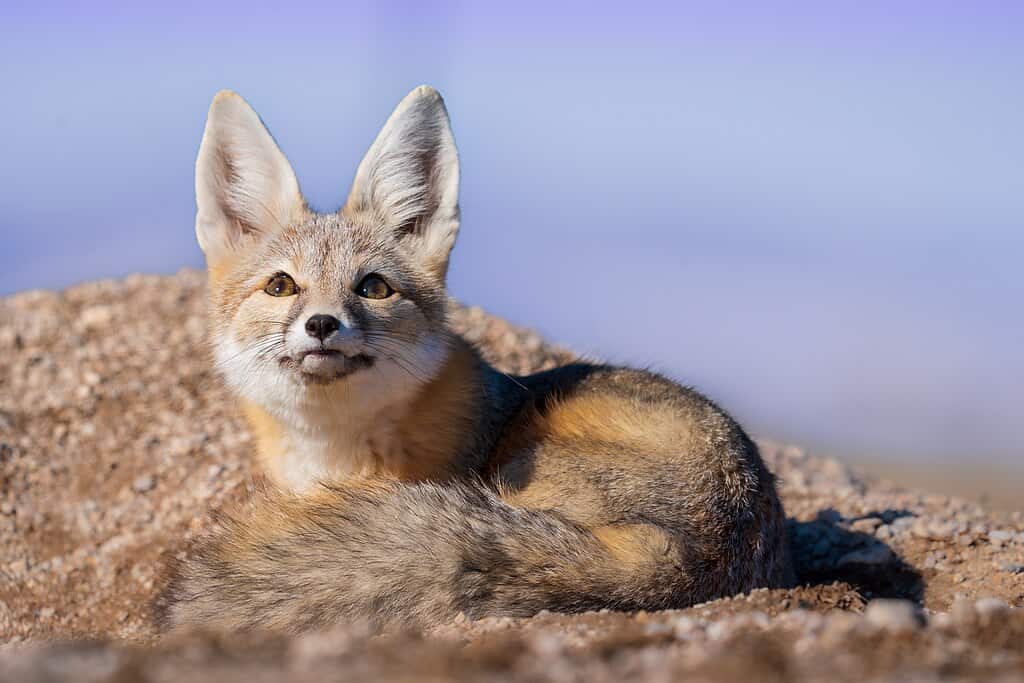
Before exploring specific species, it’s important to understand the biological foundation of animal-human bonding. Many baby animals possess a neurological capacity for attachment that evolved primarily for bonding with their own species but can be redirected toward humans. The hormone oxytocin—often called the “love hormone”—plays a crucial role in this process. Research has shown that human-animal interactions can trigger oxytocin release in both species, creating a biochemical basis for emotional connection. Furthermore, many baby animals have developmental periods known as “critical windows” when they’re neurologically primed to form attachments. During these periods, which typically occur early in life, young animals can develop strong bonds with humans who provide care, protection, and social interaction.
Puppies Evolutionarily Designed for Human Connection
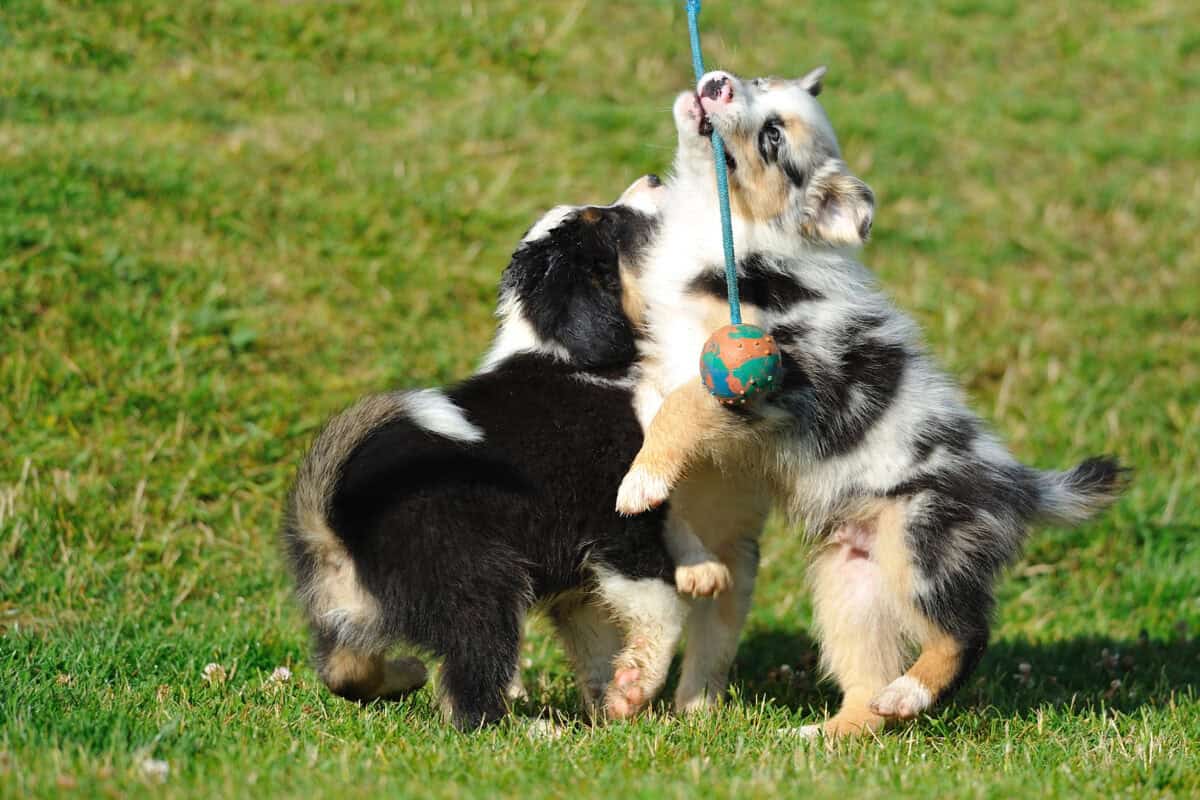
Perhaps no baby animal bonds with humans more readily than puppies. Thousands of years of domestication have genetically primed dogs to form social attachments with people. Research from Emory University has shown that dogs have evolved specific neural pathways that activate in response to human scent and voice. Puppies as young as 8 weeks old can demonstrate clear attachment behaviors toward their human caregivers, including following, seeking physical contact, and displaying distress when separated. This bond isn’t merely opportunistic—studies have confirmed that puppies experience genuine emotional attachment to their human families, with brain scans showing activation in the same regions associated with love and attachment in humans. The puppy-human bond represents one of the most successful interspecies relationships in evolutionary history, with each species having profoundly influenced the other’s development.
Kittens Independent Yet Affectionate Companions
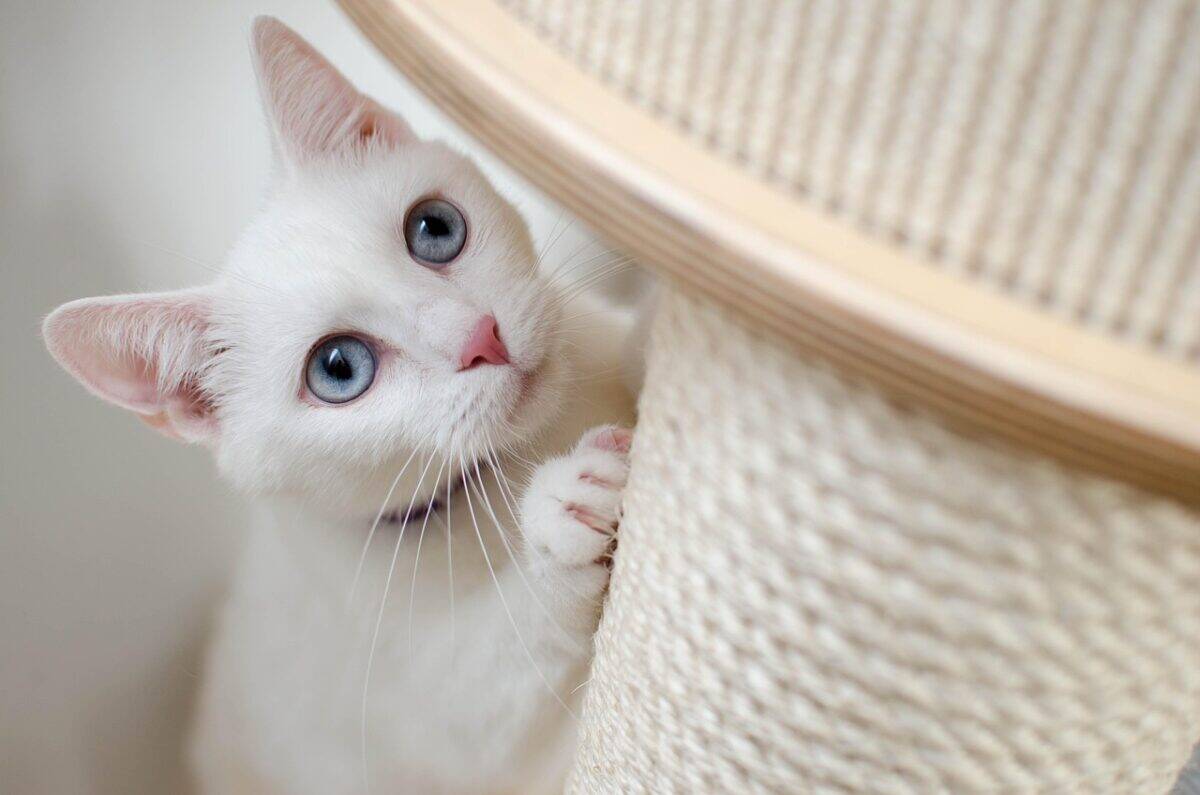
While cats maintain more of their wild independence than dogs, kittens nevertheless demonstrate a remarkable capacity for human bonding. During the critical socialization period between 2-7 weeks of age, kittens are particularly receptive to forming attachments with humans. Research published in the journal “Current Biology” revealed that cats, contrary to popular belief, often form secure attachment bonds with their human caregivers similar to those formed by dogs and human infants. The study showed that approximately 65% of kittens displayed secure attachment patterns, seeking comfort from their humans when stressed and using them as a secure base for exploration. Kittens raised with gentle human handling during their socialization period typically grow into cats that maintain strong bonds with people throughout their lives, demonstrating that these early interactions establish neurological patterns that persist into adulthood.
Ducklings Masters of Imprinting
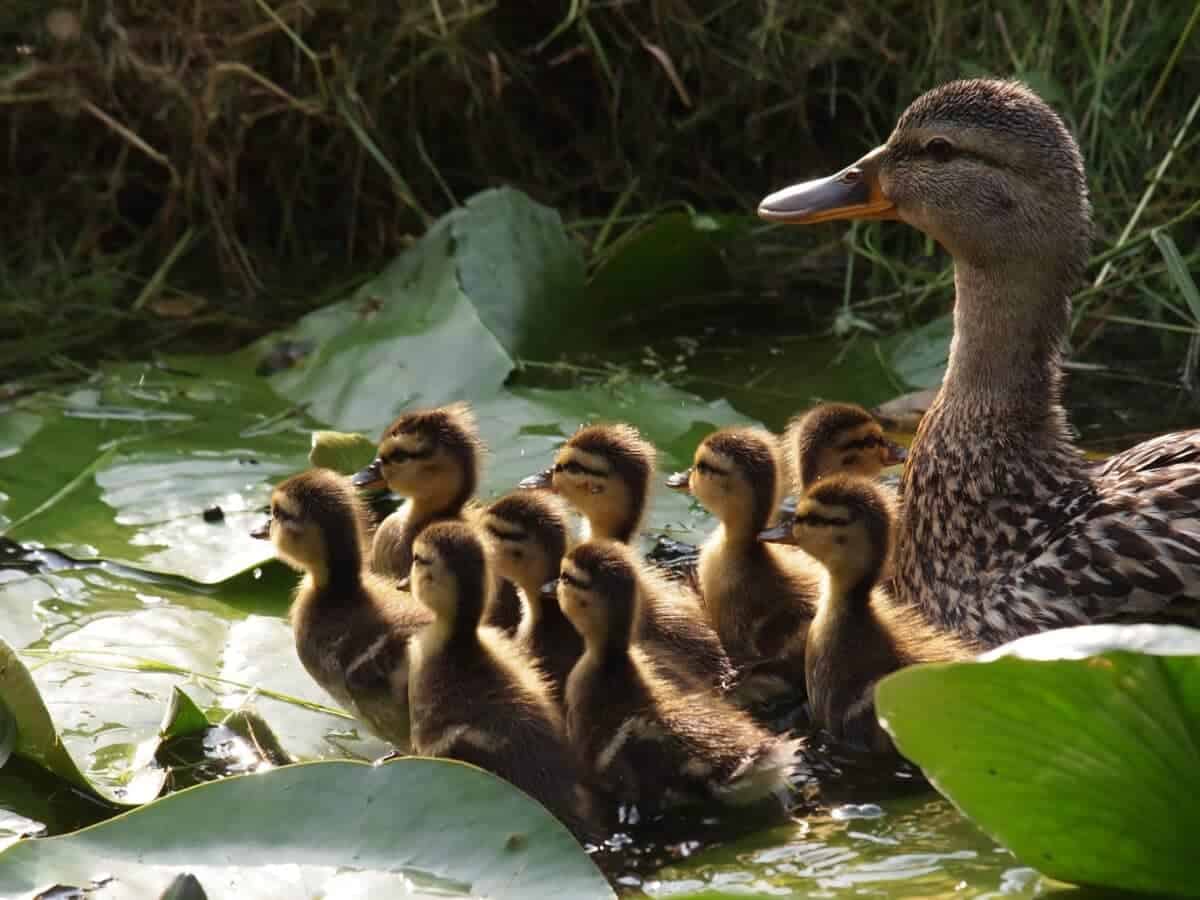
Ducklings provide one of the most dramatic examples of instant bonding through a process called imprinting. First documented by ethologist Konrad Lorenz, imprinting occurs when ducklings form an immediate attachment to the first moving object they see after hatching—often their mother, but potentially a human caregiver. This process happens within the first 24-48 hours of life and creates a powerful, nearly irreversible bond. Neurologically, imprinting represents a specialized learning process that evolved to ensure ducklings follow the correct parental figure for protection. When imprinted on humans, ducklings will follow their human “parent” enthusiastically, demonstrate distress when separated, and even prefer human company to that of other ducks. While this phenomenon makes for adorable human-duckling relationships, it highlights the ethical responsibility of those who interact with young waterfowl, as improper imprinting can impact their ability to integrate with their own species later in life.
Baby Goats Playful and People-Oriented
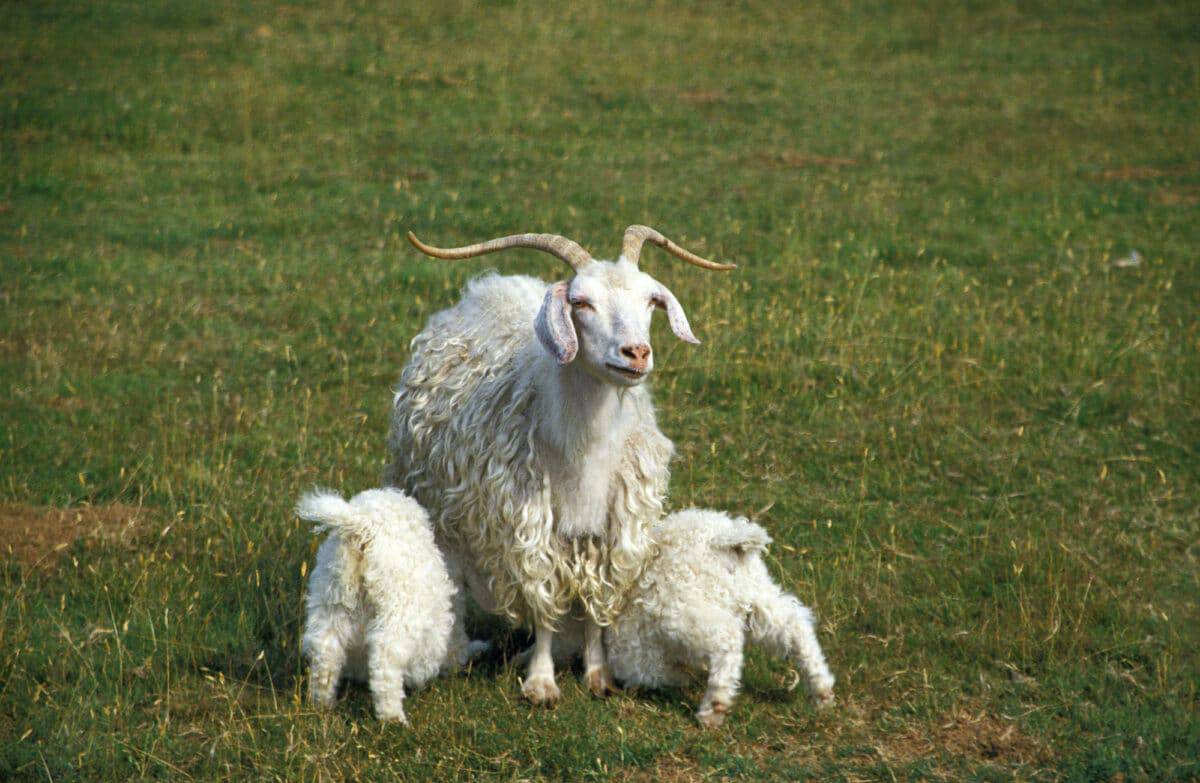
Kid goats represent some of the most naturally people-oriented farm animals, forming bonds with human caregivers almost immediately. Unlike some livestock that remain wary of people even when raised by them, baby goats actively seek human interaction and play. This natural sociability stems from the goat’s evolutionary history as a highly social herd animal. Research conducted at Queen Mary University of London found that goats possess remarkable cognitive abilities, including recognizing human facial expressions and remembering people who have treated them kindly for years. Baby goats raised with regular human contact will often approach people enthusiastically, climb on laps, and engage in playful behaviors that strengthen the human-animal bond. Their naturally curious and adventurous temperament makes them particularly receptive to forming relationships with diverse human caregivers, not just those who provide their primary care.
Foals Sophisticated Social Learners

Horse foals possess an extraordinary capacity for forming nuanced social bonds with humans from a very early age. Unlike some species that imprint or bond based primarily on who feeds them, foals develop sophisticated relationships based on complex social interaction. Research from the University of Rennes has demonstrated that foals can recognize and remember individual humans within hours of birth and will preferentially approach people who have treated them gently. When handled appropriately during the critical period in their first week of life, foals typically develop trust that forms the foundation for lifelong human partnerships. The foal-human bond is bidirectional and communicative, with recent studies showing that foals can interpret human emotional cues and adjust their behavior accordingly. This sophisticated social intelligence makes the early bond between foals and humans particularly meaningful, as it establishes patterns of communication that will influence the horse’s relationship with people throughout its life.
Baby Elephants Forming Deep Emotional Attachments

Elephant calves possess perhaps the most profound emotional capacity of any non-primate baby animal that bonds with humans. With the largest brain of any land animal and a complex social structure similar to humans, elephant calves form deep, emotionally nuanced attachments to their caregivers. This is particularly evident in orphaned elephants raised in sanctuaries, where human keepers become surrogate family. Research from the Amboseli Elephant Research Project has documented how baby elephants show signs of grief when separated from human caregivers they’ve bonded with, demonstrating emotional responses similar to those they would show for elephant family members. These bonds persist throughout the elephant’s life, with elephants recognizing and showing affection toward human caregivers even after years of separation. The elephant-human bond represents one of the most profound examples of cross-species emotional connection, with baby elephants capable of forming relationships that include trust, playfulness, affection, and emotional dependency.
Lambs Quick to Recognize Human Caregivers

Baby lambs demonstrate a surprising readiness to bond with human caregivers, particularly those who bottle-feed them from birth. Research from the University of Cambridge has shown that lambs can recognize individual human faces within the first week of life and show clear preferences for familiar caregivers. This capacity for quick human recognition evolved as part of sheep’s sophisticated social cognition system, which helps them identify members of their flock. Bottle-fed lambs transferred this recognition system to humans, often forming attachments so strong they’ll follow their human caregivers like a surrogate parent. Interestingly, studies have found that lambs raised with gentle human handling demonstrate reduced stress responses later in life, suggesting these early bonds create lasting neurological benefits. While adult sheep may grow more independent, many maintain their recognition of and comfort with humans who cared for them as lambs, demonstrating the persistence of these early bonds.
Baby Parrots Cognitive Bonding Beyond Imprinting
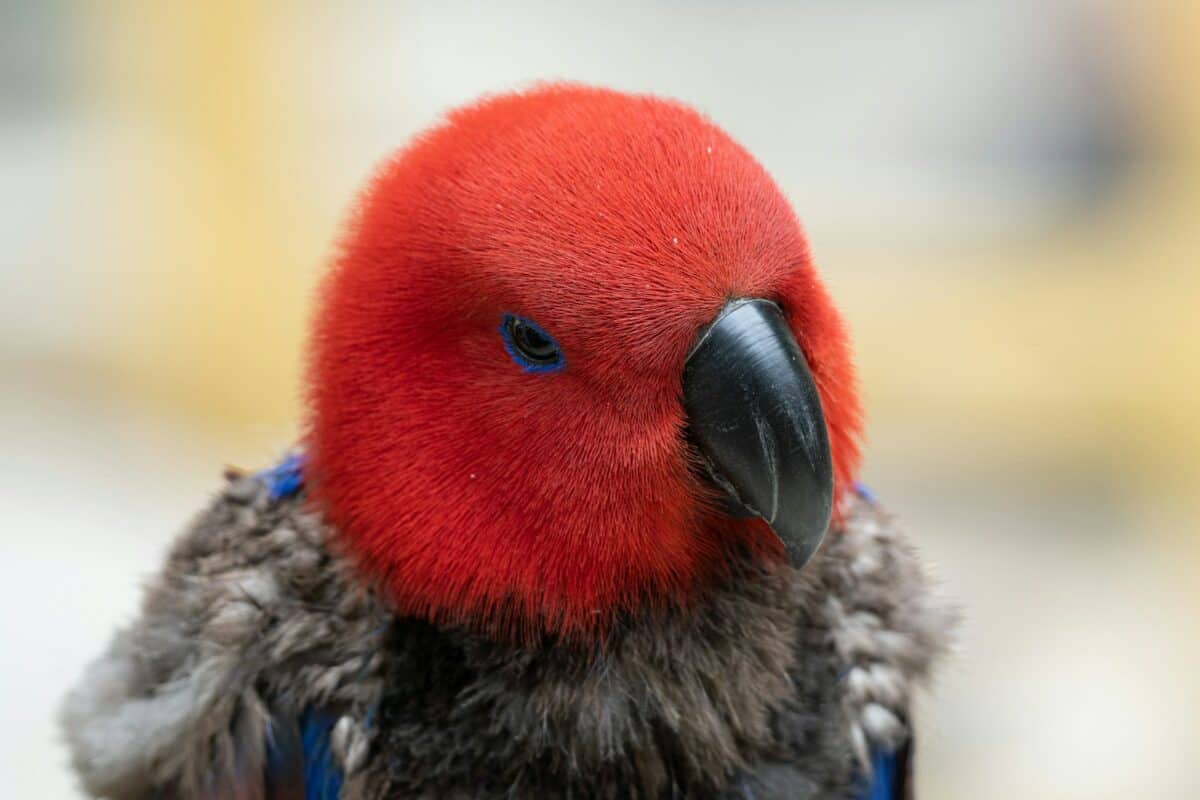
Baby parrots form some of the most complex cognitive bonds with humans of any animal species. Unlike simple imprinting seen in some birds, parrot chicks develop sophisticated social attachments based on interaction and emotional engagement. Hand-raised from an early age, baby parrots often view their human caregivers as parental figures and flock members simultaneously. Research from the University of Georgia has shown that these early bonds influence the development of the parrot’s social brain, affecting everything from vocalization patterns to problem-solving approaches. The extraordinary cognitive abilities of parrots—including their capacity to understand elements of human language—further enhance these bonds. Baby parrots raised with consistent, positive human interaction typically maintain strong human attachments throughout their long lives, with some species living 50+ years. This makes the early human-parrot bond particularly significant, as it establishes relationship patterns that can persist for decades.
Piglets Surprisingly Affectionate and Recognitive

Contrary to common perceptions of pigs as merely livestock, baby piglets display a remarkable capacity for human bonding that rivals many traditional pets. With cognitive abilities comparable to those of dogs, piglets quickly learn to recognize individual human caregivers and form distinct relationships with them. Research from Purdue University has demonstrated that piglets as young as two weeks old can distinguish between familiar and unfamiliar humans and will preferentially approach those who have treated them kindly. Hand-raised piglets often develop strong attachments to their human caregivers, following them around, seeking physical contact, and displaying clear excitement when reunited after separations. The piglet-human bond appears to be based not just on food association but on genuine social recognition and preference. This capacity for sophisticated social bonding makes piglets particularly receptive to positive human interaction during their early developmental periods.
Raccoon Kits Curious and Adaptable Bonders
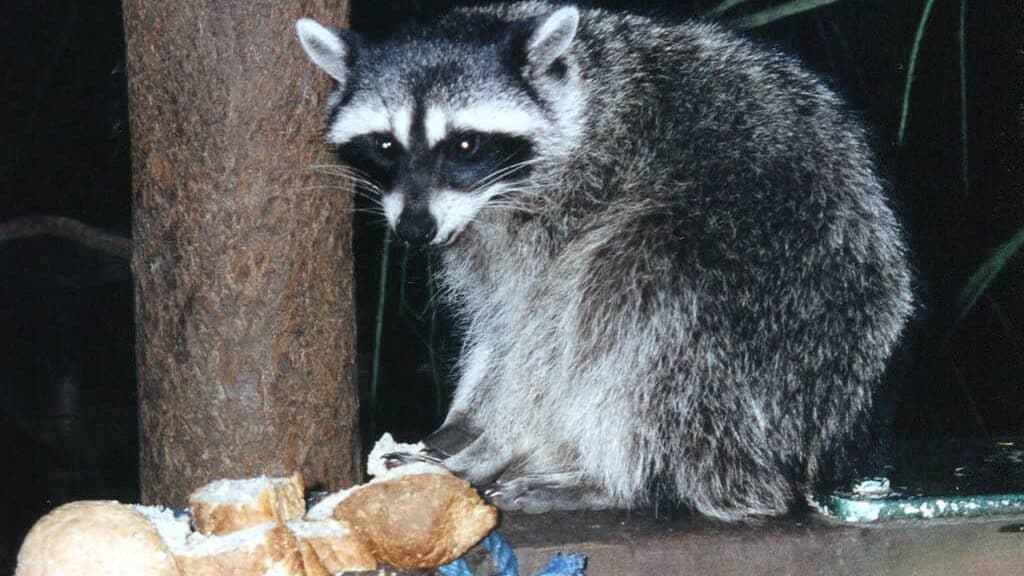
Baby raccoons, or kits, possess an extraordinary capacity for human bonding when rescued as orphans. Their highly adaptable nature and problem-solving intelligence make them uniquely responsive to human caregivers. Research from the University of Wyoming has shown that raccoon kits go through a critical socialization period between 8-16 weeks of age when they are particularly receptive to forming cross-species attachments. During this period, they can develop strong bonds with human caregivers that include recognition of individual people, seeking comfort when stressed, and engaging in play behaviors specifically directed at their humans. The raccoon’s naturally curious disposition and manual dexterity enhance these interactions, as they actively explore and engage with their environment in ways that can seem almost human-like. However, it’s important to note that while raccoon kits bond readily with humans, their wild instincts remain strong, and they generally make poor permanent pets as they mature into adults with complex needs that domestic settings cannot meet.
Baby Deer Forming Delicate But Meaningful Bonds
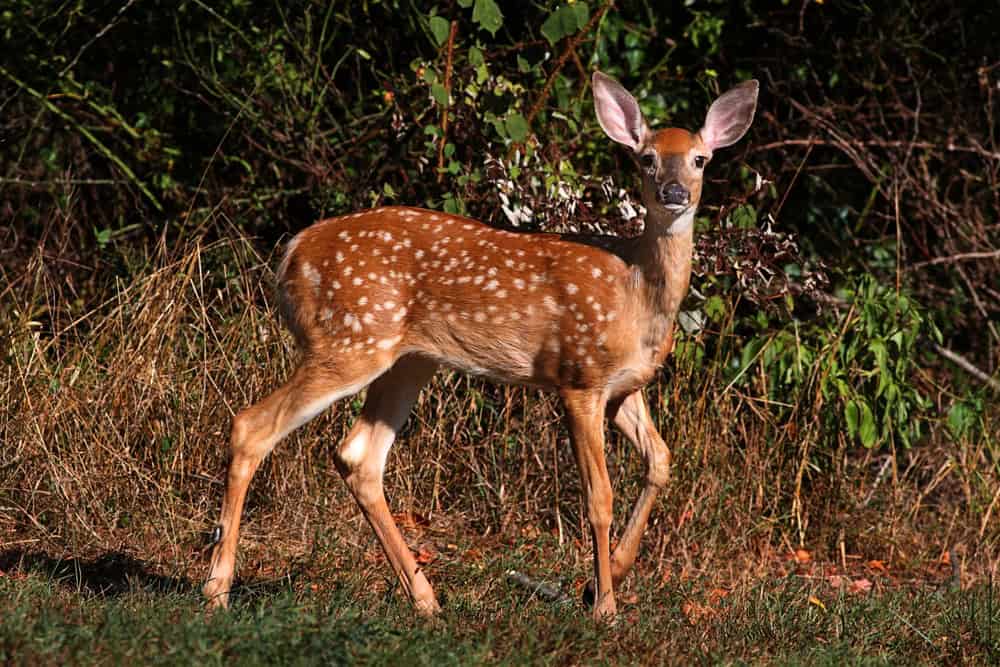
Fawns represent one of the most delicate examples of human-animal bonding, forming attachments that must be carefully managed. Unlike some species that bond primarily through feeding, fawns form attachments based on consistent, gentle presence. Research from the University of Georgia Wildlife Department has documented how orphaned fawns raised by wildlife rehabilitators recognize individual human caregivers within days and display clear comfort behaviors in their presence. These bonds form most strongly during the first two months of life when fawns are naturally dependent on parental figures. While these human-fawn bonds can be profoundly meaningful, they present special challenges for wildlife rehabilitation, as excessive human attachment can compromise the fawn’s ability to return to the wild. Properly managed, however, the human-fawn relationship demonstrates how even naturally shy, wild species can form connections with people during critical developmental windows.
Alpaca Crias Gentle and Observant Bonders
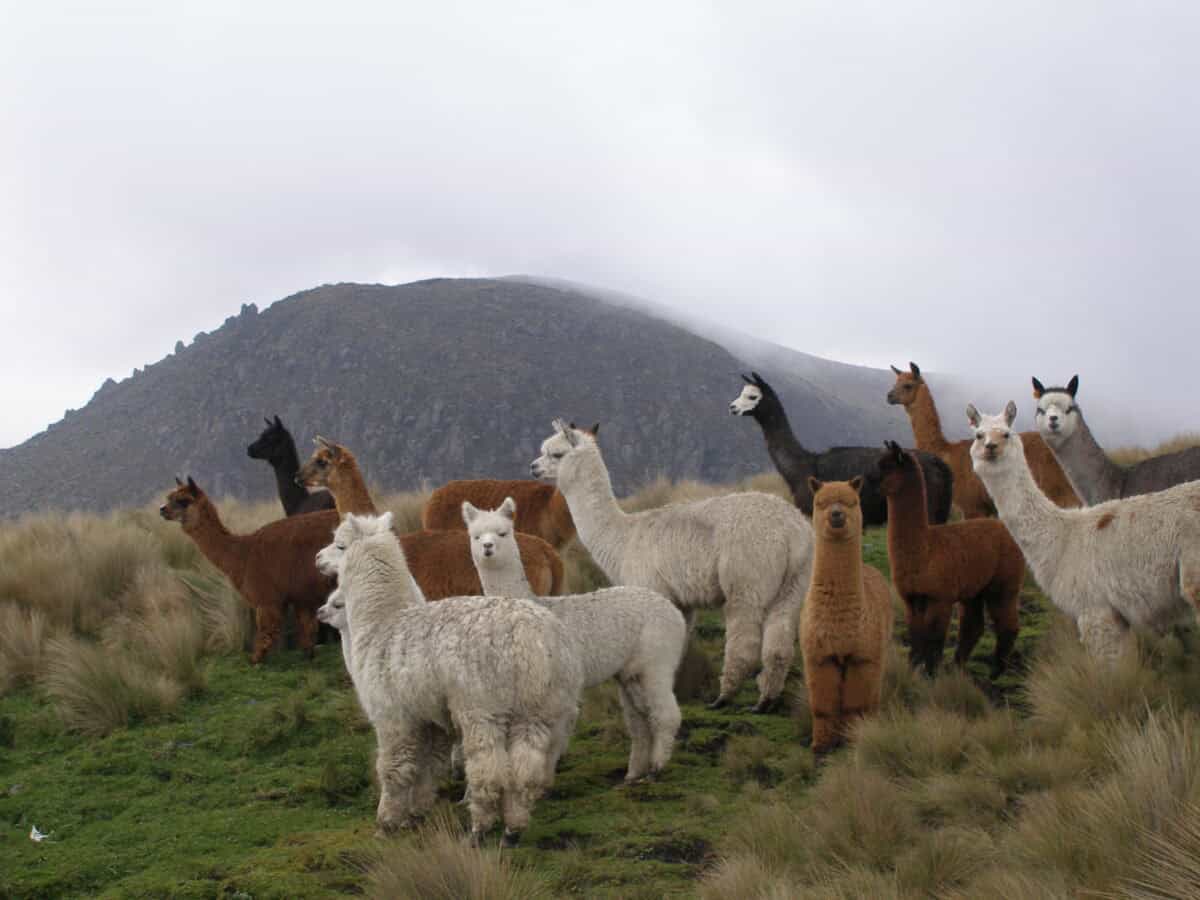
Baby alpacas, called crias, demonstrate a unique style of human bonding characterized by gentle curiosity rather than the exuberant attachment seen in some species. Research from Camelid studies at Oregon State University has shown that crias form relationships with humans based largely on observation and gradual trust-building. Unlike imprinting species, crias remain naturally connected to their mothers but can simultaneously develop relationships with human caregivers who interact with them regularly during their first weeks of life. Hand-raised orphan crias form particularly strong human attachments, often following their caregivers and vocalizing when separated from them. The alpaca’s naturally gentle and observant temperament makes these bonds especially peaceful and mutual, characterized by quiet companionship rather than demanding interaction. Human-bonded crias typically maintain their comfortable relationship with people throughout their lives, making them especially suitable for therapy and educational programs compared to other livestock species.
Baby Opossums Unexpected But Devoted Bonders

Despite their reputation as solitary creatures, orphaned baby opossums (joeys) demonstrate a surprising capacity for human bonding when hand-raised. Their naturally independent nature makes this bond particularly special, as it represents a significant adaptation of their normal behavior. Research from the National Wildlife Rehabilitators Association has documented how joeys raised by humans from a young age (typically when eyes are still closed) develop strong attachments to their caregivers, recognizing their scent and voice and showing clear comfort in their presence. This bond appears to be an adaptation of the joey’s natural attachment to its mother during pouch development. Hand-raised opossums often maintain their trust of their specific human caregivers even as they develop the wariness of humans typical of their species. While not as demonstrative as some mammals, the quiet trust developed between human and opossum represents one of the more unusual cross-species bonds and highlights how early experiences can reshape even instinctive animal behaviors.
Fox Kits Wild Hearts That Trust Selectively

Baby foxes represent one of the most fascinating examples of wild animals that can form strong human bonds under specific circumstances. Research from the Russian domesticated fox experiment has demonstrated that fox kits have a genetic capacity for human bonding that can be expressed when they’re raised with intensive human socialization from a very early age—ideally before their eyes open. Unlike some species that bond broadly with humans, fox kits tend to form selective attachments to specific individuals who provide their primary care. These bonds can be remarkably strong, with hand-raised kits displaying dog-like behaviors toward their human caregivers, including following, seeking physical contact, and demonstrating excitement upon reunion. However, even the most human-bonded fox retains significant wild instincts, making this relationship particularly complex. The fox-human bond represents an interesting middle ground between domestic and wild animal relationships, highlighting how early experience can influence but not completely override natural behavioral tendencies.
Baby Squirrels Surprising Capacity for Human Connection
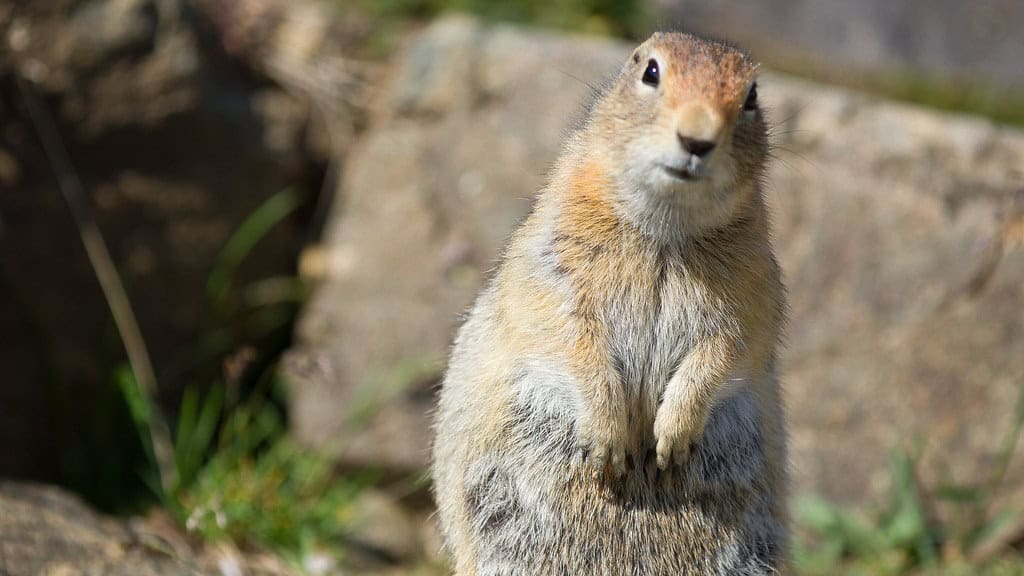
Orphaned baby squirrels demonstrate a remarkable capacity for human bonding that contrasts sharply with the wariness typical of adult wild squirrels. Research from wildlife rehabilitators documented through the Wildlife Rehabilitation Information Directory shows that baby squirrels found before their eyes open (typically younger than 4-5 weeks) will readily bond with human caregivers who provide warmth, nutrition, and gentle handling. This bonding appears to redirect their natural attachment process from squirrel mother to human caregiver. Hand-raised squirrels often show clear recognition of their specific human caregivers, approaching them preferentially, accepting handling comfortably, and even returning to them after exploring. The squirrel-human bond demonstrates particular plasticity during the first 10 weeks of life, after which natural wariness typically increases. While these bonds can be meaningful for both human and animal, they present challenges for wildlife rehabilitation, as excessively human-bonded squirrels may struggle to develop appropriate wariness needed for survival when released.
Conclusion: Understanding and Respecting the Human-Animal Bond

The extraordinary capacity of baby animals to bond with humans represents one of nature’s most beautiful adaptations. Whether through domestication, imprinting, or the redirection of natural attachment behaviors, these 16 species demonstrate the remarkable plasticity of young animal brains. These bonds remind us of our profound connection to the natural world and our responsibility toward the creatures that trust us. While human-animal bonds can be deeply rewarding for both species, they must always be approached with an understanding of each animal’s natural needs and behaviors. For wild species, human bonding should generally occur only in rescue situations with appropriate rehabilitation protocols. For domestic animals, these early bonds form the foundation of relationships that can enrich both human and animal lives for years to come. In all cases, the trust of a baby animal represents both a privilege and a responsibility—one that calls us to provide ethical care that respects the animal’s nature while honoring the connection we share.

As a little kid, I fell in love with nature, wildlife, and animals. Living in the USA, South Africa, Italy, China and Germany gave me the opportunity to discover the world's Wildlife. My favorite animals are Mountain Gorillas, Siberian Tigers, and Great White Sharks.
I'm a certified PADI Open Water Diver, went to Everest Base Camp and Trekked Gorillas in Uganda. I hold a Master of Science in Economics and Finance.
Please send any feedback to feedback@animalsaroundtheglobe.com
- 11 Most Endangered Insects Buzzing in America Today - July 22, 2026
- 10 Most Frequently Googled Animal Birth Facts - July 22, 2026
- 10 Incredible Migration Journeys in the Animal Kingdom - July 22, 2026