
In the vast tapestry of life on Earth, reproduction strategies vary dramatically across species. While some animals reproduce frequently—like rabbits with their famous reproductive rates—others take an extraordinarily measured approach. Perhaps most fascinating are those rare species that reproduce only once every two decades or more. These long reproductive cycles represent one of nature’s most intriguing evolutionary adaptations, balancing energy investment, survival strategies, and ecological niches in remarkable ways. From the mysterious depths of the ocean to remote forest habitats, these slow-reproducing creatures offer fascinating insights into evolution’s diverse solutions to survival. This article explores the extraordinary biology, evolutionary advantages, and ecological implications of species with exceptionally long reproductive intervals.
The Biological Extremes of Reproduction

Reproductive timing in the animal kingdom spans an extraordinary spectrum. At one end, we find species like the mouse that can produce a new generation every three weeks, while at the opposite extreme, certain deep-sea creatures may take decades between reproductive events. This vast range represents different evolutionary solutions to the fundamental challenge all species face: how to optimize energy allocation between self-maintenance and reproduction. Species with extremely long reproductive intervals—sometimes called “extreme K-strategists”—represent a biological approach that prioritizes individual longevity and survival over rapid population growth. These organisms typically invest heavily in producing fewer, well-developed offspring with better survival prospects, rather than numerous offspring with high mortality rates. The bamboo plant, certain cicada species, and various deep-sea organisms exemplify this slow-and-steady reproductive strategy that has proven successful across vastly different evolutionary lineages.
Bamboo’s Synchronized Flowering Mystery
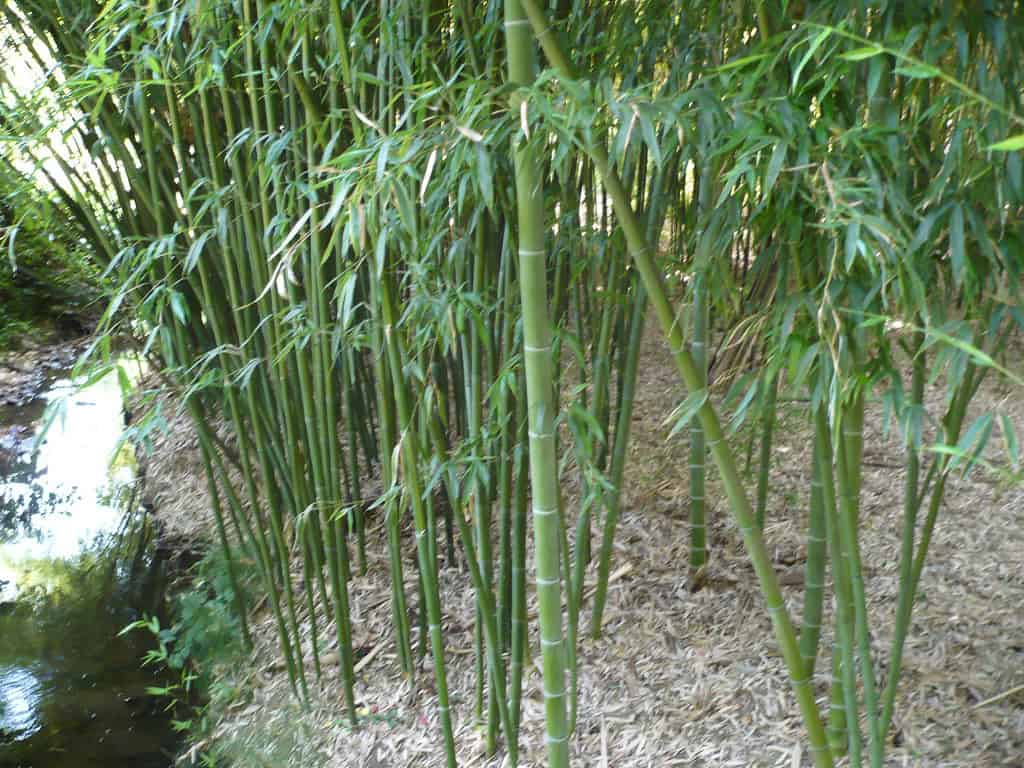
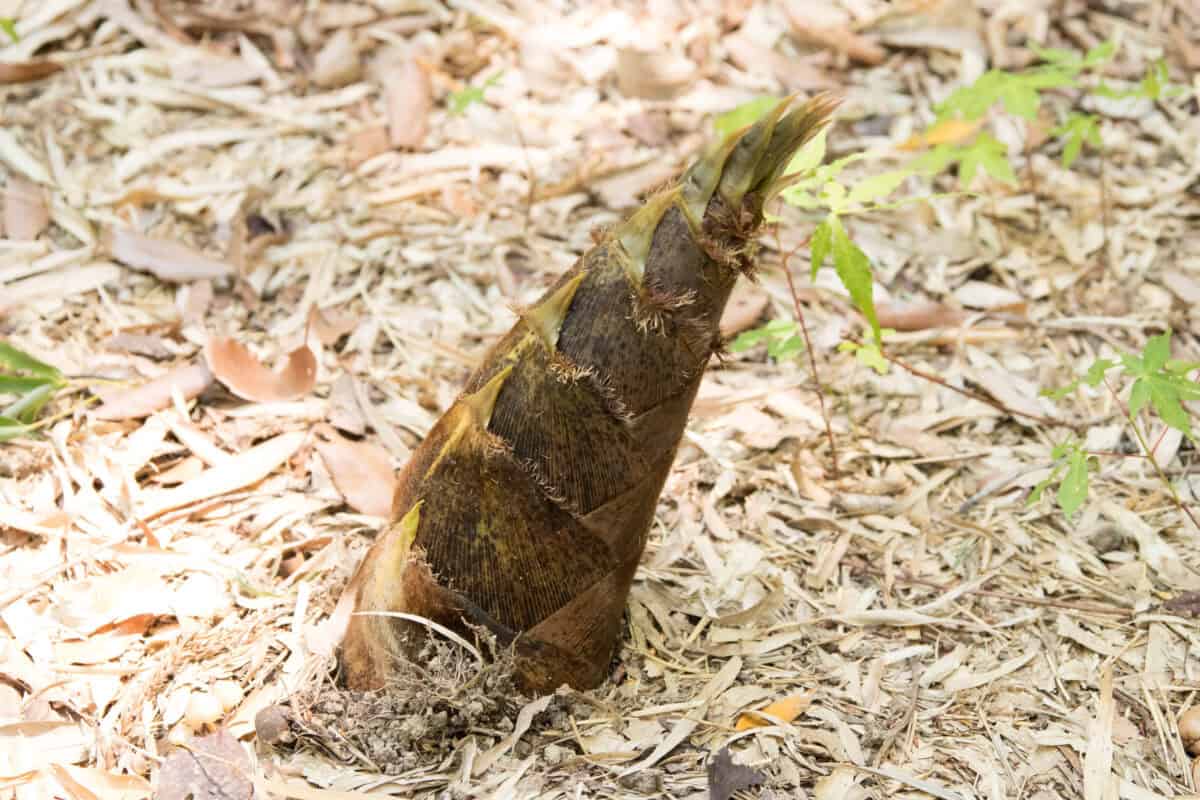
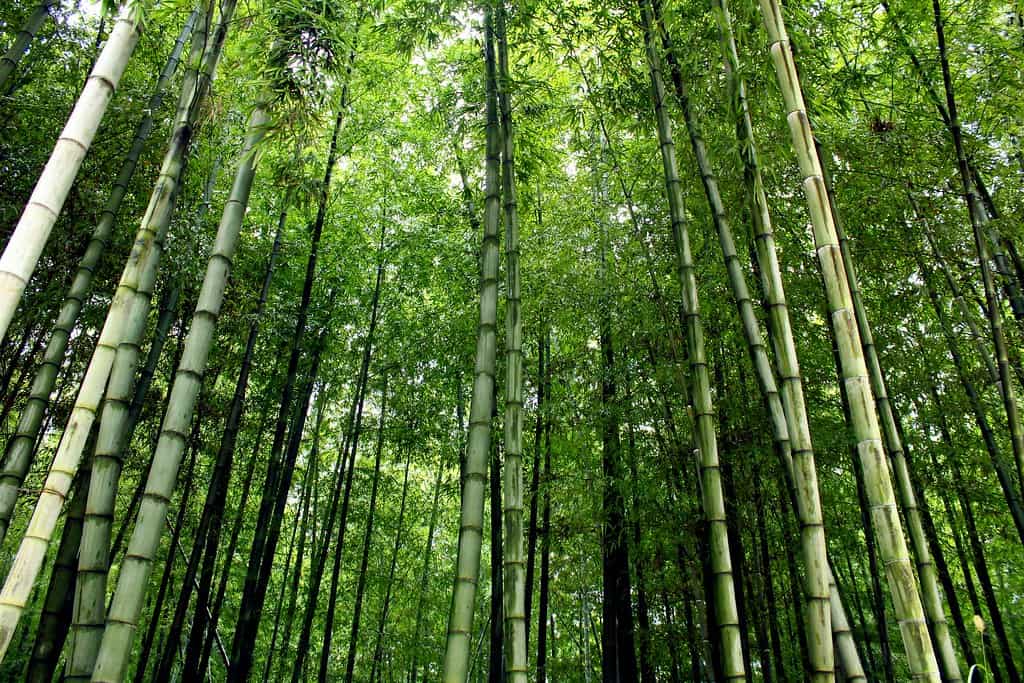
Perhaps the most famous example of extremely delayed reproduction occurs in certain bamboo species. Moso bamboo (Phyllostachys edulis) and other related species demonstrate a remarkable reproductive pattern called “semelparity” or “mast flowering,” where entire forests of bamboo—spanning thousands of square miles—flower simultaneously after intervals of 20-120 years, depending on the species. After this mass flowering event, the plants produce seeds and then die. What makes this phenomenon particularly mysterious is that bamboo plants maintain perfect reproductive synchronization regardless of geographic location or climate conditions. Scientists believe this synchronization is controlled by an internal “molecular clock” counting the seasons. This extraordinary reproductive strategy appears to have evolved as a defense mechanism: by producing overwhelming quantities of seeds at unpredictable intervals, bamboo ensures that seed predators cannot evolve population cycles to efficiently consume all seeds, thereby ensuring some seeds will survive to germinate.
Cicadas and Their Prime-Number Life Cycles
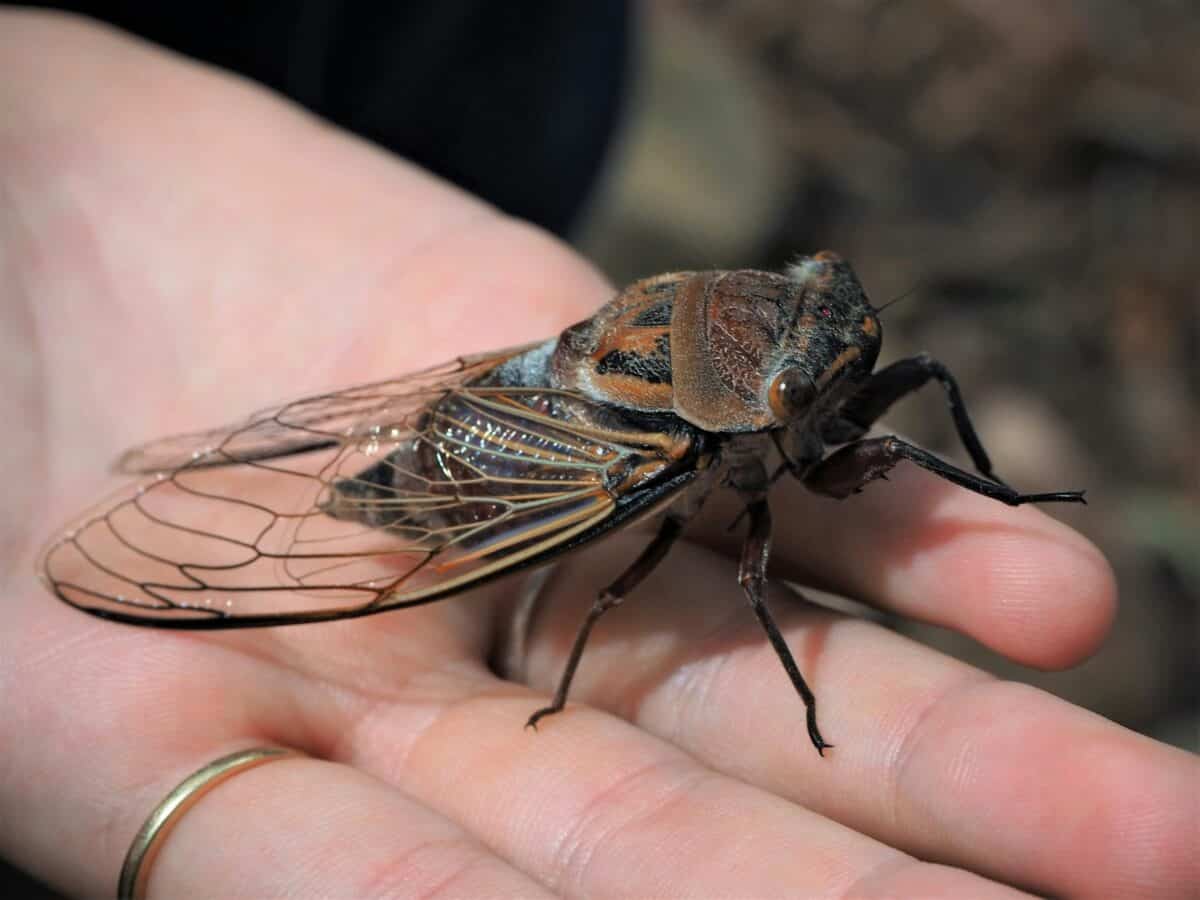
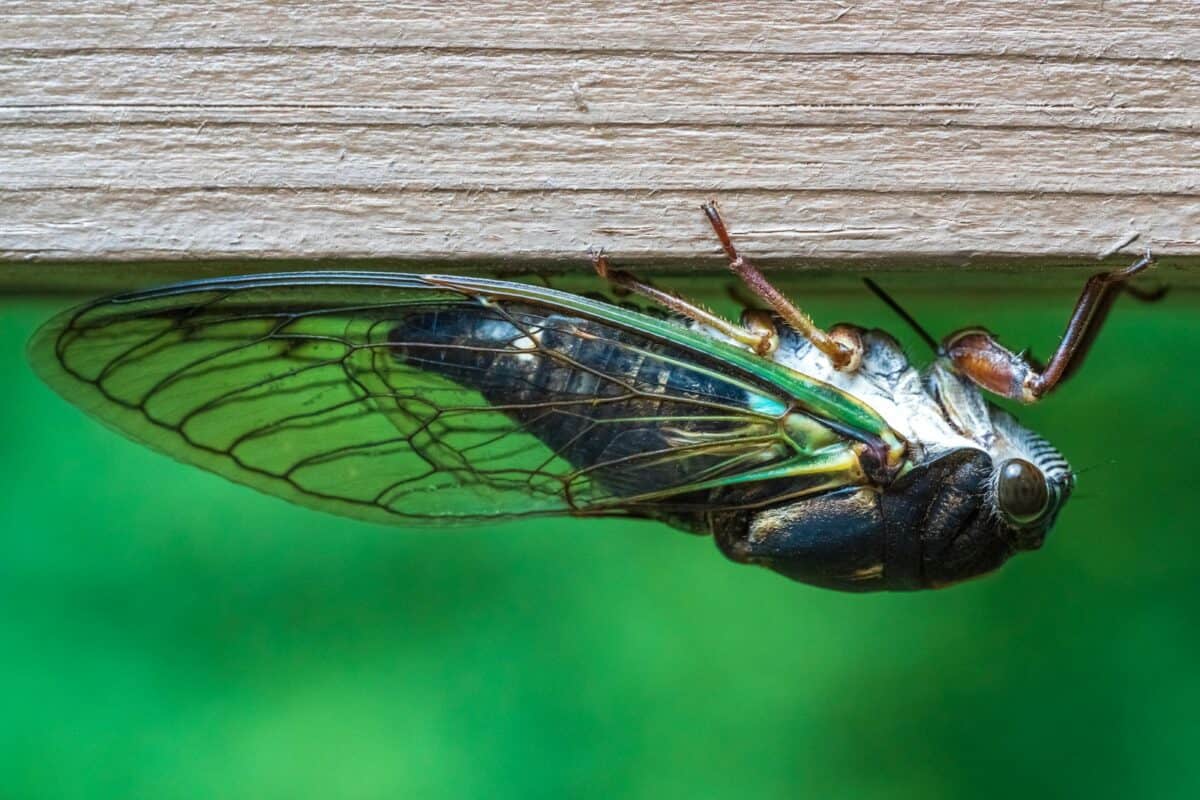
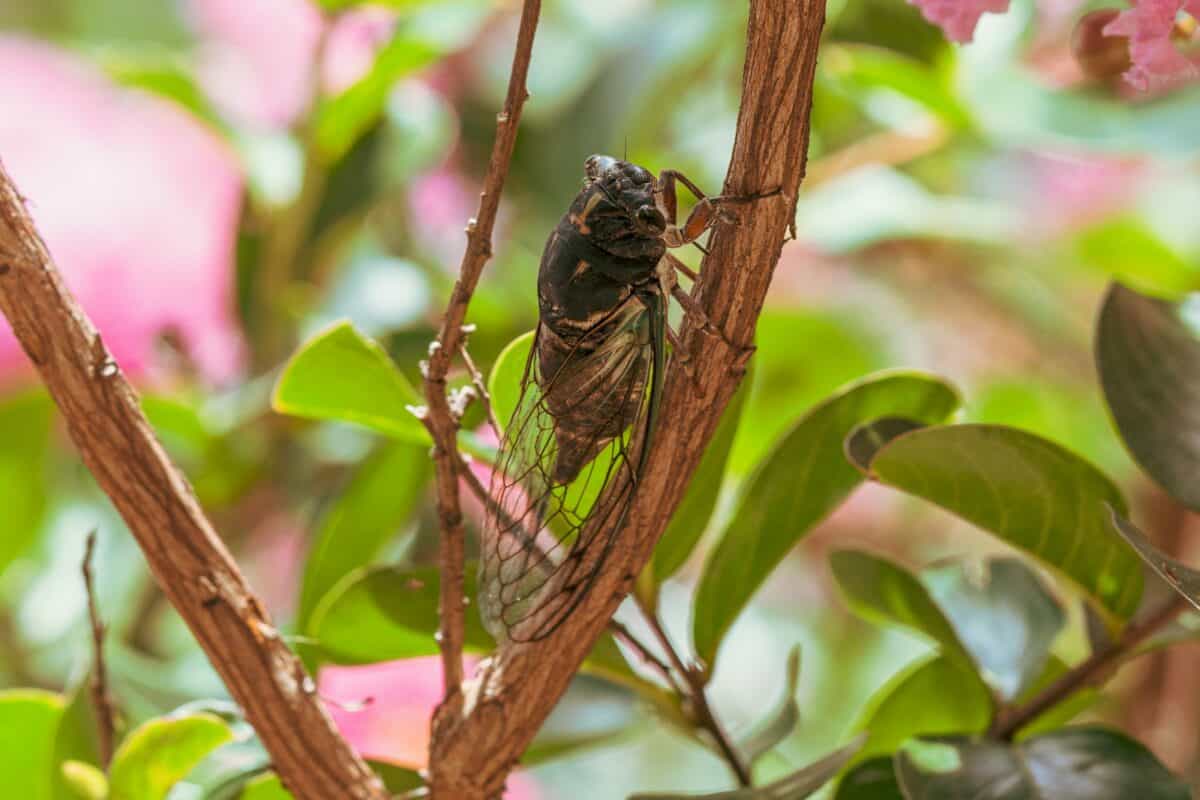
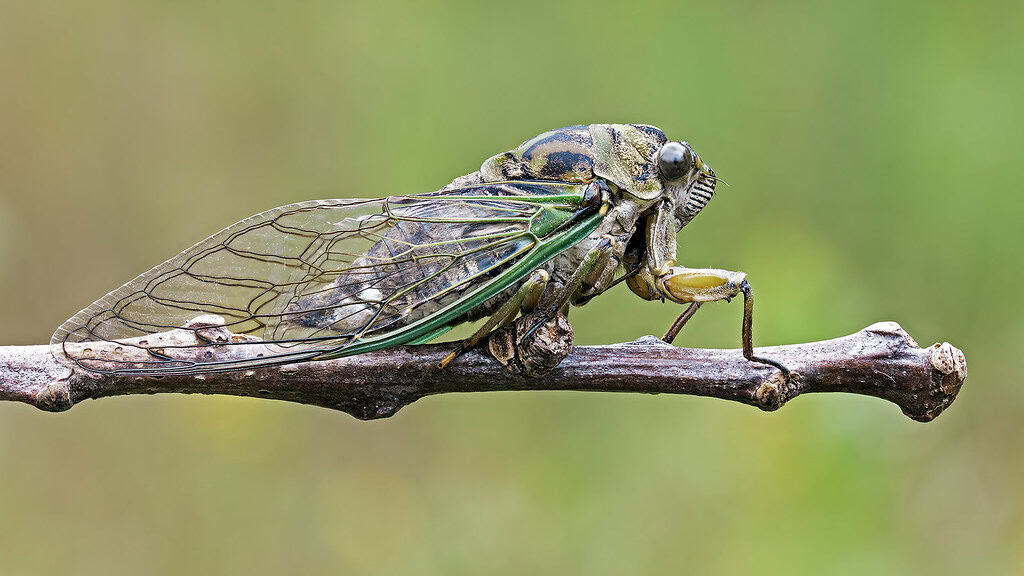
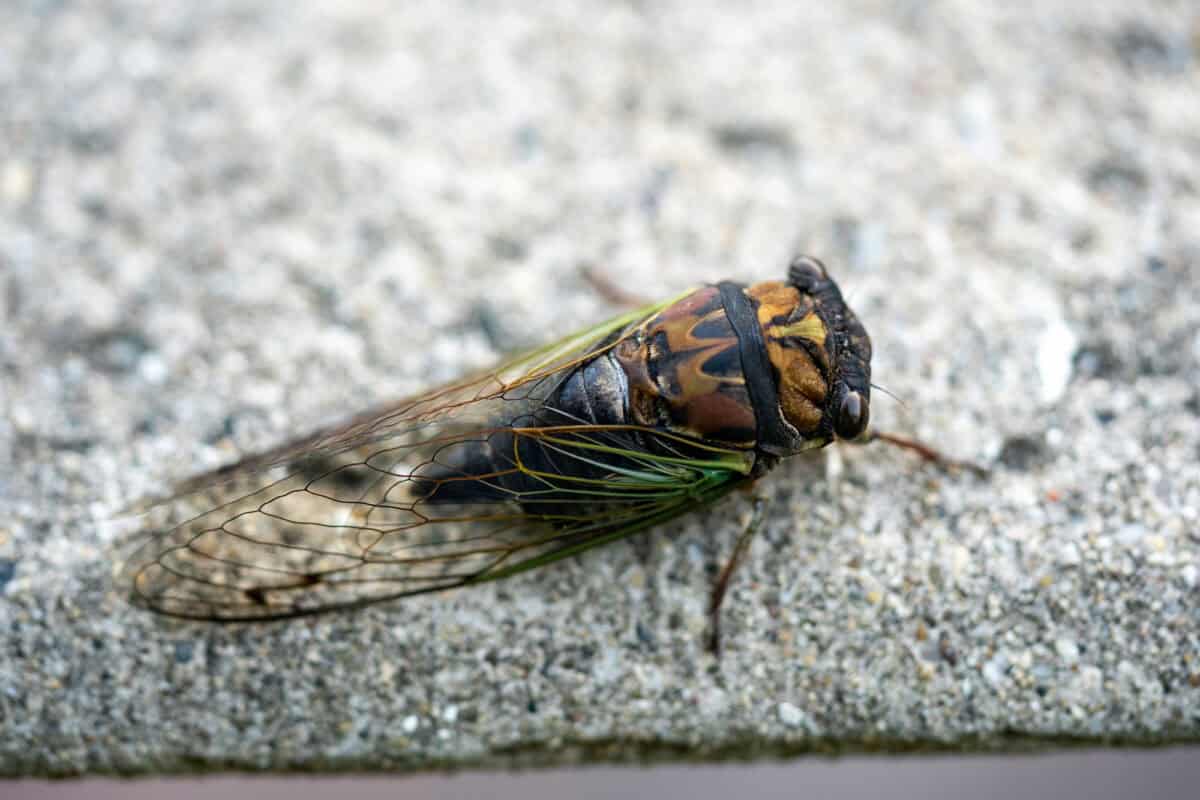
Periodical cicadas (Magicicada spp.) offer another fascinating example of extended reproductive cycles. These insects spend most of their lives underground as nymphs, emerging only after 13 or 17 years (depending on the species) for a brief adult phase lasting just a few weeks, during which they mate, reproduce, and die. What’s particularly intriguing about these cycles is that they’re prime numbers—a mathematical peculiarity that scientists believe helps cicadas avoid synchronizing with predator population cycles. When billions of cicadas emerge simultaneously, predators can consume only a small fraction, ensuring the species’ survival through sheer numbers. This strategy, called “predator satiation,” represents a different evolutionary approach to the same challenge bamboo faces. The precise genetic and molecular mechanisms that allow these insects to count years with such accuracy remain an active area of scientific research, with evidence suggesting that both internal biological clocks and environmental cues play important roles.
The Ocean’s Slowest Breeders
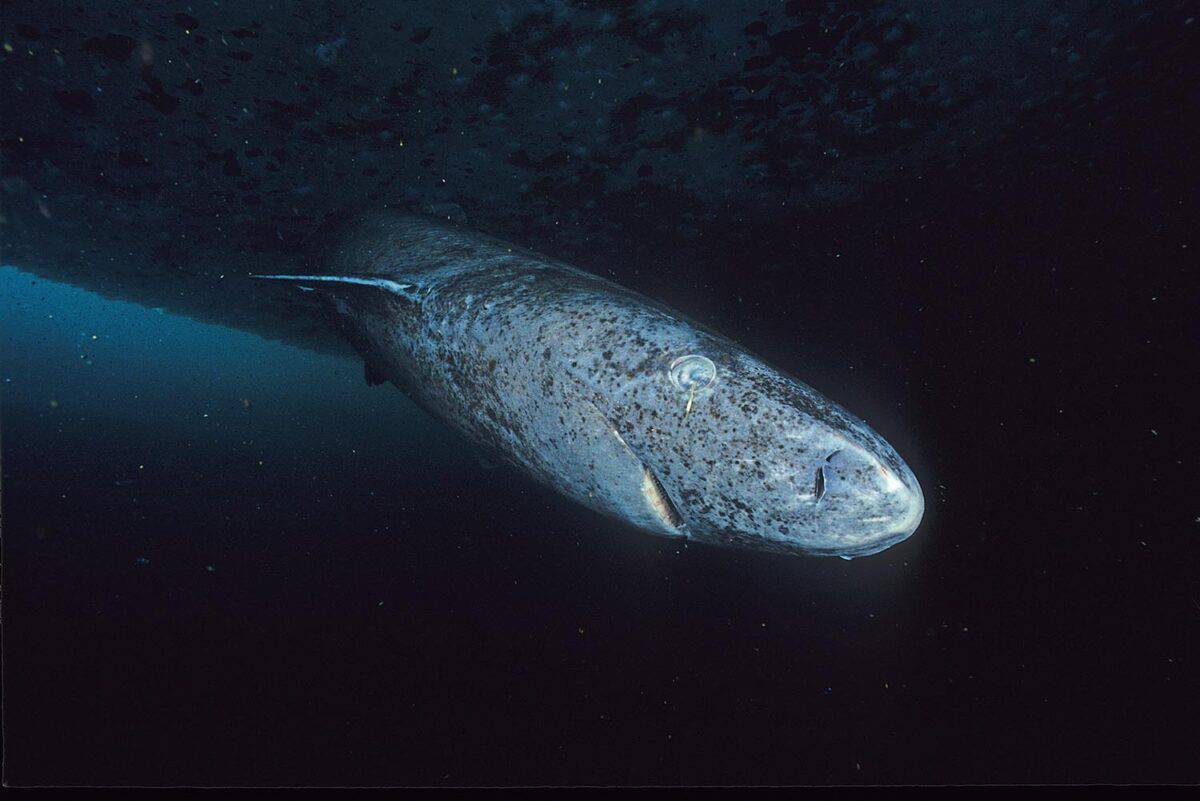
The deep sea hosts some of Earth’s longest-lived and slowest-reproducing creatures. The Greenland shark (Somniosus microcephalus) represents an extreme example, with females not reaching sexual maturity until approximately 150 years of age. With potential lifespans exceeding 400 years, these sharks may reproduce only a handful of times over centuries. Similarly, the orange roughy (Hoplostethus atlanticus), a deep-sea fish, doesn’t begin reproducing until about 20-30 years of age and can live over 100 years. These extremely delayed reproductive schedules reflect adaptations to the deep ocean environment, where cold temperatures slow metabolism, food resources are scarce, and stable conditions reduce selective pressure for rapid reproduction. The orange roughy’s reproductive strategy proved catastrophically vulnerable to commercial fishing in the late 20th century, with populations collapsing when humans began harvesting these slow-breeding fish faster than they could reproduce—a sobering example of how human activities can disrupt reproductive strategies that evolved over millions of years.
The Energy Economics of Delayed Reproduction
From an evolutionary perspective, extremely delayed reproduction represents a complex energy allocation strategy. Reproduction is energetically expensive, requiring significant resource investment. Species that delay reproduction for decades are essentially choosing to invest energy in individual survival and growth rather than immediate reproduction. This strategy only makes evolutionary sense under specific ecological conditions: when adult survival rates are high, when habitat conditions are stable over long periods, and when reproductive success increases significantly with age or size. For instance, larger female fish can produce exponentially more eggs than smaller ones, potentially making it worthwhile to delay reproduction to reach greater size. Similarly, trees that grow taller before flowering can disperse seeds further and access more sunlight. These energy trade-offs explain why delayed reproduction appears most commonly in long-lived species occupying stable ecological niches with low adult mortality rates—conditions found in deep oceans, protected forest interiors, and other environments sheltered from frequent disturbances.
Evolutionary Advantages of Waiting Decades

The evolutionary benefits of extremely delayed reproduction may seem counterintuitive in a world where reproductive success drives natural selection, but several advantages emerge upon closer examination. First, delayed reproduction allows organisms to reach optimal size or developmental stage before investing in reproduction, potentially increasing lifetime reproductive success despite fewer reproductive events. Second, synchronizing reproduction across populations—as seen in bamboo and cicadas—creates safety in numbers, overwhelming predators and ensuring some offspring survive. Third, unpredictable reproductive timing can prevent predator-prey cycles from developing, as predators cannot reliably anticipate reproductive events. Fourth, delaying reproduction can be advantageous in environments where resources fluctuate unpredictably, allowing organisms to reproduce only during optimal conditions. Finally, for certain plants, delayed flowering may allow time to accumulate sufficient resources to produce a massive seed crop, increasing the probability that some seeds will find suitable germination conditions. These advantages have independently driven the evolution of delayed reproduction across multiple unrelated species.
Climate and Environmental Triggers
While internal biological timekeeping mechanisms play a crucial role in species with long reproductive cycles, environmental cues often serve as the final triggers for reproduction. For bamboo, subtle climate shifts or stress factors may synchronize flowering across vast geographic regions. In marine environments, deep-sea creatures may time reproduction to seasonal plankton blooms that occur even in the abyssal depths. Periodical cicadas appear to count seasonal temperature cycles, with emergence triggered when soil temperatures reach specific thresholds. The century plant (Agave americana), which flowers once after 10-30 years of growth, responds to accumulated environmental stressors like drought. Understanding these environmental triggers has gained new urgency in the context of climate change, as shifting temperature patterns, altered precipitation regimes, and changing ocean chemistry may disrupt the delicate timing mechanisms that these species have evolved over millions of years. Scientists are actively researching how climate change might affect reproduction in these slow-breeding species, with potentially profound implications for their survival.
Genetic Control of Long Reproductive Cycles

The genetic and molecular mechanisms controlling extremely long reproductive cycles represent a frontier in biological research. Recent advances in genomics have begun to shed light on these complex systems. For bamboo, researchers have identified genes that appear to function as molecular counters, tracking seasonal changes and triggering flowering only after specific thresholds are reached. In cicadas, genes controlling developmental rate and response to environmental cues maintain their precise 13 or 17-year cycles. Long-lived animals like Greenland sharks show fascinating adaptations in their reproductive genetics, including extremely slow mutation rates and specialized DNA repair mechanisms that maintain genomic integrity over centuries. The genetic programming behind these long cycles often involves complex interaction networks rather than single genes, with epigenetic modifications potentially playing key roles in tracking time. Some scientists hypothesize that certain long-lived species may have evolved specialized “biological clocks” operating at much slower rates than the circadian rhythms familiar in most organisms, allowing them to measure decades rather than days.
Conservation Challenges for Slow Breeders
Species with extremely delayed reproduction face unique conservation challenges in today’s rapidly changing world. Their slow reproductive rates make them inherently vulnerable to population declines, as they cannot quickly recover from losses. The orange roughy fishery collapse represents a cautionary tale: commercial harvesting reduced populations by over 80% before regulators understood the fish’s extremely slow reproductive rate. Similarly, the Chinese giant salamander, which doesn’t reproduce until approximately 15 years of age, has experienced catastrophic population declines due to habitat loss and poaching. Conservation strategies for such species must account for their unique life histories, often requiring much larger protected areas and longer recovery timeframes than faster-breeding species. Additionally, conservationists face practical challenges in studying these organisms—how do you effectively monitor reproduction that occurs once every few decades? Innovative approaches including genetic monitoring, habitat modeling, and international coordination have become essential for protecting these biological marvels that evolved reproduction strategies unsuited to rapid environmental change.
Human Impact on Long-Cycle Reproducers
Human activities pose particular threats to species with delayed reproduction. Habitat destruction can eliminate entire populations before they have the opportunity to reproduce even once. Climate change may disrupt the environmental cues that trigger reproduction after long waiting periods. Selective harvesting of the largest, oldest individuals—common in fishing and logging—can remove precisely those individuals about to reproduce after decades of growth. The case of the giant sequoia (Sequoiadendron giganteum), which begins producing viable seeds only after 75-200 years, illustrates this vulnerability—logging in the 19th century eliminated many ancient groves before conservation efforts began. Similarly, deep-sea mining threatens to disrupt habitats of slow-reproducing marine species before we fully understand their biology. The implications extend beyond the species themselves—many slow-reproducing species play keystone ecological roles, and their decline can trigger cascading effects through ecosystems. Protecting these species requires a long-term perspective often at odds with short-term economic interests, presenting significant policy challenges.
Technological Innovations in Studying Long-Cycle Species

The challenge of studying species that reproduce once in decades has spurred innovative research methods. Long-term ecological research stations, some maintaining continuous observations for over 50 years, provide vital data on species with extended life cycles. Advanced satellite monitoring now allows scientists to track bamboo flowering events across remote regions. Genetic techniques can reconstruct reproductive histories and population structures without waiting for actual reproductive events. Deep-sea observatories with continuous monitoring capabilities capture rare breeding events of abyssal creatures. Machine learning algorithms analyzing historical records, herbarium specimens, and indigenous knowledge help reconstruct past reproductive events and predict future ones. Isotope analysis of growth rings in bamboo and trees can identify past flowering events and environmental conditions. These technological innovations are revolutionizing our understanding of slow-reproducing species, revealing patterns and mechanisms that would be impossible to discern within a single human lifetime of conventional observation.
Cultural Significance of Rare Reproductive Events
Throughout human history, the rare reproductive events of certain species have acquired profound cultural significance. In parts of Asia, bamboo flowering has traditionally been viewed with apprehension, as the subsequent death of bamboo forests can cause resource scarcities and increase rodent populations feeding on bamboo seeds, sometimes leading to famine conditions. The Mautam, or “bamboo death” in Mizoram, India, has influenced local history and politics for centuries. Similarly, periodical cicada emergences feature prominently in indigenous American folklore and were documented with fascination by early European settlers. The flowering of the century plant has inspired artistic traditions in Mexico, where it’s associated with the rare and precious. These cultural dimensions highlight how human societies have long recognized and attempted to understand these unusual reproductive patterns, often incorporating them into spiritual beliefs, agricultural practices, and cultural identities. In modern times, rare flowering or breeding events have become ecotourism attractions, drawing visitors from around the world to witness biological phenomena that occur once in a generation.
Conclusion: Nature’s Time-Keepers in a Changing World

Species with extraordinarily long reproductive cycles represent some of nature’s most remarkable evolutionary experiments. These biological timekeepers have evolved precise mechanisms to count decades before reproducing, resulting in life history strategies finely tuned to specific ecological niches over millions of years. Their existence challenges our human-centered perception of time and reminds us that evolution operates across timescales far exceeding human lifespans. As we face unprecedented rates of environmental change, these slow-reproducing species serve as both warning systems and conservation priorities—their fate will test our ability to protect biodiversity that operates on different temporal scales than our societies. Perhaps most profoundly, these organisms with decades-long reproductive cycles offer a humbling perspective on our place in the natural world, inviting us to expand our thinking beyond immediate concerns to consider the longer rhythms of life on Earth that have persisted long before humans arrived and will, hopefully, continue long after we’re gone.

- Beginner’s Guide to Ethical Wildlife Safaris - July 19, 2026
- The Truth About Dolphins and Human Friendships - July 19, 2026
- The Smallest Bird in the World Is So Tiny It Can Fit in a Teaspoon - July 19, 2026