


The animal kingdom showcases an incredible array of survival strategies, particularly when it comes to newborn creatures adapting to harsh wilderness conditions. From the moment they enter the world, wild animal babies face immense challenges that require rapid learning and development. Some are born helpless and dependent, while others hit the ground running within minutes of birth. This fascinating diversity of newborn survival strategies has evolved over millions of years, perfectly tailored to each species’ ecological niche and environmental pressures. In this exploration of 15 remarkable wild newborns, we’ll discover how these tiny creatures learn the essential skills needed to survive and thrive in their natural habitats.
13. African Elephant Calves Learning Through Family Bonds

Newborn African elephant calves enter the world after a 22-month gestation period, weighing around 200-250 pounds. Despite their significant birth weight, these calves are essentially helpless, born blind and completely dependent on their mothers and extended family. Their survival education begins immediately within the matriarchal herd structure. The mother elephant teaches her calf to nurse, typically consuming 3 gallons of milk daily for the first year. Meanwhile, “allomothers” – other female elephants in the herd – serve as babysitters and auxiliary caregivers, creating a complex support system for the newborn. Through observation and gentle guidance, calves gradually learn to use their trunks, a process that takes nearly a year to master fully. This extended learning period creates powerful family bonds while transmitting crucial survival knowledge across generations. By age 2, calves begin experimenting with vegetation, learning which plants are safe to eat by watching older herd members before achieving nutritional independence around age 5.
12. Sea Turtle Hatchlings The Dangerous Solo Journey

Sea turtle hatchlings face one of nature’s most perilous survival challenges from the moment they break free from their shells. After incubating in sandy nests for approximately 60 days, these tiny reptiles must immediately navigate a gauntlet of predators to reach the ocean. Unlike mammals with parental guidance, sea turtles are born with innate programming that guides their behavior. They instinctively move toward the brightest horizon – historically the moonlight reflecting off the ocean surface – in a phenomenon known as “positive phototaxis.” This journey, often spanning 50-100 meters of exposed beach, represents their first crucial survival test, with only about 1 in 1,000 hatchlings surviving to adulthood. Once in the water, they enter a “swimming frenzy,” paddling continuously for 24-48 hours to reach deeper offshore waters where predation risks decrease. This remarkable solo journey relies entirely on genetic programming rather than learned behavior, demonstrating nature’s capability to encode complex survival instructions directly into a species’ DNA.
11. Giraffe Calves Standing Tall Within Hours

Giraffe calves make a dramatic entrance into the world, dropping nearly six feet from their standing mothers to the ground. This abrupt arrival initiates a critical survival clock – within 30 minutes to an hour, the newborn must stand on its spindly legs or face almost certain predation. Born weighing approximately 150 pounds and standing 6 feet tall, these calves receive no assistance from their mothers during these crucial first steps. The fall itself serves an important purpose, rupturing the umbilical cord and stimulating the calf’s respiratory system. Once standing, the next challenge is nursing from their towering mothers, with calves stretching their necks upward to reach teats that can be 6 feet above ground. Within a day, calves can run alongside their mothers, and within a week, they begin sampling vegetation, learning through observation which plants are safe to consume. This rapid physical development is essential in the savanna ecosystem, where lions, hyenas, and other predators specifically target vulnerable calves, creating intense selection pressure for quick motor development.
10. Emperor Penguin Chicks Surviving Antarctic Extremes

Emperor penguin chicks emerge into one of Earth’s harshest environments – the Antarctic winter, where temperatures can plummet to -40°F with howling winds. These chicks begin life completely dependent on their parents for warmth and nourishment. The father, who has fasted for months while incubating the egg on his feet, produces a high-fat “crop milk” from his esophagus to feed the chick its first meal. When the mother returns from feeding at sea, she takes over care while the father journeys to the ocean to replenish his depleted reserves. The chick spends its first months sheltered in its parents’ brood pouch, protected from the extreme cold. By 45-50 days, chicks form “crèches” – groups of young huddled together for warmth while parents forage. This communal survival strategy teaches vital social skills while conserving heat. Around 5 months of age, the chicks develop waterproof feathers and learn to swim and hunt through trial and error, often by watching adult behavior. Their survival education culminates when they venture into the Southern Ocean independently, relying on innate diving reflexes and learned hunting techniques to catch krill, squid, and fish in the frigid waters.
9. Wildebeest Calves Running Within Minutes
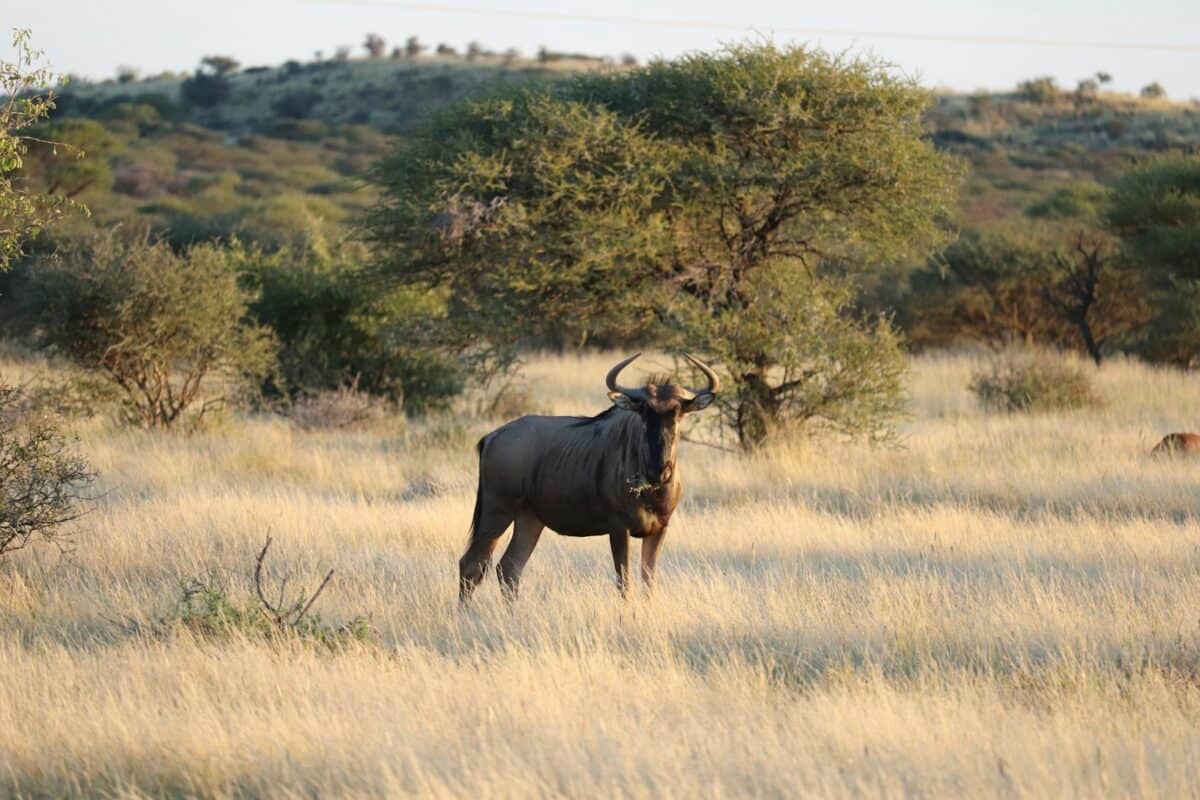
Wildebeest calves represent nature’s ultimate example of hit-the-ground-running survival strategy. Born during the annual calving season when thousands of females give birth within a few weeks, these remarkable calves can stand within 2-3 minutes of birth and run with the herd within 5-10 minutes. This astonishing motor development is no coincidence – it’s an evolutionary adaptation to the extreme predation pressure on the African plains. Calves are born during mass synchronized birthing events, creating a predator satiation effect where so many vulnerable newborns appear simultaneously that predators cannot possibly catch them all. The birthing timing also coincides with seasonal rains that produce nutrient-rich grasses, providing optimal nutrition for lactating mothers. Newborns imprint on their mothers immediately, learning to recognize her specific scent and call among thousands of similar animals. Their survival education continues during the great migration, where calves learn to navigate river crossings, avoid predators, and find water sources by following experienced herd members. By 8-9 months, they’re fully weaned and have absorbed the complex migratory patterns that will guide them throughout their lives.
8. Wolf Pups Socialization for Pack Success

Wolf pups enter the world in a state of complete helplessness – blind, deaf, and weighing just one pound. Born in underground dens, these vulnerable newborns rely entirely on their mother’s care during their first weeks of life. Unlike some species with innate survival skills, wolves depend heavily on learned behaviors acquired through complex social interactions. By three weeks, their eyes open, and they begin exploring the den. At 4-6 weeks, they emerge into the outside world, where their education accelerates dramatically. The entire pack participates in raising the pups, with older siblings and non-breeding adults serving as teachers and babysitters. Through play fighting, pups develop crucial hunting skills, learning proper bite inhibition and prey-capture techniques. They also learn vocalizations and body language essential for pack communication. Around 4-5 months, pups join adults on short hunting expeditions, initially observing from a distance before gradually participating. This apprenticeship model continues for nearly two years as they master the coordinated hunting strategies that make wolf packs such formidable predators. Their survival ultimately depends on this extended learning period that transforms them from helpless newborns into cooperative pack members capable of bringing down prey many times their size.
7. Orangutan Infants The Longest Learning Curve

Orangutan infants experience perhaps the longest and most intensive learning period of any wild animal. Born after a 9-month gestation, these tiny primates weigh just 3-4 pounds and possess an incredibly strong grip that allows them to cling to their mother’s fur from birth. This connection remains virtually unbroken for the first six months of life as the infant learns through constant observation. Orangutan mothers provide the ultimate model of survival education, demonstrating which fruits are safe to eat, how to build nightly sleeping nests, and techniques for navigating through the complex canopy environment. Unlike species with multiple caregivers, orangutan infants have just one teacher – their mother – creating an intense apprenticeship that lasts 7-10 years. This extended dependency period allows for the transmission of crucial knowledge about hundreds of food sources, including which plants have medicinal properties and which contain toxins requiring special preparation. Young orangutans learn to recognize and follow seasonal fruit cycles through multiple years of observation before achieving independence. This extraordinarily long learning period explains why orphaned orangutans struggle to survive without human intervention – their survival depends not on instinct but on accumulated knowledge passed down through generations.
6. Crocodile Hatchlings Maternal Protection Meets Instinct

Crocodile hatchlings demonstrate a fascinating blend of innate behaviors and parental protection. After incubating for 80-90 days in carefully constructed nests, these miniature replicas of their fearsome parents emerge fully equipped with sharp teeth and predatory instincts. When ready to hatch, they emit high-pitched chirping sounds that alert the mother, who carefully uncovers the nest and sometimes even helps crack eggs with her powerful jaws. Unlike many reptiles, female crocodiles show remarkable maternal care, gently carrying hatchlings to water in their formidable mouths. Once in the water, the hatchlings’ innate predatory behaviors activate as they immediately begin hunting small insects, frogs, and fish. Their hunting techniques are largely instinctual, requiring minimal learning. However, they do remain under maternal protection for 1-2 years, staying in nursery groups that offer safety from predators like birds, monitor lizards, and even larger crocodiles. During this time, they learn territory boundaries and social hierarchy through observation. Their size increases rapidly – from 8-10 inches at birth to several feet within the first year – gradually reducing their vulnerability while their hunting efficiency improves through practice and experience.
5. Kangaroo Joeys Development in the Pouch
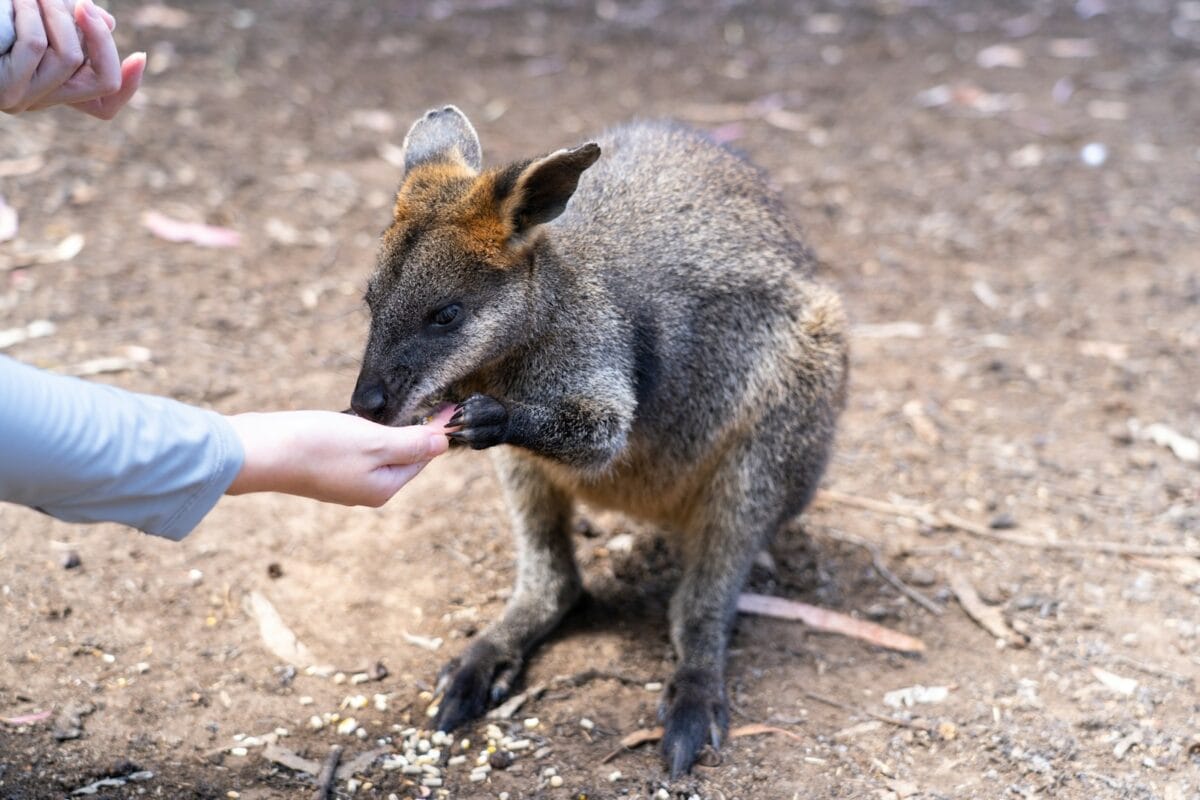
Kangaroo joeys represent one of nature’s most extraordinary developmental journeys. Born after just 33 days of gestation, these embryonic newborns weigh less than a gram and measure about the size of a jelly bean. Essentially undeveloped, the blind, hairless joey must immediately perform an incredible feat – climbing from the birth canal up through the mother’s fur into her pouch without any assistance. This arduous journey of approximately 3 inches can take up to three minutes, guided solely by smell and the sensation of air on its skin. Once safely in the pouch, the joey attaches firmly to a teat, which swells in its mouth, creating a secure connection that provides constant nutrition. For the next 6-8 months, the joey remains in this natural incubator, completing the development that most mammals undergo in the womb. When it finally emerges, the joey begins short explorations outside the pouch while returning for safety and nursing. Through observation, it gradually learns to forage for grass and other vegetation. This progressive education continues for 12-17 months as the joey watches its mother’s feeding patterns, predator responses, and social interactions, gradually building the knowledge base needed for independent survival.
4. Meerkat Pups Community-Based Education

Meerkat pups emerge into one of the animal kingdom’s most structured educational systems. Born underground in complex burrow systems, these tiny, pink, blind newborns weigh just 25-36 grams (less than an ounce). After their first three weeks spent nursing in the burrow, they emerge to join the highly organized meerkat mob, where their real education begins. The entire colony participates in the pups’ survival training, with different members specializing in specific teaching roles. Designated babysitters (often sub-adult females) protect the pups while parents and other adults forage. Around 4 weeks, adults begin bringing dead prey items to the pups, allowing safe examination and manipulation. This progresses to partially disabled live prey at 5-6 weeks, helping pups develop hunting skills without risk. Pups learn the colony’s distinctive alarm calls, with specific vocalizations for aerial predators, ground predators, and snakes. Through “social learning,” they observe experienced adults handling scorpions – removing the venomous stinger before consumption – a technique that requires precise modeling to master safely. By 3 months, pups actively participate in foraging, though they continue learning complex skills like sentinel duty (taking turns watching for predators) for several more months. This intensive community education transforms vulnerable newborns into contributing colony members capable of teaching the next generation.
3. North Atlantic Right Whale Calves Nursing and Migration
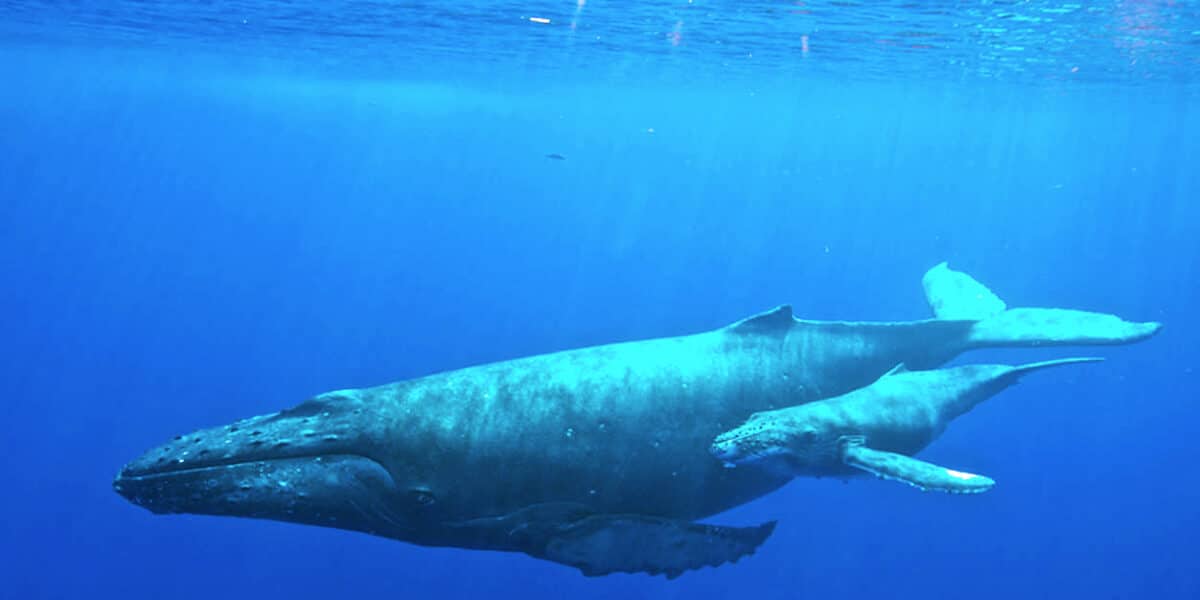
North Atlantic right whale calves face a challenging start to life in the cold Atlantic waters. Born after a year-long gestation period, these newborns emerge measuring about 14 feet long and weighing approximately 2,000 pounds – already larger than many adult land mammals. Despite their impressive size, these calves are completely dependent on their mothers for nutrition and guidance. Within minutes of birth, these buoyant newborns must reach the surface for their first critical breath, a behavior partially assisted by the mother’s supportive swimming beneath them. The mother’s milk contains an extraordinary 40-60% fat content (compared to human milk’s 4%), allowing calves to gain nearly 200 pounds daily during their first year. This rapid weight gain is essential for developing the thick blubber layer that will protect them during long migrations between calving grounds near Florida and feeding grounds in the North Atlantic. Calves learn migration routes by following their mothers, gradually memorizing geographical features and ocean currents that will guide their future journeys. They also develop complex diving patterns through observation, watching as mothers descend to feed on copepods and other zooplankton. After a nursing period of 10-12 months, calves achieve nutritional independence but may remain with their mothers for additional time, continuing to learn survival skills before separation.
2. Spotted Hyena Cubs Born Ready for Conflict
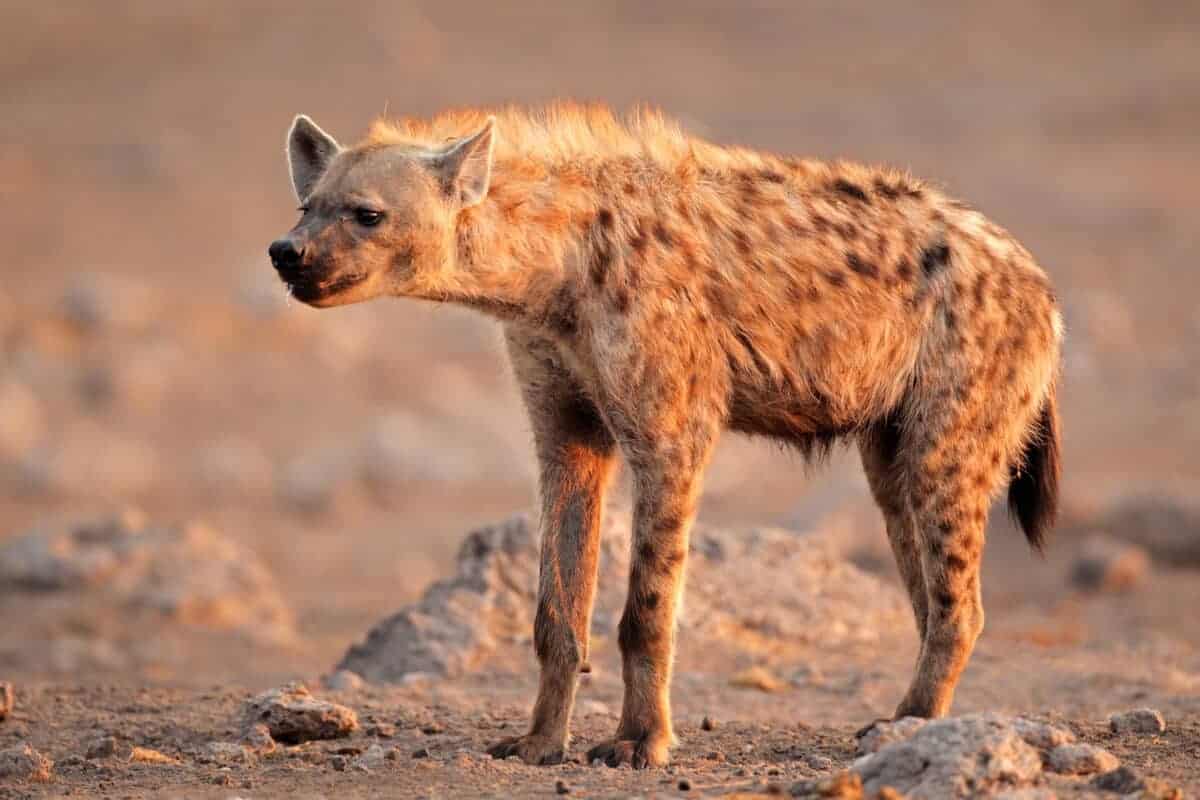
Spotted hyena cubs are born into one of nature’s most unusual and competitive social structures. Unlike most carnivores, hyena cubs enter the world with eyes open, fully developed teeth, and weighing a substantial 1.5 kg (3.3 pounds). Even more remarkably, they’re born ready for conflict – often beginning to fight with their littermates within minutes of birth. This aggressive start reflects the intense competition within hyena clans, where social rank is everything. Cubs born to high-ranking females receive preferential access to food and protection, creating a significant survival advantage. The cubs’ early aggression helps establish dominance relationships that may last a lifetime. Young hyenas learn hunting techniques through observation and practice, first watching adults on hunts before participating in group takedowns of prey by 5-6 months of age. Cubs also develop their clan’s specific “language” – a complex vocal repertoire including whoops, grunts, and giggles that identify individuals and coordinate group activities. Their education extends to recognizing territorial boundaries and identifying clan members versus intruders, knowledge essential for navigating the complex social landscape. Though weaning occurs around 12-16 months, cubs continue learning advanced hunting strategies and clan politics for up to two years, gradually integrating into the adult social hierarchy that will determine their long-term survival prospects.
1. Mountain Gorilla Infants Learning Through Imitation

Mountain gorilla infants are born into a complex social world that requires extensive learning to navigate successfully. These newborns weigh approximately 4 pounds and are entirely dependent on their mothers, clinging to her fur as she moves through the forest. For the first four months, physical contact between mother and infant remains virtually constant, creating a secure environment for early development. Unlike species relying primarily on instinct, gorilla infants learn almost everything through observation and imitation. By 3-4 months, they begin experimenting with solid foods, carefully watching which plants their mother selects and how she processes them. This observation is critical, as gorillas consume over 200 plant species, some requiring special handling to remove toxic components. Around 8-9 months, infants start short explorations away from their mothers, developing independence while practicing nest-building, food processing, and social interactions. Young gorillas learn complex social rules by observing troop dynamics, gradually understanding the silverback’s leadership role and proper interactions with different troop members. Play sessions with peers help develop motor skills and appropriate social behaviors. Their education continues for 3-4 years until weaning, with females typically remaining in their birth troop.
Conclusion:

The incredible diversity of newborn survival strategies in the wild reveals just how deeply evolution has shaped life on Earth. From the fiercely independent sea turtle hatchling to the long-dependent orangutan infant, each species enters the world equipped with a unique mix of instincts, physical traits, and learned behaviors that maximize its chance of survival. Some, like wildebeest calves and giraffe newborns, must be ready to run within minutes, while others, like wolf pups and gorilla infants, rely on extended family or troop structures to slowly acquire vital skills. Whether survival is passed down genetically, modeled by parents, or taught through an entire social group, one thing is clear: nature spares no effort in preparing its youngest members for the challenges ahead. These early moments of life—often overlooked or hidden from view—are a testament to resilience, adaptation, and the remarkable intelligence embedded in the fabric of life itself.

As a little kid, I fell in love with nature, wildlife, and animals. Living in the USA, South Africa, Italy, China and Germany gave me the opportunity to discover the world's Wildlife. My favorite animals are Mountain Gorillas, Siberian Tigers, and Great White Sharks.
I'm a certified PADI Open Water Diver, went to Everest Base Camp and Trekked Gorillas in Uganda. I hold a Master of Science in Economics and Finance.
Please send any feedback to feedback@animalsaroundtheglobe.com
- Climate Shifts Push Venomous Snakes Closer to People - August 15, 2026
- Top 10 Animals that Saved Lives - August 15, 2026
- 15 Smartest Animals in North America - August 15, 2026