


Alligators, those ancient reptiles that have roamed our planet since the time of dinosaurs, harbor fascinating reproductive and parenting behaviors that often surprise even seasoned wildlife enthusiasts. Despite their fearsome reputation, these prehistoric predators display remarkable care for their offspring and employ sophisticated reproductive strategies that have enabled their survival for millions of years. From temperature-dependent sex determination to vocal communications between mothers and hatchlings, alligator reproduction and parenting represent extraordinary examples of evolutionary adaptation. In this article, we’ll explore 17 incredible facts about how these magnificent reptiles reproduce and raise their young in the wild.
Temperature Determines Gender

One of the most fascinating aspects of alligator reproduction is that the sex of the hatchlings isn’t determined by genetics but by temperature during incubation. Eggs incubated at temperatures below 86°F (30°C) typically develop into females, while those incubated above 93°F (34°C) become males. The critical period for this temperature-dependent sex determination occurs during the middle third of incubation. This remarkable adaptation allows alligator populations to naturally adjust their gender ratios based on environmental conditions, potentially helping them adapt to changing climates over evolutionary time. Researchers believe this mechanism has played a crucial role in alligator survival through various climate shifts throughout their 200+ million year evolutionary history.
Courtship Begins with Bellowing

When breeding season arrives in spring, male alligators announce their availability with dramatic bellowing displays. These resonant, deep-throated calls can be heard up to a mile away and serve multiple purposes in the reproductive process. The bellowing not only advertises a male’s presence to potential mates but also helps establish dominance hierarchies among competing males. During these vocal displays, males often submerge their bodies while raising their heads and tails above the water surface, creating subsonic vibrations that cause the water around them to “dance” – a visual spectacle that complements their sonic performance. Females respond to these displays by approaching preferred males, initiating the complex courtship ritual that precedes mating.
Nest Construction Shows Maternal Planning
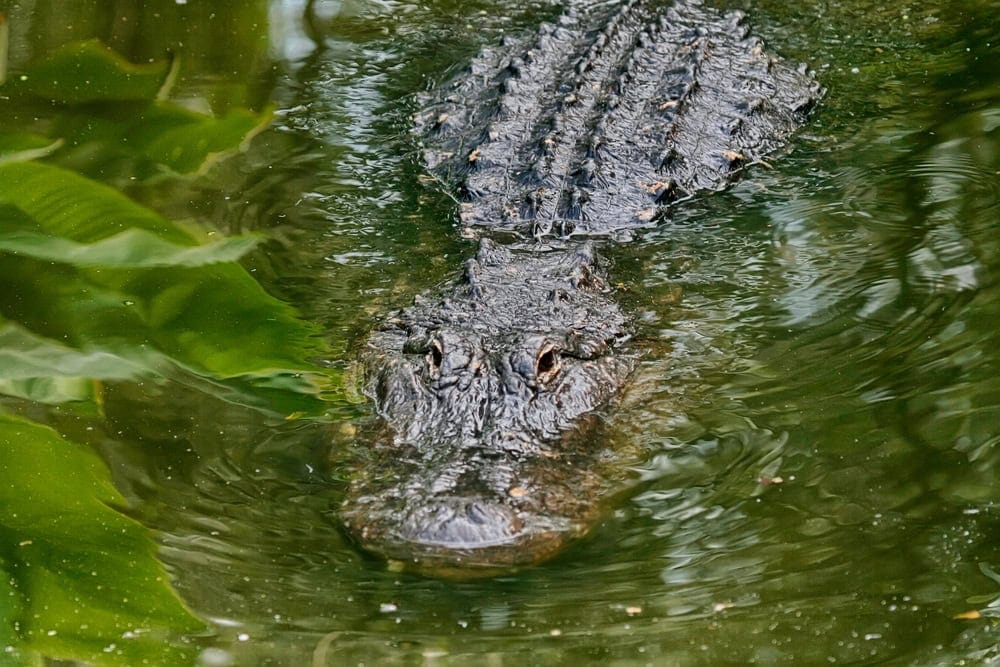
Female alligators are meticulous architects when it comes to nest construction. Approximately two weeks after mating, a female will gather vegetation, mud, and debris to build a mound nest that typically measures 7-10 feet in diameter and 2-3 feet high. This carefully constructed incubation chamber serves multiple purposes: it provides optimal conditions for egg development, protection from predators, and helps maintain the crucial temperature balance that determines hatchling sex. The female deliberately chooses nest sites with specific exposure to sunlight and shade patterns to help regulate temperature. The decomposing vegetation generates heat through microbial activity, creating a natural incubation system that has remained largely unchanged for millions of years. This advanced nest-building behavior demonstrates remarkable maternal planning and environmental awareness.
Clutch Sizes Vary Significantly
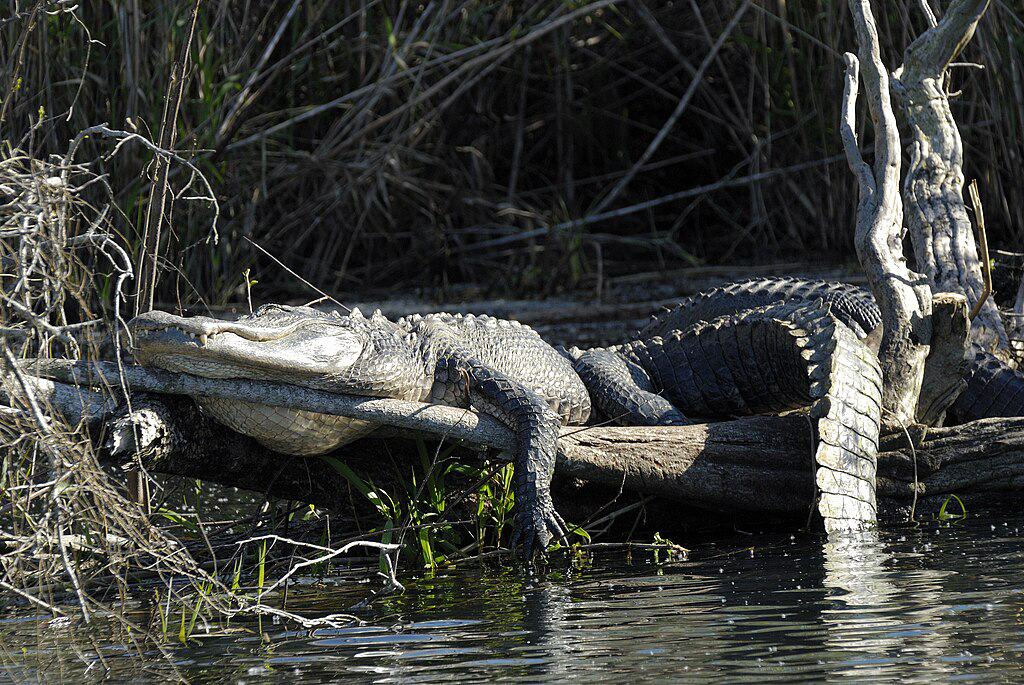
Alligator clutch sizes demonstrate impressive variation, with females typically laying between 20 and 60 eggs per nesting season. This variation depends largely on the female’s size, age, and health condition. Larger, more mature females generally produce bigger clutches with higher viability rates. The eggs themselves are oblong and hard-shelled, measuring approximately 3 inches long and 2 inches wide – similar in size to goose eggs but with a distinctly textured shell surface. Once deposited in the carefully prepared nest chamber, the female covers them with additional vegetation that helps maintain optimal humidity and temperature. Interestingly, research indicates that about 30% of adult female alligators may skip reproduction in any given year, likely conserving energy when environmental conditions aren’t favorable for successful reproduction.
Mothers Guard Nests Vigilantly

Female alligators exhibit extraordinary maternal dedication by remaining near their nests throughout the 60-70 day incubation period. This vigilant guarding behavior protects the eggs from numerous potential predators, including raccoons, birds, and other alligators. The mother will aggressively defend her nest against any perceived threats, sometimes even attacking much larger animals that venture too close. Despite their fearsome reputation, this protective behavior demonstrates the remarkable parental investment alligators make in their offspring’s survival. During this guarding period, the female may go without eating for extended times, prioritizing nest protection over her own nutritional needs. Scientists have documented females remaining within 3-10 meters of their nests for weeks at a time, only briefly leaving to thermoregulate or hydrate.
Hatchlings Communicate From Inside Eggs
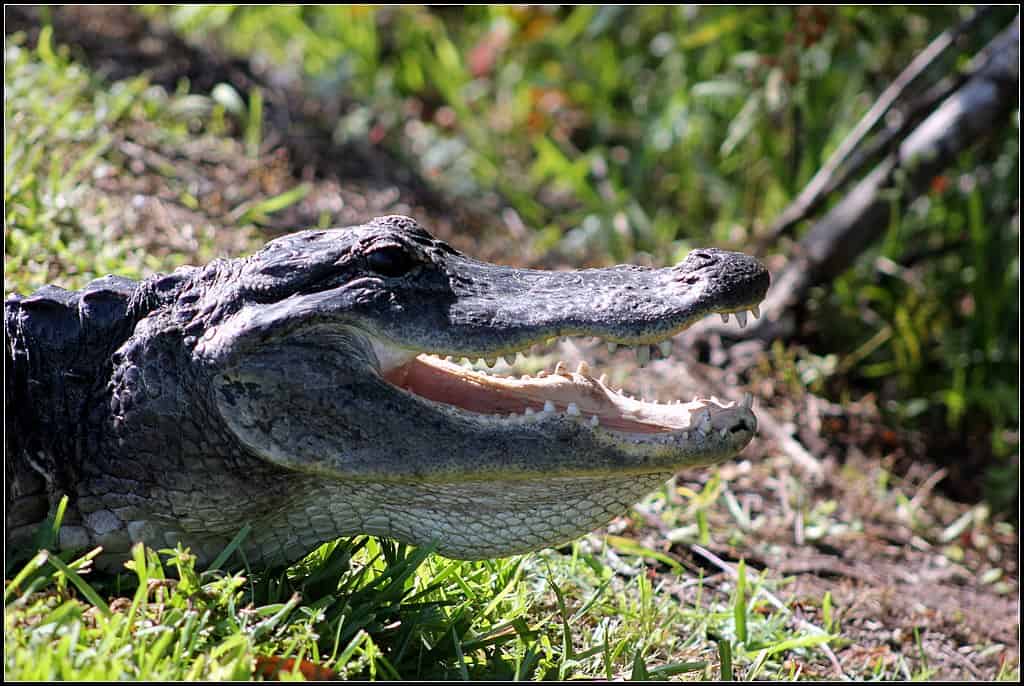
Perhaps one of the most remarkable aspects of alligator reproduction is the sophisticated communication that occurs before the eggs even hatch. When ready to emerge, hatchlings inside their eggs begin making distinctive vocalizations often described as “umph, umph” sounds. These calls serve two crucial purposes: they synchronize hatching among siblings and alert the mother that her offspring are ready to emerge. Upon hearing these sounds, the mother alligator carefully approaches the nest and may help excavate the eggs, gently rolling them and removing nest material to facilitate hatching. This vocal coordination ensures that hatchlings emerge as a group, improving their collective chances of survival against predators. Research has shown that these pre-hatching vocalizations can stimulate hatching in neighboring eggs, resulting in most of the clutch emerging within a 12-24 hour period.
Mothers Transport Hatchlings Orally
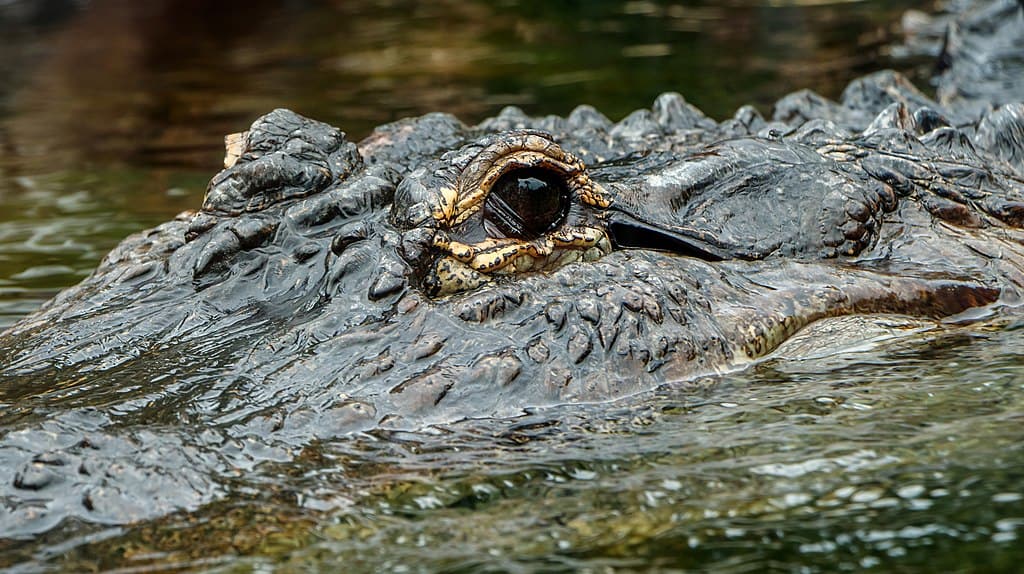
Once hatched, alligator mothers display a behavior that seems counterintuitive given their predatory nature – they delicately carry their young in their mouths to transport them safely to water. Despite having one of the most powerful bite forces in the animal kingdom (up to 2,000 pounds per square inch), mother alligators can cradle their fragile hatchlings between their formidable jaws with astonishing gentleness. This oral transport system allows the mother to move several babies at once from the nest to nearby water bodies, protecting them during their most vulnerable stage of life. The specialized pouches in the mother’s mouth are perfectly designed for this purpose, and the hatchlings instinctively remain still during transport. This remarkable behavior demonstrates the stark contrast between the alligator’s fearsome hunting capabilities and their tender parental care.
Maternal Care Lasts Up to Two Years
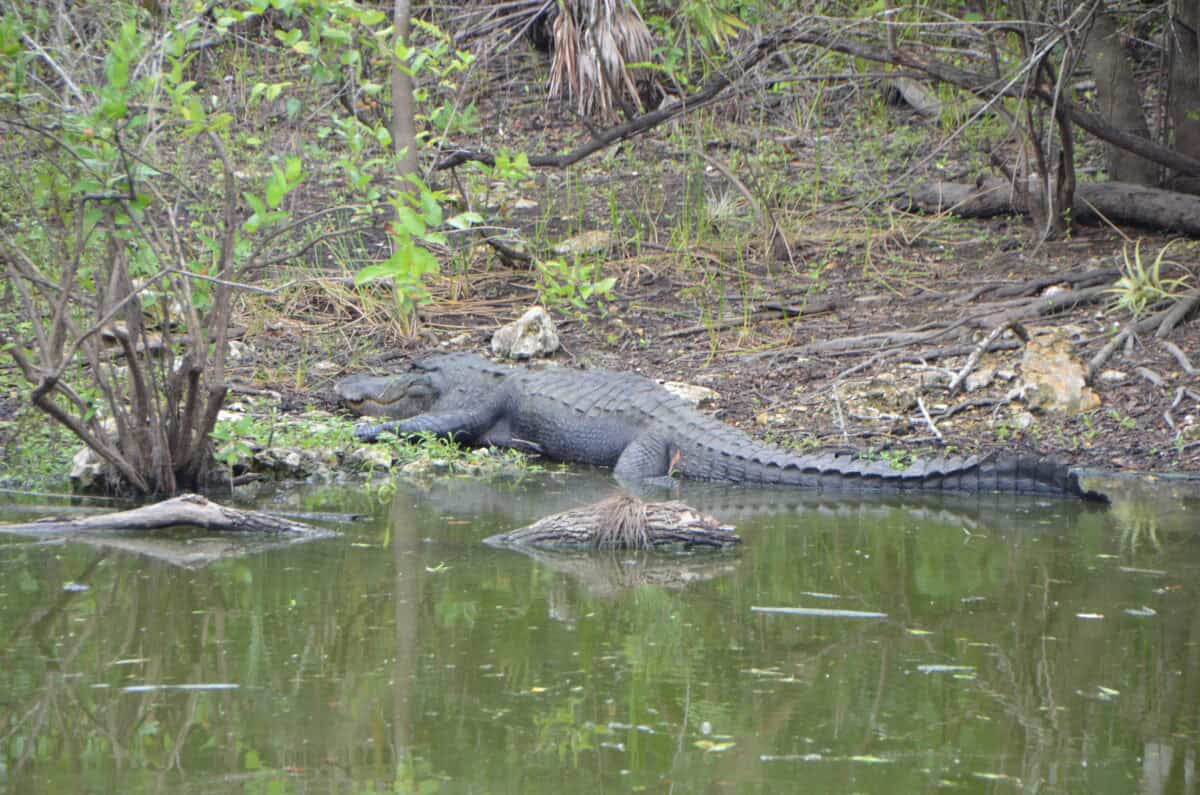
Unlike many reptiles that abandon their young after hatching, alligator mothers maintain protective relationships with their offspring for up to two years. During this extended period of parental care, the mother defends her “pod” of juveniles from predators including wading birds, large fish, and even cannibalistic male alligators. This prolonged protection significantly increases offspring survival rates. The young alligators remain in close proximity to their mother, often responding to her vocalizations and seeking refuge near her body when threatened. As they grow and develop hunting skills, the mother gradually allows more independence, but maintains vigilance against potential threats. This extended parental investment is extremely rare among reptiles and represents one of the most advanced parenting systems outside of birds and mammals.
Hatchlings Feature Special Adaptations

Alligator hatchlings emerge with several specialized adaptations that enhance their survival during the vulnerable early stages of life. Most notably, they possess an “egg tooth” – a temporary, hardened protrusion on their snout that helps them break through the shell during hatching, which later falls off. Additionally, newly hatched alligators display distinctive yellow and black striped patterns that provide excellent camouflage among the reeds and vegetation of their wetland habitats. Their bodies also contain residual yolk reserves stored in their abdomens, which provide crucial nutrition during their first days of life while they learn to hunt. Perhaps most impressively, hatchlings are born with a full set of 74-80 teeth and can begin catching small prey within days of hatching. These remarkable adaptations highlight the evolutionary fine-tuning that has contributed to alligator reproductive success over millions of years.
Juveniles Form Protective Pods

Young alligators exhibit a fascinating social behavior by forming “pods” or groups of similarly-aged individuals that remain together under maternal protection. These juvenile congregations serve multiple purposes in alligator development and survival. By staying together, young alligators create safety in numbers against predators, with the collective vigilance making it more difficult for threats to approach undetected. The pods also facilitate social learning, where individuals can observe hunting techniques and territorial behaviors from siblings and their mother. Researchers have observed that these pods typically maintain loose associations during the day but gather more tightly at night when vulnerability to predation increases. This sophisticated social structure among juveniles represents another remarkable aspect of alligator reproduction and parenting that distinguishes them from most other reptilian species.
Males Play No Parental Role

In stark contrast to the dedicated maternal care exhibited by female alligators, males play absolutely no role in parenting or offspring protection. After mating, male alligators completely disengage from the reproductive process, providing neither nest protection nor care for hatchlings. In fact, adult males pose a significant threat to juveniles, as they view smaller alligators as potential prey and may engage in cannibalistic behavior. This complete absence of paternal investment places the entire burden of offspring care on the female, making her extended commitment to protection all the more remarkable. Evolutionary biologists suggest this reproductive strategy maximizes resources, allowing males to focus entirely on growth, territorial defense, and future mating opportunities while females specialize in the energy-intensive processes of egg production and offspring protection.
Nesting Success Depends on Weather

Weather conditions play a critical role in determining alligator reproductive success, with both droughts and floods posing significant threats to egg survival. During drought years, nests may become too dry, causing embryos to dehydrate and die before hatching. Conversely, excessive rainfall and flooding can submerge nests completely, drowning the embryos that require air exchange through the porous eggshell. Studies in the Florida Everglades have documented nest failure rates exceeding 50% during years with extreme weather conditions. Climate change presents a particular challenge for alligator reproduction, as altered rainfall patterns and increasing temperature extremes may disrupt the delicate balance of conditions required for successful incubation. The temperature-dependent sex determination system makes alligators particularly vulnerable to climate shifts, as sustained temperature changes could potentially skew population sex ratios.
Alligators Display Nest Site Fidelity
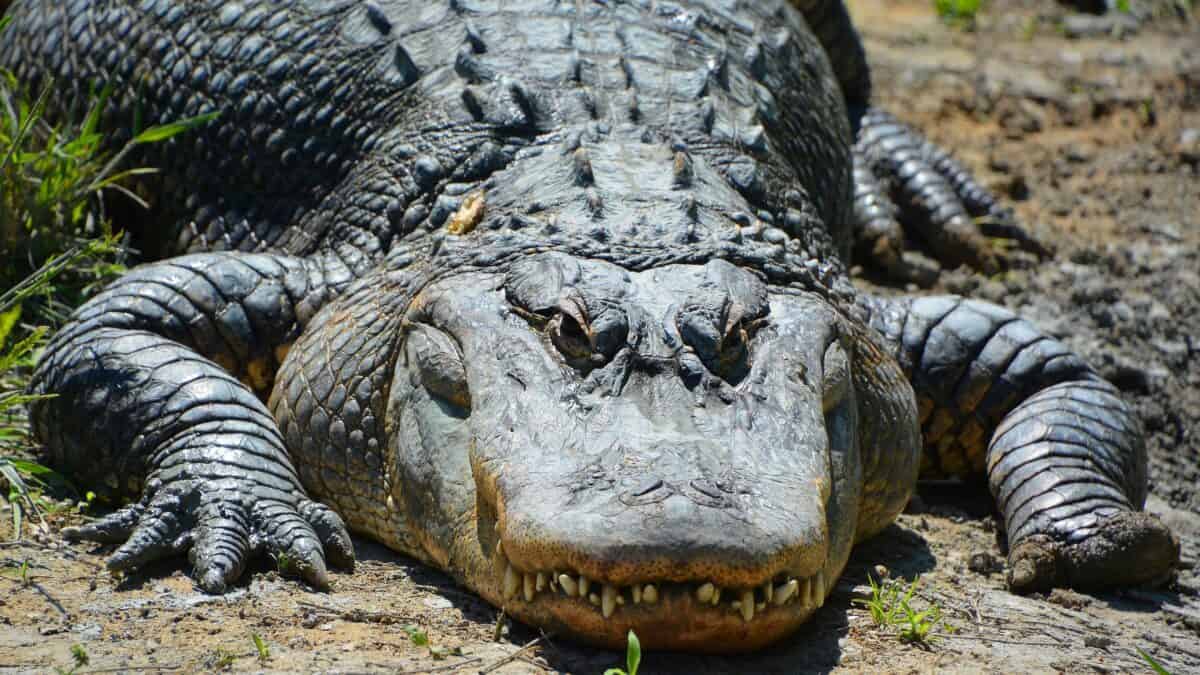
Female alligators often demonstrate remarkable nest site fidelity, returning to the same general location to build their nests year after year. This behavior indicates sophisticated spatial memory and suggests that successful nesting sites are valuable resources worth revisiting. Researchers tracking female alligators in Louisiana wetlands found that many individuals returned to within 200 meters of previous nest sites across multiple breeding seasons. This fidelity creates distinctive “alligator gardens” in some habitats – clearings maintained by repeated nest construction and vegetation gathering over many years. The practice of returning to proven nest locations likely increases reproductive success by utilizing sites with optimal conditions for incubation and hatchling survival. This behavior also creates interesting population dynamics, as related females may nest in proximity to their birth sites, creating multi-generational nesting aggregations.
Reproductive Maturity Comes Late

Alligators are remarkably long-lived reptiles with correspondingly delayed sexual maturity. Males typically don’t reach reproductive age until they’re at least 10-12 years old and have grown to approximately 8-10 feet in length. Females mature slightly earlier, usually becoming reproductively active around 8-10 years of age when they reach about 6-7 feet long. This delayed maturation represents a significant evolutionary trade-off – by investing energy in growth before reproduction, alligators achieve larger body sizes that enhance adult survival and competitive ability. However, this strategy also means individual alligators must survive numerous hazards over a decade before contributing to the next generation. Once mature, alligators can reproduce for decades, with some wild females documented breeding well into their 50s. This combination of delayed maturity and extended reproductive lifespan creates a distinctive life history strategy that has served alligators well for millions of years.
Environmental Factors Impact Breeding
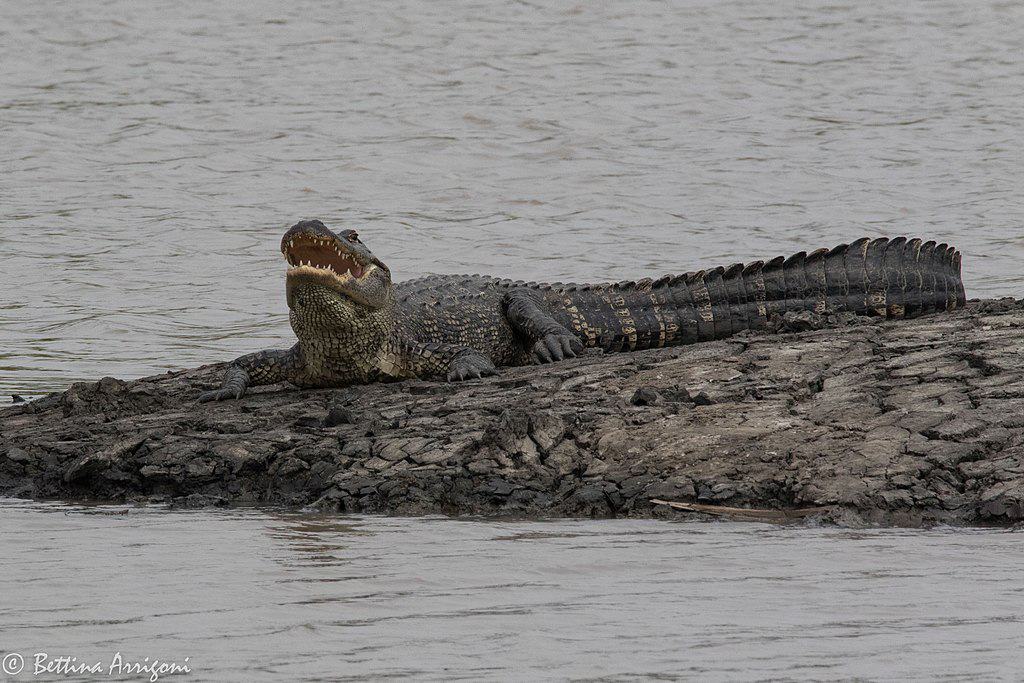
Alligator reproduction is highly sensitive to environmental cues, with breeding behavior tightly synchronized to seasonal patterns and habitat conditions. Water levels play a particularly crucial role, as they influence both mating opportunities and nest site availability. Studies in the Florida Everglades have shown that alligator nesting rates can drop by up to 90% during drought years when wetland areas contract significantly. Water temperature serves as a primary trigger for breeding season initiation, with courtship behaviors typically beginning when waters reach approximately 70°F (21°C). Photoperiod (day length) also influences reproductive timing, ensuring that eggs hatch during optimal seasonal conditions when prey for hatchlings is abundant. This sophisticated environmental sensitivity demonstrates how deeply alligator reproduction is integrated with their wetland ecosystems, making them particularly vulnerable to habitat alterations and climate change.
Cannibalism Affects Reproductive Strategy
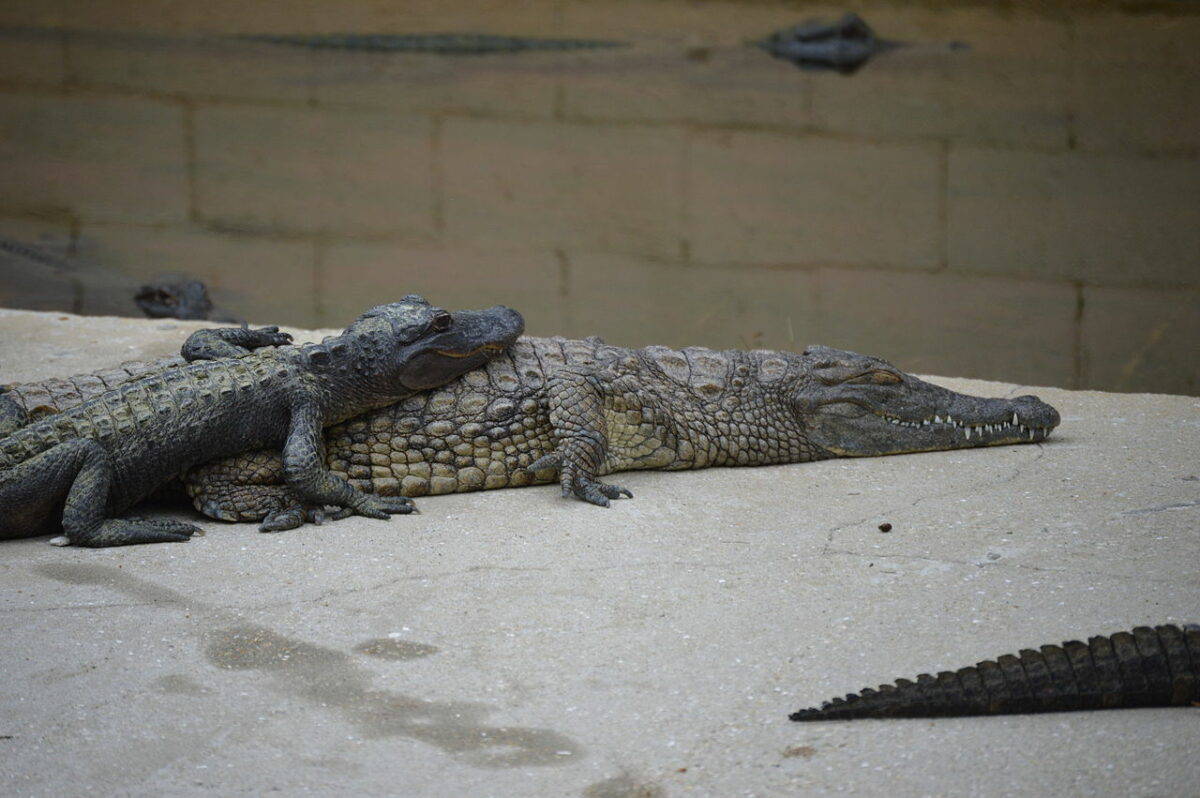
The threat of cannibalism significantly shapes alligator reproductive behavior and parenting strategies. Adult male alligators will readily prey on juveniles, creating a constant threat that necessitates vigilant maternal protection. This cannibalistic tendency has driven the evolution of several adaptive behaviors, including the female’s extended parenting period and the formation of protective juvenile pods. Interestingly, research indicates that cannibalism rates increase during drought conditions when prey becomes scarce, creating a population regulation mechanism that reduces juvenile numbers during times of resource limitation. Female alligators appear to recognize this threat, often nesting in areas less frequented by large males and remaining especially vigilant when adult males are detected nearby. This internal population control through cannibalism represents a fascinating if somewhat gruesome aspect of alligator reproduction that helps maintain population balance in response to environmental conditions.
Multiple Paternity Is Common

Genetic studies have revealed that alligator clutches frequently contain eggs fertilized by multiple males, a phenomenon known as polyandry or multiple paternity. Research examining DNA from alligator nests has found that between 30-50% of clutches contain hatchlings with different fathers. This reproductive strategy potentially increases genetic diversity within a single clutch, which may enhance offspring survival by producing juveniles with varied genetic traits. Female alligators achieve this multiple paternity by mating with several males during a single breeding season, storing sperm from these encounters, and then fertilizing their eggs internally before laying the entire clutch. Evolutionary biologists suggest this behavior may serve as a hedge against genetic defects or as a way to maximize genetic diversity in environments where adaptability confers survival advantages.
Conclusion: Nature’s Dedicated Parents

Alligator reproduction and parenting represent one of nature’s most impressive examples of parental investment in offspring survival. From sophisticated nest construction and vigilant egg protection to gentle oral transport and years of protective care, female alligators demonstrate an extraordinary level of maternal dedication rarely seen in reptiles. These reproductive adaptations, refined over millions of years of evolution, have enabled alligators to survive multiple mass extinction events and thrive into the modern era as apex predators in their wetland ecosystems. As we continue to study these remarkable creatures, we gain not only a deeper appreciation for their complex biology but also important insights into the evolution of parenting behaviors across the animal kingdom. The alligator’s reproductive story reminds us that even the most fearsome predators can display remarkable gentleness and care when it comes to ensuring the survival of their species.

As a little kid, I fell in love with nature, wildlife, and animals. Living in the USA, South Africa, Italy, China and Germany gave me the opportunity to discover the world's Wildlife. My favorite animals are Mountain Gorillas, Siberian Tigers, and Great White Sharks.
I'm a certified PADI Open Water Diver, went to Everest Base Camp and Trekked Gorillas in Uganda. I hold a Master of Science in Economics and Finance.
Please send any feedback to feedback@animalsaroundtheglobe.com
- 10 Most Unique Reptiles You will See in the US - July 21, 2026
- 3 Dangerous Invasive Species the USA Must Eradicate - July 21, 2026
- 10 Things That Calm Cats And 4 That Make Them Nervous - July 21, 2026