

Have you ever wondered how the tiniest creatures on Earth manage to thrive in a world full of giants? It’s easy to marvel at lions and elephants, but some of the most jaw-dropping survival stories come from animals you could lose between your fingers. These pint-sized powerhouses have faced predators, harsh climates, and incredible odds—yet continue to surprise us with their resilience. From the silent masters of camouflage to tiny architects and daredevil travelers, these little legends prove that size isn’t everything. Prepare to be amazed, inspired, and maybe even a bit jealous of these 20 tiny animals with survival skills that put superheroes to shame!
20 Pygmy Seahorse Camouflage Genius

The pygmy seahorse is a master of disguise, blending perfectly into its surroundings. These creatures, measuring less than an inch, can match the color and texture of the coral they inhabit. Predators swim right by, never noticing the tiny seahorse hiding in plain sight. They also anchor themselves to coral with their tails, keeping them safe from strong currents. Their ability to stay hidden is their greatest weapon in the dangerous reef environment. Even experienced divers struggle to spot them, making the pygmy seahorse one of nature’s most elusive survivors.
19 Bumblebee Bat Flying Lightweight

Weighing less than a penny, the bumblebee bat is the smallest mammal in the world. Despite its tiny size, this bat can fly swiftly through dense forests, avoiding predators and snatching insects midair. Their echolocation skills are razor-sharp, allowing them to navigate in total darkness. At night, these bats emerge from caves for quick, efficient feeding before retreating to safety. Their ability to survive on so little food and escape danger with precise flight shows how even the tiniest animals can rule their domain.
18 Etruscan Shrew Speedy Metabolism

The Etruscan shrew is always on the move, thanks to its ridiculously fast metabolism. To stay alive, this tiny mammal eats almost constantly, devouring insects and worms nearly its own weight every day. Its heart beats faster than a hummingbird’s wings, pumping life through its mini body. Because it’s so small, it loses heat quickly, so the shrew must eat and move almost non-stop. This high-energy lifestyle keeps it sharp, alert, and able to escape predators in a flash.
17 Antlion Larva Trap-Building Predator

Don’t let the antlion larva’s size fool you—it’s a ruthless hunter. Hiding beneath the sand, it digs funnel-shaped traps and waits patiently. When an unsuspecting ant steps inside, the larva flicks sand to make it slide down, then grabs it with powerful jaws. Its ambush tactics require patience and precision, proving that brains can outmatch brawn. These tiny engineers turn a patch of dirt into a deadly hunting ground, surviving in harsh, dry environments where resources are scarce.
16 Tardigrade Unbreakable Survivor

Tardigrades, also known as water bears, are nearly indestructible. These microscopic animals can survive freezing, boiling, radiation, and even the vacuum of space. When things get tough, they curl into a dry ball called a tun and shut down their bodies almost completely. Years can pass before they rehydrate and spring back to life. Their resilience is legendary—if you want to survive an apocalypse, hope you’re a tardigrade.
15 Peacock Spider Dazzling Dancer

The peacock spider is tiny, but don’t underestimate its skills. Males perform elaborate dances, waving colorful flaps and vibrating to attract mates. These displays also serve as intimidation against rivals, helping them avoid deadly fights. Their agility is unmatched, leaping many times their body length to escape threats or catch prey. Despite their size, peacock spiders use creativity, speed, and showmanship to survive in a world full of danger.
14 Pistol Shrimp Sonic Stunner

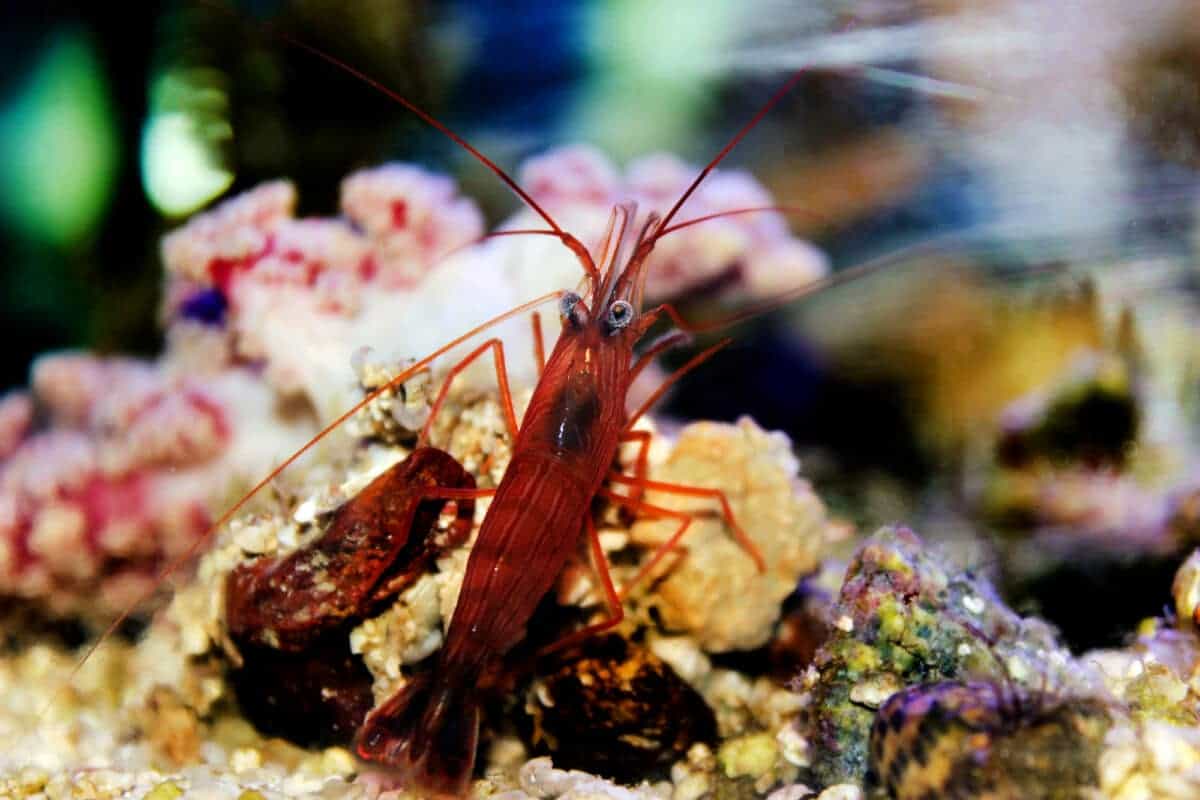
The pistol shrimp may only be a few centimeters long, but it packs a punch—literally. With a snap of its claw, it creates a bubble that bursts with a sound louder than a gunshot. This sonic blast can stun or kill prey instantly. The shrimp also uses its powerful claw to dig burrows, creating safe homes in the ocean floor. Its combination of offensive and defensive skills makes it a true little warrior of the sea.
13 Fairyfly Micro Wasp Marvel

Fairyflies are some of the smallest insects, but their survival tactics are huge. These wasps lay their eggs inside the eggs of other insects, giving their offspring a safe place to grow and an instant food source. Their minuscule size lets them go unnoticed, sneaking past predators and hosts alike. Despite being nearly invisible to the naked eye, fairyflies play a vital role in keeping pest populations in check.
12 Golden Poison Dart Frog Toxic Defender

The golden poison dart frog is small but deadly. Its skin contains enough poison to kill several humans—one of the most toxic animals alive. This chemical armor deters predators, giving the frog a bold confidence as it hops through rainforests. The bright color warns would-be attackers to stay away, proving that sometimes the best defense is a good offense. These frogs don’t just survive—they rule their patch of jungle.
11 Common Ant Social Strategist

Ants may seem ordinary, but their survival tactics are extraordinary. Living in massive colonies, ants use teamwork to build complex nests, defend territory, and gather food. They communicate using chemicals and touch, coordinating like a well-oiled machine. Some ants farm fungi, others herd aphids, and a few even raid rival nests. Their social structure and adaptability allow them to thrive almost anywhere on Earth, from deserts to rainforests.
10 Springtail Jumping Escape Artist

Springtails are tiny soil-dwellers known for their ability to leap away from danger. Using a forked appendage called a furcula, they can launch themselves several times their body length in an instant. This spring-loaded escape keeps them safe from hungry predators. Springtails also play a vital role in soil health, breaking down organic matter and recycling nutrients. Their survival depends on their quick jumps and their unsung work in the dirt beneath our feet.
9 Desert Rain Frog Nighttime Specialist

The desert rain frog survives in one of the harshest places on Earth—the Namib Desert. It comes out at night, avoiding the scorching sun, and absorbs moisture from the fog and damp sand. Its round, squishy body helps retain water, and its high-pitched squeak warns off predators. By burrowing underground during the day, this tiny amphibian escapes extreme heat and dehydration. Its adorable appearance hides a fierce will to live in an unforgiving landscape.
8 Mouse Lemur Nocturnal Navigator

Mouse lemurs are the world’s smallest primates, darting through Madagascar’s forests under cover of darkness. Their big eyes help them see in the dark, and their keen sense of smell guides them to food. They leap from branch to branch, avoiding predators on the ground. During tough times, mouse lemurs can enter torpor, slowing their metabolism to conserve energy. These little acrobats prove that sometimes, the night is the safest place to be.
7 Pygmy Marmoset Tree-Top Acrobat

The pygmy marmoset, also known as the finger monkey, lives high in the Amazon’s trees. Weighing just over 100 grams, it can leap incredible distances and cling to the thinnest branches. Its sharp claws and rotating ankles allow it to maneuver with the skill of a circus performer. Pygmy marmosets feed on sap, insects, and fruit, using their small size to access food larger animals can’t reach. Their agility and resourcefulness keep them one step ahead in the treetop jungle.
6 Dwarf Lanternshark Deep-Sea Lurker

The dwarf lanternshark is the smallest shark in the world, rarely exceeding 8 inches. Living deep in the ocean, it glows with bioluminescent patches that help it blend in with faint light from above. This camouflage shields it from larger predators and helps it sneak up on prey. The lanternshark’s small size means it needs less food, and it can hide in cracks and crevices far out of reach. In a world where most creatures are blind, glowing in the dark is the ultimate survival trick.
5 Bee Hummingbird Mighty Miniature

The bee hummingbird is the tiniest bird on the planet, but it’s a powerhouse in flight. Its wings beat up to 80 times per second, allowing it to hover and dart from flower to flower with precision. This fast metabolism means it must eat constantly, sipping nectar and snapping up insects for protein. Despite their size, bee hummingbirds migrate long distances and defend their territory fiercely. Their energy and determination are nothing short of inspiring.
4 Coral Polyps Reef Builders

Coral polyps are small, soft-bodied animals that build massive coral reefs, some stretching for miles. Each polyp secretes a hard skeleton, and together, they create underwater cities teeming with life. These colonies protect coastlines, provide homes for thousands of species, and withstand powerful storms. Coral polyps survive by forming partnerships with algae, which provide them with energy. Their teamwork and engineering skills prove that even the tiniest creatures can shape the world.
3 Emperor Tamarin Mustachioed Mastermind

The emperor tamarin is a small monkey with a big personality—and an even bigger mustache. Living in groups, they rely on social bonds for protection and cooperation. These tamarins use vocal calls to warn each other of danger and share food to support the group. Their playful agility helps them escape predators, and their intelligence allows them to adapt to changing environments. The emperor tamarin’s secret is simple: survival is better with friends.
2 Speckled Padloper Tortoise Shell Fortress

The speckled padloper tortoise is the smallest tortoise in the world, barely bigger than a golf ball. Its shell is a fortress, protecting it from birds and mammals that might see it as a snack. When threatened, the padloper retreats completely inside, becoming almost invisible among rocks and grasses. It survives on limited water and tough desert plants, making the most of scarce resources. This tiny tortoise reminds us that sometimes, slow and steady really does win the race.
1 Pygmy Jerboa Desert Acrobat

The pygmy jerboa is a mouse-sized rodent with long legs and a tail for balance. Living in Asian deserts, it avoids extreme heat by being active at night. Its powerful hind legs let it hop incredible distances, escaping predators with zigzag jumps. The jerboa’s large ears help it hear danger coming, and its burrows provide shelter from sandstorms. Despite its size, this little acrobat survives where few others can, proving that big leaps often start small.
Conclusion

These 20 tiny animals show us that survival isn’t about being the biggest or the strongest—it’s about being clever, resourceful, and sometimes just a little bit bold. Their stories remind us that even the smallest creatures can leave a giant mark on the world. Which one surprised you the most?

As a little kid, I fell in love with nature, wildlife, and animals. Living in the USA, South Africa, Italy, China and Germany gave me the opportunity to discover the world's Wildlife. My favorite animals are Mountain Gorillas, Siberian Tigers, and Great White Sharks.
I'm a certified PADI Open Water Diver, went to Everest Base Camp and Trekked Gorillas in Uganda. I hold a Master of Science in Economics and Finance.
Please send any feedback to feedback@animalsaroundtheglobe.com
- 10 Most Unique Reptiles You will See in the US - July 21, 2026
- 3 Dangerous Invasive Species the USA Must Eradicate - July 21, 2026
- 10 Things That Calm Cats And 4 That Make Them Nervous - July 21, 2026