


The American lobster, scientifically known as Homarus americanus, is one of the most iconic marine creatures along the North Atlantic coast. These remarkable crustaceans have captured human fascination for centuries, appearing in cuisine, culture, and conservation efforts. While many people recognize lobsters primarily as a delicacy on dinner plates, these complex creatures harbor numerous surprising characteristics and adaptations that make them truly extraordinary inhabitants of our oceans. From their impressive longevity to their unusual biological features, American lobsters represent a fascinating example of evolutionary success in marine environments. Let’s dive deep into the mysterious world of these ocean-dwelling arthropods and explore fifteen fascinating facts that reveal just how remarkable American lobsters truly are.
15. Extraordinary Longevity
American lobsters are among the longest-living creatures on the planet. While the average lobster in the wild typically lives between 30-50 years, there is substantial evidence suggesting they can live much longer under ideal conditions. In 2009, a lobster nicknamed “George” was caught off the coast of Newfoundland and was estimated to be approximately 140 years old based on size and other factors. Unlike many animals, lobsters don’t show typical signs of aging or senescence. They continue to grow, reproduce, and maintain metabolic vigor throughout their lives, leading some scientists to describe them as “biologically immortal” – though they do eventually die from disease, predation, or environmental stressors. This remarkable longevity is partially attributed to their continuous production of telomerase, an enzyme that helps protect their DNA during cell division.
14. Continuous Growth Throughout Life

Unlike mammals that stop growing after reaching adulthood, American lobsters continue to grow throughout their entire lives through a process called molting. During molting, lobsters shed their rigid exoskeleton, expand their soft bodies, and then harden a new, larger shell. Young lobsters may molt up to 25 times in their first five years of life, but as they age, the molting frequency decreases to once every 1-3 years. The largest verifiable American lobster on record weighed an astonishing 44 pounds and was estimated to be over 100 years old when caught off Nova Scotia in 1977. This continuous growth pattern means that theoretically, there is no upper limit to how large a lobster could become if it lived long enough and had sufficient resources – though practical constraints like predation and the energy demands of molting ultimately limit size in natural populations.
13. Blue Blood with Copper

One of the most unusual physiological characteristics of American lobsters is their blue blood. Unlike humans and other vertebrates that use hemoglobin (an iron-containing protein) to transport oxygen, lobsters utilize hemocyanin, which contains copper instead of iron. When this copper-based protein binds with oxygen, it turns the blood a striking blue color. This adaptation is particularly efficient in cold, oxygen-poor environments like the deep ocean floors where lobsters often dwell. The hemocyanin in lobster blood is dissolved directly in their hemolymph (the equivalent of blood in invertebrates) rather than contained within blood cells as hemoglobin is in red blood cells. This system provides effective oxygen transport in the cold-water environments where American lobsters thrive, demonstrating how evolution has produced dramatically different solutions to the same biological challenge across different animal groups.
12. Incredible Sense of Smell
American lobsters possess one of the most sophisticated olfactory systems in the marine world. Their primary “nose” consists of specialized sensory hairs called aesthetascs located on their antennules (smaller antennae). These hairs are so sensitive that lobsters can detect amino acids and other compounds in seawater at concentrations as low as a few parts per billion – equivalent to finding a single drop in an Olympic-sized swimming pool. This remarkable sense of smell serves multiple crucial functions: it helps lobsters locate food sources from great distances, identify potential mates, detect predators, and navigate their underwater terrain. Research has shown that lobsters can follow chemical gradients in the water to find the exact source of an odor, which is particularly important during mating season when females release pheromones to attract males. This extraordinary chemosensory ability compensates for their relatively poor vision and allows them to thrive in the often murky depths of the Atlantic Ocean.
11. Asymmetrical Claws with Specialized Functions
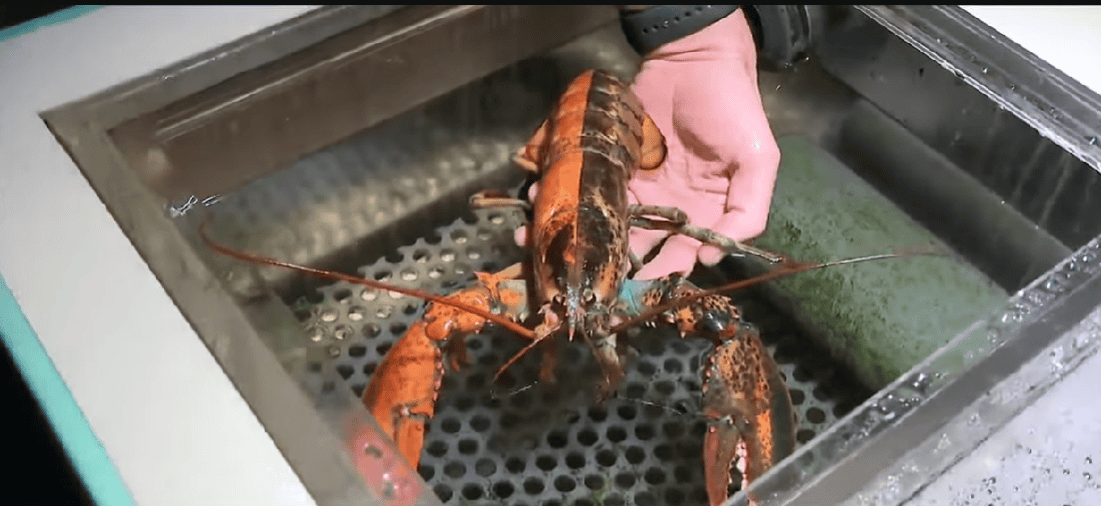
One of the most distinctive features of American lobsters is their asymmetrical claws, with each specialized for different functions. The larger, heavier claw with blunt teeth is known as the “crusher” claw, designed for breaking open hard-shelled prey like clams, mussels, and sea urchins. It can exert pressure of up to 100 pounds per square inch – strong enough to break a human finger. The smaller, more slender claw with sharp, fine teeth is called the “cutter” or “seizer” claw, which is used for tearing soft foods, manipulating objects, and self-defense. Interestingly, these specialized claws can develop on either the right or left side – about half of all lobsters are “right-handed” and half are “left-handed.” If a lobster loses a claw, it can regenerate over several molts, though the new claw may be slightly smaller. Even more remarkably, if a lobster loses its crusher claw, the remaining cutter claw will gradually transform into a crusher, while the regenerating claw develops as a cutter – demonstrating the lobster’s impressive physiological adaptability.
10. Remarkable Color Variations

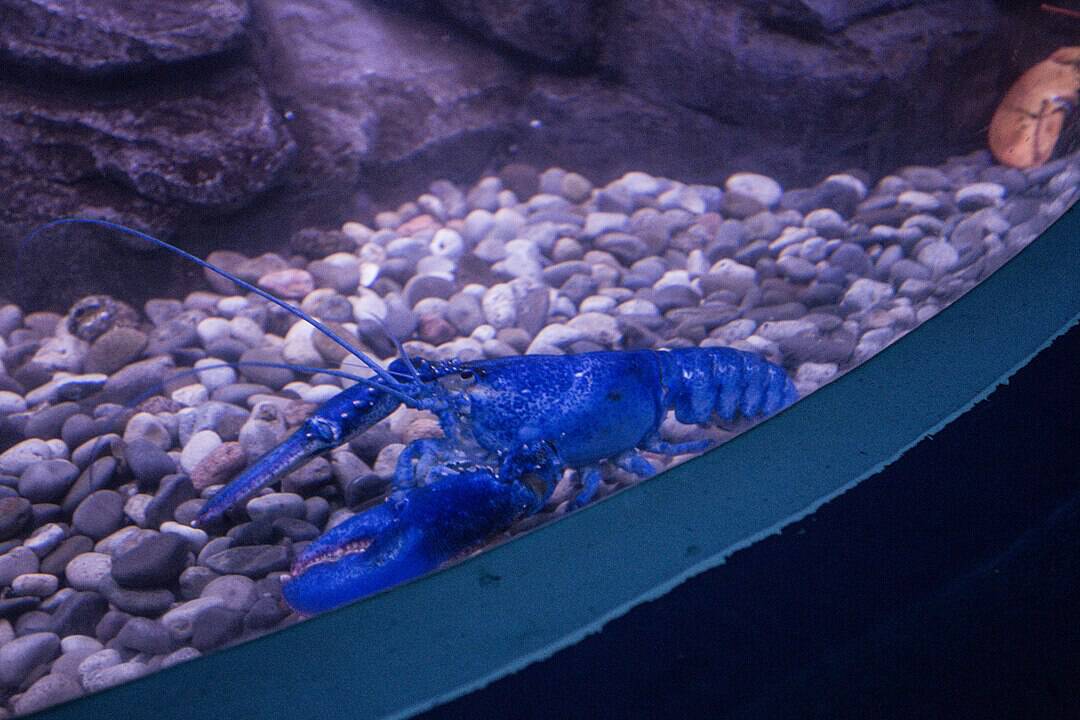
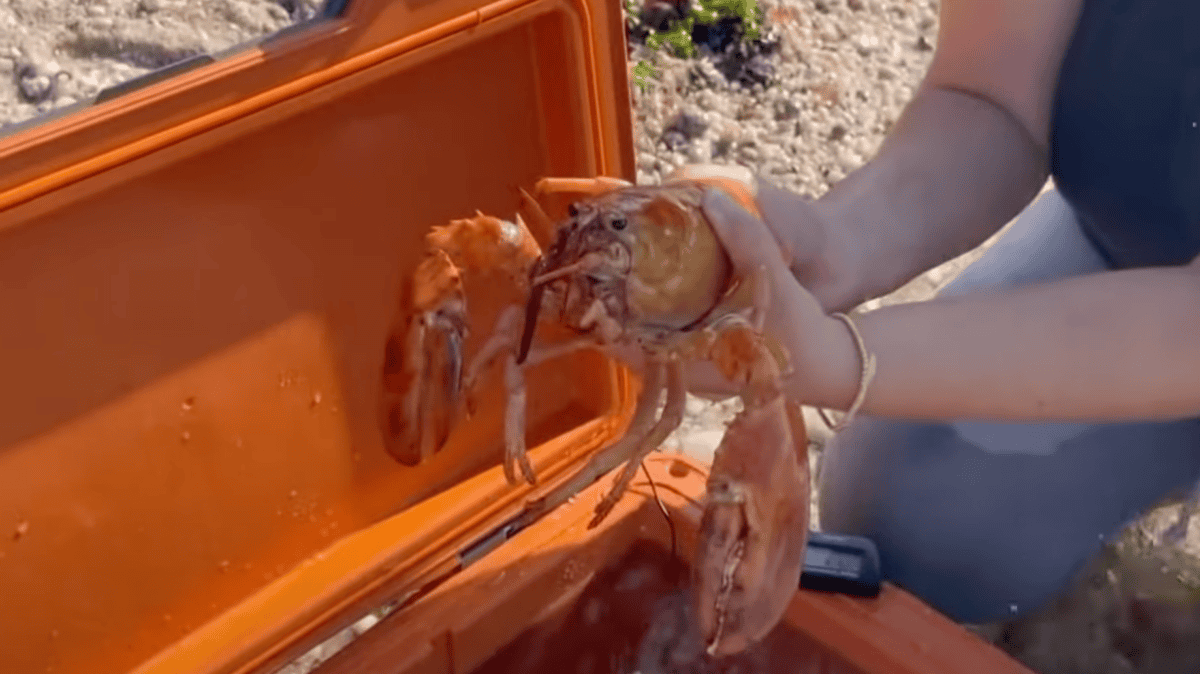
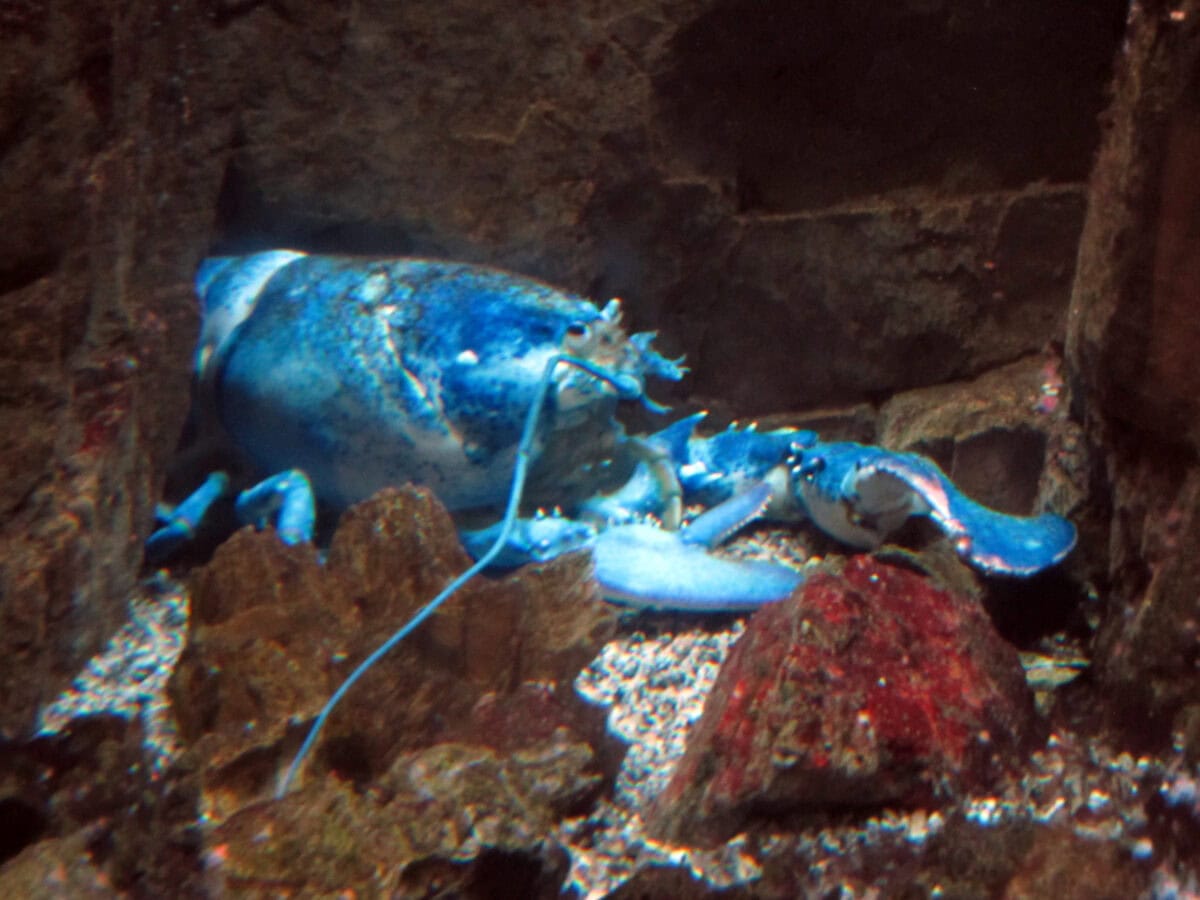
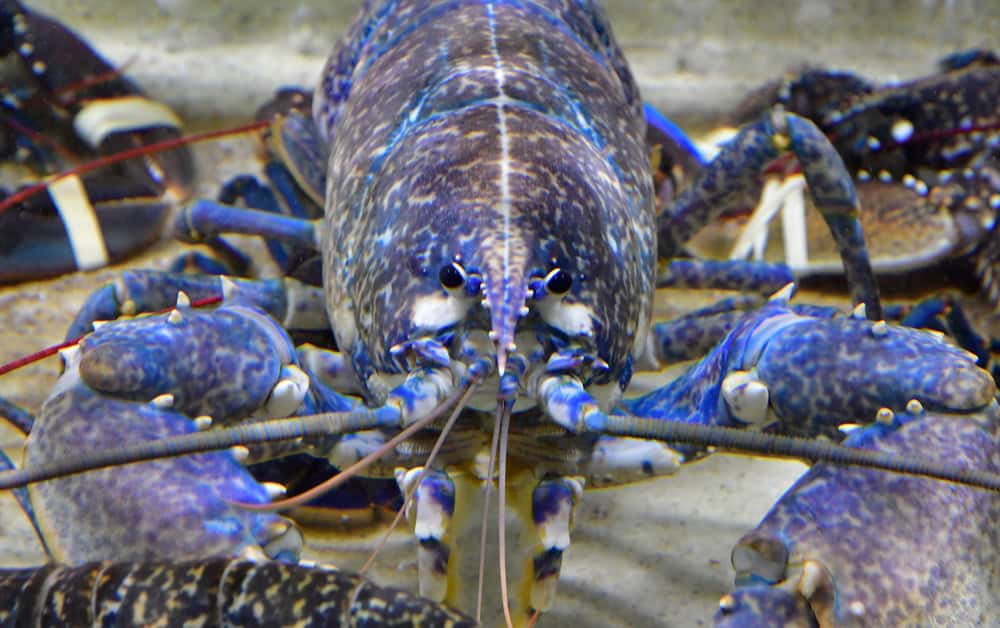
While most people picture lobsters as bright red creatures, this coloration only appears after cooking. Live American lobsters typically display a mottled dark greenish-brown exoskeleton that provides excellent camouflage against the ocean floor. However, natural genetic mutations occasionally produce striking color variants that are extremely rare in the wild. Blue lobsters occur approximately once in every two million lobsters due to a genetic anomaly that causes an overproduction of a certain protein. Even rarer are yellow or “banana” lobsters (approximately one in 30 million), calico lobsters with mottled orange and black shells (one in 30 million), split-colored lobsters with different colors on each side of their body (one in 50 million), and the extraordinarily rare albino or “crystal” lobsters (about one in 100 million). These unusual specimens are highly prized by aquariums and research facilities and are typically spared from becoming seafood. The pigment responsible for these colors, astaxanthin, is normally bound to proteins in the shell; when heated during cooking, these proteins denature, releasing the pigment and creating the characteristic bright red color associated with cooked lobster.
9. Sophisticated Social Hierarchies

Contrary to their solitary reputation, American lobsters engage in complex social interactions and establish sophisticated dominance hierarchies within their habitats. These hierarchies are primarily determined through aggressive encounters where lobsters assess each other’s size, strength, and overall health. During these confrontations, lobsters engage in ritualized displays including antenna whipping, claw raising, and sometimes physical combat. The winners gain priority access to the best shelters, feeding grounds, and mating opportunities. Research has revealed that lobsters can recognize and remember individual opponents they’ve encountered before, adjusting their behavior accordingly when they meet again. They communicate their status through chemical signals in their urine, which they can direct forward through specialized nozzles beneath their eyes. When a dominant lobster detects the chemical signature of a lobster it has previously defeated, it may choose not to engage in combat again, thus preserving energy. This chemical communication system represents one of the most sophisticated forms of social recognition among invertebrates and challenges our understanding of crustacean cognition.
8. Teeth in Their Stomachs

One of the most unusual anatomical features of American lobsters is their gastric mill – essentially, a set of teeth located in their stomachs rather than their mouths. This specialized structure consists of three calcified plates that grind food into smaller particles after it has been torn apart by the lobster’s mouthparts and claws. These stomach teeth work somewhat like a mortar and pestle, crushing and grinding food to facilitate digestion. Even more remarkably, when a lobster molts, it not only sheds its external exoskeleton but also the lining of its digestive tract, including these stomach teeth, which are then regenerated. The discarded teeth can sometimes be found in the empty molt shell. This digestive adaptation allows lobsters to efficiently process a wide variety of foods, from tough shellfish to soft-bodied marine worms and plant matter. The gastric mill exemplifies the evolutionary innovation that has helped American lobsters become such successful and adaptable creatures in their marine environment.
7. Remarkable Regenerative Abilities
American lobsters possess extraordinary regenerative capabilities that far exceed those of most animals. They can regrow lost limbs, antennae, and even eyes over the course of several molts. This regeneration process begins immediately after an appendage is lost or damaged, with a protective membrane forming over the wound to prevent excessive blood loss. During subsequent molts, the lobster gradually regrows the missing part, though it may take several molt cycles for the appendage to return to its original size. Perhaps most impressive is the lobster’s ability to self-amputate limbs through a process called autotomy when trapped or threatened – a defense mechanism known as the “molt and run” strategy. Special fracture planes in their limbs allow for clean breaks with minimal tissue damage and blood loss. Some lobsters have been documented with regenerated claws that are different in size or shape from the originals, creating unusual asymmetries. This remarkable regenerative capacity has attracted significant scientific interest, with researchers studying lobster regeneration for potential applications in human medicine and regenerative therapies.
6. Brain in Their Throat
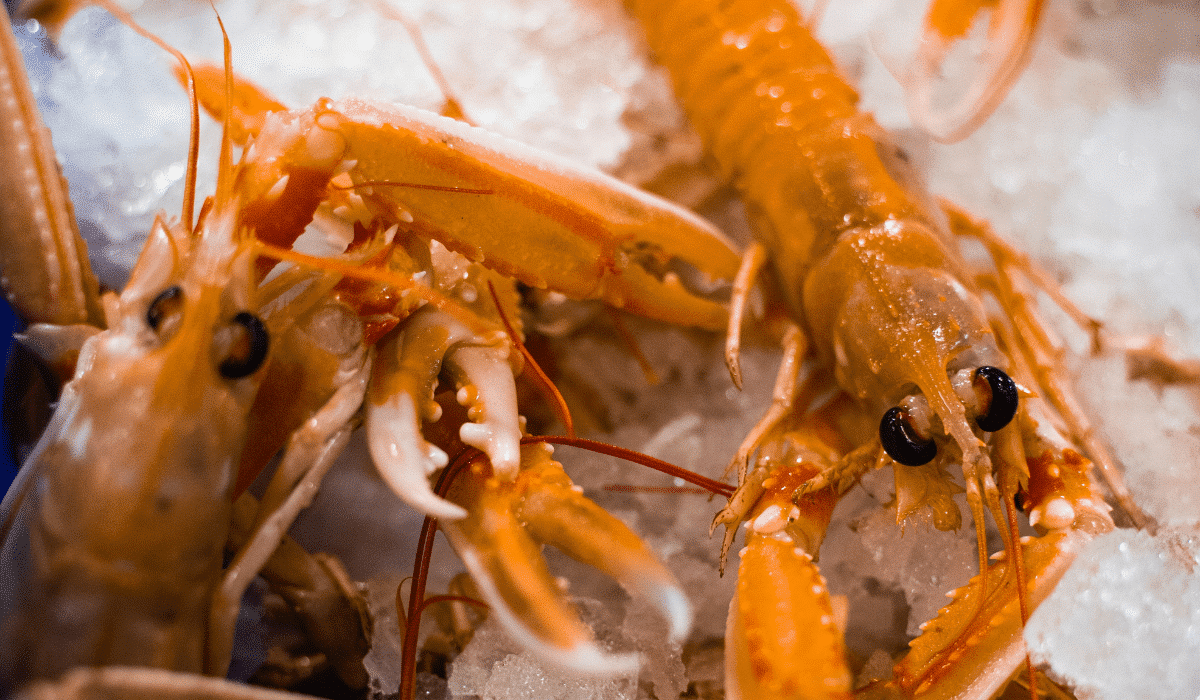
The nervous system of American lobsters features a highly unusual arrangement that differs dramatically from vertebrate anatomy. Rather than having a centralized brain in the head, lobsters possess a distributed nervous system with their “brain” essentially consisting of a ring of ganglia (nerve cell clusters) that encircles their esophagus – literally putting their brain in their throat. From this central ring, a ventral nerve cord runs along the body’s underside, with paired ganglia in each segment that control different body regions. This decentralized arrangement means that even if a lobster’s main ganglia are damaged, parts of the body can still function independently. For instance, a severed lobster tail can still respond to stimuli and perform swimming movements. Despite this seemingly primitive arrangement, lobsters display surprisingly sophisticated behaviors, including complex social interactions, spatial learning, and memory. Research has shown they can remember the location of shelters, recognize familiar individuals, and learn to associate certain stimuli with rewards or punishments, challenging our understanding of what types of nervous systems are necessary for complex behavior.
5. Unusual Reproductive Biology

American lobsters exhibit fascinating reproductive behaviors and strategies that set them apart from many other marine creatures. Female lobsters are selective about their mates, typically choosing the most dominant males in their vicinity. However, before mating can occur, the female must first molt, as copulation can only happen when her shell is soft. To protect the vulnerable female during this dangerous period, mating pairs will cohabitate for up to two weeks, with the male guarding the female before and after she molts. The actual mating process involves the male depositing his sperm packets into the female’s seminal receptacle, where they can remain viable for up to two years. This allows females to fertilize multiple batches of eggs from a single mating event. When ready to reproduce, the female releases eggs from her ovaries and passes them through the stored sperm. The fertilized eggs, numbering anywhere from 5,000 to 100,000 depending on the female’s size, then attach to special swimmerets under her tail where they remain for 9-12 months. During this period, the female is said to be “berried” due to the eggs’ resemblance to small berries. This extended maternal care significantly increases the survival chances of the offspring in the harsh marine environment.
4. Environmental Indicators

American lobsters serve as valuable bioindicators for monitoring ocean health and environmental changes. As long-lived bottom-dwellers that don’t migrate extensively, they effectively record the conditions of their local marine environment over extended periods. Scientists study lobster populations to track various environmental factors, including ocean warming, acidification, pollution levels, and ecosystem shifts. In recent decades, researchers have observed concerning trends in lobster health and distribution patterns that correlate with changing ocean conditions. Rising water temperatures have been pushing lobster populations northward, with once-abundant southern populations in Long Island Sound and southern New England experiencing significant declines while Maine and Canadian stocks have flourished. Lobsters are also particularly sensitive to ocean acidification, which can affect shell formation during molting. Additionally, they bioaccumulate environmental toxins and heavy metals in their tissues, making them useful for monitoring pollution levels. The prevalence of shell disease, a bacterial infection that causes lesions in lobster shells, has increased in warmer waters, providing another indicator of changing marine conditions. By studying these trends in lobster populations, scientists gain valuable insights into broader oceanic health and the impacts of climate change on marine ecosystems.
3. Cultural and Economic Significance
American lobsters have profound cultural and economic importance throughout the northeastern United States and Atlantic Canada. Historically considered a food of the poor or used as fertilizer and fish bait, lobster underwent a dramatic transformation in the late 19th century to become a luxury delicacy. Today, the lobster industry generates over $1.5 billion annually in the United States alone, supporting thousands of jobs and becoming integral to the identity of coastal communities, particularly in Maine where the lobster appears on license plates and tourism materials. Beyond its economic value, the lobster has become deeply embedded in regional culture, celebrated in festivals like Maine’s Lobster Festival that attracts tens of thousands of visitors annually. The lobster boat and trap have become iconic symbols of northeastern maritime heritage, with generations of families participating in the fishery. This cultural significance extends to cuisine, where traditional preparations like the lobster roll and lobster boil have become culinary institutions. The industry has also pioneered sustainable fishing practices, including throw-back requirements for egg-bearing females and undersized lobsters, making it one of the more environmentally responsible fisheries. This combination of economic importance and cultural heritage has made the American lobster not just a valuable resource but a defining symbol of northeastern coastal identity.
2. Advanced Sensory Systems

American lobsters possess an array of sophisticated sensory systems that allow them to navigate and survive in their complex marine environments. Beyond their extraordinary sense of smell, lobsters have specialized sensory hairs called setae covering much of their body that can detect water currents, vibrations, and even slight changes in pressure. These setae are particularly concentrated on their claws and antennae, giving them a form of “touch at a distance” that helps them navigate in dark or murky waters. Their compound eyes, though unable to form detailed images, are highly sensitive to movement and can detect very low light levels, an adaptation for their often dim habitat. Perhaps most remarkably, lobsters possess statocysts – balance organs located at the base of their antennae that contain small grains of sand they collect from the environment. These organs function similarly to the human inner ear, helping lobsters maintain proper orientation. Additionally, research suggests lobsters may be able to detect Earth’s magnetic field, potentially aiding in navigation. Some studies indicate they might even perceive the infrared spectrum, though this remains under investigation. This multi-faceted sensory suite represents an evolutionary masterpiece that enables lobsters to thrive in challenging underwater environments despite lacking what we would consider traditional “advanced” senses like mammalian vision or hearing.
1. Ecological Role as Keystone Predators
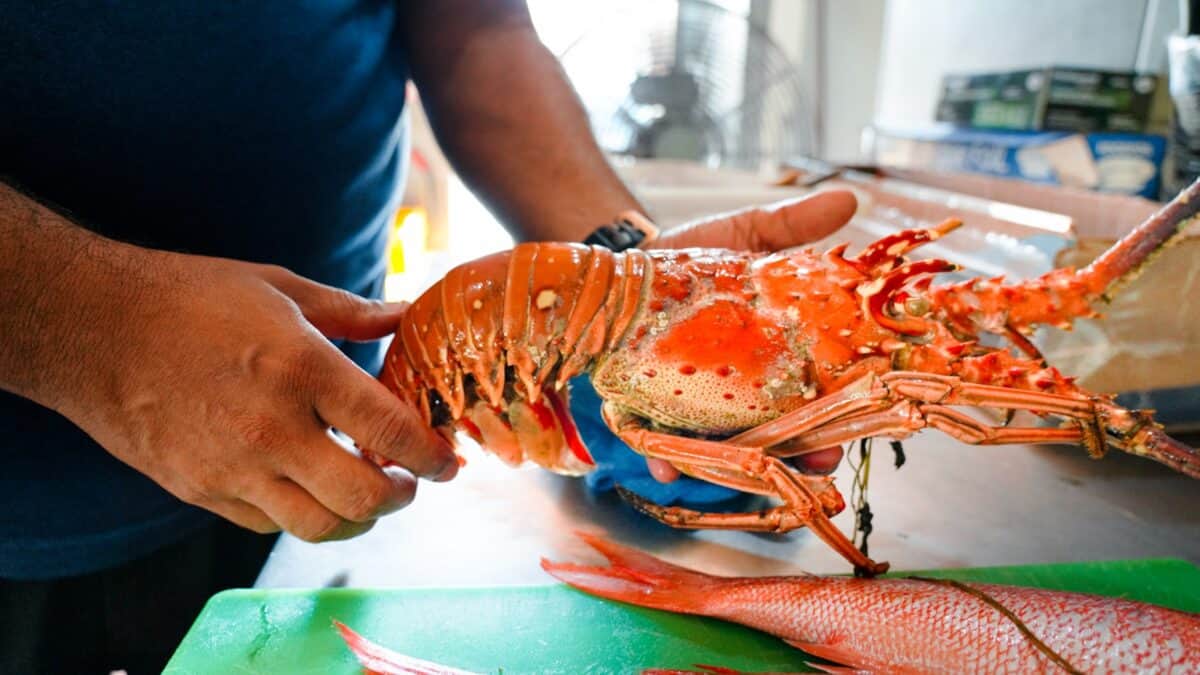
American lobsters play a crucial ecological role as keystone predators in North Atlantic coastal ecosystems. As opportunistic omnivores, they help maintain the balance and diversity of benthic (bottom-dwelling) communities through their feeding behaviors. Lobsters consume a wide variety of prey including mollusks, sea urchins, fish, marine worms, and occasionally plant matter. By controlling sea urchin populations, which are voracious grazers of kelp and algae, lobsters indirectly protect these underwater forests that serve as critical habitat and nursery grounds for countless marine species. The feeding activities of lobsters also help cycle nutrients through the ecosystem as they break down larger food items, making organic matter available to smaller decomposers. Additionally, their burrowing behaviors modify the physical structure of the seafloor, creating microhabitats that benefit other organisms. Young lobsters serve as prey for various fish species, linking bottom-dwelling communities.
Conclusion:
The American lobster is far more than a culinary delicacy—it is a marvel of marine biology and a cornerstone of coastal ecosystems and economies. With their ancient lineage, remarkable physiology, and surprising behaviors, lobsters exemplify the complexity and adaptability of life in the ocean’s depths. From blue blood and stomach teeth to their ability to regrow limbs and perceive the Earth’s magnetic field, these crustaceans defy common assumptions about what an “invertebrate” can do. As climate change and environmental pressures reshape our oceans, the American lobster also stands as a sentinel species, reflecting broader ecological shifts that demand our attention. By appreciating and protecting these extraordinary creatures, we not only preserve a vital resource but also deepen our connection to the mysterious, ever-changing world beneath the waves.

As a little kid, I fell in love with nature, wildlife, and animals. Living in the USA, South Africa, Italy, China and Germany gave me the opportunity to discover the world's Wildlife. My favorite animals are Mountain Gorillas, Siberian Tigers, and Great White Sharks.
I'm a certified PADI Open Water Diver, went to Everest Base Camp and Trekked Gorillas in Uganda. I hold a Master of Science in Economics and Finance.
Please send any feedback to feedback@animalsaroundtheglobe.com
- 25 Loyal Dog Breeds That Will Protect You With Their Life - July 21, 2026
- 11 Monkey Antics That Prove They are Our Wildest Relatives - July 21, 2026
- 15 Animals That Plan Their Actions - July 21, 2026