


When Londoners began noticing owls hooting across city parks and suburban gardens, they probably didn’t expect to glimpse one perched outside a central London IKEA. Yet that’s exactly what happened—and the city’s growing owl presence is becoming impossible to ignore.
Spotting London’s Owls From the Ground Up
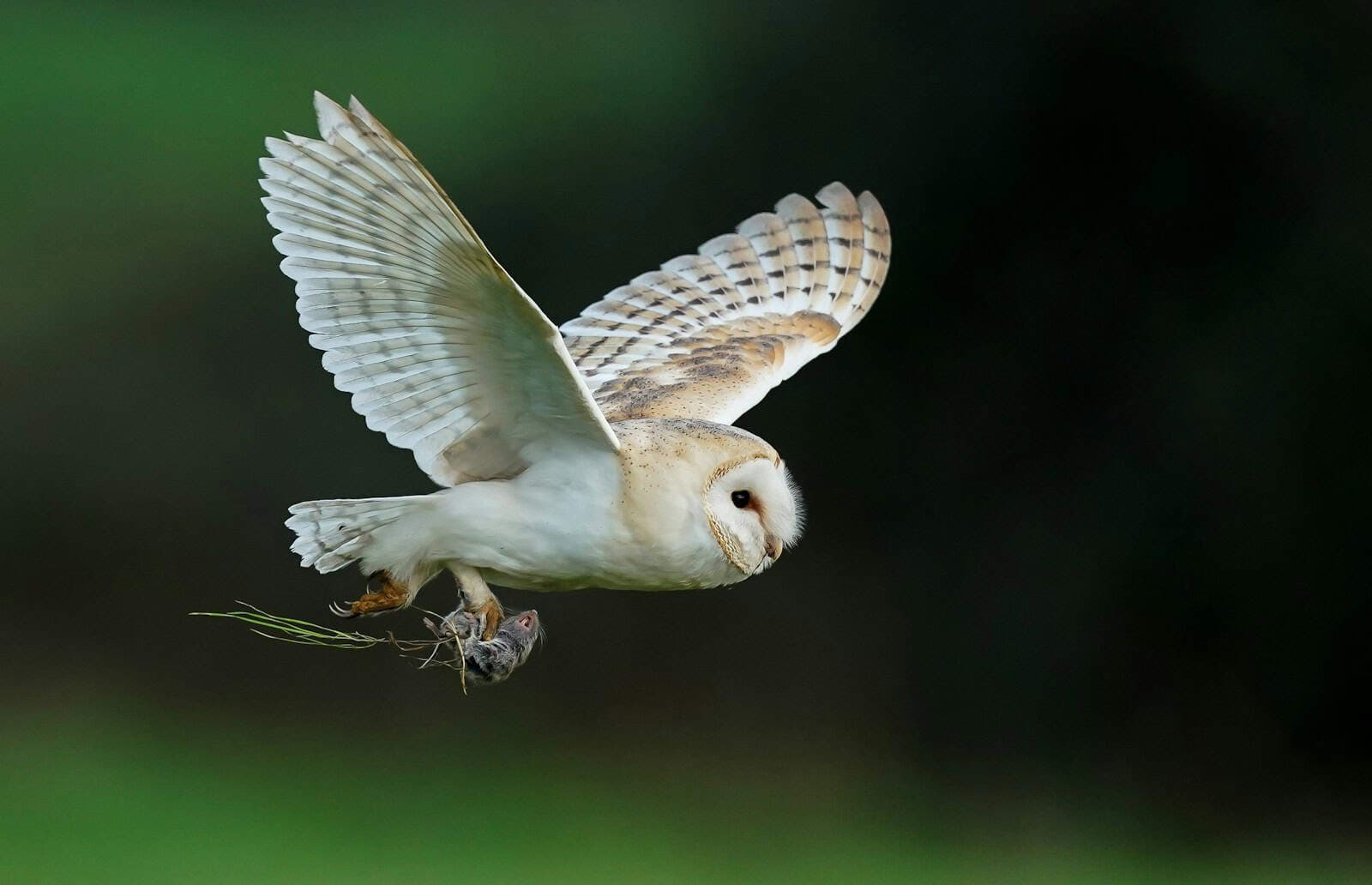
The surge in owl sightings wasn’t limited to leafy boroughs. Monitoring groups report that barn owl observations in London soared from just 25 in 2010 to 347 by 2020. Tawny owl records jumped even higher—from 159 to 894 in the same period. But it isn’t just those two: all five UK species—barn, tawny, long-eared, short-eared, and little owl—have been spotted in the capital theguardian.com.
An Owl’s Night Out: Croydon’s Surprise Visitor
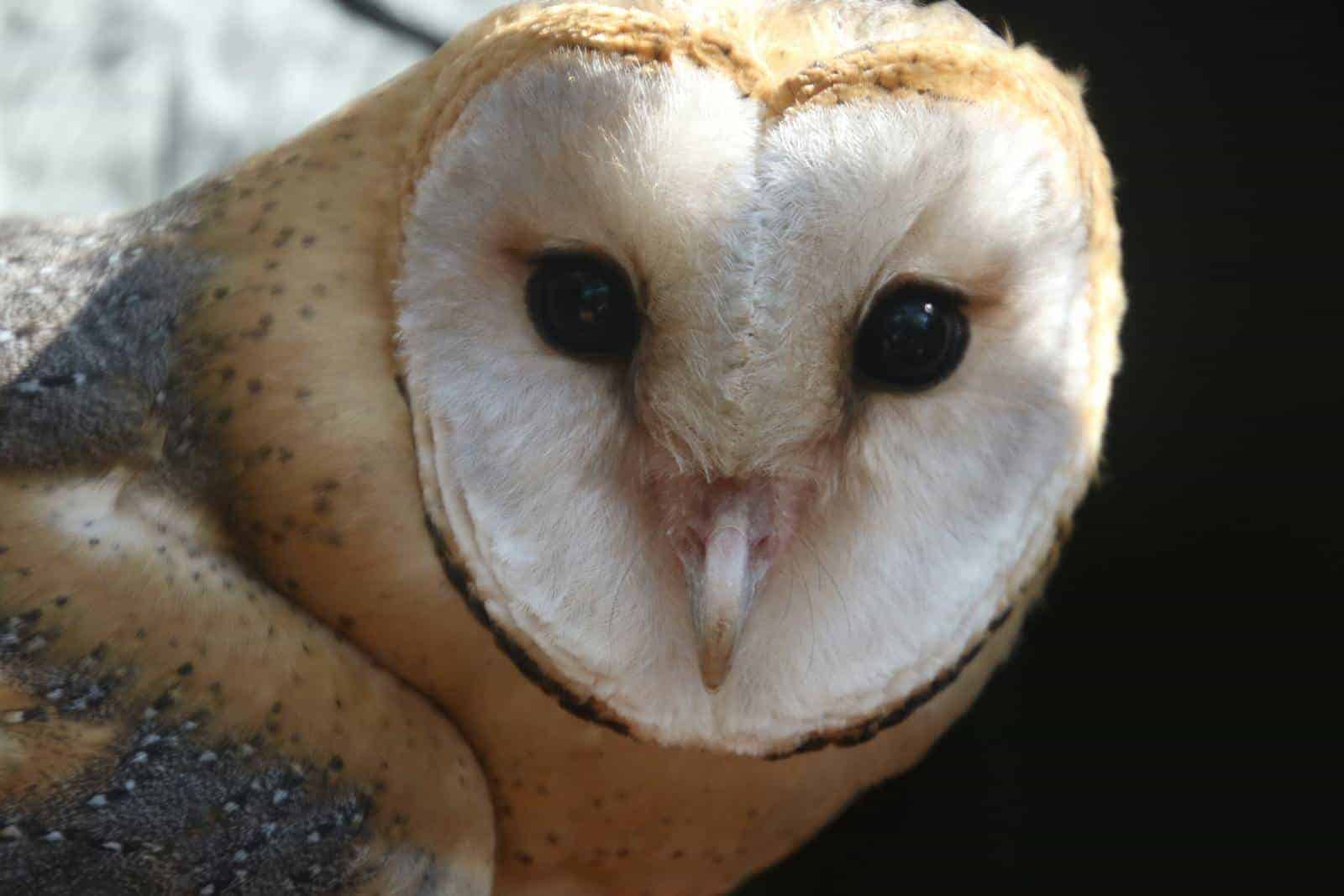
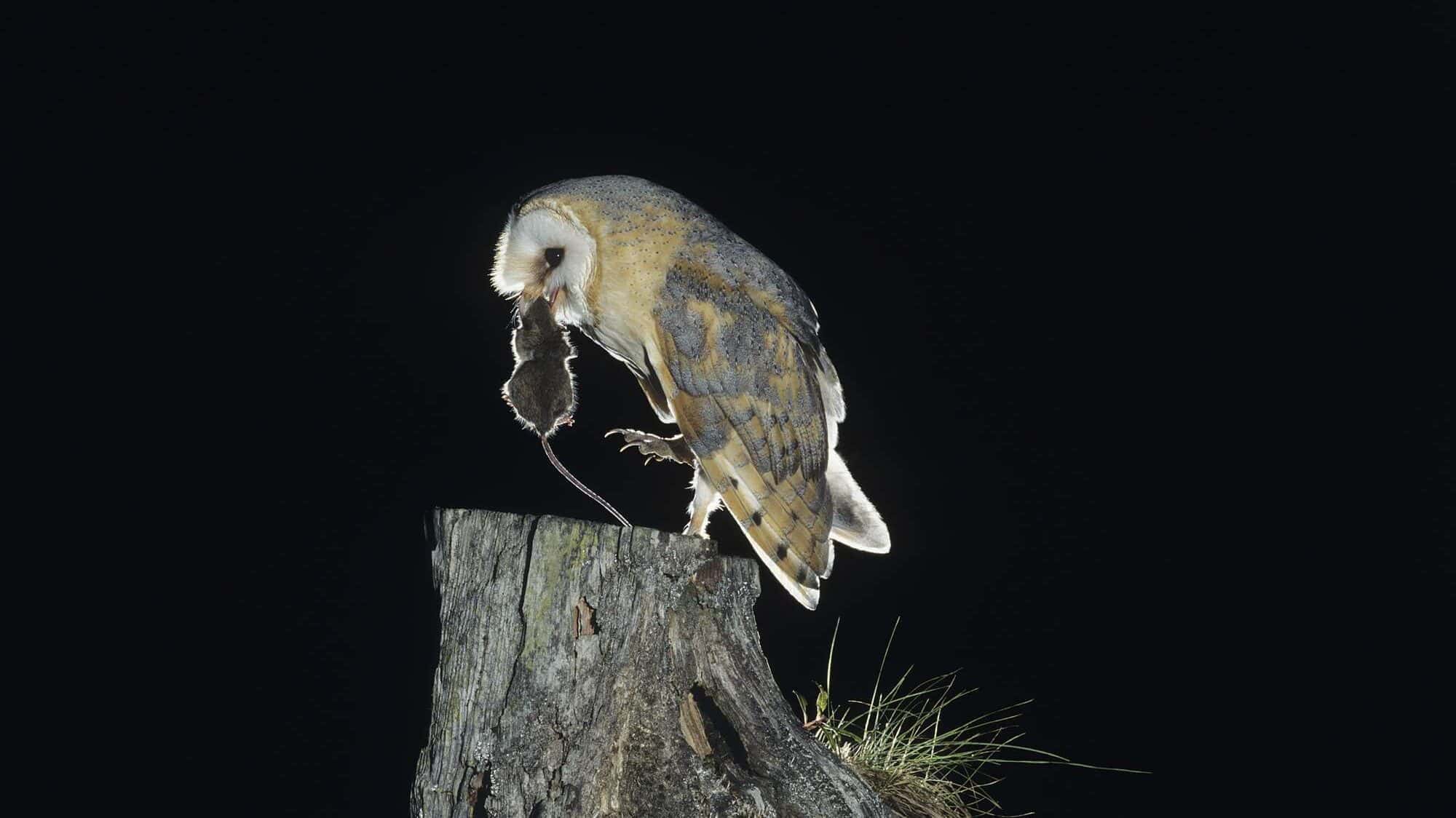
Take the story of one barn owl on the fringes of urban Croydon, just a stone’s throw from the big IKEA. At dusk, local wildlife monitor Tomos Brangwyn watched in amazement as the male owl perched on a fence, dove into the grass to hunt, and returned to the nest with a vole. “He’s feeding a roosting female and their chicks,” Brangwyn said—signs of new life thriving amid the city’s hum.
From Rural Woods to City Streets
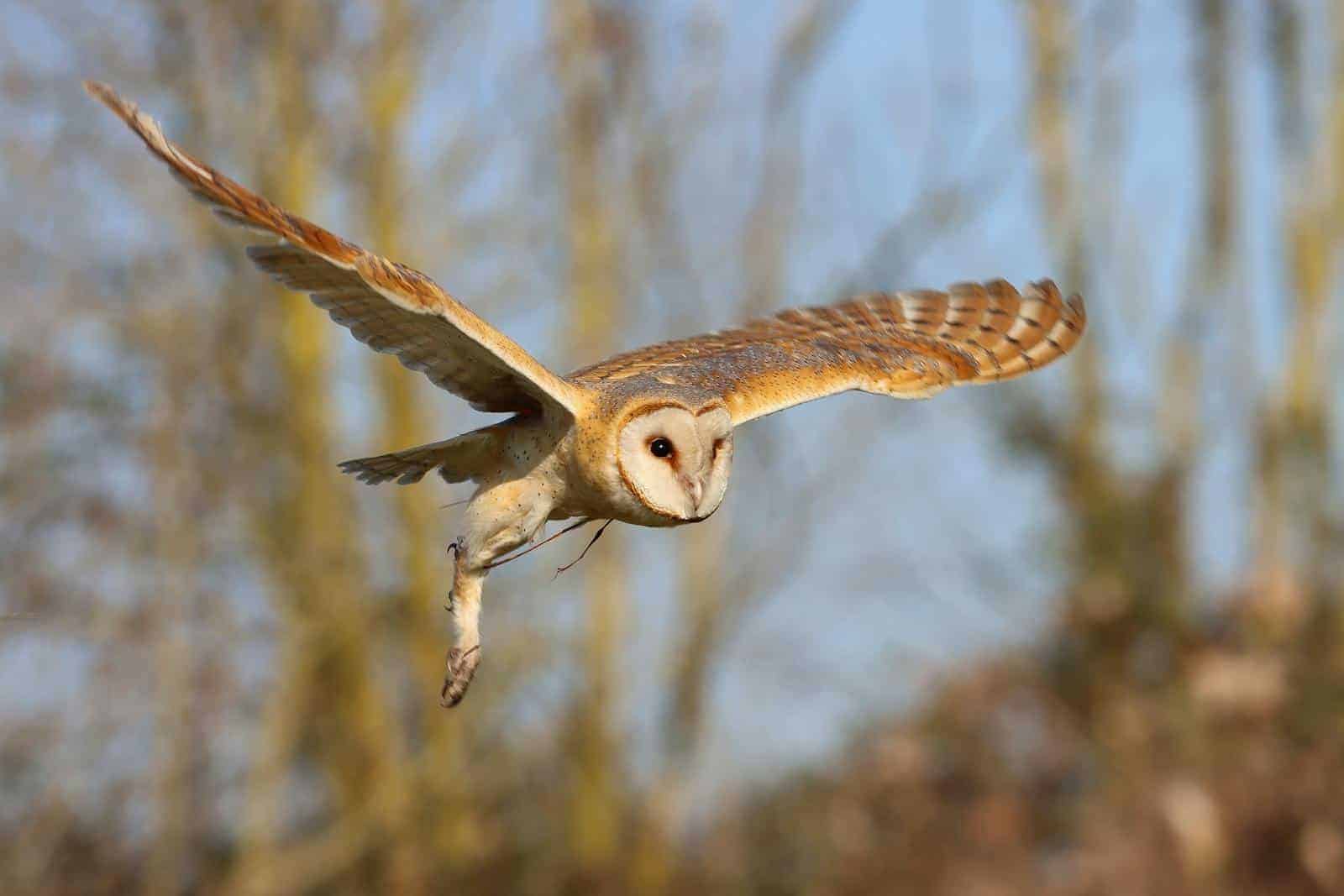
It’s easy to think of owls as silvan creatures. But sightings in places like Notting Hill, Tottenham, Deptford, and even bus stops show they’ve adapted to urban life. Barn owls, once rare; now bold. Tawny owls nest in hollow trees across the capital, at times even hunting green parakeets.
Why the Feathered Resurgence?
Conservation efforts are paying off. Installing barn-owl nest boxes and preserving hunting grounds have transformed the landscape. The British Trust for Ornithology estimates UK barn owl breeding pairs rose from about 4,000 in the mid-1990s to over 10,000 now; they’re no longer considered threatened.
A Mixed Report for Other Species
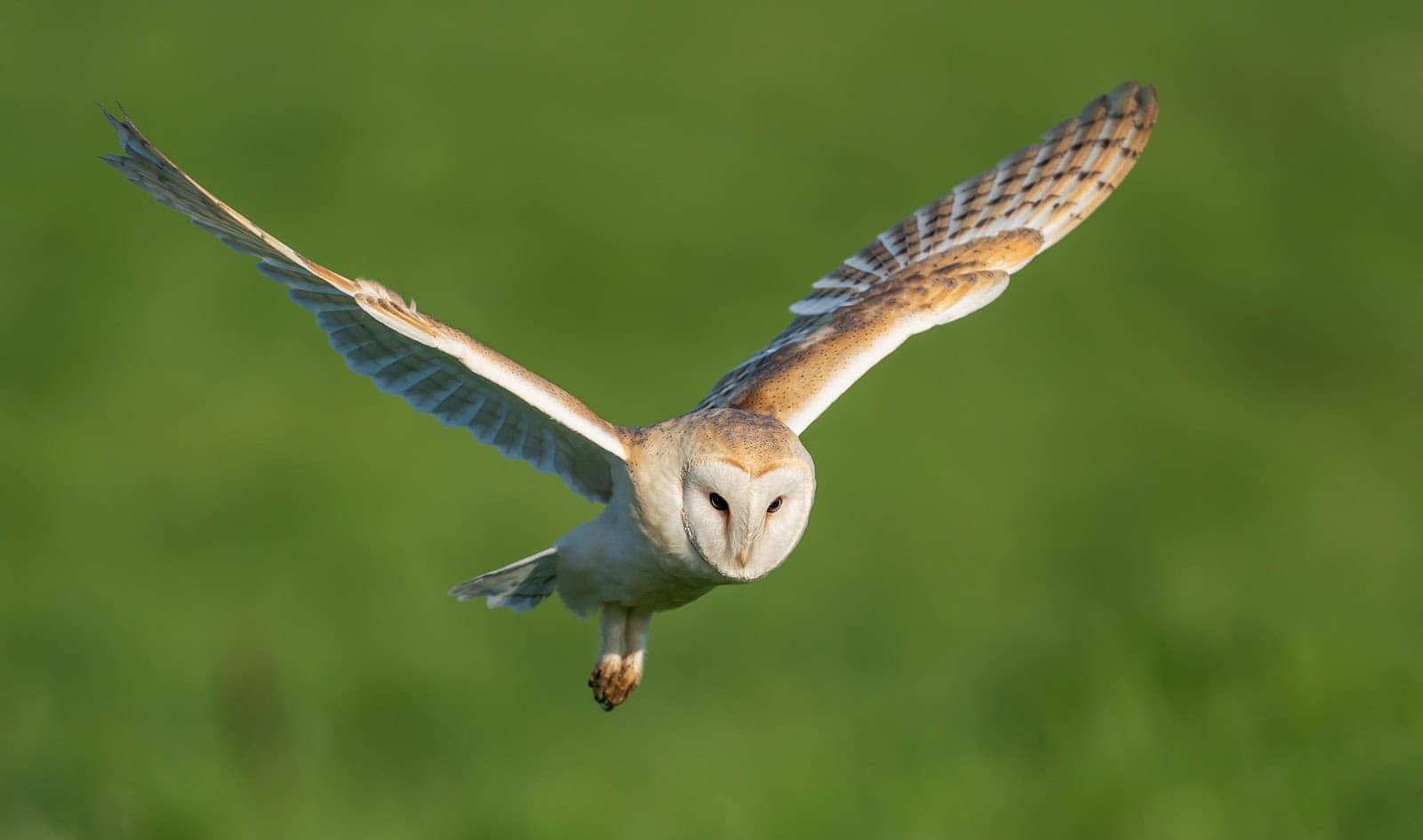
Not all owl stories are rosy. While handsome barn owls are making a comeback, some species, especially the little owl, are still in decline. Experts link this to falling insect numbers that form part of their diet . Sighting numbers may also reflect increased citizen reporting through apps and initiatives like London Wildlife Trust’s Owl Prowl.
London’s Hidden Wildness Revealed
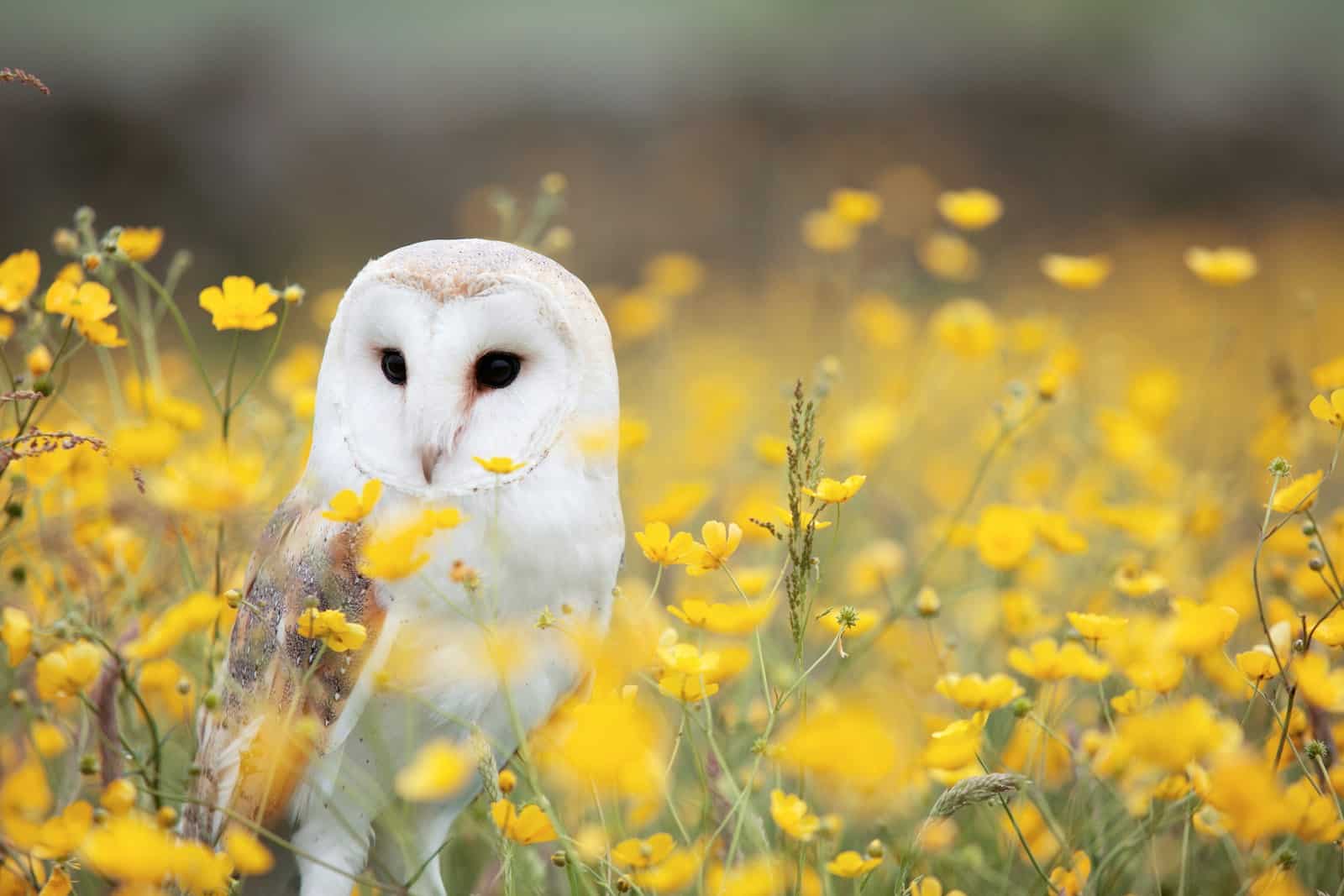
London may be a stone jungle by day, but at night, its wilder nature emerges. As GiGL’s Becky Garden says, “People might not think owls are in London. But they don’t realise how wild the city actually is” theguardian.com. If you live near green spaces—or simply sleep under starry skies—you’re more likely than you think to hear a “twit-twoo” at dusk. London’s owls remind us that we share the city with fascinating wildlife. Whether you’re in a quiet suburb or a bustling urban hub, an owl could be watching you—and now, thanks to conservation and curiosity, more of Britain’s feathered nocturnal residents are doing the same.

adventuring, photography and videography. I am currently working towards a BSc in Biodiversity and Ecology at Stellenbosch University to go on to specialise in Marine Sciences one day.
Please send any feedback to Feedback@animalsaroundtheglobe.com
- Pigeon Turns into Fashionista and Wears Bread - July 19, 2026
- Cat Gives An Unsuspecting Deer A Fright - July 19, 2026
- Are South Australia’s Toxic Algal Blooms to Blame For Sharks Coming on Shore? - July 18, 2026