


The world’s largest rodent, the capybara, presents a fascinating case study in how dental anatomy perfectly aligns with dietary needs. These semi-aquatic mammals, native to South America, have evolved a specialized set of teeth that reveals volumes about their herbivorous lifestyle. From their continuously growing incisors to their complex grinding molars, every aspect of a capybara’s dental structure serves a specific purpose in processing their plant-based diet. By examining these dental adaptations, we gain insight not only into what these charismatic creatures eat but also how they’ve evolved to thrive in their unique ecological niche.
The Basic Structure of Capybara Teeth
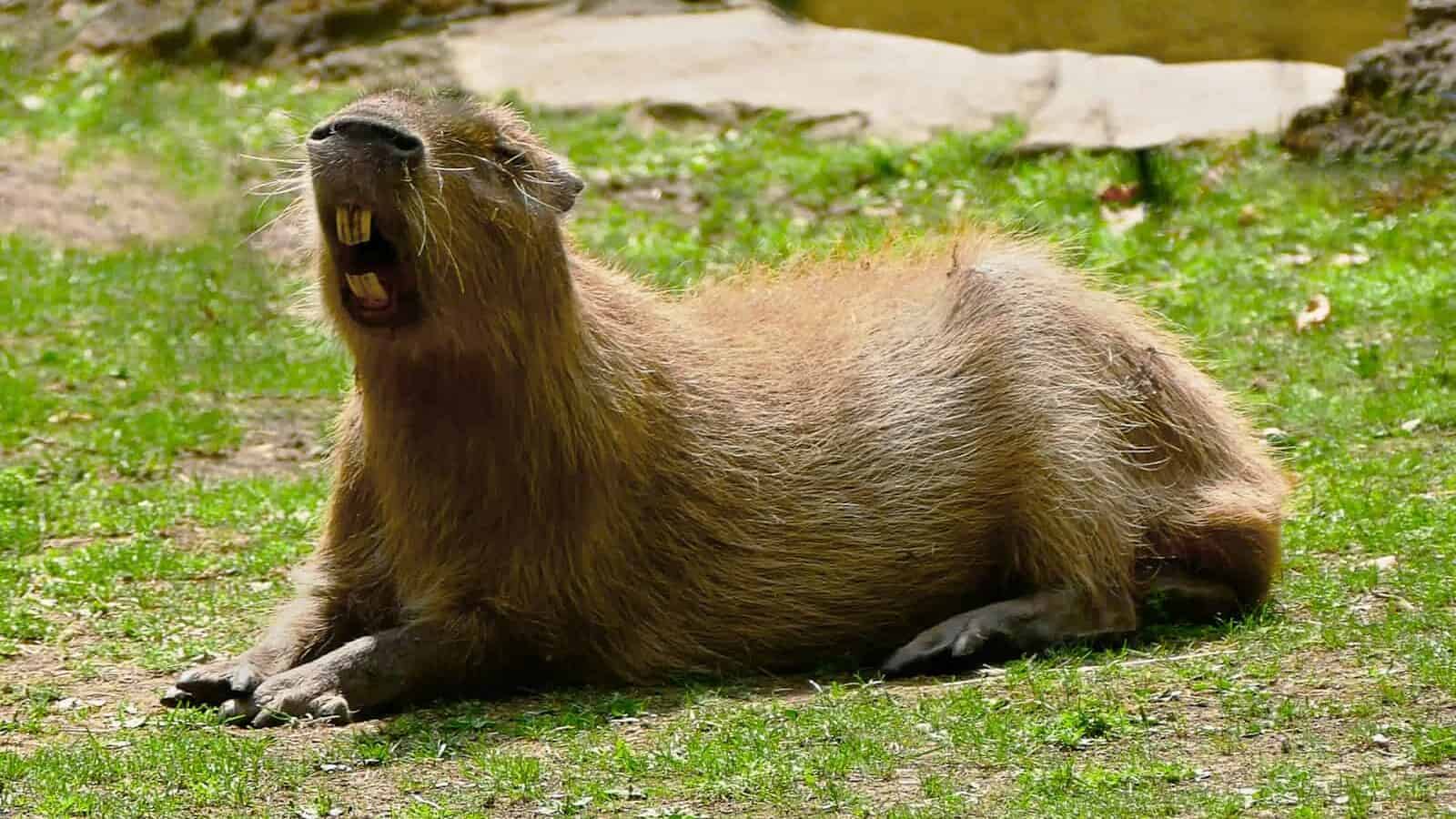
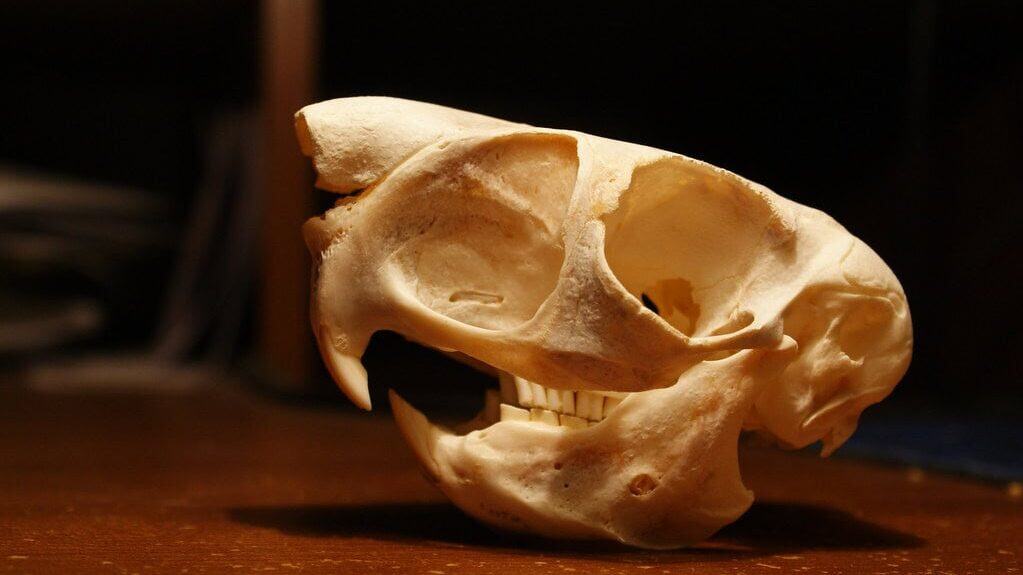
Capybaras possess a dental formula that’s typical of rodents but specialized for their particular dietary needs. They have a total of 20 teeth: one pair of incisors on both the upper and lower jaws, no canines, one pair of premolars per quadrant, and three pairs of molars per quadrant. This arrangement creates a highly efficient system for processing fibrous plant material. Unlike many mammals that have a fixed set of adult teeth, capybaras’ incisors grow continuously throughout their lives, compensating for the constant wear from grinding tough vegetation. Their teeth feature a distinctive yellowish-orange color on the front surface due to the presence of iron oxide in the enamel, which strengthens these crucial cutting tools.
Powerful Incisors: Nature’s Shears
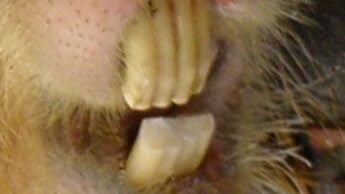
The most immediately noticeable feature of a capybara’s dentition is their impressive set of incisors. These front teeth are extraordinarily large and sharp, designed specifically for clipping vegetation. With a chisel-like edge, these incisors allow capybaras to efficiently cut through fibrous grasses, aquatic plants, and tough stems. The continuous growth of these teeth is an evolutionary adaptation to compensate for the significant wear they experience. A capybara’s incisors can grow at a rate of about 2.5 mm per week, ensuring they maintain optimal length despite constant use. This growth mechanism is crucial, as overgrown or damaged incisors would severely impact a capybara’s ability to feed and could potentially lead to starvation.
The Diastema: A Gap with Purpose

Between the incisors and cheek teeth of capybaras lies a significant gap called the diastema. This is not a dental defect but rather a specialized adaptation that serves multiple functions in herbivorous feeding. The diastema creates space that allows the capybara to pull vegetation into its mouth while keeping soil and other unwanted materials out. It also enables the tongue to manipulate food within the mouth, positioning it correctly for grinding by the molars. This gap essentially functions as a food-processing vestibule, where plant material can be sorted before being moved to the grinding surfaces. In capybaras, this diastema is proportionally larger than in many other rodents, reflecting their specialization for processing large volumes of coarse vegetation.
Molar Adaptations for Fibrous Plants
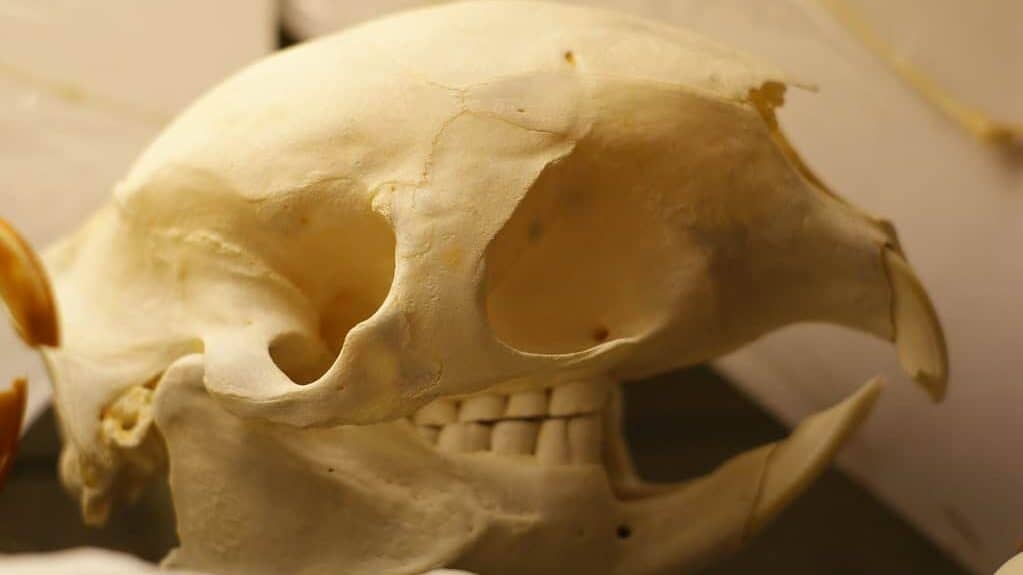
The molars and premolars of capybaras are highly specialized grinding tools that reveal much about their herbivorous diet. These cheek teeth have evolved complex ridges and high crowns (hypsodont dentition) that create effective grinding surfaces for breaking down tough plant fibers. The occlusal surface of each molar features multiple enamel folds that form sharp ridges, creating a self-sharpening mechanism as the teeth wear down. This design maintains efficiency even as the teeth experience significant abrasion from silica-rich grasses. Additionally, capybara molars are slightly tilted, creating an angled chewing surface that maximizes grinding efficiency during their distinctive side-to-side chewing motion. These adaptations collectively enable capybaras to extract maximum nutritional value from fibrous plant materials that would be indigestible to many other mammals.
The Grass Connection: Dental Evidence of Diet

The specific dental adaptations of capybaras strongly indicate their preference for grasses and aquatic plants. Their high-crowned molars with complex enamel patterns are classic adaptations found in grazers that consume abrasive grasses rich in silica. This dental morphology allows them to process up to 3 kg (6.6 lbs) of grass daily. Studies of dental wear patterns in wild capybaras show distinctive microscopic scratches and pits that correlate directly with the consumption of silica-rich grasses and reeds. The angle and depth of these wear patterns vary seasonally, reflecting changes in diet based on available vegetation. During dry seasons, when tender grasses are scarce, increased wear on the molars indicates consumption of tougher, more abrasive plant materials, demonstrating how dental examination can reveal detailed dietary information even without direct observation of feeding.
Coprophagy and Its Dental Implications

A fascinating aspect of capybara behavior that influences their dental adaptations is coprophagy – the practice of consuming their own feces. This behavior is not random but serves a crucial nutritional purpose. Capybaras produce two types of fecal matter: regular waste and special cecotropes that contain partially digested plant material rich in beneficial bacteria and nutrients. By consuming these cecotropes, capybaras effectively give their difficult-to-digest plant food a second pass through their digestive system. This practice maximizes nutrient extraction and requires minimal additional dental processing, as the material is already partially broken down. The practice of coprophagy thus complements their dental adaptations, allowing capybaras to derive maximum nutrition from their herbivorous diet without requiring more specialized dental structures.
Aquatic Plants and Dental Adaptations

As semi-aquatic mammals, capybaras frequently consume aquatic vegetation, which has influenced certain aspects of their dental morphology. Their teeth are well-suited for processing water plants like water hyacinths, water lettuce, and various reeds that make up roughly 30% of their natural diet. These aquatic plants typically contain less silica than terrestrial grasses, but present different challenges in terms of texture and moisture content. Capybaras’ dental arrangement allows for efficient processing of these slippery, often fibrous plants. The slight backward angle of their molars helps prevent food from slipping forward during chewing – particularly useful when processing wet aquatic vegetation. Microscopic analysis of capybara teeth often reveals distinctive wear patterns associated with the specific texture and composition of aquatic plants, providing researchers with clues about habitat use and feeding preferences.
Seasonal Changes Reflected in Dental Wear

Capybaras’ teeth reveal fascinating information about seasonal dietary shifts. During the wet season, when succulent vegetation is abundant, capybaras’ dental wear patterns show characteristics associated with softer, less abrasive foods. Their incisors show less extreme wear, and their molars develop smoother wear facets. Conversely, during dry seasons, when they must resort to tougher, more fibrous vegetation, their teeth exhibit more pronounced wear patterns. Studies examining growth rings in capybara teeth (similar to tree rings) have revealed these seasonal dietary shifts, providing researchers with a chronological record of environmental conditions and food availability. These dental markers have proven invaluable for ecological research, offering insights into how climate change and habitat alterations affect capybara feeding patterns over time.
Comparison with Other Rodent Dentition
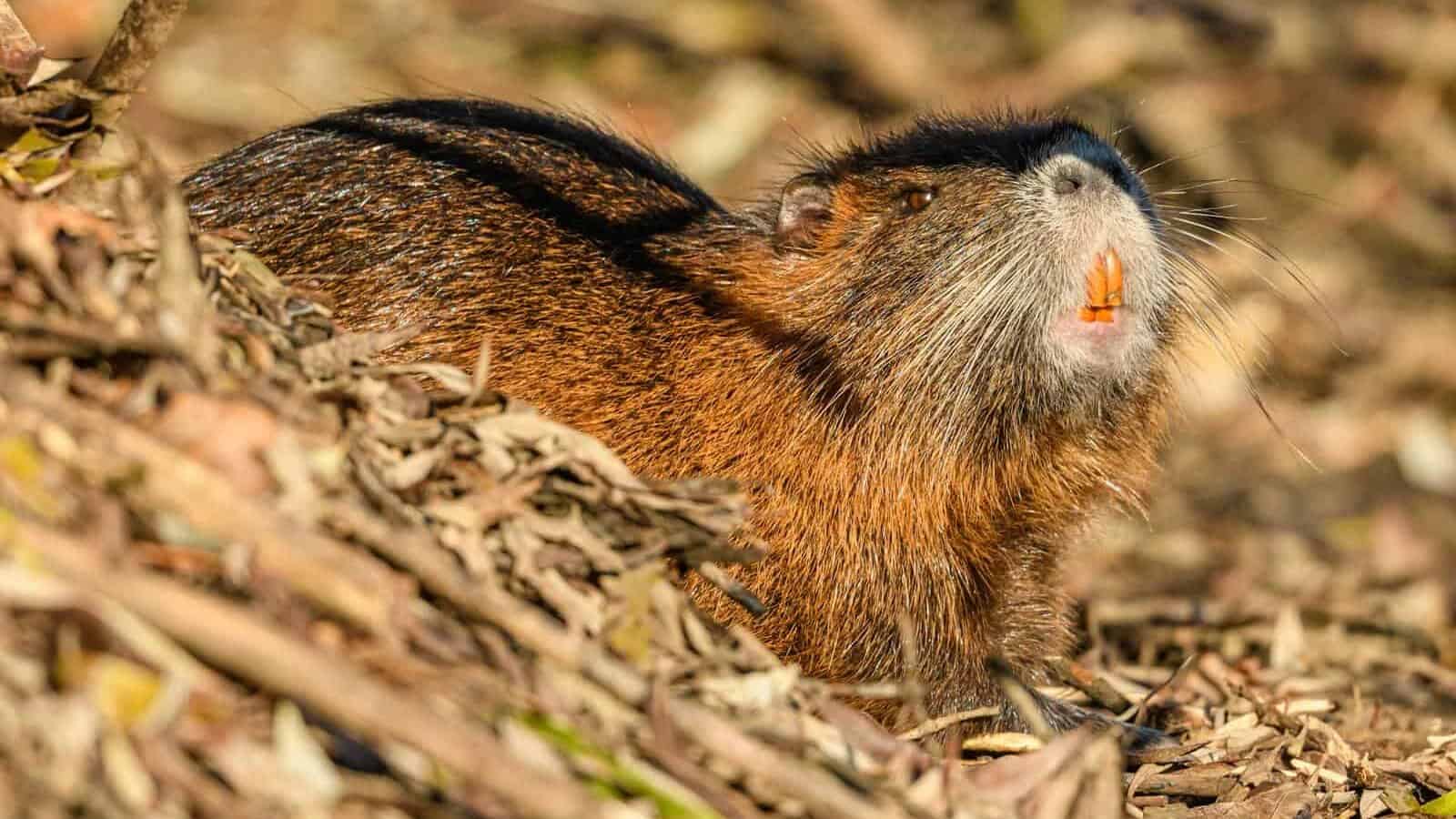
When compared to other rodents, capybara dentition reveals evolutionary specialization for their specific ecological niche. While all rodents share the basic characteristic of ever-growing incisors, capybaras’ dental structures are distinctly adapted for processing large volumes of fibrous vegetation. Unlike rats and mice, which have molars with relatively low crowns suited for omnivorous diets, capybaras possess high-crowned molars characteristic of dedicated herbivores. Their dental pattern more closely resembles that of other large herbivorous rodents like the pacarana and chinchilla, though with specializations unique to their semi-aquatic lifestyle. The spacing and arrangement of capybaras’ teeth also differ from those of beavers (fellow semi-aquatic rodents), as beavers’ incisors are specialized for wood-cutting rather than grass-clipping. These comparative differences highlight how dental morphology directly correlates with dietary specialization even within the same taxonomic order.
Dental Health and Diet Quality

The condition of a capybara’s teeth provides valuable information about the quality of its diet and overall health. In captivity, capybaras fed inappropriate diets often develop dental problems that rarely occur in wild populations. Wild capybaras naturally maintain proper dental wear through their normal feeding behaviors, but captive individuals may develop malocclusion or overgrown teeth if not provided with adequate fibrous foods. Examination of dental abnormalities in captive capybaras has helped refine dietary recommendations for these animals in zoos and as exotic pets. Optimal diets should include ample grass hay to promote proper wear patterns similar to those observed in wild populations. Veterinary studies of capybara dentition have also revealed that dental problems are often the first indication of nutritional deficiencies, highlighting the intimate connection between dental health and diet quality.
Evolutionary History Written in Teeth
The evolutionary history of capybaras is beautifully preserved in the fossil record of their teeth, which demonstrates a clear progression toward specialized herbivory. Paleontological evidence suggests that the distinctive dental features of modern capybaras evolved gradually over millions of years as their ancestors adapted to increasingly herbivorous diets. Fossil teeth from ancient caviomorph rodents (the group that includes capybaras) show a trend toward higher-crowned molars and more complex enamel patterns, adaptations that coincided with the spread of grasslands in South America approximately 15-20 million years ago. Comparisons between modern capybara teeth and those of their extinct relatives, such as the enormous Phoberomys pattersoni (which could weigh over 700 kg), reveal how dental structures scaled with body size while maintaining functional efficiency. This evolutionary progression demonstrates how dental adaptations have been fundamental to the capybara’s success as the world’s largest living rodent.
The dental structure of capybaras provides a remarkable window into their dietary preferences, feeding behaviors, and evolutionary history. From their continuously growing incisors to their complex grinding molars, every aspect of capybara dentition has been shaped by the demands of processing fibrous plant material efficiently. These dental adaptations not only enable capybaras to thrive on a diet that would be nutritionally insufficient for many mammals but also allow researchers to reconstruct details about their ecology, habitat use, and seasonal behavior patterns through examination of wear patterns and structure. As we continue to study these fascinating rodents, their teeth remain one of our most valuable tools for understanding how they interact with their environment and how they’ve evolved to occupy their unique ecological niche as large-bodied, semi-aquatic herbivores. The story of capybara evolution and adaptation is written clearly in their specialized dentition, providing insights that extend far beyond diet alone.

- What’s Hiding in the Forests of the Pacific Northwest - July 21, 2026
- Tarsiers: The Tiny Primates with Giant Eyes - July 21, 2026
- Are Zoos Still Ethical in 2025? - July 21, 2026