
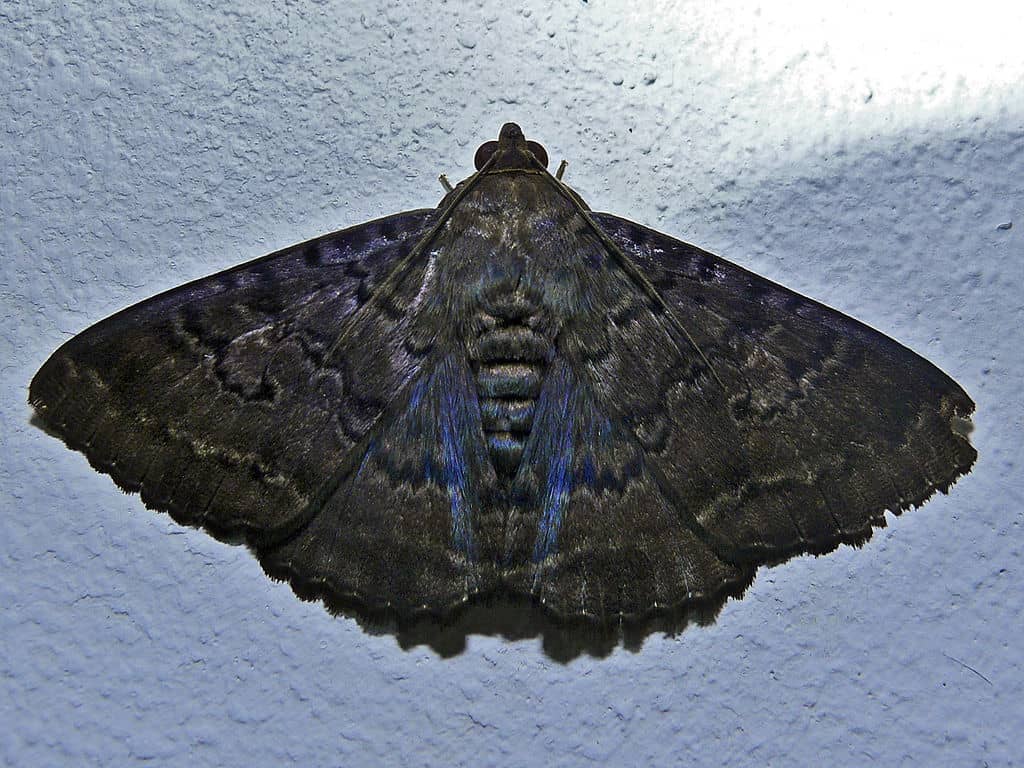
In the darkness of night, an evolutionary arms race plays out between predator and prey. Bats, with their sophisticated echolocation abilities, hunt moths with remarkable precision. Yet moths have developed an equally impressive defense mechanism: they generate ultrasonic clicks that effectively jam bat sonar. This fascinating adaptation represents one of nature’s most compelling examples of evolutionary countermeasures. The high-stakes aerial battle between moths and bats has led to the development of sophisticated acoustic strategies that allow these seemingly delicate insects to evade one of their most formidable predators.
The Evolutionary Arms Race
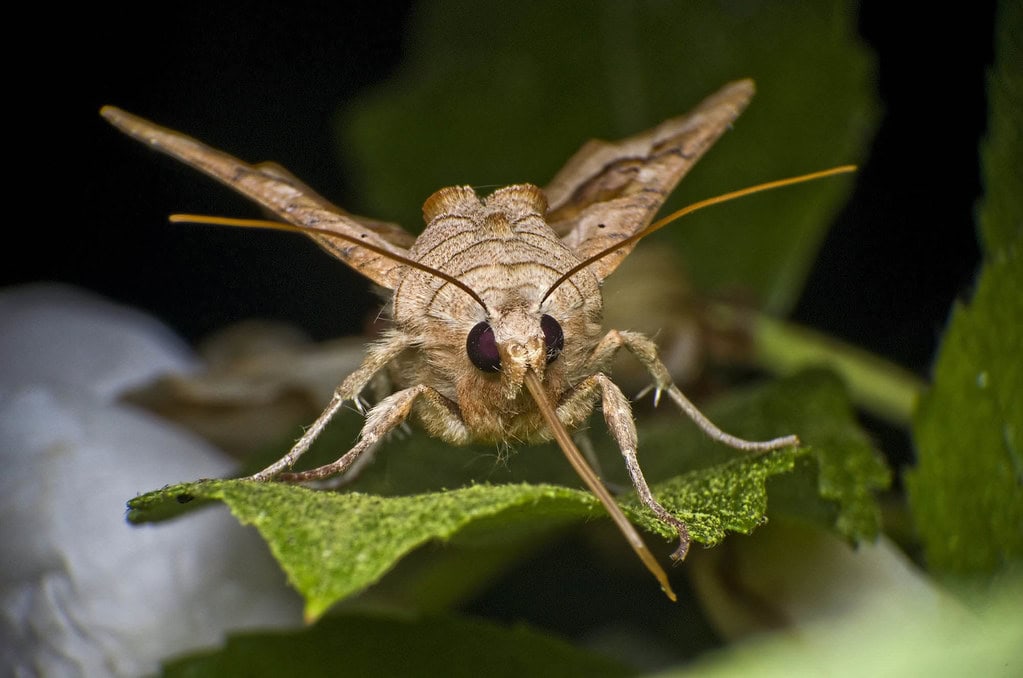
The relationship between bats and moths represents a classic evolutionary arms race that has been ongoing for approximately 65 million years. When bats evolved echolocation for hunting, this created intense selective pressure on moths. The moths that could detect and evade bats survived and passed on their genes, while those that couldn’t became bat food. Over millions of years, this pressure led to the evolution of various defensive mechanisms in moths, including the remarkable ability to produce ultrasonic clicks that interfere with bat echolocation. This evolutionary tug-of-war has continued to refine both the hunting capabilities of bats and the defensive strategies of moths, creating increasingly sophisticated adaptations on both sides.
Understanding Bat Echolocation

To appreciate how moths jam bat sonar, we must first understand how bat echolocation works. Bats emit high-frequency sound waves through their mouth or nose. These sound waves bounce off objects in the environment and return to the bat’s ears. By analyzing the echoes, bats create detailed mental maps of their surroundings, allowing them to detect prey as small as mosquitoes in complete darkness. The frequency of bat echolocation calls typically ranges from 20 to 200 kHz, well above the range of human hearing (which tops out around 20 kHz). Bats can determine the size, shape, texture, and movement of objects with remarkable precision, making them highly efficient nocturnal hunters. Their echolocation is so precise that some bats can detect objects as thin as a human hair in complete darkness.
Moths’ Acoustic Defense Mechanisms

Moths have evolved multiple defensive strategies against bat predation, with sound production being one of the most sophisticated. The ability to produce ultrasonic clicks has evolved independently in several moth families, including the tiger moths (Erebidae, subfamily Arctiinae) and hawk moths (Sphingidae). These moths possess specialized organs called tymbals, which are membrane-covered cavities that can be rapidly deformed to produce ultrasonic clicks. When these membranes buckle, they generate short, broadband ultrasonic clicks with frequencies that overlap with bat echolocation calls. Different moth species produce clicks with varying acoustic properties, suggesting that they may have evolved specific sound profiles to counter the echolocation strategies of their local bat predators.
How Sound-Jamming Works
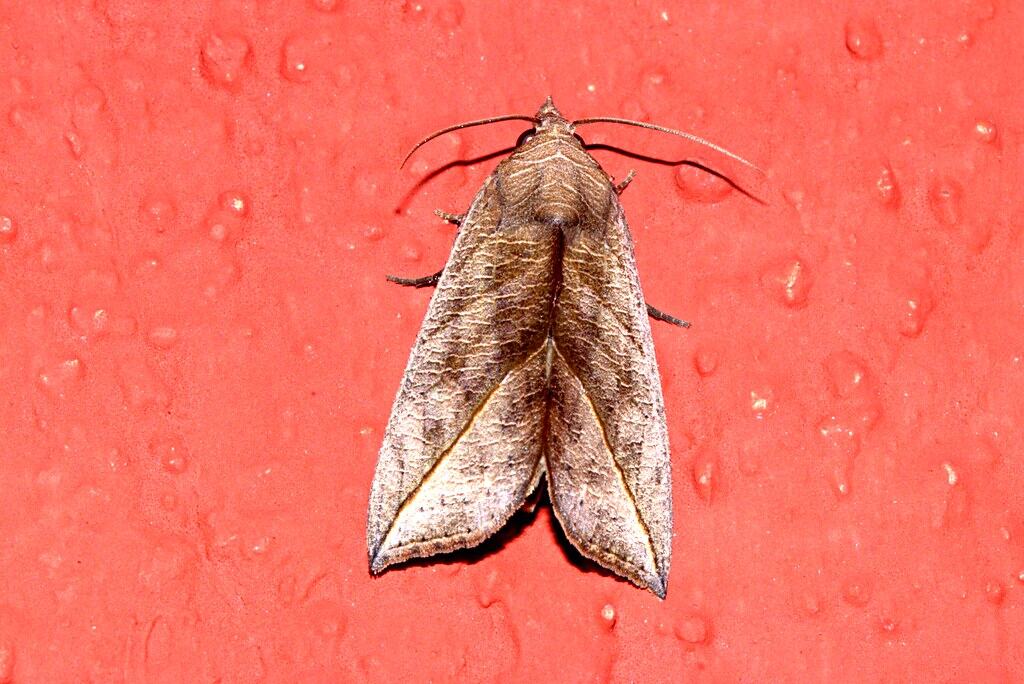
The sound-jamming defense of moths operates on principles similar to electronic warfare. When a moth detects an approaching bat, it begins producing a series of ultrasonic clicks that overlap with the frequency range of bat echolocation. These clicks create false echoes that confuse the bat’s sonar system. It’s akin to shining multiple flashlights in someone’s eyes when they’re trying to see in the dark. The moth’s clicks essentially overwhelm the bat’s auditory system, making it difficult for the predator to accurately determine the moth’s location, size, or movement. This acoustic interference can cause the bat to miscalculate its attack trajectory or abandon the hunt altogether. Research has shown that moths time their clicks precisely to coincide with the bat’s echolocation pulses, maximizing the jamming effect.
The Tymbal Organ: Nature’s Sound Generator
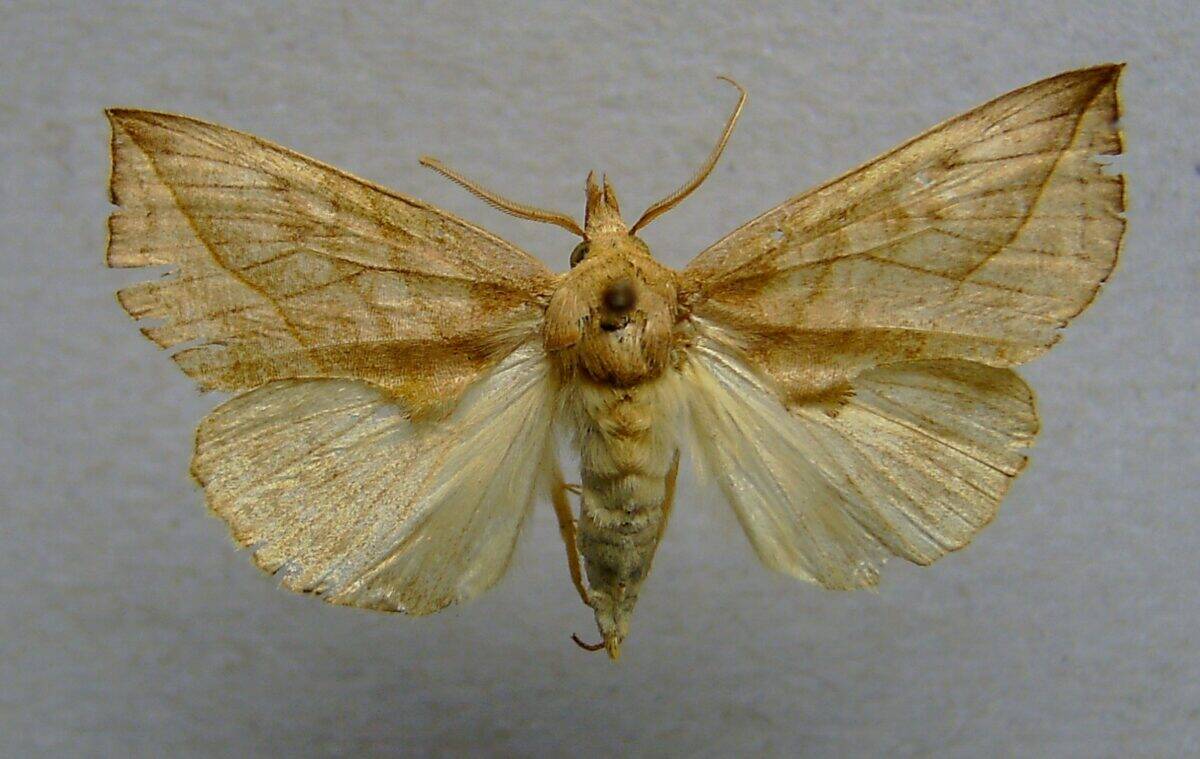
The tymbal organ is the remarkable anatomical structure that enables moths to produce their defensive clicks. Located on the thorax of certain moth species, particularly tiger moths, this organ consists of a thin, hardened membrane backed by an air sac. When the moth contracts specialized muscles, the tymbal membrane buckles inward, creating a click. When the muscles relax, the membrane snaps back, producing another click. This process can be repeated rapidly, generating bursts of up to 450 clicks per second in some species. The design of the tymbal varies across moth families, with some having multiple tymbals or different membrane structures that produce sounds with distinct acoustic properties. Electron microscopy studies have revealed the intricate microstructures of these organs, showing how their physical properties are optimized for producing the specific frequencies needed to interfere with bat echolocation.
Detection and Reaction: Moths’ Early Warning System
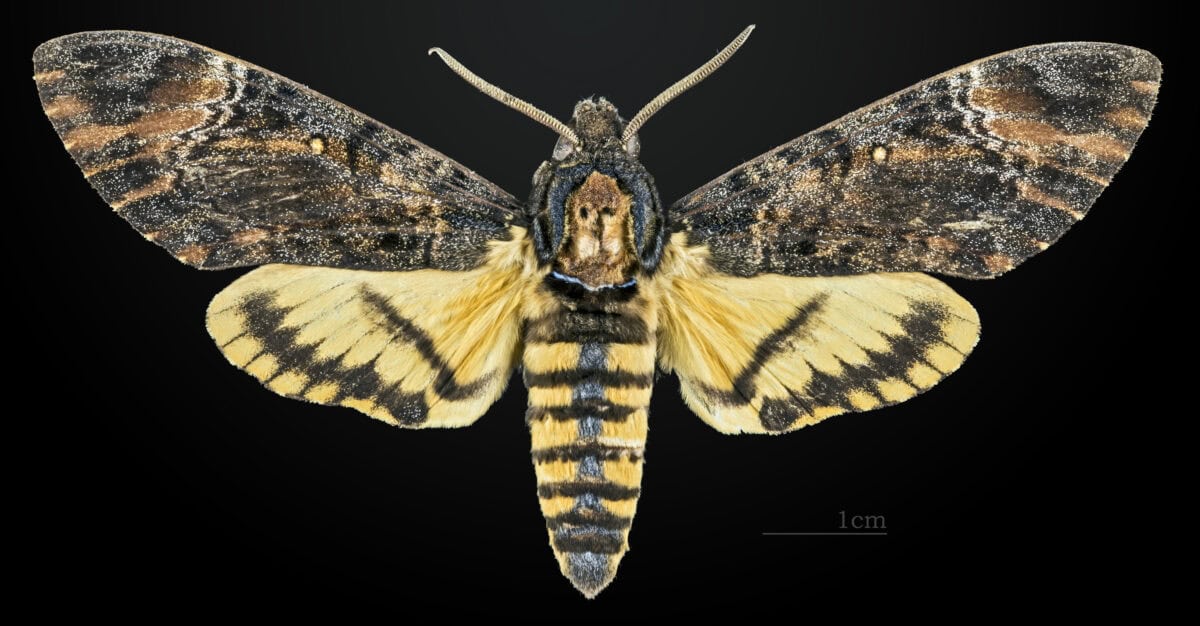
Before moths can deploy their sound-jamming defense, they must first detect an approaching bat. Moths possess specialized ears called tympanic organs, typically located on their thorax or abdomen. These simple but effective ears consist of a thin membrane (the tympanum) that vibrates in response to sound waves, connected to just a few sensory cells. Despite their simplicity, moth ears are exquisitely sensitive to ultrasonic frequencies used by bats, capable of detecting bat calls from up to 40 meters away. When a moth detects bat echolocation, it triggers an immediate defensive response. At lower intensities (indicating a distant bat), moths often execute evasive flight maneuvers. As the bat draws closer and echolocation calls become more intense, sound-producing moths begin generating their jamming clicks. This two-tiered response system gives moths multiple options for evading predation based on the perceived threat level.
Scientific Evidence for Echo-Jamming

The echo-jamming hypothesis was first proposed in the 1960s, but conclusive evidence emerged much later. In a landmark 2009 study published in Science, researchers at Wake Forest University demonstrated that the clicks produced by tiger moths (Bertholdia trigona) indeed disrupted bat hunting behavior. The scientists used high-speed infrared videography and ultrasonic recording to document bat-moth interactions in flight chambers. When moths were prevented from clicking, bats captured them with high success rates. However, when moths were free to produce their clicks, bat capture success dropped dramatically. Further studies have used sophisticated acoustic analysis to show that moth clicks create phantom echoes that appear similar to real prey echoes in a bat’s perceptual system. Neurophysiological research on bat auditory processing has confirmed that moth clicks can induce confusion in the bat’s neural representation of space, providing strong support for the jamming hypothesis.
Alternative Defense Theories
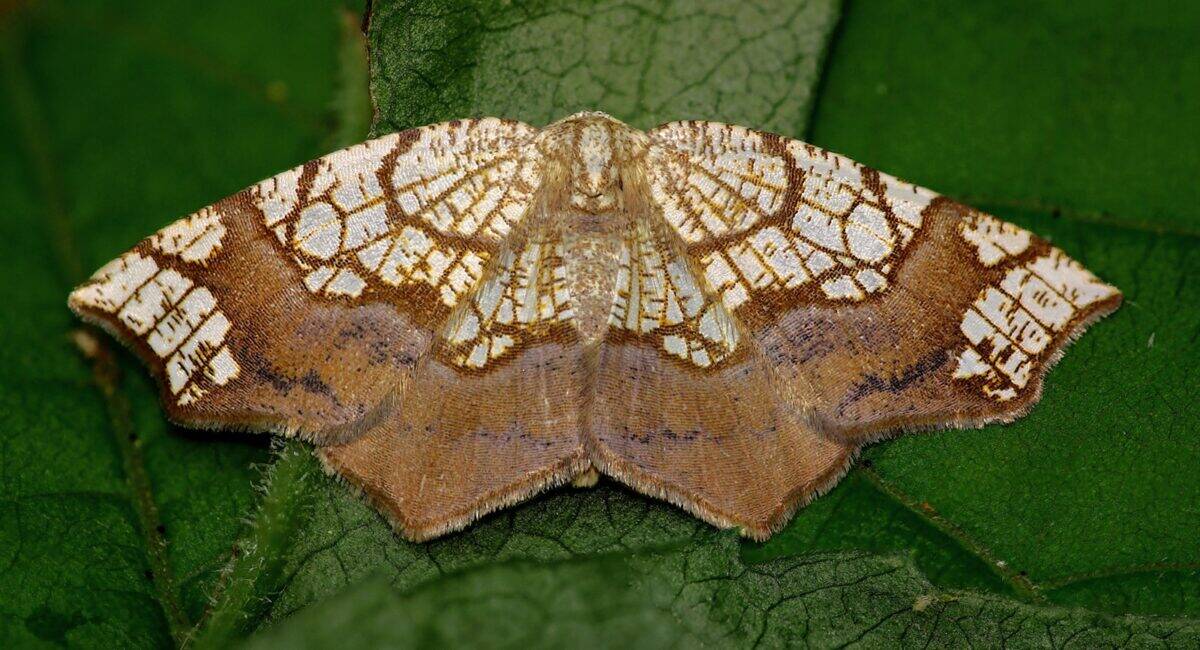
While sound jamming is a well-documented defense mechanism, scientists have proposed alternative theories for why moths produce ultrasonic clicks. One alternative hypothesis suggests that moth clicks serve as acoustic aposematism—a warning signal advertising the moth’s unpalatability. Many tiger moths contain toxic compounds acquired from plants they consumed as caterpillars, making them distasteful to bats. By producing clicks, these moths might be essentially saying, “I taste bad, don’t waste your time.” Another theory proposes that moth clicks may startle naive bats, causing them to hesitate momentarily and giving the moth a chance to escape. Research indicates that different moth species may employ different acoustic strategies, with some primarily using sound for jamming and others for warning or startling. In some cases, a single moth species may use its clicks for multiple defensive purposes depending on the context and predator behavior.
Variations Across Moth Species

The ability to produce defensive sounds is not uniform across all moth species. Different families and genera have evolved variations in their sound-producing mechanisms and acoustic strategies. Tiger moths (Arctiinae) are the most well-studied sound-producers, with over 11,000 species worldwide, many capable of producing clicks. Within this group, species like Bertholdia trigona can generate particularly intense and rapid click bursts that are highly effective at jamming bat sonar. Hawk moths (Sphingidae) produce different types of ultrasonic sounds using a mechanism involving their proboscis. The pyralid moth (Anania funebris) produces ultrasound by rubbing specialized scales on its wings together, similar to how crickets generate sound. These variations suggest multiple independent evolutionary origins of sound production in moths, highlighting how strong selective pressure from bat predation has repeatedly driven the evolution of acoustic defenses across the moth lineage.
The Bat Countermeasure: Adapting to Jamming

Just as moths have evolved defenses against bat predation, bats have developed countermeasures to overcome moth jamming attempts. Some bat species can adjust the frequency of their echolocation calls to avoid the frequency range of moth clicks. Others use shorter, more frequent calls when hunting in areas with many sound-producing moths, reducing their vulnerability to jamming. Certain bat species have evolved the ability to hunt using passive listening rather than echolocation, detecting the faint sounds moths make during flight. The big brown bat (Eptesicus fuscus) has been observed switching to visual hunting when encountering clicking moths. These adaptations demonstrate the ongoing nature of the evolutionary arms race, with predator and prey continuously developing new strategies to outmaneuver each other. Recent research indicates that some bat populations living in areas with high densities of sound-producing moths show enhanced neural processing capabilities for distinguishing prey echoes from jamming signals.
Research Challenges and Technologies

Studying bat-moth interactions presents unique challenges for scientists. Both animals are small, fast-moving, nocturnal, and operate using sounds beyond human hearing range. Researchers have developed an impressive array of technologies to overcome these obstacles. High-speed infrared cameras capable of recording at over 1,000 frames per second allow scientists to document split-second interactions in darkness. Ultrasonic microphones and specialized software capture and analyze the sounds produced by both bats and moths. In laboratory settings, researchers use flight rooms equipped with multiple synchronized cameras and microphones to create detailed three-dimensional reconstructions of bat-moth pursuits. More recently, miniature wireless sensors attached to bats have allowed scientists to record echolocation and flight data from wild bats hunting in natural environments. These technological innovations continue to provide new insights into the acoustic strategies employed in this aerial battlefield.
Evolutionary Implications and Biodiversity
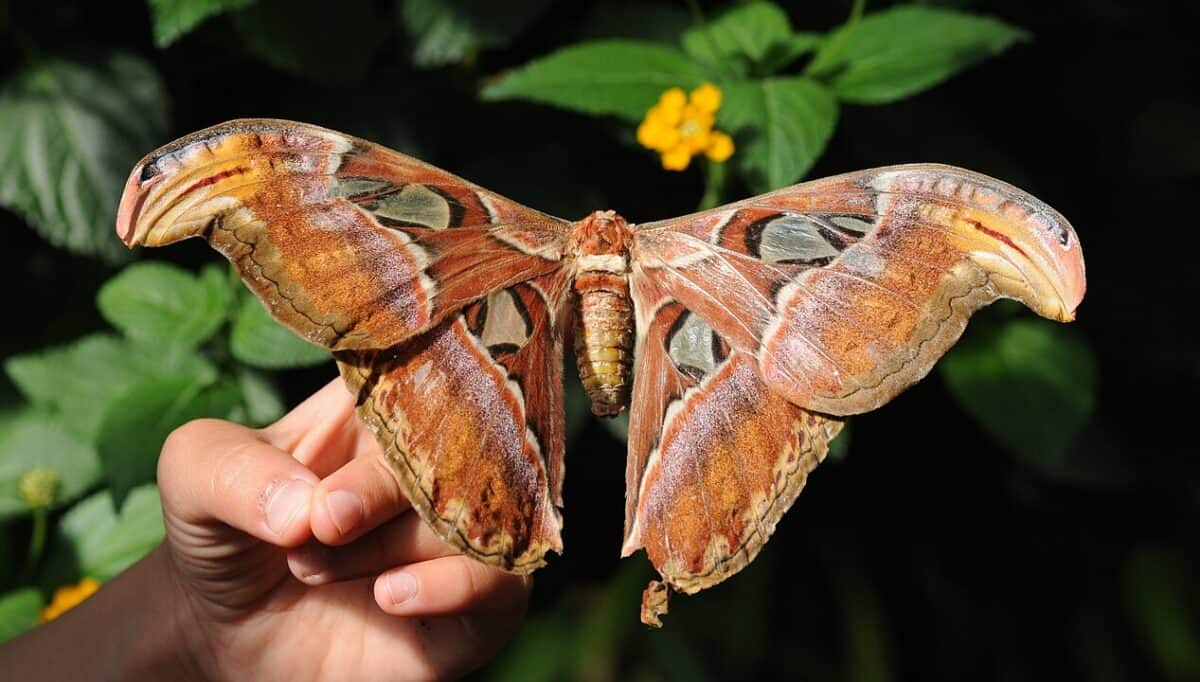
The bat-moth acoustic arms race has significant implications for our understanding of evolution and biodiversity. This predator-prey relationship has likely contributed to the remarkable diversity of both groups. There are over 140,000 described species of moths worldwide, with potentially many more undiscovered, and more than 1,400 bat species. The pressure to evade bat predation has driven diversification in moth defensive strategies, while the challenge of capturing moths has contributed to diversification in bat hunting techniques. This represents a classic example of coevolution, where two groups of organisms influence each other’s evolutionary trajectories. The complex interactions between bats and moths also highlight the importance of sensory ecology—how organisms perceive their environment and communicate—in shaping evolutionary processes. Scientists studying these interactions gain insights into broader questions about the development of complex adaptations and the factors driving biodiversity patterns.
Conclusion: Nature’s Acoustic Battlefield

The ultrasonic battle between moths and bats represents one of nature’s most fascinating examples of evolutionary adaptation and counteradaptation. Through millions of years of selective pressure, moths have evolved sophisticated acoustic defense mechanisms that effectively counter the highly advanced echolocation abilities of their bat predators. This acoustic arms race has driven the evolution of complex adaptations on both sides, from the specialized tymbal organs of moths to the adaptable echolocation strategies of bats. As research technology continues to advance, scientists are uncovering even more intricacies in these interactions, revealing the remarkable sophistication of seemingly simple organisms. The story of how moths jam bat echolocation reminds us that even in the darkest night skies, an invisible but intense struggle for survival plays out—one that has shaped the evolution of these animals for millions of years and continues to drive their adaptation today.

- This Tiny Insect Can Survive in Outer Space—Here’s How - July 21, 2026
- Could the Tasmanian Tiger Be Brought Back to Life? - July 21, 2026
- Why You Should Never Approach a Sleeping Hippo - July 21, 2026