

Chickens, often relegated to the simple role of egg-layers and farmyard inhabitants, are surprisingly intelligent animals with cognitive abilities that rival some mammals. While many people assume training is exclusively for dogs, cats, or other traditional pets, chickens can indeed be trained to perform a variety of behaviors. From responding to their names to navigating obstacle courses, these feathered creatures possess learning capabilities that challenge our preconceptions about avian intelligence. This article explores the fascinating world of chicken training, diving into methods, benefits, limitations, and scientific understanding of chicken cognition that makes their training not just possible, but remarkably effective.
The Surprising Intelligence of Chickens
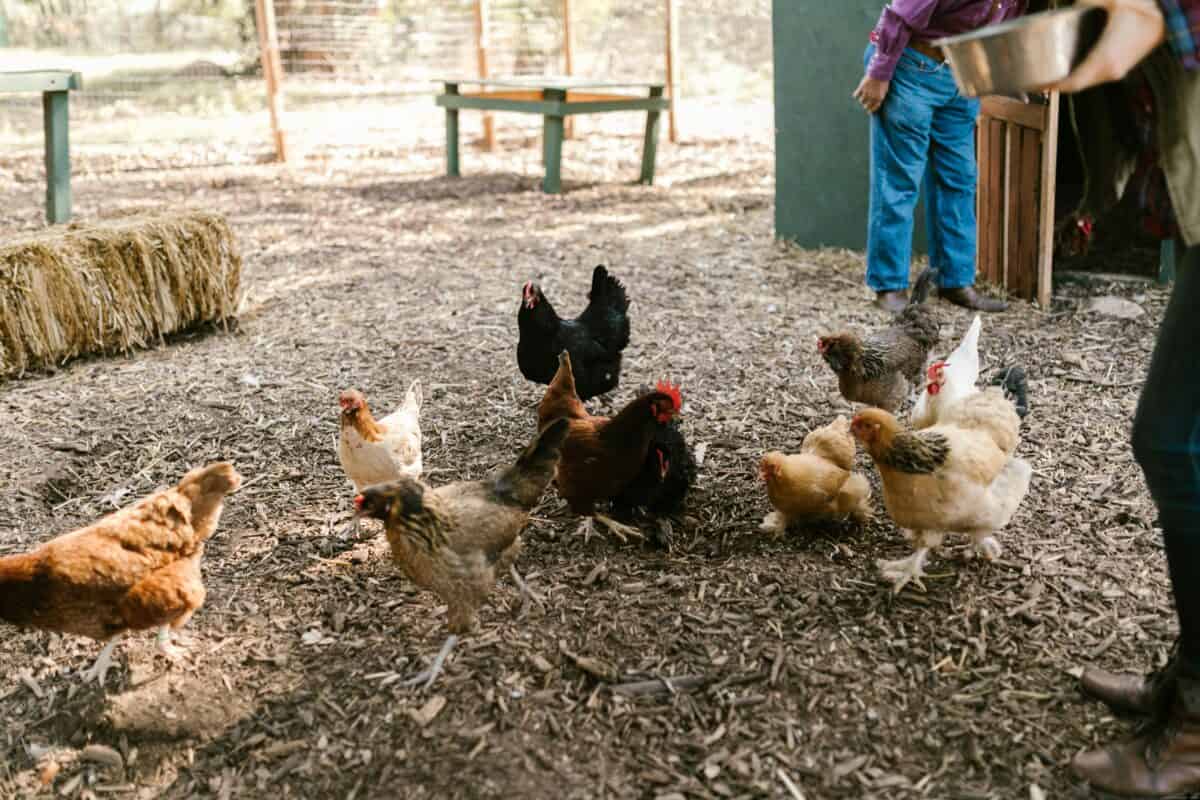
Recent scientific studies have shattered the misconception that chickens are “bird-brained.” Research has demonstrated that chickens possess cognitive abilities previously thought to exist only in primates and other mammals. They can recognize over 100 individual faces, including human faces, and maintain complex social hierarchies. Chickens also display self-control, basic arithmetic skills, and even rudimentary understanding of object permanence – knowing that objects continue to exist even when they can’t be seen. Dr. Chris Evans from Macquarie University described chicken intelligence as “quite sophisticated” in his studies on avian cognition. This fundamental intelligence forms the foundation for their trainability, making chickens far more receptive to learning than most people realize.
Basic Principles of Chicken Training

Like many animals, chickens respond best to positive reinforcement training. This approach rewards desired behaviors rather than punishing unwanted ones. Treats serve as powerful motivators – small pieces of mealworms, sunflower seeds, or chopped vegetables are particularly effective. Training sessions should be kept short, typically 5-10 minutes, as chickens have relatively brief attention spans. Consistency is crucial; using the same verbal cues, hand signals, and training environment helps chickens recognize patterns more quickly. Training works best when built on chickens’ natural behaviors rather than trying to force unnatural actions. Additionally, clicker training – a method where a distinctive clicking sound marks the exact moment a chicken performs correctly – has proven remarkably effective with these birds, creating a clear communication system between trainer and chicken.
What Behaviors Can Chickens Learn?

Chickens can master an impressive array of trained behaviors. Among the most common are coming when called, which can be particularly useful for free-ranging birds. Many chickens learn to perform simple tricks such as flying to a perch, walking in circles, or pecking at specific targets. More advanced training can include navigating obstacle courses, playing simple musical instruments (such as pecking piano keys), or even basic agility routines. Some chicken enthusiasts have successfully taught their birds to identify colors and shapes, demonstrating their capacity for visual discrimination. With patience, chickens can also be litter-box trained, though with less reliability than cats. One of the most practical trained behaviors is “station training” – teaching chickens to go to specific locations on command, which helps with coop management and health checks.
Training Tools and Equipment

Effective chicken training requires minimal but specific equipment. A training clicker (or consistent sound marker) is perhaps the most valuable tool, creating a clear signal that bridges the gap between desired behavior and reward. A training stick – simply a dowel with a target at the end – helps guide chickens through new behaviors without requiring hands-on manipulation, which can stress the birds. Small, portable treat containers allow for immediate rewards during training sessions. For target training, colorful targets about 1-2 inches in diameter mounted on sticks work well. A training journal helps track progress and remember which cues work best with individual birds. More advanced training might incorporate small props like hoops, platforms, or ramps. Some trainers use specialized chicken harnesses for birds that will be performing in public or working on complex behaviors, though these should be introduced gradually to avoid stressing the animals.
Step-by-Step Training Process

Successful chicken training follows a methodical process. Begin with establishing trust – spend time sitting quietly among your chickens, allowing them to investigate you without pressure. Next, introduce food association by offering treats from your hand, creating a positive connection. Once chickens eagerly approach for treats, introduce the clicker or sound marker by immediately following the click with a treat, regardless of behavior. After several repetitions, chickens will associate the click with rewards. Start with simple behaviors like targeting – holding a stick with a target and rewarding the chicken for touching it with its beak. Gradually shape more complex behaviors by rewarding successive approximations toward the desired action. For instance, to teach a chicken to circle, first reward any movement in the desired direction, then only complete turns. Always end sessions on a positive note before the chicken loses interest, and limit training to 5-10 minute sessions several times a day. Consistency in commands and rewards is essential to avoid confusing your feathered student.
The Science Behind Chicken Learning

Chicken learning capabilities are rooted in their neurological makeup. Despite having relatively small brains compared to mammals, chickens possess highly developed visual cognition centers and a surprising degree of neuroplasticity – the ability to form new neural connections. Research published in the journal Animal Cognition indicates that chickens learn primarily through operant conditioning (learning from consequences) and observational learning. Their hippocampus, responsible for spatial memory, is well-developed, explaining their ability to remember locations. A 2017 study from the University of Bern demonstrated that chickens can learn through social observation, watching and mimicking other chickens’ behavior. This means that having one trained “model” chicken can accelerate training for an entire flock. Chickens also possess episodic-like memory, allowing them to remember specific events and associated outcomes. These cognitive abilities, once understood, can be leveraged to create more effective training approaches tailored to how chickens naturally process information.
Benefits of Training Your Chickens

Training chickens yields numerous practical and psychological benefits. From a management perspective, trained chickens are easier to handle for health checks, making wellness examinations less stressful for both birds and caretakers. Training also reduces problematic behaviors like aggression and feather picking by providing mental stimulation. The training process strengthens the bond between chickens and their keepers, often resulting in birds that are calmer around humans. For the chickens themselves, training provides crucial mental enrichment, preventing boredom in captive environments and exercising their cognitive abilities. This mental stimulation has been linked to improved physical health and reduced stress levels. Additionally, training can enhance flock safety by teaching recall commands that bring free-ranging birds back to their secure coop when predators threaten. Perhaps most importantly, the training process helps chicken keepers recognize and appreciate the individual personalities and intelligence of each bird, leading to better overall care and a deeper connection with these remarkable animals.
Common Training Challenges

Training chickens comes with several characteristic challenges. Maintaining focus can be difficult, as chickens are naturally distractible and constantly scanning for predators. Training multiple birds simultaneously often leads to competition or distraction, so separating the trainee from the flock initially is advisable. Chickens may also experience “extinction bursts” – periods where they seem to forget previously learned behaviors, requiring patient reinforcement. Progress can sometimes plateau, necessitating breaks or variations in training approaches. Seasonal changes affect training success; molting periods and extreme temperatures reduce chickens’ receptiveness to learning. Each chicken has individual personality differences; some birds are naturally more trainable than others, with breeds like Rhode Island Reds and Leghorns often demonstrating greater training aptitude. Health issues can significantly impact training success, as sick or undernourished chickens cannot focus effectively. For beginners, one of the biggest challenges is timing – rewards must be delivered immediately after the desired behavior for effective learning, requiring practice to develop proper timing skills.
Breed Differences in Trainability

Chicken breeds vary considerably in their receptiveness to training. As a general rule, heritage breeds that have maintained natural foraging behaviors tend to be more engaged with training activities. Particularly trainable breeds include Rhode Island Reds, known for their curiosity and food motivation; Wyandottes, which tend to be calm and attentive; and Sussex chickens, which are typically people-oriented and quick learners. Bantam varieties often excel at agility-type training due to their lighter weight and agility. On the other end of the spectrum, production breeds like commercial White Leghorns, while intelligent, may be more skittish and less focused on human interaction. Game fowl breeds can be quick learners but sometimes display more independent tendencies. Silkies, despite their docile nature, can sometimes be more challenging to train due to their limited vision caused by their distinctive head feathers. Individual personality still trumps breed tendencies, however, and exceptional learners can emerge from any breed or crossbreed. Experienced chicken trainers recommend assessing each bird’s temperament rather than relying solely on breed stereotypes when selecting training candidates.
Advanced Training Techniques

Once chickens master basic commands, advanced training techniques can develop more complex behaviors. Chain training links multiple behaviors into sequences, such as navigating a series of obstacles in a specific order. Discriminative stimulus training teaches chickens to respond differently to various cues, potentially identifying specific shapes, colors, or sounds. Back-chaining – teaching the last behavior in a sequence first, then adding earlier behaviors – works particularly well for complex routines. Free-shaping, where trainers reward successive approximations toward a behavior without physical guidance, develops chicken problem-solving skills. Some advanced trainers implement “capturing” – waiting for chickens to naturally perform desired behaviors and immediately rewarding them, gradually bringing the behavior under command control. For exceptional birds, cognitive challenges like matching-to-sample tasks (selecting an object that matches a shown example) can be implemented. Research at the University of Padova demonstrated that chickens can learn to discriminate between quantities, suggesting potential for numerical training applications. These advanced techniques not only showcase chicken intelligence but can create practical applications like chickens that sort specific colors of objects or perform entertaining routines.
Famous Chicken Trainers and Success Stories

Several notable trainers have demonstrated the extraordinary potential of trained chickens. Bob Bailey, a pioneering animal behaviorist, famously trained chickens as part of Project Sea Hunt in the 1970s, teaching them to peck at specific targets for military applications – proving chickens could perform with reliability that rivaled mammals. Modern trainer Mary Ray has presented chickens performing agility routines at major dog shows, amazing audiences with chickens navigating tunnels, weaving through poles, and jumping through hoops. The “Chicken Challenge” program developed by Terry Ryan uses chicken training to teach human trainers about timing, reinforcement, and clear communication. In viral videos, trained chickens from the “Chicken Thinking” program have been shown playing simple tunes on toy pianos and performing complex discrimination tasks. In educational settings, programs like “Chicks with Tricks” bring trained chickens to classrooms to teach children about animal behavior and cognition. These success stories demonstrate that chicken training isn’t merely possible – when done properly, it can achieve results that challenge our understanding of avian capabilities.
Ethical Considerations in Chicken Training

Ethical chicken training requires careful consideration of the birds’ welfare. Training should always use positive reinforcement rather than punishment or force, which causes stress and fear. Sessions must remain brief to prevent fatigue and frustration, with frequent breaks and attention to the chicken’s body language indicating stress or discomfort. Trainers should ensure that training environments are safe, with appropriate temperature and protection from predators. Nutritional concerns arise when using food rewards; treats should constitute no more than 10% of a chicken’s diet to maintain proper nutrition. Training goals should align with natural chicken behaviors rather than forcing unnatural movements that could cause physical strain. There’s also an ethical dimension to the relationship between trainer and chicken – training should enhance the chicken’s life through enrichment and positive human interaction, not merely serve human entertainment purposes. Professional animal trainers emphasize that respect for the chicken’s agency, including their choice to participate, forms the foundation of ethical training practice. When done ethically, training can actually improve chicken welfare by providing mental stimulation and creating more positive human-animal interactions.
Conclusion

The question “Can you really train a chicken?” can definitively be answered with a resounding “yes” – these underestimated birds possess remarkable learning capabilities that allow them to master a wide range of behaviors through proper training techniques. While they may not achieve the same complexity of behaviors as dogs or other traditional pets, chickens’ intelligence and responsiveness to positive reinforcement make them surprisingly trainable animals that challenge our preconceptions about avian cognition. The benefits of training extend beyond novelty or entertainment, creating safer, healthier, and more enriched lives for chickens while strengthening the bond between birds and their human caretakers. As our understanding of chicken cognition continues to evolve, we’re discovering that these common barnyard birds are far more intelligent and capable than previously believed – reminding us that remarkable cognitive abilities exist throughout the animal kingdom, often in the places we least expect to find them.

- What Happens When Bison Reclaim Their Historic U.S. Range - July 26, 2026
- These Birds Can Predict Earthquakes Hours in Advance - July 26, 2026
- Why Sharks Are Critical for Coral Reef Survival - July 25, 2026