

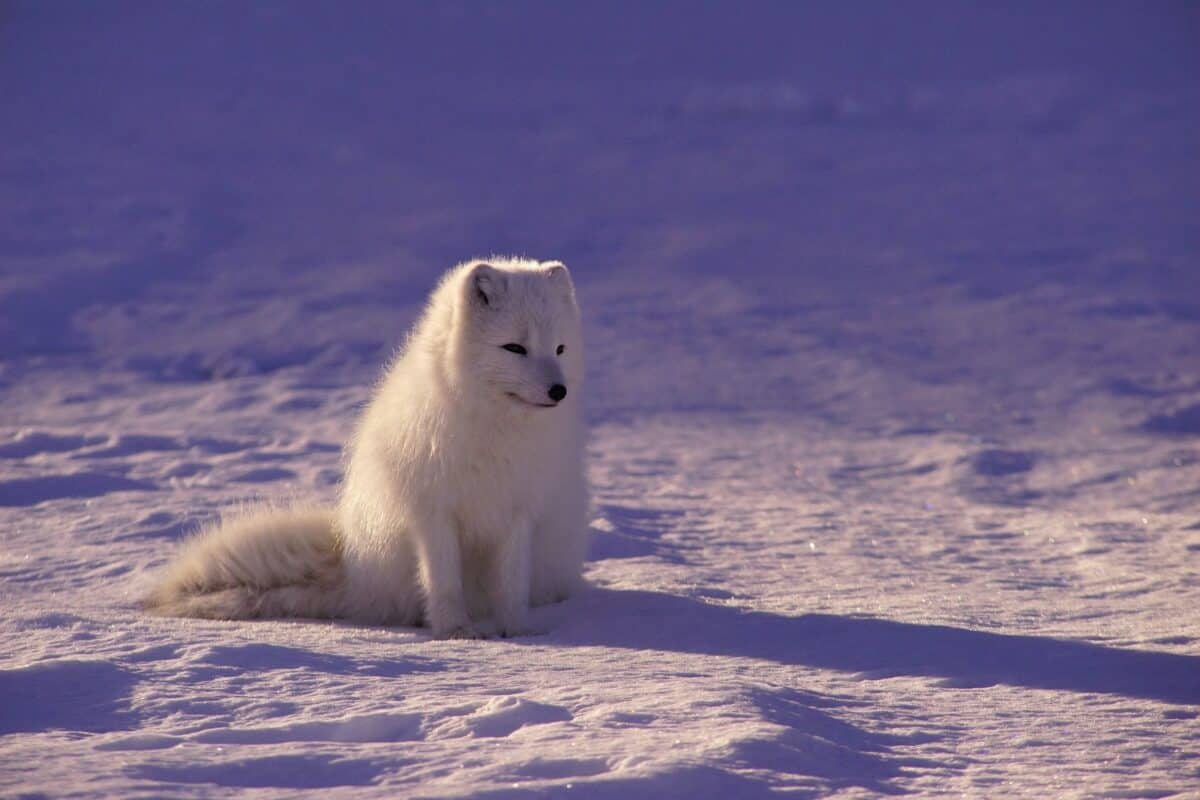
Foxes are among the most adaptable and widespread carnivores on Earth, with their distinctive bushy tails and pointed ears making them instantly recognizable. However, not all foxes are created equal. Red, gray, and Arctic foxes represent three distinct species with fascinating differences in their appearance, behavior, habitats, and survival strategies. Understanding these differences not only satisfies our curiosity about these charismatic canids but also helps us appreciate how evolution has shaped these animals to thrive in their respective environments. From the fiery-coated red fox that has colonized cities and countrysides across the Northern Hemisphere to the camouflage-expert gray fox that climbs trees with ease, to the Arctic fox with its incredible cold-weather adaptations, each species tells a unique story of adaptation and survival.
Species Classification and Evolutionary History

Red, gray, and Arctic foxes belong to the family Canidae but have distinct taxonomic classifications. The red fox (Vulpes vulpes) is the most widely distributed of the three, belonging to the genus Vulpes. The gray fox (Urocyon cinereoargenteus) stands apart in the genus Urocyon, making it more distantly related to the other fox species. The Arctic fox (Vulpes lagopus) shares the Vulpes genus with the red fox but has evolved specific adaptations for polar living. Evolutionary histories of these species diverged millions of years ago, with the gray fox representing one of the most basal or primitive branches of canids in North America, having evolved around 3.6 million years ago. Red foxes evolved more recently, approximately 1.8 million years ago in Eurasia, while Arctic foxes adapted to polar conditions following the last ice age, developing specialized traits for extreme cold survival.
Physical Appearance and Size Comparison
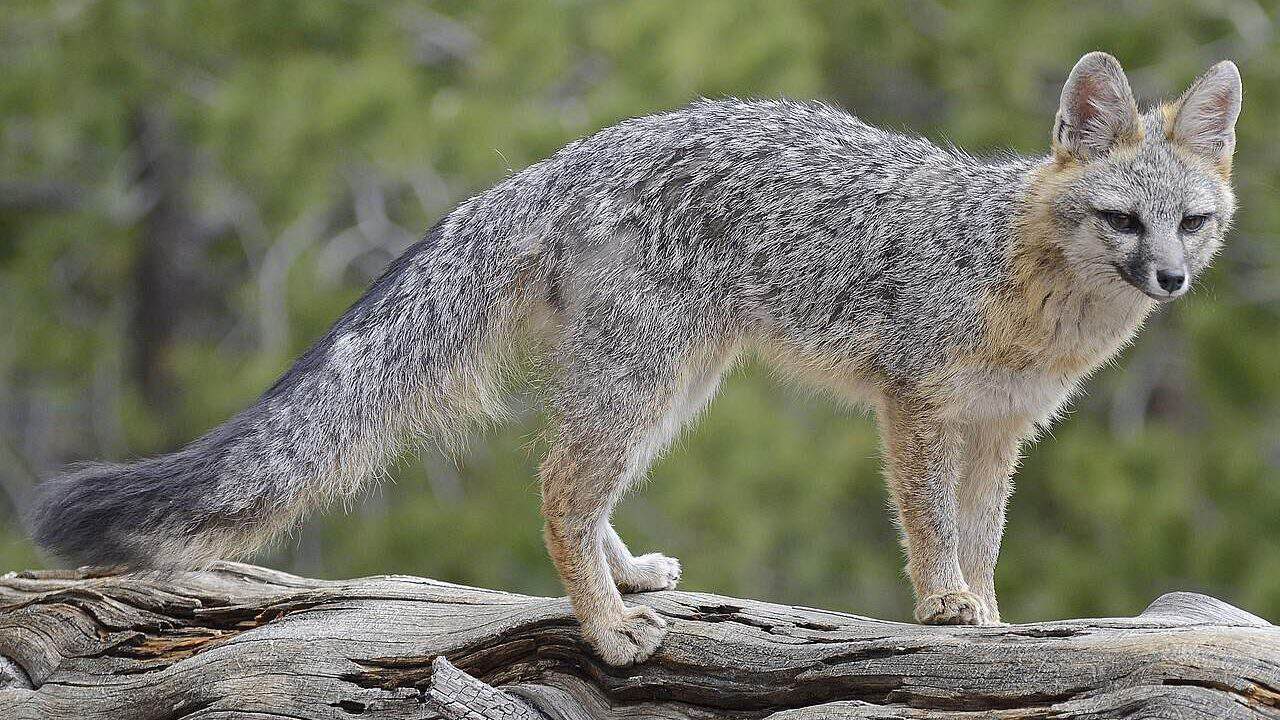
The three fox species display notable differences in size and physical characteristics. Red foxes are the largest, typically weighing 10-15 pounds and measuring about 3-4 feet long including their tail. Their namesake rusty-red coat covers their back and sides, complemented by black legs, white underparts, and a distinctive white-tipped tail. Gray foxes are slightly smaller, weighing 7-13 pounds, with a distinctive salt-and-pepper gray coat on their back and reddish-brown fur on their sides and legs. Their most distinguishing feature is a black-tipped tail with a black stripe running along its length. Arctic foxes are the smallest of the three, weighing 6-10 pounds, but appear larger in winter due to their incredibly thick fur. They undergo dramatic seasonal color changes, from pure white or blue-gray in winter to brown or gray in summer, an adaptation that provides year-round camouflage in their changing Arctic environment.
Habitat Preferences and Geographic Distribution
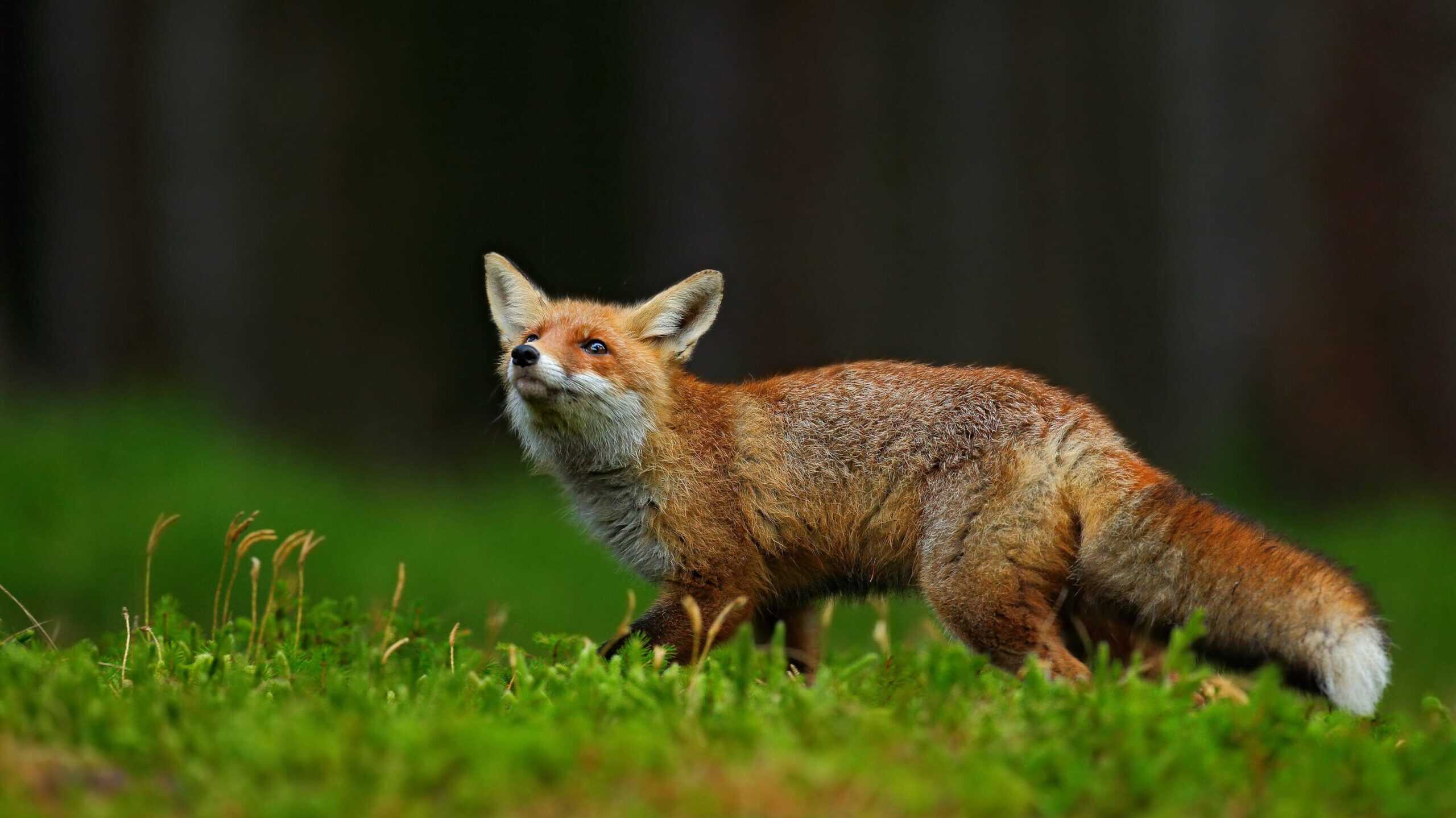
Each fox species has evolved to thrive in specific habitats across different geographic ranges. Red foxes demonstrate remarkable adaptability, inhabiting environments ranging from forests and grasslands to mountains, deserts, and increasingly, urban areas. They’re found throughout the Northern Hemisphere including North America, Europe, Asia, and North Africa, and have been introduced to Australia. Gray foxes prefer more wooded habitats with mixed forests, brush, and chaparral landscapes. Their range extends from southern Canada through most of the United States to Venezuela and Colombia in South America. Arctic foxes, as their name suggests, are specialists of the tundra ecosystems within the Arctic Circle, including Alaska, Canada, Greenland, Russia, Scandinavia, and Iceland. Their distribution closely follows the boundary of the Arctic tundra, rarely extending into forested areas to the south, demonstrating their specific adaptation to polar environments.
Distinctive Behavioral Traits

Behavioral differences among the three fox species reflect their evolutionary adaptations to different ecological niches. Red foxes are known for their intelligence and adaptability, displaying complex problem-solving abilities that have helped them thrive in human-altered landscapes. They cache excess food by burying it for later consumption and are primarily nocturnal but adjust their activity patterns based on human presence. Gray foxes possess the unique ability among canids to climb trees, using their rotating wrists and sharp, semi-retractable claws to escape predators and access food sources like fruits and birds’ nests up to 20 feet above ground. Arctic foxes exhibit remarkable behavioral adaptations to extreme cold, including reducing blood flow to their paws to prevent heat loss and curling into tight balls with their bushy tails covering their faces during sleep to conserve warmth. They also follow polar bears to scavenge leftovers from their kills, demonstrating opportunistic feeding strategies essential for survival in resource-limited environments.
Diet and Hunting Strategies
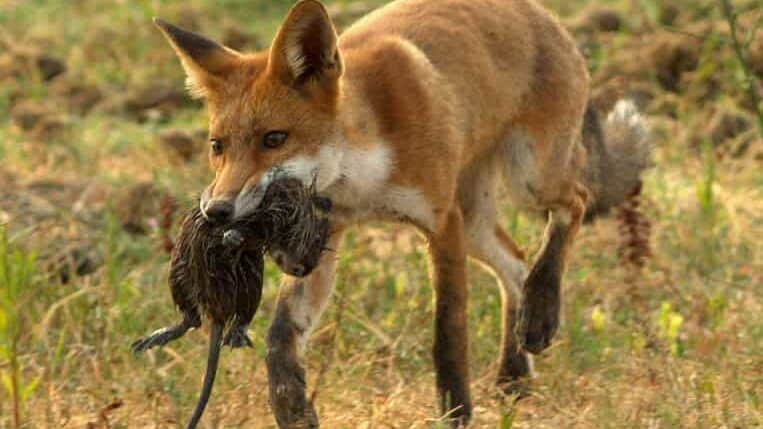
The dietary preferences and hunting techniques of these fox species vary significantly based on their habitats and available resources. Red foxes are true omnivores with an impressively diverse diet, consuming small mammals, birds, insects, fruits, berries, and even human food waste in urban areas. Their hunting technique involves a distinctive “mousing leap,” where they pounce precisely on prey after detecting it with their acute hearing. Gray foxes have a more balanced omnivorous diet with a stronger preference for plant material than other fox species, with fruits, nuts, and berries making up to 30% of their diet. They supplement this with small mammals, birds, insects, and carrion. Arctic foxes rely heavily on lemmings and voles in summer months, sometimes caching hundreds of these rodents for winter use. During winter scarcity, they become extreme opportunists, eating everything from seabirds and their eggs to fish, ringed seal pups, and carrion. They’ve even been observed following polar bears to scavenge remains, demonstrating their resourcefulness in the harsh Arctic environment.
Reproduction and Family Structures
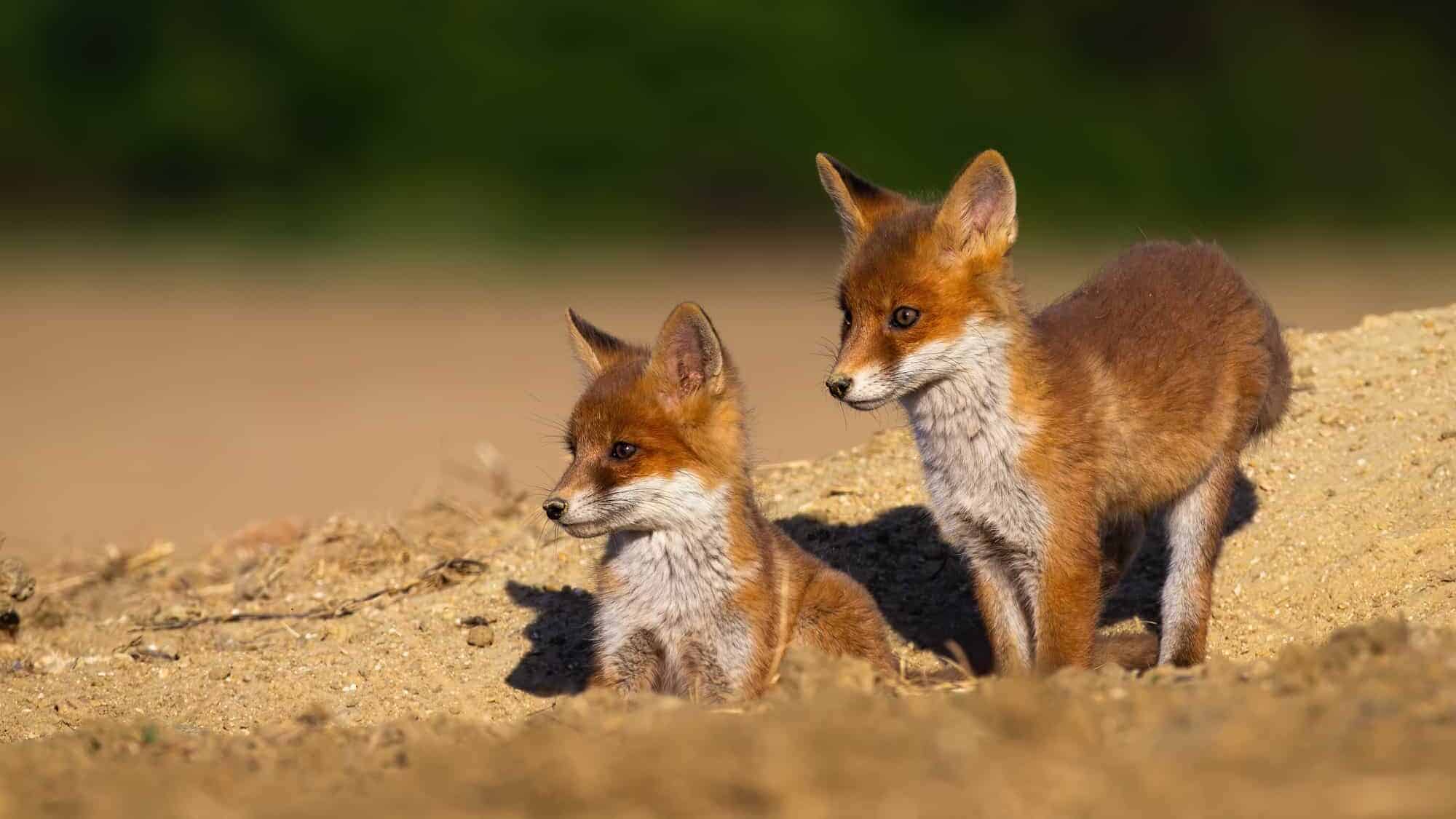
Reproductive patterns and family dynamics show both similarities and differences among the three fox species. Red foxes typically mate in winter (December to February), with females giving birth to litters of 4-6 kits after a gestation period of about 52 days. They often form monogamous pairs, with both parents participating in kit rearing, though the male’s primary role is providing food while the female handles direct care and nursing. Gray foxes have a similar breeding season and gestation period but generally produce smaller litters of 3-5 kits. They maintain strongly monogamous relationships, with male gray foxes taking a more active role in direct kit care compared to male red foxes. Arctic foxes have adapted to the extreme seasonality of their environment with larger litters, averaging 6-12 kits but sometimes producing up to 20 – the largest litters among canids. This reproductive strategy compensates for high mortality rates in the harsh Arctic. Their family units can be more complex in resource-rich areas, with multiple females sometimes sharing a den and cooperatively raising young, an unusual trait among fox species.
Cold Weather Adaptations

The three fox species show varying degrees of cold-weather adaptation, with Arctic foxes unsurprisingly displaying the most extreme physiological and morphological specializations. Arctic foxes have evolved incredibly efficient insulation, with fur covering even the soles of their feet and a remarkably low critical temperature (the temperature below which they need to increase metabolic heat production) of -40°C (-40°F). Their compact body shape, short legs, ears, and muzzle minimize heat loss following Allen’s rule – the biological principle that animals in colder climates have shorter appendages. Red foxes demonstrate moderate cold adaptation with seasonal changes in fur density and a critical temperature around -13°C (8.6°F). Their slightly larger ears and longer legs indicate adaptation to more temperate climates. Gray foxes show the least cold-weather specialization among the three, with a higher critical temperature and less seasonal variation in their coat. Their more southern distribution reflects this limited cold tolerance, as they rarely venture into regions with prolonged, severe winters.
Evolutionary Adaptations and Survival Strategies
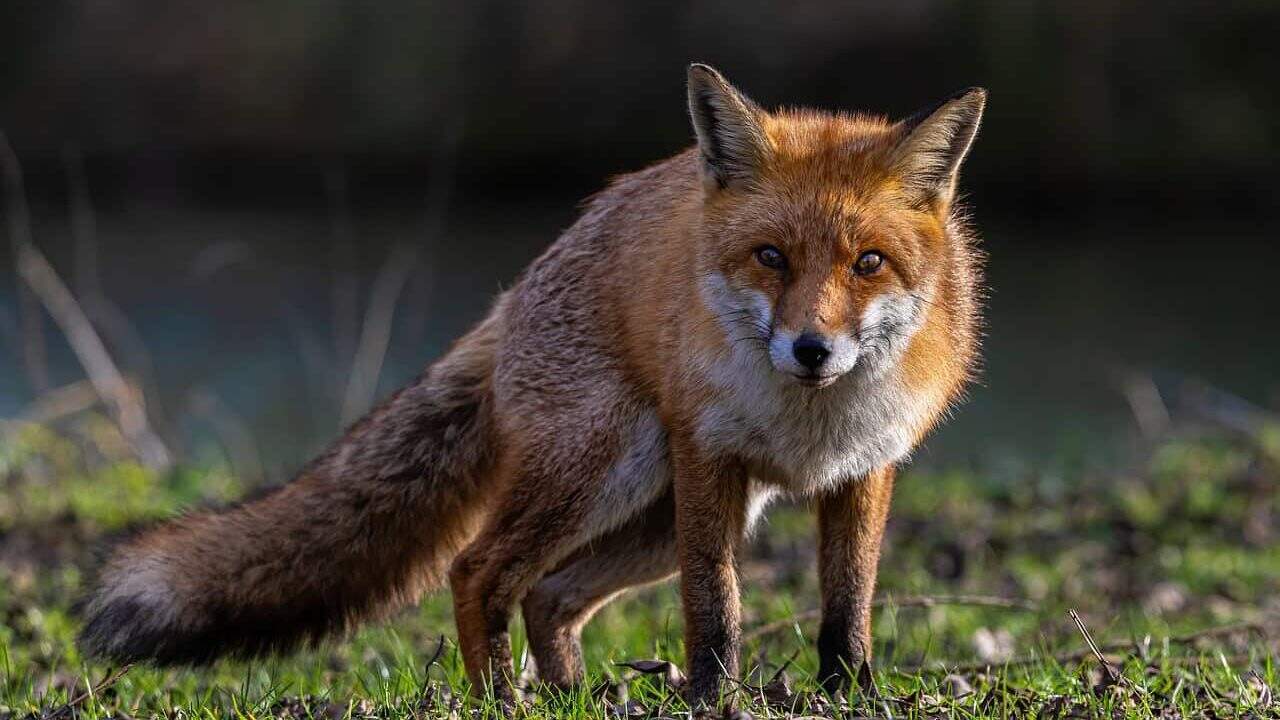
Each fox species has developed remarkable evolutionary adaptations beyond temperature regulation that enhance their survival in their respective habitats. Red foxes have evolved exceptional hearing that allows them to detect small rodents moving under snow or underground, complemented by their distinctive pouncing technique that can break through up to a foot of snow to capture prey. Their generalist approach to diet and habitat has proven extraordinarily successful in human-dominated landscapes. Gray foxes evolved their tree-climbing ability as a specific adaptation to escape larger canid predators like wolves and coyotes, allowing them to access a niche unavailable to other North American canids. This unique adaptation, rare among canids, involves specialized wrist joints and semi-retractable claws. Arctic foxes have developed remarkable physiological adaptations including a metabolism that changes seasonally, allowing them to reduce energy expenditure during winter food scarcity. Their body fat percentage can increase by over 50% before winter, and they can reduce their basal metabolic rate by up to 30% during extreme food shortages – adaptations critical for surviving the long Arctic winter when prey is scarce.
Social Structures and Communication
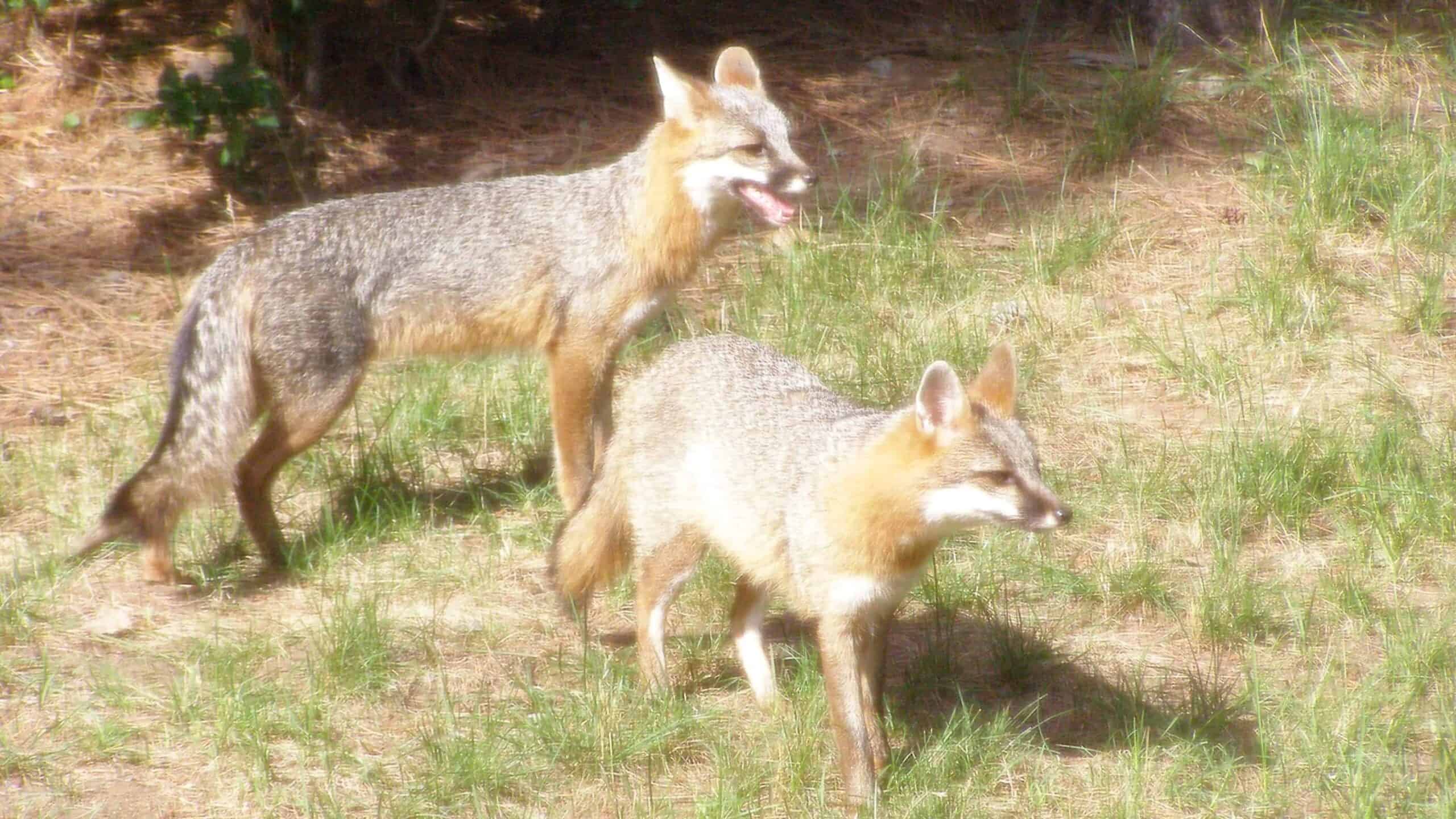
The social organization and communication methods vary significantly among the three fox species. Red foxes typically live in small family groups consisting of a mated pair and their offspring, occasionally with additional non-breeding female helpers (usually daughters from previous litters). They maintain complex communication through a diverse vocal repertoire including barks, screams, howls, and a distinctive three-part call often described as “wow-wow-wow.” Their scent marking is elaborate, using urine, feces, and secretions from scent glands to define territories. Gray foxes tend toward more strictly monogamous pairs with less complex social structures than red foxes. They are generally less vocal, with a smaller range of vocalizations consisting primarily of short barks and growls. Their communication relies heavily on scent marking along established paths within their territory. Arctic foxes form the most variable social structures of the three, ranging from strictly monogamous pairs to complex family groups depending on resource availability. In lemming-rich years, they may form larger family units with multiple breeding females. Their vocalizations include yapping, screaming, and chattering sounds, while their scent communication must overcome challenges posed by extreme cold, which reduces the effectiveness of scent markers.
Human Interactions and Conservation Status
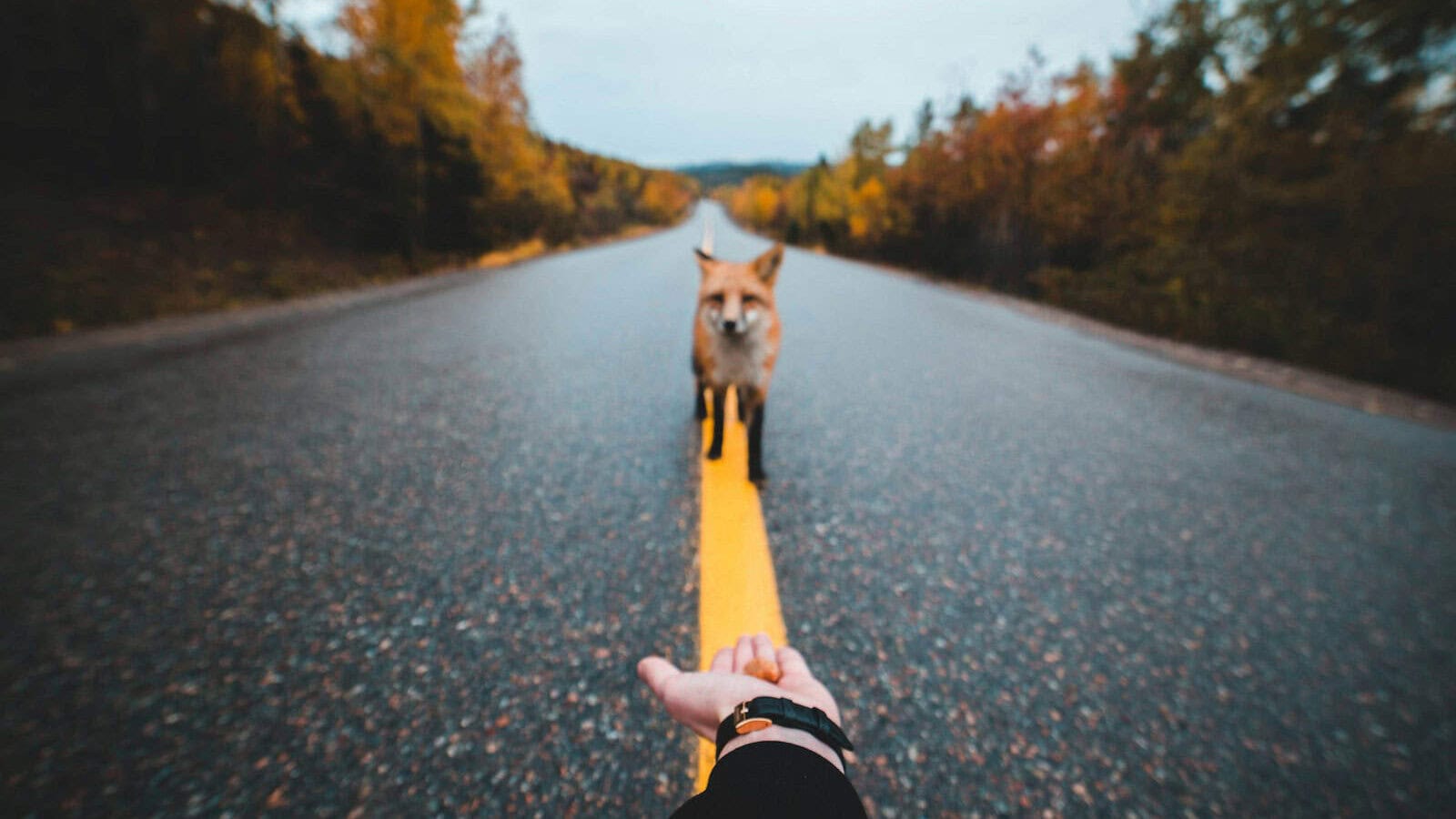
The relationship between humans and these fox species varies considerably, as do their conservation statuses. Red foxes have successfully adapted to human presence, colonizing urban and suburban environments worldwide. While this adaptability has ensured their survival with a conservation status of “Least Concern,” they are often considered pests in agricultural settings and are extensively hunted and trapped for fur and sport in many regions. Gray foxes maintain a more cautious relationship with humans, generally avoiding heavily populated areas. They’re listed as “Least Concern” globally but face localized threats from habitat fragmentation and competition with expanding coyote populations. Arctic foxes have a more complex conservation status, listed as “Least Concern” globally but endangered in specific regions like Scandinavia, where climate change is rapidly altering their habitat. Traditional hunting by indigenous peoples has historically been sustainable, but commercial fur trapping has impacted populations in some areas. The greatest contemporary threat to Arctic foxes comes from climate change, which is reducing sea ice extent and altering the tundra ecosystem upon which they depend.
Threats and Predators
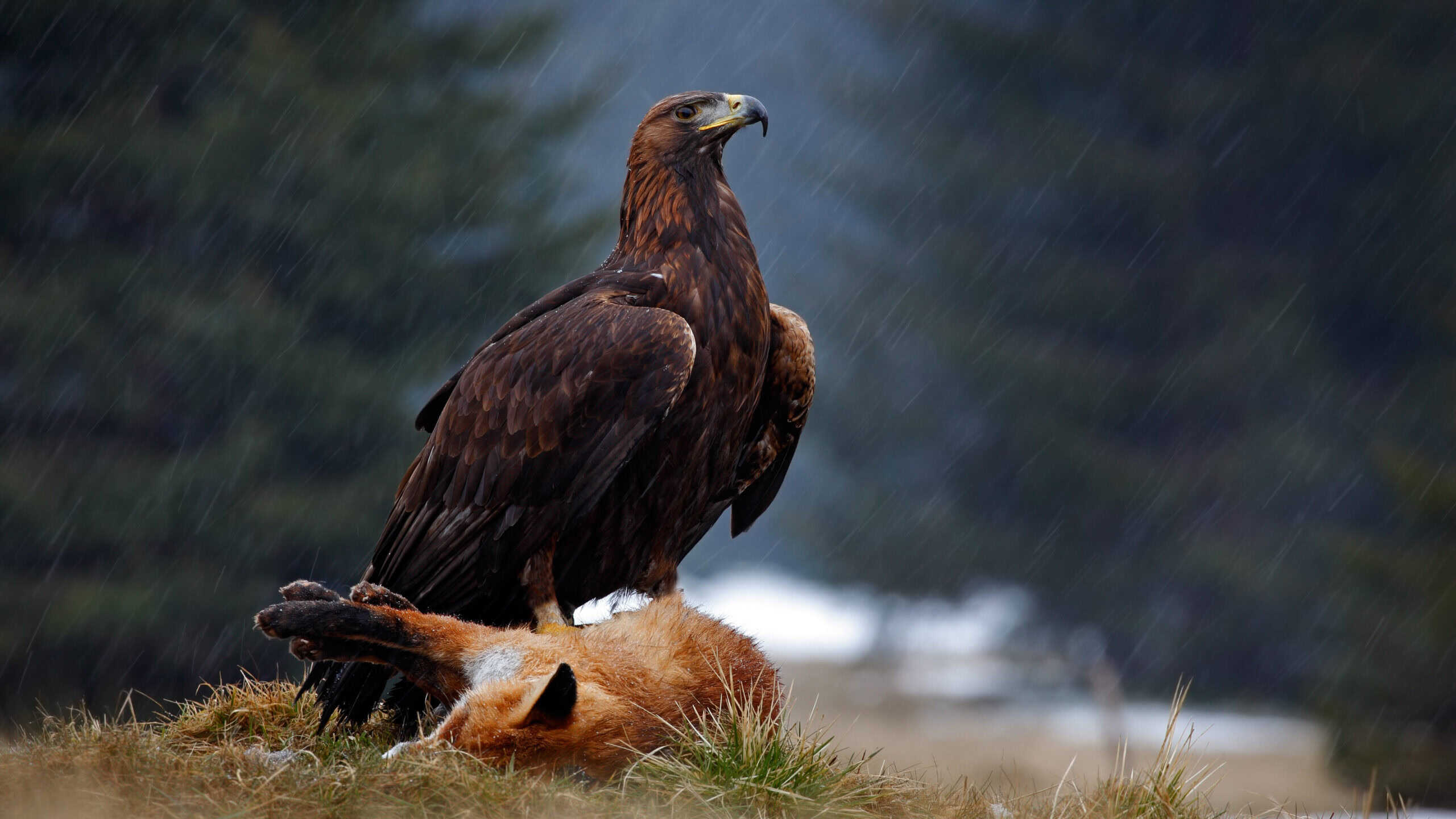
Each fox species faces different threats and predators in their respective habitats. Red foxes, despite their success, contend with larger predators including wolves, coyotes, and eagles. In human-dominated landscapes, vehicle collisions are a significant cause of mortality, while hunting and trapping for fur and pest control impact populations in many regions. Diseases such as rabies, canine distemper, and sarcoptic mange can cause significant die-offs in local populations. Gray foxes face predation from larger canids like coyotes and bobcats, which has driven their evolution as tree-climbers to escape these ground-dwelling predators. Habitat loss through urbanization and deforestation represents their most significant human-caused threat. Arctic foxes contend with larger predators including polar bears, wolves, and golden eagles, but their most significant natural predator is the red fox, which has been expanding northward with warming temperatures. Climate change represents the most severe threat to Arctic foxes, as warming temperatures allow red foxes to move into traditionally Arctic fox territory, creating both competition for resources and direct predation pressure. Additionally, changing snow and ice patterns affect prey availability and den stability for these polar specialists.
Unique Facts and Characteristics

Beyond their main differences, each fox species possesses fascinating and lesser-known characteristics that make them unique. Red foxes have binocular vision with vertically oriented pupils similar to cats, enhancing their ability to detect movement in low light conditions. They are also one of the few species known to use Earth’s magnetic field for hunting, aligning their pounces in a northeasterly direction when hunting prey beneath snow cover, which significantly increases their success rate. Gray foxes possess primitive characteristics that make them one of the most evolutionarily distinct canids, sometimes called “living fossils” among dog relatives. Unlike most canids, they have partially retractable claws and elliptical (rather than round) pupils. Archaeological evidence suggests they were occasionally kept as pets by Native Americans, though they were never truly domesticated. Arctic foxes hold several extreme biological records: they can endure temperatures as low as -70°C (-94°F), have the warmest fur of any mammal (measured by insulation value), and undertake remarkable migrations when food becomes scarce, with individuals documented traveling over 3,000 miles across sea ice in search of better hunting grounds – farther than any terrestrial movement documented for their size class.
The red, gray, and Arctic foxes represent remarkable examples of how evolution shapes species to thrive in vastly different environments, from the cosmopolitan adaptability of the red fox to the woodland specialization of the tree-climbing gray fox and the extreme cold-weather adaptations of the Arctic fox. Each species has developed specialized physical characteristics, behaviors, and survival strategies that reflect the unique challenges of their preferred habitats, demonstrating nature’s ingenuity in designing successful survivors. Despite their differences, all three species face growing challenges from human activity, whether through direct persecution, habitat loss, or the looming threat of climate change, which is already reshaping the competitive dynamics between these fascinating canids. Understanding the distinctive traits and ecological roles of these fox species not only enhances our appreciation of their evolutionary journey but also underscores the importance of conservation efforts to ensure these intelligent and adaptable animals continue to thrive in our changing world.

- The U.S. State with the Most Natural Disasters - July 22, 2026
- The Truth About Koalas Being “Bears”—They’re Not - July 22, 2026
- The Cultural Significance of Red Pandas in Nepal and China - July 22, 2026