

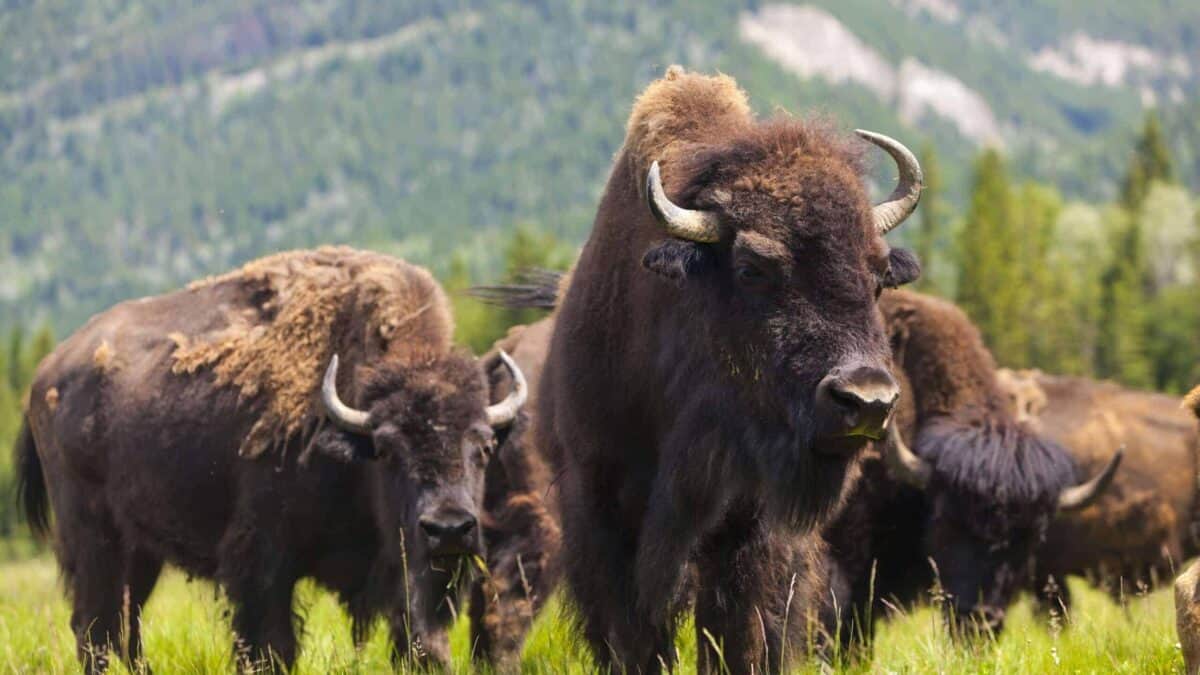
Agriculture forms the backbone of American society, providing food security and economic stability throughout the nation’s history. While human innovation and determination drove agricultural development, certain animals played crucial roles in this evolution. From the earliest colonial farms to modern industrial operations, these creatures have pulled plows, provided sustenance, controlled pests, and even inspired technological advances. This article explores 15 animals that fundamentally shaped American agriculture, examining their historical significance and lasting impacts on farming practices.
15. The Draft Horse America’s First Agricultural Engine
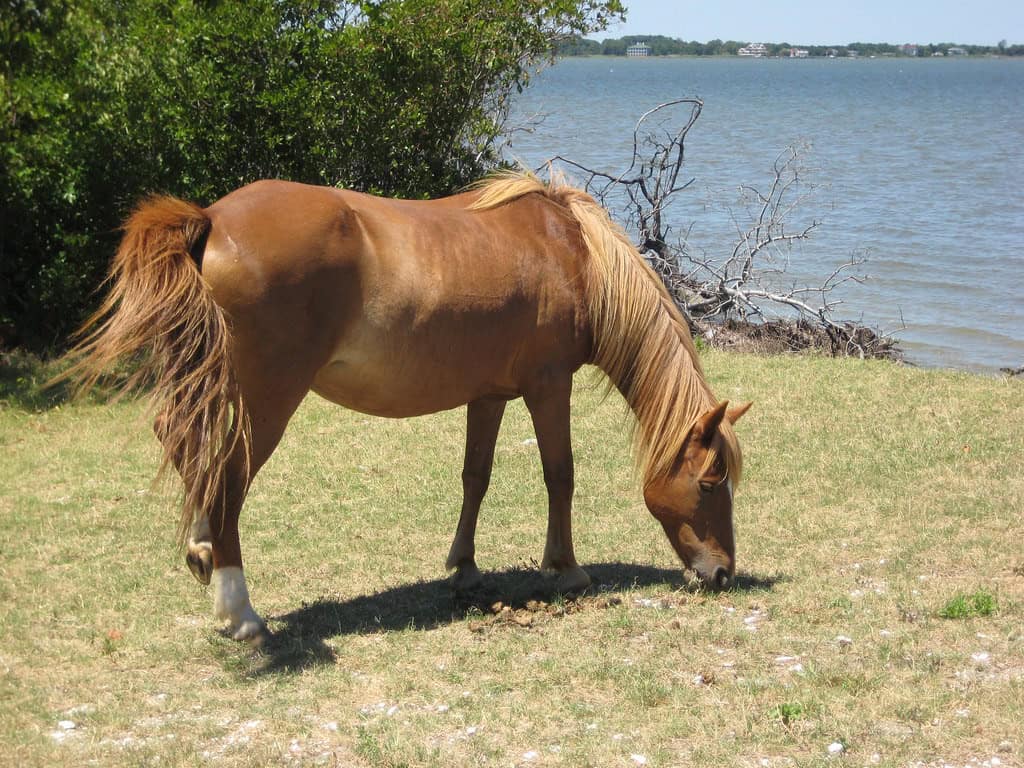
When European settlers arrived in North America, they brought with them various breeds of draft horses that would transform the landscape. Breeds like the Percheron, Belgian, and Clydesdale provided the raw power needed to clear forests, plow fields, and haul harvests before the advent of machinery. A single draft horse could generate approximately 1 horsepower of sustained energy (the original measure from which the mechanical term derives), allowing farmers to cultivate far more land than possible with human labor alone. By 1900, the U.S. horse population peaked at about 21 million animals, most used for agricultural purposes. Though tractors eventually replaced these magnificent animals, modern sustainable farming has seen a small resurgence in draft horse usage, with approximately 30,000 working draft horses still active on American farms today.
14. The Dairy Cow Transforming the American Diet

Dairy cows revolutionized American nutrition and created one of the country’s most enduring agricultural sectors. When Dutch settlers brought their prized cattle to New Amsterdam (later New York) in the 1620s, they established America’s first dairy operations. The Holstein-Friesian, known for exceptional milk production, eventually became America’s dominant dairy breed. By the 1800s, dairy farming had evolved from subsistence activity to commercial enterprise, spurring innovations like the mechanical cream separator (1878) and the glass milk bottle (1884). The refrigerated railroad car, developed in the 1840s, allowed milk to travel further, connecting rural farms with urban consumers. Today, America’s 9 million dairy cows produce over 200 billion pounds of milk annually, supporting a $31 billion industry. Beyond economic impact, dairy cows prompted research into animal genetics, nutrition, and veterinary medicine that benefited all agricultural sectors.
13. The Beef Cattle Pioneers of Western Expansion
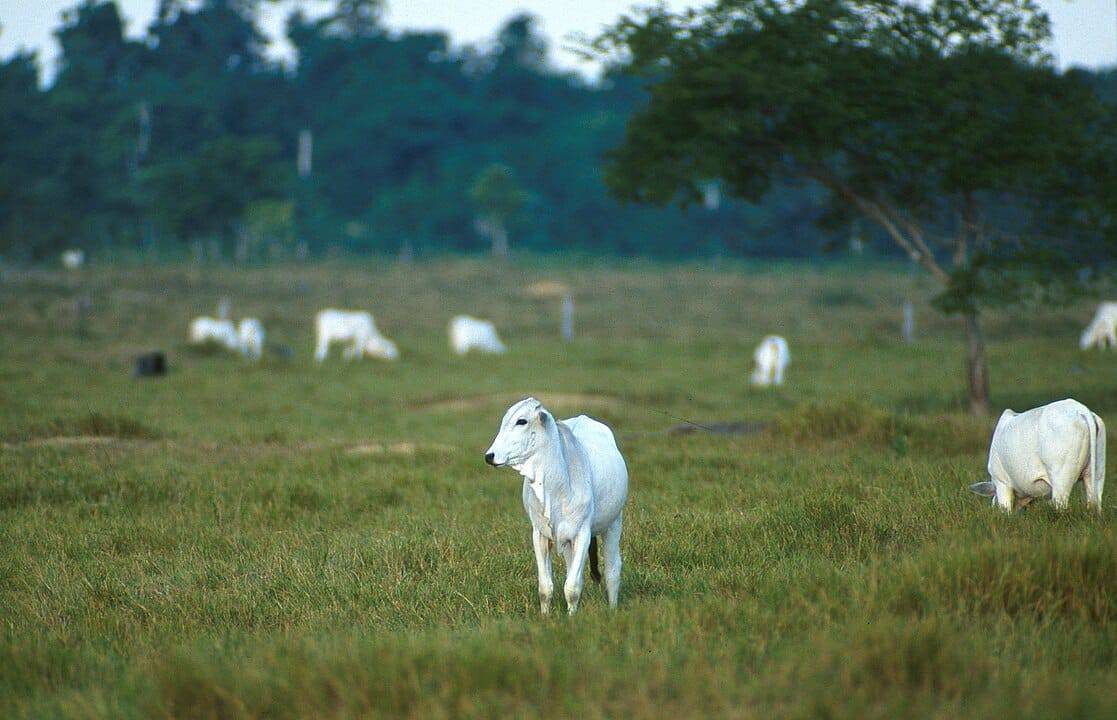
No animal is more synonymous with America’s agricultural expansion than beef cattle. Spanish explorers first introduced cattle to the Southwest in the 1500s, but the Texas Longhorn—a hardy breed adapted to harsh conditions—dominated the post-Civil War era. The legendary cattle drives of the 1860s-1880s moved millions of animals from Texas to railroad towns in Kansas, creating the iconic American cowboy culture. This cattle industry helped settle the American West and established beef as a staple protein in the American diet. Later introductions of British breeds like Angus and Hereford improved meat quality and production efficiency. Today’s beef industry, encompassing approximately 32 million cattle, contributes nearly $70 billion annually to the U.S. economy. Modern beef production has driven innovations in range management, animal health, and genetic selection techniques that influence all livestock sectors.
12. The American Mule Versatile Powerhouse of Small Farms

The mule—a cross between a male donkey and a female horse—became integral to American agriculture, particularly in the South. President George Washington received a gift of a Spanish jack (male donkey) from King Charles III of Spain in 1785, beginning his deliberate breeding program to produce superior work animals for American farms. Mules offered unique advantages: stronger than horses relative to their size, more heat-tolerant, more disease-resistant, requiring less feed, and living longer productive lives—often working 30+ years. By 1925, America’s mule population peaked at approximately 5.8 million, with most concentrated in cotton-growing regions. The mule’s importance extended beyond physical labor; its widespread use necessitated specialized equipment, breeding techniques, and animal management practices that influenced American agricultural knowledge. Though tractors eventually replaced mules, their contribution to developing marginal farmland, especially in mountainous and southern regions, permanently shaped American agricultural geography.
11. The American Bison Agriculture’s Tragic Lesson
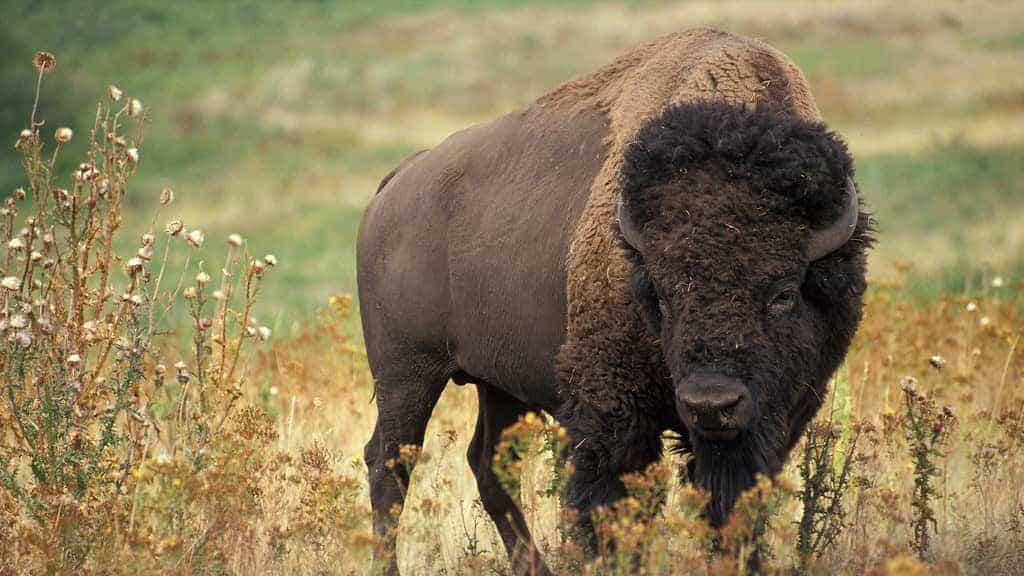
The American bison (Bison bison) influenced agriculture not through domestication but through its near extinction, which transformed the Great Plains forever. Before European settlement, an estimated 30-60 million bison roamed North America, maintaining the prairie ecosystem through grazing patterns that supported diverse plant communities. Native American tribes practiced sustainable hunting while following bison herds. The systematic slaughter of bison in the 1870s-1880s—reducing populations to fewer than 1,000 animals by 1890—accomplished two agricultural transformations: removing Native Americans’ food sources to force reservation confinement and clearing the plains for cattle ranching and crop cultivation. This ecological upheaval led directly to the Dust Bowl of the 1930s, teaching painful lessons about sustainable land management. Today’s revitalized bison population (approximately 500,000 animals) includes about 20,000 managed for meat production, representing a growing niche in sustainable agriculture and prairie restoration efforts.
10. The Honey Bee America’s Essential Pollinator

European honey bees (Apis mellifera) arrived with early colonists around 1622, becoming vital agricultural allies beyond their honey production. Native Americans called them “white man’s flies” as they spread ahead of European settlement. Today, honey bees pollinate approximately $15 billion worth of U.S. crops annually, including almonds, apples, blueberries, and numerous vegetables. About 2.7 million managed honey bee colonies traverse the country on trucks, following pollination contracts from California almond orchards in February to Maine blueberry fields in May. Beyond pollination services, beekeeping drove innovation in wooden hive design, particularly Lorenzo Langstroth’s 1852 movable frame hive that revolutionized commercial beekeeping. The honey bee’s sensitivity to environmental changes has made it an important indicator species, with colony collapse disorder in the early 2000s highlighting agricultural chemical impacts and prompting research into sustainable farming practices. Current threats to honey bee populations have accelerated development of integrated pest management techniques benefiting all agriculture.
9. The Merino Sheep Foundation of American Textile Industry
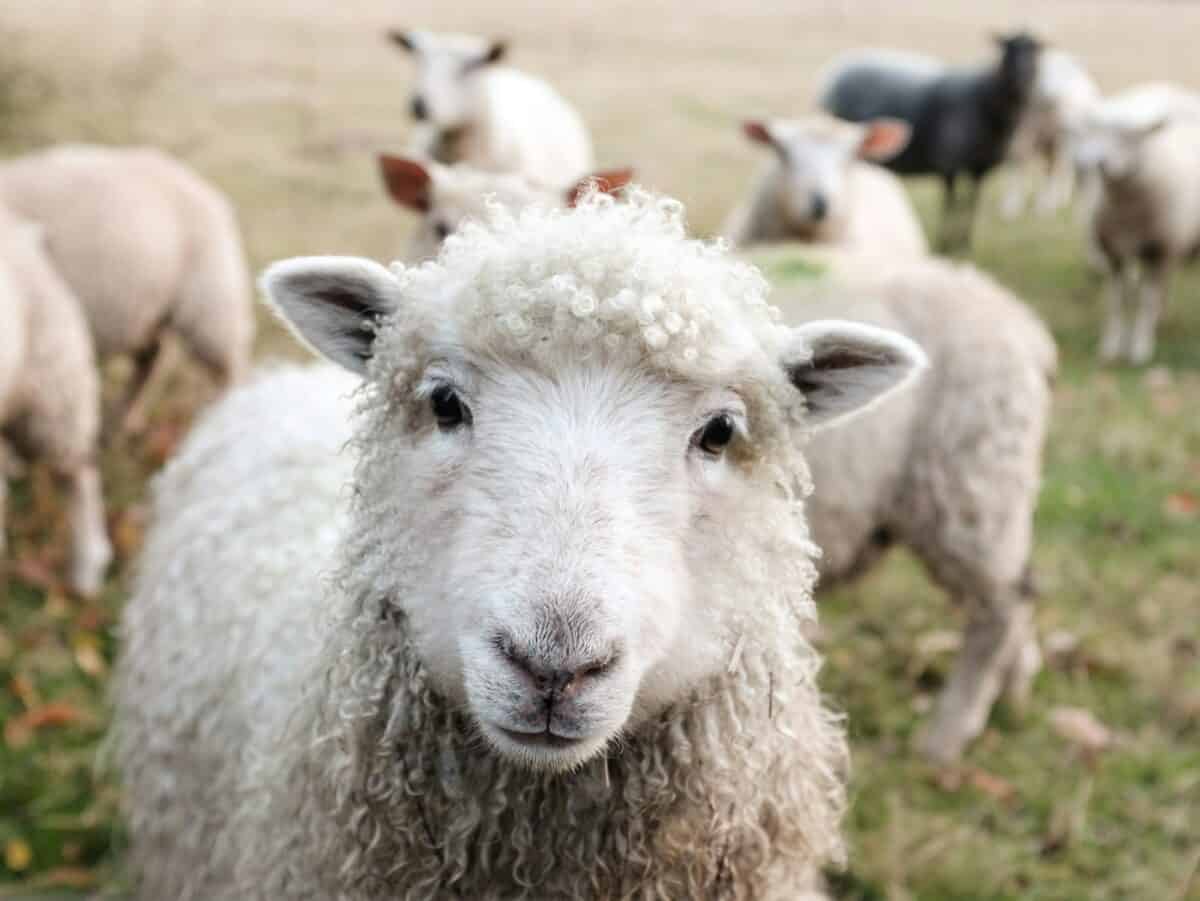
Merino sheep transformed American agriculture by establishing the nation’s first industrial-agricultural complex. When Spanish Merino sheep arrived in the early 1800s, their fine wool—superior to native breeds—sparked a “Merino craze,” with breeding rams selling for thousands of dollars. Vermont and Ohio became early centers of sheep production, with the U.S. sheep population reaching 22 million by 1840. This wool production directly fueled New England’s textile mills, creating one of America’s first farm-to-factory supply chains. Sheep farming influenced American agriculture beyond wool production: shepherds pioneered seasonal grazing patterns that maximized land use, developed selective breeding techniques later applied to other livestock, and established cooperative marketing organizations that became models for other agricultural sectors. Though America’s sheep industry declined from its peak (today numbering about 5 million animals), its early dominance established agricultural patterns and processing infrastructure that influenced all subsequent American farming. Recent years have seen renewed interest in sheep for sustainable land management and growing markets for specialty wools and grass-fed lamb.
8. The Berkshire Pig Revolutionizing American Meat Production

Pigs arrived with the earliest European settlers, but the introduction of improved breeds, particularly the Berkshire from England in the 1820s, transformed American meat production. Unlike cattle, which required extensive grazing land, pigs could convert food waste and forest mast (nuts) into protein, making them ideal for small farms. By the 1840s, Cincinnati became known as “Porkopolis” for its massive pig processing industry, setting patterns for future agricultural industrialization. Pork preservation techniques like smoking and salting allowed year-round meat availability before refrigeration. The pig’s biological efficiency—producing more meat per pound of feed than cattle—and ability to thrive in diverse environments made it central to American farming. Innovations in pig breeding and management, including the development of hybrid lines beginning in the 1930s, pioneered genetic improvement techniques later applied across agriculture. Today’s 75 million American pigs produce over 27 billion pounds of pork annually while generating advances in animal nutrition, housing systems, and disease management that benefit all livestock industries.
7. The Barn Cat Agriculture’s Ancient Pest Controller

The common barn cat rarely appears in agricultural histories, yet these unassuming felines have protected American grain stores for centuries. Domestic cats arrived with European colonists, but quickly assumed crucial roles on farms as rodent controllers. A single barn cat can kill hundreds of mice annually, preventing both crop consumption and contamination. Before modern storage facilities and rodenticides, cats provided the primary defense against the estimated 20% grain loss that rodents could cause. Beyond direct protection, cats reduced disease spread, as mice and rats vector numerous pathogens affecting both livestock and humans. The economic value of this service was recognized by the U.S. Department of Agriculture, which officially employed cats for rodent control in its grain storage facilities until the mid-20th century. Even on today’s mechanized farms, an estimated 300,000 working barn cats continue providing environmentally sustainable pest management. Their contribution to American agriculture extends beyond utilitarian service—generations of farm children learned responsibility and animal husbandry by caring for barn cats, often their first introduction to the complex relationships between humans and working animals.
6. The Chicken From Barnyard Staple to Industrial Powerhouse

The humble chicken transformed from backyard barnyard staple to the cornerstone of a massive agricultural industry. Chickens accompanied European settlers to America, providing eggs and occasional meat as farm supplements rather than primary products. The “Chicken of Tomorrow” contests in the 1940s and 1950s accelerated breeding for meat production, creating the modern broiler industry. Technological developments—including automated incubation, improved nutrition, vaccination programs, and climate-controlled housing—turned chicken from occasional Sunday dinner to America’s most-consumed meat at over 90 pounds per person annually. The layer industry underwent similar transformation, with today’s 325 million laying hens producing about 96 billion eggs yearly. Beyond production achievements, chickens drove agricultural innovation in controlled environment housing, feed formulation, disease management, and processing technology. The integrated production model pioneered by chicken producers—where a single company controls breeding, hatching, growing, processing, and distribution—became a template for industrial agriculture across multiple sectors, fundamentally changing the relationship between farmers and the animals they raise.
5. The Border Collie Agricultural Intelligence at Work

The Border Collie represents the pinnacle of animal intelligence applied to agricultural purposes. These dogs arrived with Scottish and English shepherds during waves of 19th-century immigration, bringing sophisticated herding abilities developed over centuries in the British Isles. A well-trained Border Collie can replace 3-5 human workers in moving livestock, using innate predatory behaviors modified through selective breeding to control without harming animals. Their work extends beyond convenience to improving production; research shows livestock handled by skilled herding dogs experience less stress than those moved by humans, resulting in better weight gain and reproductive performance. The American Sheep Industry Association estimates that working Border Collies save the U.S. sheep industry approximately $15 million annually in labor costs. Beyond economics, these dogs pioneered our understanding of animal cognition and training. The advanced communication between handler and dog—often using whistles audible over a mile away—demonstrated sophisticated inter-species cooperation that influenced agricultural training methods across all working animals. Today’s approximately 20,000 working Border Collies continue managing livestock on operations ranging from small sustainable farms to large commercial ranches.
4. The Muskrat Unexpected Agricultural Pioneer
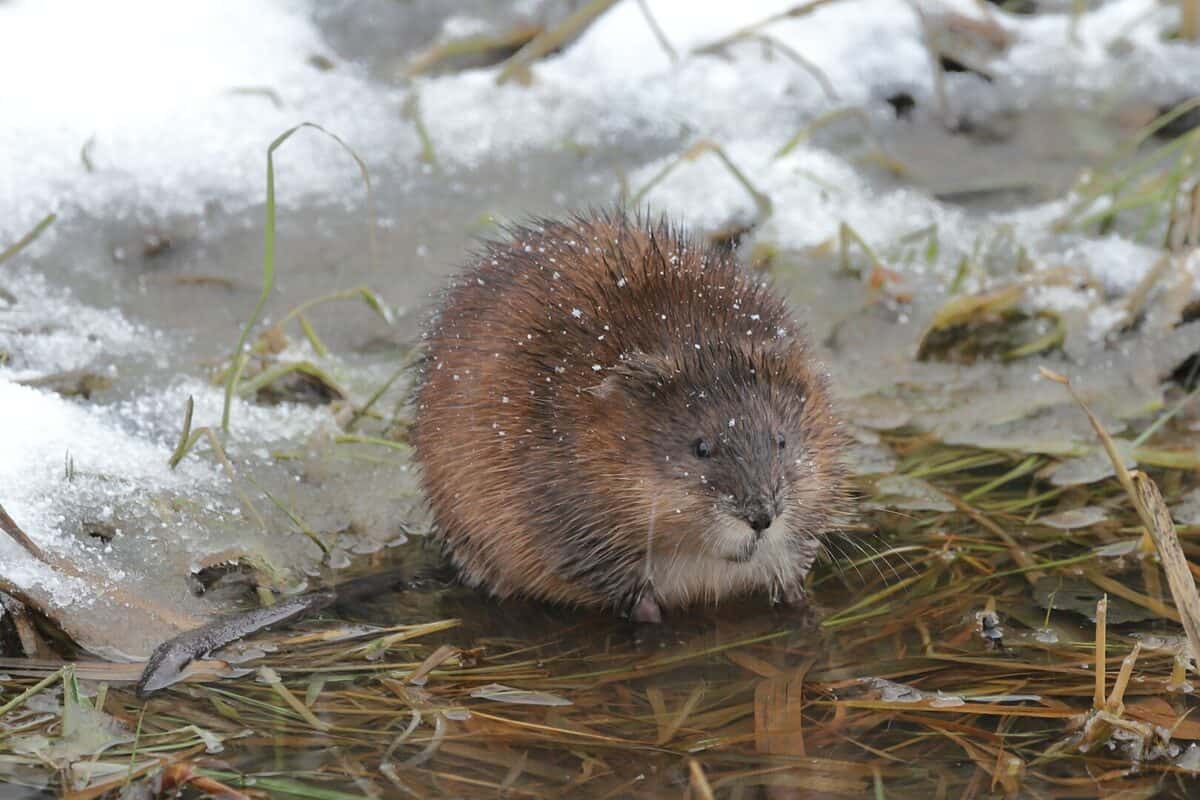
The native muskrat (Ondatra zibethicus) played a surprising role in American agricultural development through wetland transformation. In the 19th and early 20th centuries, government policy encouraged draining swamps and marshes to create farmland. Muskrat behavior provided crucial information for these efforts—engineers observed that muskrat burrows and lodges revealed water table levels and soil conditions better than any available tools. Additionally, their foraging patterns identified soil fertility gradients, as they selectively harvested plants in nutrient-rich areas. Between 1850 and 1930, approximately 117 million acres of wetlands were converted to agricultural use, with muskrat habitat among the first targeted. Ironically, as wetlands disappeared, muskrat trapping became an important supplemental income for farmers, particularly during the Great Depression, when muskrat pelts provided financial support that kept many farms operational. Modern wetland restoration efforts now utilize muskrat behavior as bioindicators of ecosystem health. The muskrat’s role in American agriculture demonstrates how native wildlife influenced land transformation decisions, creating an agricultural landscape that continues to define much of rural America today.
3. The Turkey America’s Native Contribution to Global Agriculture

The wild turkey (Meleagris gallopavo) represents one of the few animals native to North America that became globally significant in agriculture. Domesticated by indigenous peoples long before European contact, turkeys were among the first American agricultural exports to Europe following Columbus’s voyages. The domestic turkey’s journey reflects America’s agricultural evolution: from small farm flocks in colonial times to today’s specialized industry producing over 220 million birds annually. Turkey production pioneered innovations in poultry breeding, nutrition, and disease control that benefited all agricultural sectors. The development of the Broad Breasted White turkey in the 1950s—capable of rapid growth and high meat yield—established patterns for modern livestock genetic selection. Beyond production achievements, the turkey inspired important cultural connections to agriculture, particularly through its association with Thanksgiving, which annually reminds Americans of their agricultural heritage. Conservation efforts for wild turkeys, which rebounded from near extinction to approximately 7 million birds today, developed habitat management techniques now used across wildlife conservation. The turkey’s dual status as both wildly successful domestic livestock and restored wild species demonstrates sustainable relationships between agriculture and wildlife.
2. The American Quarter Horse Versatile Partner in Livestock Management

The American Quarter Horse—the first breed developed specifically in America—revolutionized livestock management through its unique combination of speed, agility, and “cow sense.” Developed from crosses between English Thoroughbreds and horses of Spanish colonial ancestry, Quarter Horses earned their name from their unmatched speed in quarter-mile races popular on early American frontier farms. Their true agricultural importance emerged through work with cattle, where their quick acceleration, low center of gravity, and intuitive understanding of bovine behavior made complex herding operations possible. Before mechanical transportation, Quarter Horses provided the primary means of monitoring and moving livestock across extensive American rangelands. Their importance grew during the open range era (1866-1890), when a skilled horse could mean the difference between profit and ruin for cattle operations. Even in today’s mechanized agriculture, approximately 1.2 million registered American Quarter Horses continue working on farms and ranches. Their versatility influenced American agricultural development through improved livestock handling techniques, established breeding programs that advanced animal genetics understanding, and created transportation networks connecting isolated rural communities to agricultural markets.
1. The Earthworm Microscopic Cultivator of American Soils
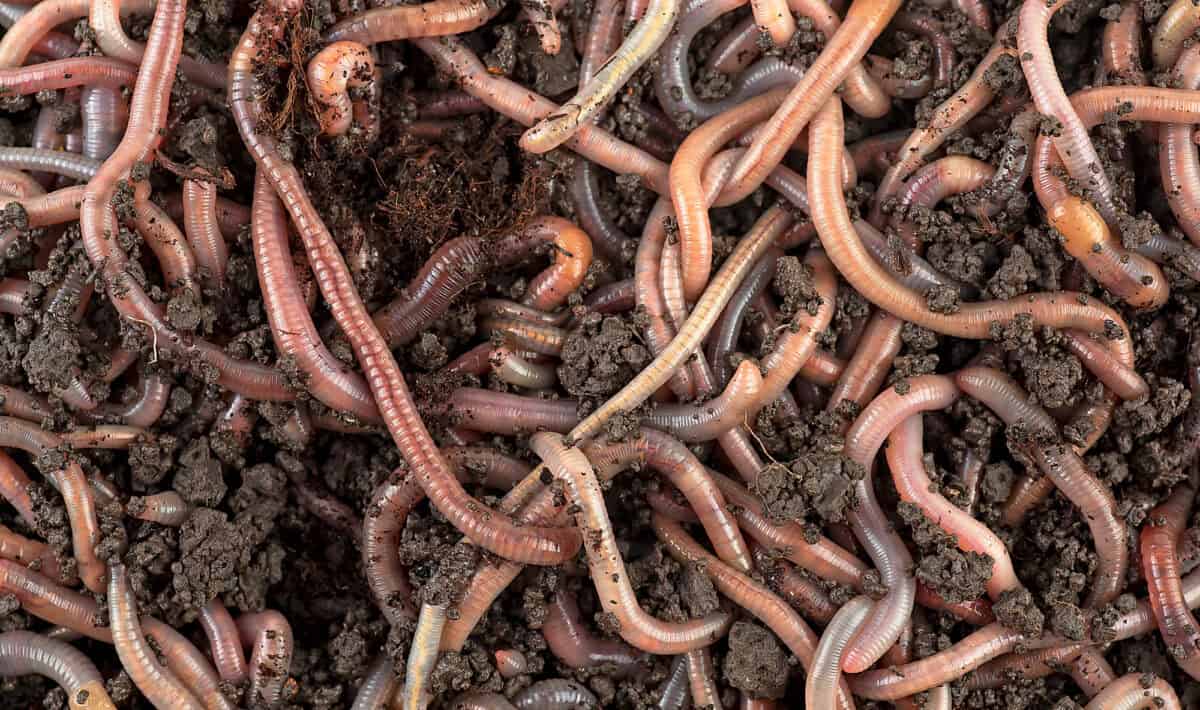
Though often overlooked, the humble earthworm fundamentally shaped American agricultural productivity. Native earthworm species were largely eliminated from northern North America during glaciation, making European earthworms introduced by colonists essential soil engineers in many agricultural regions. Charles Darwin first documented earthworms’ agricultural importance in his 1881 book, while American soil conservationist Hugh Hammond Bennett incorporated earthworm management into recommendations that helped recover from the Dust Bowl disaster. A healthy acre of farmland may contain 50,000-500,000 earthworms, collectively weighing more than all other livestock on the property. These invertebrates improve soil structure through burrowing (creating channels for water and root penetration), enhance nutrient availability (their castings contain 5 times more nitrogen, 7 times more phosphorus, and 11 times more potassium than surrounding soil), and accelerate organic matter decomposition. Modern agricultural research estimates earthworm activity increases crop yields by 25% in some systems. The transition toward conservation tillage beginning in the 1970s was partly motivated by preserving earthworm populations, demonstrating how understanding these creatures’ contribution influenced farming practices. Today’s regenerative agriculture movement explicitly incorporates earthworm management as a cornerstone of sustainable soil health.
Conclusion: The Ongoing Partnership Between Animals and American Agriculture

From the humble honeybee pollinating crops to the mighty bison that once roamed the Great Plains, animals have played a foundational role in shaping American agriculture. These 15 species—whether domesticated workhorses, vital pollinators, or historically significant wildlife—have influenced how food is grown, transported, and consumed across the nation. Their contributions have powered economies, sustained communities, and enriched ecosystems. Understanding their roles not only honors the legacy of American farming but also reminds us that the future of agriculture depends on protecting and respecting the animals that help sustain it.

As a little kid, I fell in love with nature, wildlife, and animals. Living in the USA, South Africa, Italy, China and Germany gave me the opportunity to discover the world's Wildlife. My favorite animals are Mountain Gorillas, Siberian Tigers, and Great White Sharks.
I'm a certified PADI Open Water Diver, went to Everest Base Camp and Trekked Gorillas in Uganda. I hold a Master of Science in Economics and Finance.
Please send any feedback to feedback@animalsaroundtheglobe.com
- 10 Most Unique Reptiles You will See in the US - July 21, 2026
- 3 Dangerous Invasive Species the USA Must Eradicate - July 21, 2026
- 10 Things That Calm Cats And 4 That Make Them Nervous - July 21, 2026