


Deep in the ancient lakes of Mexico City lives a creature so extraordinary that scientists and pet enthusiasts alike have been captivated by its otherworldly qualities. The axolotl (pronounced “AX-oh-lot-ul”) might look like something from a science fiction movie, but these remarkable amphibians are very real—and very special. With their perpetual smiles, feathery external gills, and extraordinary biological abilities, axolotls seem more like visitors from another planet than earthly creatures. Let’s dive into 12 fascinating facts that make these aquatic salamanders truly deserving of their nickname: “nature’s little aliens.”
12. They Can Regenerate Almost Any Body Part
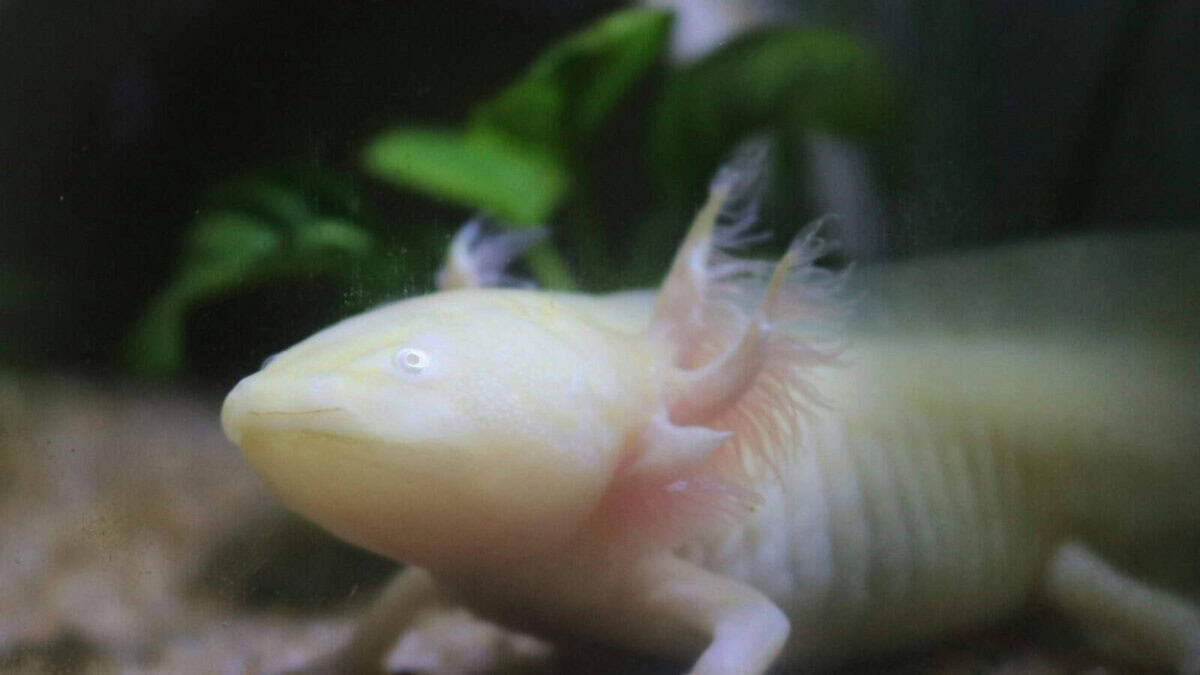
Perhaps the most alien-like quality of axolotls is their incredible regenerative abilities. Unlike humans, who can only heal wounds, axolotls can regrow entire body parts. If an axolotl loses a limb, tail, parts of its heart, spinal cord, or even portions of its brain, it can regenerate these structures completely—with no scarring. Scientists have documented cases where axolotls have regrown the same limb multiple times with perfect functionality. This remarkable regenerative capacity has made axolotls invaluable research subjects for regenerative medicine, with scientists hoping to unlock secrets that might one day help humans heal more effectively from injuries and diseases.
11. They Never Grow Up

Axolotls exist in a permanent state of adolescence through a phenomenon called neoteny. While most salamanders metamorphose into land-dwelling adults, axolotls remain aquatic and retain their juvenile features throughout their lives. They never lose their external gills, develop lungs, or transform to live on land as other salamanders do. This biological arrested development is exceedingly rare in the animal kingdom and contributes significantly to their alien appearance. Interestingly, under certain conditions or with hormone treatments, axolotls can be induced to metamorphose, though this typically shortens their lifespan and is not recommended for pet axolotls.
10. They Breathe Through Feathery External Gills

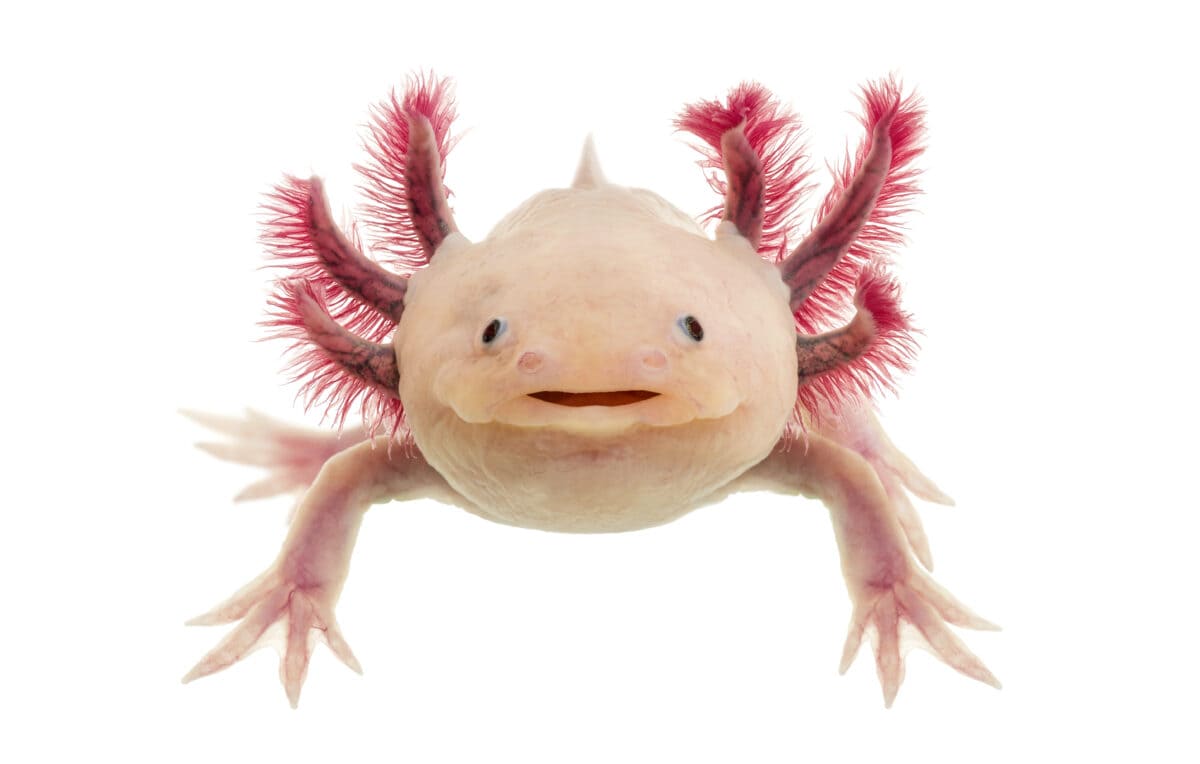
The most visually striking feature of axolotls is their set of feathery external gills that crown their heads like exotic headdresses. These three pairs of filamentous gill stalks, colored a rich red due to the blood vessels running through them, wave gently in the water as they extract oxygen. While axolotls also have rudimentary lungs and can absorb oxygen through their skin, these external gills serve as their primary breathing apparatus. No other adult vertebrate maintains such prominent external respiratory structures, adding to the creature’s extraterrestrial appearance. When an axolotl becomes stressed or excited, these gill filaments may become more erect and enlarged, making them look even more dramatic.
9. They Can Live Without Food for Months

Axolotls possess an extraordinary metabolism that allows them to survive extended periods without food—up to several months in some cases. Their slow metabolic rate and efficient energy usage mean they can endure food scarcity far better than most pets. This adaptation likely evolved to help them survive in environments where food availability fluctuates seasonally. Pet owners are sometimes alarmed to learn that adult axolotls typically only need feeding 2-3 times per week, rather than daily. However, this remarkable ability to fast should not be tested intentionally, as regular feeding schedules are important for maintaining optimal health in captivity.
8. Their DNA Quantity is Extraordinary
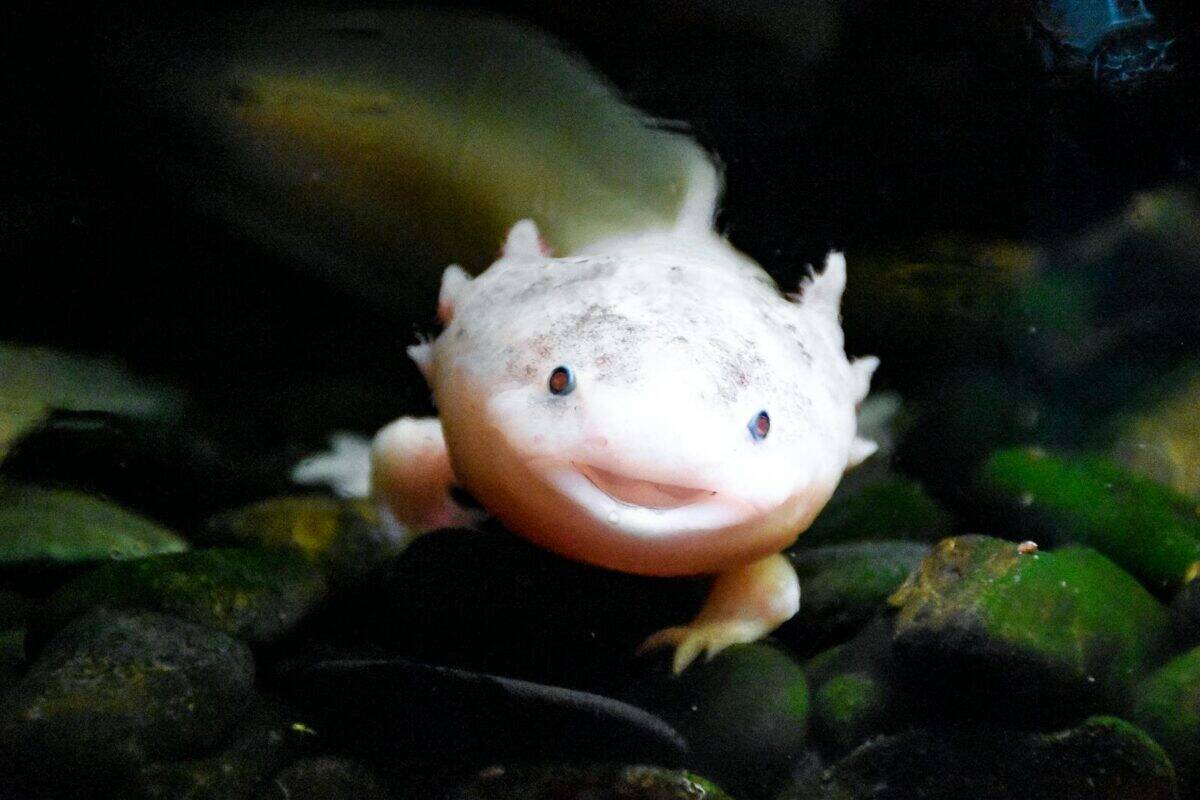
If their physical appearance wasn’t alien enough, axolotls also possess a truly massive genome—one of the largest of any animal studied. The axolotl genome contains approximately 32 billion base pairs, which is about ten times larger than the human genome. In 2018, scientists finally sequenced the entire axolotl genome, revealing it to be 32 gigabases in size. This enormous genetic library contains many repeated sequences and may hold the keys to understanding their remarkable regenerative abilities. The sheer size of their genome has made it challenging to study but potentially offers a wealth of genetic information that could revolutionize regenerative medicine.
7. They Can Accept Transplanted Organs Without Rejection

In another biological feat that seems straight out of science fiction, axolotls can accept transplanted organs or tissues from other axolotls with minimal or no immune rejection. This extraordinary immunological tolerance extends even to tissues from closely related salamander species. Scientists have successfully transplanted organs between axolotls in laboratory settings, with the recipients incorporating the new tissues seamlessly. This unusual ability is believed to be linked to their regenerative capabilities and unique immune system. Researchers are studying this phenomenon in hopes of developing better anti-rejection therapies for human organ transplant recipients.
6. They Come in Designer Colors That Don’t Exist in Nature

Wild axolotls typically display a mottled brown or olive coloration that helps them blend into their muddy lake-bottom habitat. However, decades of selective breeding have produced a rainbow of captive color morphs that would never survive in the wild. The most common is the leucistic axolotl, with its ghostly white body and striking dark eyes. Other popular varieties include the golden albino (pale gold with red eyes), melanoid (solid black), copper (peach-colored), and the rare blue axolotl. These artificially selected color variations, particularly the leucistic form with its pale, almost translucent appearance, enhance the creature’s otherworldly appeal and have contributed to their popularity as exotic pets.
5. They Can Absorb Parts of Their Mates’ DNA
The axolotl’s cellular capabilities border on the extraordinary, even in terms of reproduction. During mating, male axolotls release sperm packets called spermatophores, which females then collect and use to fertilize their eggs internally. Research has shown that genetic material from these sperm can sometimes be incorporated into the female’s body cells—not just the eggs—in a process akin to horizontal gene transfer. This means that females can potentially absorb and integrate parts of their mate’s DNA into their own bodies. This phenomenon, rare among vertebrates, adds another layer to the axolotl’s biological uniqueness and exemplifies why scientists consider them such valuable research subjects.
4. They’re Critically Endangered in the Wild
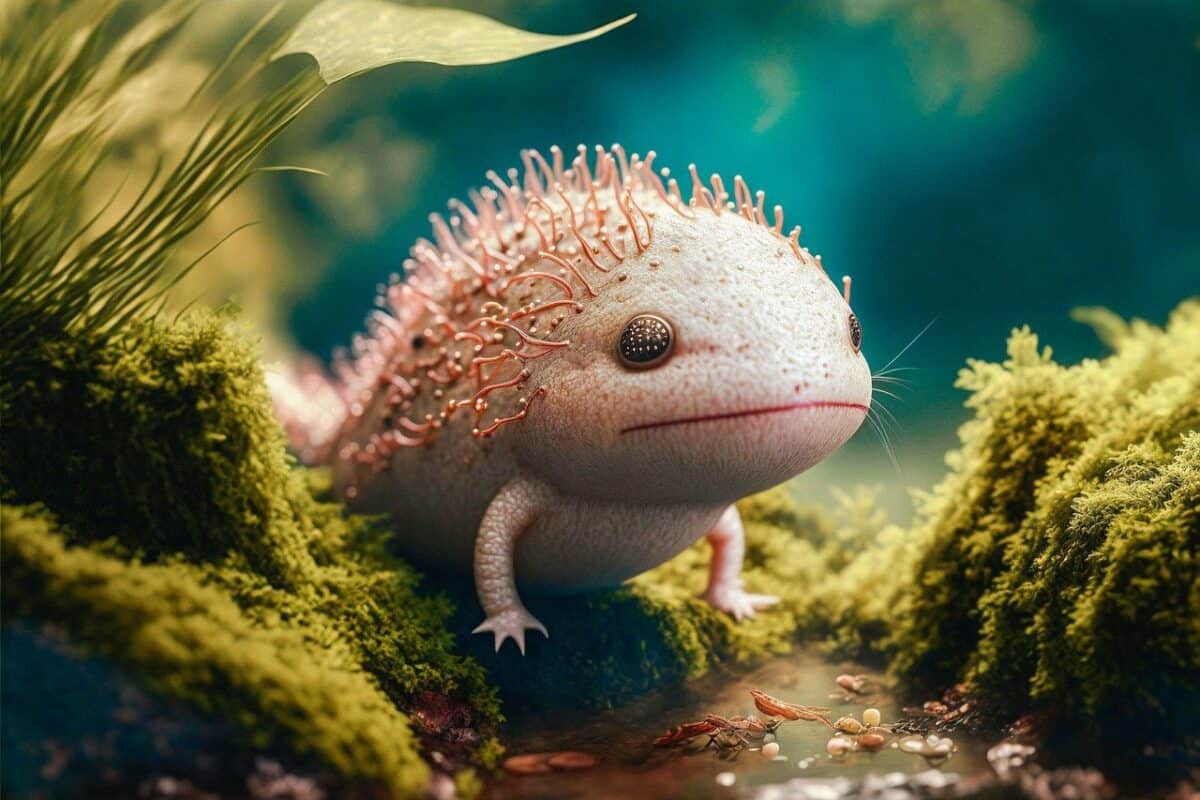
Despite thriving in laboratories and home aquariums worldwide, wild axolotls teeter on the brink of extinction. Native only to Lake Xochimilco and Lake Chalco in the Valley of Mexico, their natural habitat has been devastated by urban expansion, pollution, and the introduction of invasive species. Mexico City now sits where much of their habitat once existed, and the remaining canals and wetlands face severe degradation. Recent surveys estimate that fewer than 1,000 wild axolotls remain, with population densities falling from thousands per square kilometer in the 1980s to fewer than 35 per square kilometer today. The stark contrast between their endangered status in nature and their abundance in captivity represents a conservation paradox—they are simultaneously one of the most studied laboratory animals and one of the most threatened amphibians.
3. They Have a Third Eye of Sorts

Adding to their alien-like qualities, axolotls possess a photosensitive organ on the top of their heads called the pineal gland or “third eye.” While not a true eye with focusing capabilities, this specialized organ can detect light and helps regulate the axolotl’s circadian rhythms and seasonal behaviors. The pineal gland influences hormone production based on light exposure, affecting breeding cycles and other physiological processes. This light-sensitive organ is especially visible in leucistic and albino axolotls, where it appears as a small dark spot between the eyes. Though many vertebrates have pineal glands, the axolotl’s is particularly well-developed and contributes to their unique sensory capabilities.
2. They’re Cannibalistic from Birth

Axolotls display a disturbing tendency toward cannibalism, particularly during their early development stages. Young axolotls will readily bite and consume the limbs, gills, and tails of their siblings if housed together in crowded conditions. This behavior begins almost immediately after hatching and continues into adulthood, though it becomes less common as they mature. The cannibalistic tendency is so pronounced that axolotl breeders must separate young axolotls or provide ample space and hiding places to prevent them from mutilating each other. This seemingly brutal behavior evolved as a survival strategy in resource-limited environments and serves as a natural population control mechanism. In captivity, well-fed axolotls are less likely to attack their tank mates, but the risk never completely disappears.
1. They Have Ancient Cultural Significance

The axolotl holds a special place in Aztec mythology and culture, where it was associated with Xolotl, the god of fire and lightning, who transformed himself into an axolotl to avoid being sacrificed. The name “axolotl” derives from the Nahuatl language, roughly translating to “water dog” or “water monster.” These creatures were not just mythologically significant but also served as a food source for the Aztecs, who considered axolotl meat a delicacy. Historical accounts describe axolotls being sold in markets around Tenochtitlan (now Mexico City). Today, the axolotl remains an important cultural symbol in Mexico, appearing in artwork, literature, and even as a mascot for conservation efforts aimed at preserving the remaining wetlands of Xochimilco.
Conclusion: Earth’s Most Extraordinary Ambassadors

The axolotl stands as one of nature’s most fascinating evolutionary experiments—a creature so unusual that it challenges our understanding of biological possibilities. Their remarkable regenerative abilities, neotenic development, and unique genetic makeup have made them invaluable to scientific research, potentially holding keys to medical breakthroughs that could benefit humanity. Yet as they face extinction in their natural habitat, axolotls also serve as poignant reminders of our responsibility toward conservation. Perhaps most importantly, these smiling salamanders captivate our imagination and remind us that sometimes the most alien-like wonders aren’t found in distant galaxies but in the increasingly fragile ecosystems of our own planet. By continuing to study, appreciate, and protect these extraordinary creatures, we honor not just their scientific value but also their power to inspire wonder in a world that still holds magnificent biological mysteries.

As a little kid, I fell in love with nature, wildlife, and animals. Living in the USA, South Africa, Italy, China and Germany gave me the opportunity to discover the world's Wildlife. My favorite animals are Mountain Gorillas, Siberian Tigers, and Great White Sharks.
I'm a certified PADI Open Water Diver, went to Everest Base Camp and Trekked Gorillas in Uganda. I hold a Master of Science in Economics and Finance.
Please send any feedback to feedback@animalsaroundtheglobe.com
- 11 Most Endangered Insects Buzzing in America Today - July 22, 2026
- 10 Most Frequently Googled Animal Birth Facts - July 22, 2026
- 10 Incredible Migration Journeys in the Animal Kingdom - July 22, 2026