


When your dog greets you at the door with unbridled enthusiasm, tail wagging furiously and eyes bright with what appears to be joy, it’s natural to wonder: is this love? For centuries, humans have attributed emotional experiences to their canine companions, but only in recent decades has science begun to seriously investigate the emotional lives of dogs. This exploration into canine emotions isn’t merely academic curiosity—it shapes how we understand, care for, and build relationships with our four-legged family members. As we delve into the complex emotional world of dogs, we’ll examine the scientific evidence, evolutionary context, and behavioral indicators that help answer one of pet owners’ most heartfelt questions: do dogs feel love like we do?
The Evolution of Canine Emotions
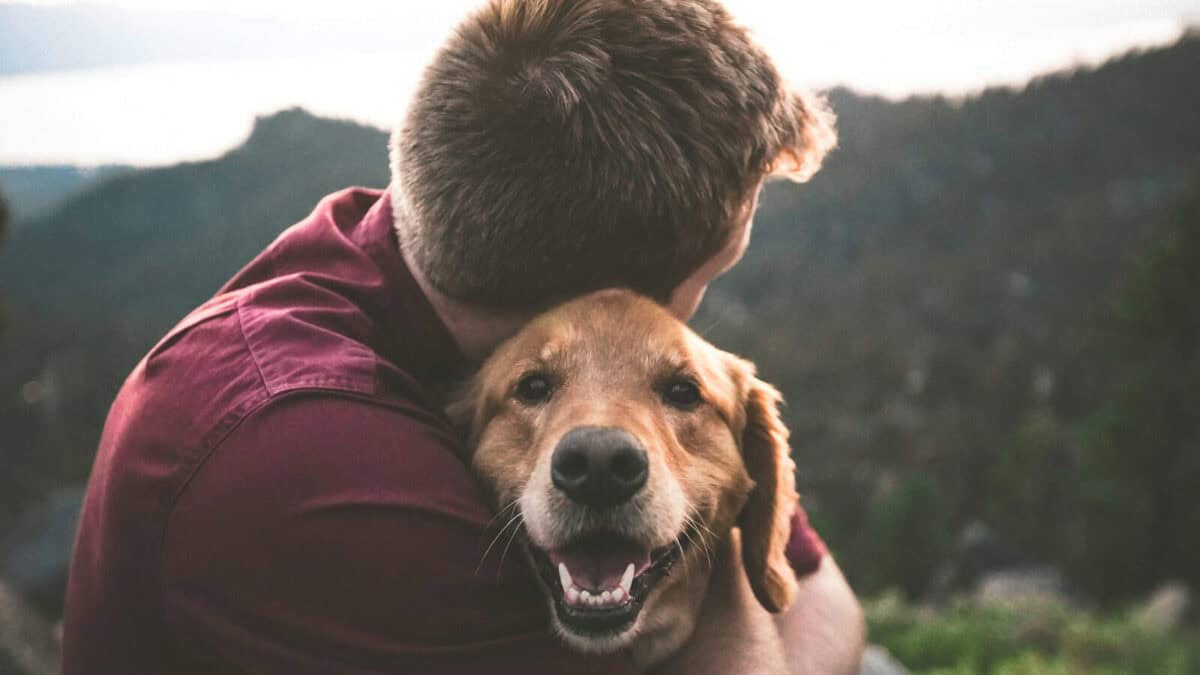
Dogs have been evolving alongside humans for at least 15,000 years, with some research suggesting domestication began as early as 30,000 years ago. This extended co-evolution has uniquely shaped canine emotional capacity. Unlike their wolf ancestors, dogs have developed specific neural and hormonal adaptations that facilitate social bonding with humans. Evolutionary biologists suggest that dogs that could form emotional connections with humans were more likely to survive and reproduce, essentially “selecting” for emotional responsiveness across generations. This evolutionary history provides the foundation for understanding that while dogs’ emotional experiences differ from ours, they aren’t necessarily less complex—just adapted to their ecological niche as human companions.
The Neuroscience of Canine Attachment
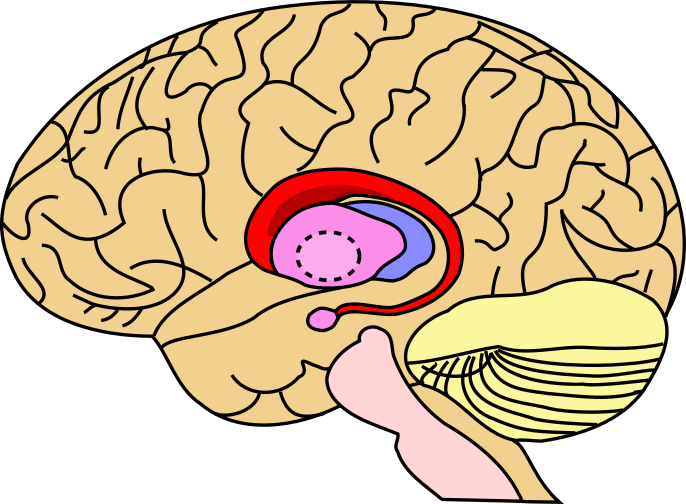
Recent neuroscience research has revealed remarkable similarities between human and canine brains when it comes to emotional processing. In groundbreaking studies using functional MRI technology, scientists have observed that dogs’ brains respond to their owners’ scents by activating the caudate nucleus—a region associated with positive expectations and rewards. When dogs smell their owners, their brains essentially “light up” in patterns similar to humans experiencing affection. Additionally, both dogs and humans release oxytocin—often called the “love hormone”—during positive interactions. One study found that when dogs and owners gaze into each other’s eyes, both experience oxytocin surges, creating a feedback loop that strengthens their bond. These neurological similarities suggest that while dogs may not conceptualize love as humans do, they possess the neural machinery for deep emotional attachment.
Canine Emotional Capacity: What Science Tells Us
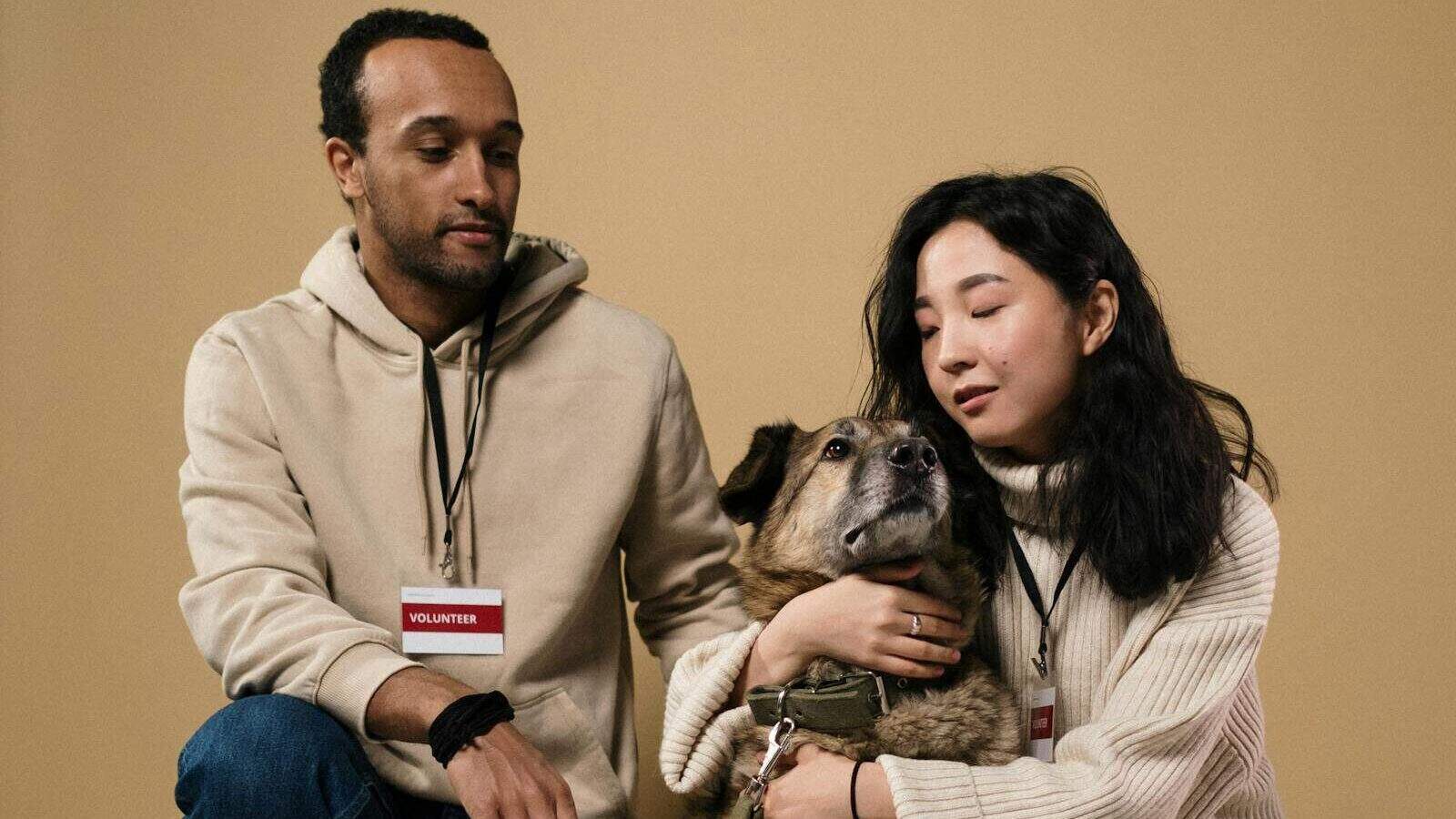
Scientific consensus indicates that dogs experience a range of basic emotions, including joy, fear, anger, disgust, and love or attachment. However, they likely lack some of the complex emotional states humans experience, such as guilt, pride, or contempt—emotions that require advanced self-awareness and understanding of social norms. Dr. Alexandra Horowitz, a cognitive scientist specializing in canine cognition, explains that what humans often interpret as guilt (the classic “guilty look”) is actually a learned submissive response to human disapproval rather than genuine understanding of wrongdoing. This distinction is important: dogs have rich emotional lives, but attributing human-like emotional complexity can lead to misunderstandings about their behavior. The science suggests dogs experience a more present-oriented, less reflective form of love—one focused on attachment, security, and contentment rather than abstract concepts.
The Chemistry of Canine Bonding

The biochemistry behind the human-dog bond reveals striking parallels to human relationships. When dogs interact positively with humans, their brains release not only oxytocin but also dopamine, serotonin, and endorphins—the same neurochemical cocktail humans experience during positive social interactions. These chemicals create feelings of pleasure, comfort, and contentment. Research from Azabu University in Japan found that dog-human interactions can trigger hormonal changes in both species that mirror parent-child bonding. During play and petting, both dogs and humans experience reduced cortisol (stress hormone) levels and increased oxytocin. This shared biochemical response helps explain the powerful bond that forms between dogs and their owners—a bond that, while different from human romantic or familial love, operates through some of the same biological mechanisms.
Reading Canine Body Language: Signs of Affection

Dogs communicate their emotional states primarily through body language, and recognizing the signs of canine affection requires attentive observation. Genuine affection in dogs is often expressed through relaxed body posture, soft eyes, and loose, comfortable movements. Specific affectionate behaviors include leaning against their humans, following from room to room, bringing toys (a form of sharing), sleeping nearby or making physical contact during rest, gentle nuzzling, and the distinctive full-body wiggle that many dogs display when greeting beloved humans. Unlike humans, who might express love verbally or through planned gestures, dogs show their attachment through consistent behavioral patterns that prioritize proximity and physical connection. These behaviors aren’t merely attention-seeking; they reflect a dog’s desire to maintain closeness with those they’ve bonded with—one of the purest expressions of canine love.
Separation Anxiety: The Darker Side of Attachment

The depth of dogs’ emotional attachment to humans becomes particularly evident when examining separation anxiety—a condition affecting an estimated 14-29% of dogs. When separated from their attachment figures, these dogs exhibit distress behaviors including destructive actions, excessive vocalization, inappropriate elimination, and physiological stress responses. Dr. Nicholas Dodman, a veterinary behaviorist, notes that these behaviors aren’t manipulative but genuine expressions of emotional distress comparable to panic attacks in humans. Brain studies show that dogs with separation anxiety experience similar neural activity to humans with anxiety disorders. This condition illustrates that dogs’ emotional attachments can be so strong that separation threatens their sense of security and well-being—suggesting that while dogs may not intellectualize love as humans do, their capacity for emotional dependence and distress when bonds are threatened indicates profound attachment capabilities.
Individual Differences in Canine Emotional Expression

Just as humans vary in how they express and experience love, dogs show remarkable individual differences in emotional expression. These differences stem from a complex interplay of genetics, early socialization experiences, breed tendencies, and individual temperament. Some dogs are effusive with their affection—constantly seeking contact, visibly excited by their owners’ presence, and openly demonstrating attachment behaviors. Others show more reserved affection through quiet loyalty, attentiveness, and subtle signals like soft gazes or slight tail movements. Research from the University of Vienna suggests that like humans, dogs have distinct personality traits that influence how they form and express attachments. Breed can also play a role; working breeds often form intense, focused bonds with specific individuals, while some companion breeds may distribute their affection more broadly. Understanding these individual differences helps owners recognize and appreciate their particular dog’s emotional language.
Cross-Species Friendship: Dogs’ Attachments Beyond Humans

Dogs’ capacity for forming emotional bonds extends beyond their relationships with humans. They can develop genuine attachments to other animals, including other dogs, cats, and even less traditional companions like horses, rabbits, or birds. These cross-species bonds demonstrate that canine attachment isn’t merely a survival strategy directed at human caretakers but reflects a broader social-emotional capacity. Research from the University of Colorado Boulder suggests that dogs form these relationships through many of the same mechanisms used in human-dog bonding: shared experiences, communication, play, and mutual respect for boundaries. Some animal behaviorists propose that domestication has enhanced dogs’ ability to “read” and adapt to the social signals of other species, facilitating these unusual friendships. These cross-species attachments provide further evidence that dogs possess a flexible capacity for forming emotional connections that, while not identical to human love, represents a legitimate form of social bonding.
Memory and Love: Do Dogs Remember Those They Love?

The question of whether dogs remember those they love speaks directly to the depth and durability of their emotional attachments. Evidence strongly suggests they do, though their memory works differently from human autobiographical memory. Dogs primarily rely on associative memory, strongly linked to emotional states and sensory experiences. This is why a dog may react with unbridled joy when reunited with a beloved owner after months or even years of separation. Research on canine cognition indicates that dogs possess both short-term memory and some form of long-term memory, particularly for emotionally significant experiences and individuals. Studies have documented dogs recognizing and preferentially responding to former owners or canine companions after years of separation. Dr. Marc Bekoff, a cognitive ethologist, suggests that emotional memory in dogs may be particularly robust, allowing them to maintain a sense of connection with significant figures in their lives even after prolonged absences—a capacity that reinforces the legitimacy of their emotional bonds.
When Grief Reveals Love: Dogs’ Responses to Loss

Perhaps one of the most compelling indications of dogs’ capacity for deep emotional attachment comes from observations of canine grief. When dogs lose a human or animal companion, many exhibit behavioral changes consistent with mourning: decreased appetite, lethargy, increased sleep, searching behaviors, whimpering, and social withdrawal. In one notable study published in the journal Animals, researchers found that 86% of dogs experienced negative behavioral changes following the death of a canine housemate. Some dogs have been documented waiting at locations associated with deceased owners, reminiscent of famous cases like Hachiko, the Japanese Akita who waited at a train station for his deceased owner for nine years. Neuroimaging studies suggest that dogs process loss in brain regions similar to those activated in human grief. While dogs may not contemplate mortality or the philosophical implications of death, their behavioral and physiological responses to loss provide strong evidence that their emotional attachments are genuine and deeply felt—perhaps one of the purest demonstrations that dogs can indeed experience something we would recognize as love.
Nurturing the Human-Canine Bond

Understanding that dogs experience deep emotional attachment creates responsibility for nurturing this bond appropriately. Research in canine behavior suggests that the strongest human-dog relationships develop through positive reinforcement training, consistent routines that provide security, respect for the dog’s individual needs and boundaries, and quality time spent in activities both species enjoy. Dr. Clive Wynne, director of the Canine Science Collaboratory, emphasizes that dogs thrive on genuine connection rather than material indulgence—regular interactive play and training sessions contribute more to bond-building than expensive toys or treats. The relationship also benefits from owners learning to “speak dog”—understanding canine communication and responding appropriately to their emotional signals. Activities that tap into dogs’ natural abilities and preferences, such as scent work, appropriate physical exercise, and positive social interactions, help create the security and satisfaction that allows their attachment capabilities to flourish.
Dogs likely don’t experience love with the cognitive complexity, self-reflection, or cultural understanding that characterizes human love. However, the scientific evidence strongly suggests they possess a genuine capacity for deep emotional attachment that functions analogously to human love in many important ways. Their brains activate in patterns similar to human affection, they produce the same bonding hormones, they demonstrate preferential attachment to specific individuals, they suffer when separated, and they grieve when bonds are broken. Rather than diminishing canine emotions by comparing them to human standards, we might better appreciate the unique reality of canine love—a more present-oriented, sensory-rich, and unconditional form of attachment than many humans ever experience. As science continues to illuminate the emotional lives of dogs, we gain not only a better understanding of our oldest animal companions but also a deeper appreciation for the diverse ways emotional bonds can manifest across species. In the end, whether we call it love or attachment, the emotional connection between humans and dogs represents one of the most successful and mutually beneficial cross-species relationships in history—one that continues to enrich both species in measurable, meaningful ways.

- This Lizard Can Breathe Underwater - July 22, 2026
- The Wild Horses of North Carolina’s Coast - July 22, 2026
- These Creatures Can Freeze Themselves to Survive - July 22, 2026