


In the microscopic world of insects, extraordinary feats of strength occur daily that would astound even the most accomplished human athletes. While Olympic weightlifters celebrate lifting three times their body weight, certain insects quietly perform physical achievements that dwarf human capabilities. Among these miniature powerhouses, one particular species stands out as the ultimate champion—the dung beetle, capable of pulling forces exceeding 1,000 times its own body weight. This remarkable ability not only showcases the incredible engineering of nature but also highlights how evolutionary adaptations have created biological marvels that human technology still struggles to replicate. Let’s explore the fascinating world of insect strength, where tiny creatures demonstrate power that defies our expectations of what’s physically possible.
The Surprising Champion: The Dung Beetle
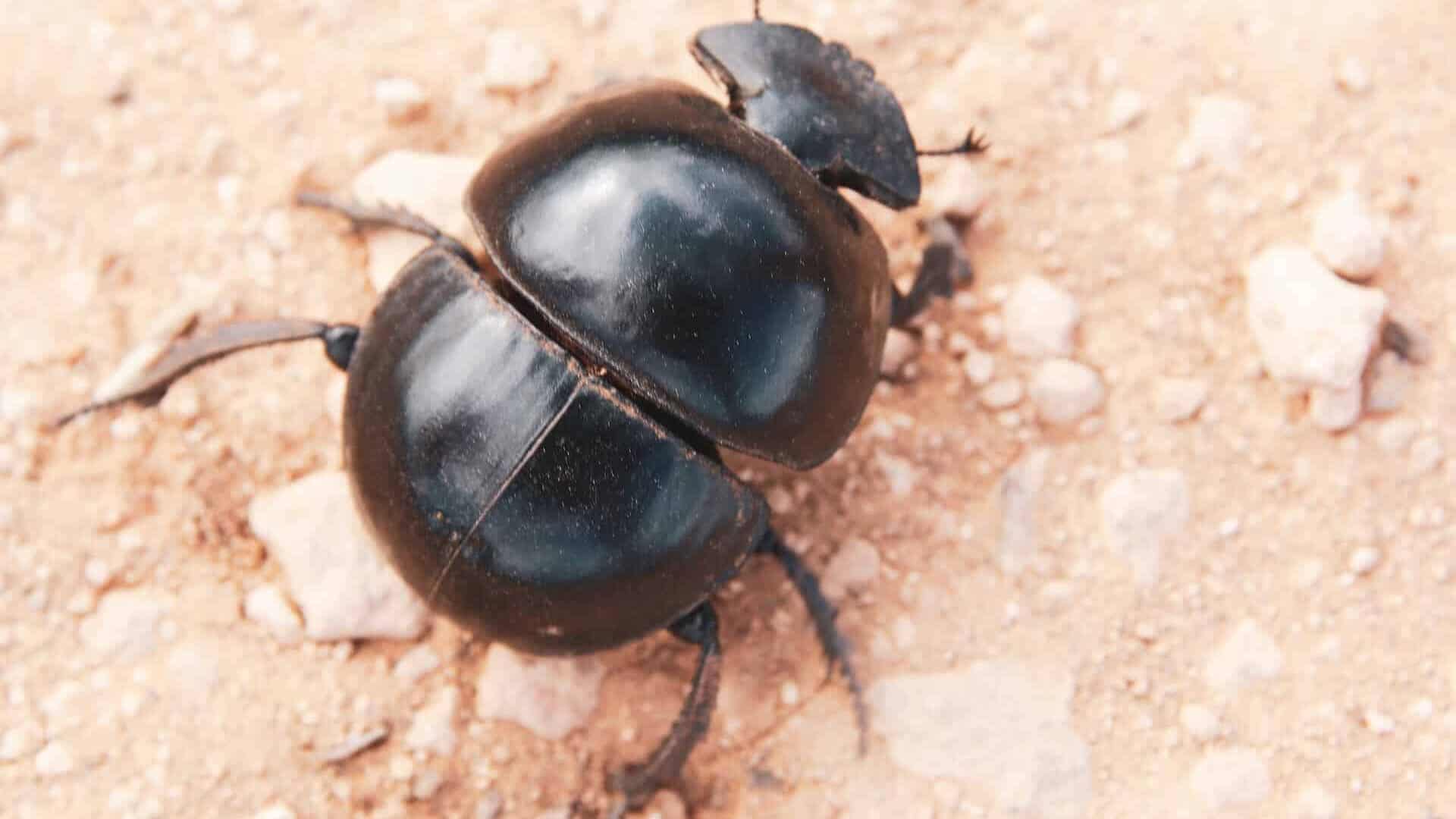
When discussing the strongest insects relative to their size, the dung beetle (specifically the species Onthophagus taurus) takes the crown. These unassuming insects can pull loads equivalent to 1,141 times their body weight—comparable to a human pulling six double-decker buses filled with passengers. Male dung beetles use this extraordinary strength to roll balls of dung many times their size across challenging terrain, often fighting off competitors for the prize. This strength isn’t just for show; it directly relates to their survival and reproductive success in the wild. The dung beetle’s remarkable power comes from a combination of efficient muscle structure, exoskeletal design, and mechanical advantage in their limbs—all optimized through millions of years of evolution.
Understanding Relative Strength in the Insect World
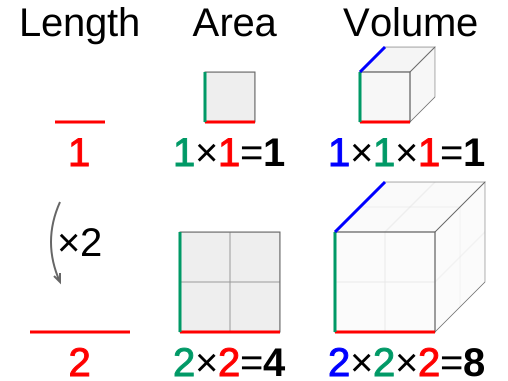
The concept of relative strength—power in proportion to body weight—is where insects truly excel beyond all other animals. While larger creatures like elephants or whales can move heavier absolute weights, insects dominate when measuring strength relative to size. This phenomenon relates to the square-cube law in biology: as an organism grows larger, its volume (and therefore weight) increases as a cube of its dimensions, while muscle cross-sectional area only increases as a square. This fundamental principle explains why smaller animals can lift proportionally more than larger ones. Insects benefit tremendously from this scaling effect, with their tiny dimensions allowing for strength ratios that would be physically impossible for larger animals to achieve.
The Science Behind Insect Super-Strength
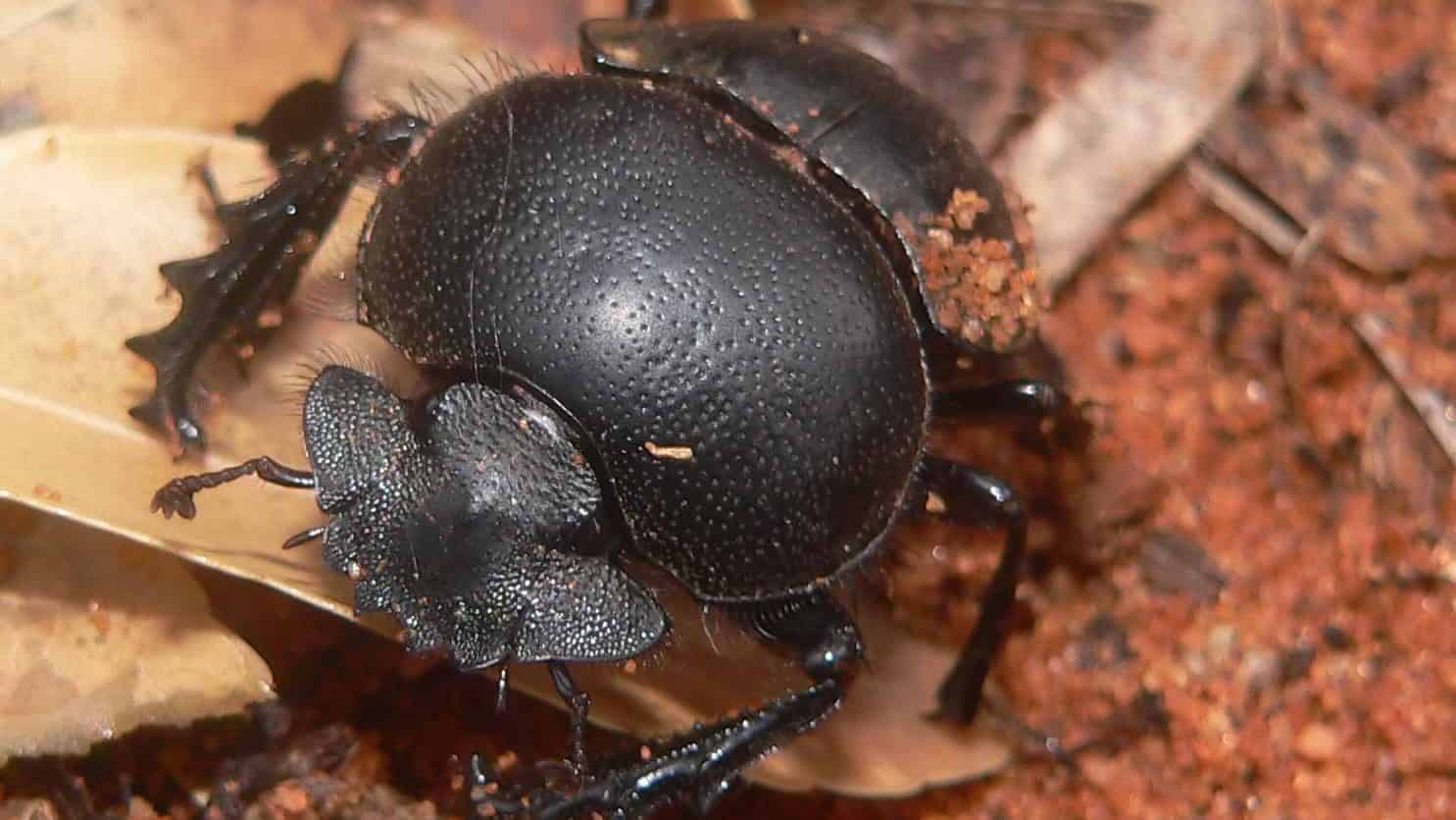
The extraordinary strength of insects stems from several biological adaptations. Unlike vertebrates with internal skeletons, insects possess an exoskeleton—a rigid external structure that provides mechanical advantage for their muscles. This design allows their muscles to pull against a sturdy frame, creating efficient leverage. Additionally, insect muscle tissue can generate higher forces per unit area than mammalian muscle. Their muscles contain higher densities of protein filaments and can engage more completely during contraction. The mechanical arrangement of these muscles, often attached to the exoskeleton at optimal angles, further enhances their ability to generate force. This biological engineering creates a power-to-weight ratio that human-designed machines still cannot match despite our technological advances.
Contenders for the Strength Title
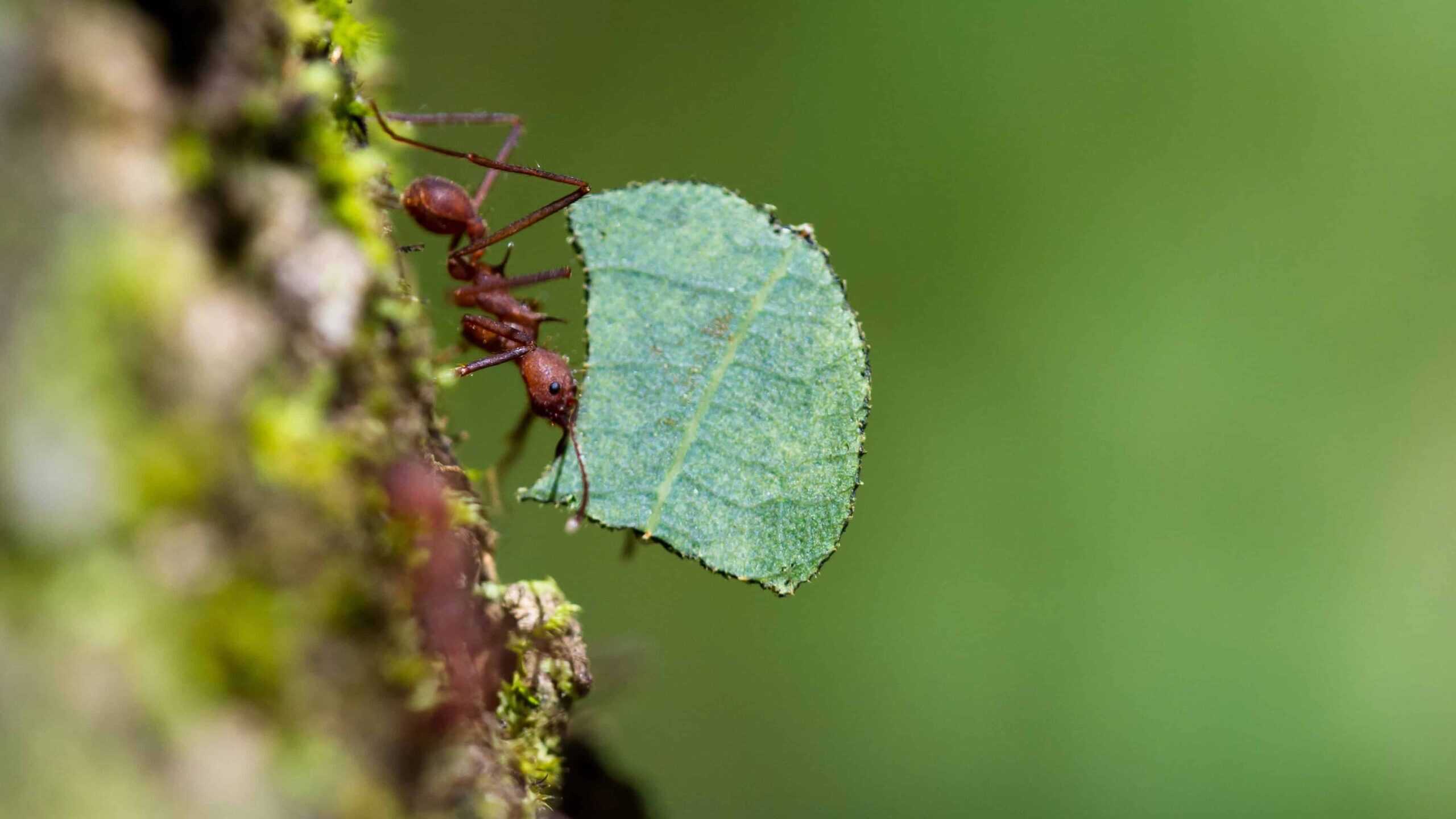
While the dung beetle holds the record for pulling strength, several other insects demonstrate remarkable feats that deserve recognition. The rhinoceros beetle can carry up to 850 times its body weight on its back. Leafcutter ants routinely carry leaf fragments weighing 50 times their body weight while walking upside down on the undersides of branches. Fleas can jump heights equivalent to a human leaping over a 100-story building, requiring tremendous leg strength. Fire ants can link their bodies together to form living rafts and bridges, with individuals supporting many times their weight. Each of these insects has evolved specialized strength adaptations for their ecological niche, demonstrating how evolution has produced multiple solutions to the challenge of generating maximum force from minimal body mass.
The Evolutionary Advantage of Super-Strength
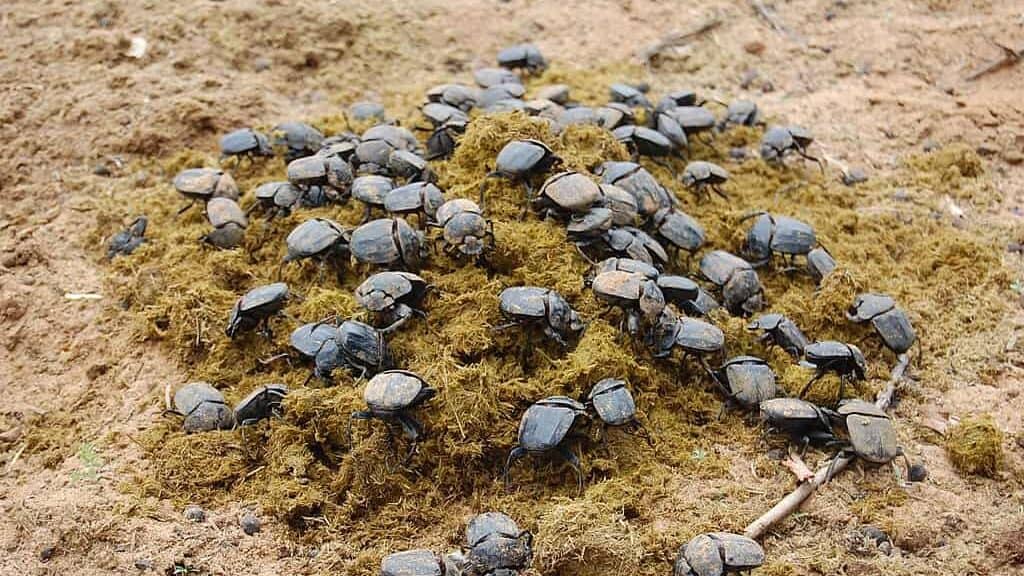
The extreme strength exhibited by insects didn’t evolve by chance—it developed through natural selection providing specific advantages. For dung beetles, superior strength means the ability to secure more resources (dung balls) for feeding and breeding, directly enhancing reproductive success. For predatory insects like mantids and assassin bugs, strength in their forelegs allows them to capture and subdue larger prey. Burrowing insects use their power to excavate complex tunnel systems that protect them from predators and environmental extremes. The ability to carry food items many times their own weight allows social insects like ants to efficiently transport resources back to their colonies. In each case, exceptional strength directly translates to survival advantages, demonstrating why natural selection has refined these capabilities over millions of years of evolution.
How Exoskeletons Enable Extreme Strength

The exoskeleton is perhaps the most crucial factor enabling insects’ incredible strength-to-weight ratios. This external armor, composed primarily of chitin and protein, serves multiple functions beyond protection. As a mechanical lever system, it provides attachment points for muscles that maximize mechanical advantage—similar to how the position of cables on a crane allows it to lift heavy loads. The tubular structure of insect limbs creates incredible resistance to bending while minimizing weight. Unlike vertebrate bones, which must grow along with the animal, insect exoskeletons are periodically shed and replaced, allowing for optimal structural properties at each life stage. The material composition of exoskeletons—lightweight yet with high tensile strength—further contributes to insects’ ability to generate and apply massive forces relative to their size.
Size Limitations and the Physics of Strength
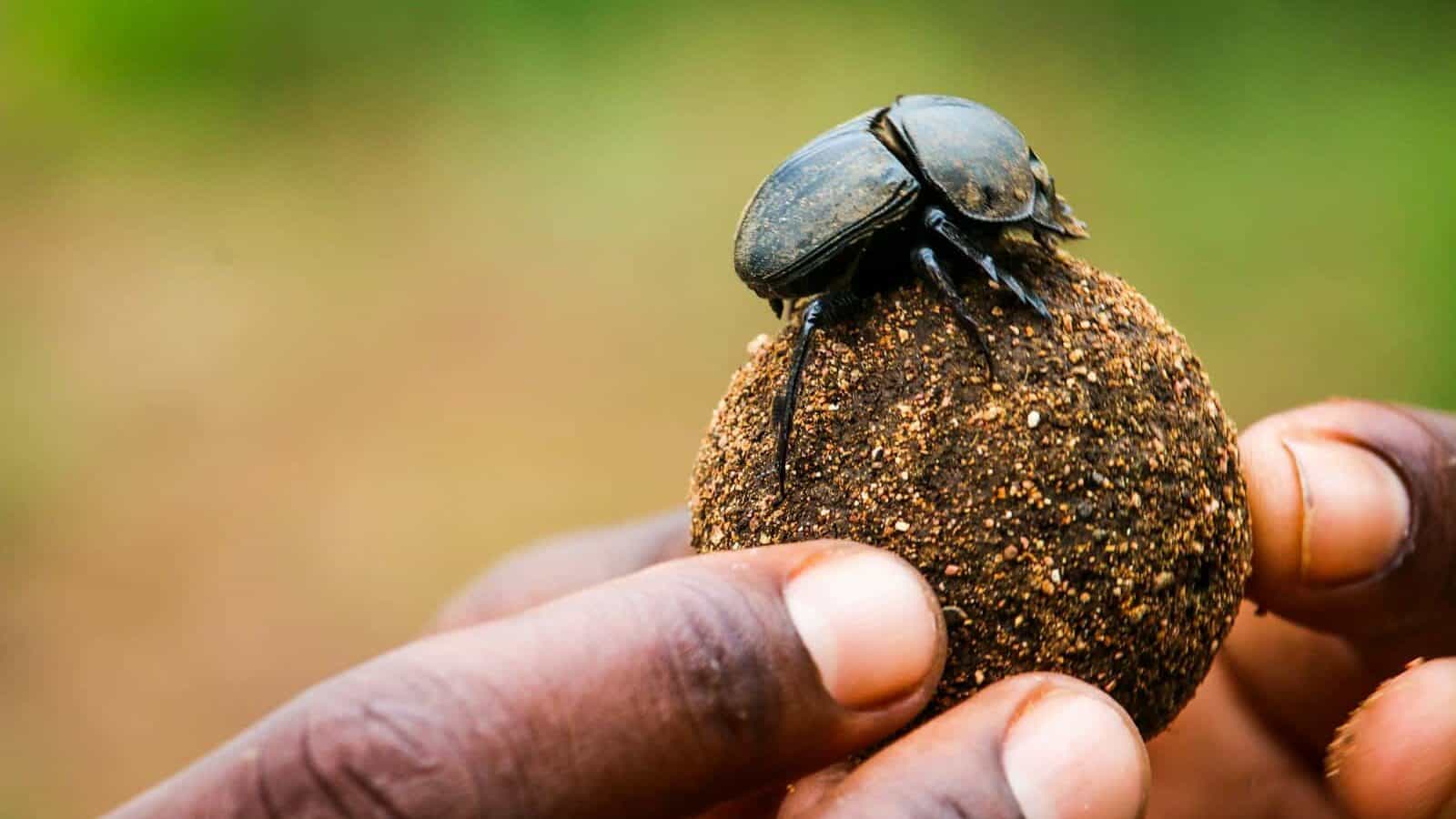
The remarkable strength-to-weight ratio of insects is directly tied to their small size—a relationship governed by fundamental physical principles. As mentioned earlier, the square-cube law means that as animals increase in size, their weight grows faster than their strength. This principle creates both an advantage for small creatures and a ceiling that prevents them from scaling up while maintaining their proportional power. If a dung beetle were somehow enlarged to human size while maintaining its proportions, its legs would immediately collapse under its own weight. Oxygen delivery systems, muscle efficiency, and heat dissipation also impose limitations on insect size. These constraints explain why we don’t see house-sized super-strong insects—the very physical laws that grant them their impressive relative strength at small scales would work against them if they were larger.
Practical Applications in Biomimicry and Engineering
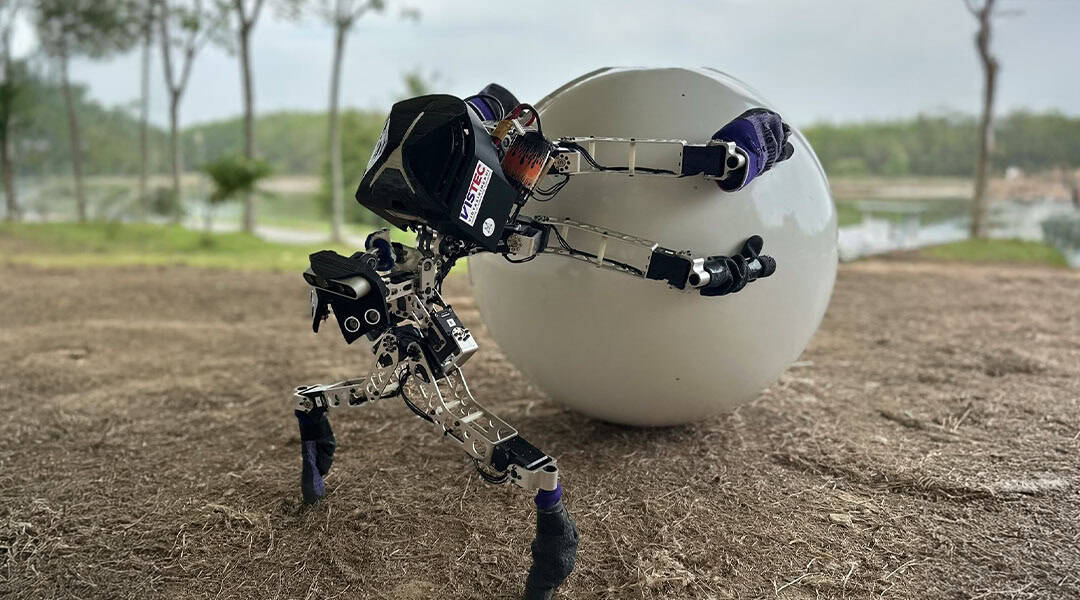
The extraordinary strength mechanisms of insects have not gone unnoticed by human engineers and scientists. The field of biomimicry—designing technologies inspired by nature—has drawn significant inspiration from insect mechanics. Robotics engineers study dung beetles and ants to design more efficient load-carrying robots that could assist in disaster recovery or construction. Materials scientists analyze the composition of insect exoskeletons to develop new lightweight yet ultra-strong materials for applications ranging from aerospace to medical devices. The exceptional efficiency of insect muscle systems has informed the development of artificial muscles and actuators that maximize force while minimizing energy consumption. By understanding how evolution has solved the challenge of generating maximum strength with minimal materials, researchers continue to develop technologies that mimic these natural solutions for human benefit.
Measuring and Testing Insect Strength
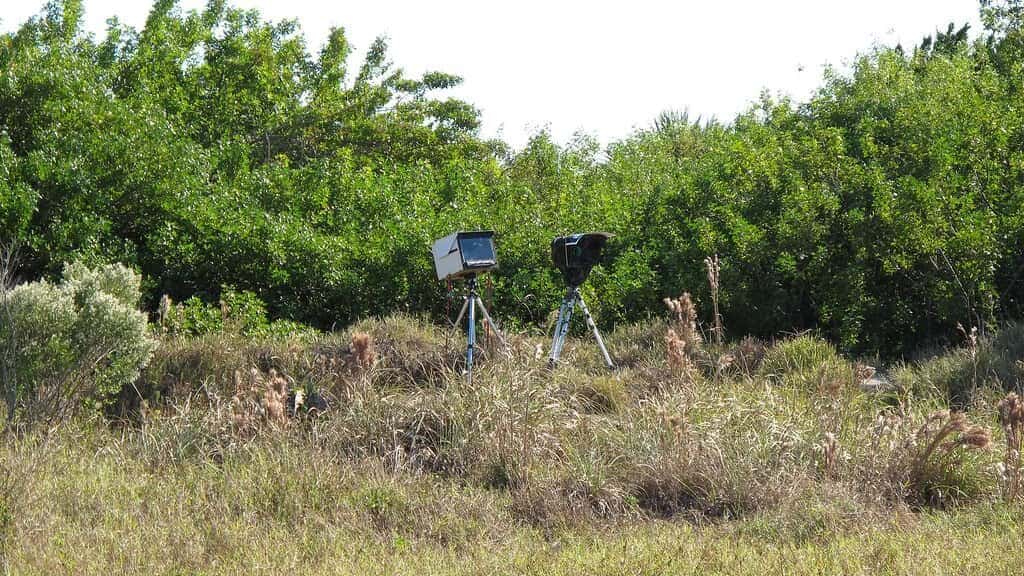
Quantifying the remarkable strength of insects presents unique scientific challenges that researchers have overcome with ingenious methods. In laboratory settings, scientists often attach tiny harnesses to insects and connect them to sensitive force transducers that can measure pulling or lifting forces with extreme precision. High-speed cameras capture the mechanics of movement, allowing frame-by-frame analysis of how insects generate and apply force. For jumping insects, specialized pressure plates measure the explosive forces generated during takeoff. These experimental setups must account for the insects’ natural behaviors to ensure the measurements reflect their true capabilities. The research by Dr. Rob Knell and his team at Queen Mary University of London, which established the dung beetle’s record-breaking strength, used carefully calibrated equipment specifically designed to measure the maximum pulling force these tiny athletes could generate.
Comparing Insect Strength to Other Animals
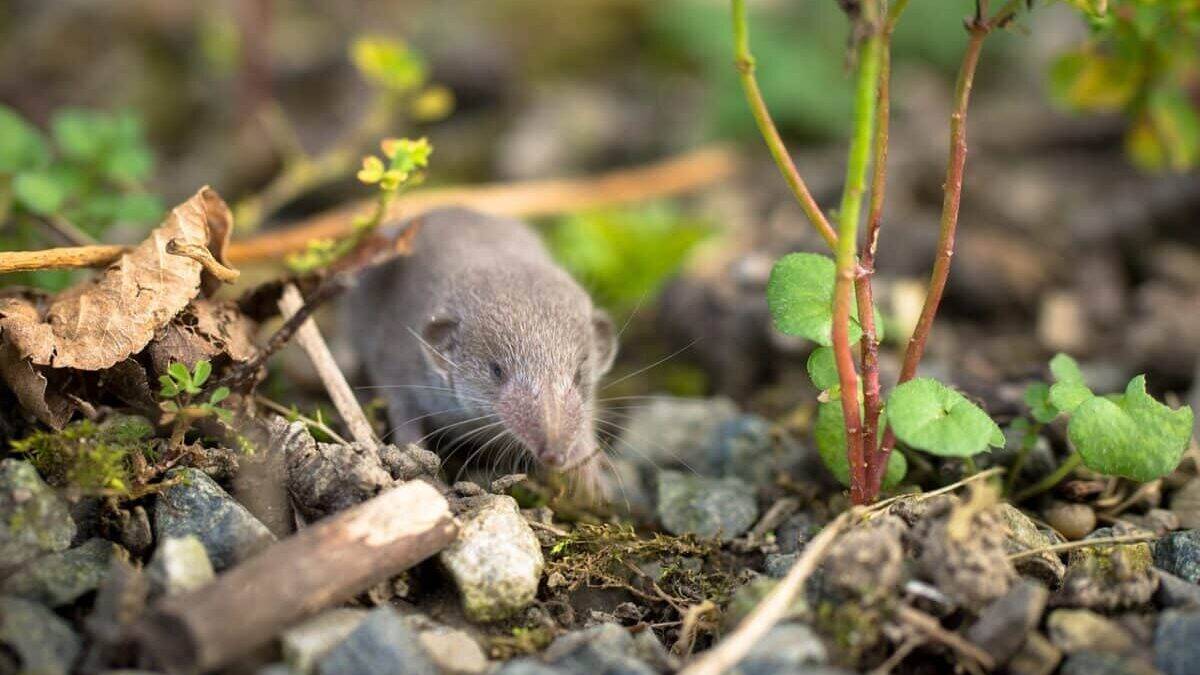
When comparing strength across the animal kingdom, insects consistently dominate the relative strength category. While a gorilla might lift weights of approximately 10 times its body weight and eagles can carry prey about 4 times their weight, these impressive feats pale in comparison to insect capabilities. Even among other arthropods, few can match the top-performing insects. The strongest vertebrate relative to size is likely the Etruscan shrew, which can lift about 25 times its body weight—still only a fraction of what the strongest insects achieve. These comparisons highlight the unique advantages that small size, exoskeletal structure, and specialized muscle arrangements provide to insects. However, it’s worth noting that larger animals excel in absolute strength and endurance, showcasing different evolutionary priorities shaped by their ecological roles and physical constraints.
Cultural Impact and Human Fascination

The extraordinary strength of insects has captured human imagination across cultures and throughout history. Ancient Egyptian civilization revered the dung beetle (scarab) as sacred, associating its ability to roll massive balls of dung with the movement of the sun across the sky. In popular culture, superheroes like Ant-Man draw directly on the concept of insect-scale strength magnified to human size. Children’s literature frequently features ants and beetles performing impressive feats of strength, introducing young readers to the wonders of the natural world. This fascination extends to educational settings, where insect strength is often used as an engaging entry point to teach principles of physics, biology, and engineering. The cultural resonance of super-strong insects reflects humanity’s enduring amazement at finding extraordinary capabilities in the smallest creatures around us.
The Future of Research on Insect Strength

Scientific understanding of insect strength continues to evolve with advances in technology and research methods. Current frontiers include molecular-level investigations of insect muscle proteins and how they differ from vertebrate equivalents. Researchers are using electron microscopy and X-ray diffraction techniques to analyze the microstructure of exoskeletons, revealing previously unknown details about how these structures optimize strength while minimizing weight. Genetic studies are identifying the genes responsible for developing these extraordinary mechanical systems, potentially offering insights for genetic engineering applications. Computer modeling and simulation technologies allow scientists to test hypotheses about how these strength mechanisms function under different conditions. As our understanding deepens, we may discover insects with even more impressive strength capabilities or uncover new principles that could revolutionize materials science, robotics, and mechanical engineering.
The dung beetle’s ability to pull 1,141 times its body weight represents one of nature’s most extraordinary engineering achievements—a testament to the power of evolutionary processes to create solutions that surpass human design capabilities. These tiny titans remind us that impressive strength isn’t always about absolute size but about optimized design, efficient structures, and evolutionary adaptations perfected over millions of years. The study of insect strength continues to inspire scientific research, technological innovation, and human imagination, bridging disciplines from biology to engineering. As we continue to explore the microscopic world of insects, we gain not only a deeper appreciation for the remarkable diversity of life on our planet but also valuable insights that may help solve some of humanity’s most pressing engineering challenges through biomimicry and innovation inspired by nature’s smallest strongmen.

- The Stunning Color Shifts of the Cuttlefish - July 27, 2026
- How Elephants Use Infrasound to Communicate Over Miles - July 27, 2026
- Why Some Dogs Smile and Others Don’t - July 27, 2026