


Marine mammals have captivated the imagination of students across the United States, inspiring countless research projects and academic papers. These remarkable creatures, adapted to life in aquatic environments, showcase extraordinary behaviors, unique adaptations, and complex social structures that make them fascinating subjects of study. From the acrobatic displays of dolphins to the haunting songs of humpback whales, marine mammals offer students rich opportunities to explore biology, ecology, conservation, and environmental science. In this comprehensive article, we explore the 15 marine mammals that consistently draw the most attention from American students in elementary school through university levels, examining why these species spark such academic interest and what we’ve learned from studying them.
Bottlenose Dolphins (Tursiops truncatus)

Bottlenose dolphins rank at the top of student research topics, and for good reason. Their remarkable intelligence, complex social structures, and relative accessibility make them ideal subjects for studies across multiple disciplines. Students are particularly drawn to research on dolphin communication, including their signature whistles that function similarly to names. The cognitive abilities of bottlenose dolphins—demonstrated through their use of tools, problem-solving skills, and self-recognition in mirrors—provide fertile ground for comparative psychology projects. Additionally, their coastal habitats along both U.S. coastlines allow for observational studies that many students can participate in directly. Their presence in marine parks and aquariums, though increasingly controversial, has historically provided opportunities for close observation and research that wouldn’t otherwise be possible in wild populations.
Killer Whales/Orcas (Orcinus orca)

Orcas consistently rank among the most researched marine mammals by American students, particularly at the high school and undergraduate levels. Their complex social structures—featuring matrilineal pods with distinct dialects and hunting techniques—offer rich material for behavioral studies. Students frequently explore the differences between resident, transient, and offshore ecotypes, each with specialized diets and behaviors. The cultural transmission of knowledge in orca populations provides parallels to human societies that students find compelling to investigate. Research on captive orcas and their welfare has also become a significant focus, especially following documentaries like “Blackfish” that raised awareness about captivity issues. The endangered status of the Southern Resident killer whale population in the Pacific Northwest has prompted numerous student research projects on conservation biology, pollution impacts, and prey availability challenges facing these iconic marine predators.
Humpback Whales (Megaptera novaeangliae)

Humpback whales capture students’ interest primarily through their complex acoustic behaviors and spectacular breaching displays. Their melodic songs—intricate patterns that evolve over time and are shared within populations—offer fascinating material for bioacoustics research. Students often analyze recordings to study how these songs change seasonally and geographically. The remarkable annual migrations of humpbacks, spanning thousands of miles between feeding and breeding grounds, provide opportunities for tracking studies and citizen science initiatives that students can participate in. Conservation success stories also attract student researchers, as humpback populations have significantly recovered following the whaling moratorium, offering case studies in effective international protection measures. Their bubble-net feeding techniques, where groups coordinate to encircle prey with curtains of bubbles, demonstrate complex cooperative behaviors that students explore through behavioral ecology projects.
California Sea Lions (Zalophus californianus)

California sea lions feature prominently in student research due to their charismatic nature and accessibility along the U.S. West Coast. Their adaptability to human environments makes them ideal subjects for studying human-wildlife interactions, particularly at popular tourist locations like Pier 39 in San Francisco. Students frequently research their remarkable physiological adaptations for diving and thermoregulation, which provide excellent examples of evolutionary adaptation to marine environments. The impacts of changing ocean conditions, particularly harmful algal blooms that can cause domoic acid poisoning in sea lions, have become increasingly important topics for student research in environmental toxicology. Their cognitive abilities, demonstrated through trainability and experimental studies of problem-solving, make them subjects of comparative cognition research. Additionally, their distinctive breeding behaviors, with males establishing territories and vocalizing to attract females, offer rich material for behavioral ecology projects at the undergraduate level.
Gray Whales (Eschrichtius robustus)

Gray whales feature prominently in student research papers, particularly for those studying along the Pacific coast where these whales make their remarkable 10,000-mile annual migration. This migration—one of the longest of any mammal—provides excellent case studies for students exploring animal navigation, energetics, and the impacts of climate change on migratory patterns. Their unique bottom-feeding behavior, where they roll onto their sides and suck sediment and prey through their baleen plates, creates feeding depressions on the ocean floor that students study through underwater mapping projects. The conservation history of gray whales offers a compelling narrative, as the Eastern North Pacific population has recovered from near extinction to become one of the few success stories in large whale conservation. Students frequently study the “friendly” behavior of some gray whales in lagoons of Baja California, where they approach boats—a behavior shift that raises interesting questions about cetacean learning and adaptation to human presence.
Harbor Seals (Phoca vitulina)
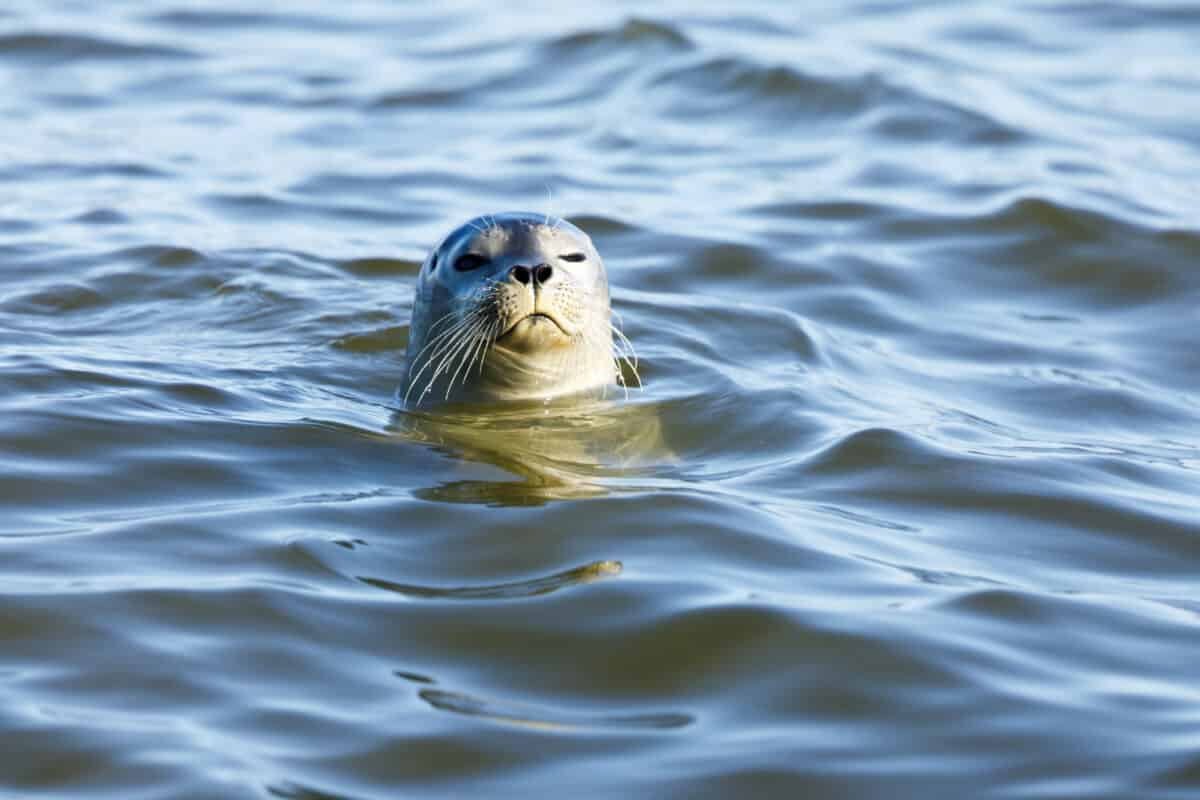
Harbor seals are frequently studied by students due to their wide distribution along both U.S. coasts and their adaptability to various habitats, including bays, estuaries, and coastal environments close to human populations. Their accessibility makes them ideal subjects for students conducting field research with limited resources. Young researchers often focus on harbor seal haul-out behaviors, studying how tides, weather conditions, and human disturbance affect when and where these animals rest on shore. The physiological adaptations of harbor seals for diving—including their ability to slow their heart rate and redirect blood flow—offer fascinating material for biology students interested in mammalian adaptations to aquatic environments. Harbor seals also serve as important indicator species for ecosystem health, with students monitoring contaminant loads and disease prevalence to assess broader environmental conditions. Their relatively solitary nature compared to many other pinnipeds provides an interesting contrast for behavioral studies comparing social and less social marine mammals.
North Atlantic Right Whales (Eubalaena glacialis)
North Atlantic right whales feature prominently in student research despite their rarity, primarily because of their critically endangered status and the urgent conservation challenges they face. With fewer than 350 individuals remaining, students often engage with research projects tracking individual whales through photo identification of their unique callosities (rough patches of skin on their heads). The intersection of shipping lanes and fishing grounds with right whale habitat makes them ideal case studies for students exploring policy solutions to human-wildlife conflict. Their slow reproduction rate—females typically give birth only every 3-5 years—presents demographic challenges that students analyze through population viability modeling. Climate-driven shifts in prey distribution (primarily copepods) have altered right whale movements in recent years, providing timely material for climate change impact studies. Students frequently contribute to citizen science initiatives monitoring right whale sightings, connecting classroom learning with real-world conservation efforts for this species on the brink of extinction.
Manatees (Trichechus manatus)

Florida manatees consistently rank among the most researched marine mammals by U.S. students, particularly those in southeastern states where these gentle herbivores can be readily observed. Their unique status as the only herbivorous marine mammals in North America makes them fascinating subjects for ecological studies examining their role in aquatic ecosystem health, particularly their impact on seagrass beds and aquatic vegetation management. Students frequently research the physiological adaptations that allow these tropical animals to survive cold periods, including their behavioral responses to temperature drops and their use of warm-water refugia like natural springs and power plant outflows. The challenges manatees face from boat strikes, habitat loss, and increasingly frequent red tide events provide case studies in conservation biology and environmental management. Their relatively slow metabolism, growth, and reproduction rates offer interesting comparisons for life history studies. Undergraduate research often focuses on manatee rehabilitation efforts, documenting the challenges and successes of returning injured individuals to the wild.
Blue Whales (Balaenoptera musculus)

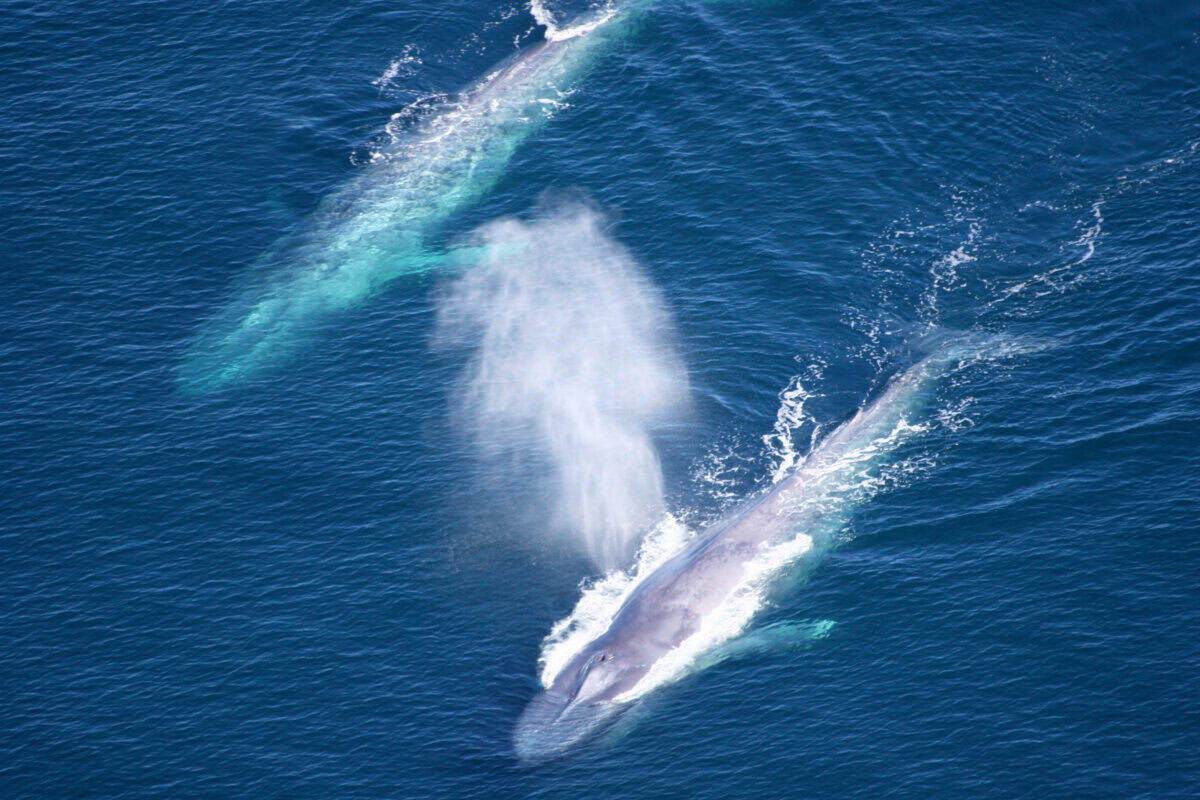
Blue whales, as the largest animals ever to have lived on Earth, naturally draw significant attention from students across grade levels. Their massive size—reaching lengths of over 100 feet and weights exceeding 200 tons—makes them excellent subjects for scaling studies comparing anatomical and physiological parameters across different-sized animals. Students frequently research their remarkable feeding efficiency, as a blue whale can consume up to 4 tons of krill daily, filtering these tiny crustaceans through their baleen plates. The low-frequency vocalizations of blue whales, which can travel hundreds of miles underwater, provide fascinating material for bioacoustics projects, with students analyzing recordings to understand communication patterns and population distributions. Their global decline due to commercial whaling and slow recovery offer sobering case studies in conservation biology. Graduate-level research often focuses on using new technologies like drone photogrammetry to non-invasively assess blue whale health and body condition, contributing to our understanding of how climate change and shifting prey distributions affect these ocean giants.
Sea Otters (Enhydra lutris)

Sea otters consistently rank among the most popular marine mammals for student research projects, particularly in elementary and middle school grades. Their remarkable tool use—one of the few examples among marine mammals—provides accessible material for young researchers exploring animal intelligence and adaptation. Students frequently study how sea otters use rocks to crack open shellfish and how this behavior is transmitted culturally between generations. Their ecological role as keystone species in kelp forest ecosystems makes them ideal subjects for understanding trophic cascades, as their consumption of sea urchins prevents the overgrazing of kelp forests. The devastating effects of the fur trade, which reduced sea otter populations from approximately 300,000 to just 2,000 individuals by the early 1900s, offers historical context for conservation studies. Their unique physiological adaptations—including the densest fur of any mammal rather than blubber for insulation—provide material for thermoregulation studies. Additionally, their vulnerability to oil spills has made them important subjects in environmental toxicology research following events like the Exxon Valdez disaster.
Hawaiian Monk Seals (Neomonachus schauinslandi)
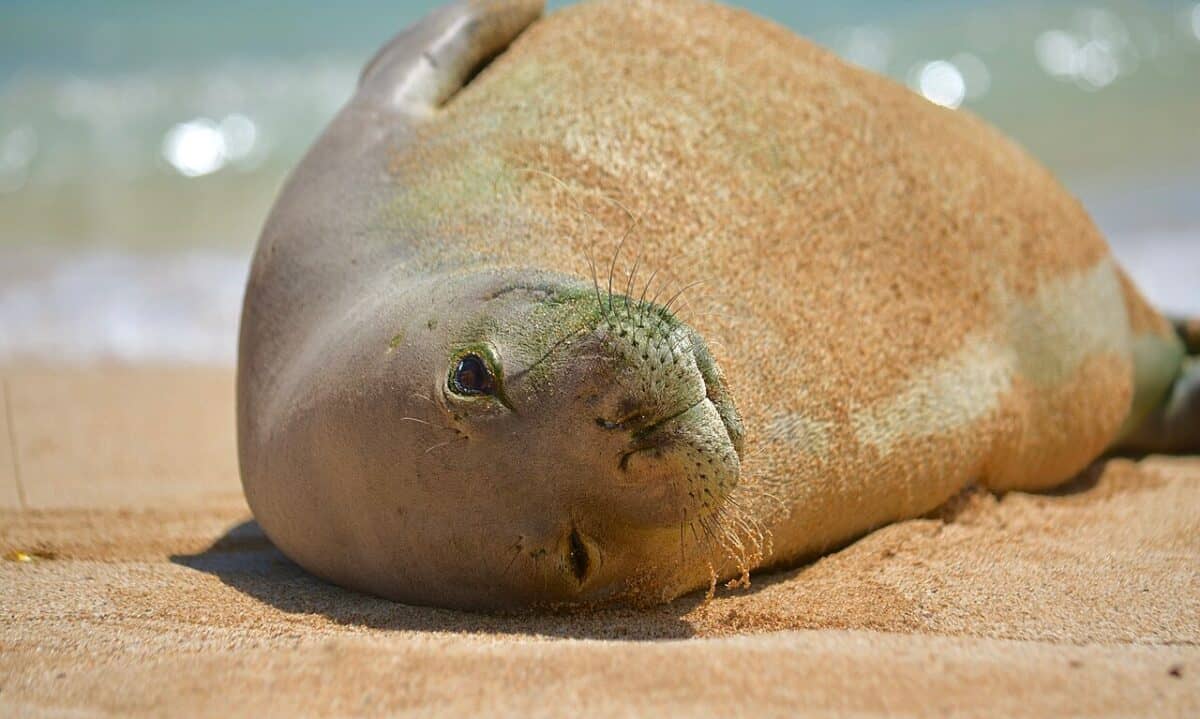
Hawaiian monk seals, as one of the most endangered marine mammals in the United States with approximately 1,400 individuals remaining, provide compelling case studies for conservation biology students. Their endemic status, found nowhere else but the Hawaiian archipelago, makes them unique subjects for biogeography and island ecology research. Students frequently explore the multiple threats these seals face, including habitat loss due to sea level rise, entanglement in marine debris, shark predation, and limited genetic diversity. Recovery efforts for monk seals offer material for evaluating conservation strategies, including translocation programs that move young seals from areas of low survival to better habitat. The cultural significance of monk seals to Native Hawaiians provides opportunities for interdisciplinary research connecting biological conservation with indigenous knowledge and values. The contrast between the main Hawaiian Islands population (which is slowly increasing) and the Northwestern Hawaiian Islands population (which continues to decline) presents interesting questions about human influences on wildlife recovery that students can investigate through population dynamics modeling.
Beluga Whales (Delphinapterus leucas)

Beluga whales capture student interest through their distinctive appearance and remarkable vocal abilities. Often called “sea canaries” for their diverse repertoire of vocalizations, belugas provide rich material for bioacoustics research, with students analyzing recordings to categorize different call types and their possible functions. Their flexible facial expressions—unusual among cetaceans—and highly mobile neck (lacking the fused cervical vertebrae common in other whales) make them fascinating subjects for anatomical and behavioral studies. The endangered Cook Inlet population in Alaska offers case studies in how isolated marine mammal populations adapt to specific environments and face unique conservation challenges. Students frequently research the cultural significance of belugas to Arctic indigenous communities, connecting biological studies with anthropological perspectives. Their seasonal migrations between estuarine summer habitats and offshore winter ranges provide material for tracking studies examining how changing Arctic conditions affect movement patterns. The accumulation of contaminants in beluga tissues, particularly in populations near industrialized areas, makes them important sentinel species for monitoring environmental pollutants.
Northern Elephant Seals (Mirounga angustirostris)
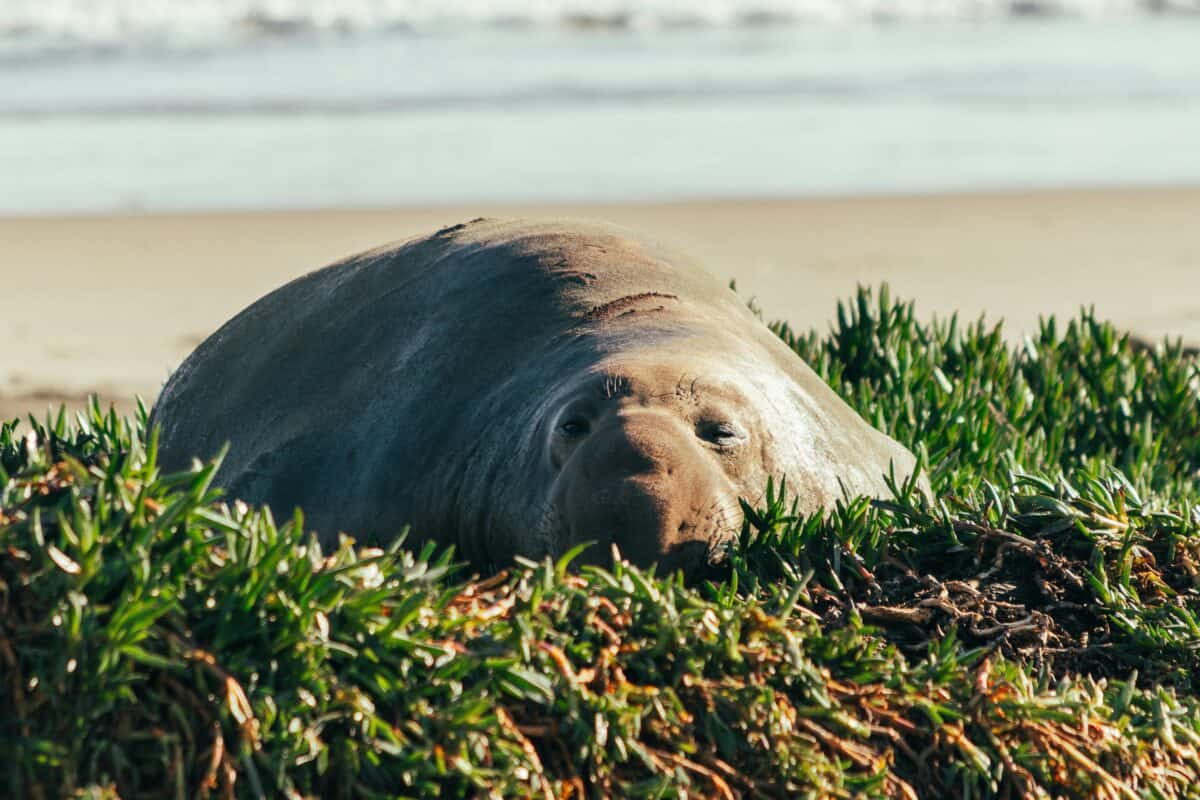
Northern elephant seals draw significant research interest from students due to their extreme sexual dimorphism and dramatic breeding behavior. Males can weigh up to 4,500 pounds—several times larger than females—providing excellent case studies in sexual selection and the evolution of extreme traits. Their remarkable diving capabilities, reaching depths over 5,000 feet and staying submerged for more than 100 minutes, make them subjects for physiological research on adaptations to pressure and oxygen management. Students frequently study elephant seal breeding colonies at accessible locations like Año Nuevo State Park in California, where males engage in spectacular battles for dominance. The dramatic population recovery of northern elephant seals—from fewer than 100 individuals in the 1890s to over 150,000 today—offers an encouraging conservation narrative. Their twice-yearly migrations, covering thousands of miles between breeding beaches and foraging grounds, provide opportunities for tracking studies using satellite tags. The precision with which elephant seals return to the same locations year after year raises interesting questions about navigation mechanisms that students explore through orientation studies.
Sperm Whales (Physeter macrocephalus)

Sperm whales captivate student researchers through their extreme adaptations and complex social structures. Their massive brain—the largest of any animal—makes them subjects for neuroanatomy studies comparing brain structure and function across species. The cultural fascination with sperm whales, immortalized in Melville’s “Moby-Dick,” often provides an entry point for students to connect literary studies with marine biology. Their intricate social organizations, with females and young forming permanent units while males become increasingly solitary as they age, offer material for sociobiology research. Students frequently study their sophisticated echolocation system, which produces the most powerful biological sounds and allows them to hunt squid in the lightless depths. Their remarkable diving capabilities—reaching depths over 3,000 feet and staying submerged for over an hour—make them subjects for physiology research on pressure adaptations and oxygen management. The historical impact of whaling on sperm whale populations provides context for conservation studies, while their global distribution allows for comparative research across different ocean basins.
Narwhals (Monodon monoceros)

Narwhals consistently capture student imagination through their distinctive spiral tusk—actually an elongated tooth that can grow up to 10 feet long. This extraordinary feature, primarily found in males, provides fascinating material for studies on sexual selection and the potential sensory functions of the highly innervated tusk. Students frequently research the extreme specialization of narwhals to Arctic environments, including their year-round association with dense pack ice that makes them particularly vulnerable to climate change impacts. Their deep diving behavior—regularly reaching depths of 5,000 feet—offers opportunities for research on physiological adaptations to pressure and cold. The limited distribution of narwhals, found primarily in Canadian and Greenlandic waters, makes them excellent subjects for biogeography studies. Their cultural significance to Inuit communities provides material for interdisciplinary research connecting biological studies with indigenous knowledge and sustainable harvesting practices. The challenges of studying these elusive “unicorns of the sea” in remote Arctic environments has led to innovative research methods, including the use of passive acoustic monitoring and satellite tracking, that students can explore through technology-focused projects.
Conclusion: The Educational Value of Marine Mammal Research
Marine mammals continue to serve as gateway species that introduce students to broader concepts in biology, ecology, conservation, and environmental science. Their charismatic nature and complex adaptations capture student interest across all educational levels, from elementary school projects to doctoral dissertations. The challenges these animals face—from climate change and ocean noise to habitat destruction and pollution—provide tangible examples that help students understand abstract environmental concepts through specific, relatable cases. As research technologies advance, students are increasingly contributing meaningful data to conservation efforts through citizen science initiatives, connecting classroom learning with real-world impact. Perhaps most importantly, student research on marine mammals often fosters a deeper connection to ocean ecosystems, inspiring the next generation of marine scientists, policy makers, and conservation advocates who will be responsible for protecting these remarkable creatures and their habitats in an increasingly threatened marine environment.

As a little kid, I fell in love with nature, wildlife, and animals. Living in the USA, South Africa, Italy, China and Germany gave me the opportunity to discover the world's Wildlife. My favorite animals are Mountain Gorillas, Siberian Tigers, and Great White Sharks.
I'm a certified PADI Open Water Diver, went to Everest Base Camp and Trekked Gorillas in Uganda. I hold a Master of Science in Economics and Finance.
Please send any feedback to feedback@animalsaroundtheglobe.com
- 11 Most Endangered Insects Buzzing in America Today - July 22, 2026
- 10 Most Frequently Googled Animal Birth Facts - July 22, 2026
- 10 Incredible Migration Journeys in the Animal Kingdom - July 22, 2026