


Ever wondered if your cat truly loves you? While dogs shower us with obvious slobbery kisses and tail wags, cats have their own mysterious language of love. These independent creatures might seem aloof, but they’re actually expressing deep affection through subtle signals that many pet owners completely miss. Understanding these quiet love letters from your feline friend can transform your relationship and help you appreciate just how much your cat adores you.
The Slow Blink

If your cat has half-closed eyes, they’re relaxed around you. And if they blink slowly, you’ve definitely captured their heart. The slow blink is a sure sign that your cat loves you; it shows your buddy feels relaxed, content, and safe. It’s an invitation to respond with similar openness and love. Often called a “cat kiss,” this deliberate blink is your cat’s way of saying “I trust you completely.” Next time you get a cat kiss, try to return it by slowly closing your eyes, counting to two, then slowly opening them. This simple exchange creates a powerful moment of connection that speaks directly to your cat’s heart. Think of it like a gentle “I love you” whispered across the room. A slow, deliberate blink is a cat’s way of saying “I love you.” This “kitty kiss” signals trust and contentment.
Head Bumping and Bunting

Some call it ‘head-butting.’ Others call it ‘head bumping.” Many kitty behavioral experts prefer ‘head bunting.” Whatever we call it, we can all agree, it’s a lovely sign of affection and trust. Cats headbutt to connect to familiar people, making headbutting a cat’s way of choosing you. So, to a cat, headbutting makes you special. Therefore, if a cat decides you are worthy of headbutting, consider it the highest of compliments and absolutely a sign of affection. When your cat approaches you with their forehead or gently bumps their head against your face, they’re doing something incredibly meaningful. While headbutting has practical implications for cats, it’s ultimately a display of trust, adoration, and affection. “When a cat rubs their cheek against you or gently ‘bumps’ you with their forehead, they’re communicating a social message and saying, ‘Hey, I really like you and we are family,'” says Quandt. This behavior transfers their scent onto you, essentially marking you as family. Only the most confident cats headbutt their pet parents, indicating trust. When your cat headbutts you, they’re treating you like a member of their group – a clear sign of trust and affection.
Kneading with Their Paws

Cats can show affection by kneading their people with their front paws. “This is a behavior kittens do with their mothers to stimulate the flow of milk, and it is strongly associated with happy times,” explains Bloom. Plus, kneading is a way for cats to activate the scent glands in their paws and mark you as their own. Often called “making biscuits,” this adorable behavior brings your cat back to their happiest memories as a kitten. Kittens knead when they suckle their mothers. Many adult cats keep the habit and enjoy a good knead involving their favorite person’s arm or lap. When your cat pushes their paws rhythmically against you, they’re reliving those safe, nurturing moments with their mother. It’s like they’re saying “you make me feel as safe and loved as I did when I was tiny.” Some cats even drool a little while kneading, which might seem gross but is actually the ultimate compliment. When your cat is spending some time cuddling on your lap, you might notice them kneading (aka “making biscuits”), another sign of enjoyment because it mimics feeding behavior in nursing kittens.
Purring in Your Presence

You’ll probably hear your cat purring too — a classic sign of contentment. Cats often purr when happy, indicating they’re totally relaxed and blissed out, particularly when combined with kneading or snuggling. While cats can purr for various reasons, the deep, rumbling purr that happens when you’re near is pure love music. The frequency of a cat’s purr, usually between 25 to 150 hertz, has therapeutic effects on a person’s body and mind, according to an article from Inspira Health Network. Similar to sound therapy, purring can help reduce inflammation, improve circulation, stimulate healing of damaged tissues and promote regeneration of bone cells. Plus, a cat’s purr might help regulate the autonomic nervous system. Your cat isn’t just expressing happiness – they’re literally trying to heal and comfort you. Think of purring as your cat’s way of giving you a therapeutic massage with sound waves. When your cat curls up next to you and starts this gentle motor, they’re sharing one of nature’s most soothing sounds specifically because they love being close to you.
Following You Around

A bonded cat will often seek you out for attention, follow you around the house, and greet you when you return home. Does your cat appear in whatever room you enter, like a furry shadow? This isn’t coincidence – it’s devotion in action. Cats are naturally independent creatures, so when they choose to spend their time near you, it means something special. If your cat’s love language is quality time, they will spend a lot of time near you or in the same room as you. They might not always want to be touched or petted, but simply being in your presence brings them comfort and joy. This behavior is like having a silent companion who finds peace just knowing you’re nearby. Some cats will even wait outside the bathroom door, not because they’re being clingy, but because they genuinely enjoy your company and don’t want to miss a moment with their favorite human. Many cat guardians miss it, but when cats show excitement at our return home by greeting us at the door, they are showing affection and trust.
Showing Their Belly

This is the ultimate display of trust and cat love. It’s not that often that a kitty will roll over and expose their belly. When they do though, Bloom suggests noting whether their body looks relaxed or tense, because some cats roll onto their backs to get their claws ready for attack. Some cats roll around on the ground excitedly around their favorite people. It often happens when loved human companions first come home after being away. Cats are often protective of their vulnerable bellies, so anecdotally, it’s a major sign of trust and affection when a cat is so happy to see you that they roll around and invite you to pet their tummy. A cat’s belly is their most vulnerable spot, containing all their vital organs. “A cat’s belly is their most vulnerable spot,” says Tamburo, “so when they show it to you, they’re saying ‘I trust you,’ not necessarily ‘I want you to touch me.” When your cat flops down and shows you this precious area, they’re demonstrating complete faith in your good intentions. However, remember that showing doesn’t always mean touching is welcome – this display is more about trust than an invitation for belly rubs.
Bringing You Gifts

Sometimes cats will bring you gifts, toys and even prey, such as birds or small animals. This is their way of showing you they want to share, Howard explained. They see you as their family. Cats are adorable but they’re still tiny carnivores who have hunting instincts. Cats may catch everything from toys to mice and they often share their bounty with those they love. Cats who present you with a catch deserve praise. Yes, even that dead mouse on your doorstep is actually a love letter. Cats are hunters by nature and an outdoor cat will often bring their human dead rodents (or pieces of dead rodents) as tokens of affection. Indoor cats, on the other hand, might bring toys, pieces of string, or whatever else they find around the house. Accept your cat’s gift in the spirit in which it was intended and give them a little stroke, cuddle, or treat to show your appreciation. Cats are natural hunters, and if they bring you a “gift” like a toy or (unfortunately) a dead animal, it’s their way of showing they care and want to share their spoils with you. Think of it as your cat trying to contribute to the household or teach you essential survival skills. While you might not appreciate the hunting trophies, your cat sees this as sharing their most prized possessions with someone they consider family.
Grooming You

Cat moms regularly groom their kittens. It not only keeps tiny cats clean, but it also stimulates them to eat and go to the bathroom. Mother cats also use grooming to bond with their kittens. Cats sometimes show humans affection in the same way by gently licking their favorites while cuddling. Cats spend an enormous amount of time self-grooming and friendly cats also groom each other. Cats that groom their favorite people, by licking their skin or hair or even nibbling or sucking on their clothing, indicate great affection. This spreads a familiar scent and helps mark their person as an important part of the family group. When your cat licks your hand, arm, or even your hair, they’re treating you like family. Similarly to nipping, licking is a way a cat shows their love for someone. They lick their humans because they want to groom them, Howard said. They view you as one of their own. Licking: Cats groom themselves and their loved ones as a way of showing affection and bonding. Licking releases endorphins in cats, promoting a sense of well-being and relaxation. If your cat licks you, they’re not just tasting your salty skin – they’re expressing their love and trust. This behavior makes you an honorary member of their family group, showing they care about your wellbeing just like they would for another beloved cat.
Gentle Love Bites

When a cat gifts you with a gentle nibble–or love bite–it’s considered a playful sign of love. But when the nibbling crosses into painful territory or gets too aggressive, it’s no longer a love bite! Howard added that a cat’s “love bites” or nipping are not meant to cause pain. Instead, these slight pinches are used while showing affection and bonded feelings. These aren’t aggressive attacks but gentle mouth touches that barely break the skin, if at all. Nipping is also linked to grooming behaviors. For example, two cats might groom each other. The affection can build up and lead to a slight nip at each other. However, this is not a forceful bite. Love bites often happen during intense petting sessions when your cat becomes so overwhelmed with affection that they don’t quite know how to express it. It’s like they’re so happy they could just eat you up – and they try to, very gently. These little nibbles are your cat’s way of saying “I love you so much I can barely contain myself.”
Meowing Specifically at You

Cats rarely meow at other cats. Typically, only kittens meow to their mothers and they grow out of the habit as adults. Your adult cat uses these vocalizations specifically to interact with people. Just like us, cats don’t “talk” to people they dislike, so even when your cat pesters you with lots of meows, remember that they are interacting with you out of love. Adult cats typically only meow to communicate with people, as they often rely more on smell and body language when interacting with other kitties. This means every single meow directed at you is a conscious choice to communicate specifically with you. Whether they’re greeting you, asking for food, or just having a conversation, your cat has learned that meowing gets your attention. Instead of a meow, you might notice your feline friend making a distinct, high-pitched chirp. This chirping behavior might start when felines are young. Howard said it is their way of communicating with their mother. If a cat chirps at you, it can mean they want you to follow them, they’re saying hello or they simply want your attention. Some cats develop unique sounds just for their favorite people, creating a private language that belongs only to your relationship.
Presenting Their Bottom
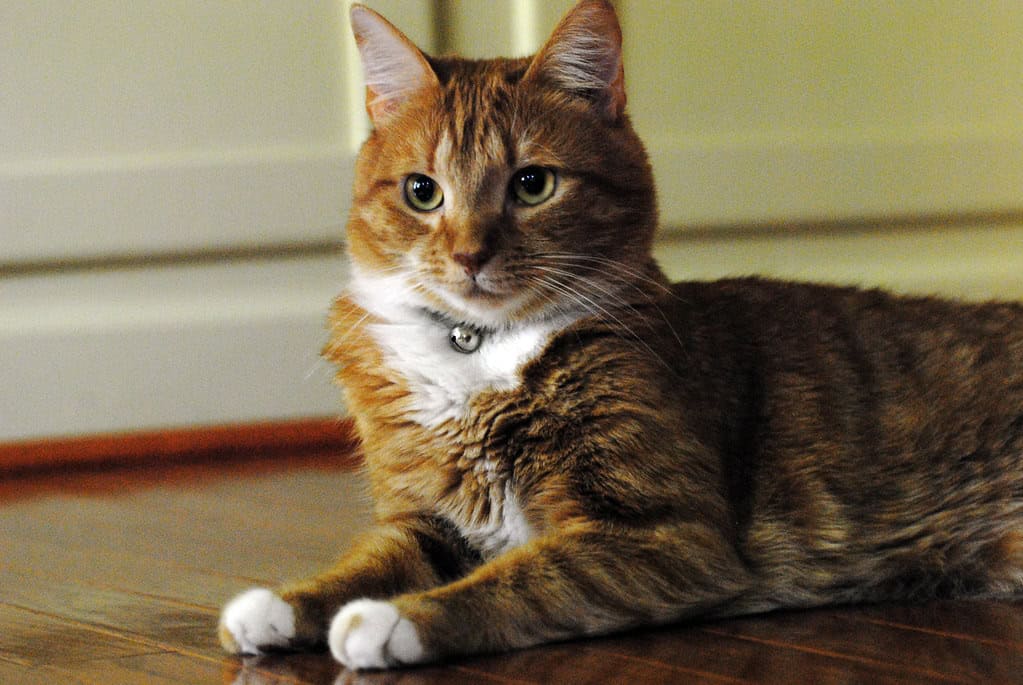
Don’t be offended if your kitty shows you their back end. If it happens regularly, you might be a favored human. You can scratch right above the tail, but only until your cat tells you it’s time to stop. When a cat approaches you with their tail held straight up and the end slightly tipped over, it’s a sign of love. A cat that holds their rear end up in your face is also showing a sign of affection. Kittens greet their mother with tails flagged high in respect and adult cats continue this behavior with their favorite people. Yes, your cat’s rear-end presentation is actually a compliment! This behavior might seem rude by human standards, but in cat language, it’s incredibly polite. If you have multiple cats, you’ve probably seen them sniffing each other’s butts from time to time (just like dogs). But what you might not realize is that the sniff-ie is just as active in this exchange as the sniff-er. It’s just another way for cat’s to say, “we’re cool.” Now, we’re not suggesting you stick your butt in your cat’s face, but if you want to give it a shot, it probably couldn’t hurt. When your cat backs up to you with tail held high, they’re showing you the same respect and affection they’d show their mother or a treasured feline friend.
Sleeping Close to You

Additionally, a bonded cat will often choose to sleep near you or on you, indicating a high level of trust and affection. Cats are most vulnerable when they sleep, so choosing to rest near you demonstrates incredible trust. Cats show their love in several ways, from sleeping on your head to rubbing against your legs when you come home after being gone for a few hours. Whether your cat curls up on your chest, sprawls across your legs, or simply chooses the spot right next to your pillow, they’re telling you that your presence makes them feel safe enough to enter their most defenseless state. This behavior is particularly meaningful because cats in the wild would never sleep near potential threats. Some cats even synchronize their sleep schedules with their humans, preferring to nap when you’re resting too. When your cat seeks out your warmth and scent for their sleeping spot, they’re creating a bond that goes beyond simple companionship – they’re choosing you as their safe harbor in an uncertain world.
Rubbing Against You

When they’re showing their affection, cats rub themselves on you, often circling or turning in little figure eights. Their tails are held high, often with a tiny curve at the very end, showing that they’re happy to see you or another cat. Brushing up against you and marking you with their whiskers is a form of kitty love, says Morgan. They usually do this to let everyone know you’re theirs. Head butts and chin rubbing also are clear signs that your cat loves you because cats have scent glands in their faces that allow them to claim friends and objects as their own. When your cat weaves between your legs or rubs along your side, they’re doing much more than asking for attention. Bunting is when your cat rubs their cheeks on you or an object, head-butts you with their forehead, or rubs their head on you.
Conclusion: Love in Every Whisker
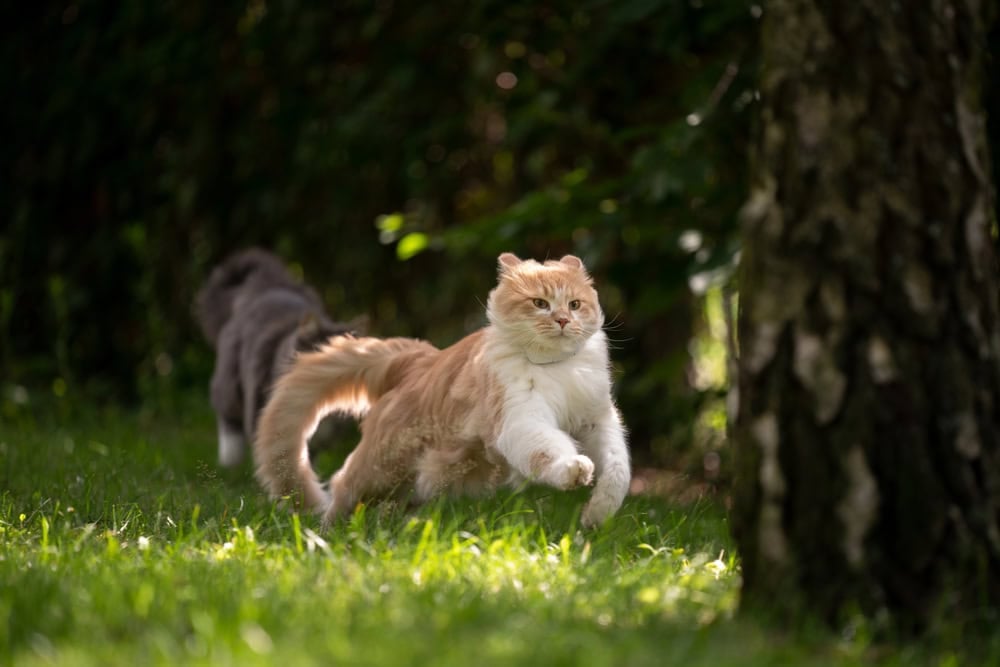
Cats may not wear their hearts on their sleeves, but they certainly show love in their own unique, subtle ways. From the gentle blink of their eyes to the soft rumble of a purr or a head pressed firmly against yours, each gesture is packed with meaning. Understanding these signals can help deepen your bond and allow you to truly appreciate the quiet devotion your cat offers every day.
So the next time your cat brings you a toy mouse, follows you from room to room, or curls up by your side for a nap, take a moment to recognize it for what it truly is—a heartfelt “I love you” in feline form. Cats may be mysterious creatures, but once you learn their language of love, you’ll see just how affectionate, loyal, and expressive they really are.

As a little kid, I fell in love with nature, wildlife, and animals. Living in the USA, South Africa, Italy, China and Germany gave me the opportunity to discover the world's Wildlife. My favorite animals are Mountain Gorillas, Siberian Tigers, and Great White Sharks.
I'm a certified PADI Open Water Diver, went to Everest Base Camp and Trekked Gorillas in Uganda. I hold a Master of Science in Economics and Finance.
Please send any feedback to feedback@animalsaroundtheglobe.com
- 10 Most Unique Reptiles You will See in the US - July 21, 2026
- 3 Dangerous Invasive Species the USA Must Eradicate - July 21, 2026
- 10 Things That Calm Cats And 4 That Make Them Nervous - July 21, 2026