


Giant pandas are beloved worldwide for their distinctive black and white coloring and endearing behaviors. However, behind their charming appearance lies a reproductive puzzle that has challenged conservationists for decades. Despite significant advances in breeding technology and husbandry techniques, pandas remain among the most difficult animals to breed in captivity. Their reproductive challenges have made conservation efforts particularly complex, requiring international cooperation and innovative approaches. This article explores the eleven primary reasons why pandas present such unique breeding challenges in captivity, shedding light on both the biological and behavioral factors that contribute to their notoriously low reproductive rates.
Extremely Brief Fertility Window
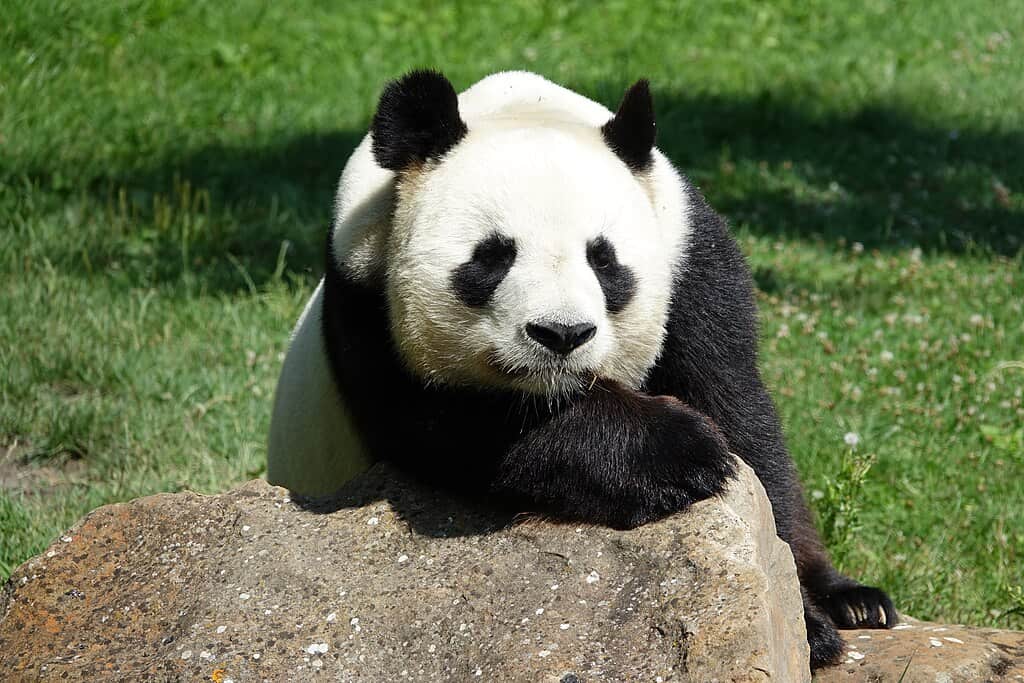
Female giant pandas experience an extraordinarily narrow window of fertility compared to most mammals. They are in estrus (receptive to mating) for only 24-72 hours per year, typically between February and May. This incredibly brief period gives conservation teams an extremely limited timeframe to facilitate successful breeding. Miss this window, and an entire year must pass before another opportunity arises.
This biological constraint significantly complicates breeding efforts, as it requires precise monitoring of hormonal changes and behavioral cues to identify the exact time of fertility. Zookeepers must carefully observe behavioral changes, such as increased vocalization, restlessness, and scent-marking behaviors that indicate a female is approaching estrus. Even with modern hormonal monitoring techniques, the extremely short fertility window remains one of the most challenging obstacles to panda reproduction in captivity.
Complex Mating Behaviors

Giant pandas have intricate courtship and mating rituals that are difficult to replicate in captive environments. In the wild, males may track females for weeks before mating, engaging in complex vocalizations and behavioral displays. This lengthy courtship period allows pandas to become comfortable with one another and synchronize their reproductive behaviors. In captivity, pandas often lack the space and environmental cues necessary for these extended courtship rituals.
Furthermore, female pandas demonstrate highly selective mate choice, frequently rejecting potential partners that don’t display appropriate behaviors or characteristics. When forced pairings occur in captivity, females commonly respond with aggression or complete disinterest. This selectivity, while beneficial for genetic fitness in the wild, creates significant challenges for breeding programs that have limited options for potential mates. Conservation programs have increasingly focused on allowing pandas to select their own mates when possible, though this approach is limited by the small captive population.
Sexual Inexperience in Captive-Born Pandas
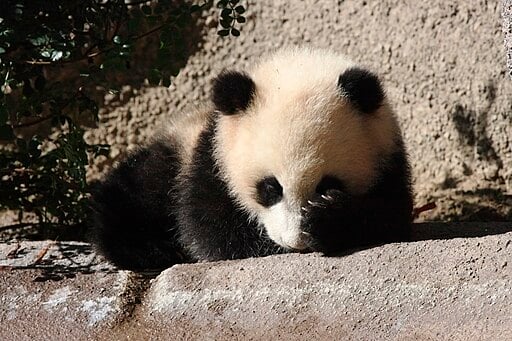
Pandas born in captivity often lack the social learning that would naturally occur in the wild, resulting in limited understanding of mating behaviors. Without observing other adult pandas during courtship and mating, captive-born individuals frequently don’t develop the behavioral repertoire necessary for successful reproduction. Males may not know how to mount females correctly, while females might not adopt the appropriate posture for mating.
This inexperience has led breeding programs to develop “panda kindergartens” where young pandas can socialize with others of different ages, as well as video demonstrations of panda mating that are shown to inexperienced individuals. In some cases, human handlers must physically position pandas for successful mating, an intervention that would never be necessary in the wild. Despite these efforts, sexual inexperience remains a significant barrier, with many captive pandas showing inappropriate or ineffective mating behaviors.
Male Reproductive Challenges

Male giant pandas face several specific reproductive challenges in captivity. Studies have revealed that captive male pandas often have poor sperm quality, with high percentages of abnormal sperm and low sperm counts compared to their wild counterparts. This reduced fertility can be attributed to multiple factors, including inappropriate diet, lack of exercise, stress, and possibly environmental contaminants that act as endocrine disruptors.
Additionally, male pandas in captivity frequently demonstrate reduced libido and inadequate mounting behaviors. Even when a female is receptive, males may show little interest or fail to maintain an erection long enough for successful insemination. These issues have prompted breeding centers to implement exercise programs designed to improve males’ physical fitness and stamina, as well as dietary adjustments aimed at enhancing hormonal balance and sperm production. Despite these interventions, male reproductive challenges remain a significant obstacle to successful captive breeding.
Pseudopregnancy Complications

One of the most confounding aspects of panda reproduction is the phenomenon of pseudopregnancy, which occurs when a female panda exhibits all the hormonal and behavioral signs of pregnancy without actually being pregnant. Female pandas, whether they have mated or not, may show elevated progesterone levels, reduced appetite, nest-building behavior, and even abdominal swelling—all signs that mimic true pregnancy. This biological peculiarity makes it extremely difficult for veterinarians and keepers to determine whether a mating was successful.
Pseudopregnancy can last as long as a real pregnancy (3-6 months), consuming valuable resources and attention from breeding facility staff. Modern technology, including ultrasound imaging, has improved diagnostic accuracy, but distinguishing between pseudopregnancy and early real pregnancy remains challenging. Some researchers theorize that pseudopregnancy may be an evolutionary adaptation that keeps females in a protected state when environmental conditions aren’t ideal for raising cubs, but in captivity, it significantly complicates breeding efforts and record-keeping.
High Infant Mortality Rate
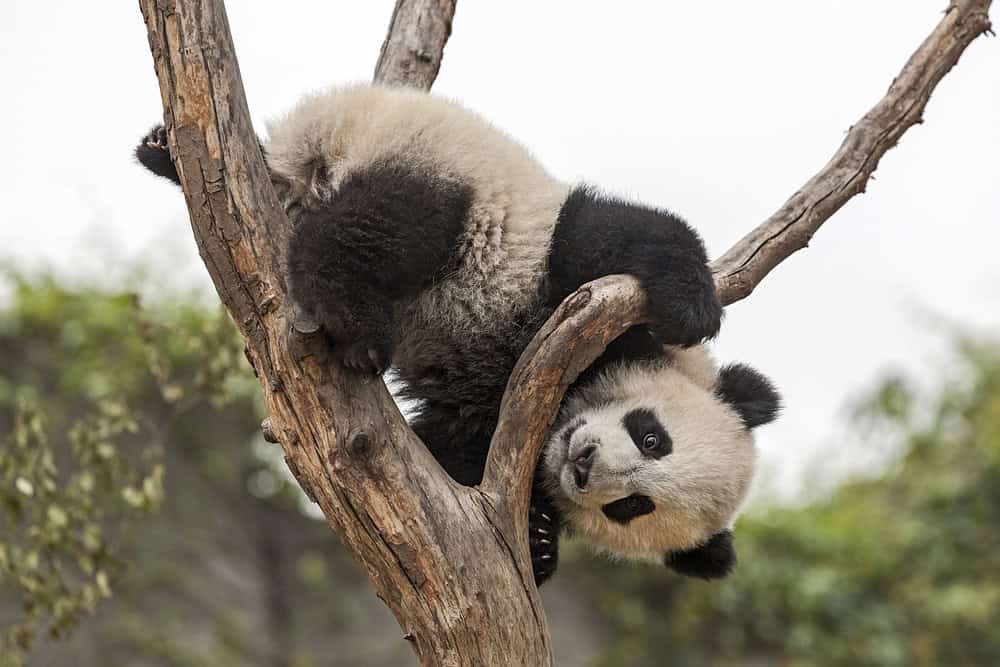
Even when captive breeding results in successful births, panda cubs face a high mortality rate during their first months of life. Newborn pandas are extraordinarily underdeveloped compared to most mammals—weighing only about 3-5 ounces (85-140 grams), hairless, blind, and unable to regulate their body temperature. This extreme altriciality makes them wholly dependent on their mothers and vulnerable to numerous health complications, including infections, accidental crushing by the mother, and developmental disorders.
In captivity, first-time mothers often lack the experience to properly care for their vulnerable offspring, sometimes rejecting or inadvertently harming their cubs. This has necessitated human intervention, with breeding centers developing specialized incubators and hand-rearing techniques. While survival rates have improved dramatically in recent decades—from less than 30% in the 1960s to over 90% at advanced facilities like those in Chengdu, China—the inherent fragility of newborn pandas remains a significant challenge to population growth in captivity.
Nutritional Specialization
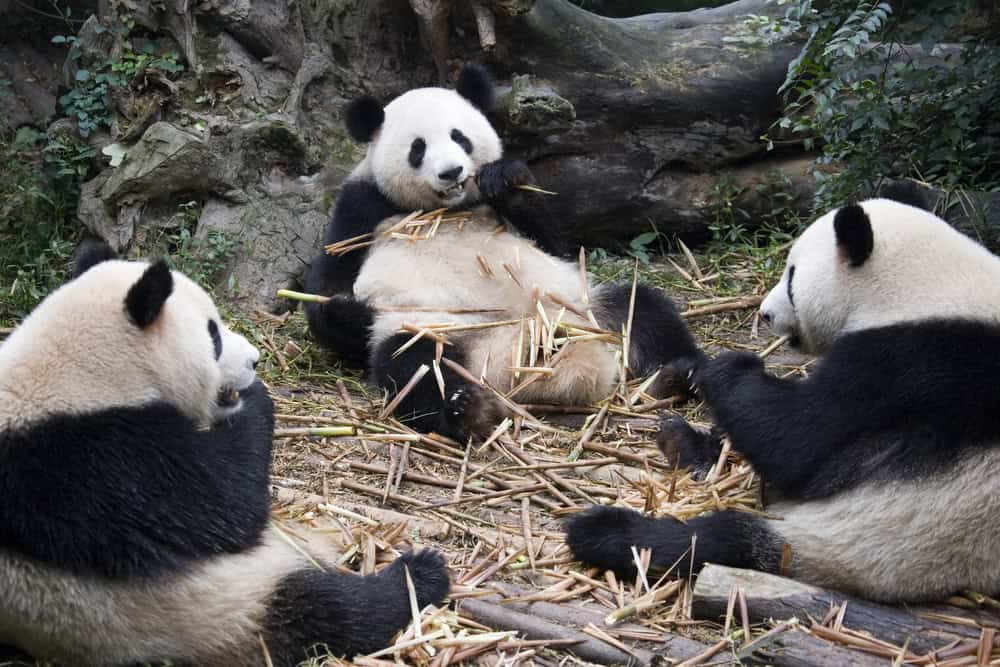
Giant pandas have evolved as dietary specialists, with bamboo comprising 99% of their food intake despite their digestive system being more similar to carnivores than herbivores. This specialized diet creates unique nutritional challenges that can affect reproductive success. Bamboo is low in nutrients, requiring pandas to consume massive quantities (20-40 pounds daily) to meet their energy needs. In captivity, ensuring the constant supply of fresh, high-quality bamboo of the correct species and maturity is logistically complex and expensive.
Nutritional deficiencies or imbalances can directly impact reproductive hormone levels and fertility in both male and female pandas. Research has shown that specific bamboo species and parts (leaves, shoots, or stems) consumed at particular times of year may influence hormonal cycles and breeding readiness. Modern breeding facilities now carefully manage bamboo variety, supplementing with specially formulated biscuits containing additional nutrients. Despite these efforts, fully replicating the nutritional complexity of a wild panda’s diet remains difficult, potentially contributing to reduced fertility in captive populations.
Stress Factors in Captive Environments
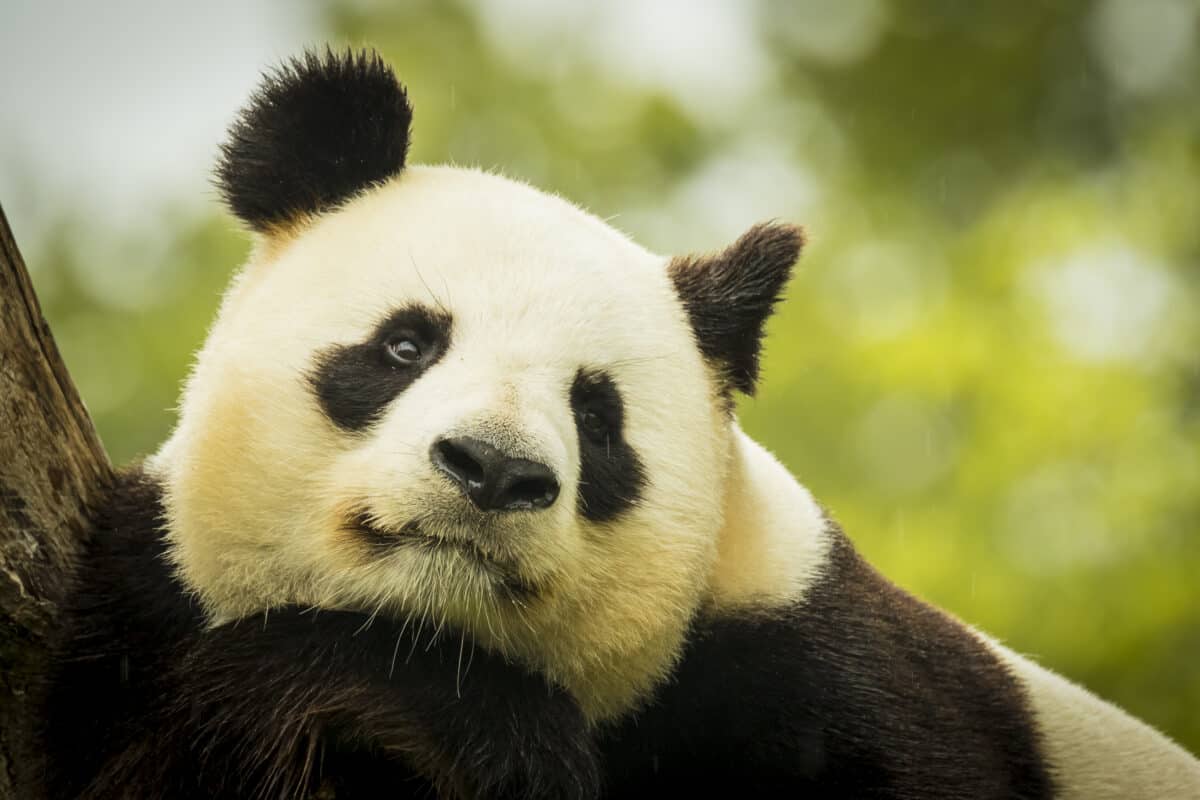
The stress associated with living in captivity can significantly impact panda reproduction. Giant pandas are naturally solitary, territorial animals that roam large areas in the wild—adult males may have territories spanning up to 3-7 square kilometers. The confined spaces of zoo enclosures, even the most advanced ones, cannot fully replicate this natural ranging behavior. Additionally, exposure to human visitors, noise, unfamiliar scents, and artificial lighting can trigger chronic stress responses that interfere with normal reproductive physiology.
Elevated cortisol levels associated with chronic stress directly suppress reproductive hormones in both male and female pandas. Females under stress may fail to ovulate or experience delayed implantation failure, while males may produce lower quality sperm or demonstrate reduced mating interest. Modern panda facilities have attempted to mitigate these issues by creating more naturalistic environments with multiple separated areas, visual barriers, climbing structures, and carefully managed visitor access. However, completely eliminating the physiological impacts of captivity-induced stress remains an ongoing challenge for breeding programs.
Genetic Management Challenges
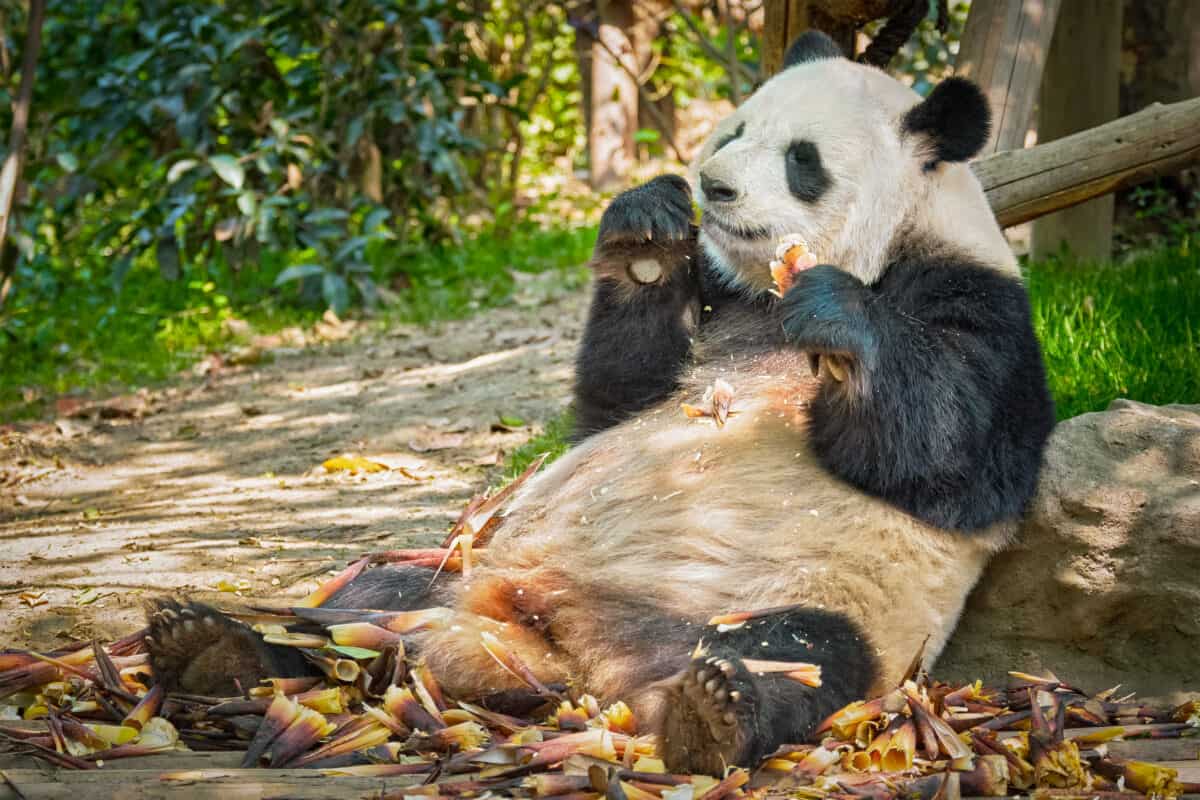
Maintaining genetic diversity within the captive panda population presents substantial challenges. With fewer than 600 pandas in captivity worldwide, breeding programs must carefully manage genetic lineages to prevent inbreeding while maximizing the preservation of genetic diversity. This requires sophisticated genetic analysis and international cooperation between breeding facilities. The limited number of reproductively viable pandas further constrains breeding options, sometimes necessitating the pairing of less genetically optimal mates.
The situation is complicated by the fact that certain pandas have proven to be more successful breeders than others, potentially creating genetic bottlenecks if their offspring predominate in future generations. To address these concerns, breeding programs utilize studbooks and genetic analysis to guide breeding decisions, sometimes prioritizing genetic diversity over reproductive success rates. Additionally, advances in reproductive technologies such as artificial insemination and semen cryopreservation have helped maintain genetic diversity, though these techniques come with their own set of challenges and lower success rates compared to natural breeding.
Delayed Implantation Biology
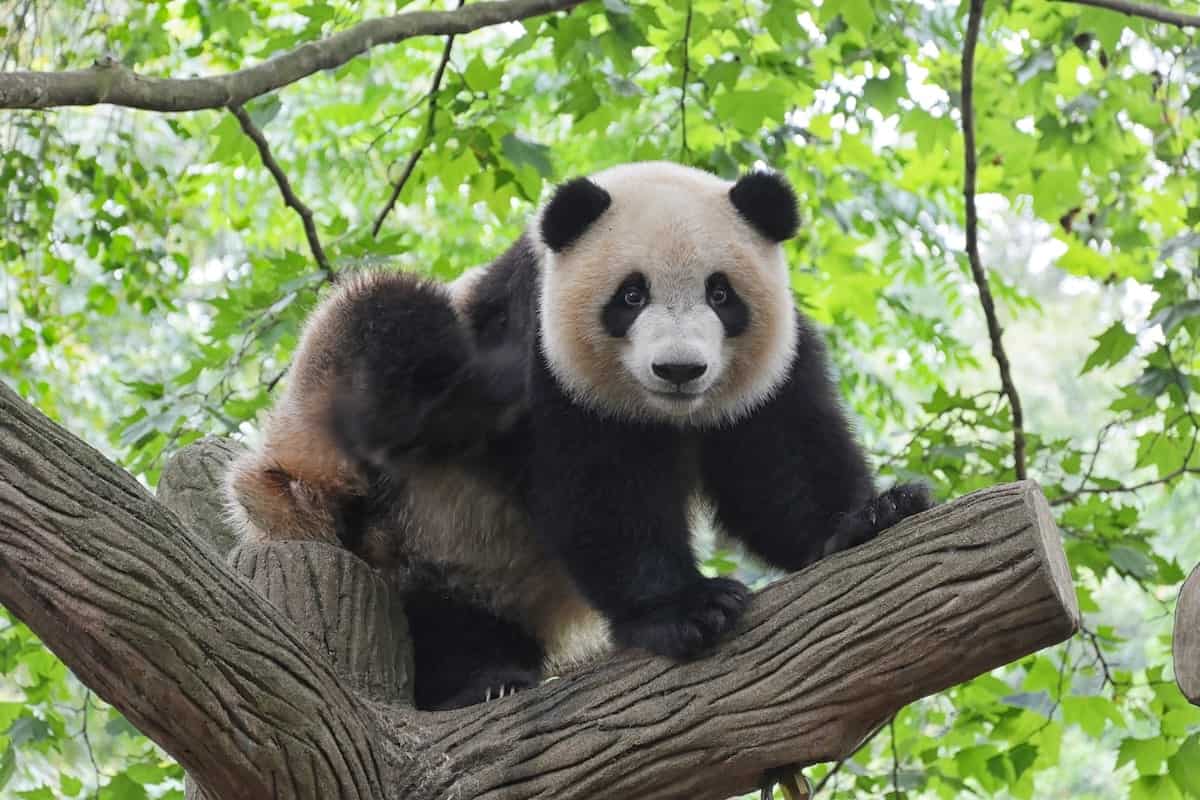
Giant pandas employ a reproductive strategy known as delayed implantation, which adds another layer of complexity to their breeding challenges. After fertilization occurs, the resulting embryo floats freely in the uterus rather than immediately implanting in the uterine wall. This suspended development can last for 1-4 months before implantation finally occurs, allowing the actual gestation period to begin. This adaptation likely evolved to allow female pandas in the wild to time the birth of their cubs to coincide with optimal environmental conditions.
The mechanisms controlling implantation remain poorly understood, but factors such as maternal nutrition, stress levels, and environmental cues appear to influence when and if implantation occurs. In captivity, even successfully fertilized eggs may fail to implant for reasons that remain unclear to researchers. This biological peculiarity makes the entire reproductive process more precarious and difficult to monitor or influence. It also explains why pregnancy detection is so challenging in pandas, as hormonal changes may not follow the patterns typical of other mammals, further complicating breeding management in captivity.
Limited Research Opportunities

Scientific understanding of panda reproduction has been hampered by limited research opportunities. With fewer than 1,900 pandas remaining in the wild and approximately 600 in captivity, researchers have a very small population to study. Ethical considerations further restrict the types of investigations that can be conducted, particularly those that might cause stress or discomfort to these endangered animals. Additionally, pandas’ protected status and their significant cultural and diplomatic importance, especially to China, create political sensitivities around research access.
The seasonal nature of panda reproduction also means that researchers have very limited windows to observe and document natural mating behaviors and physiological changes. While significant progress has been made in recent decades—particularly at specialized breeding centers in China—many aspects of panda reproductive biology remain poorly understood. This knowledge gap affects everything from hormone treatment protocols to environmental management practices in breeding facilities. Continued international scientific collaboration and non-invasive monitoring technologies offer the best hope for expanding the knowledge base without compromising panda welfare.
Conclusion: The Future of Panda Conservation Breeding
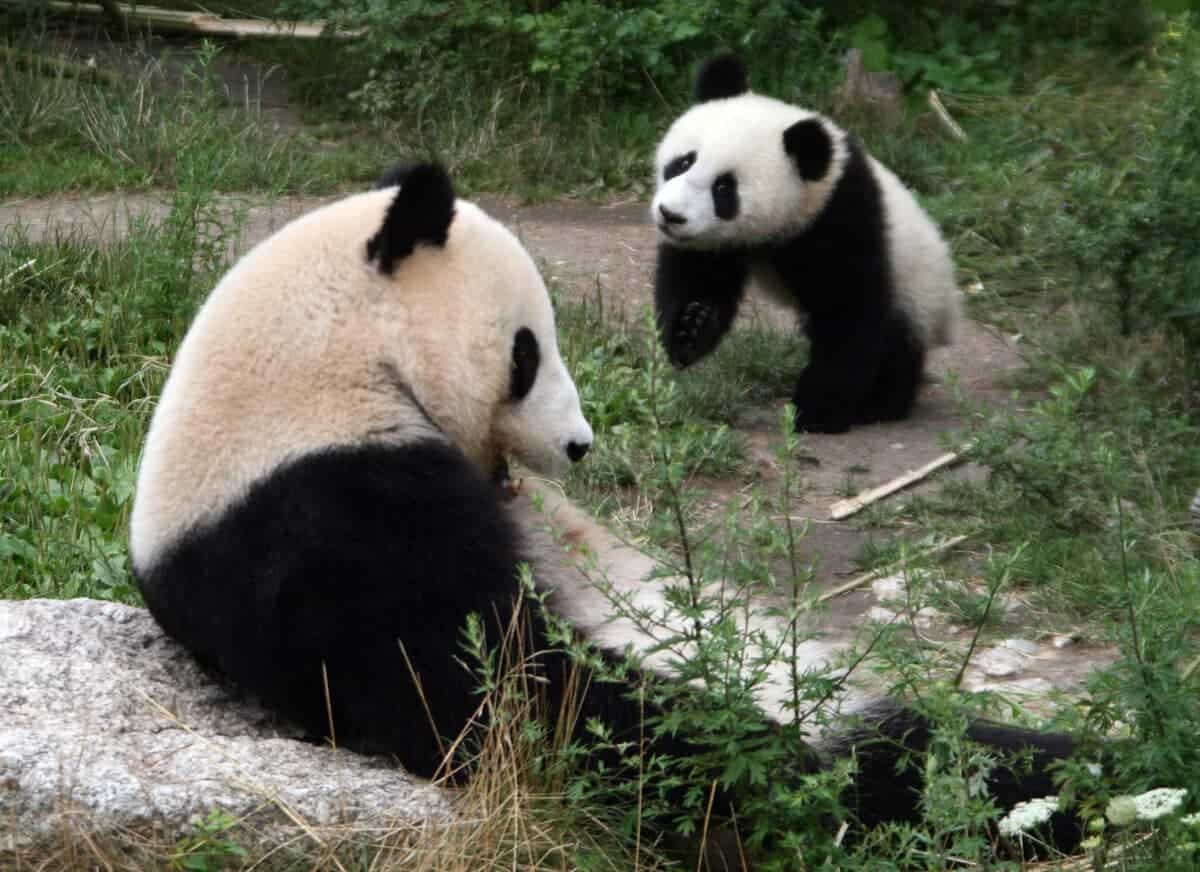
Despite the numerous challenges outlined above, panda breeding programs have made remarkable progress in recent decades, with captive populations growing from fewer than 50 individuals in the 1970s to approximately 600 today. This success can be attributed to international cooperation, improved understanding of panda biology, advances in reproductive technologies, and the development of specialized breeding facilities with expert staff. The increased survival rates of cubs born in captivity represent a particularly significant achievement, with survival now exceeding 90% at leading facilities compared to less than 30% in early breeding attempts.
Looking forward, panda conservation faces new challenges beyond simply increasing numbers. The focus has shifted toward maintaining genetic diversity, preparing pandas for potential reintroduction to the wild, and developing sustainable management practices that reduce human intervention. While captive breeding remains an essential insurance policy for the species, the ultimate goal is the restoration of self-sustaining wild populations through habitat protection and carefully managed reintroductions. The journey of panda conservation serves as both a warning about the fragility of specialized species in changing environments and an inspiring example of what dedicated conservation efforts can achieve even in the face of seemingly insurmountable reproductive challenges.

As a little kid, I fell in love with nature, wildlife, and animals. Living in the USA, South Africa, Italy, China and Germany gave me the opportunity to discover the world's Wildlife. My favorite animals are Mountain Gorillas, Siberian Tigers, and Great White Sharks.
I'm a certified PADI Open Water Diver, went to Everest Base Camp and Trekked Gorillas in Uganda. I hold a Master of Science in Economics and Finance.
Please send any feedback to feedback@animalsaroundtheglobe.com
- The Spiritual Significance of the Eagle as a Spirit Animal - August 2, 2026
- 13 Animals That Changed Science Forever - August 2, 2026
- 8 Things That Draw Sharks In And 3 That Send Them Swimming Away - August 2, 2026