
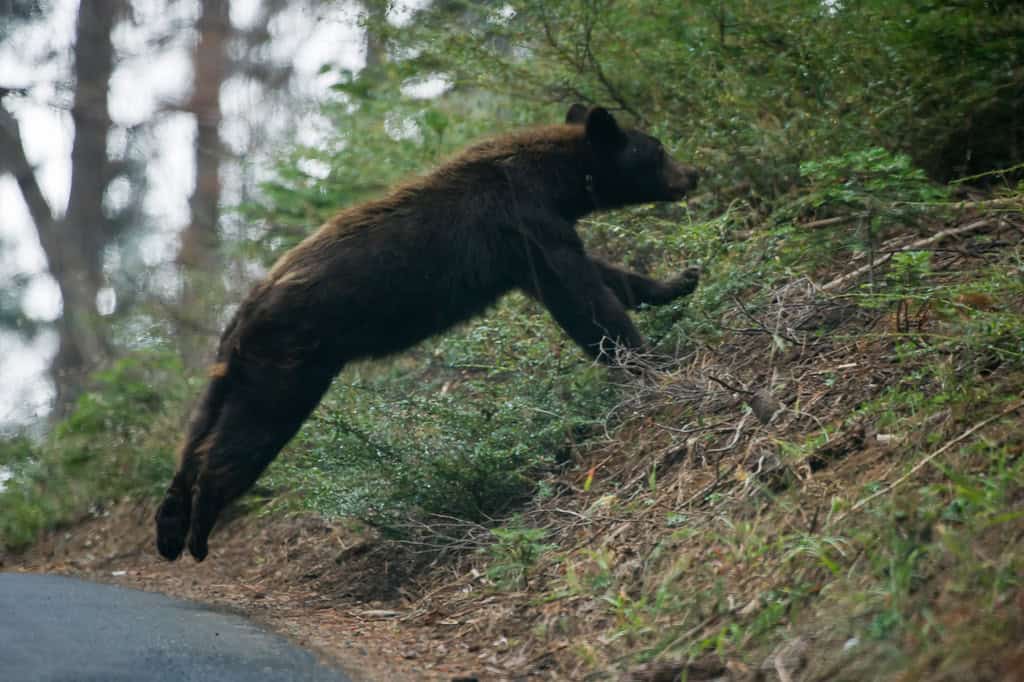
When most people think of bears, they picture lumbering, slow-moving creatures foraging for berries or honey. This misconception could prove dangerous in the wild. Bears are actually among the fastest land mammals, capable of reaching surprising speeds that would leave most humans with no chance of outrunning them. Their deceptive appearance – heavy-set and seemingly awkward – masks their true athletic capabilities. Understanding bear speed is not just fascinating zoology; it’s critical knowledge for anyone venturing into bear country.
The Shocking Speed of Bears

Bears can run at speeds that would qualify them for Olympic medals if they were human athletes. The average bear can reach speeds of 30-35 miles per hour (48-56 kilometers per hour). To put this in perspective, Usain Bolt, the fastest human on record, reached a top speed of about 27.8 mph (44.7 km/h) during his world-record 100-meter sprint. Even the most athletic human would be outpaced by a charging bear.
This extraordinary speed is particularly surprising given a bear’s bulky frame. An adult grizzly can weigh up to 800 pounds (363 kg), while even a smaller black bear typically weighs between 200-300 pounds (90-136 kg). Despite carrying this significant weight, bears can accelerate quickly and maintain their top speeds for short bursts, making them formidable predators and effective escapees when threatened.
Speed Differences Among Bear Species

Not all bears are created equal when it comes to speed. The black bear (Ursus americanus), North America’s most common bear species, can reach speeds of up to 35 mph (56 km/h). Grizzly bears (Ursus arctos horribilis), despite their larger size, can run at similar speeds of 30-35 mph (48-56 km/h). Polar bears (Ursus maritimus) are slightly slower on land, with top speeds of about 25 mph (40 km/h), though they’re better adapted for swimming than running.
The fastest bear species is believed to be the American black bear, which combines relatively lighter weight with powerful muscles. However, it’s important to note that individual speeds can vary based on factors such as age, health, terrain, and motivation. A mother bear protecting her cubs might reach peak performance levels regardless of species.
The Physical Adaptations That Enable Bear Speed
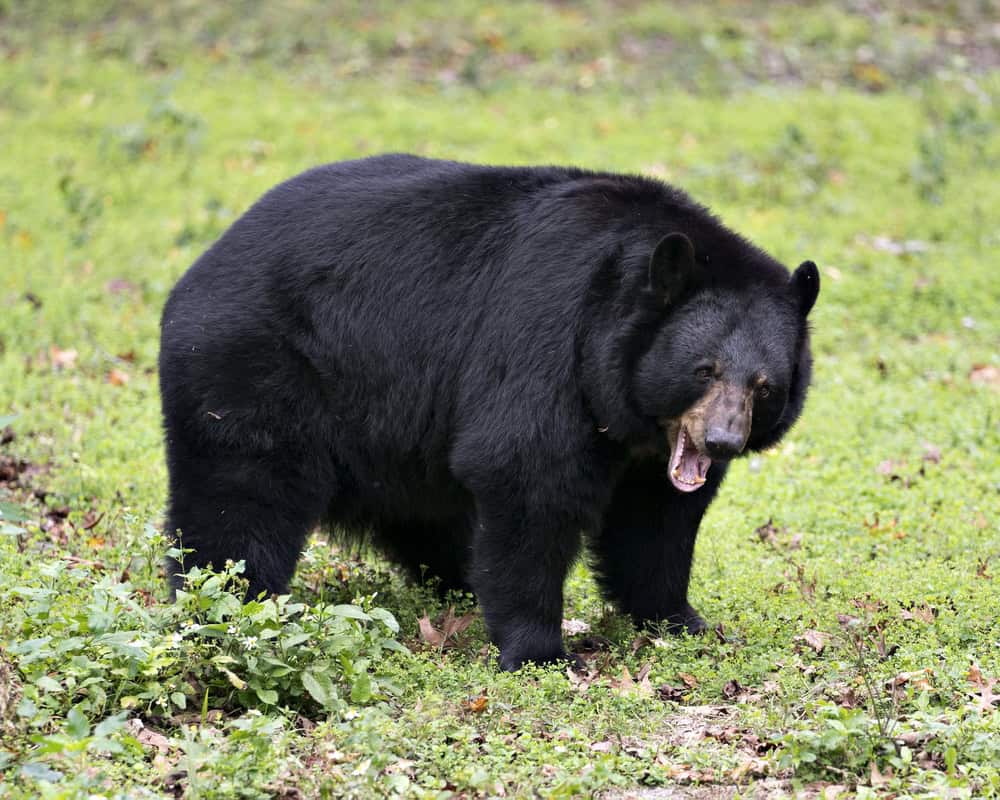
Bears possess several physical adaptations that contribute to their impressive speed. Their muscular shoulders and front legs provide powerful forward propulsion, while their plantigrade stance (walking with the entire sole of the foot on the ground) gives them excellent traction. Bears also have relatively long legs for their body size, allowing for an extended stride length that contributes to their speed.
Additionally, bears have developed specialized tendons and ligaments that store and release energy efficiently during running, similar to a spring mechanism. Their flexible spine allows for increased stride length and better energy transfer when running. These adaptations, combined with their natural strength and endurance, make bears surprisingly fast despite their bulky appearance.
Bears vs. Humans: A Speed Comparison

The speed disparity between bears and humans is stark and sobering. The average human runs at about 8 mph (13 km/h), with trained athletes reaching 15-20 mph (24-32 km/h) in short bursts. Even world-class sprinters max out around 28 mph (45 km/h). Bears, meanwhile, regularly reach speeds of 30-35 mph (48-56 km/h), giving them a significant advantage in any pursuit scenario.
This speed difference explains why wildlife experts universally advise against trying to outrun a bear. The human body simply isn’t built for the kind of rapid acceleration and sustained speed that bears can achieve. Our bipedal gait, while efficient for endurance running, doesn’t provide the explosive power needed to outpace a charging bear. The message is clear: alternative bear encounter strategies are essential, as outrunning is not a viable option.
Bears’ Speed in Various Terrains

Bears demonstrate remarkable adaptability when running across different landscapes. On flat ground, they achieve their maximum speeds, using their powerful limbs to full advantage. In forested areas, bears navigate through trees and obstacles with surprising agility, maintaining significant speed even when weaving through woodland. Their sharp claws provide excellent traction on various surfaces, from forest floors to rocky hillsides.
Perhaps most impressive is bears’ ability to run uphill. While most animals (including humans) slow considerably on inclines, bears can charge uphill with minimal reduction in speed. This adaptation makes sense from an evolutionary perspective, as bears often inhabit mountainous regions. Their ability to run downhill is equally noteworthy, with their strong legs and low center of gravity allowing them to descend slopes at high speeds without losing control.
The Purpose Behind Bear Speed

Bears didn’t evolve their impressive speed without reason. While they’re often portrayed as slow-moving omnivores, their speed serves several critical survival functions. For predatory species like grizzlies, speed helps them catch prey, including deer, elk calves, and smaller mammals. The element of surprise combined with a sudden burst of speed makes bears effective hunters despite their size.
Defensive situations also call for speed. Mother bears use their quickness to respond to threats to their cubs, while all bears may need to escape from larger predators or human encounters. Interestingly, bears also use short bursts of speed during social interactions, including mating rituals and establishing dominance hierarchies. Their speed capabilities have evolved as part of a complex set of survival mechanisms suited to their ecological niche.
How Long Can Bears Maintain Top Speed?

While bears can reach impressive top speeds, they cannot maintain these velocities for extended periods. Bears are built for power rather than endurance, typically sustaining their maximum speed for only about 50-100 yards (45-90 meters). After this initial burst, they quickly tire and must slow down. This limited stamina makes sense considering their physiology and hunting strategies, which rely more on ambush and short pursuits rather than extended chases.
However, bears can maintain moderate speeds for considerably longer distances. A motivated bear can trot at 10-15 mph (16-24 km/h) for several miles if necessary. This combination of explosive short-distance speed and moderate endurance makes bears versatile predators and effective at responding to various threats in their environment. The key takeaway is that while a bear might not chase you for miles, its initial burst of speed is more than enough to close the distance between you and it in seconds.
Factors That Affect Bear Running Speed

Several factors influence how fast an individual bear can run. Age plays a significant role, with bears in their prime (roughly 3-10 years old) typically being the fastest. Older bears may lose some speed due to joint issues or reduced muscle mass. Weight and physical condition also matter significantly; a bear that has successfully fattened up for hibernation will be slower than the same bear in leaner summer condition.
Environmental factors create additional variables. Bears run faster on firm, flat ground than on soft snow, mud, or very steep terrain. Temperature affects performance too, with bears typically moving more slowly in extreme heat. Motivation is perhaps the most unpredictable factor – a bear charging to protect cubs or responding to a perceived threat will likely run faster than one casually moving between feeding sites. These variables make it impossible to predict exactly how fast an individual bear might run in any given situation.
Bear Speed Myths and Misconceptions

Several myths about bear speed persist in popular culture. One common misconception is that bears can’t run downhill. This is entirely false – bears are quite adept at running both uphill and downhill. Another myth suggests running in a zigzag pattern will help you escape a bear. In reality, this would only slow you down while making little difference to the bear, which can change direction quickly despite its size.
Some people believe bears can only run in short bursts and will quickly give up a chase. While bears do have limited stamina at top speeds, they can maintain pursuit at moderate speeds for considerable distances if motivated. Perhaps the most dangerous misconception is that humans can outrun bears. This false belief has led to poor decision-making in bear encounters. Understanding the true capabilities of bears is essential for making informed choices in bear country.
What To Do If You Encounter a Bear

Since outrunning a bear is not an option, what should you do if you encounter one? Wildlife experts recommend several strategies depending on the species and situation. For black bears, making yourself look large, making noise, and standing your ground is often effective. For grizzly bears, avoiding eye contact, speaking calmly, and slowly backing away is recommended. In either case, sudden movements that might trigger a chase response should be avoided.
Bear spray has proven to be an effective deterrent when used properly. Carrying it in bear country and knowing how to use it can prevent a dangerous situation from escalating. Other precautions include traveling in groups, making noise while hiking to avoid surprising bears, properly storing food, and learning to recognize bear signs. The key is prevention and preparation rather than relying on physical abilities that simply cannot match those of bears.
Scientific Studies on Bear Locomotion

Research on bear locomotion has provided fascinating insights into how these animals achieve their impressive speeds. Studies using high-speed cameras have revealed that bears use a distinctive galloping gait when running at top speeds, with all four feet leaving the ground during part of the stride cycle. This gallop allows them to cover more ground with each stride while maximizing the power generated by their strong shoulder and hindquarter muscles.
Biomechanical research has also highlighted the energy efficiency of bear movement. Despite their size, bears have evolved to conserve energy while maintaining mobility. Their flexible spine and powerful shoulder muscles work together to generate forward momentum with relatively little wasted energy. Ongoing research using GPS collars and accelerometers is providing even more detailed data about bear movement patterns in the wild, helping scientists better understand these remarkable animals and their locomotion capabilities.
The Surprising Truth About Bear Speed
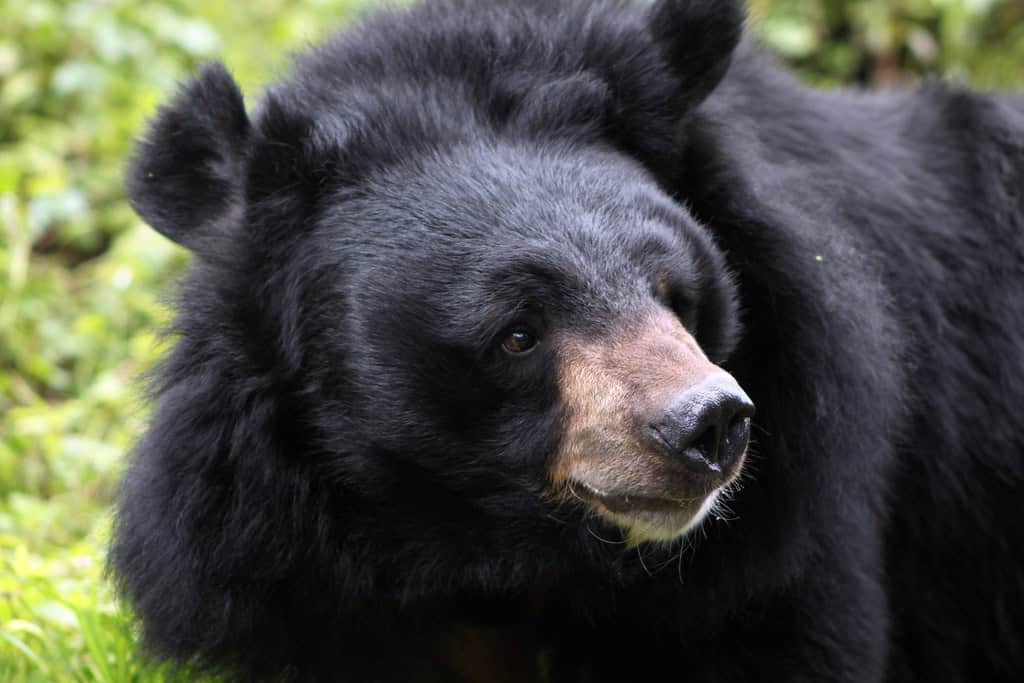
The speed capabilities of bears stand as a powerful reminder that nature often defies our expectations. Despite their bulky appearance and seemingly cumbersome gait, bears are remarkably swift animals that deserve our respect and caution. Their ability to accelerate to 30-35 mph in seconds demonstrates the danger of underestimating wildlife based on appearances. The significant speed differential between bears and humans underscores the importance of proper bear safety practices in wilderness areas.
Understanding bear speed also provides valuable insights into their ecology and evolutionary history. Their combination of power, speed, and adaptability has allowed bears to thrive across diverse habitats and survive as apex predators despite changing environments. For hikers, campers, and outdoor enthusiasts, recognizing the true capabilities of bears is not just fascinating—it’s potentially life-saving knowledge. The next time you venture into bear country, remember that these magnificent animals are far faster than they appear, and plan your wildlife encounters accordingly.

- Why You Shouldn’t Chase Butterflies With Nets - July 22, 2026
- The Animal Kingdom’s Best Dads Ranked - July 22, 2026
- The Most Vulnerable Fish Species in U.S. Rivers Today - July 22, 2026