

As human populations expand into previously wild territories, and as climate change shifts traditional animal habitats, southern cities across the United States have become unexpected hosts to a fascinating array of wildlife. Beyond the usual urban suspects of pigeons and squirrels, many southern metropolitan areas now witness surprising animal neighbors that would have seemed unimaginable decades ago. From alligators lounging in suburban swimming pools to exotic parrots establishing colonies in downtown areas, the coexistence between humans and these remarkable creatures creates a unique urban ecosystem that challenges our traditional understanding of wildlife boundaries. This article explores the most unusual animal residents now calling southern cities home, examining how they arrived, how they’ve adapted, and what their presence means for urban ecology and human-wildlife relations in the warm climates of America’s southland.
Alligators: The Swimming Pool Squatters of Florida
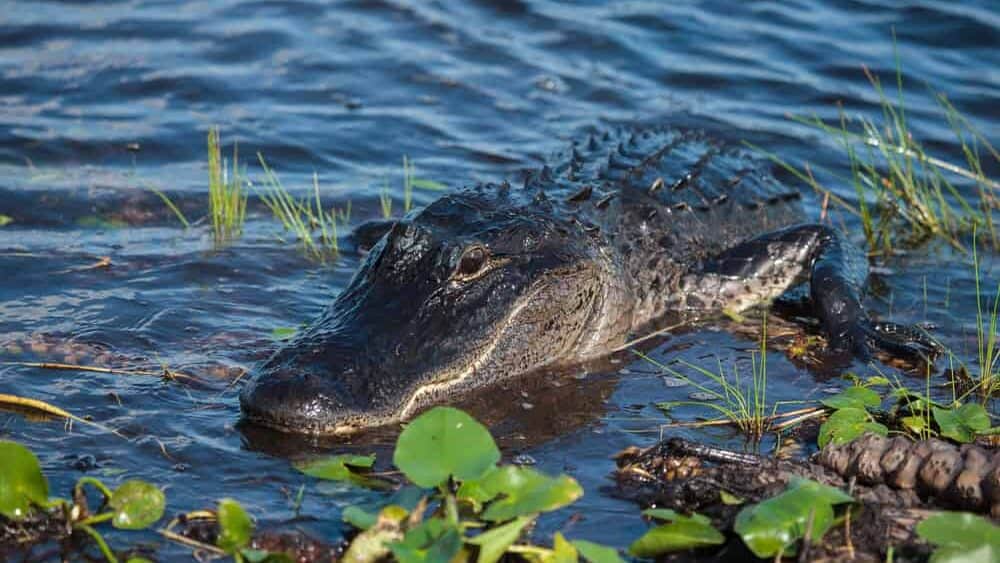
Perhaps no creature epitomizes southern urban wildlife quite like the American alligator. These prehistoric-looking reptiles have become surprisingly common residents in Florida’s expanding suburban landscapes. In cities like Orlando, Tampa, and Miami, alligator sightings in residential areas have increased dramatically over the past decade, with the Florida Fish and Wildlife Conservation Commission responding to over 15,000 nuisance alligator complaints annually. These opportunistic reptiles frequently turn up in drainage ditches, retention ponds, golf course water hazards, and occasionally, backyard swimming pools.
What makes this urban invasion particularly interesting is how alligators have adapted to human presence. Research from the University of Florida indicates that urban alligators often display different behavioral patterns than their wilderness counterparts, becoming more nocturnal and developing higher tolerance for human proximity. While typically shy, these adaptable reptiles can reach lengths of 10-15 feet and weights exceeding 1,000 pounds, creating legitimate safety concerns when habitat overlap occurs. Most concerning to wildlife officials is when residents illegally feed alligators, which diminishes their natural wariness of humans and increases the likelihood of dangerous encounters.
Coyotes: The Suburban Hunters of Texas
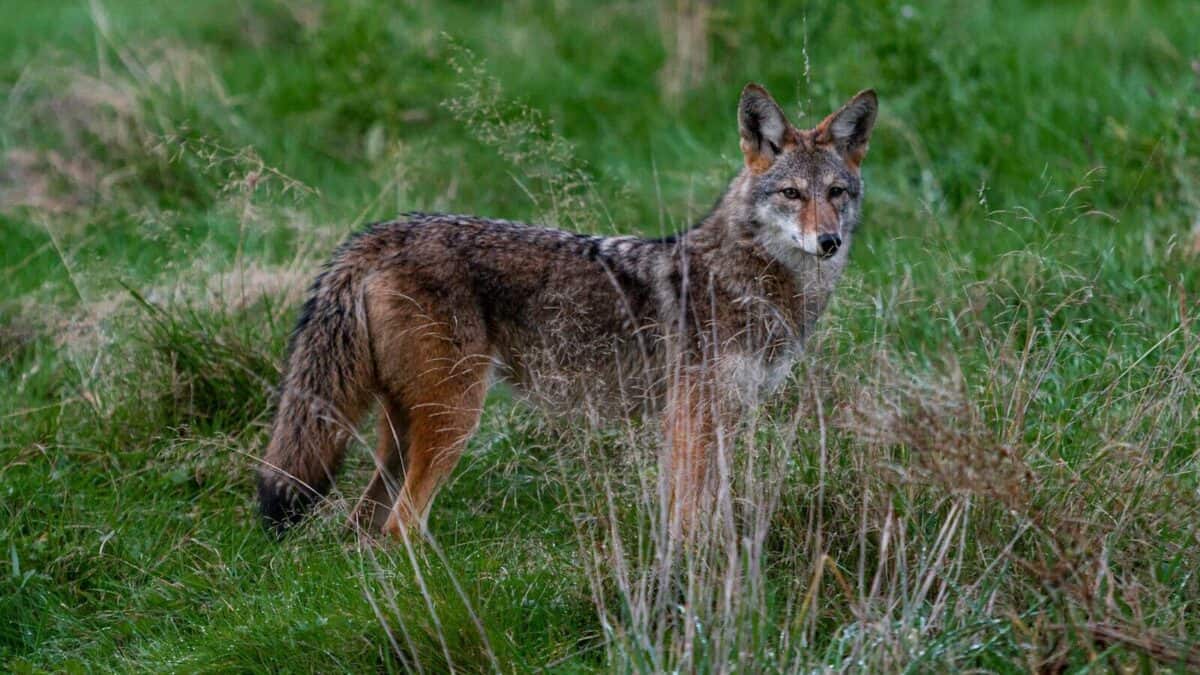
Across Texas cities like Dallas, Houston, and San Antonio, residents have witnessed a remarkable surge in urban coyote populations. These highly adaptable canids, once confined to rural and wilderness areas, have proven exceptionally successful at colonizing urban environments. Research from the Urban Coyote Research Project has documented coyotes residing in nearly every major southern metropolitan area, with some city populations reaching densities far exceeding their rural counterparts. What makes urban coyotes particularly fascinating is their behavioral plasticity – their ability to completely shift activity patterns to avoid human contact.
In southern cities, coyotes have become primarily nocturnal, emerging after dark to hunt rats, mice, rabbits, and occasionally unattended small pets. Their diet analysis reveals a surprising truth: urban coyotes primarily consume rodents, fruit, and carrion, making them inadvertent pest control allies. Wildlife biologists tracking tagged coyotes have discovered their remarkable ability to navigate busy highways, establish territories as small as two square miles, and even raise pups in cemetery greenspaces and abandoned lots. While coyote attacks on humans remain extremely rare, their growing comfort with urban environments has created complex management challenges for southern cities trying to balance wildlife conservation with public safety concerns.
Monk Parakeets: The Feathered Immigrants of Austin

The brilliant green monk parakeets of Austin, Texas represent one of the most colorful and vocal non-native species to establish successful colonies in southern cities. These striking birds, native to Argentina and surrounding regions, were initially introduced through the exotic pet trade in the 1960s and 70s. Whether through intentional releases or accidental escapes, these intelligent birds found Texas’s climate remarkably similar to their native range. Today, the most notable colony resides near Austin’s Hyde Park neighborhood, where their large communal nests—some weighing hundreds of pounds—have become local landmarks atop utility poles and cell towers.
Unlike many invasive species, monk parakeets have achieved a relatively neutral ecological impact. Studies from the University of Texas indicate they don’t significantly compete with native birds for resources and primarily consume seeds, fruits, and plant material not utilized by native species. Their extraordinary adaptability to urban environments stems from their highly social nature and problem-solving intelligence. The birds construct elaborate stick nests with multiple chambers that house several pairs, creating small parakeet “apartments” that can remain in use for decades. While utility companies occasionally remove nests from electrical infrastructure due to fire hazards, the birds have developed a dedicated following of urban birdwatchers who monitor and celebrate these unlikely tropical residents of the Texas capital.
Flying Foxes: The Nocturnal Fruit Eaters of Houston
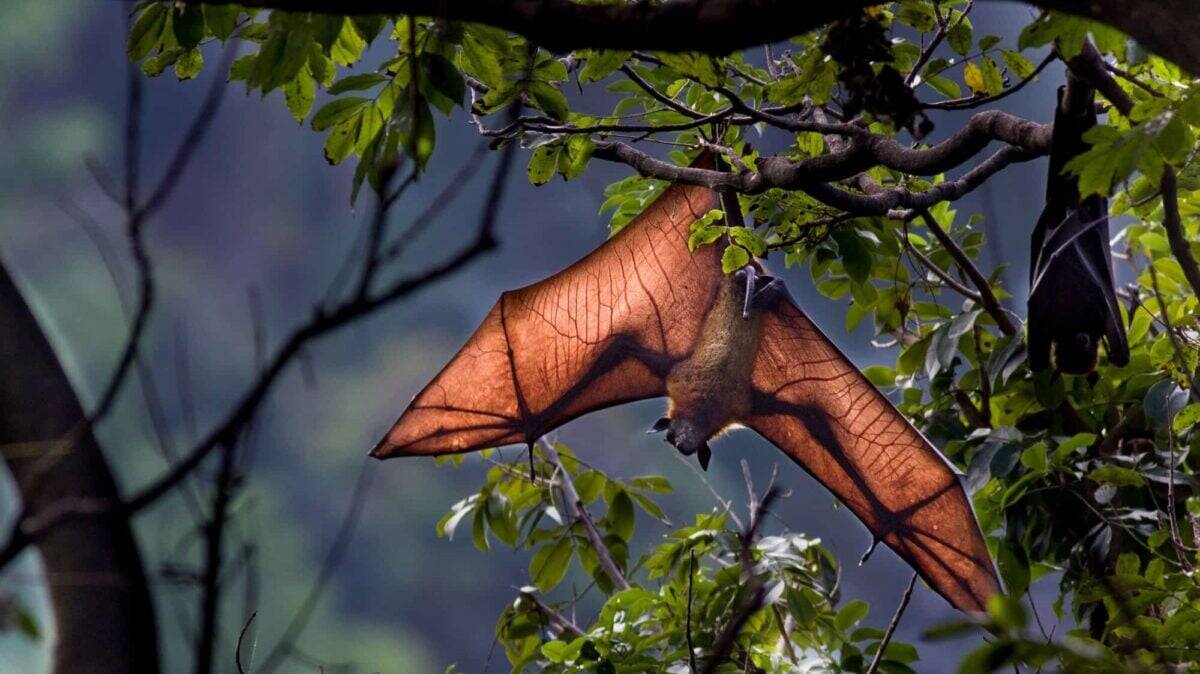
In recent years, Houston has experienced a surprising influx of Mexican free-tailed bats, creating one of the largest urban bat colonies in North America. While not as famous as Austin’s Congress Avenue Bridge colony, Houston’s Waugh Drive Bridge has become home to an estimated 250,000 bats that emerge each evening in spectacular fashion. These small flying mammals, with wingspans reaching 12 inches, have adapted remarkably to city life, finding the concrete crevices beneath bridges to be perfect substitutes for the cave systems they traditionally inhabit. Their presence represents a fascinating case of wildlife adapting to urban infrastructure in ways architects never intended.
The ecological benefits these bats provide to Houston are substantial. Each night, the colony consumes approximately 2.5 tons of insects, including mosquitoes and agricultural pests. Research from Bat Conservation International suggests each bat can devour up to 1,000 mosquito-sized insects hourly, providing natural pest control valued at millions of dollars annually. The bat colony has transformed from an urban curiosity to a tourist attraction, with evening bat-watching gatherings becoming a popular activity for residents and visitors alike. However, wildlife officials carefully monitor the colony for signs of white-nose syndrome, a fungal disease devastating bat populations nationwide, highlighting the vulnerability of even successful urban wildlife populations.
Wild Boars: The Destructive Foragers of New Orleans
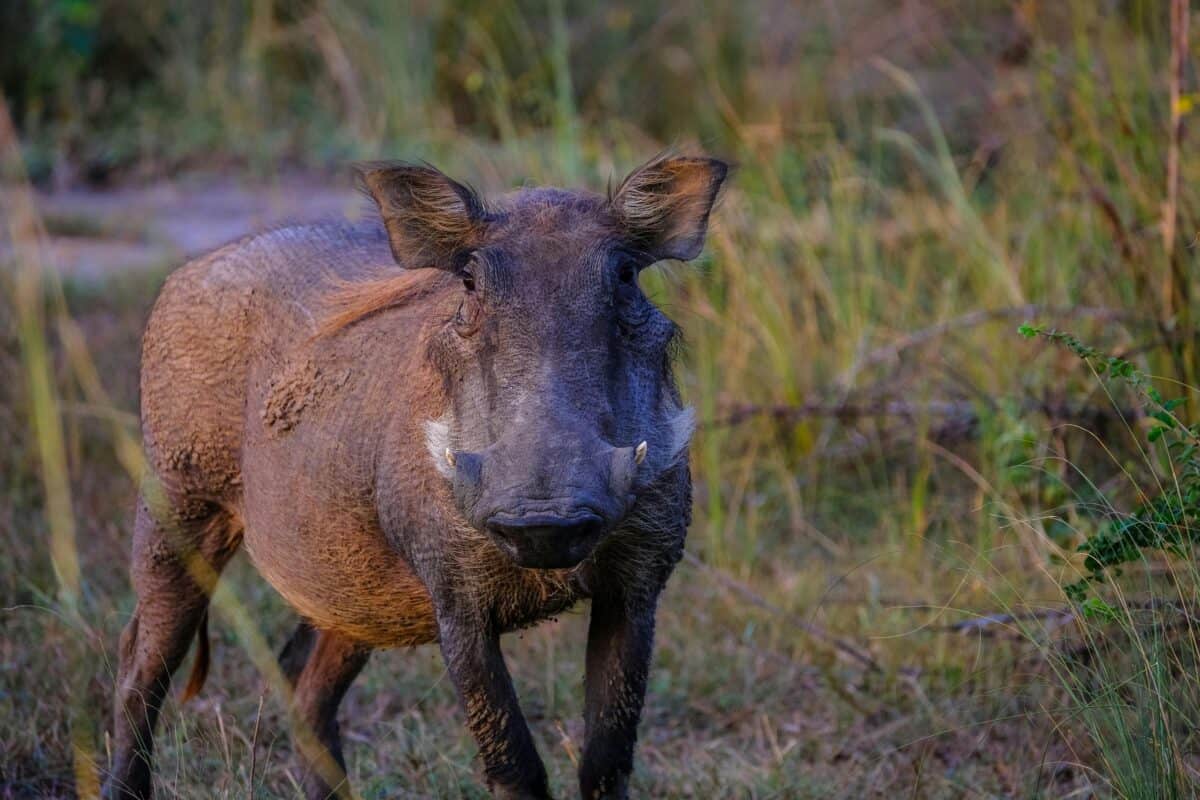
The appearance of feral hogs in the suburbs and even urban areas of New Orleans has created one of the most challenging wildlife management issues in the South. These highly intelligent and destructive animals—descendants of domestic pigs and European wild boars—have expanded their range dramatically throughout Louisiana. In the aftermath of Hurricane Katrina, reduced human presence in parts of the city and disrupted ecosystems created opportunities for these adaptable omnivores to establish urban territories. With few natural predators and prodigious reproductive rates—a single sow can produce up to 12 piglets twice yearly—their population growth has proven difficult to control.
The ecological and economic damage caused by urban wild boars is substantial. Their rooting behavior, where they use powerful snouts to dig through soil searching for roots, tubers, and invertebrates, can destroy landscaping, gardens, and natural areas overnight. City parks in Orleans Parish have reported extensive damage to grounds, with restoration costs reaching tens of thousands of dollars. Additionally, wild boars can carry diseases transmissible to humans and domestic animals, including brucellosis and pseudorabies. Wildlife officials employ various management strategies, including trapping and removal programs, but the animals’ intelligence and wariness of human intervention make control efforts particularly challenging in urban environments where hunting isn’t feasible.
Armadillos: The Armored Diggers of Atlanta
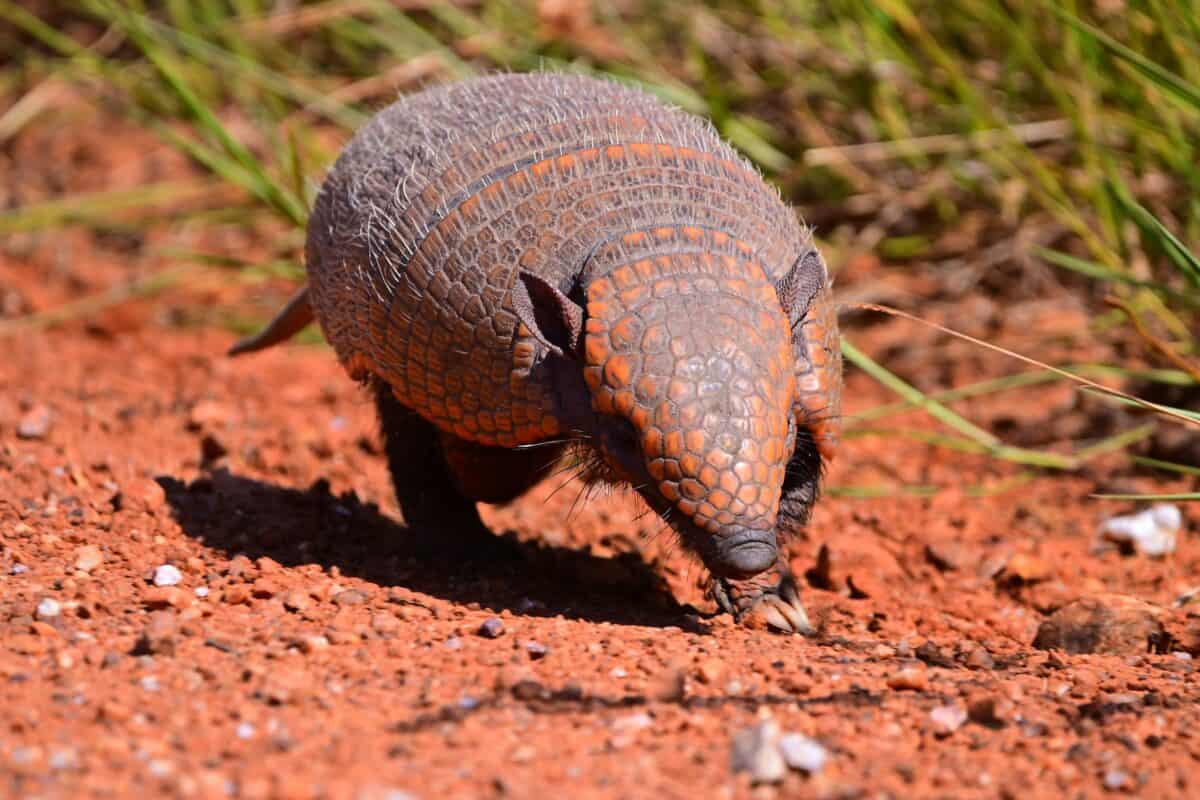
Nine-banded armadillos have steadily expanded their range northward from traditional territories in Texas and Louisiana, becoming increasingly common in Atlanta’s suburbs over the past two decades. These distinctive mammals, with their leathery armored shells and powerful digging claws, were once rarely seen in Georgia but have adapted successfully to the state’s urban environments. Climate change has facilitated this range expansion, as milder winters allow armadillos—poorly equipped for cold temperatures—to survive in previously inhospitable regions. Their nocturnal habits and preference for insects make urban gardens and lawns ideal foraging grounds.
Armadillos create mixed reactions among Atlanta residents. Their digging behavior, while beneficial for aerating soil and controlling grubs and other lawn pests, can create unsightly holes in manicured lawns and gardens. Research from the University of Georgia indicates that a single armadillo can dig dozens of small holes nightly while hunting for invertebrates. More concerning to health officials is that armadillos are one of the few animals besides humans that can carry leprosy (Hansen’s disease), though transmission to humans is extremely rare and requires prolonged direct contact. Despite these concerns, armadillos represent a fascinating example of natural range expansion accelerated by human-altered environments, with wildlife biologists predicting their eventual establishment throughout the southeastern United States.
Peacocks: The Ornamental Escapees of Miami

The streets and neighborhoods of Coconut Grove, Miami are home to one of America’s most unusual urban wildlife populations—free-roaming peacocks. These spectacular birds, native to India and Southeast Asia, originated from private collections and ornamental displays in the early 20th century. Over decades, escaped birds established wild breeding populations that have thrived in Miami’s tropical climate. Current estimates suggest more than 100 peacocks inhabit the Coconut Grove area alone, with additional populations in nearby communities. Their iridescent plumage and unmistakable calls have transformed from exotic novelty to neighborhood fixture, creating strongly divided opinions among residents.
The peacock population presents a complex urban wildlife management challenge. On one hand, many residents and tourists delight in these living ornaments that add tropical character to the city. On the other hand, peacocks produce piercing calls (particularly during breeding season), can damage gardens and property, and leave substantial droppings on sidewalks and driveways. The birds have proven remarkably adaptable to urban environments, nesting in trees and on rooftops while feeding on everything from landscaping plants to handouts from admirers. Recent efforts by Miami-Dade County to relocate some birds have met with mixed success and considerable controversy, illustrating how deeply embedded these non-native birds have become in the community’s identity and ecology.
Capybaras: The Giant Rodents of Southern Waterways

Perhaps the most surprising recent addition to southern urban wildlife are capybaras, the world’s largest rodents, native to South America. In cities like Austin, Texas and parts of Florida, verified capybara sightings have increased over the past decade. These massive rodents—weighing up to 150 pounds with semi-aquatic habits—are believed to have escaped from exotic animal facilities or been released by overwhelmed pet owners. Their natural habitat preferences for warm climates with abundant water resources make southern waterways and retention ponds ideal environments for these unexpected immigrants. While not yet established as breeding populations, individual capybaras have demonstrated remarkable adaptability to urban ecosystems.
Wildlife officials monitor capybara sightings with particular concern due to their potential ecological impact. As highly efficient herbivores capable of consuming 6-8 pounds of vegetation daily, established populations could potentially affect native plant communities along urban waterways. Their burrowing behavior can also contribute to erosion along riverbanks and canals. However, capybaras face significant challenges establishing permanent populations, including lack of potential mates, predation by alligators and large dogs, and vulnerability to vehicular collisions. Their occasional appearances in southern cities represent a fascinating case study in how the exotic pet trade can introduce wholly unexpected species into urban ecosystems, creating management challenges unforeseen by city planners and wildlife officials.
Coypu: The Aquatic Invaders of Southern Waterways
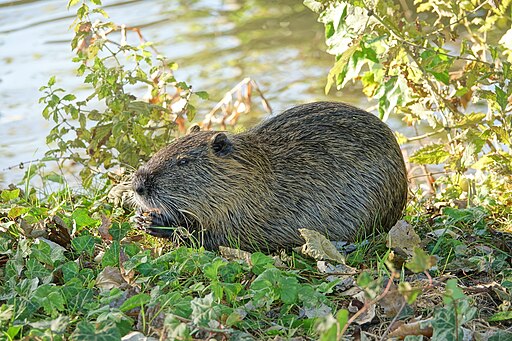
Nutria, also known as coypu, have become one of the most problematic invasive species in southern urban waterways. These large semi-aquatic rodents, resembling a cross between a beaver and a rat, were originally imported from South America for the fur trade in the early 20th century. Following escapes and intentional releases when the fur market collapsed, nutria established thriving populations throughout southern cities, particularly in Louisiana, Texas, and Mississippi. New Orleans has experienced particularly significant nutria issues, with the animals inhabiting drainage canals, bayous, and park ponds throughout the metropolitan area. Their ability to produce up to three litters annually, each with 2-9 young, has enabled rapid population growth.
The ecological damage caused by urban nutria is substantial. Their feeding habits involve consuming the base of wetland plants, often killing the entire plant rather than just eating portions. In urban settings, this feeding behavior destabilizes canal banks and levees, potentially compromising flood control infrastructure. The Louisiana Department of Wildlife and Fisheries estimates nutria cause more than $5 million in damage annually to the state’s urban and rural wetlands. Control efforts have included controversial bounty programs, paying hunters per nutria tail collected, alongside targeted trapping in critical infrastructure areas. Despite these challenges, some entrepreneurial southerners have developed nutria-based recipes and products, attempting to transform this problematic rodent into a sustainable resource while reducing its ecological impact.
Pythons: The Slithering Giants of Southern Florida
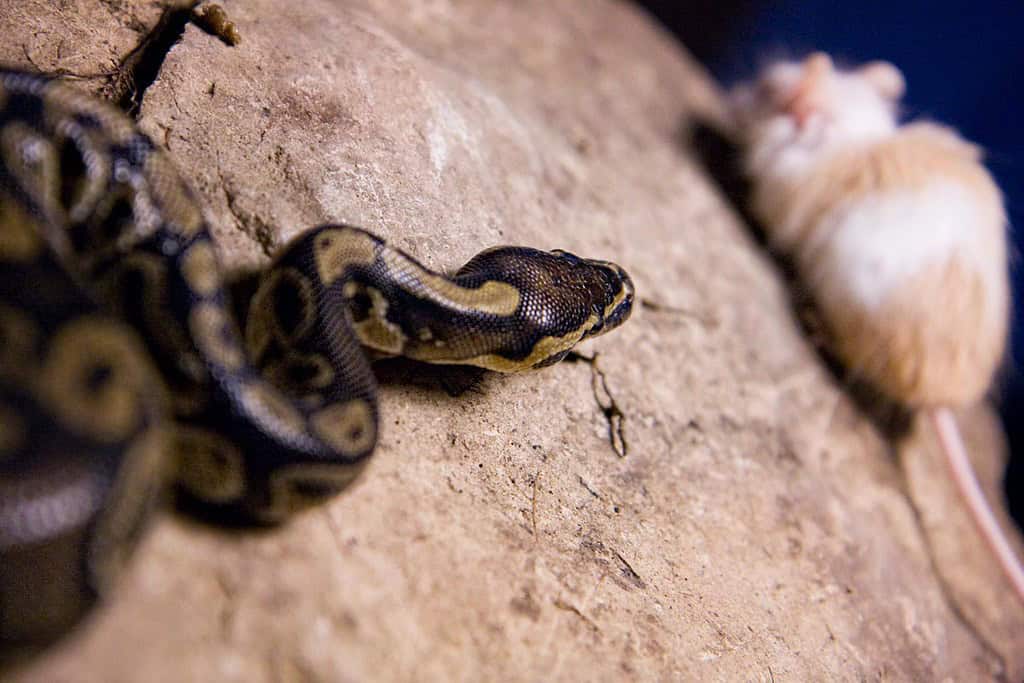
The presence of Burmese pythons in the greater Miami area represents one of the most dramatic examples of invasive species in American urban environments. These massive constrictors, capable of reaching lengths over 20 feet and weights exceeding 200 pounds, established breeding populations in the Everglades following releases by overwhelmed pet owners and damage to breeding facilities during Hurricane Andrew in 1992. While primarily concentrated in natural areas, pythons increasingly appear in suburban and even urban environments of southern Florida. The Florida Fish and Wildlife Conservation Commission documents hundreds of python removals annually from residential areas, with particularly concerning incidents involving swimming pools, garages, and even indoor spaces.
The ecological consequences of these giant snakes extend beyond their immediate presence. Research from the University of Florida indicates pythons have decimated small mammal populations in natural areas by up to 99% in some regions, raising concerns about similar impacts in urban greenspaces. Unlike many invasive species, pythons have few natural predators once they reach adult size, making control extraordinarily difficult. The python situation has spawned innovative management responses, including trained python detection dogs working in residential areas and organized python hunting competitions that attract participants nationwide. While direct threats to humans remain extremely rare, the established python population represents an unprecedented wildlife management challenge for southern Florida’s cities, where the line between urban environment and unique subtropical wilderness has always been tenuously drawn.
Manatees: The Gentle Giants of Coastal Cities

In a more positive urban wildlife story, Florida’s coastal cities have seen increasing interactions with West Indian manatees, particularly during winter months. These massive aquatic mammals, weighing up to 1,200 pounds, traditionally migrated to natural warm water springs during cold periods. However, the warm water outflows from power plants and industrial facilities in cities like Tampa, Fort Myers, and Miami have created artificial warm water refuges that now attract hundreds of manatees annually. The Big Bend Power Station in Tampa Bay, for instance, hosts a designated Manatee Viewing Center where visitors can observe these marine mammals congregating in the facility’s discharge canal during winter months.
The urban manatee phenomenon creates both conservation opportunities and challenges. While these artificial warm water sites have helped sustain manatee populations, they’ve also created dependency on human infrastructure that could prove problematic if facilities close or modify operations. Urban manatees face significant threats from boat strikes in busy waterways, with propeller injuries being the leading cause of human-related manatee mortality. Conservation efforts have included boat speed restrictions in manatee zones, educational campaigns for watercraft users, and the development of manatee protection plans in coastal counties. The presence of these gentle herbivores in urban waterways has fostered public appreciation for marine conservation, with manatees becoming beloved ambassadors for broader coastal ecosystem protection throughout southern cities.
The Future of Urban Wildlife in Southern Cities

As southern cities continue to expand and climate patterns shift, the unusual wildlife encounters described throughout this article will likely become increasingly common. Urban ecology represents one of the fastest-growing fields in biological research, with scientists now recognizing cities not as wildlife voids but as novel ecosystems supporting complex and evolving animal communities. The adaptability demonstrated by species from alligators to coyotes challenges our traditional understanding of wildlife behavior and habitat requirements, suggesting many animals possess greater behavioral plasticity than previously recognized. This adaptability raises important questions about how urban planning and wildlife management should evolve to accommodate these new urban residents.
The future of urban wildlife in southern cities will depend largely on human attitudes and policy decisions. Communities that implement wildlife-aware urban planning—incorporating wildlife corridors, maintaining green spaces, and adopting coexistence strategies—will likely experience fewer human-wildlife conflicts while preserving biodiversity. Educational initiatives that help residents understand and appreciate urban wildlife will be crucial in fostering tolerance and appropriate behavior around wild animals. As climate change continues altering traditional wildlife ranges, southern cities may encounter even more unexpected animal neighbors in coming decades, transforming the

- Otters Sleep Holding Hands and Scientists Think They Know Why - August 16, 2026
- 10 Dangerous Animals in the Pacific Northwest — And 3 Harmless Creatures You’ll Love to Spot - August 16, 2026
- Frogs Face Life-Threatening Heat Stress from Global Warming - August 16, 2026